
Understanding Caridina Molting: Ensuring a Smooth Process for Delicate Shrimp

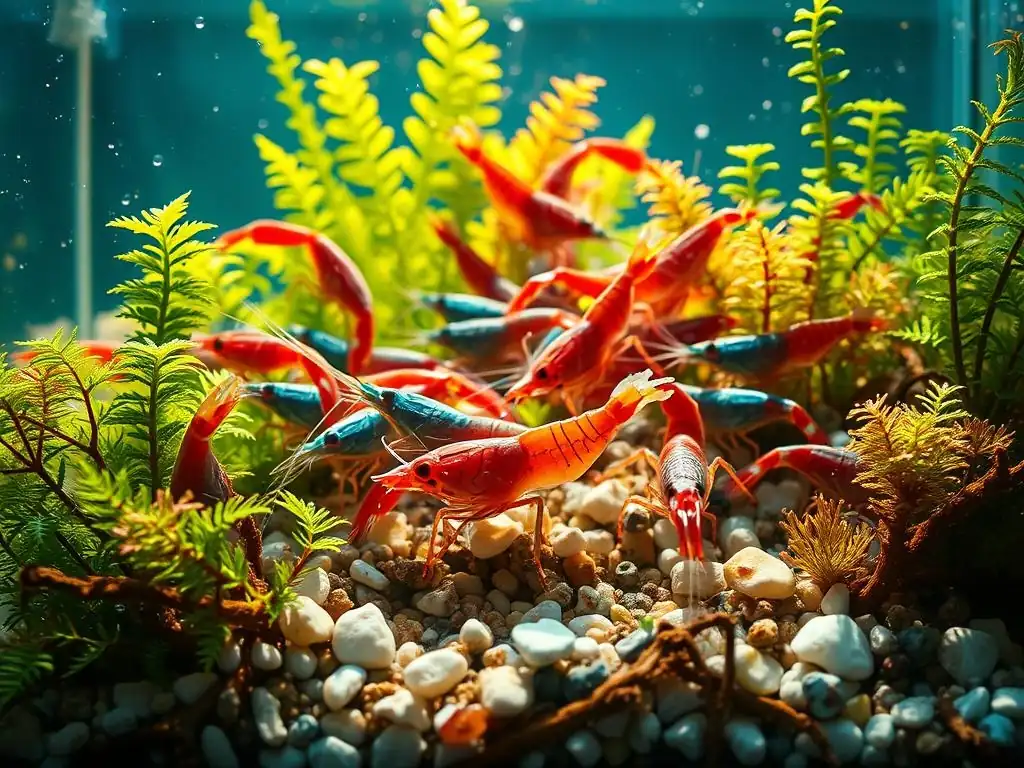
Welcome to Aquarium Mastery!
Ever wondered why your Caridina shrimp are having molting problems? These fascinating creatures require a delicate balance, and understanding their shedding process is key to a thriving aquarium. Dive in to uncover the secrets to ensuring a smooth molt for your delicate shrimp and unlock a healthier, happier tank!
- What is Caridina Molting and Why Is It Important?
- Recognizing the Signs of Pre-Molting in Caridina Shrimp
- Caridina Molting Problems: Identifying and Addressing Issues
- Water Parameters and Their Impact on Caridina Shrimp Molting
- Essential Minerals for Caridina Shrimp Molting: Calcium and Magnesium
- Diet and Nutrition for Healthy Caridina Shrimp Molting
- Preventing Caridina Molting Problems: A Proactive Approach
- Treating Caridina Molting Problems: A Step-by-Step Guide
- Understanding Caridina Shrimp Anatomy: How the Molting Process Works
- Post-Molting Care: Protecting Your Caridina Shrimp
- Caridina Molting Frequency: What's Normal and What's Not?
-
Frequently Asked Questions
- What are the most common signs of Caridina molting problems?
- What water parameters are crucial for successful Caridina shrimp molting?
- How does diet affect a Caridina shrimp's ability to molt properly?
- What can cause a "white ring of death" in Caridina shrimp and how can it be prevented?
- How often should Caridina shrimp molt, and what could cause a shrimp to stop molting altogether?
- Final Reflection: The Delicate Dance of Life
- Revitalize Your Shrimp Tank: Embrace the Molt!
What is Caridina Molting and Why Is It Important?
The Caridina Exoskeleton: A Shrimp's Protective Shell
Caridina shrimp, like all crustaceans, possess a rigid outer shell known as an exoskeleton. This chitinous and calcified structure serves as their primary defense mechanism, protecting their delicate internal organs from physical damage and providing structural support for their muscles. Unlike the internal skeletons of vertebrates, the exoskeleton is external and does not grow continuously with the shrimp.
Composed primarily of chitin reinforced with calcium carbonate, this hard casing acts as a suit of armor. While offering excellent protection, its inflexible nature means that for the shrimp to grow larger, this protective layer must be periodically shed. This process is fundamental to their survival and development, making the integrity of the exoskeleton directly linked to the shrimp's overall health and resilience against environmental stressors.
Why Molting is Essential for Caridina Shrimp Growth
Molting, also known as ecdysis, is the vital biological process by which Caridina shrimp shed their old, restrictive exoskeleton to allow for growth. As the shrimp's soft tissues expand internally, the old shell becomes too small, necessitating its removal. A new, larger, but initially soft, exoskeleton forms underneath the old one, ready to be hardened once the old shell is discarded.
Beyond facilitating growth, molting serves several other crucial functions. It allows the shrimp to repair any damage to its existing shell, such as minor cracks or injuries, and to remove external parasites or algae that may have accumulated on the surface of the old exoskeleton. A successful molt is a clear indicator of a healthy shrimp and optimal environmental conditions, whereas issues can quickly lead to Caridina molting problems shrimp and mortality.
Identifying a Healthy Caridina Shrimp Molt
A healthy Caridina shrimp molt is characterized by the complete and clean shedding of the old exoskeleton. The discarded shell, often referred to as a "ghost shrimp" due to its translucent, life-like appearance, should be fully intact, including the antennae, legs, and even the gills. It will usually be found lying on the substrate or caught in plants, appearing as a perfect replica of the shrimp itself.
After a successful molt, the shrimp will typically hide for a period, usually a few hours to a day, while its new shell hardens. During this time, they are highly vulnerable. Once the new exoskeleton has sufficiently hardened, the shrimp will resume its normal activities, such as grazing and swimming actively, often appearing slightly larger and more vibrant in coloration than before the molt. Any deviation from this smooth process can indicate Caridina molting problems shrimp.
Recognizing the Signs of Pre-Molting in Caridina Shrimp
Behavioral Changes Before Molting: What to Watch For
Before a molt, Caridina shrimp often exhibit subtle behavioral changes as they prepare for the arduous process. One common sign is a noticeable decrease in activity; shrimp may become more reclusive, spending more time hiding in dense plant cover, under driftwood, or within caves. Their appetite may also diminish slightly, and they might graze less frequently than usual.
Another indicator is a general lethargy or reduced movement. While not always pronounced, a shrimp that is normally active but suddenly becomes unusually still for several hours might be preparing to molt. Observing these quiet periods, especially when combined with slight physical changes, can give aquarists an early warning to ensure optimal conditions for the upcoming molt, potentially preventing Caridina molting problems shrimp.
Physical Indicators of Impending Molt in Caridina Shrimp
Physical signs of an impending molt in Caridina shrimp include a slight dulling of their coloration, as the old shell loses some vibrancy before being shed. More specifically, aquarists might observe a faint, almost transparent gap forming between the carapace (the large upper shell) and the abdomen at the back of the shrimp's body. This separation indicates that the new shell is forming underneath and the shrimp is preparing to back out of its old one.
In some cases, the shrimp might appear slightly larger or "fuller" than usual due to the development of the new, softer exoskeleton beneath the existing one. While the infamous "ring of death" (a white band around the body) is often associated with failed molts, a very subtle, thin line might be seen as the old shell begins to detach, which is a normal part of the preparation. However, if this line thickens or appears to constrict the shrimp, it could be an early warning sign of potential Caridina molting problems shrimp.
Caridina Molting Problems: Identifying and Addressing Issues
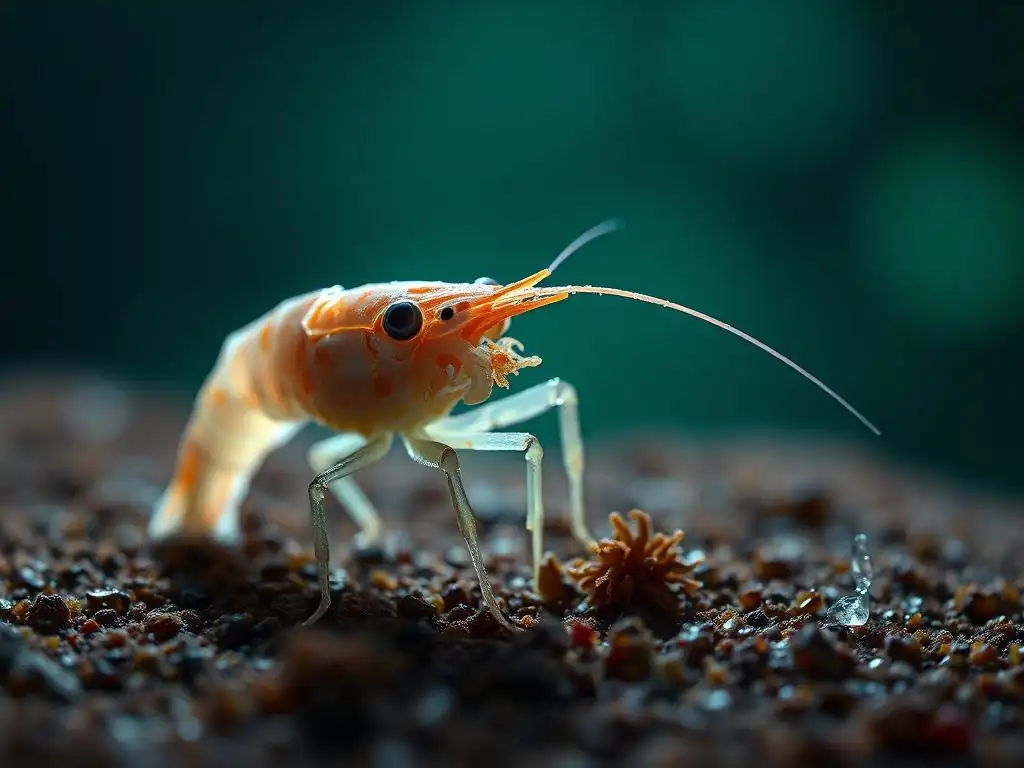
Common Caridina Molting Problems
Caridina shrimp, particularly the more sensitive variants, are susceptible to a range of molting difficulties that can severely impact their health and survival. These issues often stem from imbalances in water parameters, dietary deficiencies, or environmental stress, manifesting as incomplete molts, failed molts, or soft shells. Recognizing these common Caridina molting problems shrimp early is crucial for effective intervention and preventing further losses in the aquarium.
Understanding the specific nature of each problem is the first step towards a solution. Whether the shrimp cannot fully shed its old shell, becomes stuck and dies during the process, or emerges with a dangerously soft new shell, each scenario points to different underlying causes that require targeted remedies. Prompt identification and appropriate action can significantly improve the survival rate of affected shrimp and enhance the overall health of the colony.
Incomplete Molts: Causes and Solutions
An incomplete molt occurs when the Caridina shrimp fails to fully shed its old exoskeleton, leaving parts of it still attached to its body. This often appears as a section of the old shell clinging to the tail, legs, or even the main body. The primary causes include insufficient minerals (especially calcium and magnesium) in the water, sudden fluctuations in water parameters, or elevated stress levels from poor water quality or aggressive tank mates.
To address incomplete molts, immediate action is required. Begin by performing a small (10-15%) water change using precisely remineralized RO/DI water to ensure optimal parameters (e.g., GH 4-6 dGH, KH 0-2 dKH for most sensitive Caridina). Supplementing the diet with mineral-rich foods or specialized shrimp pellets designed to boost calcium and magnesium can also help. Ensuring stable water chemistry and reducing any sources of stress (like high nitrates, typically below 20 ppm) are vital long-term solutions to prevent recurrence of these Caridina molting problems shrimp.
Failed Molts: Recognizing and Preventing Mortality
A failed molt is one of the most critical Caridina molting problems shrimp, often leading to the death of the shrimp. This happens when the shrimp becomes completely stuck in its old exoskeleton, unable to extricate itself. The classic sign is the "ring of death," a white or opaque band that forms around the shrimp's body, typically at the junction of the carapace and abdomen, indicating it cannot break free.
The main culprits behind failed molts are severe mineral deficiencies, rapid changes in water parameters (e.g., sudden temperature drops or pH swings), or extreme stress. Prevention is key: maintain highly stable water parameters within the recommended ranges for your specific Caridina species, ensure a consistent, mineral-rich diet, and avoid any sudden environmental shocks. Unfortunately, once a shrimp is in the throes of a failed molt, recovery is rare, though providing a calm, dark environment might offer a minimal chance of survival.
Soft Shells After Molting: Mineral Deficiencies and Remedies
When a Caridina shrimp emerges from a molt with a soft, pliable shell instead of a firm one, it indicates a significant problem, typically a severe mineral deficiency. Without adequate calcium and magnesium, the shrimp cannot properly harden its new exoskeleton, leaving it highly vulnerable to injury, predation, and bacterial infections. This soft-shelled state can persist for days, making the shrimp appear sluggish and easily damaged.
The primary remedy involves immediate attention to water parameters and diet. Test your General Hardness (GH) and ensure it is within the ideal range (e.g., 4-6 dGH for Crystal Red/Black Bee shrimp). If low, carefully add a remineralizer specifically designed for Caridina shrimp (e.g., SaltyShrimp GH+). Supplement the shrimp's diet with foods rich in bioavailable calcium and magnesium, such as specialized mineral pellets or blanched dark leafy greens (in moderation). Consistent, high-quality water and nutrition are paramount to preventing these Caridina molting problems shrimp.
Water Parameters and Their Impact on Caridina Shrimp Molting
The Role of GH (General Hardness) in Caridina Molting
General Hardness (GH) is a crucial water parameter for Caridina shrimp, as it measures the concentration of dissolved divalent ions, primarily calcium and magnesium. These minerals are the fundamental building blocks for the shrimp's exoskeleton. Adequate levels of GH ensure that the shrimp have a readily available supply of these essential elements to form a strong, new shell after each molt.
For many sensitive Caridina species, such as Crystal Red and Black Bee shrimp, an ideal GH range is typically between 4 and 6 dGH. If the GH is too low (e.g., below 3 dGH), shrimp may struggle to form a new shell, leading to soft shells or incomplete molts. Conversely, excessively high GH (e.g., above 8 dGH) can also cause stress and hinder the molting process, resulting in Caridina molting problems shrimp due to difficulty in shedding the old, overly hard shell.
KH (Carbonate Hardness) and Its Influence on a Successful Molt
Carbonate Hardness (KH), also known as alkalinity, measures the concentration of carbonates and bicarbonates in the water, which act as a buffer against pH fluctuations. While KH does not directly contribute to shell formation like GH, it plays a vital indirect role by stabilizing pH. For most sensitive Caridina shrimp, a very low KH is preferred, often in the range of 0 to 2 dKH.
Maintaining a stable, low KH is crucial because Caridina shrimp thrive in slightly acidic to neutral pH environments (e.g., pH 6.0-7.0). Fluctuating pH levels, which can occur with inadequate KH buffering, cause significant stress to shrimp, diverting their energy from growth and molting to coping with environmental changes. This stress can easily precipitate Caridina molting problems shrimp, even if mineral levels (GH) are otherwise appropriate.
Maintaining Stable Water Chemistry for Healthy Molting
Stability in water chemistry is arguably more critical for Caridina shrimp than hitting exact parameter numbers, especially when it comes to molting. Wild Caridina habitats often feature very consistent water conditions, and rapid changes in temperature, pH, GH, or KH can induce severe stress, leading to immediate Caridina molting problems shrimp or delayed complications. Small, frequent water changes are preferable to large, infrequent ones.
Regular testing of water parameters (e.g., weekly for established tanks, more frequently for new setups or during problem-solving) allows aquarists to monitor trends and make gradual, informed adjustments. When parameter corrections are needed, they should be implemented slowly over several days or even weeks, rather than abruptly. For instance, raising GH by no more than 0.5-1 dGH per day prevents shock, ensuring a consistent and supportive environment for successful molts.
Essential Minerals for Caridina Shrimp Molting: Calcium and Magnesium
Calcium's Crucial Role in Exoskeleton Formation
Calcium is the single most important mineral for the formation of a strong, healthy exoskeleton in Caridina shrimp. The majority of their shell is composed of calcium carbonate, which provides the necessary rigidity and protection. Shrimp absorb calcium directly from the water column and from their diet, integrating it into their new shell immediately after molting to facilitate hardening.
Without sufficient bioavailable calcium, Caridina shrimp cannot properly calcify their new exoskeleton. This deficiency leads to a soft shell after molting, leaving the shrimp extremely vulnerable to injury, infection, and predation. A chronic lack of calcium is a primary cause of severe Caridina molting problems shrimp, including failed molts where the shrimp simply cannot develop a shell strong enough to emerge from the old one.
Magnesium's Importance in Caridina Enzyme Function
While calcium is the primary building block, magnesium plays an equally critical, though often overlooked, role in the molting process of Caridina shrimp. Magnesium acts as an essential cofactor for numerous enzymatic reactions within the shrimp's body. Crucially, it is vital for the proper absorption and utilization of calcium. Without adequate magnesium, calcium cannot be efficiently incorporated into the new exoskeleton, even if calcium levels are otherwise sufficient.
A deficiency in magnesium can therefore lead to the same symptoms as a calcium deficiency, such as soft shells or difficulty molting, even if calcium is present in the water. For instance, a GH of 5 dGH might be ideal if the calcium-to-magnesium ratio is balanced (e.g., approximately 3:1 or 4:1 calcium to magnesium), but if magnesium is too low, Caridina molting problems shrimp can still occur. Ensuring both minerals are present in appropriate concentrations is key for robust shell development.
Supplementing Minerals for Optimal Caridina Health and Molting
Given the critical roles of calcium and magnesium, supplementing these minerals is often necessary, especially when using reverse osmosis (RO) or deionized (DI) water, which are devoid of minerals. Specialized remineralizers, such as SaltyShrimp GH+, are formulated specifically for Caridina shrimp. These products add the precise balance of calcium and magnesium (and other trace elements) to achieve the ideal GH without significantly affecting KH, which is crucial for sensitive Caridina.
Using such targeted supplements ensures that the water provides the exact mineral profile needed for healthy molting and overall shrimp well-being. Relying solely on general hardness enhancers or calcium sources not balanced for Caridina can lead to imbalances that contribute to Caridina molting problems shrimp. Consistent and accurate dosing of these remineralizers, based on regular GH testing, is paramount for preventing mineral deficiencies and promoting strong shell development.
Diet and Nutrition for Healthy Caridina Shrimp Molting
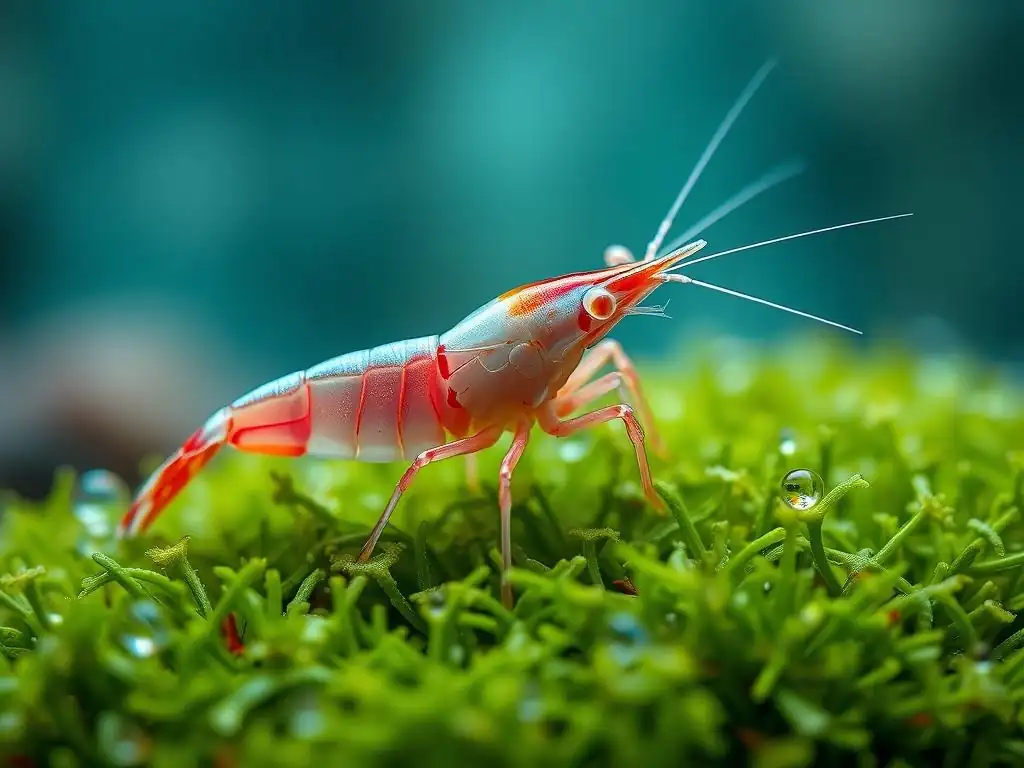
Providing a Balanced Diet for Strong Shell Development
A balanced and varied diet is fundamental to preventing Caridina molting problems shrimp and promoting overall health. Shrimp require a diverse range of nutrients, including proteins for muscle development, carbohydrates for energy, and crucially, a wide spectrum of vitamins and minerals for robust exoskeleton formation. Relying on a single type of food can lead to nutritional deficiencies over time.
High-quality commercial shrimp pellets specifically formulated for Caridina shrimp often contain a balanced blend of nutrients, including essential minerals. Supplementing this with natural food sources like blanched vegetables (e.g., spinach, kale in moderation), spirulina, and algae wafers ensures a broad nutritional intake. Regular grazing on biofilm and algae naturally present in the aquarium also contributes significantly to their mineral intake, supporting consistent growth and healthy molts.
Foods Rich in Calcium and Other Essential Minerals
To support the intense mineral requirements of molting, particularly for calcium and magnesium, incorporating foods specifically rich in these elements can be highly beneficial. Specialized shrimp foods are available that are fortified with calcium carbonate and other trace minerals essential for shell development. These often come in the form of mineral pellets or "shrimp lollies."
Beyond commercial options, certain natural foods can provide a boost. Blanched dark leafy greens like spinach and nettle leaves (fed sparingly) are good sources of calcium and other micronutrients. However, it's vital to ensure any natural foods are free from pesticides and thoroughly rinsed. The constant presence of a healthy biofilm layer in the aquarium, encouraged by stable conditions, also provides a continuous, natural source of essential minerals and organic matter for grazing Caridina shrimp.
Avoiding Overfeeding to Prevent Molting Issues
While proper nutrition is vital, overfeeding can paradoxically lead to significant Caridina molting problems shrimp. Excess food decomposes rapidly, leading to a spike in ammonia, nitrites, and subsequently nitrates. Poor water quality, characterized by elevated toxins and unstable parameters, is a major stressor for Caridina shrimp, diverting their energy from essential biological processes like molting.
When shrimp are stressed by poor water conditions, their ability to properly form and shed their exoskeleton is severely compromised. This can result in incomplete molts, failed molts, or soft shells, increasing mortality rates. It is always better to underfeed slightly than to overfeed. Feed only what the shrimp can consume within 2-3 hours, and remove any uneaten food to maintain pristine water quality, thereby minimizing stress and supporting healthy molting cycles.
Preventing Caridina Molting Problems: A Proactive Approach
Regular Water Changes: Maintaining Water Quality
Regular water changes are perhaps the most critical preventative measure against Caridina molting problems shrimp. For sensitive Caridina, using reverse osmosis (RO) or deionized (DI) water remineralized with a product specifically designed for their needs (e.g., SaltyShrimp GH+) is highly recommended. This ensures that only clean, appropriately mineralized water is introduced, free from tap water contaminants.
Small, frequent water changes (e.g., 10-15% weekly) are far more beneficial than larger, less frequent ones. This approach helps to dilute accumulated nitrates, replenish essential trace minerals, and maintain highly stable water parameters, minimizing the stress on shrimp. Consistent water quality reduces the likelihood of failed molts and ensures that shrimp have the ideal environment to shed their shells successfully.
Avoiding Copper and Other Harmful Substances
Copper is highly toxic to all invertebrates, including Caridina shrimp, even in minute concentrations. Levels as low as 0.03 mg/L can be lethal. Many common aquarium medications, some plant fertilizers, and even certain tap water sources can contain harmful levels of copper. It is paramount to check the ingredients of all products intended for use in a shrimp tank.
Beyond copper, other harmful substances to avoid include chlorine and chloramine (present in most tap water), which must be neutralized with a high-quality water conditioner. Heavy metals, insecticides, and even certain air fresheners or cleaning products used near the tank can also pose a significant threat. Proactively eliminating exposure to these toxins is fundamental to preventing stress and subsequent Caridina molting problems shrimp.
Providing Adequate Hiding Places for Vulnerable Shrimp
Immediately after molting, Caridina shrimp are at their most vulnerable. Their newly formed exoskeleton is soft and pliable, leaving them defenseless against potential predators, including larger fish, aggressive tank mates, or even other, larger shrimp in the colony. During this critical period, they instinctively seek refuge to recover and harden their new shell.
Providing ample hiding places throughout the aquarium is therefore essential. Dense clumps of live plants, particularly mosses like Java Moss or Christmas Moss, offer excellent cover. Cholla wood, specialized ceramic shrimp caves, or small, overturned terracotta pots can also serve as ideal retreats. Ensuring every shrimp has access to a safe, dark spot to recover significantly reduces stress and the risk of injury or predation, thereby preventing stress-induced Caridina molting problems shrimp.
Treating Caridina Molting Problems: A Step-by-Step Guide
Identifying the Specific Molting Issue
The first crucial step in treating Caridina molting problems shrimp is accurate identification of the specific issue. Is it an incomplete molt, where parts of the old shell remain attached? Is it a failed molt, where the shrimp is stuck and struggling, often showing the "ring of death"? Or is it a soft shell, where the shrimp has shed successfully but its new shell remains dangerously pliable? Each problem points to different underlying causes and requires a tailored approach.
Careful observation of the affected shrimp and any discarded exoskeletons is key. An incomplete molt suggests issues with mineral availability or general stress, while a failed molt often indicates severe underlying stress or critical mineral deficiency. A soft shell points almost exclusively to a lack of calcium and/or magnesium. Precise diagnosis ensures that the subsequent interventions are effective and do not inadvertently worsen the situation.
Adjusting Water Parameters to Correct Deficiencies
Once the molting issue is identified, the next step involves thoroughly testing key water parameters and making targeted adjustments. For most Caridina molting problems shrimp, focus on General Hardness (GH), Carbonate Hardness (KH), and pH. If GH is low (e.g., below 4 dGH for sensitive Caridina), carefully increase it using a remineralizer specifically formulated for Caridina shrimp (e.g., SaltyShrimp GH+), adding it slowly to remineralized RO/DI water during water changes.
If KH is out of range (ideally 0-2 dKH for many Caridina) or if pH is unstable, small, consistent water changes with appropriately remineralized water will help normalize these. Avoid large, sudden changes, as these can cause further stress. Aim for consistency: a change of no more than 0.5 dGH or dKH per day is a safe guideline. Regular testing (daily for a few days after adjustment) will confirm stability and ensure the shrimp has the optimal environment to recover.
Providing Supportive Care for Shrimp Experiencing Molting Difficulties
For shrimp experiencing severe Caridina molting problems shrimp, supportive care can make a difference. If possible and practical, isolating a severely affected shrimp in a small, stable quarantine tank with identical water parameters can reduce stress and prevent aggression from other tank inhabitants. Ensure the quarantine tank has ample hiding spots and minimal light.
Provide easily accessible, high-quality, mineral-rich foods, such as specialized shrimp pellets or blanched spinach, to ensure the shrimp has the necessary nutrients for recovery and new shell formation. Maintaining pristine water quality through small, frequent water changes in both the main tank and any quarantine setup is paramount. Minimizing disturbances, keeping lighting subdued, and ensuring a calm environment will help the shrimp conserve energy and focus on healing.
Understanding Caridina Shrimp Anatomy: How the Molting Process Works
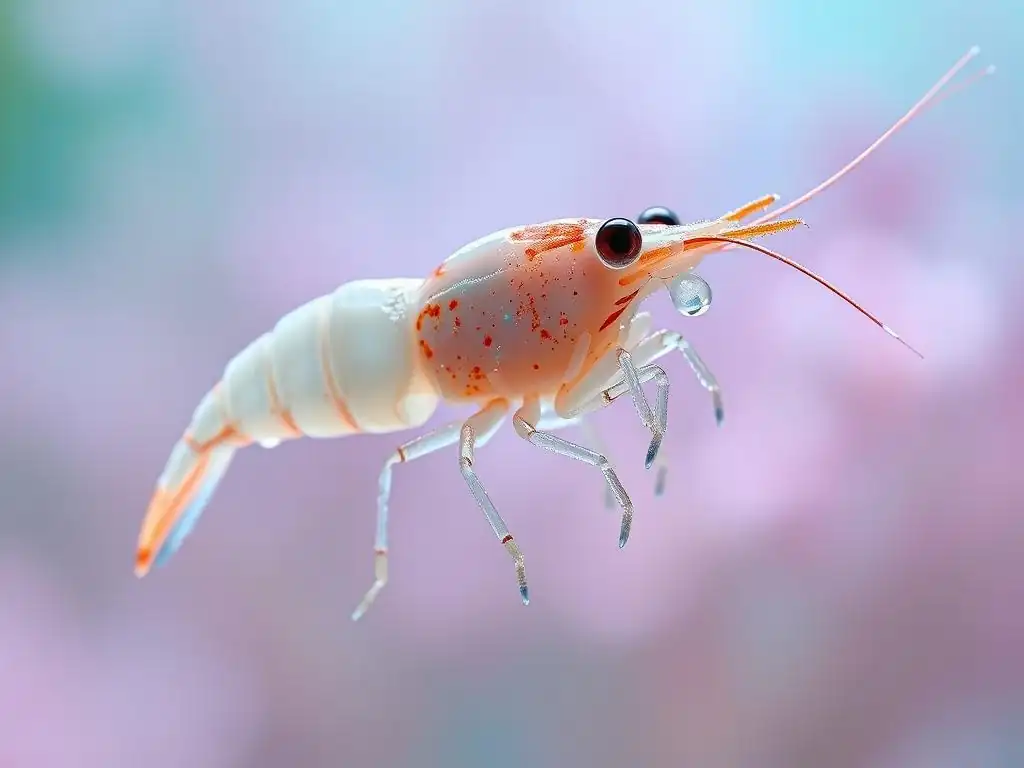
The Process of Shedding the Old Exoskeleton
The molting process in Caridina shrimp begins internally. The shrimp first reabsorbs some of the calcium from its old exoskeleton, storing it for the new shell. Simultaneously, a new, soft, and flexible exoskeleton begins to form underneath the existing one. Enzymes are secreted between the old and new shells, which helps to loosen the old shell from the shrimp's body.
When the shrimp is ready, it typically finds a quiet, secluded spot. The old carapace (the upper, main part of the shell) usually splits along the back, near the head. The shrimp then arches its body and slowly, often with several pushes and pulls, backs out of the old exoskeleton. This entire process, from the initial split to complete emergence, ideally takes only a few minutes, though it can be a strenuous event. Any prolonged struggle indicates potential Caridina molting problems shrimp.
The Development of the New Exoskeleton
Immediately after shedding the old exoskeleton, the Caridina shrimp's new shell is incredibly soft and pliable. At this stage, the shrimp rapidly absorbs water, causing its body to swell and expand. This inflation allows the new, soft shell to stretch and increase the shrimp's overall size, typically by about 10-20% in a single molt, before the hardening process begins.
Following this expansion, the shrimp quickly begins the crucial process of hardening its new shell. It does this by rapidly re-depositing calcium carbonate and other minerals, primarily absorbed from the water column and from its diet, into the new exoskeleton. This calcification process can take several hours to a few days, depending on the shrimp's size, age, and the availability of essential minerals. During this period, the shrimp remains highly vulnerable to Caridina molting problems shrimp.
The Vulnerable Period After Molting
The period immediately following molting, while the new exoskeleton is still soft and hardening, is the most vulnerable time for Caridina shrimp. During this phase, they are essentially defenseless, lacking the hard, protective barrier that normally shields them from physical injury, aggressive tank mates, or even predation. Their mobility may also be slightly impaired until the shell fully hardens.
Due to this extreme vulnerability, Caridina shrimp instinctively seek out hiding places immediately after molting. They will retreat into dense plant cover, under driftwood, or within specialized shrimp caves to remain concealed until their new shell is sufficiently rigid. A lack of adequate hiding spots in the aquarium can lead to increased stress, injuries, or even death during this critical recovery period, underscoring its importance in preventing post-molt Caridina molting problems shrimp.
Post-Molting Care: Protecting Your Caridina Shrimp
Ensuring Adequate Hiding Places After Molting
Post-molting care begins with ensuring your Caridina shrimp have ample and accessible hiding places. As their new exoskeleton is soft and takes time to harden, they are incredibly vulnerable to stress, injury, and predation. Providing a rich environment with numerous safe retreats is paramount for their survival during this critical period.
Dense clumps of live plants, such as various mosses (e.g., Java Moss, Christmas Moss), provide excellent natural cover. Additionally, specialized ceramic shrimp tubes, cholla wood, or small rock crevices offer secure, dark spots where shrimp can hide and recover without disturbance. A well-scaped tank with plenty of cover minimizes the risk of stress-induced Caridina molting problems shrimp and promotes a smooth recovery after shedding.
Monitoring Water Parameters Closely
Even if water parameters were optimal before the molt, it's crucial to monitor them closely in the days following a Caridina shrimp's molt. The process of forming and hardening a new shell places significant demands on the shrimp's physiology and relies heavily on the availability of precise mineral levels in the water. Any sudden fluctuations can hinder this process.
Test General Hardness (GH), Carbonate Hardness (KH), and pH daily for a few days post-molt. Ensure that these parameters remain stable and within the ideal range for your specific Caridina species (e.g., GH 4-6 dGH, KH 0-2 dKH for many sensitive types). Consistent water chemistry prevents additional stress and ensures the shrimp has the necessary resources to fully calcify its new exoskeleton, thereby preventing soft shell issues and other Caridina molting problems shrimp.
Gradual Reintroduction of Light and Feeding
Immediately after a Caridina shrimp has molted, it is advisable to minimize environmental stressors. This includes dimming the aquarium lights or keeping them off for several hours. Intense light can be perceived as a threat to a vulnerable shrimp and may prolong its hiding period, adding unnecessary stress during a delicate time.
Similarly, avoid immediate feeding. While nutrition is vital, a newly molted shrimp's primary focus is on hardening its shell, and it may not be interested in food right away. Introducing food too soon can lead to uneaten portions decaying and fouling the water, which would create further stress for the recovering shrimp. Wait until the shrimp becomes active and starts grazing naturally, typically within a few hours to a day, before resuming a regular feeding schedule to prevent additional Caridina molting problems shrimp.
Caridina Molting Frequency: What's Normal and What's Not?
Factors Influencing Molting Frequency
The frequency of molting in Caridina shrimp is influenced by several key factors, primarily age and growth rate. Juvenile shrimp, which are growing rapidly, will molt much more frequently, sometimes every few days to a week. As they mature and their growth slows, adult shrimp may molt every 3-4 weeks, or even longer, depending on their species and individual metabolism.
Other significant factors include water temperature (higher temperatures can lead to faster metabolism and thus more frequent molts), diet quality (a nutrient-rich diet supports faster growth and more regular molts), and overall health. A healthy, well-fed shrimp in optimal conditions will grow consistently and molt on a regular, predictable schedule. Deviations from this pattern can often be an early indicator of Caridina molting problems shrimp.
Recognizing Signs of Stunted Growth
Infrequent molting, particularly in juvenile Caridina shrimp, can be a significant sign of stunted growth. If young shrimp are not molting regularly (e.g., at least once every 1-2 weeks for the first few months), it suggests they are not growing at a healthy pace. This can result in shrimp remaining unusually small for their age (e.g., a 4-month-old shrimp appearing the size of a 2-month-old).
Other signs of stunted growth include dull coloration, a general lack of vibrancy, and reduced activity levels compared to healthy shrimp of the same age. Stunted growth is often a direct consequence of underlying issues such as poor water quality, inadequate nutrition, or chronic stress, all of which contribute to various Caridina molting problems shrimp and prevent the shrimp from reaching its full potential size and lifespan.
Adjusting Care to Promote Healthy Molting Cycles
To promote healthy molting cycles and prevent Caridina molting problems shrimp, a holistic approach to care is essential. Begin by optimizing all water parameters (GH, KH, pH, temperature) to the specific ideal ranges for your Caridina species, ensuring they remain stable and consistent. Regular testing and gradual adjustments are key to maintaining this stability.
Provide a high-quality, varied diet rich in essential minerals, ensuring adequate calcium and magnesium intake through specialized shrimp foods and occasional blanched vegetables. Maintain impeccable water quality through consistent, small water changes with remineralized RO/DI water. Finally, minimize all potential stressors, such as aggressive tank mates, fluctuating parameters, or excessive disturbances, to create an environment where your Caridina shrimp can thrive, grow, and molt successfully without complications.
Frequently Asked Questions
What are the most common signs of Caridina molting problems?
Common signs include a failed molt, where the shrimp is visibly stuck, white ring of death, a band around the carapace, and lethargic behavior before or after a molt.
What water parameters are crucial for successful Caridina shrimp molting?
Maintaining stable and appropriate water parameters is critical. Key factors include GH (General Hardness), KH (Carbonate Hardness), and pH, ensuring they're within the recommended range for Caridina species.
How does diet affect a Caridina shrimp's ability to molt properly?
A balanced diet rich in essential minerals and nutrients is essential. Provide foods containing calcium and vitamin D3 to support proper shell formation and successful molting.
What can cause a "white ring of death" in Caridina shrimp and how can it be prevented?
The "white ring of death" is often caused by inadequate calcium or rapid changes in water parameters. Prevent it by maintaining stable water conditions and supplementing with calcium-rich foods.
How often should Caridina shrimp molt, and what could cause a shrimp to stop molting altogether?
Caridina shrimp typically molt every few weeks, depending on age and growth rate. A lack of molting could be caused by poor water quality, stress, or nutritional deficiencies.
Okay, here's a final reflection designed to fit your article about Caridina shrimp molting, optimized for emotional connection and future reflection, and targeting the keyword "Caridina molting problems shrimp":
Final Reflection: The Delicate Dance of Life
The intricacies of Caridina molting, as we've explored, are more than just a biological process; they are a microcosm of the fragility and resilience inherent in all life. Understanding and addressing Caridina molting problems shrimp is not simply about keeping these tiny creatures alive, but about fostering a deeper appreciation for the delicate balance within our aquariums and, by extension, within the natural world itself. The health of these shrimp serves as a potent reminder of the interconnectedness of all living things and the importance of responsible stewardship.
The challenges and triumphs of Caridina molting have profoundly influenced the aquascaping community, pushing hobbyists to become more informed and attentive caretakers. This journey of learning and adaptation resonates deeply with the broader human experience, reminding us that growth often comes from overcoming obstacles. The only way to do great work is to love what you do.
- Steve Jobs. This quote, while not directly about shrimp, perfectly captures the dedication and passion required to truly understand and care for these fascinating creatures, transforming a potential problem into a rewarding experience.
Now, as you observe your own Caridina shrimp, remember the lessons we've uncovered. Let the delicate dance of molting inspire you to cultivate patience, attentiveness, and a deeper connection with the natural world. Consider how you can apply these principles to other areas of your life, fostering a greater understanding and appreciation for the subtle rhythms and interconnectedness that shape our world. Embrace the challenge, celebrate the successes, and continue to learn from the wisdom of these tiny, resilient creatures.
Revitalize Your Shrimp Tank: Embrace the Molt!
Thanks for exploring the fascinating world of Caridina shrimp molting! Now that you understand the importance of a successful molt, let's put that knowledge into action and ensure your shrimp thrive.
- Immediately test your water parameters! Maintaining consistent KH and GH levels is critical for successful molting.
- Consider adding natural elements like Indian Almond Leaves to your tank to enrich the environment with tannins.
- Share your molting experiences! Head to our forum and discuss your observations with fellow shrimp keepers.
What specific steps will you take this week to optimize your shrimp's molting environment?