
Signs of a Happy and Healthy Betta: Is Your Fish Thriving?


Welcome to Aquarium Mastery!
Ever wondered if your betta is truly happy and thriving in its underwater kingdom? Dive in and discover the key signs of happy, healthy betta fish behavior. This article unlocks the secrets to understanding your betta's unique personality and ensuring a long and vibrant life. Are you ready to become a true Betta Master? Let's explore!
- Understanding Betta Fish Health and Happiness
- Key Indicators of a Thriving Betta Fish
- Happy, Healthy Betta Fish Behavior: Decoding the Signals
- Unhealthy Betta Fish Symptoms: Red Flags to Watch For
- Maintaining Optimal Conditions for a Happy Betta
- Preventing Betta Fish Illnesses: Proactive Care Tips
- Addressing Common Betta Fish Health Problems
- When to Seek Veterinary Care
- Creating a Happy and Healthy Betta Fish Life: A Summary
-
Frequently Asked Questions
- What are some key signs of happy, healthy betta fish behavior?
- How can I ensure my betta fish displays happy, healthy betta fish behavior within my aquarium?
- What water parameters are crucial for promoting happy, healthy betta fish behavior?
- What feeding practices contribute to happy, healthy betta fish behavior and prevent illness?
- What are some common environmental factors that can negatively impact happy, healthy betta fish behavior?
- Final Reflection: Nurturing Aquatic Well-being
- Nurture a Thriving Betta: Watch Your Fish Flourish!
Understanding Betta Fish Health and Happiness
Why Recognizing Betta Fish Well-being is Crucial
Recognizing the well-being of your betta fish is paramount for several reasons, primarily to ensure their quality of life and longevity. Betta fish, also known as Siamese fighting fish, typically live for 2 to 5 years in captivity, but this lifespan can be significantly shortened by poor care or undetected health issues. Understanding the subtle cues of a happy, healthy betta fish behavior allows aquarists to intervene promptly if problems arise, preventing minor issues from escalating into severe, life-threatening conditions.
Early detection of stress or illness, through careful observation of a betta's demeanor and physical appearance, can make the difference between a swift recovery and prolonged suffering. For instance, a slight dullness in color or a subtle change in swimming pattern might be the first indication of an underlying problem, such as poor water quality or the onset of a parasitic infection. Being attuned to these signals ensures that your aquatic companion thrives, not just survives, in its environment.
Factors Influencing Betta Fish Health
Several critical factors collectively influence the health and overall happiness of a betta fish. The most fundamental include water quality, tank size, appropriate diet, consistent temperature, and environmental enrichment. Each of these elements plays a vital role in fostering a truly happy, healthy betta fish behavior.
For example, optimal water parameters are non-negotiable; bettas thrive in water with a pH range of 6.5 to 7.5, ammonia and nitrite levels at 0 parts per million (ppm), and nitrates below 20 ppm. The water temperature should consistently remain between 76-82°F (24-28°C), necessitating a reliable heater. Furthermore, a minimum tank size of 5 gallons (approximately 19 liters) for a single betta provides adequate space for swimming and exploration, significantly reducing stress compared to smaller, restrictive bowls often mistakenly used.
Key Indicators of a Thriving Betta Fish
Vibrant Colors: A Sign of Betta Health
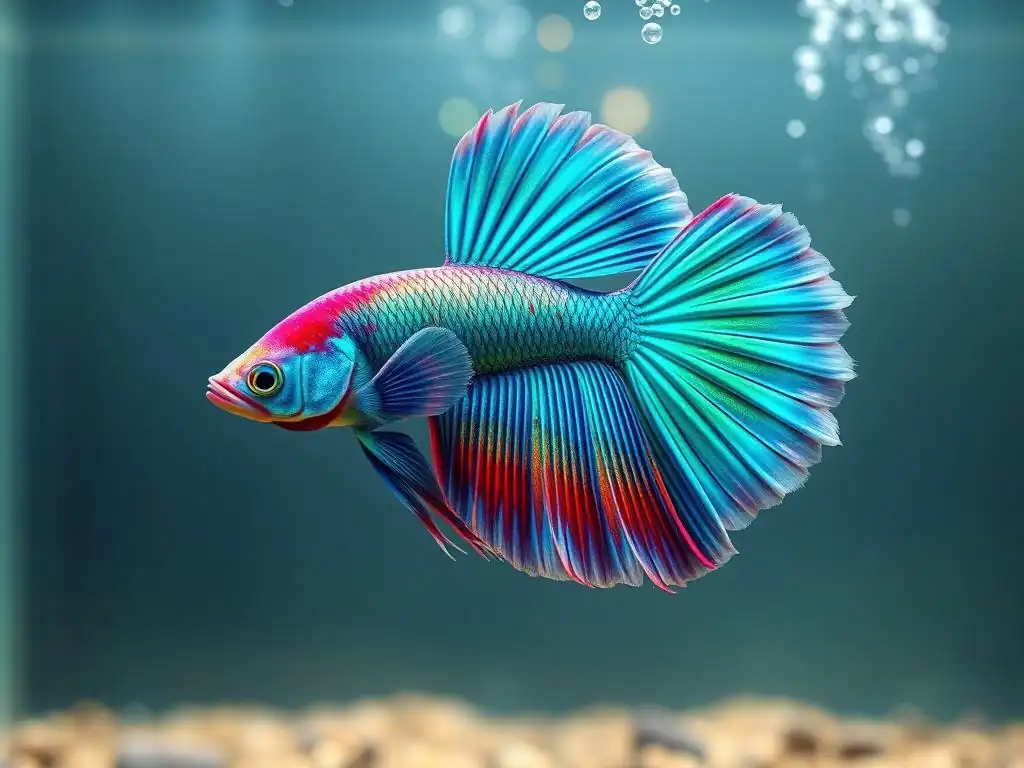
One of the most striking indicators of a happy, healthy betta fish is its vibrant, rich coloration. Betta fish, renowned for their stunning hues, will display their full spectrum of genetic colors when they are thriving. For instance, a healthy red betta will exhibit a deep, intense crimson, while a blue betta will show brilliant sapphire or royal blue tones. Their colors should appear bright and well-defined, without any dullness, fading, or patchy areas.
Conversely, a loss of color intensity, paleness, or the appearance of stress stripes (horizontal lines across the body) often signals stress, poor water conditions, or the onset of illness. Even slight changes, such as a normally iridescent betta appearing muted, can be an early warning sign. Maintaining stable water parameters and a stress-free environment directly contributes to the preservation of these beautiful, healthy pigments.
Active Swimming and Exploration: Normal Betta Behavior
A happy, healthy betta fish typically exhibits active, curious, and graceful swimming patterns. They will explore all levels of their tank, darting through plants, investigating decorations, and occasionally resting on leaves or substrate. Their movements should appear fluid and unlabored, indicating strong fin health and proper buoyancy. You might observe them patrolling the tank perimeter, performing short bursts of speed, or gently gliding.
In contrast, a betta that spends most of its time motionless at the bottom or top of the tank, or that struggles to swim upright, is likely experiencing distress or illness. While occasional resting is normal, prolonged inactivity or a lack of interest in its surroundings deviates from normal happy, healthy betta fish behavior. Observing these active patterns daily is crucial for confirming your fish's well-being.
Healthy Appetite: What a Happy Betta Fish Eats
A robust and consistent appetite is a clear sign of a happy, healthy betta fish. When offered food, a thriving betta will typically swim to the surface with enthusiasm, readily consuming the pellets, flakes, or frozen foods presented. They should show eagerness during feeding times, often recognizing their owner's presence as a cue for a meal.
Bettas are carnivorous, and a balanced diet is crucial. High-quality betta pellets should form the staple of their diet, supplemented with frozen or live foods such such as bloodworms, brine shrimp, and daphnia two to three times a week. A healthy betta will consume 2-3 pellets or a few pieces of frozen food within a few minutes, twice a day. Refusal to eat, spitting out food, or a significant decrease in appetite are strong indicators of stress, internal parasites, or other health issues that require immediate attention.
Intact Fins and Scales: Identifying Signs of Disease
The physical integrity of a betta's fins and scales is a direct reflection of its health. A happy, healthy betta fish will possess fins that are full, flowing, and free from tears, nips, or ragged edges. Their scales should be smooth, uniformly colored, and lie flat against the body, without any signs of lifting, redness, or visible lesions. The delicate finnage, especially in long-finned varieties like the Halfmoon or Crowntail, should be pristine and unblemished.
Any signs of fin rot, characterized by black or red edges on the fins, fraying, or actual tissue loss, indicate a bacterial infection often caused by poor water quality. Similarly, missing scales, white spots resembling salt grains (Ich), fuzzy white growths (fungus), or red sores on the body are serious red flags. Regular inspection of your betta's physical condition is essential for early identification and treatment of these common ailments, ensuring the preservation of their beautiful, healthy appearance.
Happy, Healthy Betta Fish Behavior: Decoding the Signals
Bubble Nesting: Reproductive Behavior in Male Bettas
For male bettas, the creation of a bubble nest is a strong indicator of a happy, healthy betta fish behavior and readiness to breed. A bubble nest is a cluster of mucous-coated bubbles formed by the male at the water's surface, typically anchored to a plant leaf or decoration. This behavior signifies that the male feels secure, is in optimal health, and the environmental conditions, particularly water temperature and quality, are favorable for reproduction.
While not every male betta will build a bubble nest constantly, especially if no female is present or if they are young, its presence is a positive sign. A robust, well-formed bubble nest, often several inches in diameter, showcases the betta's vitality and comfort in its surroundings. The absence of bubble nesting, however, does not necessarily indicate ill health, but its consistent appearance is a clear signal of a thriving male.
Interaction with Environment: Curiosity and Engagement
A happy, healthy betta fish exhibits a natural curiosity and engagement with its environment. This means they will actively explore all corners of their tank, investigate new decorations, and show interest in live or silk plants. They might weave through dense foliage, dart around a piece of driftwood, or even 'rearrange' a few substrate pebbles with their mouths. This exploratory behavior demonstrates that they feel secure and stimulated within their habitat.
A betta that appears bored, listless, or spends most of its time hiding or pressed against the tank glass, despite having adequate space and hiding spots, may be stressed or unwell. A thriving betta will often react to subtle changes in its tank, such as a newly added plant, by swimming over to inspect it. This consistent engagement with their surroundings is a key component of a good happy, healthy betta fish behavior.
Responsiveness to Owner: Recognizing Your Presence
Bettas are known for their personality and can often recognize their owners. A happy, healthy betta fish will frequently display responsiveness to your presence. This might manifest as swimming to the front of the tank when you approach, performing a "dance" or wiggling excitedly, or even following your finger movements along the glass. Some bettas will even flare their gills or fins in a playful display, not out of aggression, but recognition.
This interactive behavior is a strong testament to their well-being and comfort in their environment. A betta that consistently ignores your presence, hides when you approach, or shows no reaction to external stimuli, may be stressed, frightened, or suffering from an underlying health issue. Building a bond through consistent positive interactions can further encourage this delightful aspect of happy, healthy betta fish behavior.
Unhealthy Betta Fish Symptoms: Red Flags to Watch For
Lethargy and Inactivity: When to Be Concerned
One of the most common and concerning signs of an unhealthy betta fish is persistent lethargy and inactivity. While bettas do rest, a healthy fish will generally be active and engaged for most of the day. If your betta is constantly resting at the bottom of the tank, lying on its side, or floating listlessly at the surface for prolonged periods (more than a few hours), it's a significant cause for concern. This differs from normal resting, where a fish might briefly settle on a plant leaf or decoration.
This lack of energy often indicates stress, poor water quality, or an underlying illness. For example, a betta experiencing severe ammonia poisoning might become extremely lethargic and gasp at the surface. Observing your fish's daily activity level against its normal happy, healthy betta fish behavior is vital for early detection of such issues.
Loss of Appetite: Investigating Feeding Issues
A sudden or prolonged loss of appetite is a critical red flag for betta fish health. A happy, healthy betta fish will typically eagerly accept food during feeding times. If your betta consistently refuses to eat, spits out food, or shows no interest in feeding for more than 24-48 hours, it's a strong indicator of a problem. This symptom can be particularly alarming because it directly impacts the fish's energy levels and immune system.
Common causes for appetite loss include poor water quality, incorrect water temperature, internal parasites, bacterial infections, or severe stress. For instance, a betta suffering from constipation due to overfeeding might refuse subsequent meals. It's crucial to investigate the underlying cause promptly, as prolonged starvation can severely weaken the fish.
Clamped Fins: A Sign of Stress or Illness
Clamped fins are a classic symptom of stress or illness in betta fish. Instead of being spread out gracefully, the fins are held tightly against the body, making the fish appear smaller and less vibrant. This behavior is a defensive mechanism, indicating that the betta is uncomfortable or unwell. It can affect all fins, including the dorsal, caudal (tail), and pectoral fins.
This condition is frequently associated with poor water parameters, such as high ammonia or nitrite levels, sudden temperature fluctuations, or the presence of external parasites like Ich. For example, a rapid drop in tank temperature from 80°F to 72°F could immediately cause a betta to clamp its fins. Observing clamped fins warrants immediate testing of water parameters and a thorough check for other symptoms, as it's rarely a standalone issue in a happy, healthy betta fish.
Visible Sores or Bumps: Identifying Potential Infections
The appearance of any visible sores, bumps, lesions, or unusual growths on your betta's body or fins is a serious sign of illness. These can range from small white spots resembling grains of salt (Ich) to cotton-like growths (fungus), red streaks or ulcers (bacterial infections), or even swelling of the body (dropsy). These physical manifestations indicate the presence of pathogens or internal organ failure.
For instance, a betta with a fuzzy white patch on its mouth or fins is likely suffering from a fungal infection, often a secondary infection to an injury or stress. Any deviation from the smooth, clear appearance of a happy, healthy betta fish's scales and skin should prompt immediate investigation and, often, medication. Early identification of these physical symptoms is crucial for successful treatment and preventing the spread of disease.
Erratic Swimming: Recognizing Swim Bladder Issues
Erratic swimming patterns, such as difficulty maintaining balance, swimming upside down, floating uncontrollably, or sinking to the bottom, are strong indicators of swim bladder disease. The swim bladder is an internal organ that helps fish control their buoyancy. When it malfunctions, the fish loses its ability to swim normally, significantly impacting a happy, healthy betta fish behavior.
This condition is often caused by overfeeding, a diet lacking in fiber (leading to constipation), or a bacterial infection that inflames the swim bladder. For example, feeding a betta too many dry pellets that expand in its stomach can put pressure on the swim bladder. While not always fatal, swim bladder issues require prompt attention, often starting with fasting and dietary adjustments, to help the fish regain its normal swimming ability.
Maintaining Optimal Conditions for a Happy Betta
Proper Tank Size and Environment
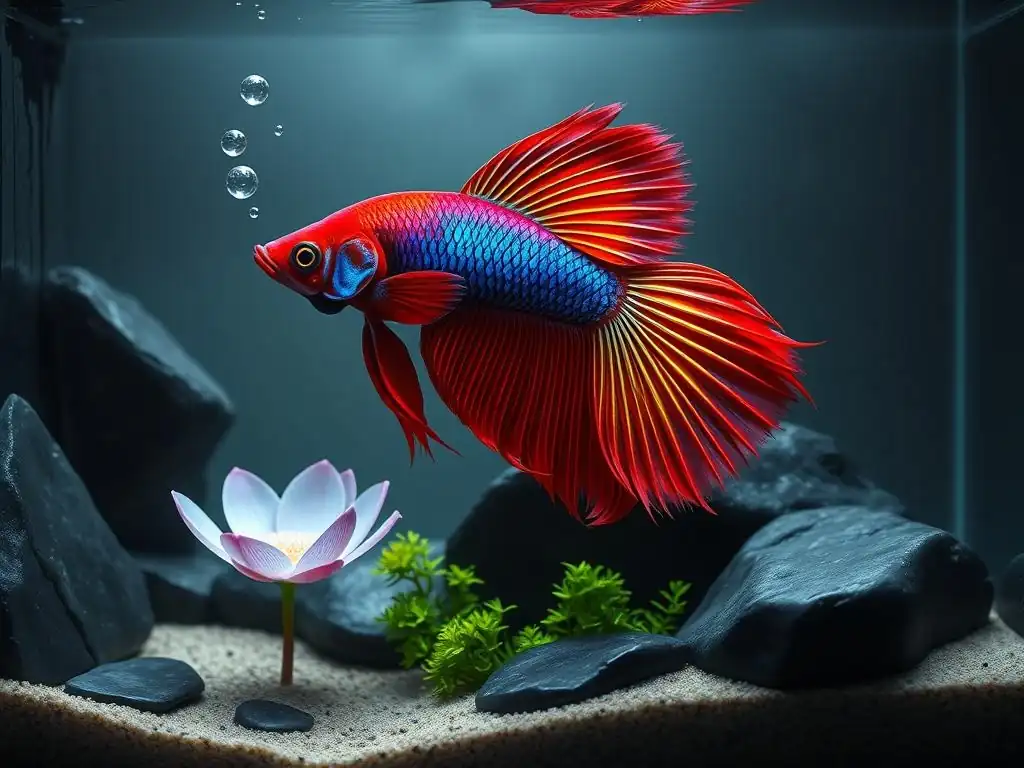
Providing the correct tank size and environment is foundational for a happy, healthy betta fish. A single betta requires a minimum of 5 gallons (approximately 19 liters) of water. Smaller bowls or tanks lead to rapid accumulation of toxins, temperature instability, and insufficient space for exercise and exploration, causing significant stress. A larger tank, such as 10 gallons (38 liters), offers even greater stability and enrichment.
The environment within the tank should include plenty of hiding spots, such as caves, driftwood, and live or silk plants. These elements provide security and stimulate natural betta behaviors, reducing anxiety. Ensuring decorations have no sharp edges is also critical to prevent fin tears, which can lead to infection. A well-designed habitat directly translates to a more confident and happy, healthy betta fish.
Importance of Water Quality
Maintaining pristine water quality is arguably the most critical factor for a happy, healthy betta fish. Poor water conditions are the leading cause of illness and death in aquarium fish. This involves consistently monitoring and managing the nitrogen cycle, ensuring ammonia and nitrite levels remain at 0 parts per million (ppm), and nitrates are kept below 20 ppm. Regular testing with a liquid test kit, not just test strips, provides accurate readings.
High levels of ammonia or nitrite are highly toxic, causing gill damage, stress, and eventually death. Elevated nitrates, while less acutely toxic, contribute to chronic stress and weaken the fish's immune system over time. Consistent water quality directly supports the vibrant colors, active swimming, and overall happy, healthy betta fish behavior.
Temperature and Filtration: Creating the Ideal Habitat
Consistent temperature and appropriate filtration are vital components of an ideal betta habitat. Betta fish are tropical, thriving in water temperatures between 76-82°F (24-28°C). A reliable, submersible aquarium heater is essential to maintain this stable range, as sudden temperature fluctuations cause immense stress and can lead to illness like Ich. Thermometers should be used to verify the heater's accuracy.
For filtration, bettas prefer gentle water flow. A sponge filter or a hang-on-back (HOB) filter with a baffle (to reduce current) is ideal. Filtration removes physical debris and supports beneficial bacteria for the nitrogen cycle, ensuring clean water. However, strong currents can exhaust bettas, particularly long-finned varieties, leading to stress and impacting their happy, healthy betta fish behavior.
Diet and Nutrition: Feeding a Balanced Diet
A balanced and varied diet is fundamental to maintaining a happy, healthy betta fish. Their primary diet should consist of high-quality betta-specific pellets, which are formulated to meet their carnivorous nutritional needs. These pellets contain essential proteins, vitamins, and minerals. It's crucial to select pellets that list fish meal as one of the first ingredients.
Supplementing their staple diet with frozen or live foods, such as bloodworms, brine shrimp, and daphnia, 2-3 times a week provides additional nutrients and variety. These treats mimic their natural diet and can stimulate their appetite. Avoid overfeeding, as it can lead to digestive issues like swim bladder problems and pollute the tank water. Feeding small portions that your betta can consume in 2-3 minutes, twice a day, is generally recommended for optimal digestion and to support a happy, healthy betta fish.
Preventing Betta Fish Illnesses: Proactive Care Tips
Regular Water Changes: Maintaining a Clean Environment
Regular water changes are the cornerstone of proactive betta fish care and essential for preventing illnesses. For most betta tanks (5-10 gallons), performing a 25-30% water change weekly is recommended. This process removes accumulated nitrates, phosphates, and other dissolved organic compounds that filtration alone cannot eliminate. It also replenishes essential minerals that can be depleted over time.
Consistent water changes directly contribute to stable water parameters, significantly reducing stress on your betta and bolstering its immune system. For instance, a 5-gallon tank might require removing approximately 1.25 to 1.5 gallons of water each week. This routine maintenance is far more effective than trying to cure an illness once it has taken hold, ensuring a continuously happy, healthy betta fish environment.
Avoiding Overfeeding: Preventing Digestive Problems
Overfeeding is a common mistake that can lead to significant health problems for betta fish, including digestive issues and poor water quality. Betta stomachs are roughly the size of their eye, meaning they require very small amounts of food. Feeding too much at once, or too frequently, can cause constipation, swim bladder disease, and internal blockages. Excess food also decays in the tank, leading to spikes in ammonia and nitrite.
To prevent overfeeding, feed your betta 2-3 small pellets or 2-3 freeze-dried bloodworms twice a day, ensuring they consume all the food within 2-3 minutes. Skipping one day of feeding per week can also aid digestion. This careful approach to diet is crucial for maintaining a happy, healthy betta fish and a clean tank environment.
Quarantine New Fish: Protecting from Disease
Quarantining new fish, even if your intention is to keep only a single betta, is a vital proactive measure against introducing diseases into your main tank. A separate quarantine tank, ideally 2-5 gallons, should be set up with its own heater and filter. Any new fish should spend 2-4 weeks in this tank, allowing time for potential diseases like Ich, velvet, or bacterial infections to manifest.
During the quarantine period, observe the new fish closely for any signs of illness, such as clamped fins, lethargy, or visible spots. If symptoms appear, they can be treated in the quarantine tank without risking the health of your established happy, healthy betta fish. This practice significantly reduces the chance of a widespread outbreak in your display tank, protecting your beloved pet.
Observing Behavior Daily: Early Detection is Key
Daily observation of your betta's behavior is perhaps the most powerful tool for early detection of health problems. Taking a few minutes each day to watch your fish's swimming patterns, appetite, coloration, and overall demeanor allows you to notice subtle changes that might indicate the onset of illness or stress. For example, a slight decrease in appetite over two consecutive days, or a new tendency to hide, can be early indicators.
Becoming familiar with your individual betta's normal happy, healthy betta fish behavior makes it easier to spot deviations. This vigilance enables you to address issues promptly, often before they become severe and difficult to treat. Early intervention, based on keen observation, significantly increases the chances of a successful recovery and maintains your betta's long-term well-being.
Addressing Common Betta Fish Health Problems
Treating Fin Rot: Identifying and Managing the Infection
Fin rot is a common bacterial infection in bettas, often triggered by poor water quality, stress, or injury. It manifests as frayed, ragged, or dissolving fins, which may also develop black or red edges. In advanced cases, the infection can spread to the body. Early identification is key to successful management and restoring a happy, healthy betta fish.
Treatment primarily involves improving water quality immediately through daily partial water changes (e.g., 25-50% for several days) and ensuring optimal temperature. Adding aquarium salt (1 teaspoon per 5 gallons) can help reduce stress and aid healing. For more severe cases, broad-spectrum antibacterial medications designed for aquarium use may be necessary, following product instructions carefully. Consistent clean water is paramount for fin regeneration.
Dealing with Ich: Recognizing and Treating the Parasite
Ichthyophthirius multifiliis, commonly known as Ich or white spot disease, is a highly contagious parasitic infection. It appears as small, white spots resembling grains of salt scattered across the fish's body and fins. Infected bettas may also exhibit clamped fins, lethargy, rapid breathing, and rub against tank decorations due to irritation. This parasite can quickly spread and weaken a happy, healthy betta fish.
Treatment typically involves slowly raising the tank temperature to 82-84°F (28-29°C) over 24 hours, as warmer temperatures speed up the parasite's life cycle, making it vulnerable to medication. Specific Ich medications containing ingredients like malachite green or formaldehyde are also highly effective and should be used according to package directions. It is crucial to treat the entire tank, as the parasite exists in the water column, not just on the fish.
Managing Swim Bladder Disease: Causes and Treatments
Swim bladder disease impairs a betta's ability to swim normally, leading to symptoms such as floating upside down, sinking to the bottom, or struggling to maintain an upright position. It's often caused by overfeeding, a diet lacking fiber, or bacterial infections. While not directly contagious, it significantly impacts a happy, healthy betta fish behavior and quality of life.
Initial treatment for suspected digestive causes involves fasting the betta for 2-3 days to clear its digestive system. After fasting, offer a blanched, deshelled pea (a tiny piece) as a high-fiber laxative. Epsom salt baths (1 teaspoon per gallon for 15-20 minutes in a separate container) can also help reduce bloating. If a bacterial infection is suspected, broad-spectrum antibiotics may be required, but only after ruling out dietary issues.
When to Seek Veterinary Care
Recognizing Serious Symptoms: Knowing When to Consult an Expert
While many common betta ailments can be managed with diligent home care, there are specific serious symptoms that warrant immediate consultation with a qualified aquatic veterinarian. These include persistent and severe lethargy despite optimal water conditions, extreme swelling of the body (indicating potential dropsy or internal organ failure), deep open sores that do not heal, or a rapid decline in health despite basic treatments. If your betta exhibits symptoms that are worsening, or if you are unsure of the diagnosis after thorough research and initial attempts at treatment, professional help is crucial.
For example, if your betta develops severe fin and body rot that is not responding to multiple water changes and aquarium salt treatments within a few days, it may require prescription-strength antibiotics that only a vet can provide. Recognizing these limits of home care is essential for ensuring the best possible outcome for your happy, healthy betta fish.
Finding a Qualified Aquatic Veterinarian: Ensuring Proper Treatment
Finding a qualified aquatic veterinarian can be challenging, as not all vets specialize in fish. However, for serious or persistent health issues, their expertise is invaluable for ensuring proper diagnosis and treatment. Begin your search by contacting your local veterinary clinics; even if they don't treat fish, they may be able to refer you to a colleague who does. Online directories, such as those provided by the American Association of Fish Veterinarians (AAFV) or similar organizations in other countries, can also be excellent resources.
When you find a potential aquatic vet, inquire about their experience with betta fish and their diagnostic capabilities. A good aquatic vet will be able to perform water quality analysis, microscopic examinations of fin or skin scrapes, and potentially prescribe specific medications that are not available over-the-counter. Investing in professional care when necessary significantly increases the chances of recovery for your happy, healthy betta fish, providing targeted and effective solutions.
Creating a Happy and Healthy Betta Fish Life: A Summary
Key Takeaways for Betta Fish Care and Well-being
Creating a happy and healthy betta fish life hinges on a few core principles: providing a stable and enriched environment, maintaining impeccable water quality, feeding a balanced and appropriate diet, and practicing vigilant daily observation. A minimum 5-gallon tank with a heater and gentle filter is non-negotiable for their comfort and longevity, fostering natural happy, healthy betta fish behavior. Regular 25-30% weekly water changes are crucial for toxin removal and mineral replenishment.
Feeding high-quality betta pellets supplemented with frozen foods, in small portions, prevents digestive issues and keeps them energized. Most importantly, consistently observing your betta's activity levels, coloration, appetite, and physical condition allows for the early detection of any deviations from normal, enabling prompt intervention. By adhering to these practices, you provide a foundation for your betta to thrive, displaying its vibrant colors and engaging personality for years.
Genetic Considerations for Betta Health
While environmental factors and care practices are paramount, genetic considerations also play a role in a betta's overall health and predisposition to certain conditions. Responsible breeding aims to produce strong, healthy fish, but some genetic traits can make certain bettas more susceptible to issues. For example, bettas with extremely long, elaborate fins (like Halfmoons or Rosetails) may be more prone to fin tears or fin rot due to the sheer size and weight of their finnage, even in ideal conditions.
Similarly, some lines may have a genetic predisposition to certain deformities or weaker immune systems. While you cannot change a betta's genetics, being aware of these possibilities can influence your purchase decisions and highlight the absolute necessity of providing optimal care. Even a genetically robust betta will suffer in poor conditions, whereas a betta with a slight genetic predisposition can live a full, happy, healthy betta fish life with diligent and attentive husbandry.
Frequently Asked Questions
What are some key signs of happy, healthy betta fish behavior?
Observe for active swimming, a bright and vibrant color, and a healthy appetite. Avoid signs like lethargy, clamped fins, or loss of color.
How can I ensure my betta fish displays happy, healthy betta fish behavior within my aquarium?
Provide a properly sized and filtered tank, maintain stable water parameters, and offer a varied and nutritious diet. Enrichment through decorations and hiding places is also crucial.
What water parameters are crucial for promoting happy, healthy betta fish behavior?
Maintain a water temperature between 78-82°F, a pH level of around 7.0, and low levels of ammonia and nitrite. Regular water changes are essential.
What feeding practices contribute to happy, healthy betta fish behavior and prevent illness?
Feed your betta a high-quality betta pellet or flake food, supplementing with live or frozen foods like brine shrimp or bloodworms. Avoid overfeeding, which can lead to water quality issues.
What are some common environmental factors that can negatively impact happy, healthy betta fish behavior?
Poor water quality, overcrowding, and aggressive tank mates can all stress a betta. Also, avoid sudden changes in water temperature or chemistry.
Final Reflection: Nurturing Aquatic Well-being
The journey of understanding happy, healthy betta fish behavior extends far beyond simply observing a vibrant color or a flowing fin. It's about recognizing the subtle cues, the nuanced interactions, and the overall well-being of a creature entirely dependent on our care. In a world increasingly disconnected from the natural world, paying close attention to these details becomes a powerful act of empathy and responsibility.
This deeper understanding has profoundly influenced the way we perceive our role as caretakers. It's a constant reminder that even the smallest lives deserve our utmost respect and attention. The greatness of a nation and its moral progress can be judged by the way its animals are treated.
- Mahatma Gandhi. This quote resonates deeply, urging us to extend our compassion to all living beings, including the often-overlooked betta fish.
Now, consider the lessons learned about recognizing the signs of a thriving betta. How can you apply this newfound awareness to other areas of your life? Are you truly seeing the needs of those around you, both human and animal? Let this knowledge inspire you to become a more attentive, compassionate, and responsible steward of the world we share.
Nurture a Thriving Betta: Watch Your Fish Flourish!
Thanks for diving into the world of betta happiness! We hope you found valuable insights into recognizing the signs of a healthy and content betta fish. Now, let's put that knowledge into action to ensure your finned friend lives its best life.
Here's how you can create an even better environment for your betta:
- Prioritize Enrichment: Introduce a new, safe hiding spot or plant to their aquarium this week. This provides mental stimulation and helps them feel secure.
- Observe and Learn: Take 5 minutes each day to closely observe your betta's behavior, noting any subtle changes in appetite, activity, or coloration. Understanding their baseline behavior is key to spotting early signs of illness.
- Share the Betta Love: Encourage a friend who owns a betta to read this article and compare notes on your fish's unique personalities and needs.
What's one small change you can make to your betta's environment today to bring it closer to aquatic perfection?