
The Cyprinid Connection: Understanding Barb Ancestry and Related Species

Welcome to Aquarium Mastery!
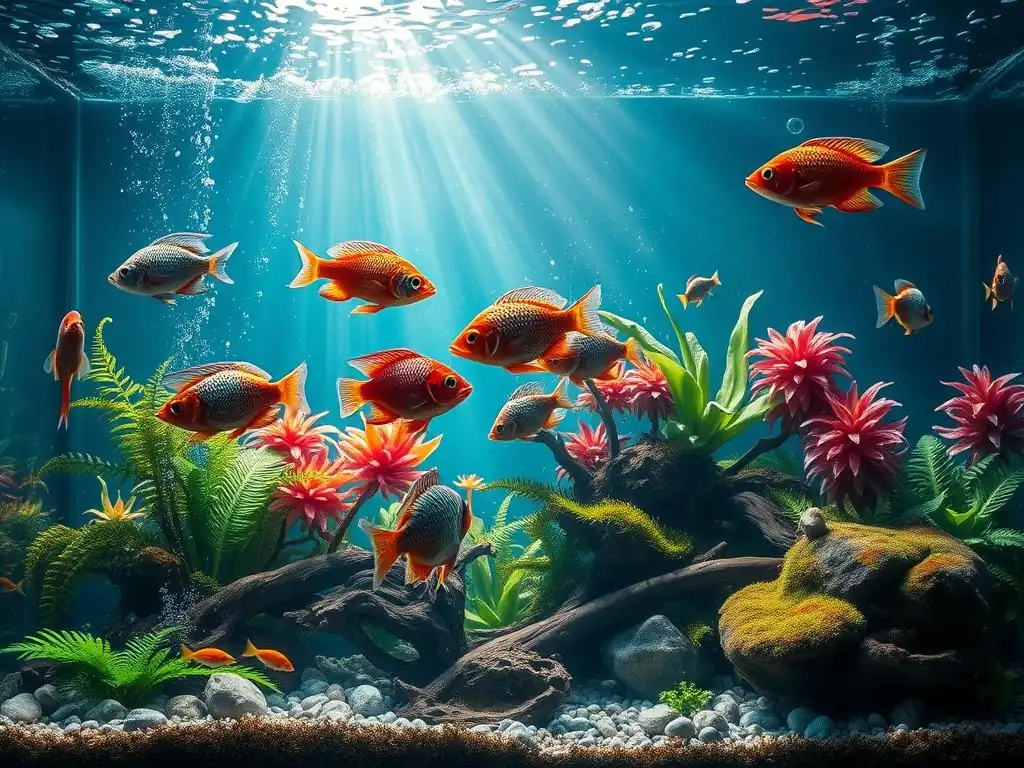
Ever wondered about the fascinating history swimming beneath the surface of your aquarium? This guide delves deep into the Barb fish ancestry, uncovering the surprisingly complex Cyprinid family tree. Prepare to be amazed by the connections between your favorite Barbs and other iconic freshwater species. Intrigued? Dive in to explore the Cyprinid Connection and unlock a new level of appreciation for these vibrant and engaging fish!
- Understanding Cyprinid Relationships: A Guide to Barb Ancestry and Related Species
- Exploring Barb Fish Classification and Identification
- Related Cyprinid Species: Understanding Evolutionary Connections
- Genetic Insights into Cyprinid Phylogeny
- Biogeography of Barbs and Related Cyprinids
- Practical Considerations for Aquarists and Conservationists
- Resources for Further Exploration
-
Frequently Asked Questions
- What is the Cyprinid family, and why is it important for understanding barb fish?
- How does knowing a barb fish's ancestry help with aquarium keeping?
- What are some common characteristics shared among barb fish due to their ancestry?
- Are there specific diseases or health concerns that are more prevalent in certain barb lineages?
- Where can I find reliable information about the ancestry of specific barb species?
- Final Reflection: Unveiling the Legacy of Barb Fish
- Dive Deeper: Uncover the Secrets of Your Barb!
Exploring Barb Fish Classification and Identification
Identifying Genera within Cyprinidae: Barbus, Puntius, and Others
The family Cyprinidae is one of the largest and most diverse groups of freshwater fish, encompassing over 3,000 known species globally. Historically, many species commonly known as "barbs" were classified under the broad genus Barbus. However, extensive phylogenetic studies and a deeper understanding of their evolutionary relationships have led to significant revisions in their taxonomy. This reclassification has resulted in splitting the original Barbus genus into numerous smaller, more phylogenetically distinct genera, such as Puntius, Systomus, Dawkinsia, Desmopuntius, Sahyadria, and many others, making a comprehensive Barb fish ancestry guide more nuanced.
This ongoing taxonomic refinement is crucial for accurately tracing a Barb fish ancestry guide. For instance, the popular Tiger Barb, once known as Barbus tetrazona, is now scientifically recognized as Puntigrus tetrazona. Similarly, the Cherry Barb is Puntius titteya, and the Denison Barb is Sahyadria denisonii. While hobbyists often still use the collective term "barb," understanding these specific generic assignments is vital for precise identification, understanding their natural history, and truly grasping the intricacies of a complete Barb fish ancestry guide.
Key Characteristics for Barb Identification: Morphology and Markings
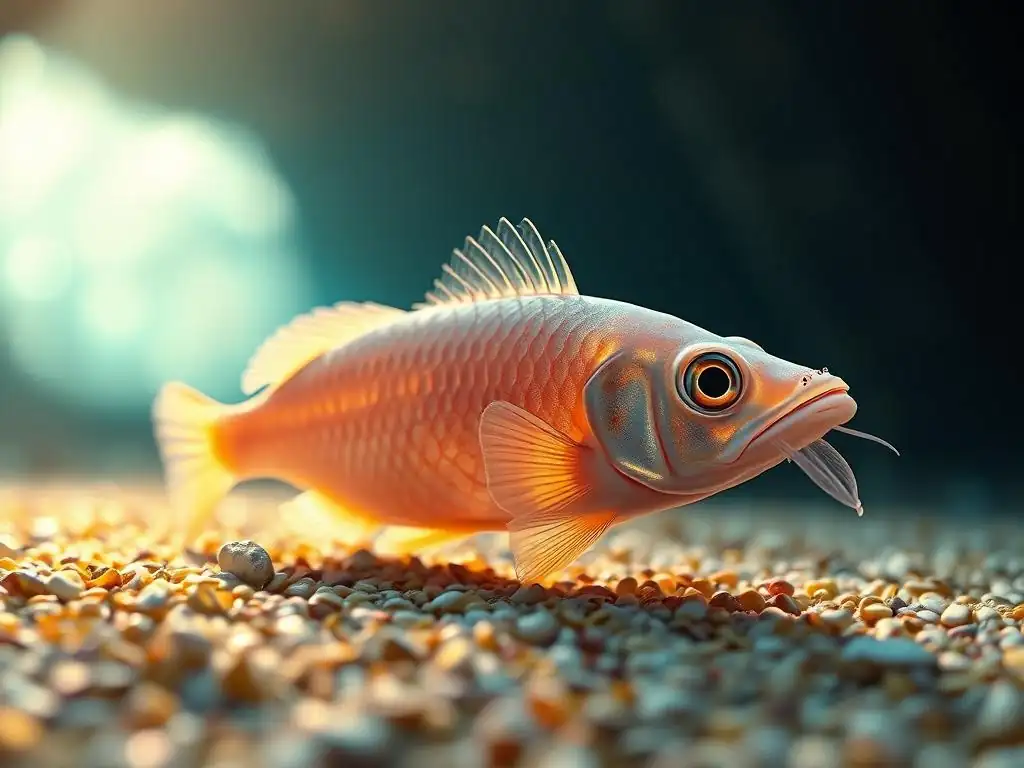
Identifying barbs, especially when exploring a detailed Barb fish ancestry guide, relies heavily on their morphological characteristics and distinctive markings. Most barb species exhibit a fusiform (spindle-shaped) and laterally compressed body, indicative of their active swimming habits.
Their fin structure is also telling: the dorsal fin is typically high, and in some species, like many true Barbus and Puntius, the last unbranched dorsal ray can be ossified and serrated, a key diagnostic feature for a Barb fish ancestry guide. The presence or absence of barbels, the whisker-like sensory organs around their mouth, is another critical identification trait, with some species possessing one or two pairs, while others have none.
Beyond general morphology, the specific coloration and pattern of markings are often species-specific and invaluable for identification, providing clear markers in a Barb fish ancestry guide. For example, the striking vertical black stripes on an orange or yellow body are characteristic of the Tiger Barb ( Puntigrus tetrazona). The Cherry Barb ( Puntius titteya) is distinguished by its vibrant red coloration, especially in males during breeding, often with a subtle horizontal stripe.
The Denison Barb ( Sahyadria denisonii) stands out with its prominent red stripe and a black line running along its flank. These patterns are not merely aesthetic; they are evolutionary adaptations that aid in species recognition, camouflage, and social signaling, offering deep insights into a Barb fish ancestry guide.
Rasboras: Examining Morphological and Behavioral Similarities
Rasboras, belonging primarily to genera like Rasbora, Trigonostigma, and Boraras, are another group of small, schooling Cyprinids that share close evolutionary ties with barbs, providing valuable context for a Barb fish ancestry guide. Many rasbora species exhibit similar active, mid-water schooling behaviors, making them popular choices for community aquariums.
Morphologically, they share the streamlined body typical of many Cyprinids, and some even possess similar fin structures to their barb relatives. For instance, the Harlequin Rasbora ( Trigonostigma heteromorpha) is a prime example of a popular species that, while distinct, offers insights into the broader Cyprinid evolutionary tree explored in a Barb fish ancestry guide.
Despite their similarities, key differences exist. Most rasboras typically lack the barbels commonly found in many barb species, distinguishing them morphologically. Ecologically, many rasboras originate from softer, more acidic blackwater environments found in Southeast Asia, whereas many barbs can tolerate a wider range of water parameters, including harder, more alkaline conditions. Understanding these nuances helps refine the broader picture presented in a comprehensive Barb fish ancestry guide, highlighting how different lineages within the same family have adapted to specific environmental niches while retaining shared ancestral traits.
Danios: Exploring Genetic and Ecological Relationships
Danios, primarily represented by the genera Danio and Devario, are another fascinating group within the Cyprinidae family that share a common evolutionary heritage with barbs, enriching our understanding of a comprehensive Barb fish ancestry guide. These active, often surface-dwelling fish are well-known for their streamlined bodies and rapid movements.
Genetic studies have consistently placed danios firmly within the Cyprinidae family, confirming their close kinship to barbs, even though their superficial appearance might suggest a more distant relationship. The ubiquitous Zebra Danio ( Danio rerio) is a prime example, a species widely used in scientific research due to its robust nature and rapid development, traits shared with many barbs.
Ecologically, both barbs and danios often inhabit flowing waters, with many danio species being particularly rheophilic, meaning they thrive in strong currents. This adaptation to moving water is a shared characteristic that speaks to their common evolutionary pressures. While danios are generally smaller and more slender than many barbs, their resilience, schooling behavior, and adaptability to various water conditions are common threads that run through the Cyprinidae family. Exploring these genetic and ecological overlaps provides deeper insights into the shared evolutionary journey detailed in a Barb fish ancestry guide.
The Cyprinidae family is incredibly vast, extending far beyond just barbs, rasboras, and danios. It includes iconic species like the Common Goldfish ( Carassius auratus) and Koi ( Cyprinus carpio), which, despite their vastly different appearances and cultural significance, share fundamental anatomical and physiological characteristics with barbs, providing a broader context for a Barb fish ancestry guide. All Cyprinids lack a true stomach and possess unique pharyngeal teeth located in their throat for grinding food. Another unifying feature is the Weberian apparatus, a specialized bony connection between the swim bladder and the inner ear, which enhances their hearing sensitivity.
This immense diversity, comprising over 3,000 species, highlights the remarkable adaptive radiation within the Cyprinidae family. While some Cyprinids, like the robust Common Carp, bear little resemblance to a delicate Cherry Barb, their shared ancestral traits underscore their common evolutionary origin. The study of these diverse forms, from bottom-dwelling loaches (which are often also considered part of Cypriniformes, a broader order that includes Cyprinidae) to surface-skimming danios, contributes significantly to our understanding of the complex and interconnected evolutionary pathways detailed in a complete Barb fish ancestry guide.
Genetic Insights into Cyprinid Phylogeny
DNA Barcoding: Applications in Barb Identification and Classification
DNA barcoding, a molecular technique that uses a short, standardized segment of DNA (typically a portion of the mitochondrial cytochrome c oxidase subunit I, or COI gene) to identify species, has revolutionized the field of fish taxonomy and significantly advanced our understanding of a Barb fish ancestry guide. This method provides a rapid and accurate way to distinguish species, even when morphological identification is challenging due to cryptic species complexes, juvenile stages, or preserved specimens. For barbs, where morphological similarities can often lead to misidentification, DNA barcoding has been instrumental in resolving taxonomic ambiguities and confirming species boundaries.
For example, DNA barcoding studies have revealed that what was once considered a single widespread barb species might actually be several distinct, reproductively isolated species. This has led to the reclassification of many barb populations, providing clearer insights into their true evolutionary relationships and geographic distribution, which is critical for an accurate Barb fish ancestry guide. Furthermore, it has been used to verify the identity of fish in the aquarium trade, ensuring that hobbyists and conservationists are working with correctly identified species, a vital step in both responsible husbandry and the development of a precise Barb fish ancestry guide.
Phylogenetic Studies: Reconstructing Evolutionary Relationships within Cyprinidae
Beyond simple species identification, broader phylogenetic studies using multi-gene analyses (incorporating both mitochondrial and nuclear DNA) have been crucial in reconstructing the complex evolutionary tree of the entire Cyprinidae family, providing the scientific backbone for any robust Barb fish ancestry guide. These studies analyze genetic similarities and differences across numerous species to infer their evolutionary relationships, revealing which groups are most closely related and when they diverged from common ancestors. This has led to a much more accurate and stable classification system for barbs.
A prime example of the impact of these studies is the aforementioned reclassification of many species from the polyphyletic (meaning they did not share a single common ancestor to the exclusion of all others) genus Puntius. Phylogenetic research demonstrated that many species grouped under Puntius were not truly sister taxa, leading to their redistribution into new or resurrected genera like Dawkinsia, Desmopuntius, and Sahyadria. These genetic insights are fundamental to understanding the true Barb fish ancestry guide, clarifying long-standing taxonomic confusions and guiding future research and conservation efforts.
Geographic Distribution: Tracing Origins and Diversification
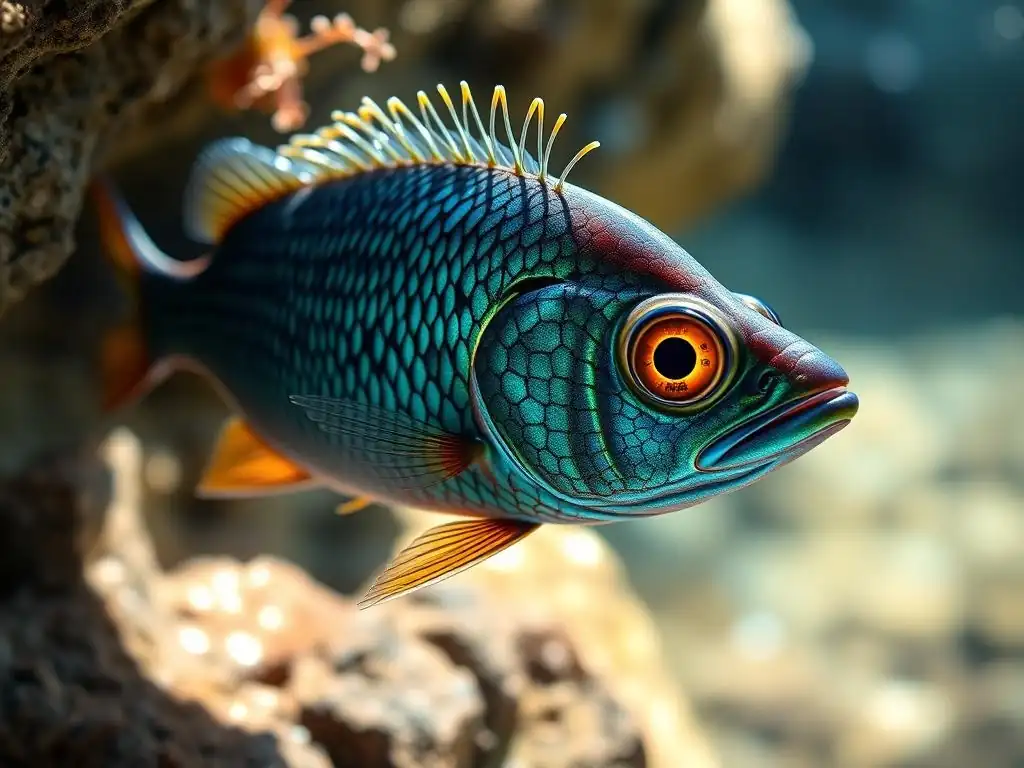
The Cyprinidae family, including barbs and their relatives, boasts an extensive natural distribution primarily across Eurasia and Africa, making their biogeography a fascinating component of a Barb fish ancestry guide. Barbs themselves are particularly diverse in two main regions: South and Southeast Asia, and Africa. In Asia, species are found from the Indian subcontinent, through Southeast Asia (e.g., Thailand, Malaysia, Indonesia), and extending into China. Africa hosts a vast array of Barbus species, particularly in the Great Lakes region and various river systems. This wide distribution suggests ancient origins and significant dispersal events over geological timescales.
The patterns of distribution often correlate with major river systems and geological formations. For instance, many endemic barb species are found in biodiversity hotspots like the Western Ghats of India, home to the Denison Barb ( Sahyadria denisonii), where ancient geological stability and isolation have fostered unique speciation. Understanding these geographical origins and the pathways of dispersal is crucial for interpreting the evolutionary history and diversification patterns outlined in a comprehensive Barb fish ancestry guide. Different species evolved in distinct river basins, often becoming geographically isolated and diverging into new species.
Habitat Adaptations: Exploring Ecological Niches and Evolutionary Pressures
The remarkable diversity of barbs and related Cyprinids is mirrored by the wide array of habitats they occupy, from fast-flowing, oxygen-rich mountain streams to sluggish, turbid rivers, swamps, and even temporary pools, each demanding specific adaptations that inform a Barb fish ancestry guide. Species like the Denison Barb are adapted to cooler, highly oxygenated, swift-flowing hill streams, exhibiting streamlined bodies for reduced drag. In contrast, species found in calmer waters may have deeper bodies and be adapted to foraging among dense vegetation or on the substrate.
These habitat preferences reflect specific ecological niches and the evolutionary pressures that have shaped their morphology, physiology, and behavior. For example, some barbs are primarily herbivorous, grazing on algae and plant matter, while others are omnivorous or even predatory. Their mouth structures, fin shapes, and even schooling patterns are often finely tuned to their specific environments, whether it's navigating strong currents, hiding from predators in dense cover, or foraging for specific food sources. Studying these adaptations provides invaluable insights into the evolutionary journey and environmental influences that define a complete Barb fish ancestry guide.
Practical Considerations for Aquarists and Conservationists
Selecting Appropriate Tank Mates: Understanding Behavioral Compatibility
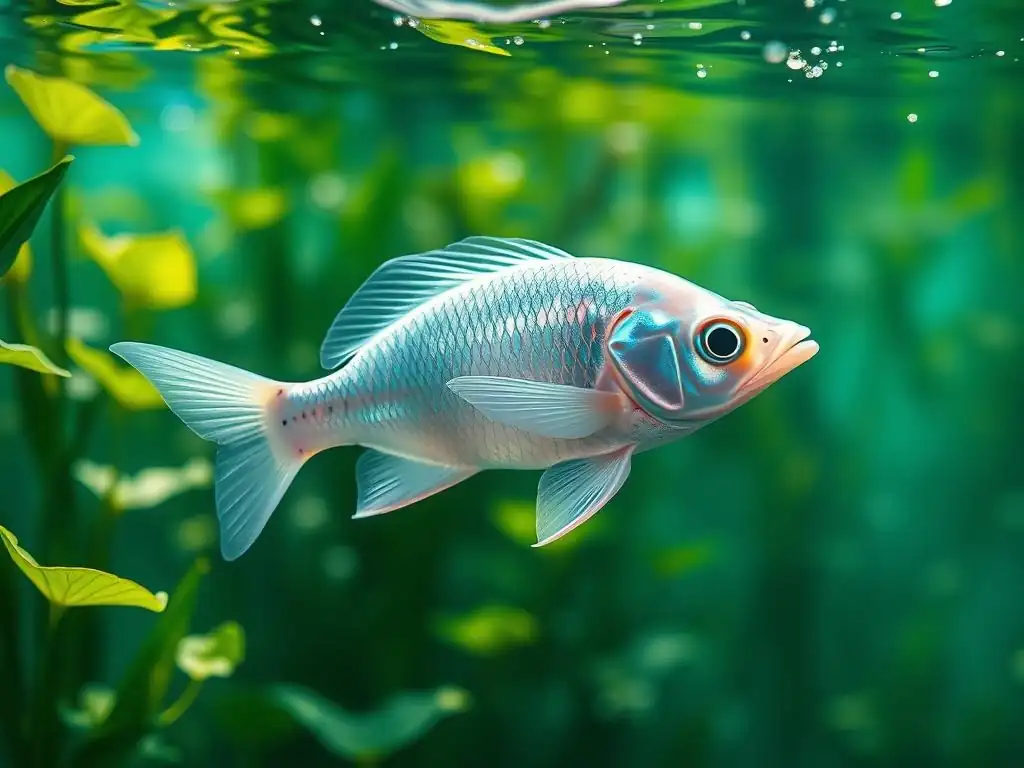
For aquarists, a thorough understanding of a Barb fish ancestry guide and the natural behaviors of these fish is paramount for successful and harmonious aquarium keeping. Many barb species, especially those known for their active schooling nature like the Tiger Barb ( Puntigrus tetrazona), thrive when kept in groups of six or more individuals.
This schooling behavior helps distribute aggression among themselves, significantly reducing the likelihood of fin-nipping or bullying towards other tank mates. Without sufficient numbers, they can become stressed and more prone to harassing other fish, highlighting the importance of behavioral insights from a Barb fish ancestry guide.
When selecting tank mates, it's crucial to avoid pairing aggressive or fin-nipping barbs with slow-moving fish or those with long, flowing fins, as these are common targets. Instead, compatible tank mates often include other robust, active, and similarly sized Cyprinids such as larger danios or certain rasboras, as well as some species of loaches. Researching the specific temperament and needs of each barb species, drawing upon the detailed information found in a Barb fish ancestry guide, is essential to create a thriving community aquarium where all inhabitants can coexist peacefully and healthily.
Conservation Concerns: Threats to Wild Populations and Habitat Loss
While many common aquarium barbs are now commercially bred in large numbers, understanding the broader Barb fish ancestry guide also necessitates acknowledging the significant conservation concerns facing wild populations. Freshwater ecosystems globally are among the most threatened habitats, and barbs are no exception. Major threats include habitat degradation and loss due to agricultural runoff, industrial pollution, urbanization, and the construction of dams that fragment rivers and alter natural flow regimes. Overcollection for the aquarium trade can also pose a threat to specific rare or newly discovered species, though this is less common for widely available species.
Numerous barb species, particularly those with restricted distributions or specialized habitat requirements, are listed as endangered or critically endangered on international conservation databases like the IUCN Red List. For example, several endemic barb species found in the Western Ghats of India face severe threats. Conservation efforts focus on protecting and restoring critical habitats, implementing sustainable fishing practices, and establishing captive breeding programs for critically endangered species. Supporting these initiatives is a vital way for aquarists and enthusiasts to contribute to the long-term survival of the diverse Barb fish ancestry guide.
Responsible Breeding Practices: Maintaining Genetic Diversity
For aquarists engaged in breeding barbs, responsible practices are crucial not only for the health of their own fish but also for contributing to the overall genetic diversity of captive populations, which indirectly supports the broader Barb fish ancestry guide. Inbreeding, the mating of closely related individuals, can lead to reduced vigor, increased susceptibility to disease, and the expression of undesirable genetic traits. To mitigate this, breeders should strive to acquire their initial breeding stock from diverse sources and periodically introduce new, unrelated bloodlines into their breeding programs.
Implementing breeding techniques that mimic natural conditions, such as providing appropriate spawning substrates, specific water parameters, and suitable diets, can lead to more successful spawns and healthier offspring. Hobbyists play a significant role in maintaining populations of certain species, especially those that are rare in the wild or have specific genetic lines that are valued. By adhering to ethical and informed breeding practices, aquarists become active participants in preserving the genetic heritage and future viability of the species they cherish, thereby contributing positively to the continuity of the Barb fish ancestry guide.
Resources for Further Exploration
Recommended Scientific Literature on Cyprinid Taxonomy and Phylogeny
For those seeking to delve deeper into the scientific underpinnings of a Barb fish ancestry guide, peer-reviewed scientific literature is the most authoritative source. Journals such as Copeia, Zootaxa, Molecular Phylogenetics and Evolution, and Ichthyological Exploration of Freshwaters regularly publish research on fish systematics, taxonomy, and evolutionary biology, including extensive studies on Cyprinids. These publications often contain detailed morphological descriptions, genetic analyses, and phylogenetic trees that illustrate the relationships between different barb genera and species.
While specific article titles cannot be provided here, searching academic databases (like Google Scholar, PubMed, or institutional library portals) for terms such as "Cyprinidae phylogeny," "Barb taxonomy revision," or "molecular systematics of Puntius" will yield a wealth of relevant research. Key authors who have published extensively on Cyprinid taxonomy and evolution (e.g., those associated with major revisions of Puntius or Barbus) are excellent starting points for finding foundational and cutting-edge information on a comprehensive Barb fish ancestry guide.
Online Databases: FishBase and Other Resources
Several online databases serve as invaluable resources for aquarists and researchers alike, providing comprehensive and regularly updated information on fish species, including barbs, and contributing significantly to understanding a Barb fish ancestry guide. FishBase (www.fishbase.org) is arguably the most comprehensive global information system on fish, offering detailed data on taxonomy, distribution, biology, ecology, and common names for tens of thousands of species. It is an excellent first stop for verifying scientific names and obtaining general information about any given barb species.
In addition to FishBase, other online resources provide specialized information. The IUCN Red List of Threatened Species (www.iucnredlist.org) offers conservation status assessments for a vast array of species, including many barbs, detailing their threats and conservation needs. Regional or national biodiversity databases (e.g., those from specific countries known for barb diversity like India or Southeast Asian nations) can also provide more localized and detailed information on endemic species, further enriching the knowledge base for a precise Barb fish ancestry guide.
Conservation Organizations: Supporting Research and Habitat Protection
Supporting or learning from conservation organizations is an impactful way to contribute to the preservation of wild barb populations and their habitats, which are integral to the long-term continuity of a Barb fish ancestry guide. Many non-profit organizations, both international and local, are dedicated to freshwater fish conservation, aquatic habitat restoration, and sustainable practices. These groups often conduct critical research on endangered species, implement on-the-ground habitat protection projects, and advocate for policies that protect aquatic biodiversity.
Examples of such organizations include those focused on specific regions known for barb diversity, like Southeast Asia or the Indian subcontinent, or broader groups dedicated to freshwater biodiversity globally. By engaging with these organizations, whether through donations, volunteering, or simply staying informed about their work, aquarists can play an active role in ensuring the survival of the diverse species that form the rich tapestry of the Barb fish ancestry guide, safeguarding these fascinating fish for future generations.
Frequently Asked Questions
What is the Cyprinid family, and why is it important for understanding barb fish?
The Cyprinidae family is the largest family of freshwater fish, encompassing barbs, carps, minnows, and more. Understanding this family is crucial because it reveals the evolutionary relationships and shared traits among barb species.
How does knowing a barb fish's ancestry help with aquarium keeping?
Knowing a barb's ancestry helps you understand its natural habitat and preferred water parameters. This knowledge allows you to create a more suitable and thriving aquarium environment.
Many barbs share characteristics like schooling behavior, a preference for well-oxygenated water, and a varied diet. These shared traits are a direct result of their shared evolutionary history.
Are there specific diseases or health concerns that are more prevalent in certain barb lineages?
Yes, certain lineages can be more susceptible to specific diseases due to genetic predispositions. Understanding these predispositions allows for more proactive preventative care.
Where can I find reliable information about the ancestry of specific barb species?
Resources like AquariumMastery.com, scientific journals, and reputable aquarium fish databases provide valuable information. Look for species profiles and phylogenetic studies for detailed ancestry information.
Final Reflection: Unveiling the Legacy of Barb Fish
The journey through the lineage of Barb fish, as explored in this Barb fish ancestry guide, reveals more than just evolutionary connections; it illuminates the intricate tapestry of life within our aquatic ecosystems. Understanding the Barb's ancestry is not merely an academic exercise, but a crucial step in appreciating the biodiversity we risk losing and in informing responsible conservation efforts in a world increasingly impacted by human activity.
This exploration into the Barb's past has profoundly impacted my perspective, highlighting the interconnectedness of all living things and the urgent need to protect these delicate ecosystems. In the end, we will conserve only what we love; we will love only what we understand; and we will understand only what we are taught.
- Baba Dioum's words resonate deeply, underscoring the importance of education and awareness in safeguarding the future of Barb fish and their related species.
Now, as you close this guide, I invite you to reflect on your own connection to the natural world. Consider the role you can play in preserving the legacy of these fascinating creatures. Whether it's through supporting conservation organizations, advocating for responsible environmental policies, or simply spreading awareness, every action, no matter how small, contributes to a future where the vibrant diversity of Barb fish continues to thrive.
Dive Deeper: Uncover the Secrets of Your Barb!
Thank you for exploring the fascinating world of barbs with us! We hope this article has given you a deeper appreciation for the intricate family tree of these vibrant fish. Now, let’s take that newfound knowledge and put it into action.
- Start your barb family album! Take a closer look at your barbs and document their unique traits. This includes size, color variations, and behavior, and share your findings with the Aquarium Mastery community.
- Explore related cyprinid species. Venture beyond barbs and learn about other fascinating members of the cyprinid family, like danios and rasboras, and discover the subtle differences.
- Share this article with your fellow aquarists! Help spread the knowledge and appreciation for these amazing fish.
What unique characteristic have you noticed in your barbs that you'd love to share with other enthusiasts?