
The Role of Barbs in Aquascaping: Active Fish for Dynamic Planted Tanks

Welcome to Aquarium Mastery!
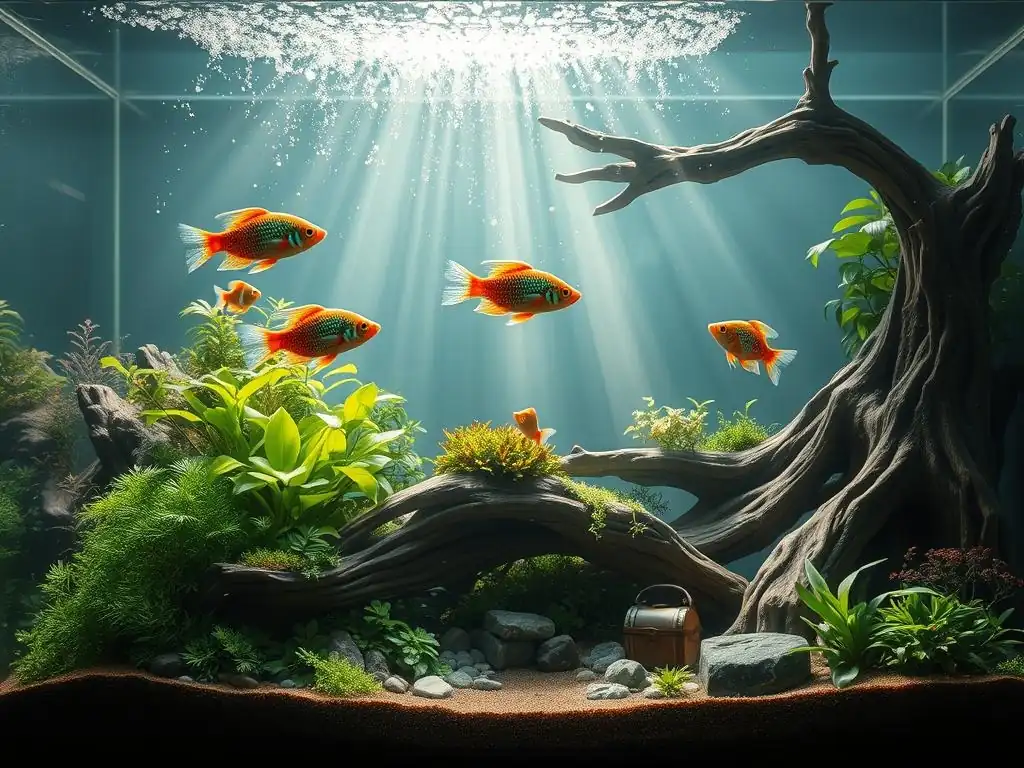
Ever wondered how to add a splash of vibrant energy to your planted aquarium? Dive in and discover the fascinating world of Barbs and their crucial role in creating a dynamic and thriving aquascape. This article explores the ins and outs of Barbs planted tank care, revealing how these active fish can bring your aquatic vision to life. Intrigued? Let's unlock the secrets to a beautifully balanced and bustling planted Barb tank!
- Introduction: Barbs and the Planted Tank Ecosystem
- Selecting the Right Barb Species for Your Planted Tank
- Barbs Planted Tank Care: Creating the Ideal Environment
- Aquascaping with Barbs: Design Tips and Considerations
- Feeding Barbs in a Planted Tank: Nutritional Needs
- Potential Problems and Solutions: Barbs and Planted Tanks
- Tank Mates for Barbs in Planted Aquariums
- Breeding Barbs in a Planted Tank: A Natural Approach
- Maintaining a Healthy Barb Planted Tank: A Regular Routine
- Conclusion: Enjoying the Beauty and Activity of Barbs in Your Planted Tank.
-
Frequently Asked Questions
- What are the benefits of keeping Barbs in a planted aquarium?
- Are all Barb species suitable for a planted aquarium?
- What water parameters are ideal for Barbs in a planted tank?
- How do I prevent Barbs from uprooting or damaging my aquarium plants?
- What tank size is recommended for keeping a school of Barbs in a planted aquarium?
- Final Reflection: The Vibrant Dance of Life
- Ignite Your Aquascape: Unleash the Barb Power!
Introduction: Barbs and the Planted Tank Ecosystem
Understanding the Appeal of Barbs in Aquascapes
Barbs, belonging to the family Cyprinidae, are a diverse group of freshwater fish renowned for their vibrant colors, energetic schooling behavior, and generally hardy nature. In the realm of aquascaping, where the aesthetic arrangement of aquatic plants and hardscape elements is paramount, the inclusion of active fish like barbs can dramatically enhance the dynamism and visual interest of a planted tank. Their constant movement, often in synchronized schools, adds a lively dimension that static elements cannot provide, making the aquascape feel more alive and natural.
Moreover, the varied sizes and fin shapes among different barb species offer aquascapers a wide palette to choose from, allowing them to select fish that complement their specific design vision. From the subtle elegance of a Cherry Barb to the striking patterns of a Gold Barb, these fish can serve as focal points or as active background elements, guiding the viewer's eye through the intricate planted landscape. Their robust nature also means they can thrive in well-maintained planted environments, offering a rewarding experience for aquarists dedicated to comprehensive barbs planted tank care.
Why Choose Barbs for Your Planted Aquarium?
Choosing barbs for a planted aquarium offers several distinct advantages beyond their aesthetic appeal. Many barb species are excellent at keeping algae in check by grazing on various surfaces, though this behavior varies significantly by species. More importantly, their active swimming helps circulate water within the tank, contributing to the even distribution of nutrients for plants and preventing stagnant areas, which can be detrimental to both fish and plant health. Their presence also encourages a healthy microbial balance, further supporting the overall ecosystem of the planted tank.
Furthermore, many popular barb species are relatively easy to care for, tolerant of a range of water parameters, and generally peaceful when kept in appropriate schools. This hardiness makes them suitable for aquarists who are still mastering the nuances of planted tank maintenance. For example, species like Cherry Barbs ( Puntius titteya) are known for their calm demeanor and minimal impact on even delicate plants, making them an ideal choice for a serene and thriving planted setup, provided optimal barbs planted tank care is consistently applied.
Selecting the Right Barb Species for Your Planted Tank
Considerations for Barb Compatibility with Plants
When integrating barbs into a planted tank, the primary concern is their compatibility with the aquatic flora. While many barb species are generally plant-friendly, some, like the notorious Tiger Barb ( Puntigrus tetrazona), are known for nipping at plant leaves, especially those with delicate or feathery structures. This behavior can lead to significant damage, disrupting the aquascape's aesthetic and potentially harming the plants. Therefore, careful research into the specific dietary and behavioral tendencies of each barb species is crucial before introduction.
Beyond nipping, the sheer activity level of larger barb species can also impact plant stability, particularly newly planted or less rooted specimens. Active schooling fish can dislodge plants, stir up substrate, and generally create a more turbulent environment. Aquascapers should consider the adult size of the chosen barb species and ensure the tank is sufficiently large to accommodate their swimming needs without causing undue stress to the plants. Prioritizing robust, well-rooted plant species and ensuring proper barbs planted tank care can mitigate many of these potential issues.
Popular Barb Species for Planted Aquariums: Size, Temperament, and Care
Selecting the ideal barb species involves balancing their natural behaviors with the needs of a thriving planted environment. While the barb family is vast, several species consistently prove to be excellent candidates for aquascapes due to their relatively peaceful nature, manageable size, and vibrant coloration. These species generally integrate well into community tanks, provided they are kept in appropriate school sizes to minimize stress and promote their natural behaviors. Understanding their specific care requirements is key to successful integration.
Choosing species known for their minimal impact on plants ensures the long-term beauty and health of the aquascape. Focus on barbs that are less prone to nipping and can coexist harmoniously with a diverse range of aquatic plants. This section will delve into three highly recommended barb species for planted aquariums, detailing their characteristics and specific considerations for their barbs planted tank care.
Cherry Barbs ( Puntius titteya) in Planted Aquariums: A Peaceful Option
Cherry Barbs are arguably one of the most popular and suitable barb species for planted aquariums due to their remarkably peaceful temperament and small size, typically reaching only about 2 inches (5 cm). Their striking reddish-brown coloration, especially pronounced in males, provides a beautiful contrast against green aquatic plants. They are known for their shy, schooling behavior, preferring to swim among dense vegetation, which makes them feel secure and encourages their natural schooling patterns.
These barbs are non-aggressive towards plants and other tank inhabitants, making them an excellent choice for community aquariums. They thrive in well-planted tanks with plenty of hiding spots and open swimming areas. For optimal barbs planted tank care, Cherry Barbs prefer water temperatures between 72-79°F (22-26°C), a pH range of 6.0-7.0, and soft to medium-hard water (GH 5-10 dGH). They are omnivores and readily accept a varied diet of high-quality flakes, pellets, and occasional live or frozen foods like brine shrimp or daphnia, which enhances their color.
Gold Barbs ( Barbodes semifasciolatus) in Planted Aquariums: A Hardy Choice
Gold Barbs are another excellent choice for planted tanks, celebrated for their hardiness, attractive metallic gold or greenish-gold coloration, and active nature. Growing slightly larger than Cherry Barbs, typically up to 3 inches (7.5 cm), they are robust and can withstand a wider range of water conditions, making them a forgiving option for beginners. While generally peaceful, they should be kept in schools of at least six individuals to dissipate any potential nipping tendencies and encourage their natural schooling behavior.
Their vibrant color provides a striking visual element against lush green plants. Gold Barbs are relatively tolerant of different plant types, though very delicate, slow-growing plants might be occasionally nipped if they are not well-fed. For comprehensive barbs planted tank care, they prefer water temperatures from 64-74°F (18-23°C), a pH of 6.0-8.0, and soft to moderately hard water. They are omnivorous and enjoy a varied diet of flakes, pellets, and frozen or live foods, which helps maintain their brilliant coloration and health.
Rosy Barbs ( Pethia conchonius) in Planted Aquariums: A Vibrant Addition
Rosy Barbs are renowned for their striking, iridescent pink to red coloration, particularly in males, which intensifies during breeding. They are a larger barb species, capable of reaching up to 6 inches (15 cm) in ideal conditions, though typically smaller in home aquariums. Their active and boisterous nature adds significant energy to a planted tank, making them a vibrant focal point. However, their larger size and energetic swimming mean they are best suited for larger planted aquariums, generally 30 gallons or more, to provide ample swimming space.
While generally peaceful, Rosy Barbs can occasionally nip at the fins of slow-moving or long-finned tank mates if not kept in sufficiently large schools (minimum 6-8 individuals). They are less likely to damage robust plants but might occasionally browse on very soft-leaved species. Optimal barbs planted tank care for Rosy Barbs involves water temperatures between 64-72°F (18-22°C), a pH of 6.0-8.0, and moderate to hard water. They are omnivores with a hearty appetite, requiring a varied diet of high-quality flakes, pellets, and regular supplements of live or frozen foods to maintain their health and vibrant color.
Barbs Planted Tank Care: Creating the Ideal Environment
Water Parameters for Healthy Barbs in Planted Tanks
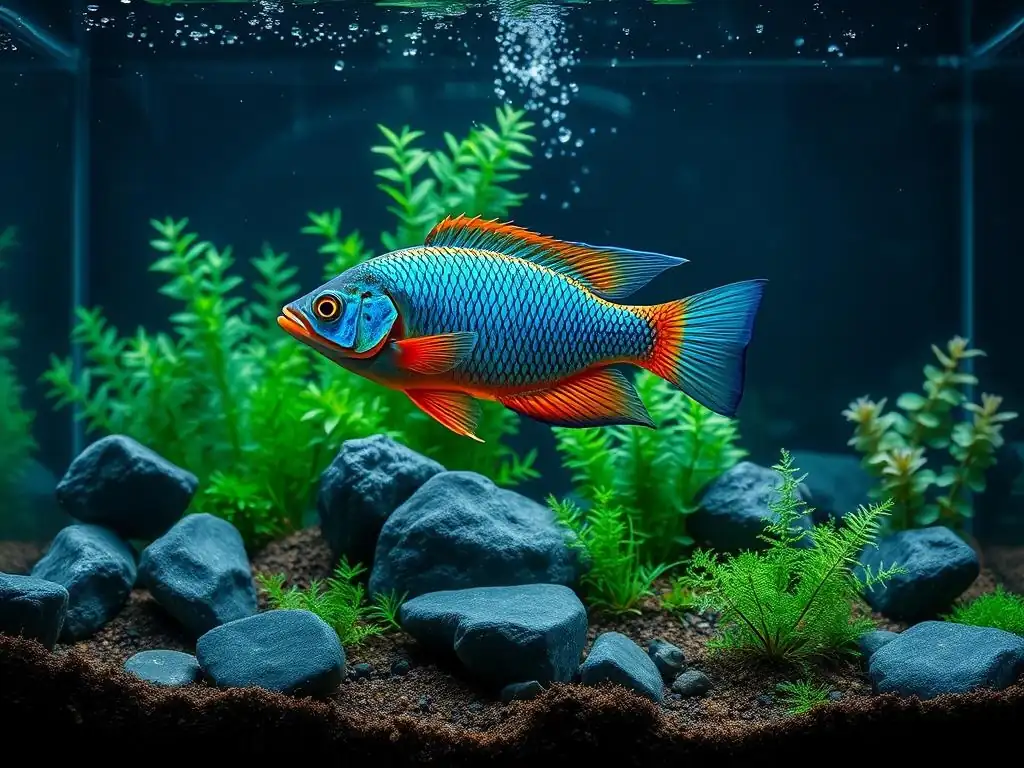
Maintaining stable and appropriate water parameters is fundamental to successful barbs planted tank care. While many barb species are adaptable, consistency is key to their health and longevity. Generally, most popular barbs thrive in temperatures ranging from 72-79°F (22-26°C), although some species like Gold Barbs can tolerate slightly cooler conditions down to 64°F (18°C). The pH level should ideally be kept between 6.0 and 7.5, with some species preferring slightly more acidic conditions. Water hardness (GH) typically ranges from 5 to 15 dGH, encompassing soft to moderately hard water.
Regular water testing is crucial to monitor ammonia, nitrite, and nitrate levels, ensuring they remain at safe concentrations (ammonia and nitrite at 0 ppm, nitrates below 20 ppm). Planted tanks inherently benefit from the plants' ability to absorb nitrates, but consistent water changes, typically 25-30% weekly or bi-weekly, are still necessary to replenish essential minerals and remove accumulated organic waste. This proactive approach to water quality management directly supports both the health of your barbs and the vitality of your aquatic plants.
Substrate and Planting Considerations for Barb-Friendly Aquascapes
The choice of substrate significantly impacts both plant growth and the well-being of barbs in a planted tank. For most planted setups, a nutrient-rich substrate topped with a finer inert layer like sand or small-grain gravel (1-3mm) is ideal. This combination provides essential nutrients for plant roots while offering a smooth surface that won't harm the delicate barb barbels as they forage. Species like Gold Barbs and Cherry Barbs often sift through the substrate in search of food particles, making a non-abrasive bottom layer particularly beneficial for their comfort and health.
When planting, ensure that plants are well-rooted and robust enough to withstand the active swimming and occasional foraging of barbs. Cryptocoryne species, Anubias, Java Fern, and various stem plants like Rotala and Ludwigia, when firmly established, are generally resilient. Avoid leaving delicate or newly planted specimens unsecured, as active barbs might inadvertently dislodge them. Strategic planting can also create natural barriers and hiding spots, reducing stress for the fish and contributing to a balanced and aesthetically pleasing aquascape, integral to effective barbs planted tank care.
Lighting and Filtration for Optimal Barb and Plant Growth
Achieving the right balance of lighting is crucial for a thriving planted tank with barbs. Plants require specific light spectrums and intensities for photosynthesis, typically in the PAR (Photosynthetically Active Radiation) range relevant to their species, delivered over an 8-10 hour photoperiod. Excessive lighting can lead to algae blooms, while insufficient light will stunt plant growth. For barbs, consistent lighting promotes natural day-night cycles and can enhance their coloration and activity. It's important to select lighting that supports the chosen plant species without overstressing the fish, who often appreciate areas of dappled light or shade provided by taller plants.
Filtration is equally vital for maintaining pristine water quality, which is paramount for both barbs and plants. A robust filtration system, typically a hang-on-back (HOB) filter or a canister filter, should provide mechanical, chemical (if desired), and biological filtration. Biological filtration, facilitated by beneficial bacteria colonizing filter media, is essential for converting harmful ammonia and nitrite into less toxic nitrates. While strong filtration is necessary, ensure that the water flow isn't excessively turbulent, as many barbs, especially smaller species, prefer moderate to gentle currents. Proper flow also aids in nutrient distribution for plants, underscoring its importance in comprehensive barbs planted tank care.
Aquascaping with Barbs: Design Tips and Considerations
Creating Open Swimming Spaces for Active Barbs
Given the active and schooling nature of many barb species, providing ample open swimming space is a critical aquascaping consideration. While dense planting is beneficial for creating hiding spots and breaking lines of sight, a significant portion of the tank, particularly the mid-ground and foreground, should be left clear for barbs to exhibit their natural schooling behavior. This open space not only allows them to swim freely but also reduces stress and potential aggression, especially in species like Gold Barbs or Rosy Barbs that thrive in spacious environments.
When designing your layout, consider the "rule of thirds" to create a visually appealing focal point while ensuring that the majority of the tank's volume is accessible for fish movement. Taller, background plants can frame these open areas, while foreground carpeting plants can define the clear zones. Allowing for a sweeping, unobstructed path across the tank encourages the barbs to swim cohesively, offering a captivating display of their natural behavior. This balance between planted density and open water is a hallmark of effective barbs planted tank care in an aquascape.
Plant Selection for Barb Aquariums: Durable and Aesthetically Pleasing
The choice of plants for a barb aquarium should prioritize durability and resilience, particularly if you house species known for occasional nipping or vigorous activity. Robust plants with sturdy leaves and strong root systems are ideal. Excellent choices include Anubias species (e.g., Anubias barteri, Anubias nana), which have tough, leathery leaves and can be attached to hardscape, making them less susceptible to damage. Java Fern ( Microsorum pteropus) is another highly resilient plant that thrives when attached to wood or rocks.
Additionally, Cryptocoryne species, such as Cryptocoryne wendtii or Cryptocoryne spiralis, offer varied leaf shapes and colors and are very hardy once established. For background planting, Amazon Swords ( Echinodorus amazonicus) provide large, broad leaves that can withstand active fish. While some stem plants can work, opt for thicker-stemmed varieties if you suspect nipping. Focusing on these hardy, aesthetically pleasing plants ensures your aquascape remains vibrant and intact, contributing significantly to long-term barbs planted tank care.
Hardscape Elements: Rocks, Wood, and Barb Interaction
Hardscape elements like rocks and driftwood play a dual role in a barb planted tank: they provide structural beauty and offer essential functional benefits for the fish. Strategically placed rocks, such as Seiryu Stone or Dragon Stone, can define distinct areas within the aquascape, creating visual interest and also providing boundaries that help channel barb schooling patterns. These elements can also serve as attachment points for epiphytic plants like Anubias and Java Fern, further integrating the hardscape with the flora.
Driftwood, such as Malaysian or Manzanita wood, adds a natural aesthetic and can release beneficial tannins into the water, which some barb species appreciate. More importantly, both rocks and wood offer crucial hiding spots and visual breaks, reducing stress for the barbs. In a well-designed aquascape, these elements provide exploration opportunities for barbs and contribute to their sense of security. Ensuring that hardscape pieces are smooth and free of sharp edges is vital to prevent injury to active barbs, a key aspect of thoughtful barbs planted tank care.
Feeding Barbs in a Planted Tank: Nutritional Needs
Providing a Balanced Diet for Barb Health and Coloration
A balanced and varied diet is paramount for the health, vitality, and vibrant coloration of barbs in a planted tank. While commercial high-quality flakes and pellets formulated for omnivorous fish form the staple of their diet, relying solely on one type of food can lead to nutritional deficiencies. Barbs thrive on a diverse menu that includes both plant-based and protein-rich foods. Look for flakes or pellets that list fish meal, spirulina, or other plant proteins high on their ingredient list.
To enhance their coloration and provide essential nutrients often lacking in dry foods, supplement their diet with live or frozen options. For instance, feeding brine shrimp (Artemia), daphnia, or bloodworms two to three times a week can significantly boost their immune system, promote healthy growth, and intensify their natural hues. This varied approach to feeding is a cornerstone of comprehensive barbs planted tank care, ensuring they receive all the necessary vitamins, minerals, and proteins for optimal well-being.
Preventing Overfeeding and Maintaining Water Quality
Overfeeding is one of the most common pitfalls in aquarium keeping and can have detrimental effects on both barbs and the planted tank ecosystem. Uneaten food quickly decomposes, releasing ammonia and nitrites, which are highly toxic to fish, and contributing to a rapid increase in nitrates. This not only compromises water quality but also fuels algae growth, creating an unsightly and unhealthy environment. Instead of large, infrequent meals, it's best to feed barbs small amounts two to three times a day, only what they can consume within 2-3 minutes.
The presence of aquatic plants helps by absorbing some of the nitrates produced, but they cannot completely mitigate the effects of chronic overfeeding. Regular observation during feeding ensures that all food is consumed and that no excess accumulates on the substrate or among plants. This diligent approach to feeding, coupled with consistent water changes and maintenance, is essential for maintaining pristine water parameters and a thriving planted tank, proving that mindful feeding is a critical component of effective barbs planted tank care.
Live and Frozen Food Supplements for Barbs
Incorporating live and frozen foods into a barb's diet offers significant benefits beyond standard dry foods. Live foods like brine shrimp, daphnia, and blackworms stimulate barbs' natural hunting instincts, providing mental enrichment and physical activity. These foods are often more digestible and packed with essential nutrients, which can lead to improved growth rates, enhanced coloration, and increased spawning readiness. For example, feeding adult barbs with live daphnia for a few weeks can significantly condition them for breeding.
Frozen foods, such as bloodworms, mysis shrimp, and various plankton mixes, offer a convenient and safe alternative to live options, providing similar nutritional advantages without the risk of introducing parasites or diseases often associated with wild-caught live foods. Thaw frozen foods in a small amount of tank water before feeding to prevent digestive issues. Offering these supplements two to three times per week, rotating between different types, ensures a well-rounded diet that supports the overall health and vigor of your barbs, a key aspect of advanced barbs planted tank care.
Potential Problems and Solutions: Barbs and Planted Tanks
Addressing Algae Issues in Barb Planted Aquariums
Algae outbreaks are a common challenge in planted tanks, and while barbs generally don't directly cause them, the conditions that favor algae can impact the entire ecosystem. Common culprits include excessive light duration (more than 8-10 hours), nutrient imbalances (too much phosphate or nitrate relative to other nutrients), and insufficient CO2 for plant growth, leading to plants struggling and algae taking over. For example, a tank with high nitrates from overfeeding but low potassium can trigger hair algae.
Solutions involve a multi-pronged approach. First, adjust your lighting schedule and intensity; reducing photoperiods to 6-8 hours for a week can often curb initial blooms. Second, ensure proper nutrient dosing for your plants, using a comprehensive liquid fertilizer if needed, and regularly test water parameters to identify imbalances. Third, consider adding a CO2 system for demanding plants, as healthy plant growth is the best defense against algae, as plants outcompete algae for nutrients. Introducing natural algae grazers like Nerite Snails or Otocinclus catfish can also help, complementing your diligent barbs planted tank care routine.
Managing Barb Aggression in Planted Tank Environments
While many barbs are peaceful, some species, particularly the Rosy Barb or even Gold Barbs if not kept properly, can exhibit nipping behavior towards tank mates or each other. The primary cause of aggression in barbs is often insufficient schooling size. Barbs are schooling fish and feel most secure and behave naturally when kept in groups of at least 6-8, preferably 10 or more, of their own kind. A larger school disperses aggression among themselves rather than directing it at other species.
Providing ample space and plenty of visual breaks within the aquascape also helps mitigate aggression. Dense planting and strategically placed hardscape elements create territories and hiding spots, allowing submissive fish to retreat. For instance, if a group of Rosy Barbs is exhibiting fin nipping, increasing their school size from five to eight individuals in a 30-gallon tank often significantly reduces this behavior. Closely monitoring your barbs' behavior and promptly addressing any signs of undue stress or aggression is a critical part of effective barbs planted tank care.
Plant Damage Prevention: Protecting Your Aquascape from Barbs
Protecting your meticulously crafted aquascape from potential plant damage by barbs requires foresight in species selection and ongoing management. As previously mentioned, certain barb species, most notably Tiger Barbs, are known for their propensity to nip at plant leaves, especially tender or fine-leaved varieties like Cabomba caroliniana or Myriophyllum. Even generally peaceful barbs might occasionally browse on plants if underfed or lacking sufficient dietary variety.
To prevent plant damage, the most effective strategy is to choose barb species known to be plant-friendly, such as Cherry Barbs or Gold Barbs. Secondly, ensure your barbs are consistently well-fed with a varied diet, including both plant-based and protein-rich foods, to reduce their inclination to graze on your aquascape. Finally, opt for robust and hardy plant species like Anubias, Java Fern, and Cryptocorynes, which have tougher leaves less appealing or susceptible to nipping. If you notice specific plants being targeted, consider moving them to a different tank or replacing them with a more resilient species, an important aspect of diligent barbs planted tank care.
Tank Mates for Barbs in Planted Aquariums
Compatible Fish Species for a Thriving Community Tank
Selecting appropriate tank mates for barbs in a planted aquarium is crucial for creating a harmonious and thriving community. The best companions are often other peaceful, active, schooling fish that prefer similar water parameters and do not have long, flowing fins that could tempt fin-nipping barb species. Good choices include various tetra species such as Neon Tetras ( Paracheirodon innesi), Cardinal Tetras ( Paracheirodon axelrodi), and Rummy Nose Tetras ( Hemigrammus bleheri), all of which exhibit beautiful schooling behavior and thrive in planted environments.
Other excellent options include various rasbora species like Harlequin Rasboras ( Trigonostigma heteromorpha) or Chili Rasboras ( Boraras brigittae) for smaller setups. Dwarf Gouramis ( Trichogaster lalius) or Honey Gouramis ( Trichogaster chuna) can also make suitable tank mates, provided the barbs are not overly boisterous. Always ensure that the tank is adequately sized to accommodate the combined bioload and swimming needs of all inhabitants. Careful consideration of temperament and adult size is key to successful barbs planted tank care in a community setting.
Invertebrates and Barbs: Shrimp and Snail Considerations
Integrating invertebrates like shrimp and snails into a barb planted tank requires careful consideration, as barb species vary widely in their predatory instincts. Snails, such as Nerite Snails ( Neritina natalensis) or Mystery Snails ( Pomacea diffusa), are generally safe additions. They are excellent algae eaters and scavengers, contributing to the tank's cleanliness without being perceived as prey by most barb species, due to their protective shells and relatively larger size.
Shrimp, however, present a more nuanced situation. While Amano Shrimp ( Caridina multidentata) are often large enough (up to 2 inches or 5 cm) to deter most smaller barbs, very young or smaller shrimp species like Cherry Shrimp ( Neocaridina davidi) can be seen as food, especially by larger or more opportunistic barbs such as Rosy Barbs. If your primary goal is a thriving shrimp colony, it might be safer to pair them with very small, peaceful fish or dedicate a separate tank. When considering barbs planted tank care with invertebrates, monitor interactions closely and provide ample hiding spots within the plants and hardscape for any vulnerable inhabitants.
Breeding Barbs in a Planted Tank: A Natural Approach
Providing Suitable Conditions for Barb Spawning
Breeding barbs in a planted tank can be a rewarding experience, as many species are egg scatterers that benefit from dense vegetation. To encourage spawning, providing suitable conditions is crucial. This often involves conditioning the adult barbs with a diet rich in live and frozen foods for several weeks, such as bloodworms and brine shrimp, which signals to them that conditions are favorable for reproduction. For many barb species, a slight increase in temperature (by 1-2°F) and a decrease in water hardness or pH (making the water softer and slightly more acidic) can trigger spawning.
Specific plant choices are also vital. Fine-leaved plants like Java Moss ( Taxiphyllum barbieri), Anacharis ( Egeria densa), or spawning mops provide ideal surfaces for barbs to scatter their adhesive or semi-adhesive eggs. These plants offer protection for the eggs from predation by the adult fish, as barbs are notorious egg eaters. A well-established, densely planted tank can naturally encourage spawning behavior, making it easier to observe the fascinating reproductive cycle of your fish as part of dedicated barbs planted tank care.
Protecting Eggs and Fry in a Community Planted Aquarium
Protecting barb eggs and fry in a community planted aquarium is challenging due to the parents' and other tank mates' predatory nature. Barbs, like many cyprinids, have no parental instincts beyond spawning and will readily consume their own eggs and newly hatched fry. Therefore, dense planting is the most effective natural defense. Fine-leaved plants, such as large clumps of Java Moss, Christmas Moss, or even submerged spawning mops, create intricate hiding places where eggs can fall and remain out of sight.
While some fry may survive in a heavily planted tank, a very low survival rate is generally expected. For higher yields, a dedicated breeding tank is often recommended, where parents can be removed immediately after spawning. However, observing the natural spawning process and the occasional surprise fry in a community tank can be an exciting aspect of barbs planted tank care. Ensuring a stable, clean environment and offering microscopic foods like infusoria or liquid fry food for the first few days can further improve the slim chances of survival for the emerging fry.
Breeding Cherry Barbs: A Beginner-Friendly Example
Cherry Barbs ( Puntius titteya) are an excellent choice for aquarists looking to experience breeding barbs in a planted tank, as they are relatively straightforward to spawn. To begin, condition a healthy pair or a small group (one male to two females) with a diet rich in live foods like brine shrimp and bloodworms for 1-2 weeks. Set up a separate small breeding tank (5-10 gallons) with soft, slightly acidic water (pH 6.0-6.5, GH 3-6 dGH) and a temperature around 75-78°F (24-25.5°C).
Place a large clump of Java Moss or a spawning mop at the bottom of the breeding tank. Introduce the conditioned Cherry Barbs in the evening. Spawning typically occurs the following morning, with the female scattering small, clear eggs among the moss as the male fertilizes them. Once spawning is complete (usually within a few hours, identified by a slimmer female), carefully remove the adult fish to prevent them from eating the eggs. The eggs will hatch in approximately 24-48 hours, and the fry will become free-swimming a few days later, requiring infusoria or finely crushed fry food for their initial meals. This hands-on experience exemplifies dedicated barbs planted tank care for reproduction.
Maintaining a Healthy Barb Planted Tank: A Regular Routine
Water Changes and Testing: Keeping Your Tank Stable
Consistent water changes and regular testing are the cornerstones of maintaining a healthy barb planted tank. For most setups, a weekly or bi-weekly water change of 25-30% of the tank's volume is recommended. This routine helps to remove accumulated nitrates, phosphates, and other pollutants, while also replenishing essential trace elements and minerals that are consumed by plants and fish. Always use dechlorinated water that matches the tank's temperature as closely as possible to prevent shocking the fish.
Regular water testing is equally vital for proactive barbs planted tank care. At a minimum, weekly tests for ammonia, nitrite, and nitrate are crucial to ensure the nitrogen cycle is functioning correctly (ammonia and nitrite should always be 0 ppm, nitrates ideally below 20 ppm). Periodically checking pH, GH (general hardness), and KH (carbonate hardness) helps monitor the stability of your water parameters, which directly impacts the health of both your barbs and your aquatic plants. Consistency in these practices is key to a thriving ecosystem.
Plant Trimming and Maintenance: Balancing Growth and Aesthetics
Maintaining a planted tank with active barbs requires regular plant trimming and aesthetic management to ensure both beauty and functionality. As plants grow, they can become overgrown, blocking light from lower leaves, impeding water flow, and reducing open swimming areas for barbs. Regular trimming of stem plants, removal of decaying leaves, and pruning of foreground carpets prevents overcrowding and ensures all plants receive adequate light and nutrients. This also helps maintain the intended aquascape design.
Beyond aesthetics, plant maintenance contributes to overall tank health. Removing dead or dying plant matter prevents it from decomposing and adding to the bioload. Trimming also encourages bushier growth in many species, leading to a more lush and vibrant appearance. For example, pinching back the growth tips of Rotala species will encourage side shoots. Balancing vigorous plant growth with the need for open swimming space for barbs is an ongoing process, central to effective barbs planted tank care.
Monitoring Barb Health and Behavior: Early Detection of Issues
Diligent observation of your barbs' health and behavior is a crucial aspect of their long-term barbs planted tank care. Daily monitoring allows for the early detection of potential issues, enabling prompt intervention before problems escalate. Pay close attention to their swimming patterns; healthy barbs are typically active and swim in cohesive schools. Lethargy, erratic swimming, or isolation from the group can be early indicators of stress or illness.
Observe their physical condition: look for changes in coloration (fading or abnormal spots), fin condition (fraying, clamping, or white spots like ich), and body shape (bloating or wasting). A healthy barb should have clear eyes and intact scales. Their appetite is another key indicator; a sudden refusal to eat or a significant decrease in feeding enthusiasm can signal underlying health problems. Early identification of these subtle changes allows for timely treatment, whether it's adjusting water parameters, treating for parasites, or addressing dietary deficiencies, thereby safeguarding the well-being of your entire aquatic community.
Conclusion: Enjoying the Beauty and Activity of Barbs in Your Planted Tank.
Integrating barbs into a planted tank offers a unique blend of vibrant activity and natural beauty, creating a dynamic and engaging aquascape. By carefully selecting plant-friendly barb species, diligently maintaining water parameters, and providing a thoughtfully designed environment, aquarists can cultivate a thriving ecosystem where both fish and plants flourish. The active schooling behaviors and striking colors of barbs add an unparalleled sense of life to the lush green backdrop of an aquascape, transforming it into a living piece of art.
Mastering barbs planted tank care involves a holistic approach that considers diet, compatible tank mates, and consistent maintenance routines. While challenges may arise, the rewards of observing these fascinating fish interact with their meticulously crafted environment are immense. With dedication and attention to detail, your barb planted tank will not only be a testament to your aquascaping skills but also a captivating display of nature's intricate balance, providing endless enjoyment for years to come.
Frequently Asked Questions
What are the benefits of keeping Barbs in a planted aquarium?
Barbs add activity and visual interest to a planted tank. They can also help control algae growth and keep the substrate stirred, promoting plant health.
Are all Barb species suitable for a planted aquarium?
No, some Barb species can be destructive towards plants. It's crucial to choose Barb varieties known for their peaceful nature and smaller size, like Cherry Barbs or Rosy Barbs.
What water parameters are ideal for Barbs in a planted tank?
Barbs generally prefer slightly acidic to neutral water (pH 6.5-7.0) and a temperature range of 72-78°F (22-26°C). Stable water parameters are crucial for both the fish and the plants.
How do I prevent Barbs from uprooting or damaging my aquarium plants?
Choose hardy, well-rooted plants and provide plenty of hiding places. Ensure the Barbs are adequately fed to reduce their foraging behavior around the plants.
What tank size is recommended for keeping a school of Barbs in a planted aquarium?
A minimum of 20 gallons is recommended for a small school of Barbs (6-8 individuals). Larger species or a larger school will require a significantly larger tank to thrive.
Final Reflection: The Vibrant Dance of Life
The journey through the world of barbs in planted tanks reveals more than just aquarium aesthetics; it highlights the symbiotic relationship between active fish and thriving aquatic ecosystems. Understanding the nuances of Barbs planted tank care isn't merely about maintaining a visually appealing space, but about fostering a dynamic and balanced environment where life flourishes in all its forms.
This exploration has underscored how profoundly our choices as aquascapers impact the well-being of our aquatic inhabitants and the overall health of our planted tanks. The delicate balance we strive for mirrors the intricate web of life found in nature, reminding us of our responsibility to create harmonious and sustainable environments. In nature, nothing exists alone.
- Rachel Carson. This quote encapsulates the core principle of aquascaping with barbs: understanding and nurturing the interconnectedness of all elements within the tank.
Now, as you consider the vibrant possibilities that barbs bring to planted tanks, I encourage you to reflect on your own role in this aquatic dance. How can you, with your knowledge of Barbs planted tank care, create a space that not only captivates the eye but also nurtures the spirit of life within? Let your aquascape be a testament to the beauty and balance that can be achieved when we embrace the interconnectedness of all living things.
Ignite Your Aquascape: Unleash the Barb Power!
Thanks for diving into the world of barbs and their aquascaping potential! We hope you've discovered how these active fish can add a dynamic touch to your planted tank. Now, let's turn that knowledge into action.
- Transform your tank: Reimagine your current aquascape by strategically introducing a carefully selected group of barbs. Consider their size, temperament, and plant compatibility for a harmonious ecosystem.
- Dive deeper into barb compatibility: Explore less common barb species and their specific needs. Research their preferred water parameters and social behaviors for a flourishing environment.
- Share your vision! Post your aquascaping plans with barbs in the comments below, and let's inspire each other to create stunning, dynamic planted tanks.
What unique barb species are you considering to inject life and movement into your next aquascaping masterpiece?