
Decoding Tetra Courtship: Aquarium Mastery on Behavioral Cues for Successful Breeding

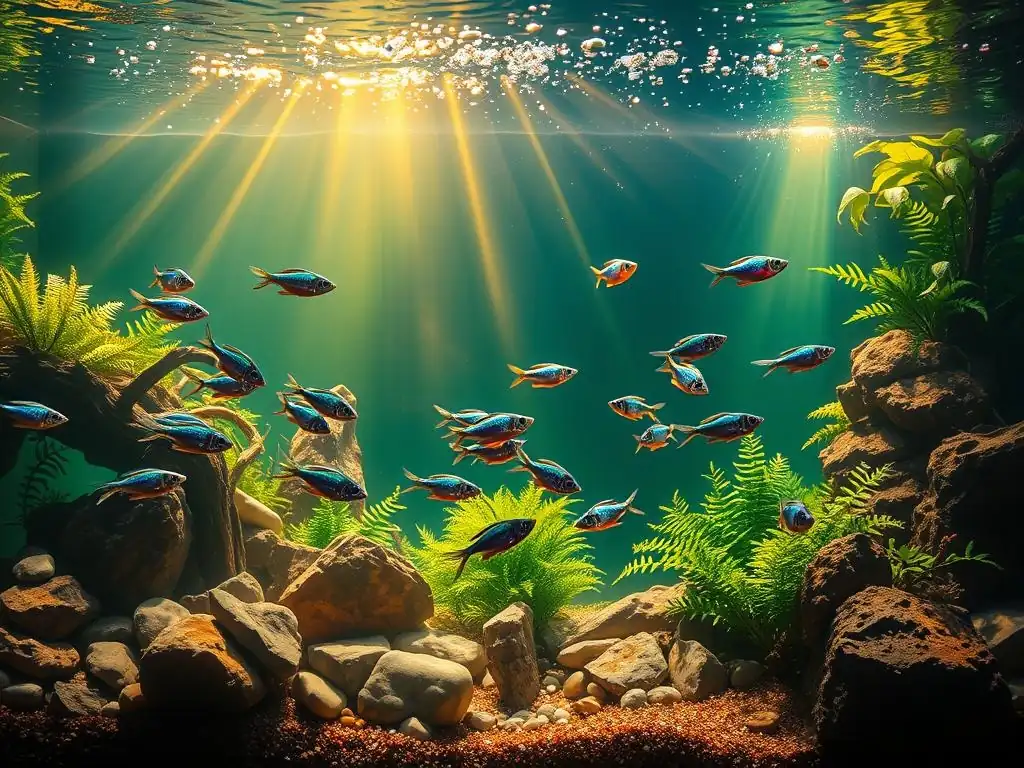
Welcome to Aquarium Mastery, your ultimate guide to thriving aquatic ecosystems!
Ever wondered what those subtle Tetra breeding behavior cues really mean? Unlocking the secrets to successful Tetra courtship starts here. Dive in and discover how to decode their intricate dances and create the perfect environment for a flourishing Tetra family. Let's unravel the mysteries together!
- Introduction to Tetra Breeding: Understanding Courtship Rituals
- Pre-Spawning Tetra Behavior: Key Indicators of Readiness
- Tetra Courtship Rituals: A Step-by-Step Guide
- Post-Spawning Care: Protecting Tetra Eggs and Fry
- Common Tetra Breeding Challenges and Solutions
- Advanced Tetra Breeding Techniques: Enhancing Success Rates
- Mastering Tetra Breeding: Long-Term Strategies for Success
- Conclusion: Achieving Aquarium Mastery Through Tetra Breeding
- Frequently Asked Questions
- Final Reflection: Unlocking the Secrets of Tetra Harmony
- Unleash Your Inner Tetra Whisperer!
Introduction to Tetra Breeding: Understanding Courtship Rituals
Why Tetra Breeding Can Be Challenging in the Home Aquarium
Breeding tetras in a home aquarium presents unique challenges compared to their natural habitats. In the wild, many tetra species, such as the Neon Tetra or Cardinal Tetra, inhabit soft, acidic waters in densely vegetated areas, often experiencing specific environmental triggers like seasonal rains or subtle temperature shifts that prompt spawning. Replicating this precise combination of water chemistry, environmental cues, and a stress-free environment in a captive setting requires meticulous attention to detail and can be difficult for even experienced aquarists. Furthermore, the delicate nature of their eggs and fry adds another layer of complexity.
Beyond environmental replication, many tetra species are egg scatterers, meaning they release their eggs freely into the water column or onto substrate, leaving them vulnerable. These tiny eggs are highly susceptible to predation, often by the parent fish themselves, and fungal infections if water quality is not pristine. The subsequent challenge of feeding the microscopic fry and maintaining their delicate environment further complicates the process, underscoring why understanding specific Tetra breeding behavior cues is paramount for success.
The Importance of Recognizing Tetra Mating Behavior
Recognizing the subtle tetra mating behavior is crucial for any aquarist aiming for successful breeding outcomes. By accurately identifying these signals, you can prepare a dedicated breeding tank, optimize water parameters, and separate potential breeding pairs at the opportune moment, significantly increasing the chances of successful spawning and fry survival. Early identification of these specific tetra courtship behaviors prevents wasted effort and unnecessary stress on the fish.
Moreover, understanding these cues allows aquarists to differentiate between true breeding readiness and other behaviors, such as territorial disputes or general foraging. For instance, a male exhibiting intensified coloration and persistent nudging towards a gravid female is a clear indicator of breeding intent, guiding the aquarist to provide the ideal conditions. This insight helps in troubleshooting if breeding efforts are unsuccessful, allowing for adjustments to diet, water parameters, or environmental triggers based on the observed tetra breeding behavior cues.
Pre-Spawning Tetra Behavior: Key Indicators of Readiness
Identifying Sexually Mature Tetras for Breeding
The first step in successful tetra breeding is identifying sexually mature and healthy individuals. Most small tetra species, like the Neon Tetra or Glowlight Tetra, reach sexual maturity between 6 to 12 months of age, with some, such as the Neon Tetra, maturing as early as 6-8 months when properly conditioned. At this stage, they typically reach their adult size, which for Neons is around 1 to 1.5 inches (2.5 to 3.8 cm). Females are generally rounder and slightly larger-bodied than males, especially when gravid, while males often appear more slender.
Beyond age and size, the overall health and vigor of the fish are critical indicators of breeding readiness. Select fish that are active, display vibrant coloration, have clear eyes, and exhibit no signs of disease or stress. Fish that are well-fed with a varied diet for several weeks prior to breeding attempts are more likely to exhibit strong tetra breeding behavior cues and produce viable eggs and sperm. Avoid using fish that appear listless, have clamped fins, or show any physical deformities, as these are unlikely to be successful breeders.
Changes in Tetra Appearance: Visual Signs of Breeding Condition
As tetras approach breeding condition, several visual cues become apparent, particularly in females. The most noticeable change is the female's abdomen becoming significantly plumper and more rounded, a clear sign that she is gravid with eggs. This distention is often more pronounced than typical feeding plumpness and remains even when the fish has not recently eaten. For species like the Neon Tetra, the female's belly can appear almost translucent, revealing the presence of eggs.
Males, on the other hand, often exhibit intensified coloration as they prepare for courtship displays. Their fins may appear more extended, and their overall body color might deepen or become more iridescent, designed to attract a mate. For example, a male Cardinal Tetra's vibrant red and blue stripes will become exceptionally vivid. Observing these distinct changes in both sexes is a reliable indicator of their readiness to spawn and is among the most important tetra breeding behavior cues for aquarists to recognize.
Pre-Spawning Tank Preparation: Mimicking Natural Tetra Habitats
Preparing a dedicated breeding tank is essential for successful tetra spawning. For smaller species, a 5 to 10-gallon (19-38 liter) tank is often sufficient for a single pair or a small group. The tank should be bare-bottomed or contain a spawning mop, fine-leaved plants (like Java Moss), or a mesh grid to protect the eggs from being eaten by the parents after spawning. Water parameters are crucial: most tetras prefer soft water (General Hardness, GH, of 1-5 dGH) and acidic conditions (pH 5.5-6.5) for breeding, mirroring their natural blackwater environments.
Environmental triggers play a significant role in encouraging tetra courtship behaviors. Subdued lighting is generally preferred, mimicking the shaded conditions of their native habitats. A slight increase in water temperature (e.g., from 75°F to 78-80°F / 24-27°C) can often simulate the onset of a rainy season, which triggers spawning in many species. Use a gentle air stone or a sponge filter to provide aeration without creating strong currents that could harm delicate eggs or fry. This careful preparation sets the stage for observing the full range of tetra breeding behavior cues.
Tetra Courtship Rituals: A Step-by-Step Guide
The Chase: Understanding the Initial Stages of Tetra Courtship
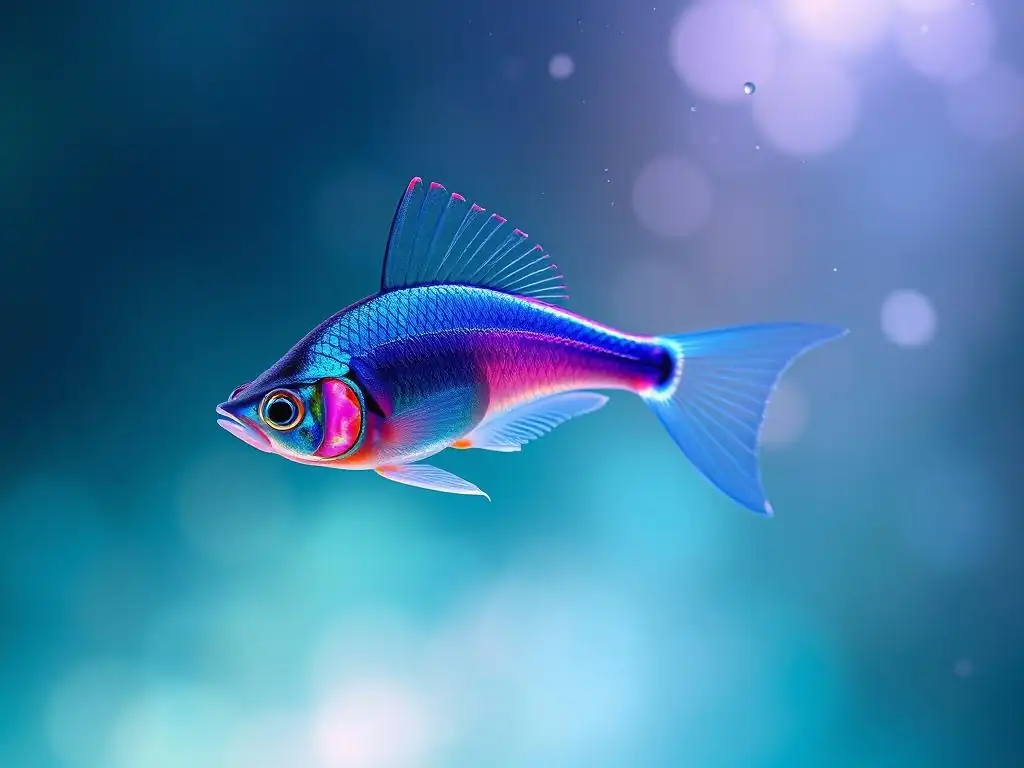
The initial stage of tetra courtship often begins with a subtle, yet persistent, chase. Typically, the male will actively pursue the female throughout the breeding tank. This pursuit is not aggressive but rather a gentle nudging or following, with the male attempting to guide the female towards a preferred spawning site, often among dense plant cover or near a spawning mop. This behavior is most commonly observed during the early morning hours, shortly after the aquarium lights are turned on, indicating a natural diurnal spawning pattern.
During this chase, the male will often position himself strategically in front of the female, attempting to block her path and encourage her to follow his lead. The female may initially appear hesitant or even attempt to evade the male, but if she is receptive and truly gravid, her evasions will become less forceful, eventually allowing the male to guide her. This persistent, non-aggressive pursuit is one of the earliest and most recognizable tetra courtship behaviors that signal impending spawning.
Fin Display and Body Posturing: Deciphering Tetra Communication
As courtship progresses, male tetras engage in elaborate fin displays and specific body posturing to impress the female and stimulate spawning. The male will flare his fins, particularly his dorsal and anal fins, to appear larger and showcase his most vibrant colors, such as the intense blues and reds of a male Neon Tetra. He may also perform a "shimmering" or "vibrating" dance, quivering his body rapidly in front of the female, further emphasizing his readiness and genetic fitness.
If the female is receptive, she will respond to these displays by orienting herself towards the male, sometimes mirroring his movements or allowing him to nudge her belly gently. A common receptive posture for the female is a "head-down" or "nose-down" orientation, indicating her readiness to release eggs. These intricate visual signals and physical interactions are critical tetra mating behavior cues, demonstrating a sophisticated form of communication between the breeding pair that leads to the final act of spawning.
Egg Scattering: Witnessing the Spawning Process
The culmination of the courtship ritual is the act of egg scattering. Once the male and female have successfully bonded and are in full breeding mode, they will typically swim side-by-side, often near the spawning substrate like fine-leaved plants or a spawning mop. In a series of brief, rapid embraces, the female will release small clutches of eggs, usually between 5 to 20 eggs at a time, which the male simultaneously fertilizes. This process is repeated numerous times, and a single spawning session can last for several hours.
Tetra eggs are typically very small, often less than 1 millimeter in diameter, clear, and non-adhesive, meaning they will sink to the bottom of the tank. A healthy pair of smaller tetras, such as Neon Tetras, can lay anywhere from 60 to 130 eggs in a single spawning event, though not all will be fertile. Witnessing this delicate dance and the subsequent appearance of tiny, translucent eggs on the tank bottom or among the spawning medium confirms that the intricate tetra breeding behavior cues have led to successful reproduction.
Post-Spawning Care: Protecting Tetra Eggs and Fry
Removing Adult Tetras After Spawning: Preventing Egg Consumption
Once the spawning process is complete, the immediate removal of the adult tetras from the breeding tank is a critical step for the survival of the eggs and subsequent fry. Most tetra species are opportunistic egg eaters, and they will readily consume their own eggs if given the chance, often within minutes of them being laid. This natural instinct, while common in many fish, necessitates intervention in a captive breeding setup to maximize the yield of offspring.
Carefully net the adult fish and return them to their main aquarium or a separate recovery tank. Perform this action gently to minimize stress on the freshly spawned parents. By acting swiftly after observing the cessation of egg scattering and other tetra breeding behavior cues, you drastically increase the number of eggs that will successfully hatch, ensuring the continuity of the breeding effort.
Maintaining Optimal Water Parameters for Tetra Fry Development
Tetra eggs and newly hatched fry are extremely delicate and highly sensitive to water quality. It is imperative to maintain the same soft, acidic, and pristine water conditions that were optimal for spawning. Any fluctuations in pH, temperature, or the presence of ammonia, nitrite, or even high nitrates can be detrimental. A gentle aeration, such as from a small air stone, is beneficial to ensure adequate oxygenation, but avoid strong currents that could damage the fragile eggs or dislodge the fry.
Fungal infections can be a common issue for infertile eggs, which quickly turn opaque and fuzzy. A very mild antifungal treatment, such as a few drops of methylene blue, can sometimes be used as a preventative measure, but excellent water quality is the best defense. Tetra eggs typically hatch within 24 to 72 hours, depending on the species and temperature; for instance, Neon Tetra eggs usually hatch in about 24-36 hours at 78°F (25.5°C). Keep the breeding tank dimly lit during this incubation period, as some tetra eggs are light-sensitive.
Feeding Tetra Fry: First Foods and Growth Stages
After hatching, tetra fry are initially very small and will survive on their yolk sac for the first 2-3 days. Once they become free-swimming, typically around day 3-5, they require microscopic food sources. Their mouths are incredibly tiny, making appropriate first foods crucial. Infusoria, liquid fry food specifically designed for egg-laying fish, or green water (algae-rich water) are ideal choices for the first week of their free-swimming stage, providing essential nutrients for their rapid initial growth.
As the fry grow, usually after about a week to ten days, they can be gradually introduced to larger foods. Newly hatched brine shrimp nauplii or microworms are excellent next-stage foods, providing higher protein content necessary for continued development. Feed small amounts multiple times a day (3-5 times), ensuring that all food is consumed to prevent water fouling. With consistent feeding and pristine water conditions, Neon Tetra fry can reach a size of approximately 0.5 inches (1.2 cm) within 3-4 weeks, demonstrating significant growth from their initial almost invisible state.
Common Tetra Breeding Challenges and Solutions
Infertile Eggs: Troubleshooting and Prevention Strategies
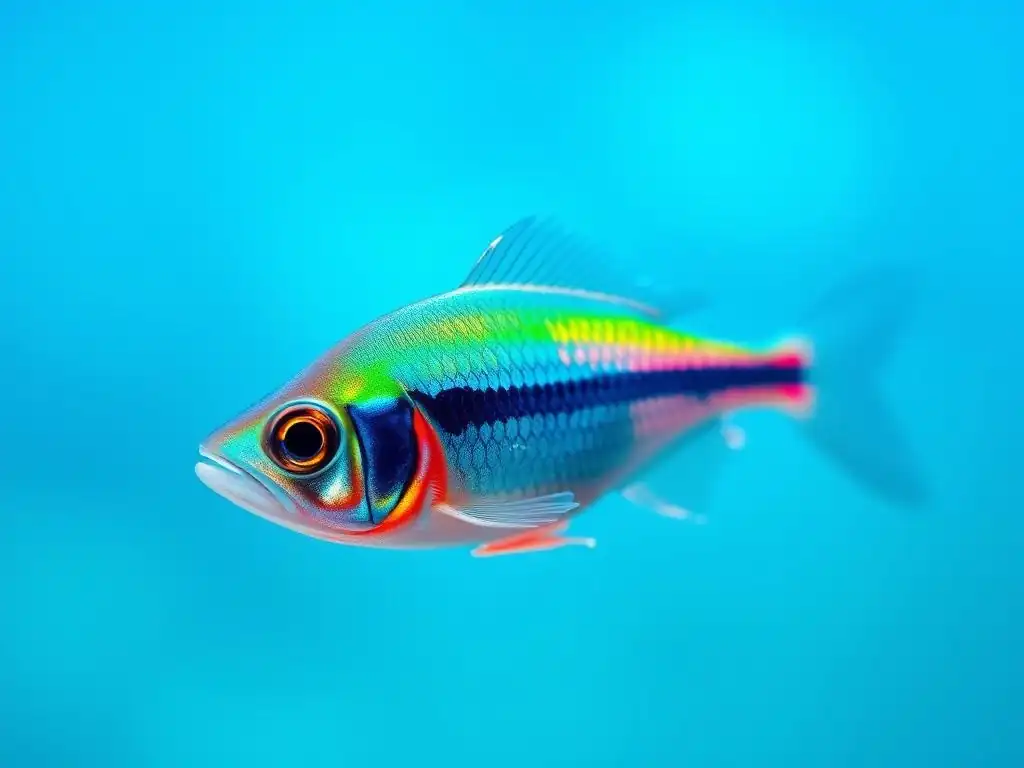
One of the most disheartening challenges in tetra breeding is the presence of infertile eggs, which appear opaque and quickly develop fungal growth. This can stem from several issues, including the immaturity or poor health of the parent fish, insufficient conditioning before spawning, or water parameters that are not conducive to successful fertilization. Sometimes, a male may be infertile, or simply not interested in spawning, despite the female exhibiting strong tetra breeding behavior cues.
To prevent infertile eggs, ensure that your breeding pair has been conditioned for at least two to three weeks on a high-quality, varied diet rich in live and frozen foods. Double-check that your water parameters, particularly pH and GH, are precisely within the species' specific breeding range, as overly hard water can hinder sperm viability. If a particular pair consistently yields infertile eggs, consider trying a different male or female, or attempt group spawning if the species is known to prefer it, as this can stimulate more natural tetra courtship behaviors.
Predation of Eggs and Fry: Protecting the Next Generation
Predation is a significant threat to tetra eggs and fry, with the most common culprits being the parent fish themselves, but also snails, other tank inhabitants, or even detritus worms. In a community tank setup, it is virtually impossible to save any eggs or fry, as they will be quickly consumed by other fish. This highlights the necessity of a dedicated breeding tank for successful propagation.
The primary solution, as previously mentioned, is to remove the adult fish immediately after spawning. To further protect the eggs, use a spawning mop made of synthetic yarn, glass marbles, or a fine mesh grid on the tank bottom. These materials allow the eggs to fall through to a protected layer where they are inaccessible to the adults. For species that lay adhesive eggs, providing broad-leaved plants or a spawning mop for them to attach to can also offer some protection, though parental removal remains the most effective strategy.
Water Quality Issues: Maintaining a Healthy Breeding Environment
Tetra eggs and fry are incredibly sensitive to even slight fluctuations or deterioration in water quality. Ammonia, nitrite, and even elevated nitrate levels, which might be tolerated by adult fish, can be lethal to the fragile developing eggs and newly hatched fry. Poor water quality is a leading cause of high mortality rates in tetra fry, often manifesting as sudden die-offs or stunted growth.
To maintain a healthy breeding environment, use aged, dechlorinated water for the breeding tank, ideally from your main aquarium if its parameters are suitable, or prepared specifically to match the required breeding parameters. Perform small, frequent water changes (e.g., 10-20% daily or every other day) using water with identical temperature and chemistry to prevent shock. Avoid overfeeding, as uneaten food quickly decays and fouls the water. A gentle sponge filter provides both mechanical and biological filtration without creating strong currents, thus maintaining optimal water conditions for the delicate fry.
Advanced Tetra Breeding Techniques: Enhancing Success Rates
Simulating Natural Conditions: Using Lighting and Temperature
Advanced tetra breeding often involves simulating the subtle environmental cues that trigger spawning in their natural habitats. Lighting plays a significant role; using a timer to establish a consistent 12-hour light, 12-hour dark cycle can mimic natural day-night rhythms. Some experienced breeders employ a "rainy season" simulation, which involves a large, slightly cooler water change (e.g., 25-30% with water 2-3°F cooler than the tank) followed by a gradual return to the desired breeding temperature. This change in temperature and water chemistry can effectively trigger spawning tetra breeding behavior cues in species accustomed to seasonal shifts.
Temperature fluctuations can also be used strategically. While stability is generally preferred, a slight increase in temperature (2-3°F above the normal range) for a few days, followed by a return to the optimal breeding temperature, can often stimulate spawning. This mimics the warming trends often associated with the onset of rainy seasons in their native environments, signaling to the fish that conditions are ripe for reproduction. The careful manipulation of these environmental factors can significantly enhance the likelihood of observing successful tetra courtship behaviors.
Conditioning Tetras for Breeding: Optimizing Diet and Environment
Optimizing the diet and environment of your prospective breeding tetras is fundamental to enhancing success rates. A diverse, high-quality diet is paramount for producing healthy eggs and sperm. For at least two to three weeks prior to attempting breeding, feed live foods such as bloodworms, daphnia, and newly hatched brine shrimp, supplemented with high-protein flakes or small pellets. This rich diet provides the necessary energy and nutrients for robust reproductive health and encourages the development of strong tetra breeding behavior cues.
Beyond diet, the breeding environment itself must be optimized to minimize stress and encourage natural tetra courtship behaviors. Ensure the breeding tank is clean, calm, and free from aggressive tank mates. While a simple setup is often best for egg collection, providing ample hiding spots or dense plant cover can make the fish feel more secure, promoting a relaxed atmosphere conducive to spawning. A stable environment, combined with superior nutrition, prepares the fish both physically and psychologically for successful breeding.
Specific Tetra Species Breeding: Cardinal Tetra Breeding Cues
While general tetra breeding behavior cues apply to many species, some, like the Cardinal Tetra (Paracheirodon axelrodi), present unique challenges and require specific considerations. Cardinal Tetras are notoriously more difficult to breed than their close relatives, the Neon Tetras, primarily due to their extremely stringent water parameter requirements. They demand exceptionally soft water (General Hardness, GH, often below 1 dGH) and highly acidic conditions (pH 4.5-5.5), which can be challenging to maintain consistently in a home aquarium. Furthermore, their eggs are highly light-sensitive and often require spawning in near complete darkness.
The specific tetra mating behavior cues in Cardinal Tetras often include a more pronounced and intricate shimmering or vibrating dance from the male, more intense coloration, and a very distended belly in the female, which can sometimes appear almost transparent, revealing the eggs within. They typically spawn among fine-leaved plants or a spawning mop in the early morning hours. Their eggs usually hatch in 24-30 hours at around 75°F (24°C). Understanding these species-specific nuances is crucial for mastering the breeding of more challenging tetra varieties.
Mastering Tetra Breeding: Long-Term Strategies for Success
Maintaining a Healthy Tetra Breeding Stock
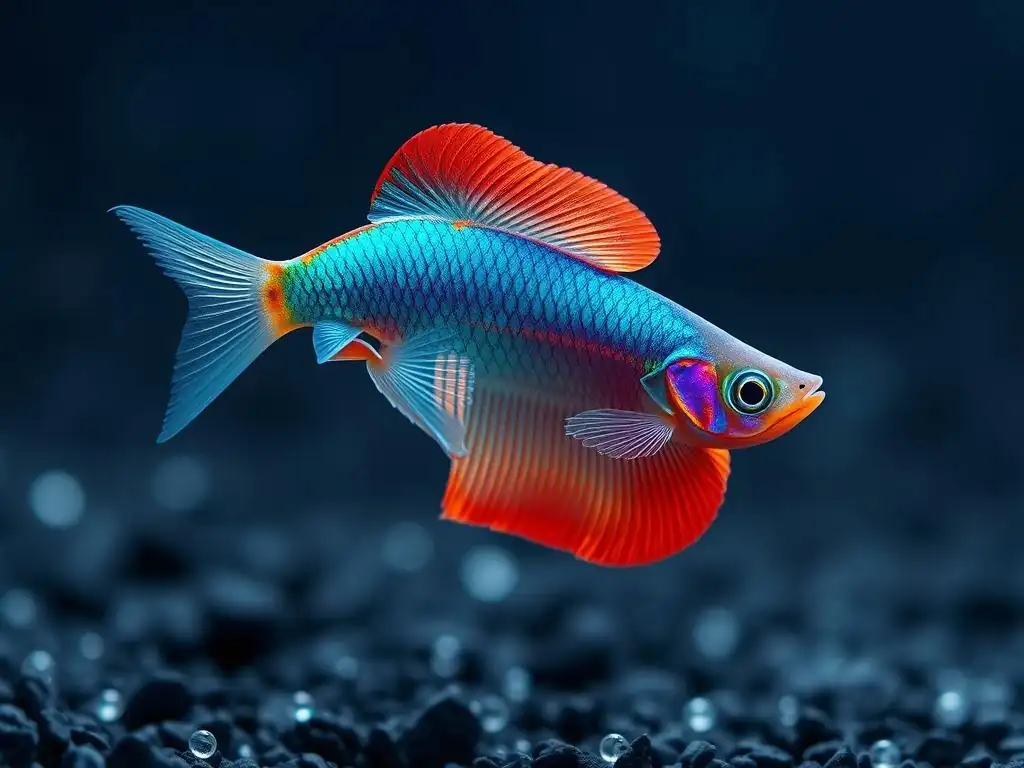
Long-term success in tetra breeding hinges on maintaining a healthy and genetically diverse breeding stock. It is crucial to avoid inbreeding, which can lead to reduced vigor, smaller fry, and increased susceptibility to disease over successive generations. Regularly introducing new bloodlines from reputable sources helps to maintain genetic diversity and ensures the consistent production of robust, healthy offspring. This practice also helps ensure that strong tetra breeding behavior cues are passed down.
Beyond genetic considerations, providing optimal living conditions for your breeding stock between spawning attempts is vital. This includes a spacious main aquarium, a high-quality and varied diet, and stable, clean water parameters. Allow females ample time to recover between spawning sessions, typically 1-2 weeks, to prevent burnout and ensure they can produce a new batch of healthy eggs. Rotational breeding, where different pairs or groups are used in cycles, can also help maintain the health and productivity of your breeding stock.
Documenting and Analyzing Breeding Results
For any serious aquarist aiming to master tetra breeding, meticulous documentation and analysis of breeding results are indispensable. Maintain a detailed logbook for each breeding attempt, recording critical data points such as water parameters (pH, GH, temperature) at the time of spawning, the specific diet used for conditioning, observations of tetra courtship behaviors, the estimated number of eggs laid, the hatch rate, and the subsequent fry survival rate. Note any challenges encountered and the solutions applied.
This systematic approach allows you to identify successful patterns and pinpoint areas for improvement. For instance, if you consistently observe low hatch rates at a certain pH level, you can adjust your water preparation for future attempts. Analyzing your data helps refine your techniques, optimize conditions, and ultimately increase your overall success rate. This continuous learning process is the hallmark of true aquarium mastery and is key to consistently decoding tetra breeding behavior cues.
Contributing to Tetra Conservation: Responsible Breeding Practices
Responsible breeding practices extend beyond simply producing offspring; they also contribute significantly to the conservation of tetra species and the sustainability of the aquarium hobby. Successfully breeding popular tetra varieties at home helps reduce the demand for wild-caught specimens, thereby easing pressure on natural populations and their ecosystems. This is particularly relevant for species like the Cardinal Tetra, which are heavily collected from the Amazon basin.
Furthermore, responsible breeding involves ensuring that you have the capacity and resources to properly care for all the fry you produce. Avoid overbreeding if you cannot adequately house or rehome the resulting fish. Share or sell surplus fish ethically to other aquarists, local fish stores, or through reputable aquatic clubs. By engaging in these practices, you not only achieve personal success in breeding but also play a vital role in promoting ethical aquarism and contributing positively to the broader aquatic community and conservation efforts.
Conclusion: Achieving Aquarium Mastery Through Tetra Breeding
The Rewards of Successfully Breeding Tetras
Successfully breeding tetras is an incredibly rewarding endeavor that transcends the simple act of propagation. It offers immense personal satisfaction, from the initial excitement of observing intricate tetra courtship behaviors to the profound joy of witnessing a new generation of tiny fry thrive under your care. This journey deepens your understanding of fish biology, water chemistry, and the delicate balance of aquatic ecosystems, transforming you from a fish keeper into a true aquarist.
Beyond personal gratification, the experience of breeding tetras provides invaluable educational opportunities. It teaches patience, precision, and problem-solving skills, as you learn to fine-tune environmental parameters and respond to the specific needs of developing fish. Successfully raising tetras also allows you to contribute to the aquarium community by sharing your knowledge and, potentially, your offspring with fellow enthusiasts, fostering a sustainable and vibrant hobby.
Further Resources for Tetra Breeding Enthusiasts
For those inspired to delve deeper into the fascinating world of tetra breeding, a wealth of resources is available to support your journey towards aquarium mastery. Explore species-specific forums and online communities where experienced breeders share their insights and troubleshooting tips. Consult detailed care sheets and scientific articles that provide in-depth information on water chemistry, nutrition, and the unique requirements of various tetra species. Local fish clubs often offer mentorship and opportunities to connect with fellow aquarists who share your passion.
Aquarium Mastery.com itself serves as a comprehensive resource, offering extensive guides on water chemistry, plant selection, and troubleshooting common tank issues, all of which are essential components of successful fish breeding. By continuously learning, experimenting, and applying the knowledge gained from observing tetra breeding behavior cues and environmental factors, you can further hone your skills and achieve consistent success in propagating these beautiful and captivating fish.
Frequently Asked Questions
How can I tell if my Tetras are ready to breed?
Look for noticeable changes in behavior, such as increased chasing and displaying. Females may also appear rounder with eggs. Changes in water parameters may also trigger breeding behaviors.
What are the key behavioral cues to watch for during Tetra courtship?
Observe for elaborate displays including fin flashing, circling, and nipping. Males will often establish territories and aggressively defend them from other males. The dance between male and female is also a key indicator.
What type of aquarium setup is best for encouraging Tetra breeding?
A separate breeding tank with soft, slightly acidic water is ideal. Include fine-leaved plants or spawning mops for egg deposition. Dim lighting and stable water parameters are also crucial.
How can I protect Tetra eggs and fry after spawning?
Remove the parent fish immediately after spawning to prevent them from eating the eggs. Alternatively, use a breeding trap or egg crate to separate the eggs. Maintain excellent water quality for optimal fry survival.
What do Tetra fry eat, and how often should I feed them?
Newly hatched Tetra fry require infusoria or liquid fry food initially. Gradually transition to baby brine shrimp or microworms as they grow. Feed them small amounts several times a day to ensure proper growth.
Final Reflection: Unlocking the Secrets of Tetra Harmony
The intricate dance of Tetra courtship, as we've explored, is far more than just a visual spectacle; it's a complex language spoken through subtle cues and nuanced behaviors. Understanding these Tetra breeding behavior cues is not merely an academic exercise, but a key to unlocking successful breeding and fostering thriving aquarium ecosystems. In a world increasingly disconnected from the natural rhythms of life, paying attention to these delicate signals allows us to reconnect with the beauty and complexity of the aquatic world.
This journey into the world of Tetra courtship has underscored the profound influence of observation and patience in our interactions with nature. Personally, witnessing the subtle shifts in fin position or the intensity of color changes has transformed my understanding of these tiny creatures. It's a reminder that even the smallest beings have rich and complex lives, deserving of our respect and careful attention. The greatest service which can be rendered any country is to add a useful plant to its culture.
- Thomas Jefferson. In our case, understanding Tetra breeding behavior cues, is adding a useful tool to our aquarium culture.
Now, armed with this knowledge, I invite you to become a more attentive observer of your own aquatic ecosystems. Take the time to truly watch your Tetras, to decode their subtle signals, and to create an environment that fosters their natural behaviors. By embracing this mindful approach, you're not just breeding fish; you're cultivating a deeper connection with the natural world and contributing to the preservation of these beautiful creatures for generations to come. Let's all strive to be better stewards of the aquatic realm, one Tetra courtship at a time.
Unleash Your Inner Tetra Whisperer!
Thanks for exploring the fascinating world of tetra courtship with us! We hope you've gained valuable insights into deciphering their subtle dances. Now, it's time to put your knowledge into action and witness the magic unfold.
Here's how you can elevate your tetra breeding game:
- Set the Mood for Love: Recreate the perfect tetra paradise by adjusting your aquarium's water parameters to mimic their natural habitat - think soft, slightly acidic water and dimmed lighting. This is your primary step to success!
- Delve deeper by researching specific tetra species needs! There are many types of tetra and their breeding behavior may be more specialized. Visit the "Tetra Profiles" on AquariumMastery.com to discover nuances in their individual courtship behaviors.
- Share your observations! Join the Aquarium Mastery community forum and discuss your tetra courtship experiences with other enthusiasts. What unique behaviors have you witnessed?
What surprising tetra courtship behavior will you be watching out for in your own aquarium this week?