
Perfecting Water Chemistry for Celestial Pearl Danios: A Detailed Guide

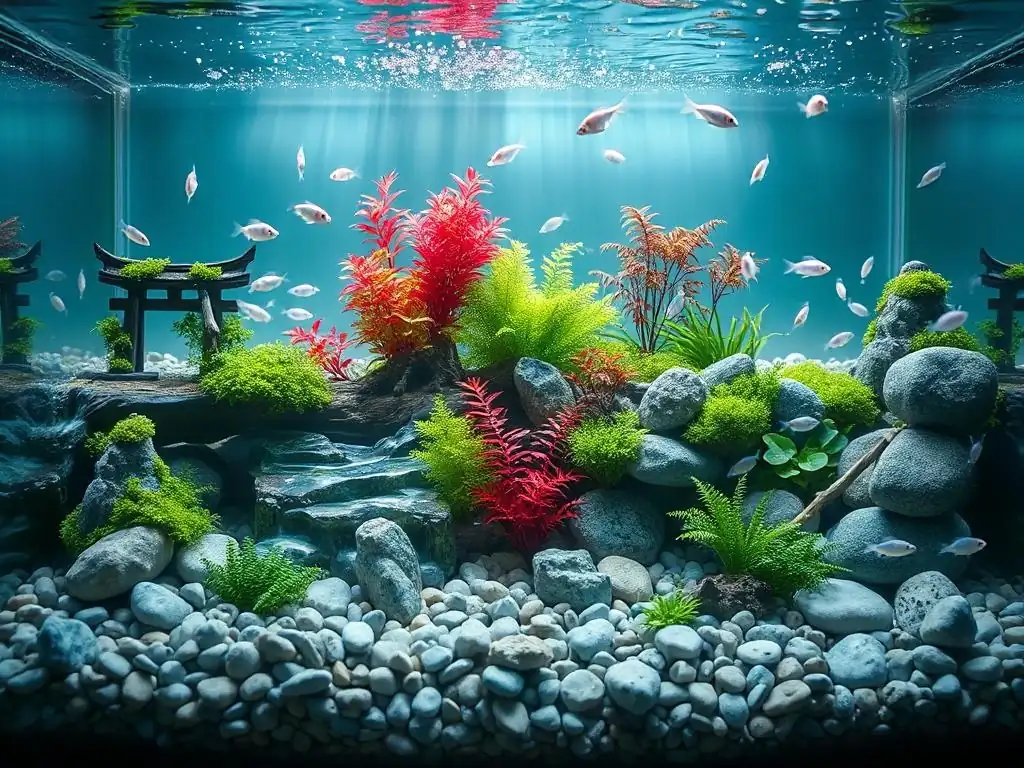
Welcome to Aquarium Mastery!
Intrigued by the shimmering beauty of Celestial Pearl Danios? Wondering how to unlock their vibrant colors and ensure a thriving environment? You've come to the right place! Let's dive deep into the crucial aspects of Celestial Pearl Danio water chemistry, uncovering the secrets to keeping these little gems happy and healthy. Prepare to master the art of creating the perfect aquatic haven for your CPDs – and discover insights that will benefit your entire freshwater aquarium journey. Keep reading to unlock the full potential of your tank!
- Understanding the Importance of Water Parameters for Celestial Pearl Danios
-
Key Water Chemistry Parameters for Celestial Pearl Danios
- Temperature: Maintaining the Ideal Range for CPDs
- pH: Understanding and Achieving the Optimal pH Level
- Hardness (GH): The Role of General Hardness in CPD Aquariums
- KH (Carbonate Hardness/Alkalinity): Buffering pH for Stability
- Ammonia and Nitrite: The Dangers of Nitrogenous Waste
- Nitrate: Managing Nitrate Levels in Your CPD Tank
- Setting Up Your Tank for Optimal Water Chemistry
- Testing Your Water: A Comprehensive Guide
- Adjusting and Maintaining Ideal Water Chemistry
- Troubleshooting Common Water Chemistry Problems
- Water Chemistry for Breeding Celestial Pearl Danios
-
Frequently Asked Questions
- How crucial is water chemistry for Celestial Pearl Danios?
- What are the ideal water parameters for Celestial Pearl Danios?
- How often should I test the water chemistry in my Celestial Pearl Danio tank?
- What should I do if my water chemistry is off for Celestial Pearl Danios?
- What role do plants play in maintaining water chemistry for Celestial Pearl Danios?
- Final Reflection: The Delicate Balance of Life
- Dive Deeper: Transform Your CPD Tank Today!
Understanding the Importance of Water Parameters for Celestial Pearl Danios
Why Stable Water Chemistry is Crucial for CPD Health
Maintaining stable water chemistry is paramount for the long-term health and vitality of Celestial Pearl Danios (CPDs). These diminutive fish, known for their striking colors, are highly sensitive to sudden fluctuations in their aquatic environment. Instability in parameters like pH, temperature, or hardness can induce severe stress, compromising their immune systems and making them highly susceptible to common aquarium diseases such as Ich (white spot disease) or fungal infections. Consistent Celestial pearl danio water chemistry is the foundation for a thriving aquarium, preventing chronic stress that can significantly reduce their typical lifespan of 3-5 years.
Beyond disease prevention, consistent water chemistry supports the internal biological processes essential for CPD well-being. Their osmoregulation, the process by which fish regulate their internal salt and water balance, is directly impacted by water hardness and salinity.
When parameters shift rapidly, their bodies expend immense energy trying to adapt, leading to exhaustion and a weakened state. For instance, a sudden drop in pH by just 0.5 units within an hour can cause severe gill irritation and stress, manifesting as rapid breathing and darting behavior, as their delicate systems struggle to cope with the abrupt change in their Celestial pearl danio water chemistry.
The Impact of Poor Water Quality on Celestial Pearl Danios
Poor water quality directly translates to a decline in the health and vibrancy of Celestial Pearl Danios. Immediate signs of suboptimal conditions often include lethargy, clamped fins, faded coloration, and a reluctance to school. Prolonged exposure to harmful compounds or unstable parameters can lead to more severe and often irreversible damage. For example, consistent exposure to even low levels of ammonia (above 0 ppm) or nitrite (above 0 ppm) can cause gill damage, making it difficult for the fish to absorb oxygen, and eventually leading to organ failure.
In the long term, inadequate Celestial pearl danio water chemistry manifests as stunted growth, chronic stress, and a complete inability to reproduce successfully. Fish that should grow to an adult size of approximately one inch may remain significantly smaller, often around half an inch, if raised in conditions with persistently high nitrates (e.g., above 40 ppm) or fluctuating pH. Such conditions not only diminish their aesthetic appeal but also greatly increase their susceptibility to opportunistic bacterial infections, which can decimate an entire school within days.
Key Water Chemistry Parameters for Celestial Pearl Danios
Temperature: Maintaining the Ideal Range for CPDs
Temperature is a critical water chemistry parameter that directly influences the metabolic rate and overall activity of Celestial Pearl Danios. The ideal temperature range for CPDs is generally considered to be between 72-79°F (22-26°C). Within this range, their metabolism functions optimally, promoting healthy digestion, robust immune responses, and natural behaviors like active schooling and foraging. Maintaining a consistent temperature within this spectrum is vital, as even slight, rapid shifts can cause undue stress.
Deviations from this ideal range can have detrimental effects. Temperatures consistently below 70°F (21°C) can lead to sluggishness, reduced appetite, and a suppressed immune system, making CPDs highly vulnerable to common cold-water diseases. Conversely, temperatures exceeding 80°F (27°C) for extended periods can accelerate their metabolism to an unhealthy degree, reduce dissolved oxygen levels in the water, and increase their susceptibility to stress-related illnesses. For instance, a tank operating at 82°F (28°C) might see its CPDs become unusually skittish and prone to flashing against surfaces, indicating discomfort due to the elevated temperature.
pH: Understanding and Achieving the Optimal pH Level
pH is a measure of the acidity or alkalinity of the water, and it is a crucial aspect of Celestial pearl danio water chemistry. For CPDs, an optimal pH range falls between 6.5 and 7.5, which is slightly acidic to neutral. This range supports their delicate gill functions and internal enzymatic processes, ensuring proper nutrient uptake and waste excretion. Stable pH is far more important than hitting an exact number within this range; rapid pH swings can be incredibly harmful, causing what is known as pH shock.
Sudden and drastic changes in pH can severely damage a fish's gills and disrupt its osmoregulation, leading to symptoms like excessive mucus production, erratic swimming, and even death. For example, a sudden pH drop from 7.5 to 6.0 within a few hours, perhaps due to the addition of unbuffered RO water or an unchecked CO2 injection, can lead to widespread fatalities in a CPD school. Therefore, understanding your tap water's inherent pH and making only gradual adjustments, if necessary, is key to maintaining healthy Celestial pearl danio water chemistry.
Hardness (GH): The Role of General Hardness in CPD Aquariums
General Hardness (GH) measures the concentration of dissolved mineral ions, primarily calcium and magnesium, in the water. For Celestial Pearl Danios, a GH range of 5-15 dGH (degrees of General Hardness) is generally considered ideal. These minerals are essential for various biological functions, including bone development, enzyme activity, and especially for proper osmoregulation. Water that is too soft or too hard can put undue stress on a fish's internal systems as it tries to maintain its internal fluid balance.
If the GH is too low (e.g., below 3 dGH), CPDs may struggle with osmoregulation, potentially leading to issues with nutrient absorption and overall vitality. Conversely, excessively high GH levels (e.g., above 18 dGH) can also be stressful, forcing their kidneys to work harder to excrete excess minerals, which can lead to long-term health problems. For instance, in a tank with a GH of 20 dGH, CPDs might exhibit faded colors and reduced activity, as their bodies are constantly under strain. Adjusting GH to the optimal range is a critical component of maintaining balanced Celestial pearl danio water chemistry.
KH (Carbonate Hardness/Alkalinity): Buffering pH for Stability
Carbonate Hardness (KH), also known as alkalinity, measures the concentration of bicarbonates and carbonates in the water. Its primary role is to act as a buffer, preventing sudden and drastic fluctuations in pH. For Celestial Pearl Danios, a KH range of 3-8 dKH (degrees of Carbonate Hardness) is recommended. This range provides sufficient buffering capacity to stabilize pH against factors that can naturally cause it to drop, such as the production of organic acids from decaying matter or the release of acids during the nitrogen cycle.
A low KH level (e.g., 1-2 dKH) leaves the water susceptible to rapid pH crashes, often referred to as "pH shock," which can be fatal to fish. For example, if a tank has a KH of 1 dKH, a routine water change, or even the natural metabolic processes of the fish, could cause the pH to plummet from 7.0 to 6.0 overnight.
Conversely, a robust KH of 5-6 dKH provides a stable buffer, ensuring that the pH remains within a safe range for your CPDs, even with minor environmental shifts. Understanding and managing KH is therefore essential for stable Celestial pearl danio water chemistry.
Ammonia and Nitrite: The Dangers of Nitrogenous Waste
Ammonia (NH3/NH4+) and nitrite (NO2-) are highly toxic compounds that are byproducts of fish waste, uneaten food, and decaying organic matter. In a healthy, cycled aquarium, beneficial bacteria convert ammonia into less harmful nitrite, and then nitrite into relatively harmless nitrate. For Celestial Pearl Danios, as with virtually all aquarium fish, ammonia and nitrite levels must always be at 0 ppm (parts per million). Any detectable level of these compounds indicates a problem with the aquarium's nitrogen cycle and poses an immediate threat.
Ammonia is incredibly caustic, causing severe damage to fish gills, internal organs, and their central nervous system even at concentrations as low as 0.25 ppm. Nitrite, while slightly less toxic than ammonia, impairs the blood's ability to carry oxygen, leading to a condition known as "brown blood disease," effectively suffocating the fish from the inside. For instance, a tank with 0.5 ppm of nitrite can cause CPDs to gasp at the surface and become lethargic, despite seemingly adequate aeration. Regular testing for these parameters is non-negotiable for maintaining healthy Celestial pearl danio water chemistry.
Nitrate: Managing Nitrate Levels in Your CPD Tank
Nitrate (NO3-) is the final product of the nitrogen cycle and is significantly less toxic than ammonia or nitrite. However, high concentrations of nitrate can still cause chronic stress, suppress the immune system, and lead to various health issues for Celestial Pearl Danios. While some sources suggest levels up to 40 ppm are acceptable, for sensitive fish like CPDs, it is highly recommended to keep nitrate levels below 20 ppm, and ideally below 10 ppm. Consistent management of nitrate levels is a cornerstone of optimal Celestial pearl danio water chemistry.
Symptoms of high nitrate exposure in CPDs include faded coloration, reduced activity, stunted growth, and increased susceptibility to fin rot or other bacterial infections. For example, a school of CPDs kept in water with consistent nitrate levels above 50 ppm might lose their vibrant blue and orange hues, appearing dull and listless, and may experience persistent outbreaks of fin rot. Regular partial water changes and adequate live plant mass are the primary methods for controlling nitrate buildup and ensuring a healthy environment for your Celestial Pearl Danios.
Setting Up Your Tank for Optimal Water Chemistry
Choosing the Right Substrate for Water Chemistry Balance
The choice of substrate plays a significant role in maintaining balanced Celestial pearl danio water chemistry. For CPDs, inert substrates that do not alter water parameters are generally preferred. Fine-grained sand or small, smooth gravel are excellent choices as they are gentle on their delicate barbels and do not leach minerals into the water that could affect pH or hardness. These types of substrates also provide a good base for live plants, which further contribute to water quality.
It is crucial to avoid substrates that are designed to buffer pH or increase hardness unless you specifically aim for those conditions and have thoroughly researched their effects. For example, substrates containing crushed coral, aragonite, or limestone will continuously release calcium carbonate into the water, steadily raising both pH and GH.
While beneficial for some species, these can push the water parameters beyond the ideal range for Celestial Pearl Danios. A 10-gallon tank with just one inch of crushed coral substrate, for instance, could raise the pH from a neutral 7.0 to an alkaline 8.0 and increase GH by 5-10 dGH within a few weeks, creating an unsuitable environment for CPDs.
Selecting Decorations and Plants That Benefit Water Quality
Decorations and live plants are not just aesthetic additions; they actively contribute to maintaining healthy Celestial pearl danio water chemistry. Natural driftwood, such as Malaysian or Mopani wood, can release tannins, which may slightly lower pH and provide beneficial humic substances, replicating their natural habitat. Smooth, inert rocks like slate, lava rock, or river stones are also excellent choices, as they do not affect water parameters and provide hiding spots.
Live plants are particularly beneficial as they absorb nitrates and other waste products directly from the water, reducing the overall nutrient load and inhibiting algae growth. Fast-growing plants like Hornwort, Anacharis, or various stem plants are highly effective nitrate removers. A heavily planted 20-gallon tank can reduce nitrate accumulation by 30-50% compared to a sparsely planted one, significantly improving the overall water quality and stability for your CPDs. Furthermore, plants oxygenate the water through photosynthesis, contributing to a healthier environment.
The Importance of Filtration for Maintaining Stable Water Parameters
Effective filtration is absolutely indispensable for maintaining stable and optimal Celestial pearl danio water chemistry. A robust filtration system works tirelessly to remove physical debris, break down harmful waste products, and create a healthy environment for beneficial bacteria. Without adequate filtration, even the most diligent water change schedule would struggle to keep up with the accumulation of toxins and organic matter, leading to rapid deterioration of water quality.
A comprehensive filtration system typically incorporates three main types: biological, mechanical, and chemical filtration. Each plays a distinct yet interconnected role in ensuring the purity and balance of the aquarium water. Understanding how these components work together is fundamental to providing a safe and thriving habitat for your Celestial Pearl Danios, preventing the buildup of pollutants that can quickly stress or harm these sensitive fish.
Biological Filtration: The Key to a Healthy Nitrogen Cycle
Biological filtration is the cornerstone of a healthy aquarium and is crucial for stable Celestial pearl danio water chemistry. This process relies on beneficial bacteria (primarily Nitrosomonas and Nitrobacter species) that colonize porous surfaces within the filter media, such as ceramic rings, bio-balls, or filter sponges. These bacteria convert highly toxic ammonia, produced by fish waste and decaying matter, into less toxic nitrite, and then convert nitrite into relatively harmless nitrate.
A mature and robust biological filter is essential to prevent dangerous spikes of ammonia and nitrite, which are lethal to fish even at low concentrations. In a newly set up tank, it typically takes 3-6 weeks for a biological filter to fully establish, a process known as "cycling." During this period, ammonia and nitrite levels will rise and fall. Without a fully cycled filter, a 10-gallon tank stocked with CPDs could experience ammonia levels of 1-2 ppm within days, leading to rapid fish loss due to the severe impact on their delicate systems.
Mechanical Filtration: Removing Particulate Matter
Mechanical filtration is responsible for physically removing particulate matter from the water column, contributing significantly to water clarity and overall Celestial pearl danio water chemistry. This includes uneaten food, fish waste, plant debris, and other suspended particles. Filter floss, sponges, or pads are common mechanical filter media that trap these larger particles as water flows through them.
By removing solid waste before it has a chance to decompose, mechanical filtration indirectly reduces the organic load on the biological filter and prevents the release of ammonia and other undesirable compounds. For example, a filter with efficient mechanical media can prevent up to 80% of solid waste from breaking down into dissolved organic compounds, thus reducing the potential for ammonia spikes. Regular cleaning or replacement of mechanical filter media is vital, as clogged media can become a source of nitrates and reduce overall filter efficiency.
Chemical Filtration: Addressing Specific Water Chemistry Issues
Chemical filtration uses specialized media to remove dissolved contaminants, odors, and discoloration from the water, addressing specific aspects of Celestial pearl danio water chemistry. The most common chemical filter media is activated carbon, which adsorbs organic pollutants, tannins (which can tint the water yellow), and some medications. Other chemical media include specialized resins like Purigen, which excel at removing nitrogenous organic waste before it breaks down into ammonia.
While not always necessary for routine maintenance in a well-balanced tank, chemical filtration can be highly beneficial for specific issues. For instance, activated carbon can be used to remove the yellow tint caused by driftwood tannins, or to remove residual medications after a treatment period. However, it's important to note that activated carbon can also remove beneficial trace elements and should generally be replaced regularly (e.g., monthly) as it becomes saturated over time. Using it continuously without replacement can sometimes lead to a release of trapped pollutants back into the water.
Testing Your Water: A Comprehensive Guide
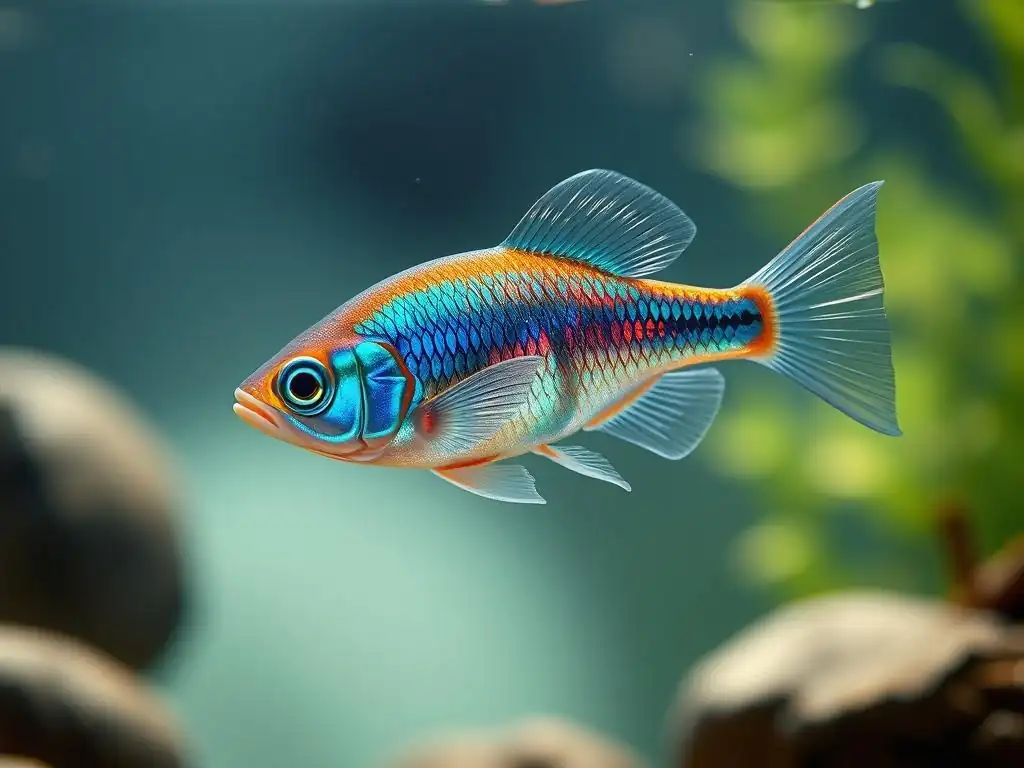
Essential Water Testing Kits for Celestial Pearl Danio Aquariums
Regular water testing is the single most important practice for understanding and maintaining optimal Celestial pearl danio water chemistry. To accurately monitor the parameters critical for their health, an essential water testing kit is indispensable. Liquid reagent test kits, such as the API Freshwater Master Test Kit, are highly recommended over test strips due to their superior accuracy and reliability. These kits typically include tests for pH, high range pH, ammonia, nitrite, and nitrate.
In addition to the basic nitrogen cycle parameters and pH, it is crucial to also test for General Hardness (GH) and Carbonate Hardness (KH). Separate liquid test kits for GH and KH are widely available and provide vital information about the water's mineral content and its buffering capacity, respectively. For example, relying solely on test strips for pH might miss a critical underlying issue, such as a dangerously low KH level that could lead to a sudden pH crash, whereas a liquid test kit would precisely indicate a KH of 1 dKH, signaling an immediate need for intervention.
Understanding Test Kit Results and What They Mean
Understanding your water test kit results is key to proactive aquarium management and maintaining ideal Celestial pearl danio water chemistry. Each test provides a specific piece of information about your tank's health. For instance, an ammonia reading of 0.25 ppm, even though seemingly low, indicates a problem with the biological filter and requires immediate action, as any detectable ammonia is toxic to CPDs. Similarly, a nitrite reading of 0.5 ppm means your fish are struggling to oxygenate their blood.
Interpreting results also involves recognizing trends over time. If your nitrates consistently creep up from 10 ppm to 30 ppm between weekly water changes, it signals that your current maintenance routine (e.g., water change volume or frequency) might be insufficient, or that your tank is overstocked. Keeping a log of your test results allows you to identify potential issues before they become critical and enables you to fine-tune your maintenance schedule to ensure stable and healthy conditions for your Celestial Pearl Danios.
Frequency of Water Testing: Establishing a Routine
Establishing a consistent routine for water testing is crucial for proactive management of Celestial pearl danio water chemistry. For new tanks undergoing the nitrogen cycle, daily testing for ammonia, nitrite, and pH is recommended for the first 3-4 weeks to monitor the cycle's progress and ensure the water is safe before adding fish. Once fish are introduced, continue daily testing for ammonia and nitrite for at least the first week to confirm the cycle is stable.
For an established and well-cycled aquarium with Celestial Pearl Danios, a routine of weekly testing for ammonia, nitrite, nitrate, pH, GH, and KH is generally sufficient. This frequency allows you to detect any emerging issues before they can significantly harm your fish. However, if you observe any signs of stress or illness in your CPDs, or if you make significant changes to the tank (e.g., adding new fish, changing filter media, or treating disease), increase your testing frequency to daily until the situation stabilizes and parameters return to optimal ranges.
Adjusting and Maintaining Ideal Water Chemistry
Performing Water Changes: A Step-by-Step Guide
Regular water changes are the most effective and fundamental method for maintaining ideal Celestial pearl danio water chemistry. They serve multiple purposes: removing accumulated nitrates and other dissolved pollutants, replenishing essential trace minerals, and generally refreshing the aquatic environment. For a well-stocked CPD tank, a weekly water change of 25-30% of the tank volume is typically recommended. In larger, very stable tanks with light stocking, bi-weekly changes might suffice, but weekly is safer.
To perform a water change, first, use a gravel vacuum to remove water and simultaneously clean the substrate, siphoning out uneaten food and fish waste. Remove the specified percentage of water. Then, prepare the new water: ensure it is temperature-matched to the tank water (within 1-2°F or 0.5-1°C) to prevent temperature shock, and always treat it with a high-quality water conditioner to neutralize chlorine, chloramines, and heavy metals.
Slowly add the treated water back into the tank to minimize stress on your fish. For instance, a 25% weekly water change in a 10-gallon tank can reduce nitrates from 20 ppm to approximately 15 ppm, effectively preventing their buildup over time.
Using Water Conditioners to Neutralize Harmful Substances
Water conditioners are essential for nearly all aquarium setups, especially when using tap water, as they play a critical role in immediately safeguarding Celestial pearl danio water chemistry. Tap water typically contains chlorine and/or chloramines, which are disinfectants added by municipal water treatment plants. These chemicals are highly toxic to fish, damaging their gills and potentially leading to fatality. Water conditioners instantly neutralize these harmful substances, making the tap water safe for aquarium use.
Beyond chlorine and chloramines, many quality water conditioners also detoxify heavy metals that can be present in tap water, such as copper or lead, which are also detrimental to fish health. Some conditioners even include additives that promote the fish's natural slime coat, providing an extra layer of protection against stress and disease.
It is paramount to use a water conditioner every time you add tap water to your aquarium, whether during a full water change or just topping off evaporation. Failing to use a conditioner, even for a small top-off, can expose your sensitive CPDs to lethal levels of chlorine, causing immediate gill irritation and severe stress.
Adjusting pH Safely and Effectively
Adjusting pH in an aquarium, especially for sensitive fish like Celestial Pearl Danios, requires caution and should always be done gradually to avoid shocking the fish. The safest approach to lower pH, if necessary, is through natural methods. Adding properly prepared driftwood to the tank can slowly release tannins, which slightly acidify the water. Peat moss, placed in a filter bag, can also lower pH and GH, while simultaneously releasing beneficial humic substances. These methods work over days or weeks, allowing fish to acclimate slowly.
To raise pH, if needed, inert materials like limestone or certain rocks can be used, but again, caution is advised as they can leach minerals continuously. Chemical pH adjusters are available but should be used with extreme care and only if natural methods are insufficient.
They can cause rapid and significant pH swings if not dosed precisely and monitored closely, which is highly detrimental to Celestial pearl danio water chemistry. For example, to lower pH from 7.8 to 7.0 in a 20-gallon tank, adding a small amount of peat moss to the filter will achieve this gradually over several days, minimizing stress compared to a chemical pH-down product that could drop it by 1.0 pH unit in hours.
Managing Hardness Levels: GH and KH
Managing General Hardness (GH) and Carbonate Hardness (KH) is crucial for maintaining optimal Celestial pearl danio water chemistry. If your tap water is too hard for CPDs (e.g., GH above 15 dGH), the most effective way to lower GH is by diluting it with softer water, such as reverse osmosis (RO) water or distilled water.
Mixing RO water with your tap water in a specific ratio can help you achieve the desired GH level. For instance, mixing 50% RO water with 50% tap water that has a GH of 16 dGH would result in water with a GH of approximately 8 dGH.
Conversely, if your water is too soft (e.g., GH below 5 dGH or KH below 3 dKH), you may need to increase hardness. This can be done by adding mineral supplements specifically designed for aquariums, or by using small amounts of crushed coral or aragonite in a filter bag. These materials dissolve slowly, gradually releasing calcium and magnesium carbonates, which will increase both GH and KH.
Always monitor your parameters closely when making adjustments. For example, to increase KH from 2 dKH to 5 dKH in a 10-gallon tank, adding a small mesh bag (e.g., 1/4 cup) of crushed coral to the filter can gradually raise the levels over a week, providing much-needed buffering capacity.
Dealing with Ammonia and Nitrite Spikes
Ammonia and nitrite spikes are critical emergencies in an aquarium and demand immediate action to protect Celestial Pearl Danios. The first and most crucial step is to perform a large water change, typically 50-75% of the tank volume, ensuring the new water is temperature-matched and dechlorinated. This significantly dilutes the concentration of toxins, providing immediate relief to the fish. Concurrently, use an ammonia detoxifier product, which temporarily neutralizes ammonia and nitrite, making them less harmful while your biological filter recovers.
After the initial emergency measures, it is vital to identify the root cause of the spike and address it. Common causes include overfeeding, overstocking, a power outage that killed beneficial bacteria, or adding new fish to an uncycled tank. Reduce feeding immediately, ensure your filter is functioning correctly, and avoid adding more fish. If ammonia suddenly spikes to 1.0 ppm due to a filter malfunction, a 50% water change can instantly bring it down to 0.5 ppm, buying critical time for the filter to recover or for further actions to stabilize the Celestial pearl danio water chemistry.
Controlling Nitrate Buildup
Controlling nitrate buildup is a continuous process essential for maintaining optimal Celestial pearl danio water chemistry. While nitrates are less toxic than ammonia or nitrite, high levels (above 20 ppm) can cause chronic stress and health issues. The primary method for nitrate control is regular partial water changes, as discussed previously. A consistent weekly 25-30% water change program is usually sufficient to keep nitrates in check in a moderately stocked tank.
Beyond water changes, live plants are highly effective nitrate consumers. Fast-growing plants like Hornwort, Anacharis, and various floating plants (e.g., Frogbit, Dwarf Water Lettuce) absorb nitrates directly from the water as a nutrient source, significantly reducing their accumulation.
Other strategies include avoiding overfeeding, which contributes to organic waste, and ensuring your tank is not overstocked, as more fish produce more waste. For instance, a 15-gallon tank with 15 CPDs experiencing nitrates consistently at 60 ppm could see those levels drop to below 30 ppm within a month by increasing weekly water changes from 25% to 50% and adding a dense cluster of fast-growing stem plants.
Troubleshooting Common Water Chemistry Problems
Cloudy Water: Causes and Solutions
Cloudy water is a common and often alarming issue for aquarists, signaling an imbalance in Celestial pearl danio water chemistry. One common cause is a bacterial bloom, which occurs when a sudden increase in beneficial bacteria (often during the cycling process or after a large organic load) causes the water to appear milky white. This is typically harmless to fish and resolves itself as the beneficial bacteria colonize filter media. Another cause is suspended particulate matter from disturbed substrate or insufficient mechanical filtration.
Solutions depend on the cause. For a bacterial bloom, patience is key; avoid overreacting with chemicals. Ensure good aeration and wait for the filter to catch up, which typically takes a few days to a week. For particulate matter, ensure your mechanical filter media is clean and functioning effectively.
Reduce feeding to prevent excess organic waste. If the cloudiness is green, it's likely an algae bloom, indicating excess nutrients and/or light. For example, if cloudy water persists for more than 48 hours after a large water change and increased mechanical filtration, it often points to a bacterial bloom from an unstable nitrogen cycle.
Unstable pH: Identifying and Correcting the Issue
Unstable pH, characterized by significant and rapid fluctuations in pH levels, is a serious problem for Celestial Pearl Danios and indicates a lack of buffering capacity in the water chemistry. The primary cause of unstable pH is typically low Carbonate Hardness (KH). When KH levels are too low (e.g., below 3 dKH), there aren't enough bicarbonates to neutralize the acids produced by the nitrogen cycle and decaying organic matter, leading to sudden pH drops, especially after water changes or during lights-off periods when CO2 accumulates.
To correct unstable pH, the focus must be on increasing and stabilizing KH. Gradually raising KH to the recommended range of 3-8 dKH using a KH-increasing buffer or by adding a small amount of crushed coral in a filter bag can provide the necessary buffering.
Regular water changes also help dilute acidic compounds. For instance, a tank experiencing pH swings from 7.0 to 6.5 and back within 24 hours often has a KH of 1-2 dKH; carefully increasing the KH to 4-5 dKH will typically stabilize the pH within a consistent range, greatly improving the Celestial pearl danio water chemistry.
High Nitrate Levels: Effective Mitigation Strategies
High nitrate levels (above 20 ppm) are a common issue in established aquariums and, while not immediately lethal, can cause chronic stress and health problems for Celestial Pearl Danios. The main culprits behind high nitrates are usually overstocking, overfeeding, insufficient water changes, or a lack of live plants. When nitrates consistently remain high despite regular maintenance, it indicates an imbalance in the tank's waste management.
Effective mitigation strategies involve a multi-pronged approach. Firstly, increase the frequency and/or volume of your water changes; if you're doing 25% weekly, consider 50% weekly or 25% twice a week. Secondly, ensure your tank isn't overstocked.
Thirdly, reduce feeding amounts and ensure all food is consumed within a few minutes to prevent excess organic decay. Finally, incorporate more fast-growing live plants, as they are highly efficient at absorbing nitrates directly from the water. For example, a 10-gallon tank with nitrates consistently at 40 ppm could benefit from a 50% weekly water change and the addition of a dense clump of Water Sprite, which can significantly reduce nitrate levels within a few weeks, restoring optimal Celestial pearl danio water chemistry.
Algae Blooms: A Sign of Imbalance
Algae blooms, manifesting as green water, brown film, or stringy green strands, are a clear indication of an imbalance in Celestial pearl danio water chemistry, specifically related to excess nutrients (nitrates and phosphates) and/or excessive light. While not directly harmful to fish, severe algae blooms can consume oxygen at night and are unsightly, signaling underlying issues that could eventually impact fish health.
To combat algae blooms, first, address the nutrient imbalance. Increase the frequency and/or volume of water changes to reduce nitrates and phosphates. Ensure you are not overfeeding, as uneaten food breaks down into nutrients.
Second, control lighting: reduce the duration of your tank lights (e.g., from 12 hours to 8 hours daily) and ensure the tank isn't receiving direct sunlight. Introducing more live plants can outcompete algae for nutrients. For instance, a green water bloom often signifies nitrate levels consistently above 30 ppm combined with prolonged lighting; reducing light exposure to 8 hours and performing a 50% water change can significantly clear the water within a week, improving the overall Celestial pearl danio water chemistry.
Water Chemistry for Breeding Celestial Pearl Danios
Specific Water Parameters for Successful CPD Breeding
For successful breeding of Celestial Pearl Danios, specific adjustments to their water chemistry are often beneficial to encourage spawning and ensure high egg viability. While CPDs can sometimes spawn in general community tank conditions, optimizing their environment significantly increases the chances of successful reproduction. Breeders often aim for slightly softer and more acidic water than their general maintenance parameters: a pH between 6.5-7.0 and a General Hardness (GH) of 4-8 dGH are commonly targeted.
These specific parameters mimic the conditions found in their natural habitats during breeding seasons, signaling to the fish that conditions are ideal for egg development and fertilization. The softer water aids in egg hardening and prevents "egg fungus" in some cases, while the slightly acidic pH can improve sperm motility and egg viability. For example, a dedicated 5-gallon breeding tank for Celestial Pearl Danios might be set up with a pH of 6.8 and a GH of 5 dGH, achieved through careful water preparation, to maximize spawning success.
Conditioning Water for Spawning
Conditioning the water for spawning Celestial Pearl Danios involves carefully adjusting the parameters to meet the specific requirements for successful breeding. If your tap water is naturally hard or alkaline, you will likely need to soften and acidify it. This is commonly achieved by mixing dechlorinated tap water with reverse osmosis (RO) or distilled water in specific ratios until the desired GH and KH are reached. For example, if your tap water is 15 dGH, mixing it 50/50 with RO water will bring the GH down to approximately 7.5 dGH.
Another effective method for conditioning water for spawning is the use of peat moss. Placing a small amount of aquarium-grade peat moss in a filter bag within the breeding tank's filter can slowly lower both pH and GH, while also releasing beneficial humic acids that mimic natural breeding grounds. The key is to make these adjustments gradually over several days to avoid shocking the fish, ensuring the Celestial pearl danio water chemistry in the breeding tank is consistently stable within the target range before introducing the breeding pair or group.
Maintaining Water Quality in Fry Tanks
Maintaining impeccable water quality in fry tanks is perhaps the most critical aspect of successful Celestial Pearl Danio breeding, as their fry are extremely delicate and sensitive to even minute fluctuations in water chemistry. Unlike adult fish, fry have underdeveloped osmoregulation systems and are highly vulnerable to ammonia, nitrite, and even higher nitrate levels. Ammonia and nitrite must remain at absolute 0 ppm at all times, and nitrates should ideally be kept below 5 ppm.
Due to their small size and the need for frequent feeding of tiny foods, fry tanks can quickly accumulate waste. Therefore, small, frequent water changes are essential. Daily water changes of 10% to 15% are often recommended, using temperature-matched and dechlorinated water.
Siphoning carefully to avoid disturbing the fry and removing any uneaten food is crucial. Filtration should be gentle, such as a sponge filter, to prevent strong currents that could harm the fry. For instance, in a 2-gallon fry tank, a 10% daily water change involves removing only 0.2 gallons, but this consistent removal of waste is vital for ensuring the survival and healthy development of the Celestial pearl danio fry.
Frequently Asked Questions
How crucial is water chemistry for Celestial Pearl Danios?
Water chemistry is extremely important for Celestial Pearl Danios. They are sensitive fish that require stable and specific water parameters to thrive and avoid stress and disease.
What are the ideal water parameters for Celestial Pearl Danios?
The ideal water parameters include a temperature of 72-78°F (22-26°C), a pH between 6.5 and 7.5, and a GH (general hardness) between 5-12 dGH. Maintaining stability within these ranges is crucial.
How often should I test the water chemistry in my Celestial Pearl Danio tank?
You should test your water chemistry at least once a week, especially in a new tank. Regular testing helps you catch any imbalances early and prevent problems.
What should I do if my water chemistry is off for Celestial Pearl Danios?
Small, frequent water changes are generally the best approach to correcting imbalances. Avoid large, sudden changes as they can stress the fish. Monitor closely after any adjustments.
What role do plants play in maintaining water chemistry for Celestial Pearl Danios?
Live plants help maintain stable water chemistry by consuming nitrates and releasing oxygen. They also provide a natural environment that benefits the fish.
Final Reflection: The Delicate Balance of Life
The journey to understanding and perfecting Celestial Pearl Danio water chemistry is more than just a technical exercise; it's a testament to our dedication to creating thriving ecosystems within our own homes. The meticulous details we've explored, from pH levels to hardness, highlight the profound impact even seemingly minor adjustments can have on the delicate balance of life for these captivating creatures.
This pursuit of optimal conditions reflects a broader understanding of our interconnectedness with the natural world. It reminds us that responsible aquascaping is not merely a hobby, but a commitment to providing a healthy and enriching environment for the animals in our care. The ultimate goal of farming isn't the growing of crops, but the cultivation and perfection of human beings.
- Masanobu Fukuoka. This quote, though about farming, resonates deeply with the aquarist's journey, emphasizing the personal growth and understanding that comes from nurturing life.
Now, armed with this knowledge, I encourage you to reflect on your own aquariums and the subtle nuances of the environments you create. Consider how you can further refine your approach to water chemistry, not just for the benefit of your Celestial Pearl Danios, but for all the inhabitants of your underwater world. Let's strive to be not just keepers, but true stewards of these miniature ecosystems, fostering life and beauty in every drop.
Dive Deeper: Transform Your CPD Tank Today!
Thank you for exploring the intricacies of Celestial Pearl Danio water chemistry with us! We hope this guide has equipped you with the knowledge to create an optimal environment for these vibrant fish. Now, it's time to put that knowledge into action.
Here are a few ways you can continue your journey towards CPD mastery:
- Commit to Testing: Conduct weekly water tests for pH, ammonia, nitrite, and nitrate to monitor your tank's stability. Consistent monitoring is key to preventing problems before they arise.
- Research complementary species: Explore tank mate options compatible with the water parameters and temperament of CPDs.
- Share your Experience: Join our community forum and share your water chemistry successes (and challenges!) with other CPD enthusiasts.
What small change will you make this week to improve your CPD's aquatic environment?