
Understanding Female *Cyprichromis* and Their Role in Spawning

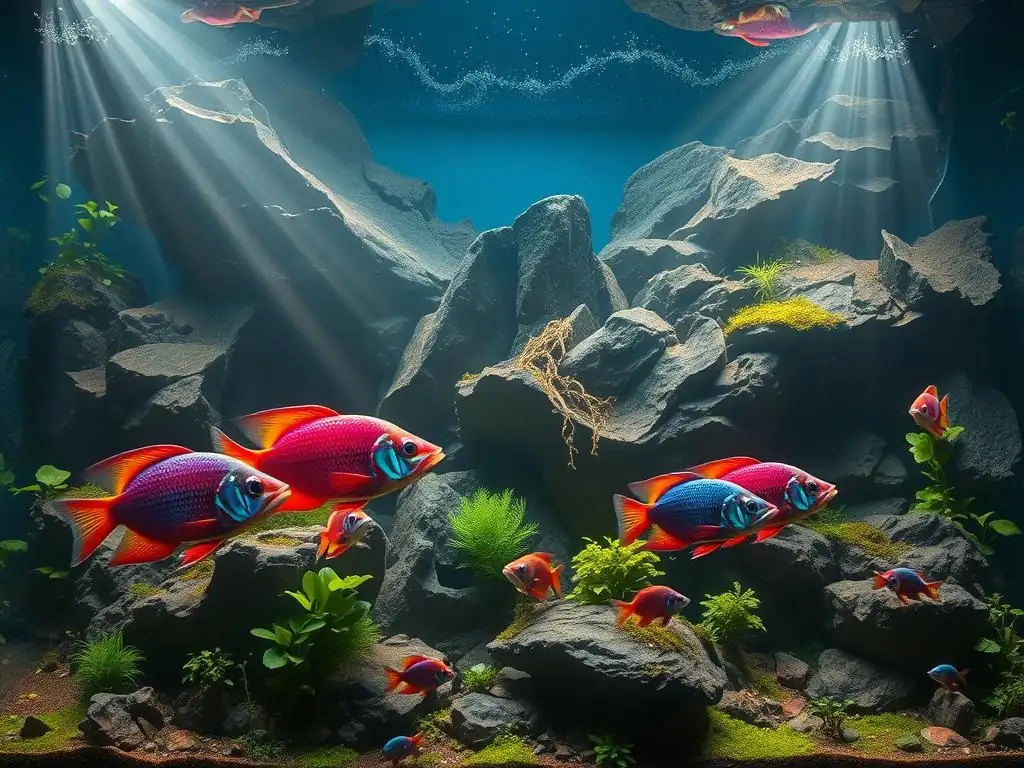
Welcome to Aquarium Mastery! Ever wondered about the secret lives of your Cyprichromis and the crucial role females play in successful spawning? Dive in as we unravel the fascinating behaviors of a Cyprichromis spawning female, offering insights you won't find anywhere else. Get ready to unlock a deeper understanding of these captivating freshwater fish and create a thriving aquarium environment!
- Understanding Female Cyprichromis leptosoma and Their Role in Spawning: A Guide for Aquarium Keepers
- Introduction to Cyprichromis leptosoma Spawning Behavior
- Identifying Female Cyprichromis leptosoma: Key Characteristics
- The Role of Females in Cyprichromis leptosoma Spawning
- Female Cyprichromis leptosoma Egg Carrying and Incubation
- Optimal Tank Conditions for Successful Cyprichromis leptosoma Spawning: Focusing on Female Wellbeing
- Female Cyprichromis leptosoma Diet and Nutrition During Spawning
- Common Challenges and Solutions Related to Female Cyprichromis leptosoma Spawning
- Post-Spawning Care for Female Cyprichromis leptosoma
- Observing and Documenting Female Cyprichromis leptosoma Spawning Behavior
- Conclusion: Appreciating the Vital Role of Female Cyprichromis leptosoma in Reproduction
-
Frequently Asked Questions
- What are the key signs that a female Cyprichromis is ready to spawn?
- How does the female Cyprichromis contribute to the spawning process?
- What specific behaviors can I expect from a spawning female Cyprichromis?
- What happens to the female Cyprichromis after she has taken the eggs into her mouth?
- How can I ensure the best possible outcome for a female Cyprichromis holding eggs?
- Final Reflection: The Subtle Symphony of Spawning
- Empower Your *Cyprichromis* Colony!
Understanding Female Cyprichromis leptosoma and Their Role in Spawning: A Guide for Aquarium Keepers
Introduction to Cyprichromis leptosoma Spawning Behavior
Overview of Cyprichromis leptosoma Featherfin Cichlids
Cyprichromis leptosoma, commonly known as the Featherfin Cichlid, is a highly prized species among aquarists specializing in Lake Tanganyika cichlids. Native to the vast, deep waters of Lake Tanganyika in East Africa, these fish are unique in their habit of schooling in the open water column, unlike many other Tanganyikan cichlids that are strictly rock-dwelling or shell-dwelling.
Their slender bodies, often reaching lengths of 4 to 6 inches for males and slightly smaller for females, coupled with their elongated, elegant fins, give them their "featherfin" moniker. They are planktivores in their natural habitat, feeding on zooplankton in the water column.
These cichlids are renowned for their intricate social structures and fascinating breeding behaviors. While males display vibrant colors and establish temporary territories, it is the female Cyprichromis leptosoma that undertakes the demanding role of mouthbrooding, a critical aspect of their reproductive strategy. Understanding the nuances of their natural behavior is paramount for successful breeding and maintaining a thriving Cyprichromis colony in a home aquarium.
The Significance of Understanding Female Cyprichromis leptosoma
The female Cyprichromis leptosoma plays an indispensable role in the species' reproductive success, making a thorough understanding of her Cyprichromis spawning female behavior essential for any serious aquarist aiming to breed these fish. Unlike many other cichlids where both parents might be involved in fry care, the female Cyprichromis is solely responsible for protecting the eggs and fry within her mouth until they are large enough to be released. This dedicated maternal care directly impacts fry survival rates.
By closely observing and understanding the specific behaviors, physiological changes, and needs of the Cyprichromis spawning female behavior, aquarists can optimize tank conditions, minimize stress, and provide the necessary nutritional support to ensure healthy egg development and successful brooding. Recognizing a female's readiness to spawn, her post-spawning recovery needs, and how to mitigate common challenges allows for a more rewarding breeding experience and contributes to the long-term health of the entire colony.
Identifying Female Cyprichromis leptosoma: Key Characteristics
Physical Distinctions Between Male and Female Cyprichromis leptosoma
Distinguishing between male and female Cyprichromis leptosoma is relatively straightforward, especially once they reach sexual maturity. Males are typically larger and more robust, often growing up to 5-6 inches, while females usually remain smaller, around 3-4 inches. The most striking difference lies in their coloration and fin morphology.
Adult males exhibit much more vibrant and iridescent colors, such as deep blues, electric yellows, or purples, depending on the specific locality variant (e.g., 'Blue Flash' from Cape Mpimbwe or 'Utinta' with its yellow fins). Their dorsal, anal, and caudal fins are also noticeably longer and more elongated, often with trailing filaments, particularly during courtship displays.
In contrast, female Cyprichromis leptosoma tend to have more subdued coloration, typically a silvery-blue or grey, with less intense iridescence. Their fins are shorter and more rounded, lacking the dramatic extensions seen in males. While some females may show hints of color, especially when gravid or interacting with males, their overall appearance is designed to be less conspicuous, which aids in their role as mouthbrooders, allowing them to blend into their environment more effectively.
Behavioral Differences: Recognizing Female Cyprichromis leptosoma Traits
Beyond physical appearance, distinct behavioral patterns differentiate male and female Cyprichromis leptosoma, particularly concerning their Cyprichromis spawning female behavior. Males are highly territorial, especially during breeding periods, and will establish temporary spawning sites, often in the open water column or near vertical rock structures. They engage in elaborate courtship displays, flashing their brilliant colors and extending their fins to attract females. Male aggression is primarily directed towards other males, though they will actively pursue and attempt to entice females into their territory.
Females, on the other hand, exhibit more subtle behaviors. They tend to form loose schools, moving throughout the tank more fluidly than the territorial males. When a female is ready to spawn, she may appear slightly plumper due to egg development and will begin to show increased interest in a displaying male.
After spawning, her most defining behavior is mouthbrooding: she will hold the eggs and later the fry entirely within her buccal cavity. During this period, she often becomes reclusive, seeking out quiet, sheltered areas of the tank, and may refuse food or eat very little. Observing these behavioral cues is crucial for identifying a spawning female and understanding her needs.
The Role of Females in Cyprichromis leptosoma Spawning
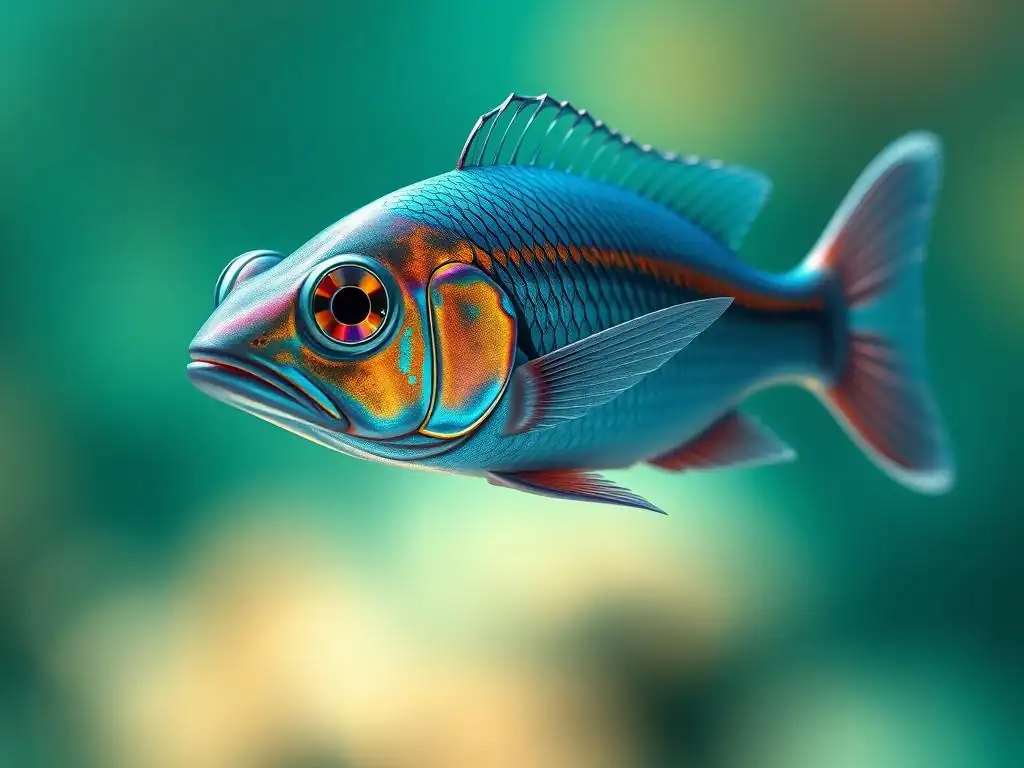
Cyprichromis leptosoma Spawning Triggers and Female Readiness
The successful initiation of Cyprichromis spawning female behavior is often triggered by a combination of optimal environmental conditions and the female's physiological readiness. Pristine water quality, stable parameters (pH 7.8-9.0, GH 10-18 dGH, KH 16-20 dKH), and a consistent temperature of 76-80°F (24.5-26.5°C) are paramount. A high-quality, varied diet rich in protein, such as spirulina flakes, frozen brine shrimp, and mysis shrimp, significantly contributes to egg development and the female's overall health, preparing her for the energy-intensive process of spawning and brooding. Females typically reach sexual maturity and are ready to spawn when they are around 1.5 to 2 years of age, or once they reach a size of approximately 2.5-3 inches.
Visual cues of a female's readiness include a noticeable increase in girth as her eggs develop, sometimes a slight darkening or intensification of her natural coloration, and a heightened interest in the displaying males. She may begin to hover near a male's chosen spawning site, signaling her receptiveness. The presence of a healthy, dominant male and a balanced male-to-female ratio (e.g., 1 male to 3-5 females) within the colony can also act as a strong social trigger, encouraging the females to enter spawning condition.
The Nuptial Dance: Female Selection and Male Displays
The Cyprichromis spawning female behavior during the nuptial dance is a critical phase of reproduction. Males initiate the courtship by establishing temporary territories, often near vertical rockwork or in the open water column, and performing elaborate displays. These displays involve intense flashing of their vibrant colors, rapid fin extensions, and a characteristic shimmying motion designed to attract a female. The male will attempt to entice a receptive female into his spawning area, circling her and attempting to lead her to a chosen spot.
The female's role in this "dance" is one of careful observation and selection. She will assess the male's vigor, coloration, and the suitability of his chosen spawning site. Once she accepts a male, she will follow him to the spawning location. The actual spawning involves the female laying a small number of eggs, typically 5-20 per spawn, which she immediately picks up into her mouth.
The male then passes over the eggs or displays his anal fin, which often has egg spots, inducing the female to mouth-nip at them, at which point he releases sperm to fertilize the eggs already in her mouth. This process is repeated until all eggs are laid and safely secured within the female's buccal cavity, a remarkable testament to the female's dedication. Larger, well-fed females can produce up to 30-40 eggs in a single spawn.
Female Cyprichromis leptosoma Egg Carrying and Incubation
Mouthbrooding: The Female's Role in Egg Protection
Mouthbrooding is the defining Cyprichromis spawning female behavior and a highly effective reproductive strategy employed by Cyprichromis leptosoma. Immediately after fertilization, the female diligently collects all the eggs into her buccal cavity, where they will remain for the entire incubation period. This method offers unparalleled protection for the developing eggs and fry from predators, environmental fluctuations, and even fungal infections, as the female can constantly aerate them by gentle "chewing" motions.
During the mouthbrooding phase, the female's behavior undergoes a significant transformation. She will often become reclusive, seeking out quiet, sheltered areas of the tank, such as behind rockwork or dense plant thickets, to minimize disturbance. Her mouth will appear noticeably distended, and she will typically refuse to eat or consume only very small amounts of food, which can lead to significant weight loss over the incubation period. It is crucial to provide a calm, stable environment for the brooding female to ensure she does not become stressed and prematurely release or consume her precious cargo.
Incubation Period: What to Expect from the Female Cyprichromis leptosoma
The incubation period for Cyprichromis leptosoma eggs typically lasts between 21 to 28 days, assuming optimal water temperatures of 78-80°F (25.5-26.5°C). During this time, the eggs hatch into larval fish, which then absorb their yolk sacs and gradually develop into free-swimming fry. The female Cyprichromis leptosoma continues her dedicated mouthbrooding, ensuring the fry are protected and aerated. Her "chewing" motions become more pronounced as the fry grow, allowing them to shift positions within her mouth.
As the fry near the end of their incubation period, around day 25-28, the female may begin to make short, exploratory releases. She will gently expel the small, fully formed fry for brief periods, often allowing them to graze on micro-organisms or detritus before quickly taking them back into her mouth at the first sign of danger or disturbance. This Cyprichromis spawning female behavior is a clear indication that the fry are nearly ready for independent life. It is during this critical time that aquarists often choose to separate the female into a dedicated "fry tank" to ensure the maximum survival rate for the offspring.
Optimal Tank Conditions for Successful Cyprichromis leptosoma Spawning: Focusing on Female Wellbeing
Water Parameters: Ensuring a Healthy Environment for Breeding Females
Maintaining precise and stable water parameters is paramount for encouraging Cyprichromis spawning female behavior and ensuring the health of brooding females. Cyprichromis leptosoma originate from Lake Tanganyika, which is characterized by its hard, alkaline water. Ideal parameters for breeding include a pH range of 7.8 to 9.0, a general hardness (GH) between 10-18 dGH, and a carbonate hardness (KH) of 16-20 dKH. The water temperature should be consistently maintained between 76-80°F (24.5-26.5°C).
Beyond these specific values, pristine water quality is non-negotiable. High levels of nitrates (ideally below 10-20 ppm), ammonia, or nitrites can severely stress females, leading to dropped spawns or health issues. Regular water changes, typically 25-30% weekly, using dechlorinated water with appropriate buffering agents (like Rift Lake salts or aragonite substrate) are essential to replenish minerals and keep pollutants at bay. Consistent water quality directly influences the female's physiological readiness and her ability to successfully carry a spawn to term.
Tank Setup: Creating a Suitable Habitat for Female Cyprichromis leptosoma
A well-designed tank setup is crucial for fostering natural Cyprichromis spawning female behavior and providing a secure environment for brooding females. For a healthy Cyprichromis colony, a minimum tank size of 55 gallons is recommended, though 75 gallons or larger is ideal for a community with multiple males and a larger group of females. The tank should feature ample open swimming space, as these fish are pelagic. A fine sand substrate, such as aragonite sand, is beneficial as it helps to buffer the water and maintain the high pH.
While Cyprichromis do not typically use caves for spawning, vertical structures are important. Tall rock formations or artificial decor that reach near the surface provide visual breaks and allow males to establish temporary territories, as well as offering hiding spots for females seeking refuge or a quiet place to brood. Robust filtration, such as a canister filter or a large hang-on-back filter, is necessary to maintain the high water quality required. Moderate lighting that mimics natural conditions is also preferred, avoiding overly bright illumination that can stress these open-water dwellers.
Female Cyprichromis leptosoma Diet and Nutrition During Spawning
Providing a Balanced Diet for Egg Development in Females
Optimal nutrition is a critical factor influencing Cyprichromis spawning female behavior and the viability of their eggs. As planktivores, Cyprichromis leptosoma require a diet rich in protein and essential nutrients. A high-quality flake food or small pellet specifically formulated for cichlids should form the staple of their diet. However, to promote robust egg development in females, this should be supplemented with a variety of protein-rich foods.
Excellent choices include frozen or live brine shrimp, daphnia, cyclops, and finely chopped mysis shrimp. Spirulina-based flakes are also highly beneficial, providing essential vitamins and enhancing coloration. Feeding small amounts 2-3 times a day is generally recommended, as Cyprichromis have relatively small stomachs and digest food quickly. A consistent and nutritious diet ensures females have the energy reserves necessary for egg production and the demanding process of mouthbrooding, directly impacting their spawning frequency and the health of their offspring.
Supplementing the Diet for Enhanced Spawning Success
Beyond the daily staple, strategic dietary supplementation can significantly enhance Cyprichromis spawning female behavior and overall breeding success. For females that are frequently spawning or recovering from a brooding period, vitamin-enriched foods or liquid vitamin supplements added to their food can aid in recovery and boost their immune system. Calcium, often found in high-quality cichlid foods and naturally present in hard water, is also important for egg shell integrity and the female's bone health, especially after nutrient depletion from brooding.
Occasionally offering live foods like daphnia or newly hatched brine shrimp can not only provide superior nutrition but also act as a natural spawning trigger, stimulating the fish's natural predatory instincts. However, it is crucial to avoid overfeeding and to steer clear of high-fat foods, such as beef heart or tubifex worms, which are not suitable for Cyprichromis and can lead to digestive issues or poor health in the long term. A well-rounded, varied diet is the cornerstone of successful Cyprichromis breeding.
Addressing Egg Loss and Infertile Eggs
One of the frustrating challenges aquarists may face with Cyprichromis spawning female behavior is the loss of eggs or the production of infertile eggs. Egg loss can occur for several reasons: a female might drop her eggs prematurely due to stress from poor water quality, aggressive tank mates, or constant disturbances. Inexperienced first-time mothers may also accidentally swallow or eject their spawn. Nutritional deficiencies can lead to weak eggs that fail to develop. To mitigate this, ensure optimal and stable water parameters, provide ample hiding spots, and maintain a peaceful tank environment. If a female consistently drops eggs, isolating her to a quiet, dedicated breeding tank (e.g., 10-20 gallons) with identical water parameters can significantly reduce stress and improve success rates.
Infertile eggs, on the other hand, often point to issues with the male or the spawning process itself. This could be due to an immature or unhealthy male, or incomplete fertilization during the "nuptial dance." Ensuring that males are mature, well-fed, and vigorous, and that the male-to-female ratio allows for successful pairing, can help. In a well-maintained system, a healthy, mature female might successfully brood a spawn with 60-80% of the eggs hatching. Regular observation helps identify specific issues unique to your colony.
Managing Stress in Spawning Female Cyprichromis leptosoma
Stress is a primary impediment to successful Cyprichromis spawning female behavior and subsequent brooding. Spawning females are highly vulnerable to stress from various sources, including overly aggressive males (especially in tanks with too few females or insufficient space), persistent harassment from other tank inhabitants, inadequate hiding spots, and fluctuating or poor water quality. Signs of stress in a brooding female include excessive hiding, refusal to eat for prolonged periods, rapid gill movement, faded coloration, or, most critically, the premature release or consumption of her eggs or fry.
To manage stress, provide a sufficiently large tank (75+ gallons is ideal for a colony) with ample open water and plenty of vertical rockwork or tall decor that offers visual breaks and potential refuge. Maintaining a favorable male-to-female ratio, such as 1 male to 3-5 females, helps to diffuse male aggression and prevents any single female from being overly targeted.
If a female is visibly stressed during brooding, carefully transferring her to a smaller, quiet "grow-out" tank (e.g., 10-20 gallons) with identical water parameters can offer her the necessary solitude to successfully carry her fry to term. This dedicated space allows her to recover without constant pressure from the main tank.
Post-Spawning Care for Female Cyprichromis leptosoma
Supporting the Female After Releasing Fry
After weeks of dedicated mouthbrooding, the Cyprichromis spawning female behavior shifts dramatically as she releases her fry. This period is highly demanding on the female's body, as she will have often gone without food for the entire incubation period, typically 21-28 days. Consequently, she will appear emaciated and significantly weakened. Immediate and focused post-spawning care is crucial for her recovery and future breeding success.
Upon releasing her fry, the female should be offered small, frequent feedings of highly nutritious, easily digestible foods. Excellent choices include frozen brine shrimp, cyclops, daphnia, or high-quality, protein-rich flakes. These foods help her quickly regain lost weight and replenish her energy reserves. It is also important to ensure she has access to quiet, low-stress areas within the tank where she can recover without harassment from other fish, particularly males eager to spawn again. Full recovery can take several days to a week, during which her appetite should gradually return to normal.
Separating Fry and Returning the Female to the Main Tank [If applicable]
The decision to separate fry from the female Cyprichromis leptosoma depends on the aquarist's goals and tank setup. If maximizing fry survival is the priority, it is common practice to carefully separate the fry once they are free-swimming and consistently eating, usually around 28-35 days post-spawn.
This can be done by gently netting the female and "tumbling" her (gently shaking her underwater in a net) to encourage her to release the fry into a dedicated fry grow-out tank (e.g., 10-20 gallons). The fry can then be fed newly hatched brine shrimp or finely crushed flake food multiple times a day.
Once the female has released all her fry, she can be carefully returned to the main tank. It is advisable to observe her closely upon reintroduction to ensure she is not immediately harassed by males or other tank mates, as she will still be in a weakened state. Sometimes, slightly rearranging the tank decor before her return can help to reset territorial boundaries and reduce immediate aggression. If the main tank is heavily populated or if there are particularly aggressive males, a brief period of recovery in a separate, quiet tank before reintroduction can be beneficial for the female's long-term health and readiness for future Cyprichromis spawning female behavior.
Observing and Documenting Female Cyprichromis leptosoma Spawning Behavior
Record Keeping: Tracking Spawning Events and Female Health
Observing and meticulously documenting Cyprichromis spawning female behavior is an invaluable practice for any dedicated aquarist. Keeping detailed records allows you to track individual female spawning cycles, identify which pairs are most productive, monitor incubation periods, and assess the overall health and recovery of specific females. For example, you might note: "Female #3 (blue variant) spawned on October 25, 2023, released approximately 25 fry on November 20, 2023 (26 days incubation). Noted slight emaciation post-release; increased mysis shrimp feedings for 5 days."
Such records can reveal patterns, such as a female consistently dropping eggs at a certain point, which might indicate stress or a need for dietary adjustment. They also help in planning for fry rearing and managing tank space. A simple notebook, a spreadsheet, or a dedicated aquarium logging application can be used for this purpose. This practice transforms casual observation into a systematic approach, leading to more successful breeding outcomes and a deeper understanding of your fish.
Beyond personal benefit, sharing your observations and experiences regarding Cyprichromis spawning female behavior can significantly contribute to the broader Cyprichromis leptosoma community. The collective knowledge of aquarists helps refine best practices, troubleshoot common issues, and deepen the understanding of these fascinating fish. Many aquarists, especially those new to breeding Tanganyikan cichlids, can benefit immensely from real-world accounts and practical advice.
Consider sharing your insights on online forums dedicated to cichlids or Lake Tanganyika, participating in local aquarium club meetings, or even posting detailed accounts on social media groups. Describing specific Cyprichromis spawning female behavior patterns, successful tank setups, dietary regimens, or solutions to challenges you've encountered can be incredibly valuable. This collaborative approach not only fosters a stronger hobby community but also helps ensure the continued success and enjoyment of keeping and breeding Cyprichromis leptosoma for years to come.
Conclusion: Appreciating the Vital Role of Female Cyprichromis leptosoma in Reproduction
The female Cyprichromis leptosoma is undeniably the cornerstone of successful reproduction for this captivating Lake Tanganyika cichlid. From her subtle physical distinctions and behavioral cues indicating readiness to spawn, through the intricate "nuptial dance" and the demanding process of mouthbrooding, her role is central and indispensable. Understanding every facet of Cyprichromis spawning female behavior is not merely an academic exercise but a practical necessity for any aquarist aiming to breed these elegant fish.
By providing optimal tank conditions, tailored nutrition, and a supportive, low-stress environment, aquarists can significantly enhance the female's wellbeing and, consequently, the success of their breeding efforts. Overcoming challenges like egg loss or stress through informed intervention further highlights the importance of attentive care. Ultimately, appreciating the vital, often unseen, dedication of the female Cyprichromis leptosoma in nurturing new life within her mouth allows us to not only propagate this beautiful species but also deepen our connection to the intricate wonders of the aquatic world.
Frequently Asked Questions
What are the key signs that a female Cyprichromis is ready to spawn?
Female Cyprichromis will often display a noticeably swollen abdomen and intensified coloration. They also exhibit increased interest in the spawning activity of the males. This includes following them closely during courtship displays.
How does the female Cyprichromis contribute to the spawning process?
The female Cyprichromis is a mouthbrooder, taking the fertilized eggs into her mouth immediately after the male releases sperm. This oral incubation protects the eggs and developing fry.
What specific behaviors can I expect from a spawning female Cyprichromis?
Expect to see her actively approaching displaying males, and then quickly snapping up the eggs released during spawning. She will then hold the eggs in her mouth for several weeks.
What happens to the female Cyprichromis after she has taken the eggs into her mouth?
After spawning, the female will seclude herself to protect the eggs. She will often refuse to eat during the incubation period, relying on her stored energy reserves.
How can I ensure the best possible outcome for a female Cyprichromis holding eggs?
Maintain pristine water quality and minimize stress to encourage successful incubation. Provide a quiet, dimly lit environment to support her holding behavior and reduce the chance of her spitting out the eggs.
Final Reflection: The Subtle Symphony of Spawning
The intricate dance of Cyprichromis spawning, particularly the often-overlooked role of the female, is not merely a biological process, but a testament to the power of instinct and the delicate balance of nature. Understanding Cyprichromis spawning female behavior is crucial not only for successful breeding in captivity but also for appreciating the complexity of their natural ecosystem. This knowledge allows us to move beyond simple observation and truly understand the subtle cues and vital contributions of these remarkable fish.
The study of these fish has profoundly impacted my own understanding of the interconnectedness of life. Witnessing the dedication and subtle communication of these females has instilled a deeper respect for the often-unseen forces that shape the natural world. The beauty of life does not reside in grand gestures, but in the quiet moments of dedication and perseverance.
This quote resonates deeply when considering the tireless efforts of the female Cyprichromis in ensuring the continuation of their species.
Now, I invite you to consider the lessons learned from these fascinating fish. Let the dedication and subtle communication of the female Cyprichromis inspire you to look deeper, to appreciate the unseen contributions of others, and to recognize the power of quiet perseverance in your own life. Embrace the subtle symphony of life around you, and find your own role in nurturing its delicate balance.
Empower Your *Cyprichromis* Colony!
Thank you for diving into the fascinating world of female Cyprichromis! We hope you’ve gained valuable insights into their crucial role in successful spawning and colony health. Now, let's put that knowledge into action.
Here are some actionable steps you can take to enhance your Cyprichromis setup:
- Prioritize water quality above all else. Regular testing and water changes are non-negotiable for successful spawning.
- Create a dedicated breeding area with fine-leaved plants or spawning mops to provide secure sites for egg deposition.
- Share this article with fellow Cyprichromis enthusiasts to spread awareness about the importance of female care.
What specific spawning behavior have you observed in your Cyprichromis that surprised you the most?