
Fragging Acan Corals: A Detailed Guide to Propagating Acanthastrea

Welcome to Aquarium Mastery!
Dive into the captivating world of coral propagation! Ever wondered how to expand your Acanthastrea collection and share the vibrant beauty of these corals? Our detailed guide to Acan coral propagation techniques unlocks the secrets to successfully fragging these stunning LPS corals. Get ready to learn essential tips and tricks, ensuring your success in cultivating healthy and thriving Acan colonies. Curious about the process? Let's get started!
- Introduction to Acan Coral Propagation: Why Frag Your Acanthastrea?
- Preparing for Acan Coral Fragging: Essential Tools and Equipment
- Step-by-Step Guide to Fragging Acan Corals
- Post-Fragging Care for Acan Corals: Ensuring Successful Growth
- Troubleshooting Common Acan Coral Fragging Issues
- Advanced Acan Coral Propagation Techniques
- Conclusion: Mastering Acan Coral Propagation for a Thriving Reef Aquarium
- Frequently Asked Questions
- Final Reflection: Cultivating the Future of Reefs
- Ignite Your Reef: Propagate Stunning Acan Corals Today!
Introduction to Acan Coral Propagation: Why Frag Your Acanthastrea?
Understanding the Benefits of Acan Coral Fragging
Propagating Acanthastrea corals, commonly known as Acans, offers numerous advantages for reef aquarists. One primary benefit is significant cost savings; a single healthy Acanthastrea colony purchased for $50-$200 can be carefully fragged into multiple smaller pieces, each potentially valued at $20-$80, effectively multiplying the initial investment and providing more corals for less expense. Furthermore, fragging allows hobbyists to control the growth of their colonies, preventing overgrowth that might shade out other corals or obstruct water flow within the aquarium.
Beyond personal economic benefits, Acan coral propagation techniques contribute directly to the sustainability of the reefing hobby. By growing and sharing captive-bred frags, aquarists reduce the demand for wild-collected corals, thereby lessening the ecological pressure on natural reef ecosystems. This practice helps ensure a future for these vibrant corals, allowing rare or highly sought-after color morphs to become more widely available within the hobby without depleting wild populations.
Ethical Considerations in Coral Propagation
Ethical coral propagation demands responsible practices that prioritize the health and well-being of the parent colony and the marine environment. It is crucial to ensure that the fragging process minimizes stress to the Acanthastrea colony, allowing it to recover quickly and continue to thrive. This involves selecting healthy, established colonies for fragging and performing the procedure swiftly and cleanly.
Hobbyists play a vital role in promoting sustainable practices. By propagating corals, they contribute to a circular economy within the hobby, where corals are grown and shared rather than constantly sourced from the wild. It is estimated that over 90% of some popular LPS corals, including many Acanthastrea species, sold in the hobby today are captive-grown frags, demonstrating the significant impact of ethical Acan coral propagation techniques on conservation.
Preparing for Acan Coral Fragging: Essential Tools and Equipment
Must-Have Tools for Successful Acan Fragging
Successful Acan coral propagation requires a specific set of tools to ensure clean cuts and minimize stress to the coral. Essential items include specialized coral cutters or bone cutters, which are robust enough to cleanly cut through the dense, stony skeleton of Acanthastrea corals. For larger, more mature colonies with thicker skeletons, a Dremel rotary tool equipped with a diamond-coated cutting wheel is often preferred, as it provides a smoother, more precise cut and reduces the risk of fracturing the coral.
In addition to cutting tools, a dedicated fragging container filled with tank water is crucial to keep the coral submerged and minimize air exposure during the process. A stable fragging station, such as a non-slip mat or a small plastic cutting board, provides a secure surface for the coral. Using high-quality, medical-grade stainless steel cutters, which can cost between $30 and $60, helps ensure precision and reduces the likelihood of introducing contaminants.
Choosing the Right Adhesive for Coral Frags
Once an Acan coral is fragged, it needs to be securely attached to a frag plug or a piece of live rock to allow for proper healing and growth. The most common and effective adhesive for Acanthastrea frags is reef-safe cyanoacrylate gel, often referred to as super glue gel. This adhesive bonds quickly, typically within 10-30 seconds, and is safe for marine environments. It comes in various sizes, with a 20-gram tube usually sufficient for dozens of frags, costing around $10-$15.
Another option is marine-grade epoxy, which provides a stronger, more permanent bond, particularly useful for larger frags or attaching them to irregular rockwork. When using epoxy, it's essential to mix the two components thoroughly according to the manufacturer's instructions to ensure it cures properly and does not leach harmful chemicals into the aquarium water. While cyanoacrylate gel is faster for individual frags, epoxy offers superior structural support for more demanding Acan coral propagation techniques.
Essential Safety Equipment for Handling Corals
Safety is paramount when performing any Acan coral propagation techniques. Acanthastrea corals, like many LPS species, can possess stinging nematocysts and may release mucus containing toxins that can cause skin irritation or allergic reactions in sensitive individuals. Therefore, wearing protective gear is non-negotiable.
Nitrile or latex gloves are essential to protect your hands from coral toxins and sharp skeletal edges. Eye protection, such as safety goggles or glasses, is also critical to shield your eyes from splashing water, coral particles, or accidental contact with tools. Furthermore, if using power tools like a Dremel, ensure the workspace is well-ventilated to avoid inhaling fine coral dust, which can be an irritant to the respiratory system.
Step-by-Step Guide to Fragging Acan Corals
Step 1: Selecting a Healthy Acan Colony for Fragging
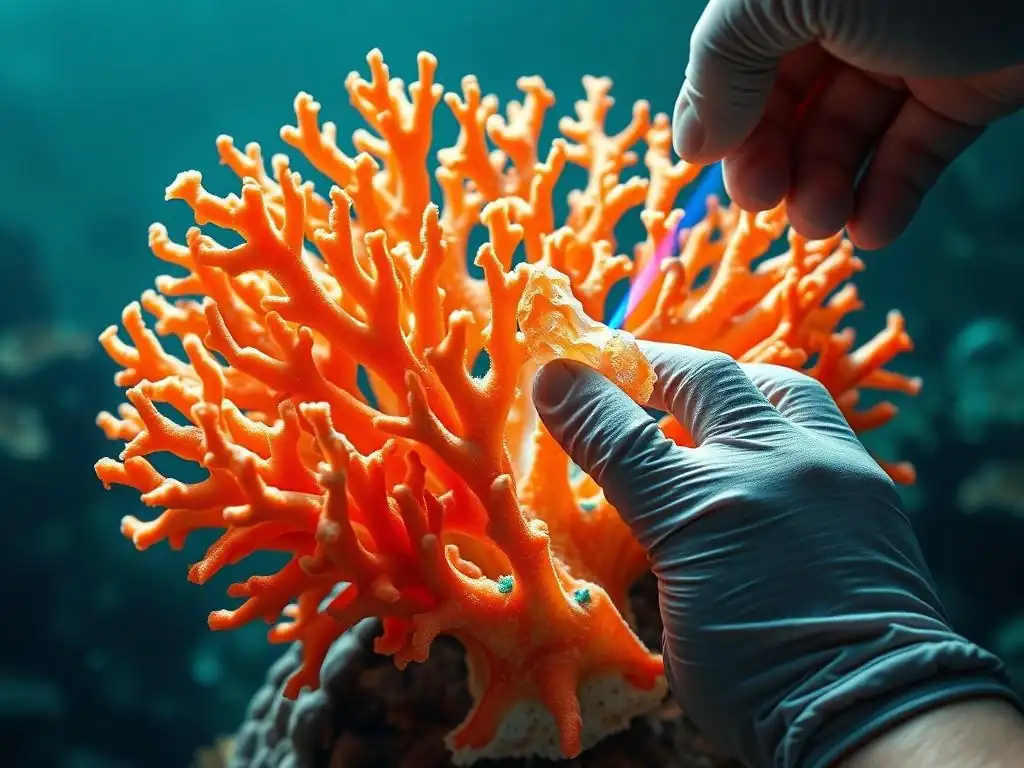
The success of Acan coral propagation begins with selecting an appropriate parent colony. Choose an Acanthastrea colony that is well-established in your aquarium, showing vibrant coloration, full polyp extension, and no signs of stress, disease, or tissue recession. Ideally, the colony should have been thriving in your tank for at least 3-6 months, allowing it to fully acclimate to your specific water parameters and lighting conditions.
Look for a colony with a sufficient number of polyps, typically at least 8-10, to ensure that removing a few polyps for fragging does not unduly stress or diminish the parent. Colonies that have grown into a cluster with distinct polyps sharing a common base are excellent candidates, as they often have natural cleavage points that facilitate easier and less damaging cuts. Avoid fragging newly acquired corals or those that appear to be struggling.
Step 2: Preparing the Acan Coral for the Cut
Once a healthy Acanthastrea colony is selected, carefully remove it from the display tank. Place the coral in a shallow container filled with water from the aquarium to minimize its exposure to air. This brief submersion helps keep the coral hydrated and reduces stress. Gently siphon or brush off any detritus, algae, or sediment that may have accumulated on the coral's surface, as a clean surface facilitates a more precise cut and reduces the risk of contamination.
Allow the coral's polyps to retract fully before making any cuts. This retraction protects the delicate coral tissue during the fragging process. Keeping the coral submerged in water as much as possible, even during the cut, is beneficial. If using a Dremel, a shallow bath of tank water, approximately 1-2 inches deep, helps to lubricate the cutting blade and contain any coral dust, preventing it from becoming airborne and potentially irritating.
Step 3: Making the Cut: Techniques for Precise Acan Coral Fragging
Acanthastrea corals have a relatively dense, stony skeleton, making clean cuts essential for successful healing. For smaller colonies or those with thinner skeletal structures, specialized bone cutters or coral shears can be used, aiming for a swift, decisive cut. For larger, more mature colonies, a Dremel rotary tool with a diamond-coated cutting wheel is often the superior choice, as it allows for precise cuts through thick bone without excessive force, which could damage the coral.
When cutting, identify natural divisions between polyps or areas where a clean break can be made, ensuring each frag contains at least 2-3 polyps to maximize its chances of survival and growth. If using a Dremel, apply minimal pressure and allow the tool to do the work, using the shallow water bath to cool the blade and prevent heat transfer to the coral tissue. A clean cut minimizes tissue damage, which is a critical factor in successful Acan coral propagation techniques.
Step 4: Securing the Acan Coral Frag to a Plug or Rock
After the cut is made, the newly created Acan frag needs to be securely attached to a frag plug or a small piece of live rock. This provides a stable base for the frag to heal and grow. Apply a small, pea-sized amount of reef-safe cyanoacrylate gel to the frag plug or the chosen rock. Then, firmly press the cut surface of the Acan frag onto the adhesive, holding it in place for about 10-30 seconds until the glue sets.
Ensure the frag is oriented upright, allowing for optimal light exposure and water flow around its polyps. If using marine-grade epoxy, mold it around the base of the frag and the plug, ensuring a strong, stable connection. Allow the adhesive to cure for a few minutes in air before returning the frag to water; this helps prevent the glue from leaching into the aquarium and ensures a stronger bond. Proper attachment is key for the long-term success of Acan coral propagation techniques.
Step 5: Acclimation and Placement of the New Acan Frag
Once the Acan frag is securely mounted, an optional but recommended step is a brief coral dip using a commercial coral dip solution (e.g., Revive or Coral RX) for 5-10 minutes. This helps to dislodge any pests or parasites that might have been introduced during the fragging process and can aid in overall recovery. After the dip, gently rinse the frag in tank water.
Place the new Acan frag in a designated frag tank or a low-flow, lower-light area of your main display aquarium. This initial placement reduces stress during the critical healing period. For instance, positioning new frags on a frag rack approximately 6-10 inches lower than the main lighting intensity of the parent colony can provide a gentler environment. Monitor the frag closely for the first few days to a week for any signs of stress or tissue recession.
Post-Fragging Care for Acan Corals: Ensuring Successful Growth
Monitoring Water Parameters After Acan Coral Fragging
Maintaining stable and optimal water parameters is crucial for the successful healing and growth of Acan coral frags. Fluctuations can cause significant stress, hindering recovery. Key parameters to monitor include salinity (1.025-1.026 specific gravity), alkalinity (8-10 dKH), calcium (400-450 ppm), and magnesium (1300-1400 ppm). Additionally, keeping nitrates below 10 ppm and phosphates below 0.03 ppm is vital to prevent nuisance algae growth that could smother the healing frag.
While weekly testing is generally sufficient for established reef tanks, consider daily checks for the first 3-5 days after fragging, especially for alkalinity and calcium, as the healing process can consume these elements. Make any necessary adjustments slowly and consistently; for example, if alkalinity drops by 0.5 dKH over 24 hours, a slow, controlled drip of a supplement can stabilize it without shocking the coral. Consistent parameters are the foundation of successful Acan coral propagation techniques.
Providing Adequate Lighting and Flow for Acan Frags
New Acan coral frags benefit from an initial period of lower light and moderate, indirect water flow. High light intensity immediately after fragging can cause photostress or bleaching, while excessive direct flow can damage delicate healing tissue. Acans generally thrive under moderate lighting conditions, typically in the range of 75-150 PAR (Photosynthetically Active Radiation).
Over a period of 2-4 weeks, gradually move the frag to its permanent location, slowly increasing its exposure to light and flow. Observe the frag's polyp extension and coloration for cues; if polyps remain retracted or colors fade, the light might be too intense, or the flow too strong. Aim for water movement that gently sways the polyps without causing them to retract or show signs of stress, ensuring proper nutrient delivery and waste removal around the coral.
Feeding Your New Acan Coral Frags: Nutrition for Growth
Acanthastrea corals are carnivorous and significantly benefit from target feeding, especially during the post-fragging recovery period when they are expending energy on healing and growth. Small, meaty foods such as mysis shrimp, brine shrimp, or specialized coral foods like Reef Roids or Vitalis LPS pellets are ideal. These foods provide essential amino acids and fatty acids that promote tissue regeneration and overall vitality.
Feed your Acan frags 2-3 times per week, ideally after the main aquarium lights have dimmed or turned off for the night, as this is when Acanthastrea polyps typically extend their feeding tentacles. Use a turkey baster or a pipet to deliver the food directly to the polyps, ensuring each one has the opportunity to capture a morsel. Consistent target feeding can significantly accelerate the growth rate of new frags, proving to be a key element in effective Acan coral propagation techniques.
Preventing Infections and Diseases in Fragged Acan Corals
The fragging process creates open wounds on the coral skeleton, making new frags particularly vulnerable to bacterial infections and diseases. Maintaining a sterile environment during fragging is critical; always use clean, disinfected tools. A post-fragging dip (as mentioned in Step 5) can also help reduce the risk of infection by eliminating surface pathogens.
Monitor your frags daily for any signs of disease, such as tissue recession, discoloration, or the presence of "brown jelly disease" (BJD), which appears as a slimy, necrotic brown film. If BJD is suspected, immediately isolate the affected frag to prevent spread. A freshwater dip for 30-60 seconds or a medicated bath with an appropriate antibiotic can sometimes save the coral, but prompt action is essential. Maintaining pristine water quality and stable parameters is the best preventative measure, as stressed corals are far more susceptible to pathogens.
Troubleshooting Common Acan Coral Fragging Issues
Addressing Tissue Recession in Acan Frags
Tissue recession is one of the most common and concerning issues encountered with fragged Acan corals, manifesting as the coral tissue pulling away from its skeleton, particularly at the cut edges. This can be caused by various factors including excessive stress from light or flow, unstable water parameters, physical damage during or after fragging, or bacterial infections. Immediate identification and intervention are crucial to prevent further tissue loss.
To address tissue recession, first re-evaluate all water parameters, ensuring they are stable and within optimal ranges (e.g., alkalinity 8-10 dKH, calcium 400-450 ppm). If the frag is in a high-light or high-flow area, move it to a more shaded, lower-flow spot to reduce stress. If bacterial infection is suspected, a short dip in a Lugol's iodine solution (10-15 minutes) or a commercially available coral dip designed for bacterial issues can be beneficial. Consistent target feeding also aids in recovery by providing essential nutrients for tissue regeneration, making it a vital component of successful Acan coral propagation techniques.
Dealing with Algae Growth on Acan Coral Frags
New Acan coral frags, especially those with exposed skeletal areas from the cut, are highly susceptible to nuisance algae growth. Algae can quickly colonize the frag plug and exposed skeleton, potentially smothering the delicate new tissue and impeding healing. Common culprits include excess nutrients (high nitrates and phosphates), insufficient water flow around the frag, or excessive light intensity.
To combat algae, first, ensure your aquarium's nutrient levels are low (nitrates below 10 ppm, phosphates below 0.03 ppm) through regular water changes, proper filtration, and perhaps the use of phosphate-removing media like GFO. Increase water flow around the frag to prevent detritus from settling, which fuels algae growth. Manually remove any large clumps of algae using a soft brush or a siphon. Introducing a small, herbivorous snail, such as a Trochus or Nassarius snail, to the frag tank can also help keep algae in check.
Identifying and Treating Acan Coral Diseases Post-Fragging
Beyond general tissue recession, fragged Acanthastrea corals can be vulnerable to specific diseases, notably Brown Jelly Disease (BJD) and various forms of bacterial necrosis. BJD is a rapid tissue degradation characterized by a slimy, brown, jelly-like mass covering the coral, often leading to complete tissue loss within hours. Other bacterial infections might appear as white patches or lesions, indicating tissue death.
For BJD, immediate intervention is critical. Physically remove the affected tissue using a siphon or by gently brushing it off, then perform a quick freshwater dip (30-60 seconds) to dislodge remaining pathogens. Isolate the affected frag in a separate quarantine tank. For suspected bacterial infections, broad-spectrum antibiotics (e.g., Ciprofloxacin) can be used in a dedicated quarantine system, but this should be a last resort due to potential impacts on beneficial bacteria. Maintaining stable water parameters and excellent water quality remains the best defense against these diseases in Acan coral propagation techniques.
Advanced Acan Coral Propagation Techniques
Growing Out Acan Frags for Sale or Trade
For hobbyists interested in growing out Acan frags for sale or trade, optimizing the grow-out environment is key to maximizing growth and coloration. A dedicated frag tank or a specific section of the main display with optimized lighting, consistent water parameters, and generous feeding will yield the best results. Target PAR levels of 100-180 are often ideal for accelerated growth, alongside alkalinity maintained precisely at 8.5-9.5 dKH and calcium at 420-440 ppm.
Batch fragging and meticulous record-keeping are also important for larger-scale Acan coral propagation techniques. Label each frag with its parent colony ID and fragging date. Under ideal conditions, a 2-3 polyp Acan frag can grow into a 5-7 polyp colony ready for sale or trade within 3-6 months. Consistent target feeding with high-quality meaty foods 3-4 times a week will significantly boost growth rates, allowing for faster turnaround times and more robust frags.
Experimenting with Different Fragging Methods for Acan Corals
While bone cutters and Dremels are standard for Acanthastrea fragging, advanced propagators sometimes experiment with other tools or techniques for specific situations. For exceptionally large or unusually shaped colonies, a small band saw equipped with a diamond-coated blade can provide incredibly clean and precise cuts, minimizing skeletal damage and promoting faster healing. However, this method requires significant safety precautions and specialized equipment.
Some advanced healing techniques or post-fragging dips are also being explored to accelerate recovery. For instance, some propagators experiment with short dips in amino acid solutions or specific probiotic formulations immediately after fragging, reporting anecdotal evidence of up to a 15-20% faster tissue regeneration in certain LPS species. These experimental Acan coral propagation techniques aim to further reduce stress and enhance the vitality of newly cut frags, pushing the boundaries of what is possible in captive propagation.
Conclusion: Mastering Acan Coral Propagation for a Thriving Reef Aquarium
The Future of Acan Coral Propagation in the Reefing Hobby
Acan coral propagation has become an indispensable practice in the modern reefing hobby, signifying a profound shift towards sustainability. The ability to propagate Acanthastrea and other stony corals in captivity significantly reduces the demand for wild-collected specimens, thereby alleviating pressure on natural reef ecosystems that are already facing numerous environmental challenges. This move towards captive-bred corals is not merely a trend but a critical evolution in responsible aquarism.
The future of Acan propagation looks bright, with a growing market for unique color morphs and increased accessibility for hobbyists. Commercial propagation facilities, alongside dedicated home aquarists, continue to refine Acan coral propagation techniques, making rare and desirable varieties more widely available and affordable. This collective effort ensures that the beauty of Acanthastrea corals can be enjoyed by more enthusiasts without compromising the health of our planet's precious coral reefs.
Continued Learning and Experimentation with Acanthastrea Fragging
Mastering Acanthastrea fragging is an ongoing journey of learning and adaptation. While this guide provides a comprehensive framework, every reef aquarium is a unique ecosystem, and individual corals may respond differently to propagation. Therefore, continuous observation, meticulous record-keeping, and a willingness to experiment are essential for long-term success. Engaging with the wider reefing community through forums and local clubs can also provide invaluable insights and new techniques.
The rewards of successful Acan coral propagation are immense: a thriving, diverse reef aquarium filled with beautiful, healthy corals that you have personally grown. Beyond the aesthetic appeal, there is immense satisfaction in contributing to the sustainability of the hobby, knowing that your efforts are helping to preserve these incredible organisms for future generations. Embrace the challenge, enjoy the process, and continue to refine your Acan coral propagation techniques to cultivate a truly exceptional reef.
Frequently Asked Questions
How do I prepare my Acan coral for fragging?
Before fragging, ensure your Acan coral is healthy and stable in your aquarium. Acclimate it to the fragging environment, and ensure your tools are sterilized to prevent infection.
What tools are essential for Acan coral propagation?
You'll need a coral saw or bone cutters, a frag plug or rock, coral glue, and a container of clean saltwater to work in.
What is the best method for cutting an Acan coral?
The best method involves using a coral saw to make clean cuts between individual polyps, ensuring each frag has a portion of the skeleton attached.
How do I attach the Acan coral frag to a frag plug?
Apply a small amount of coral glue to the base of the frag and firmly press it onto the frag plug. Ensure the frag is securely attached before returning it to the aquarium.
What are the key considerations for post-fragging care?
Maintain stable water parameters and provide appropriate lighting and flow. Monitor the frags for signs of stress or infection, and provide supplemental feeding if necessary to promote healthy growth.
Final Reflection: Cultivating the Future of Reefs
The detailed techniques outlined in this guide, focused on Acan coral propagation, are more relevant now than ever. As natural reefs face increasing pressure from climate change and habitat destruction, the ability to sustainably propagate corals in aquariums becomes a crucial tool for preserving their genetic diversity and ensuring their long-term survival. This isn't just about keeping beautiful corals in our tanks; it's about actively participating in reef conservation.
The art and science of Acan coral propagation have profoundly influenced the reefing community, fostering a deeper appreciation for these intricate organisms and empowering hobbyists to become active stewards of their well-being. Witnessing a small frag flourish into a vibrant colony is a deeply rewarding experience, connecting us to the delicate balance of the marine ecosystem. In the end, we will conserve only what we love; we will love only what we understand; and we will understand only what we are taught.
- Baba Dioum's words resonate deeply, reminding us that education and hands-on experience are vital for fostering genuine conservation efforts.
Now, armed with the knowledge of Acan coral propagation techniques, consider how you can contribute to the future of our reefs. Whether you're a seasoned reefer or just starting your journey, embrace the opportunity to propagate these captivating corals, share your knowledge with others, and become a champion for the preservation of these underwater treasures. Let's cultivate a future where vibrant reefs thrive, both in our aquariums and in the wild.
Ignite Your Reef: Propagate Stunning Acan Corals Today!
Thank you for diving deep into the world of Acan propagation! We hope this guide has empowered you with the knowledge to expand your reef's beauty. Now, it's time to put that knowledge into action.
Here are a few things you can do:
- Boldly frag your first Acan! Review the steps, prepare your tools, and take the plunge – the rewards are worth it.
- Share your newfound wisdom! Help fellow reef keepers by discussing your Acan propagation plans or challenges on your favorite reefing forum.
- Consider an unusual experiment: Try grafting two different colored Acan frags together and document the results!
What's one innovative fragging technique you're excited to try, and how do you plan to track its success?