
How Water Flow Directly Influences SPS Growth Forms: From Delicate Branching to Robust Plating

Welcome to Aquarium Mastery!
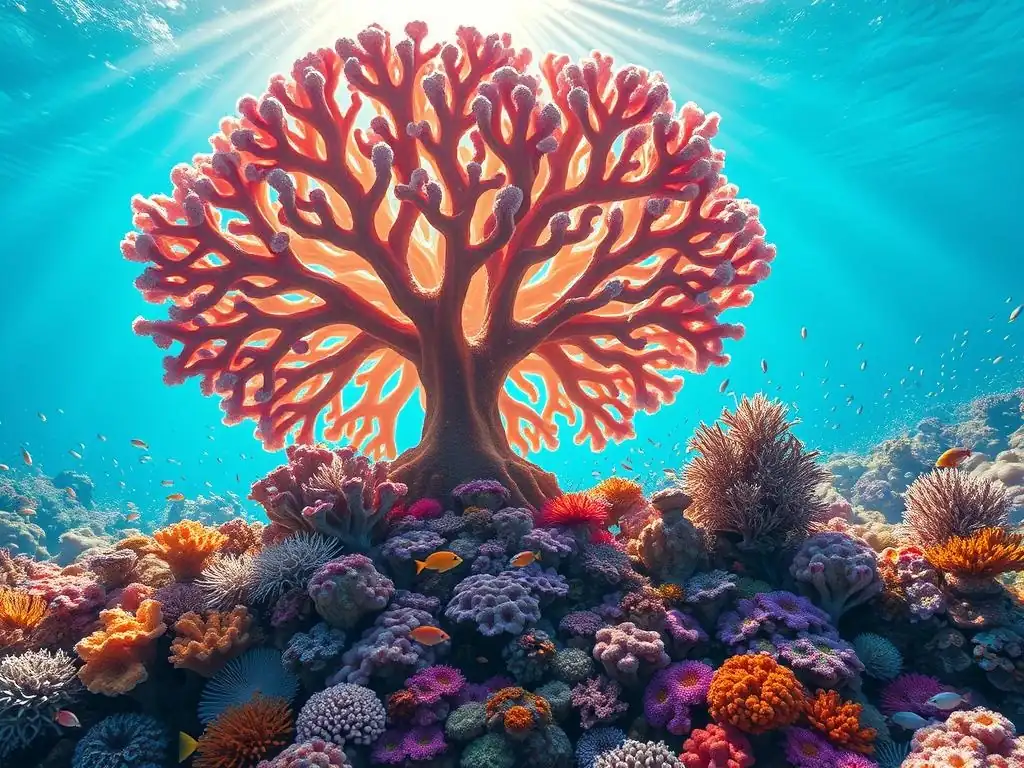
Ever wondered how the current in your reef tank shapes the stunning diversity of SPS corals? Delve into the fascinating world of SPS coral growth patterns and discover how water flow sculpts everything from delicate branching to robust plating. Prepare to unlock the secrets behind creating the perfect environment for thriving, colorful corals. Intrigued? Let's explore!
- Understanding SPS Coral Growth Patterns and Water Flow Dynamics
- Exploring Different SPS Coral Growth Forms and Their Relationship to Water Flow
- The Science Behind Water Flow and SPS Coral Skeletal Development
- Replicating Natural Water Flow Patterns in Reef Aquariums for Optimal SPS Growth
- Troubleshooting Water Flow Issues Affecting SPS Coral Growth
- Optimizing Water Chemistry and Lighting in Conjunction with Water Flow for SPS Success
- Advanced Techniques for Maximizing SPS Coral Growth Through Optimized Water Flow
- Conclusion: Mastering Water Flow for Thriving SPS Corals in Your Reef Tank
-
Frequently Asked Questions
- What are the main SPS coral growth patterns influenced by water flow?
- How does high water flow affect SPS coral growth?
- Conversely, how does low water flow affect SPS coral growth?
- What specific nutrients are delivered more efficiently to SPS corals with proper water flow?
- How can aquarists adjust water flow to optimize SPS coral growth in their tanks?
- Final Reflection: The Sculpting Hand of the Current
- Ignite Your Reef Tank: Unleash SPS Growth!
Understanding SPS Coral Growth Patterns and Water Flow Dynamics
The Interplay Between Water Flow and SPS Coral Morphology
Water flow is a fundamental environmental factor that profoundly influences the SPS coral growth patterns and overall morphology of small polyp stony (SPS) corals. These intricate organisms, including popular genera like Acropora, Montipora, and Seriatopora, exhibit a remarkable plasticity in their skeletal structure, adapting their shape and density in response to the surrounding hydrodynamic conditions. This adaptation is not merely aesthetic; it is a critical survival mechanism that allows corals to optimize nutrient uptake, waste removal, and light exposure in diverse reef environments.
The specific characteristics of water flow—its speed, direction, and turbulence—dictate how a coral colony will develop its skeleton. For instance, in high-energy surge zones, SPS corals often develop compact, robust forms to withstand powerful currents, whereas in calmer, deeper waters, they might extend delicate, branching structures to maximize surface area for light capture. This direct relationship between hydrodynamics and coral morphology highlights the importance of replicating appropriate water flow in a captive reef environment to encourage natural and healthy SPS coral growth patterns.
Why Water Flow is Critical for SPS Coral Health and Growth
Beyond influencing their physical shape, water flow plays a pivotal role in the physiological processes essential for SPS coral health and vigorous growth. Adequate water movement ensures the constant delivery of vital nutrients, such as calcium, alkalinity, and trace elements, directly to the coral polyps, which are the primary sites of calcification. Without sufficient flow, a boundary layer of depleted water can form around the coral tissue, hindering the diffusion of these essential building blocks.
Furthermore, effective water flow is crucial for the efficient removal of metabolic waste products, including oxygen produced during photosynthesis by the symbiotic zooxanthellae within the coral tissue, and other excretions. Stagnant water can lead to an accumulation of these waste compounds, creating a toxic microenvironment that stresses the coral and impedes its growth. Therefore, maintaining optimal water flow is not just about shaping SPS coral growth patterns, but about sustaining the very metabolic engine that drives their calcification and overall vitality in a reef aquarium.
Exploring Different SPS Coral Growth Forms and Their Relationship to Water Flow
Branching SPS Corals: Optimal Water Flow for Delicate Structures
High-Energy Environments and Branching Acropora Growth
Branching SPS corals, particularly many species of Acropora like Acropora millepora or Acropora tortuosa, are quintessential inhabitants of high-energy reef environments, such as fore-reef slopes and reef crests. In these areas, strong, consistent, and often turbulent water flow is prevalent, with currents frequently exceeding 20 cm/s. Despite their seemingly delicate, elongated branches, these corals are highly adapted to these conditions. The specific SPS coral growth patterns of branching forms allow them to efficiently shed sediment and detritus, while their open structure minimizes drag and provides access to a constant supply of fresh, nutrient-rich water.
The rapid water movement in their natural habitat facilitates efficient gas exchange and nutrient delivery to every part of the colony, promoting the rapid calcification rates characteristic of many Acropora species. In an aquarium setting, replicating this high-energy environment is critical for encouraging classic branching SPS coral growth patterns. Inadequate flow can lead to "tip recession" or slow growth, as the coral struggles to obtain sufficient nutrients or shed waste from its extremities.
Maintaining Ideal Water Flow for Branching SPS in Reef Tanks
To foster the characteristic branching SPS coral growth patterns in a home reef tank, aquarists should aim for robust, yet varied, water movement. This typically translates to flow rates equivalent to 20 to 40 times the tank's total volume per hour, distributed throughout the display. For example, a 100-gallon SPS-dominated tank might require a total flow of 2,000 to 4,000 gallons per hour (GPH) from circulation pumps. It's not just about raw volume, but also about creating turbulent, random flow patterns that mimic natural surge.
Utilizing multiple powerheads or wavemakers positioned strategically to create opposing flows or gyre patterns can prevent dead spots and ensure comprehensive water movement around branching colonies. Observing the coral polyps is key: they should be gently swaying but not constantly battered or retracted. Too little flow will cause detritus accumulation, while excessive laminar flow can strip tissue. The goal is a chaotic, yet gentle, "washing machine" effect that encourages healthy branching SPS coral growth patterns.
Plating SPS Corals: Adapting to Lower Flow Environments
The Role of Water Flow in Plating Montipora Growth
Plating SPS corals, such as various Montipora species like Montipora capricornis or Montipora undata, often thrive in areas of moderate to lower water flow on natural reefs. These environments might include deeper reef slopes, lagoons, or areas protected from the most intense surge, where currents typically range from 5 to 15 cm/s.
Their broad, flat, and often overlapping structures are a direct adaptation to these conditions. This SPS coral growth pattern maximizes light capture in areas where light might be less intense due to depth or turbidity, while the plate-like morphology still allows for efficient nutrient exchange without being subjected to overwhelming forces.
The expansive surface area of plating corals is highly efficient at absorbing light for photosynthesis, which is a primary driver of their growth. While they still require consistent water movement to prevent detritus accumulation and facilitate nutrient delivery, the sheer force of the flow is less critical than for branching forms. Instead, a more gentle, consistent flow that washes over their broad surfaces is ideal for promoting the distinctive plating SPS coral growth patterns.
Achieving Proper Water Flow for Plating SPS in Aquariums
In a reef aquarium, replicating the moderate to lower flow conditions preferred by plating SPS corals is essential for their characteristic SPS coral growth patterns. While still requiring good overall circulation to prevent stagnant zones, plating Montipora species generally prefer less direct and less turbulent flow compared to their branching Acropora counterparts. Aim for flow rates in the range of 10 to 25 times the tank volume per hour, ensuring the flow is broad and sweeping rather than narrow and jet-like.
Placement is critical: plating corals should generally be positioned in areas of the tank where the flow is more diffused, perhaps lower down or slightly off to the side of direct powerhead output. Observing the polyps is a good indicator; they should be gently extended and swaying, not flattened against the coral skeleton or constantly retracted. Providing a stable, consistent, and moderate flow will encourage these corals to grow into their desired plating SPS coral growth patterns, forming beautiful, expansive shelves within the aquascape.
Encrusting SPS Corals: Thriving in Varied Flow Conditions
Water Flow Considerations for Encrusting Montipora
Encrusting SPS corals, such as Montipora digitata (when encrusting) or various Porites species, exhibit a SPS coral growth pattern characterized by their tendency to grow as a thin layer directly over a substrate, such as live rock or dead coral skeletons. This growth form is highly adaptable and can be found across a wide range of reef environments, from high-flow reef crests to more protected lagoon areas. Their close adherence to the substrate provides a strong anchor against strong currents, while their relatively low profile minimizes drag.
In high-flow zones, encrusting forms often develop very dense, compact tissues, maximizing their resilience. In lower flow areas, they might expand more rapidly, covering larger areas to compete for space and light. The key for encrusting corals is consistent, non-stagnant water movement that prevents sediment from settling on their surface, which can smother polyps and impede growth. This versatility in SPS coral growth patterns makes them quite forgiving regarding specific flow requirements, as long as basic circulation needs are met.
Replicating Natural Water Flow for Encrusting SPS Species
When cultivating encrusting SPS coral growth patterns in a reef aquarium, the primary goal is to ensure that detritus and sediment do not settle on their tissue. This implies a need for good overall flow, but the specific velocity can be quite varied depending on the species and the desired growth. For many encrusting Montipora species, a moderate to high flow (15-30 times tank volume per hour) that sweeps across their surface is beneficial. This helps keep their tissue clean and facilitates gas exchange.
Placement near a powerhead or in a high-flow area is often suitable, provided the flow is not so direct and constant that it causes tissue recession. The advantage of encrusting forms is their ability to withstand a broader range of flow conditions compared to the more specialized branching or plating types. However, consistency in water movement, preventing any dead spots where debris could accumulate, remains paramount for robust encrusting SPS coral growth patterns.
Massive SPS Corals: Growth in Turbulent Waters
The Impact of Strong Water Flow on Massive SPS Growth
Massive SPS corals, including certain Porites and Favia species, develop as large, solid, dome-shaped, or boulder-like structures. This distinctive SPS coral growth pattern is a direct adaptation to extremely high-energy environments, such as the outer reef crests or surge zones, where they are subjected to relentless, powerful waves and currents, often exceeding 30-50 cm/s. Their sheer mass and robust skeletal density provide unparalleled resistance to physical forces that would shatter more delicate coral forms.
In these turbulent conditions, the strong water flow is crucial for maintaining the health of these large colonies. It ensures rapid nutrient replenishment and efficient waste removal across their extensive surface area. The dense skeletal structure also benefits from the constant washing, which prevents the accumulation of sediment that could otherwise smother the colony's lower polyps. This robust SPS coral growth pattern is a testament to their ability to thrive in some of the most dynamic areas of the reef.
Porites and Goniopora Flow Preferences
While Porites can exhibit various SPS coral growth patterns, the massive forms of Porites lobata or Porites lutea are classic examples of corals that thrive in strong, turbulent water flow. Their solid, often hemispherical shapes are perfectly suited to withstand the battering of powerful waves. In a reef aquarium, replicating this requires very high, yet indirect, flow that washes over the entire colony without creating a constant, direct jet. Flow rates upwards of 30-50 times the tank volume per hour are often necessary to mimic their natural habitat.
Goniopora, while sometimes considered an LPS coral due to its larger polyps, shares some characteristics with SPS in its calcification and often exhibits massive or branching forms. For these corals, particularly the more common captive varieties, a moderate to strong, turbulent flow is generally preferred. Too little flow can lead to polyp retraction and tissue necrosis, while excessive direct laminar flow can also cause stress. The key is to provide a broad, turbulent water movement that keeps their extended polyps gently swaying, encouraging their unique SPS coral growth patterns.
The Science Behind Water Flow and SPS Coral Skeletal Development
Nutrient Uptake and Waste Removal: The Water Flow Connection
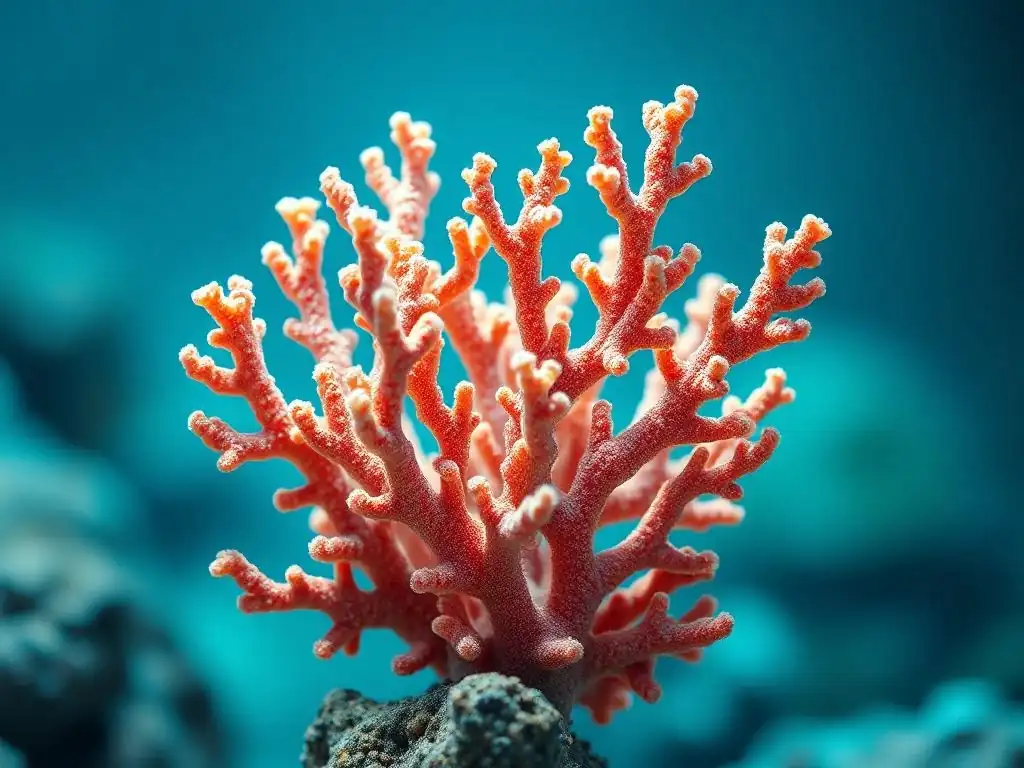
The direct influence of water flow on SPS coral growth patterns is fundamentally linked to the processes of nutrient uptake and waste removal. Corals are sessile organisms, meaning they cannot move to find food or escape waste. Instead, they rely on the surrounding water to bring them dissolved inorganic carbon (DIC), calcium ions (Ca2+), alkalinity (HCO3-), and essential trace elements like strontium and magnesium, which are the building blocks for their calcium carbonate skeleton.
Water flow, particularly turbulent flow, disrupts the "boundary layer" – a thin, stagnant layer of water that forms immediately adjacent to the coral's tissue. Without sufficient flow, this boundary layer quickly becomes depleted of essential nutrients and saturated with metabolic waste products like oxygen (from photosynthesis) and carbon dioxide. By constantly replenishing the water at the coral's surface, effective water flow ensures a continuous supply of building blocks and efficient removal of waste, directly accelerating the rate of calcification and promoting healthy SPS coral growth patterns.
Calcium Carbonate Deposition and SPS Coral Growth
The deposition of calcium carbonate (CaCO3), the primary component of the coral skeleton, is a metabolically intensive process driven by coral polyps. This process, known as calcification, is highly sensitive to the availability of calcium and alkalinity ions, as well as the pH of the water at the calcification site. Water flow directly impacts the rate of calcium carbonate deposition by influencing the concentration gradients of these ions at the coral's surface.
In high-flow environments, the constant movement of water ensures that the coral has a fresh, abundant supply of calcium and alkalinity. This allows the coral to maintain optimal internal conditions for calcification, leading to faster skeletal extension and increased density. Studies have shown that calcification rates in Acropora species can increase significantly with higher flow, directly contributing to the development of robust SPS coral growth patterns and stronger skeletal structures capable of withstanding environmental stresses.
The Impact of Water Flow on Coral Tissue Thickness and Density
Water flow not only influences the macroscopic SPS coral growth patterns but also subtly shapes the microscopic characteristics of their tissue and skeleton. In environments with strong, turbulent flow, corals tend to develop thicker, more resilient tissue layers and denser skeletal structures. This is a protective adaptation; thicker tissue provides greater resistance to abrasion and physical damage from water movement and suspended particles, while denser skeletons offer increased mechanical strength.
Conversely, in very low-flow conditions, corals might exhibit thinner tissue, making them more susceptible to damage and disease. The density of the coral skeleton also directly correlates with the rate of calcification, which, as discussed, is enhanced by optimal water flow. Therefore, by optimizing water flow, aquarists are not just influencing the visible SPS coral growth patterns like branching or plating, but also promoting the underlying cellular and structural integrity that contributes to overall coral health and longevity.
Replicating Natural Water Flow Patterns in Reef Aquariums for Optimal SPS Growth
Understanding Laminar vs. Turbulent Water Flow
When designing water flow for SPS corals in a reef aquarium, it's crucial to understand the difference between laminar and turbulent flow. Laminar flow is characterized by smooth, parallel layers of water moving in a single direction, often resembling a steady, unwavering stream. While some flow is necessary, prolonged direct laminar flow can be detrimental to SPS corals, as it can cause tissue recession on the side facing the flow and create stagnant zones on the opposite side, hindering uniform SPS coral growth patterns.
Turbulent flow, on the other hand, is chaotic and unpredictable, with water moving in multiple directions, swirling, and tumbling. This type of flow is more representative of natural reef environments, especially in areas where SPS corals thrive. Turbulent flow ensures that all parts of the coral colony are constantly bathed in fresh, nutrient-rich water, preventing the formation of stagnant boundary layers and promoting even, healthy SPS coral growth patterns across the entire colony. Replicating this chaotic yet gentle movement is key to SPS success.
Utilizing Powerheads and Wave Makers to Simulate Natural Reef Conditions
To effectively simulate the turbulent, varied water flow patterns found on natural reefs, reef aquarists primarily utilize powerheads and wavemakers. Modern wavemakers are particularly effective as they can be programmed to create oscillating, pulsing, or gyre-like flows that mimic the ebb and flow of ocean currents and surge. For instance, using two opposing powerheads on a timer, or a single gyre pump, can generate dynamic, non-linear flow.
A common strategy is to aim for a total flow turnover of 20 to 50 times the tank volume per hour, depending on the specific SPS coral growth patterns being targeted. For a 150-gallon tank, this might mean a total of 3,000 to 7,500 GPH from circulation pumps. Positioning multiple pumps at different angles and heights, and utilizing controllers to vary their output throughout the day, creates a highly dynamic environment that encourages robust and natural SPS coral growth patterns.
Proper Placement of SPS Corals Based on Water Flow Requirements
Strategic placement of SPS corals within the aquarium based on their specific water flow requirements is paramount for achieving optimal SPS coral growth patterns. Branching Acropora and other high-flow demanding species should be placed in areas of the tank that receive strong, turbulent, and indirect flow, such as the upper regions or near the output of wavemakers. They should not be directly blasted by a single, powerful jet, which can cause tissue damage.
Plating Montipora and other moderate-flow corals should be situated in areas with consistent, sweeping flow, perhaps lower in the tank or slightly off-center from the most intense flow. Encrusting corals are generally more adaptable but still benefit from good overall circulation to prevent detritus accumulation. Observing how the coral polyps extend and sway in the current provides the best visual cue for ideal placement, ensuring that each coral receives the specific water movement it needs to flourish and exhibit its natural SPS coral growth patterns.
Troubleshooting Water Flow Issues Affecting SPS Coral Growth
Identifying Signs of Insufficient Water Flow in SPS Corals
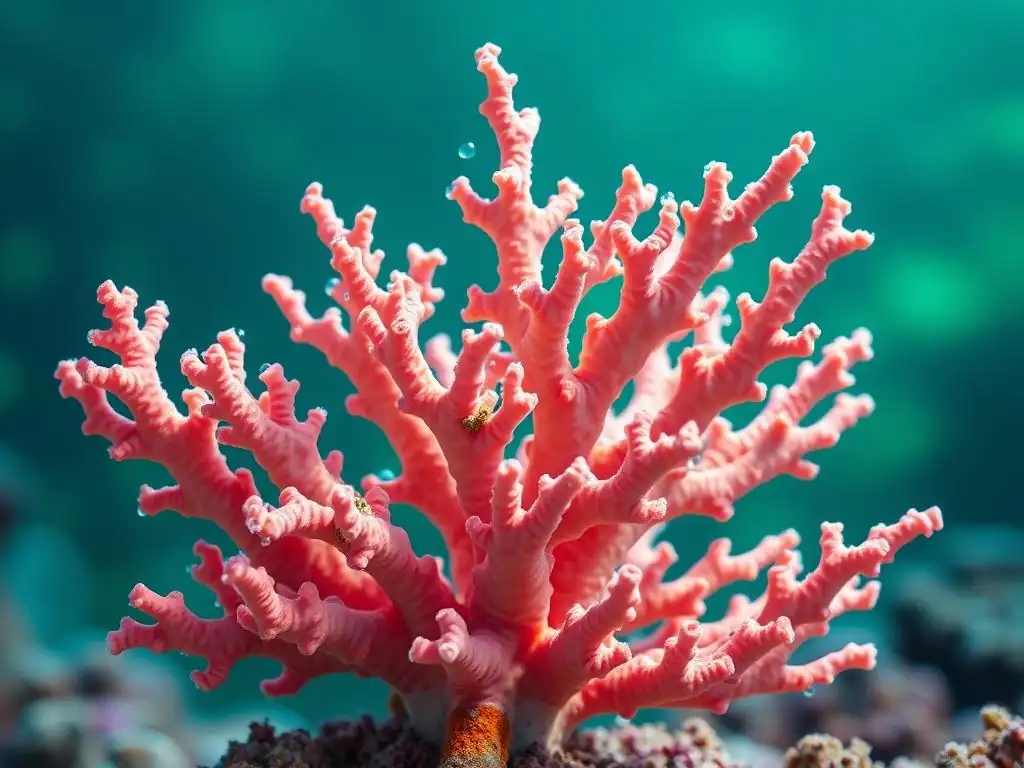
Insufficient water flow is a common issue in reef tanks and can manifest in several observable signs on SPS corals, directly impacting their SPS coral growth patterns. One of the most apparent indicators is the accumulation of detritus, algae, or cyanobacteria on the coral's tissue or skeleton, particularly in crevices or on the underside of branches or plates. This buildup signifies a lack of water movement to sweep away debris.
Other signs include localized tissue necrosis (tissue death) starting from the base or shaded areas, slow or stalled growth, pale coloration (due to nutrient starvation), and a general lack of polyp extension, especially during the day. In extreme cases, corals may develop "brown jelly disease," which is often exacerbated by poor circulation. Recognizing these symptoms early is crucial for adjusting water flow and preventing further decline in SPS coral growth patterns.
Recognizing Signs of Excessive Water Flow in SPS Corals
While SPS corals generally prefer strong flow, excessive or improperly directed water flow can also be detrimental, leading to negative impacts on SPS coral growth patterns. One primary sign of excessive flow is constant polyp retraction or a "blown-out" appearance where polyps are completely flattened against the skeleton, unable to extend. The coral may appear stressed, with faded colors or even localized tissue loss.
Direct, laminar flow that continuously blasts one side of a coral can cause tissue recession on the exposed side, while the shaded side may still accumulate detritus. This asymmetrical stress can lead to deformed SPS coral growth patterns. In severe cases, the coral's skeleton itself might show signs of erosion or breakage due to constant physical battering. Observing the coral's response to the current is vital; polyps should gently sway, not be violently thrashed.
Adjusting Water Flow to Promote Healthy SPS Coral Growth
Adjusting water flow to promote healthy SPS coral growth patterns requires a systematic approach. First, assess the current flow dynamics: identify dead spots, areas of intense direct flow, and overall circulation. Use multiple powerheads or wavemakers with different flow patterns (e.g., oscillating, gyre) to create varied and turbulent water movement. Experiment with pump placement, aiming them at different angles or towards glass panels to create indirect, reflected flow.
Start with moderate flow and gradually increase it while observing the corals' response over several days. For areas with insufficient flow, adding a smaller powerhead or repositioning existing ones can help. For areas with excessive flow, redirecting the pump, reducing its output, or placing a rock or other coral in front of it to diffuse the flow can be effective. The goal is to achieve a balance where all corals receive adequate, non-stressful flow, encouraging their natural and robust SPS coral growth patterns.
Optimizing Water Chemistry and Lighting in Conjunction with Water Flow for SPS Success
The Synergistic Effect of Water Flow, Lighting, and Water Parameters
Achieving optimal SPS coral growth patterns is not solely dependent on water flow; it's a synergistic interplay between water flow, lighting, and stable water chemistry. These three pillars are interdependent, and a deficiency in one can significantly limit the benefits provided by the others. For instance, even with perfect water flow, if lighting is insufficient, the zooxanthellae cannot photosynthesize effectively, leading to nutrient starvation and stunted growth. Similarly, if essential elements are depleted, the coral cannot build its skeleton regardless of how well nutrients are delivered by flow.
Conversely, strong lighting without adequate flow can lead to "burning" or bleaching due to localized overheating and accumulation of photosynthetic byproducts. Therefore, a holistic approach is crucial. Optimized water flow ensures that light reaches all parts of the colony and that the products of photosynthesis are efficiently exchanged, while stable water parameters provide the necessary building blocks for the rapid calcification rates characteristic of healthy SPS coral growth patterns.
Maintaining Stable Alkalinity, Calcium, and Magnesium Levels
The rapid calcification that defines healthy SPS coral growth patterns demands consistent and stable levels of key water parameters: alkalinity, calcium, and magnesium. Alkalinity (measured as dKH) acts as a buffer and provides carbonate ions for skeletal formation, ideally maintained between 7.5 and 9.0 dKH. Calcium (Ca) is the primary building block of the coral skeleton, with optimal levels typically ranging from 400 to 450 ppm. Magnesium (Mg) is essential for maintaining the correct balance of calcium and alkalinity, preventing calcium precipitation, and should be kept between 1250 and 1350 ppm.
Consistent dosing of these elements, either manually or via automated dosing pumps, is critical to replenish what the corals consume as they grow. Fluctuations in these parameters can stress corals and directly inhibit their ability to calcify, regardless of optimal water flow. Regular testing (at least weekly) is necessary to monitor consumption and adjust dosing regimens, thereby supporting the structural development of robust SPS coral growth patterns.
Providing Adequate Lighting for Photosynthesis and SPS Growth
Lighting is the powerhouse for SPS corals, as the symbiotic zooxanthellae within their tissues convert light energy into sugars, which provide up to 90% of the coral's energy needs. For optimal SPS coral growth patterns, high-intensity lighting with a broad spectrum is required, typically achieved with LED fixtures, T5 fluorescents, or metal halide lamps. Photosynthetically Active Radiation (PAR) levels are a key metric, with SPS corals generally thriving in PAR ranges from 200 to 500 µmol·m⁻²·s⁻¹.
However, the specific PAR requirement varies significantly depending on the SPS species, its natural habitat, and its acclimation to the aquarium environment. Acclimation is crucial; introducing corals directly to high PAR can cause bleaching. Proper light spectrum (often favoring blues and violets for optimal zooxanthellae performance) and a consistent photoperiod (typically 10-12 hours daily) are also vital. When combined with excellent water flow and stable chemistry, appropriate lighting fuels the energy demands for rapid skeletal extension and the development of vibrant SPS coral growth patterns.
Advanced Techniques for Maximizing SPS Coral Growth Through Optimized Water Flow
Implementing Advanced Water Flow Control Systems
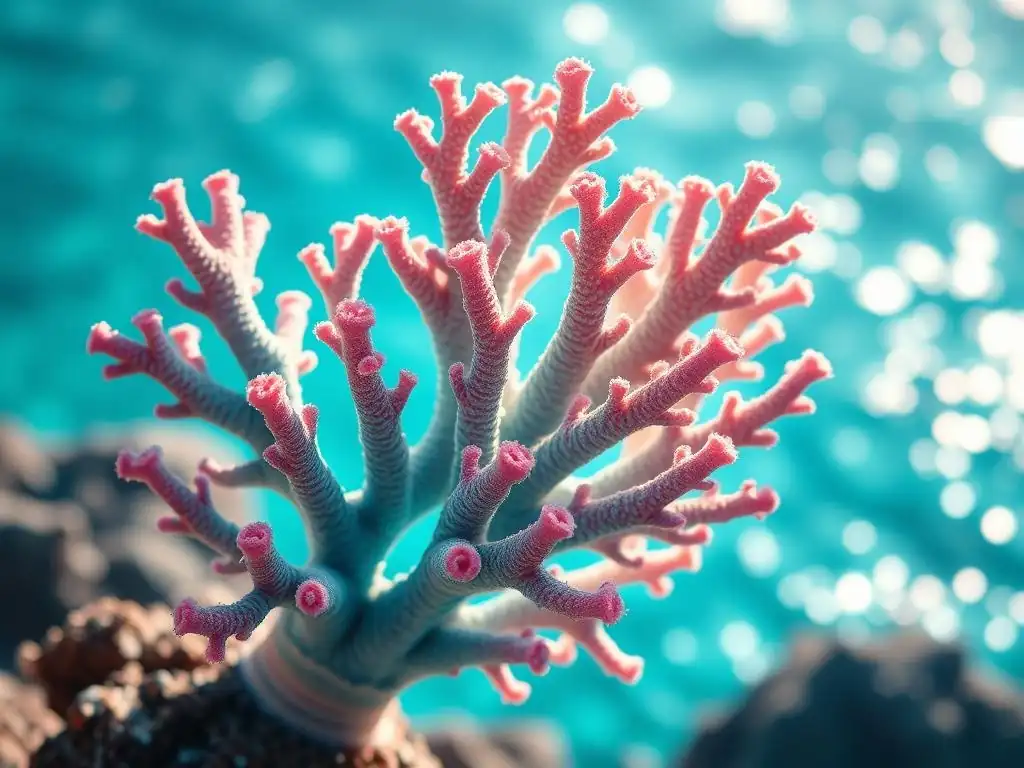
For experienced aquarists aiming to maximize SPS coral growth patterns, implementing advanced water flow control systems offers unparalleled precision and customization. Modern wavemaker pumps are often equipped with sophisticated controllers that allow for programming various flow modes, including pulsing, oscillating, random, and gyre patterns, as well as daily schedules that mimic natural reef cycles. Some systems even allow for integration with tank controllers to synchronize flow with lighting schedules or feeding times.
These advanced systems enable aquarists to fine-tune the flow to individual coral colonies or specific zones within the aquarium. For example, one side of the tank might experience high, turbulent flow for Acropora, while another area receives more gentle, sweeping flow for plating Montipora. This granular control over hydrodynamics is instrumental in promoting diverse and vigorous SPS coral growth patterns across the entire reef display, pushing the boundaries of captive coral husbandry.
Understanding and Utilizing Gyre Flow in Reef Aquariums
Gyre flow represents an advanced concept in reef aquarium water movement that has a profound impact on SPS coral growth patterns. Unlike traditional point-source powerheads that create localized jets, gyre pumps generate a broad, laminar sheet of water that travels across the entire length of the aquarium, hits the opposite wall, and then returns on the other side, creating a circulating loop or "gyre." This type of flow closely mimics the large-scale currents found on natural reefs.
The benefits of gyre flow for SPS corals are significant: it ensures comprehensive water movement, eliminating dead spots and uniformly delivering nutrients and removing waste across large sections of the aquascape. This uniform distribution of flow encourages even and consistent SPS coral growth patterns across the entire colony, reducing stress from uneven flow exposure. When combined with traditional powerheads for added turbulence, gyre pumps can create an exceptionally dynamic and beneficial hydrodynamic environment for all types of SPS corals.
Acclimation of New SPS Corals to Specific Water Flow Regimes
Acclimating new SPS corals to the specific water flow regimes of an established reef tank is a critical, yet often overlooked, advanced technique for ensuring their long-term health and promoting healthy SPS coral growth patterns. Corals purchased from a local fish store or online vendor may have been grown under very different flow conditions than those in the destination tank. Immediately placing a coral from a low-flow system into a high-flow, turbulent environment can cause significant shock, leading to tissue recession or even death.
A gradual acclimation process is highly recommended. Initially, place new SPS corals in an area of the tank with moderate, indirect flow. Over several days to a week, slowly move them to their intended, higher-flow location, or gradually increase the flow in their vicinity if using adjustable pumps. Observe the coral's polyp extension and overall appearance carefully during this period. This careful acclimation allows the coral to gradually adjust its physiology and prepare for the new hydrodynamic forces, ensuring a smoother transition and promoting robust SPS coral growth patterns from the outset.
Conclusion: Mastering Water Flow for Thriving SPS Corals in Your Reef Tank
Key Takeaways for Achieving Optimal SPS Coral Growth
Mastering water flow is undeniably one of the most critical factors for achieving thriving SPS coral growth patterns and overall success in a reef aquarium. It's not just about moving water; it's about creating a dynamic, nutrient-rich, and waste-free environment that mimics the natural habitats of these delicate organisms. Optimal flow ensures the efficient delivery of essential building blocks for calcification, such as calcium and alkalinity, while simultaneously removing metabolic byproducts that can inhibit growth.
Understanding the specific flow preferences of different SPS coral growth patterns – from the high-energy demands of branching Acropora to the moderate flow needs of plating Montipora – allows aquarists to strategically place and acclimate their corals for maximum health. By employing a combination of powerful circulation pumps, wavemakers, and advanced control systems, reef keepers can replicate the complex, turbulent, and varied currents found on natural reefs.
This dedication to finely tuned hydrodynamics, combined with stable water chemistry and appropriate lighting, forms the bedrock upon which vibrant, robust, and naturally shaped SPS coral growth patterns can flourish in any home aquarium.
Frequently Asked Questions
What are the main SPS coral growth patterns influenced by water flow?
Water flow significantly impacts SPS coral morphology. Different flow regimes encourage either delicate branching in calmer areas or robust plating in high-flow zones.
How does high water flow affect SPS coral growth?
High water flow promotes denser, more compact growth. This is because it delivers essential nutrients and removes waste more efficiently, leading to robust plating formations.
Conversely, how does low water flow affect SPS coral growth?
Low water flow tends to result in more delicate and branching growth forms. The coral expends less energy overcoming flow resistance, allowing for elongated branches but also making it more susceptible to algae and detritus buildup.
What specific nutrients are delivered more efficiently to SPS corals with proper water flow?
Proper water flow ensures a consistent supply of dissolved oxygen, amino acids, and trace elements. These are critical for coral metabolism and calcification, ultimately influencing growth.
How can aquarists adjust water flow to optimize SPS coral growth in their tanks?
Aquarists can use powerheads, wavemakers, and return pumps to tailor water flow. Observing coral health and growth patterns helps determine if the flow needs adjustment, ensuring optimal nutrient delivery and waste removal for each species.
Final Reflection: The Sculpting Hand of the Current
The intricate dance between water flow and coral morphology, as explored throughout this article, reveals a fundamental truth: the environment profoundly shapes life. The delicate branching and robust plating of SPS corals are not merely aesthetic variations, but rather eloquent testaments to the adaptive power of nature, a power that continues to sculpt ecosystems and individual organisms alike, demanding our attention and respect in a world facing unprecedented environmental change.
This understanding of how water flow dictates SPS coral growth patterns has far-reaching implications, influencing not only our scientific understanding of coral reef ecology but also our conservation efforts. The ability to decipher these growth patterns allows us to better assess reef health, predict responses to changing oceanic conditions, and ultimately, protect these vital ecosystems. The sea, once it casts its spell, holds one in its net of wonder forever.
- Jacques Cousteau. This quote encapsulates the enduring fascination and responsibility we have towards understanding and safeguarding the underwater world.
As we conclude this exploration of SPS coral growth patterns, I invite you to consider the broader implications of environmental influence. How does your own environment, both physical and social, shape your growth and development? What can we learn from the resilience and adaptability of these corals to foster our own resilience in the face of challenges? Let us carry forward this newfound appreciation for the delicate balance of nature and strive to create a world where both corals and humanity can thrive.
Ignite Your Reef Tank: Unleash SPS Growth!
Thank you for diving into the world of SPS corals and water flow! We hope you've gained valuable insights into how to shape the vibrant growth of these fascinating creatures. Ready to take your reef tank to the next level?
Here’s how you can start today:
- Strategically adjust your powerheads to observe how different flow patterns influence the morphology of your SPS corals, documenting the changes weekly. This is your primary action to see real-world effects.
- Explore the reefing community! Share photos of your SPS corals' growth patterns on social media using #AquariumMastery and compare notes with other hobbyists.
- Research unusual flow devices, like wave makers or gyre pumps, to discover innovative ways to mimic natural reef currents in your aquarium.
What surprising change in your SPS corals have you observed in response to water flow adjustments?