
Acanthastrea lordhowensis ("Acan Lord"): The Ultimate Care & Color Guide

Welcome to Aquarium Mastery!
Dive into the vibrant world of corals with us! Ever wondered how to unlock the dazzling potential of your Acanthastrea lordhowensis? Acan Lords are some of the most sought-after corals, and this care guide is your key to understanding their unique needs and bringing out their breathtaking colors. Keep reading to discover the secrets to a thriving and spectacular Acan Lord in your reef tank... and prepare to be amazed!
- Introduction to Acanthastrea lordhowensis (Acan Lords)
- Acan Lord Care: Essential Parameters for a Thriving Coral
- Feeding Your Acan Lord: Maximizing Growth and Color
- Acan Lord Coloration: Enhancing and Maintaining Vibrant Hues
- Acan Lord Health: Identifying and Treating Common Problems
- Acan Lord Propagation: Fragging Your Coral
- Choosing the Right Acan Lord: What to Look For
- Advanced Acan Lord Care: Tips for Experienced Reefers
- Troubleshooting Common Acan Lord Issues
- Conclusion: Mastering Acan Lord Care for a Stunning Reef Display
-
Frequently Asked Questions
- What are the key water parameters required for Acanthastrea lordhowensis?
- What is the ideal lighting and flow for Acan Lords in a reef tank?
- What should I feed my Acanthastrea lordhowensis?
- What are some common signs of stress or disease in Acan Lords?
- What are the best placement options for Acanthastrea lordhowensis in an aquarium?
- Final Reflection: The Enduring Allure of the Acan Lord
- Unlock Your Acan Lord's Full Potential
Introduction to Acanthastrea lordhowensis (Acan Lords)
What is an Acan Lord Coral? Understanding the Basics
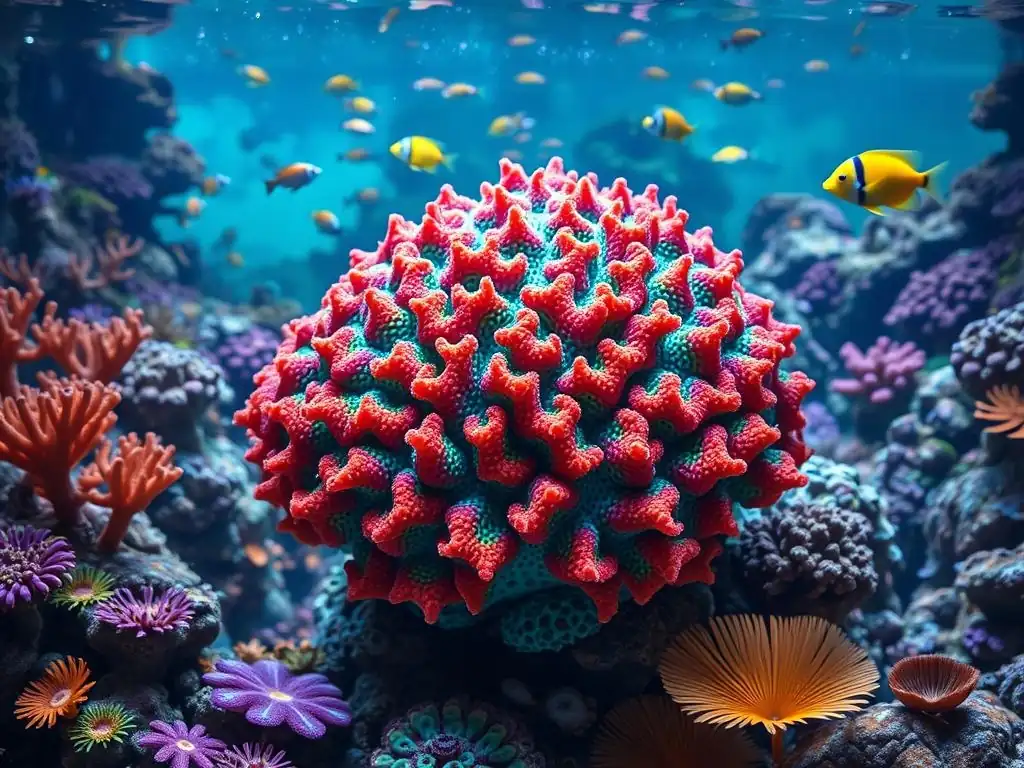
Acanthastrea lordhowensis, commonly known as Acan Lords, are highly prized large polyp stony (LPS) corals in the reef aquarium hobby. Originating predominantly from the Indo-Pacific region, with notable populations around Lord Howe Island (hence their name), these corals are celebrated for their incredibly vibrant colors and unique, fleshy appearance.
They typically form encrusting colonies, expanding outwards by adding new polyps, and are characterized by their distinct "eyes" or mouths, which are often a contrasting color to the rest of the polyp. While generally peaceful during the day, like many LPS corals, they do extend feeding tentacles at night, which can sting neighboring corals.
Scientifically classified within the Scleractinia order, Acan Lords are sought after by aquarists due to their diverse array of color morphs—ranging from striking rainbows and "Warpaint" patterns to single-hued specimens. Their relatively moderate care requirements, when compared to some more demanding small polyp stony (SPS) corals, make them an excellent choice for intermediate hobbyists looking to expand their LPS collection. Their growth rate is typically moderate to slow, but with proper care, they can form impressive, expanding colonies over time, adding significant visual interest to any reef tank.
Why Choose an Acan Lord for Your Reef Aquarium?
Choosing an Acan Lord for your reef aquarium offers a multitude of benefits, primarily centered around their unparalleled aesthetic appeal and diverse patterns. These corals introduce dynamic bursts of color and unique texture, instantly elevating the visual complexity of a marine display. Their wide range of color combinations, from deep reds and blues to bright greens and yellows, ensures there's an Acan Lord to complement any tank's palette, making them a popular choice for both new and seasoned aquarists seeking to enhance their coral collection.
Beyond their beauty, Acan Lords are considered relatively hardy within the LPS category, making them a forgiving option for hobbyists who have mastered basic reef keeping. With a solid Acanthastrea lordhowensis care guide as a foundation, these corals demonstrate a remarkable ability to thrive and flourish, rewarding the aquarist with enhanced growth and intensified color vibrancy. Their adaptable nature allows them to settle into various tank sizes, from nano reefs to expansive systems, provided their core environmental needs are met consistently.
Acan Lord Care: Essential Parameters for a Thriving Coral
Water Chemistry for Acan Lords: Maintaining Optimal Stability
Maintaining optimal water chemistry is the cornerstone of any successful Acanthastrea lordhowensis care guide. Acan Lords, like all corals, are highly sensitive to fluctuations in their environment. Even slight, rapid swings in parameters can induce significant stress, leading to tissue recession, bleaching, or increased susceptibility to disease. Therefore, consistent and diligent monitoring of key water parameters, coupled with a proactive approach to stability, is far more beneficial than merely chasing "perfect" numbers that are prone to daily shifts.
Beyond the specific levels of calcium, alkalinity, and magnesium, other fundamental parameters such as salinity, temperature, and pH must also be meticulously maintained. Salinity should be kept stable within a narrow range, ideally between 1.025 and 1.026 specific gravity. The optimal temperature for Acan Lords typically falls between 75-78°F (24-25.5°C), while pH levels should consistently remain within the 8.0-8.4 range. Regular testing, at least once or twice a week, is crucial to catch any deviations early and make necessary, gradual adjustments.
Ideal Alkalinity, Calcium, and Magnesium Levels for Acan Lords
For the robust skeletal growth and overall health of Acanthastrea lordhowensis, maintaining precise levels of alkalinity, calcium, and magnesium is paramount. Ideal alkalinity levels are typically targeted between 8 and 10 dKH, with many successful aquarists finding consistency within the narrower range of 8.5-9.5 dKH to be most beneficial. Calcium levels should ideally be maintained between 400 and 450 ppm, as calcium is a primary building block for the coral's aragonite skeleton. Magnesium, acting as a crucial buffer, helps maintain the correct balance between calcium and alkalinity and should be kept between 1250 and 1350 ppm.
These essential elements are continuously consumed by Acan Lords as they grow and calcify, necessitating regular replenishment. For smaller tanks or those with light coral loads, consistent 10-15% weekly water changes with a high-quality salt mix can often suffice to replenish these parameters. However, for larger systems or tanks with a dense coral population, employing two-part dosing solutions or a calcium reactor becomes essential to precisely and consistently maintain these levels, ensuring the long-term health and vibrant growth of your Acan Lord colony.
The Importance of Stable Water Parameters
The concept of stability in water parameters cannot be overstated when it comes to the long-term health and vibrancy of Acanthastrea lordhowensis. Rapid fluctuations in alkalinity, calcium, pH, or temperature place immense stress on corals, forcing them to expend valuable energy on adaptation rather than growth and calcification. This stress often manifests as tissue recession, bleaching, loss of color, or a general susceptibility to diseases, effectively hindering the coral's ability to thrive. A stable environment mimics their natural habitat more closely, allowing them to allocate energy towards robust health and magnificent coloration.
To achieve and maintain this critical stability, several practical strategies can be employed. Implementing automated dosing systems for alkalinity, calcium, and magnesium ensures consistent daily replenishment, minimizing swings. Adhering to a regular water change schedule, such as 10-15% every one to two weeks, using a high-quality, consistent salt mix, helps to buffer parameters and replenish trace elements. Furthermore, ensuring that your heating and cooling systems maintain a steady temperature is vital. A comprehensive Acanthastrea lordhowensis care guide always emphasizes that consistency and predictability in water chemistry are far more important than achieving fleeting "perfect" numbers.
Lighting Requirements for Acanthastrea lordhowensis
Acanthastrea lordhowensis are photosynthetic corals, meaning they derive a significant portion of their energy from the symbiotic algae (zooxanthellae) living within their tissues. However, unlike some high-light demanding SPS corals, Acan Lords prefer moderate lighting conditions. In their natural habitat, they are often found in shaded areas or at deeper depths, protected from direct, intense sunlight. Exposing an Acan Lord to excessively high light intensity can lead to stress, polyp retraction, and ultimately, bleaching, where the coral expels its zooxanthellae.
For optimal health and color, aim for PAR (Photosynthetically Active Radiation) values generally ranging from 50 to 150 PAR. Corals placed deeper in the tank or during initial acclimation may thrive at the lower end of this spectrum, while well-established colonies can handle slightly higher intensities. Various lighting types, including LED, T5 fluorescent, and metal halide, can successfully support Acan Lords, provided the intensity and spectrum are appropriately managed. Careful observation of your coral's response to light is key; if polyps appear shrunken or colors fade, it may indicate too much light.
Choosing the Right Light Spectrum and Intensity
When selecting lighting for your Acanthastrea lordhowensis, both spectrum and intensity play crucial roles in their health and vibrant coloration. While moderate intensity (PAR 50-150) is important, the spectrum, particularly a blue-heavy component, is vital for enhancing the coral's natural fluorescence and making its reds, oranges, and greens truly "pop." A spectrum ranging from 14,000K to 20,000K, often achieved with a mix of blue, royal blue, and violet LEDs or actinic T5 bulbs, is highly beneficial for coral pigmentation and overall visual appeal. White light is also necessary to support zooxanthellae photosynthesis and provide a balanced viewing experience.
For intensity, it's always safer to start with lower PAR values and gradually increase them, or place the coral in a less intense area of the tank initially. The positioning of the coral within the tank directly impacts the light it receives; placing it higher up will expose it to greater intensity, while lower positions or shaded areas will provide less.
Regularly observing your Acan Lord for signs of stress, such as tissue recession or paling, will help you fine-tune the ideal light intensity for your specific setup. A comprehensive Acanthastrea lordhowensis care guide emphasizes that proper light acclimation and spectrum are as important as the intensity itself.
Acclimation to New Lighting
Acclimating a new Acanthastrea lordhowensis to your aquarium's lighting, or adjusting an existing coral to a new lighting system, is a critical step to prevent stress and bleaching. The safest approach is to begin by placing the coral in a shaded area of the tank or in a lower PAR zone, where the light intensity is significantly reduced. Over a period of several weeks, gradually move the coral closer to its desired, higher-light location, or slowly increase the intensity of your lighting system. This gradual process allows the coral's zooxanthellae to adapt to the new light levels, minimizing shock.
During the acclimation period, vigilant observation of your Acan Lord is paramount. Watch for any signs of stress, such as significant polyp retraction, paling of colors (bleaching), or a translucent appearance. If these symptoms appear, it indicates that the light intensity is too high, and you should immediately reduce it or move the coral back to a shadier spot. Patience is a virtue in this phase; rushing the acclimation process can lead to irreversible damage, whereas a slow, methodical approach ensures the long-term health and vibrant appearance of your Acan Lord.
Water Flow for Acan Lords: Finding the Sweet Spot
Water flow is another critical environmental factor for the health of Acanthastrea lordhowensis. These corals thrive in moderate, indirect water flow. Too strong and direct a flow can cause the coral's fleshy polyps to retract or even suffer tissue damage from constant buffeting. This can prevent them from fully extending, hindering their ability to capture food and absorb light. Conversely, insufficient water flow leads to the accumulation of detritus and waste particles on the coral's surface, which can smother the polyps, lead to tissue necrosis, and contribute to localized nutrient buildup.
The ideal flow pattern for Acan Lords is turbulent and random, rather than a constant, laminar stream. This type of flow helps to deliver nutrients and food particles to the polyps while simultaneously sweeping away waste. Using powerheads with wide dispersion or employing wavemakers that create varied flow patterns can effectively achieve these conditions. Observe the polyps; they should gently sway without being flattened against the skeleton. If detritus is visibly settling on the coral, it's a clear sign that the flow around that specific area needs to be increased or redirected.
Preventing Detritus Buildup
Preventing detritus buildup on and around your Acanthastrea lordhowensis is a vital component of its long-term health and a key aspect of any effective Acanthastrea lordhowensis care guide. Accumulated detritus, which consists of uneaten food, fish waste, and other organic debris, can smother the coral's polyps, leading to tissue irritation, localized nutrient spikes, and potentially bacterial infections or tissue necrosis. While good, turbulent water flow generally helps to keep the coral clean, sometimes additional measures are necessary.
After target feeding your Acan Lord, it's particularly important to ensure any uneaten food particles are removed. You can achieve this by gently increasing the water flow in the immediate vicinity of the coral for a short period, or by using a turkey baster or pipette to carefully blast away any lingering debris. Regular tank maintenance, including siphoning the sand bed and cleaning rockwork, also contributes to overall detritus control, ensuring a pristine environment that allows your Acan Lord to thrive without being overwhelmed by organic waste.
Placement in Your Reef Tank: Where to Position Your Acan Lord
Strategic placement of your Acanthastrea lordhowensis within the reef tank is essential for its long-term health and integration into the aquascape. Acan Lords are relatively versatile but generally prefer lower to mid-tank positions. This placement typically provides the moderate light intensity they thrive in, away from the direct, high-intensity light often found at the very top of the aquascape. Additionally, these positions usually offer the moderate, indirect water flow that prevents tissue damage while ensuring proper nutrient delivery and detritus removal.
While Acan Lords are considered relatively peaceful corals, they do possess stinging tentacles, particularly when feeding at night. It is crucial to allow ample space, typically at least 3-4 inches (7-10 cm), between your Acan Lord and any neighboring corals, especially more aggressive LPS species like Euphyllia or Blastomussa.
Their encrusting growth habit means they will expand horizontally over time, so ensure they have room to grow without encroaching upon or being stung by other corals. Placing them on the sand bed or lower rockwork is often an excellent choice for their comfort and the visual balance of the tank.
Feeding Your Acan Lord: Maximizing Growth and Color
What Do Acan Lords Eat? A Guide to Coral Nutrition
While Acanthastrea lordhowensis primarily relies on its symbiotic zooxanthellae for energy through photosynthesis, supplemental feeding is crucial for maximizing their growth, enhancing their vibrant coloration, and ensuring overall vitality. Acan Lords are active filter feeders in the wild, consuming a variety of small particulate matter, zooplankton, and phytoplankton from the water column. Their fleshy polyps and visible mouths are well-adapted for capturing and ingesting these food sources.
In a captive reef aquarium, their natural diet needs to be supplemented with a diverse range of high-quality foods to meet all their nutritional requirements. Regular target feeding provides essential proteins, fatty acids, amino acids, and trace elements that are vital for tissue development and pigment production. Without supplemental feeding, Acan Lords may survive but will likely exhibit slower growth and less intense coloration, making consistent feeding a key aspect of any comprehensive Acanthastrea lordhowensis care guide.
Target Feeding Techniques for Acanthastrea lordhowensis
Target feeding is the most effective method to ensure your Acanthastrea lordhowensis receives adequate nutrition. This technique involves directly delivering food to the coral's polyps using a pipette, turkey baster, or specialized coral feeder. Acan Lords are most receptive to feeding when their polyps are fully extended, which often occurs after the main tank lights have dimmed or gone out, as their feeding tentacles become more active in low light conditions, mimicking their natural nocturnal feeding behavior.
Before target feeding, it's advisable to turn off your tank's powerheads and return pumps for 15-30 minutes. This prevents the food from being immediately dispersed throughout the tank, allowing the coral ample time to capture and ingest the particles. Gently squirt the food directly onto or just above the polyps. Once the feeding period is over, restart the pumps to resume normal water circulation and help remove any uneaten food, preventing it from fouling the water quality.
Best Foods for Target Feeding Acan Lords
A varied diet is paramount for the optimal health, growth, and coloration of Acanthastrea lordhowensis. Excellent food choices for target feeding include small, meaty frozen foods such as mysis shrimp, enriched brine shrimp, and copepods. These provide essential proteins and fatty acids. Finely chopped meaty foods like silversides or scallops can also be offered, ensuring the pieces are small enough for the coral's polyps to ingest.
In addition to frozen foods, various coral-specific pellet foods, liquid invertebrate foods, and powdered blends like Reef Roids or Rod's Food (original blend) are highly beneficial. These often contain a balanced mix of proteins, lipids, and carbohydrates tailored for LPS corals. Always thaw frozen foods thoroughly before feeding, and avoid introducing large quantities of food at once to prevent water quality issues. A diverse feeding regimen will yield the best results for a vibrant and healthy Acan Lord.
Feeding Frequency: How Often to Feed Your Acan
For optimal growth, enhanced coloration, and overall vitality, Acanthastrea lordhowensis benefits significantly from regular target feeding. A recommended feeding frequency is 2-3 times per week. This schedule provides a consistent supply of nutrients that complement the energy derived from photosynthesis, promoting robust tissue development and sustained health. If your tank has a high bioload or if you are specifically aiming for accelerated growth, you might consider increasing the frequency to every other day, always observing your coral's response.
It is important to strike a balance; while feeding is beneficial, overfeeding can lead to water quality issues, such as elevated nitrates and phosphates, which can negatively impact coral health. Observe your Acan Lord's behavior: if it readily extends polyps and appears plump and vibrant, your feeding regimen is likely sufficient. If it seems to be shrinking or lacks vigor, increasing feeding frequency and ensuring food variety might be necessary, as part of a comprehensive Acanthastrea lordhowensis care guide.
Acan Lord Coloration: Enhancing and Maintaining Vibrant Hues
Factors Influencing Acan Lord Color
The breathtaking coloration of Acanthastrea lordhowensis is a complex interplay of several environmental factors, primarily lighting, water chemistry, and nutrition. Their vibrant pigments are largely attributed to fluorescent proteins produced by the coral itself, which interact with various wavelengths of light, in conjunction with the symbiotic zooxanthellae residing within their tissues. These zooxanthellae also contribute to the coral's color, particularly the browns and greens.
Maintaining pristine water quality, providing appropriate light spectrum and intensity, and offering a rich, varied diet are all paramount for bringing out and sustaining the full spectrum of colors in your Acan Lord. Any significant stressor, such as unstable water parameters, improper lighting, or insufficient feeding, can quickly cause their vibrant hues to dull or even lead to bleaching, where the coral loses its coloration entirely. Therefore, a holistic approach to their care is essential for maximizing their visual appeal.
The Role of Lighting in Coloration
While Acanthastrea lordhowensis thrive under moderate light intensity, the spectrum of light plays a crucial role in enhancing and maintaining their vibrant coloration. Blue-heavy lighting, specifically actinic, royal blue, and violet wavelengths (typically within the 400-470nm range), is particularly effective at exciting the coral's fluorescent proteins. This causes the reds, oranges, greens, and purples to "pop" and appear more intense, creating a stunning visual effect. UV light, although used cautiously, can also contribute to the development of certain pigments.
It is essential to ensure your lighting fixture provides a balanced spectrum that supports both the photosynthetic needs of the zooxanthellae (often in the blue-green range) and the aesthetic enhancement of the coral's natural fluorescence. Too much white light, or an insufficient amount of blue and violet wavelengths, can lead to a duller appearance, failing to showcase the coral's full color potential. Experimenting with light schedules and intensity ramps can further optimize color expression, making lighting a cornerstone of a comprehensive Acanthastrea lordhowensis care guide.
The Impact of Nutrients on Color
The availability of nutrients significantly impacts the coloration of Acanthastrea lordhowensis. A well-fed Acan Lord, receiving a consistent supply of varied, high-quality foods, will generally display more robust and vibrant colors. The proteins, amino acids, fatty acids, and trace elements provided through target feeding directly contribute to the coral's overall health, tissue development, and its ability to produce the pigments responsible for its stunning hues. Deficiencies in these nutrients can lead to duller colors and slower growth.
However, a delicate balance must be maintained. While essential nutrients are vital, excessive nutrient levels, particularly high nitrates (above 10-15 ppm) and phosphates (above 0.07 ppm), can paradoxically lead to a browning effect in corals. This occurs because an overabundance of nutrients can cause an explosion in the population of zooxanthellae within the coral's tissue, masking its natural pigments. Therefore, maintaining low but detectable nutrient levels (e.g., nitrates 1-10 ppm, phosphates 0.03-0.07 ppm) is ideal for balancing vigorous growth with brilliant coloration in your Acan Lord colony.
Common Color Morphs of Acanthastrea lordhowensis
Acanthastrea lordhowensis is celebrated in the reefing hobby for its extraordinary diversity in coloration, which has led to the emergence of numerous popular "morphs" or trade names. These variations are not distinct species but rather unique genetic expressions within the same species, often influenced by specific environmental conditions. Each morph presents a captivating array of patterns and color combinations, making them highly sought after by collectors aiming to add distinct visual flair to their aquariums.
This genetic variability allows hobbyists to collect a wide spectrum of Acan Lords, each offering a unique aesthetic. The naming conventions, such as "Rainbow," "Warpaint," or "Golden Eye," typically reflect the most prominent or striking visual characteristics of the coral. Understanding these common morphs helps aquarists identify desired specimens and appreciate the incredible natural artistry inherent in Acanthastrea lordhowensis.
Rainbow Acan Lord
The Rainbow Acan Lord is arguably one of the most coveted and visually spectacular morphs of Acanthastrea lordhowensis. It is distinguished by the presence of a stunning array of multiple distinct colors on a single polyp, creating a kaleidoscopic effect. These polyps often display vibrant reds, oranges, greens, blues, and purples, all blending seamlessly or sharply contrasting within the same coral head. The complexity and richness of these colors make the Rainbow Acan a true centerpiece in any reef aquarium.
Achieving and maintaining the full "rainbow" effect in these highly prized specimens demands meticulous adherence to the highest standards of Acanthastrea lordhowensis care guide practices. This includes unwavering stability in water parameters, consistent and varied target feeding, and a precisely tuned lighting spectrum that accentuates each individual hue. Due to their exceptional and rare beauty, Rainbow Acan Lords typically command higher prices, reflecting their unique aesthetic value and the dedication required to cultivate their full potential.
Warpaint Acan Lord
The Warpaint Acan Lord morph of Acanthastrea lordhowensis is renowned for its distinct, bold, and often abstract patterns that resemble brushstrokes or splashes of intensely contrasting colors. Common combinations include vivid reds and oranges set against a vibrant green or blue base, or intricate swirls of purple and bright yellow. These patterns are typically more defined and less blended than those found in Rainbow Acans, giving them a striking, almost artistic appearance.
The dramatic and unique patterns of the Warpaint Acan make it an immediate focal point within a reef tank, adding a dynamic and captivating element to the aquascape. To ensure these vibrant "warpaint" patterns remain prominent and intense, consistent care is essential. This includes a robust feeding regimen that supplies ample nutrients for pigment production and maintaining optimal water chemistry, alongside appropriate light intensity and spectrum to highlight their intricate designs.
Golden Eye Acan Lord
The Golden Eye Acan Lord is a captivating morph of Acanthastrea lordhowensis characterized by a distinctly golden or bright yellow coloration around its central mouth area, or "eye," which sharply contrasts with the surrounding body color of the polyp. The main body of the coral might display hues of red, green, blue, or purple, making the bright yellow center a prominent and mesmerizing feature that draws the eye.
This morph offers a unique visual appeal due to its centralized, vibrant coloration, creating a focal point within each polyp. To ensure the golden eye remains prominent and does not become dulled or obscured, providing the correct balance of light spectrum and nutrient availability is crucial. Preventing any browning that might result from excessive zooxanthellae (often due to high nutrients) is key to maintaining this distinctive and highly sought-after feature of the Golden Eye Acan Lord.
Acan Lord Health: Identifying and Treating Common Problems
Recognizing Signs of a Healthy Acan Lord
A healthy Acanthastrea lordhowensis will exhibit several clear indicators of its well-being, which are crucial for any aquarist to recognize. The most prominent sign is fully extended, plump polyps that appear "puffy" or inflated during the day, indicating good tissue hydration and overall vitality. The coral's colors should be vibrant, consistent with its specific morph, and free from any pale, bleached, or dull patches, which often signal stress.
Furthermore, a healthy Acan Lord should readily extend its feeding tentacles, especially during the night or when food is introduced into the tank, demonstrating its active feeding response. The coral's skeleton should be entirely covered by healthy tissue, with no exposed areas, as exposed skeleton is a common sign of tissue recession or damage. Over time, you should observe visible growth, either through the expansion of existing polyps or the addition of new ones forming around the colony's edges. While resilient to minor parameter shifts, a truly healthy Acan Lord thrives and flourishes in a stable, well-maintained environment.
Common Diseases and Pests Affecting Acan Lords
While Acanthastrea lordhowensis are generally considered hardy LPS corals, they are not immune to common issues such as tissue recession, bleaching, and predation if their environmental conditions are suboptimal or if pests are introduced into the aquarium. Early detection of these problems is paramount for successful intervention and treatment, minimizing damage to your valuable coral. Understanding the potential threats is a vital part of proactive Acanthastrea lordhowensis care guide practices.
The most frequent causes of distress include rapid or prolonged fluctuations in water parameters, inadequate or excessive lighting, and persistently poor water quality (e.g., high nitrates or phosphates). Additionally, specific coral predators, such as certain nudibranchs or flatworms, can inflict significant damage if left unchecked. Regular observation and a keen eye for any changes in the coral's appearance or behavior are essential for identifying problems before they escalate.
Acan Lord Bleaching: Causes and Solutions
Bleaching in Acanthastrea lordhowensis is a severe stress response where the coral expels its symbiotic zooxanthellae, leading to a dramatic loss of color, often resulting in a pale or translucent appearance. The primary culprits behind bleaching include excessive light intensity, rapid or prolonged temperature swings (both too high or too low, though high temperatures are more common), and persistent poor water quality, such as elevated levels of nitrates, phosphates, or the presence of heavy metals.
To effectively address bleaching, immediate identification and rectification of the underlying stressor are crucial. If light is the issue, gently move the coral to a shadier spot in the tank or reduce your lighting system's intensity. If temperature fluctuations are suspected, stabilize your tank's heating and cooling systems. For water quality issues, perform a large water change (e.g., 20-30%) and ensure all parameters are within optimal ranges. During recovery, gentle target feeding with high-quality coral foods can significantly aid the coral in regaining its zooxanthellae and restoring its vibrant coloration.
Identifying and Treating Acan Eating Nudibranchs
Acan-eating nudibranchs (e.g., Phestilla species) are highly specialized and devastating predators of Acanthastrea lordhowensis and other LPS corals. These small, often less than 1 cm long, marine slugs are notoriously difficult to spot as they are exceptionally camouflaged, mimicking the coral's coloration. Signs of their presence include unexplained tissue damage, bite marks on the polyps, tissue recession, and eventually, the complete disappearance of polyps. Closer inspection might reveal the nudibranchs themselves, typically found in crevices or on the underside of the coral, or their distinctive white, spiral egg masses.
Treatment involves several steps for effective eradication. Manual removal using fine-tipped tweezers or a baster is the first line of defense, but it's often insufficient alone. A freshwater dip (5-10 minutes in dechlorinated, temperature-matched RODI water) can cause them to detach.
More effectively, specialized coral dips formulated for pests (e.g., Coral Rx, Revive, Bayer) can be used, following product instructions carefully. Due to the presence of eggs, repeated dips every 3-7 days for several weeks are often necessary to break their life cycle. Thorough quarantine of all new corals for at least 4-6 weeks is the most critical preventative measure to avoid introducing these pests into your main display tank.
Preventing Coral Diseases: Quarantine and Dipping
Prevention is undeniably the most effective strategy for maintaining the health of your Acanthastrea lordhowensis and the entire reef system. The golden rule for introducing any new coral, including Acan Lords, is to always quarantine it in a separate, dedicated quarantine tank (QT) for a minimum of 3-4 weeks. This isolation period allows you to closely observe the coral for any signs of disease, pests, or stress without risking the health of your established display tank. During quarantine, any issues can be addressed proactively and aggressively.
In conjunction with quarantine, performing prophylactic dips on all new corals is highly recommended. Various reputable coral dip solutions (e.g., iodine-based, pest-specific) are available that help to dislodge and eliminate external parasites, flatworms, bacterial infections, and other unwanted hitchhikers that may be invisible to the naked eye. Always follow the product instructions precisely, as some dips can be harsh if used incorrectly or for too long. A robust quarantine and dipping protocol is an indispensable part of any diligent Acanthastrea lordhowensis care guide, safeguarding your reef from potential threats and ensuring long-term success.
Acan Lord Propagation: Fragging Your Coral
When to Frag Your Acan Lord
Fragging, or propagating, your Acanthastrea lordhowensis is a rewarding process that allows you to create new colonies, share with other hobbyists, or manage the growth of an existing colony. The ideal time to frag an Acan Lord is when the mother colony has grown large, healthy, and shows no signs of stress or disease. A robust, thriving colony will recover much more quickly from the fragging process. It's also a good opportunity to frag if a piece accidentally breaks off, allowing you to save the fragment.
Avoid fragging a coral that appears stressed, has recently undergone bleaching, is experiencing tissue recession, or has just been introduced to your tank. Ensure your water parameters are stable and optimal before undertaking any fragging procedure, as this will minimize stress on both the mother colony and the new frag. A healthy, actively growing Acan Lord with well-inflated polyps is the prime candidate for successful propagation.
Step-by-Step Guide to Fragging Acanthastrea lordhowensis
Fragging Acanthastrea lordhowensis requires careful preparation and execution to minimize stress and maximize success. Begin by preparing a clean workspace and gathering all necessary tools, along with a container of tank water to keep the coral submerged as much as possible. Gently remove the Acan Lord from your display tank. Carefully examine the colony to identify a suitable cluster of polyps or a section with clear skeletal separation where you can make a clean, precise cut without damaging adjacent polyps.
Using your chosen cutting tool, make a swift and deliberate cut. The goal is to obtain a frag with at least one healthy polyp and a small piece of attached skeleton. If using bone cutters, ensure they are sharp and make a clean break. If using a Dremel, keep the coral submerged in water to reduce dust and heat. After cutting, gently rinse both the mother colony and the new frag in clean tank water to remove any skeletal debris.
Tools and Equipment Needed for Fragging
Successful fragging of Acanthastrea lordhowensis requires a few specialized tools to ensure clean cuts and minimize stress to the coral. Essential equipment includes bone cutters, which are suitable for smaller, softer skeletal structures, or a Dremel rotary tool equipped with a diamond cutting wheel for larger, denser skeletons. When using a Dremel, it is crucial to keep the coral submerged in water during cutting to reduce friction heat and prevent fine bone dust from becoming airborne, which can be irritating.
Additionally, always use protective eyewear to shield your eyes from debris and wear gloves to protect your hands from coral stings and to maintain hygiene. A dedicated cutting board or a shallow plastic container filled with tank water is necessary to perform the fragging process away from the main display tank. Other useful items include a soft brush for gently cleaning the coral after cutting, and super glue gel for attaching the new frags to frag plugs. Sterilize all tools thoroughly with rubbing alcohol or a bleach solution before and after each use to prevent the spread of pathogens.
Healing and Acclimation of Frags
After fragging your Acanthastrea lordhowensis, proper post-fragging care is crucial for the successful healing of both the mother colony and the new frag. Immediately after cutting, it is highly recommended to dip both the mother colony and the new frag in an iodine-based coral dip or another antiseptic solution (e.g., Lugol's iodine) for the recommended duration. This helps to prevent bacterial infections at the cut site and promotes faster healing. Once dipped, carefully return the mother colony to its original location in the tank.
The new frag should be placed on a frag plug using coral-safe super glue gel and then positioned in a lower-flow, lower-light area of the tank. This gentler environment allows the frag to recover from the stress of cutting without being overwhelmed. Observe the frag daily for signs of healing, such as the tissue closing over the cut edge, and gradual polyp extension.
Once the frag shows good recovery, typically within 1-2 weeks, and begins to inflate fully, it can be slowly moved to its permanent location within the display tank, following the light acclimation guidelines. This careful approach to healing and acclimation is fundamental to a successful Acanthastrea lordhowensis care guide for propagation.
Choosing the Right Acan Lord: What to Look For
Selecting a Healthy Specimen
When purchasing an Acanthastrea lordhowensis, careful selection of a healthy specimen is the first step towards long-term success in your reef tank. Look for corals with fully inflated, plump polyps that appear fleshy and vibrant. There should be no exposed skeleton whatsoever, as any visible bone indicates tissue recession, which can be a sign of stress, disease, or damage. The coral's coloration should be intense and consistent across the entire colony, without any pale, bleached, or dull patches.
Spend at least 15-20 minutes observing the Acan Lord in the store's tank. Healthy Acans will exhibit good polyp extension and show a subtle swaying motion in response to water flow. Avoid corals that are retracted, appear slimy, have visible signs of pests (like nudibranchs or flatworms), or show significant tissue loss around the base or edges of the polyps. A healthy coral is active and responsive, indicating it has been well-cared for and is more likely to adapt successfully to your home aquarium.
Identifying Potential Problems Before Purchase
Before committing to a purchase, a thorough inspection of the Acanthastrea lordhowensis for potential problems is critical to prevent introducing issues into your established reef tank. Carefully scrutinize the coral for any visible signs of pests. This includes tiny, camouflaged nudibranchs (often matching the coral's color), flatworms (which might be seen crawling on the polyps or rock), or parasitic snails. Always check the underside and crevices of the coral's skeleton for these hitchhikers or their egg masses.
Beyond pests, examine the coral for any signs of tissue loss, particularly around the base or edges of the polyps, or any areas where the skeleton is exposed. This can indicate bacterial infection, chemical burns, or previous predation. Inquire with the vendor about the coral's origin (wild-caught vs. aquacultured) and their specific Acanthastrea lordhowensis care guide practices. A reputable vendor will be transparent about the coral's history and health, helping you make an informed decision and ensuring you bring home a healthy, thriving specimen.
Advanced Acan Lord Care: Tips for Experienced Reefers
Optimizing Growth and Color with Advanced Techniques
For experienced reefers aiming to truly maximize the growth and vibrant coloration of their Acanthastrea lordhowensis, precise nutrient control is key. This involves maintaining consistently low but detectable levels of nitrates (e.g., 1-5 ppm) and phosphates (e.g., 0.02-0.05 ppm). While ultra-low nutrient systems can sometimes starve corals, slightly elevated, stable levels prevent browning while ensuring sufficient food for zooxanthellae. Additionally, regular dosing of high-quality amino acid solutions and trace elements like strontium, iodine, and potassium can significantly enhance tissue development and pigment expression, leading to richer hues.
Advanced aquarists can further optimize color by fine-tuning their LED light spectrums, experimenting with the balance of blue, violet, and UV wavelengths. These specific wavelengths are known to excite the coral's fluorescent proteins, making colors "pop." Implementing a robust and varied feeding regimen, offering small-particle, high-protein foods (e.g., enriched copepods, oyster feast, specialized coral pellets) several times a week, will drive superior growth rates and intensify the coral's natural vibrancy. Consistent observation and minor adjustments based on the coral's response are hallmarks of this advanced Acanthastrea lordhowensis care guide.
Maintaining a Stable and Thriving Acan Lord Colony
Long-term success with a large, thriving Acanthastrea lordhowensis colony hinges on achieving and meticulously maintaining absolute parameter stability. For experienced reefers, this often means moving beyond manual dosing to automated dosing systems for alkalinity, calcium, and magnesium. These systems ensure precise, daily replenishment of consumed elements, effectively eliminating the daily swings that can stress corals. Regular, consistent water changes, perhaps 10% weekly, using a high-quality salt mix, are also crucial for replenishing essential trace elements and diluting minor pollutants that accumulate over time.
Employing a robust and comprehensive filtration system is equally vital. This typically includes efficient protein skimming, consistent use of activated carbon to remove organics and maintain water clarity, and, if necessary, granular ferric oxide (GFO) for phosphate control. Continuous observation of the coral's polyp extension, color saturation, and overall tissue health, coupled with proactive troubleshooting of any minor deviations, are the defining characteristics of advanced Acanthastrea lordhowensis care guide practices, ensuring the colony's sustained health and stunning display for years to come.
Troubleshooting Common Acan Lord Issues
Slow Growth and Solution
Slow or stalled growth in an Acanthastrea lordhowensis colony is a common issue that often points to suboptimal environmental conditions or insufficient nutrient availability. The first step in troubleshooting is to meticulously check all major water parameters, including alkalinity, calcium, and magnesium, ensuring they are within their ideal ranges (8-10 dKH, 400-450 ppm, 1250-1350 ppm respectively) and, most importantly, consistently stable. Fluctuations or deficiencies in these elements directly impede the coral's ability to build its skeleton. Additionally, inadequate or infrequent feeding can severely limit the energy available for growth.
Solution: To rectify slow growth, increase the frequency of target feeding to 3-4 times per week, offering a diverse array of high-quality, small-particle foods such as mysis shrimp, Reef Roids, or amino acid solutions. Verify that your lighting intensity and spectrum are appropriate for Acan Lords (PAR 50-150), as too little light can reduce photosynthetic energy.
Perform regular water tests and adjust your dosing regimen or water change schedule as necessary to maintain stable, optimal parameters. Consider adding a small amount of a reputable trace element supplement if your water changes are infrequent, as these are vital for metabolic processes and growth.
Fading Color and Solution
Fading or dull coloration in an Acanthastrea lordhowensis is a clear indicator of stress and can stem from various underlying issues. The most common culprits include incorrect lighting (either too intense, leading to bleaching, or an inappropriate spectrum that doesn't highlight their pigments), nutrient deficiencies that hinder pigment production, or, paradoxically, excessive nutrients (high nitrates/phosphates) which can lead to browning as zooxanthellae proliferate and mask the coral's natural hues. Unstable water parameters, even if not critically off, can also contribute to a general lack of vibrancy.
Solution: Begin by assessing your lighting. If the coral is paling and retracting, the light may be too intense; try moving it to a shadier spot or gradually reducing PAR. If the coral appears brownish or muddy, nutrient levels might be too high; increase water changes, test nitrates and phosphates, and consider using a phosphate-removing media like GFO.
If colors are simply dull without other distress signs, ensure adequate target feeding with color-enhancing foods rich in amino acids and fatty acids. Confirm that trace elements are being replenished through water changes or targeted dosing. Ultimately, maintaining stable, pristine water chemistry is the foundational element of any effective Acanthastrea lordhowensis care guide for vibrant coloration.
Conclusion: Mastering Acan Lord Care for a Stunning Reef Display
Mastering the care of Acanthastrea lordhowensis is a rewarding endeavor that culminates in a stunning and vibrant reef display. These highly sought-after LPS corals, celebrated for their kaleidoscopic colors and unique patterns, are a testament to the beauty of the marine world. While they are considered moderately easy to care for, their continued health and breathtaking appearance hinge on meticulous attention to a few key environmental factors: unwavering stability in water parameters, including alkalinity, calcium, and magnesium; providing appropriate moderate lighting with a blue-heavy spectrum; and consistent, targeted feeding with a varied diet.
With diligent adherence to these core principles and a proactive approach to identifying and addressing any potential issues, aquarists can successfully maintain and grow thriving Acanthastrea lordhowensis colonies. This comprehensive Acanthastrea lordhowensis care guide provides the knowledge and strategies necessary to ensure your Acan Lords not only survive but truly flourish, transforming your reef tank into a captivating and colorful underwater masterpiece that will be the envy of any observer.
Frequently Asked Questions
What are the key water parameters required for Acanthastrea lordhowensis?
Acanthastrea lordhowensis, or "Acan Lords," require stable water parameters. Key parameters include a temperature of 72-78°F, a specific gravity of 1.024-1.026, and a pH of 8.1-8.4.
What is the ideal lighting and flow for Acan Lords in a reef tank?
Acan Lords thrive under moderate lighting such as LED or T5 lighting, and prefer moderate water flow. Direct, intense lighting can bleach their colors and strong flow can irritate them.
What should I feed my Acanthastrea lordhowensis?
Acan Lords benefit from supplemental feeding a few times a week. They can be fed small meaty foods like mysis shrimp, brine shrimp, or specialized coral foods designed for LPS corals.
What are some common signs of stress or disease in Acan Lords?
Signs of stress include tissue recession, bleaching, or a lack of polyp extension. These can be caused by poor water quality, inadequate lighting, or parasitic infestations.
What are the best placement options for Acanthastrea lordhowensis in an aquarium?
Acan Lords should be placed in the lower to middle areas of the tank. This helps prevent bleaching from too much light and allows them to get enough flow without being blasted.
Final Reflection: The Enduring Allure of the Acan Lord
The journey into the vibrant world of Acanthastrea lordhowensis, as explored in this guide, underscores the enduring power of responsible reef keeping in preserving the beauty of our oceans. Beyond the technical aspects of care, we've touched upon the delicate balance required to sustain these magnificent corals in our home aquariums, a responsibility that resonates deeply in a world facing unprecedented environmental challenges.
The fascination with Acan Lords extends beyond their aesthetic appeal; it reflects a deeper connection to the natural world and a desire to recreate a slice of the ocean within our homes. This pursuit, when undertaken with knowledge and respect, can foster a greater appreciation for the fragility of coral reefs and inspire conservation efforts. As Jacques Cousteau eloquently stated, The sea, once it casts its spell, holds one in its net of wonder forever.
This "net of wonder" compels us to be stewards of these underwater ecosystems.
Now, armed with the knowledge shared in this guide, consider the impact you can have. Let the vibrant colors and intricate patterns of the Acan Lord serve as a constant reminder of the beauty we must protect. Embrace the challenge of responsible reef keeping, and let your aquarium be a testament to your commitment to preserving the wonders of our oceans for generations to come.
Unlock Your Acan Lord's Full Potential
Thanks for diving into the world of Acan Lords with us! We hope you’re feeling empowered to bring out the vibrant colors and healthy growth in your coral. Now, let's take that knowledge and put it into action!
Here's how you can immediately improve your Acan Lord's care:
- Reassess your lighting: Is it just right or could a slight adjustment make a world of difference in color and health? Don't be afraid to experiment (carefully! ).
- Dive deeper: Explore specialized coral feeding techniques. Supplement your Acan Lord’s diet to boost its vibrancy.
- Share the love: Post a picture of your Acan Lord on your favorite reefing forum and ask for feedback on its health and coloration – a fresh perspective can be invaluable!
What's one small adjustment you can make today to dramatically improve your Acan Lord's health and colors?