
Soft Coral Placement Secrets: Designing a Stunning & Harmonious Reef Layout

Welcome to Aquarium Mastery!
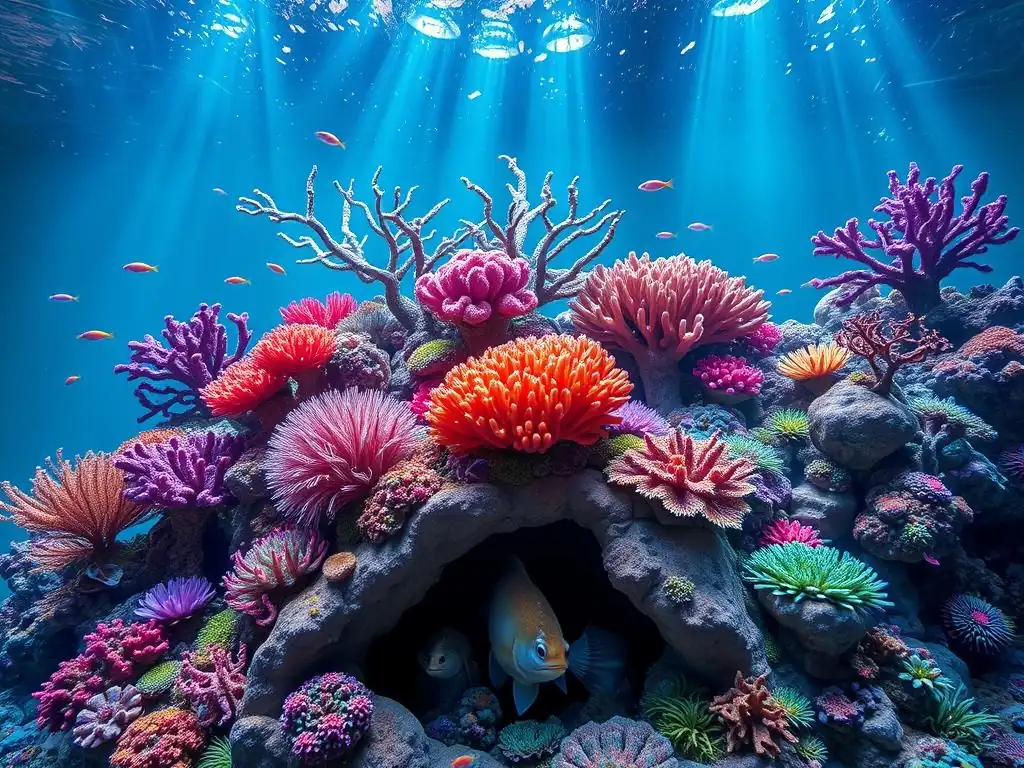
Ever wondered how to create a breathtaking reef aquarium that not only thrives but also becomes a stunning centerpiece? Our Reef Coral Placement Guide unlocks the secrets to achieving a harmonious and visually captivating coral layout. Discover how to strategically position your soft corals for optimal growth, vibrant color, and a truly mesmerizing display. Intrigued? Dive in and let's build the reef of your dreams!
- Introduction to Soft Coral Placement for Reef Aquariums
- Understanding Soft Coral Growth Habits & Light Requirements for Optimal Placement
- Key Considerations Before Placing Soft Corals in Your Reef Tank
- Soft Coral Placement Guide: Step-by-Step Instructions
- Soft Coral Placement Ideas for a Harmonious Reef Tank
- Troubleshooting Common Soft Coral Placement Issues
- Maintaining a Healthy and Beautiful Reef with Strategic Coral Placement
- Advanced Soft Coral Placement Techniques for Experienced Reef Keepers
- Conclusion: Mastering the Art of Soft Coral Placement
-
Frequently Asked Questions
- How crucial is proper placement for soft corals in a reef aquarium?
- What are some key factors to consider when deciding where to place soft corals?
- Can I place different types of soft corals close together in my reef tank?
- What role does water flow play in the health and placement of soft corals?
- How can I prevent soft corals from overgrowing and shading out other corals in my reef tank?
- Final Reflection: Cultivating Harmony in the Reef
- Unleash Your Inner Reef Artist!
Introduction to Soft Coral Placement for Reef Aquariums
Why Proper Soft Coral Placement Matters
Proper soft coral placement is paramount for the long-term health and vitality of your reef aquarium. Each coral species has specific requirements regarding light intensity, water flow, and chemical interactions with neighboring corals. Incorrect placement can lead to stress, stunted growth, tissue necrosis, or even the eventual loss of the coral. For instance, placing a low-light loving mushroom coral directly under intense LED lighting can cause it to bleach and decline, while a flow-dependent pulsing Xenia will struggle in stagnant areas. A well-considered reef coral placement guide ensures each specimen receives its optimal environmental conditions, allowing it to thrive.
Beyond individual coral health, strategic placement significantly impacts the overall stability of the reef ecosystem. Overcrowding, for example, can lead to competition for resources and increased chemical warfare, where corals release toxins to inhibit the growth of others. This can degrade water quality and stress the entire system. Understanding these dynamics and implementing a thoughtful reef coral placement strategy from the outset minimizes future problems, reducing the need for constant adjustments and interventions, and fostering a more resilient and harmonious environment.
Creating a Visually Appealing and Healthy Reef Ecosystem
A reef aquarium is not just a collection of corals; it's a living art piece, and proper soft coral placement is the brushstroke that brings it to life. By considering the mature size and shape of each coral, as well as its unique colors and textures, aquarists can design a visually stunning scape that evolves beautifully over time. For example, placing taller, branching leather corals at the back or sides of the tank provides a sense of depth, while lower-growing zoanthids or mushrooms can create vibrant foregrounds or fill in rockwork, contributing to a dynamic and engaging display.
Moreover, a visually appealing reef is often a healthy one. When corals are placed optimally, they exhibit their best coloration and full polyp extension, indicating robust health. Adequate spacing not only prevents physical contact and chemical aggression but also allows each coral to grow into its natural form without being overshadowed or restricted. This thoughtful approach to reef coral placement contributes to a balanced aesthetic while simultaneously ensuring the biological needs of all inhabitants are met, resulting in a thriving, resilient, and captivating underwater world.
Understanding Soft Coral Growth Habits & Light Requirements for Optimal Placement
Soft Coral Species and Their Unique Needs
Soft corals, unlike their stony counterparts, lack a rigid skeleton but exhibit an incredible diversity of forms, textures, and colors, each with specific care requirements that dictate their ideal placement. Common soft coral types include Leather Corals (such as Sarcophyton, Sinularia, and Lobophytum), Mushroom Corals (Discosoma, Rhodactis, Ricordea), Zoanthids and Palythoas, and Pulsing Xenia.
For example, a large Sarcophyton leather coral can grow to over 12 inches in diameter, requiring significant space to expand without touching other corals or tank walls. In contrast, Zoanthids typically form colonies that encrust rocks, often spreading rapidly if conditions are favorable, making their initial placement crucial to manage their spread.
Understanding these unique needs is fundamental to effective reef coral placement. Pulsing Xenia, for instance, is known for its rhythmic pulsing motion and thrives in moderate to high flow areas, but it can also be highly invasive, necessitating placement on an isolated rock to prevent it from overgrowing other corals.
Mushroom corals, conversely, generally prefer lower light and flow conditions and can be placed in shadier areas of the tank or on the sandbed. Recognizing these distinctions—from growth rate and mature size to preferred light and flow—is the first step in creating a successful and harmonious reef coral placement guide tailored to your specific coral collection.
Matching Coral Placement to Lighting Zones in Your Reef Tank
Light is a critical energy source for photosynthetic corals, and its intensity varies significantly throughout a reef aquarium, creating distinct lighting zones. The highest intensity is typically directly under the light source at the top of the rockscape, gradually decreasing with depth and distance from the primary illumination.
For optimal reef coral placement, it's essential to match a coral's specific light requirements to the appropriate zone in your tank. For example, most Zoanthids and Palythoas generally prefer moderate light, thriving in mid-level areas of the rockwork where light is sufficient but not overpowering, typically receiving Photosynthetically Active Radiation (PAR) levels between 50-150.
Conversely, many Mushroom corals, such as Discosoma and Rhodactis, are well-suited for lower light conditions, often thriving on the sandbed or in shaded crevices where PAR levels might be 20-75. Larger Leather corals like Sarcophyton or Sinularia can often tolerate a wider range of light, from moderate to high (PAR 100-300+), but should be introduced gradually to higher light to prevent bleaching.
When planning your reef coral placement, consider creating a tiered system: higher light corals at the top, moderate light corals in the middle, and lower light corals at the bottom, ensuring each species receives its ideal illumination without stress.
Key Considerations Before Placing Soft Corals in Your Reef Tank
Water Flow Requirements for Soft Corals: Optimizing Circulation
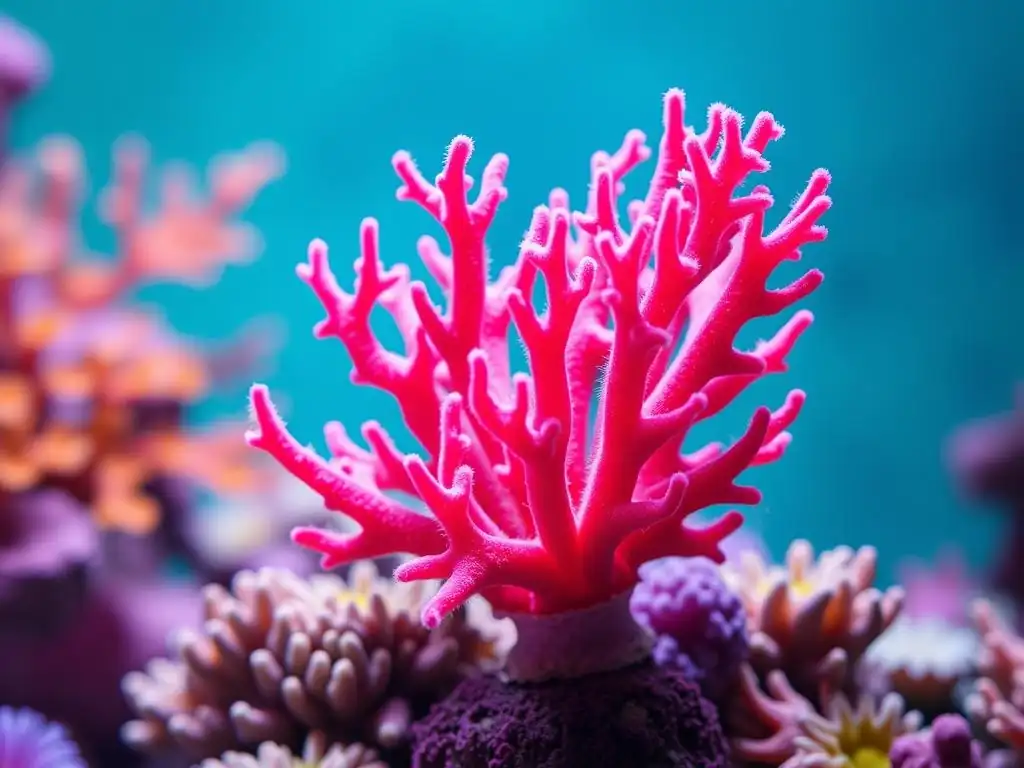
Water flow is as vital as light for the health of soft corals, playing a crucial role in nutrient delivery, waste removal, and maintaining gas exchange at the coral's surface. Different soft corals have varying preferences for flow intensity and pattern. For example, Pulsing Xenia thrives in moderate, indirect, and turbulent flow, which encourages its characteristic pulsing motion and prevents detritus from settling on its polyps.
If placed in stagnant water, Xenia may stop pulsing and begin to decline. In contrast, many Leather corals, such as Sarcophyton, benefit from strong, turbulent flow that helps them shed their waxy cuticle, a natural process essential for their health and growth.
Optimizing circulation involves more than just having powerful pumps; it's about creating varied flow patterns throughout the tank. Areas of laminar flow (unidirectional) can stress some corals, while turbulent, random flow patterns (created by multiple powerheads or wavemakers) mimic natural reef conditions and are generally preferred.
When considering your reef coral placement, observe how existing flow patterns interact with your rockscape. Aim to place corals in zones where the flow matches their needs—e.g., higher flow for Sarcophyton and Sinularia, moderate flow for Zoanthids and Mushrooms, and specific turbulent flow for Pulsing Xenia—to ensure adequate water movement around each coral and prevent dead spots where detritus can accumulate.
Aggression and Chemical Warfare: Preventing Coral Conflicts
One of the most critical aspects of reef coral placement is understanding and mitigating coral aggression, particularly chemical warfare, also known as allelopathy. Certain soft corals, especially larger Leather corals like Sarcophyton and Sinularia, are notorious for releasing terpenes—chemical compounds—into the water to inhibit the growth and health of neighboring corals.
While this is a natural defense mechanism in the wild, in the confines of an aquarium, it can lead to stress, recession, or even death for susceptible corals, both soft and stony. For instance, a large Sarcophyton placed too close to a sensitive SPS coral can cause it to brown out or experience tissue necrosis.
To prevent these conflicts, strategic spacing is paramount. When planning your reef coral placement, ensure a significant buffer zone around potentially aggressive soft corals.
A general guideline is to provide at least 6-12 inches of clear space around large Leather corals, allowing their chemical exudates to dissipate without directly impacting other inhabitants. Additionally, maintaining excellent water quality through regular water changes (e.g., 10-20% weekly or bi-weekly) and the consistent use of activated carbon (replaced every 2-4 weeks) can help absorb these harmful chemicals, significantly reducing their impact on the overall reef ecosystem and ensuring a harmonious environment for all your corals.
Substrate and Rockscape: Providing Secure Attachment Points
The foundation of any successful reef aquarium is a well-designed and stable rockscape, which serves as the primary attachment point for most soft corals. Unlike some stony corals that can be placed directly on the sandbed, many soft corals, particularly those sold as frags, require a secure point to anchor themselves and prevent being tumbled by water flow or disturbed by tank inhabitants. A stable rockscape not only offers secure attachment but also creates varied topography, including shelves, overhangs, and crevices, which can be utilized for different light and flow zones, enhancing your reef coral placement options.
When preparing for soft coral placement, ensure all live rock is well-cured, free of any decaying matter, and securely stacked to prevent collapses. For attaching soft coral frags, reef-safe super glue gel (cyanoacrylate) is commonly used to secure frag plugs to the rockwork. For larger soft corals or those without frag plugs, a combination of super glue and reef epoxy can provide a more robust bond.
Ensure the attachment point is clean and dry (if possible) for optimal adhesion. Patience is key; hold the coral in place for a minute or two until the glue sets, ensuring it won't detach and roll around, which can cause stress or damage.
Soft Coral Placement Guide: Step-by-Step Instructions
Step 1: Planning Your Reef Layout and Coral Placement Strategy
Effective reef coral placement begins long before any coral enters the water, with meticulous planning. Start by sketching out your aquarium's rockscape and considering the mature size and shape of each soft coral you intend to acquire. Visualize how different corals will grow and interact over time.
For instance, a large Sarcophyton leather coral will eventually dominate a significant footprint, while a colony of Zoanthids will spread across rock surfaces. Consider the "rule of thirds" or other aesthetic principles to create a balanced and visually appealing layout, ensuring adequate negative space to highlight individual specimens and allow for future growth.
Beyond aesthetics, integrate the specific environmental needs of each coral into your plan. Identify areas of high, moderate, and low light, as well as varying water flow zones created by your powerheads. Group corals with similar requirements together to simplify maintenance and ensure optimal conditions. For example, place light-demanding Finger Leather corals in higher flow, well-lit areas, while reserving shadier, lower-flow spots for Mushroom corals. This comprehensive planning phase, a true reef coral placement guide, minimizes stress on corals and prevents costly mistakes, setting the stage for a thriving and beautiful reef.
Step 2: Acclimating New Soft Corals to Your Aquarium
Proper acclimation is a critical, yet often overlooked, step in successful soft coral placement, minimizing the shock of transitioning from a retailer's tank to your home aquarium. The primary goal is to slowly equalize water parameters, particularly salinity and temperature, to prevent osmotic shock. For most soft corals, a drip acclimation method is highly recommended: slowly drip your tank water into a container holding the new coral over a period of 30-60 minutes until the water volume has tripled. This gradual change helps the coral's cells adjust to the new salinity and pH.
Beyond water parameters, light acclimation is equally important. New corals, especially those coming from lower light conditions, can be severely stressed or even bleached if immediately exposed to intense aquarium lighting. After drip acclimation, initially place new soft corals in a lower-light area of your tank, such as on the sandbed or in a shaded spot on the rockwork.
Over the next few days to a week, gradually move the coral closer to its intended permanent location, allowing it to adapt to increasing light intensity. This careful, step-by-step approach significantly improves the chances of successful soft coral placement and long-term health.
Step 3: Attaching Soft Corals to Rocks or Substrate
Once a soft coral has been properly acclimated, the next step in the reef coral placement process is to securely attach it to its designated spot on the rockwork or substrate. For soft coral frags that come on a frag plug, the easiest method is to use reef-safe super glue gel (cyanoacrylate). Apply a generous dab of glue to the bottom of the frag plug and firmly press it onto a clean, dry (if possible) spot on your live rock.
Hold it in place for 30-60 seconds until the glue sets. For larger soft corals or those without a plug, such as a mushroom coral detached from its original rock, you can use a combination of super glue and reef epoxy for a stronger bond.
When using epoxy, mix the two parts thoroughly until a uniform color is achieved, then mold it around the coral's base and press it onto the rock. You can then apply a layer of super glue over the epoxy for an even faster bond. It’s crucial to minimize handling of the coral itself, touching only the base or frag plug to prevent damage to delicate tissues.
Ensure the coral is oriented correctly to receive optimal light and flow for its species. This secure attachment prevents the coral from being dislodged by water currents or tank inhabitants, reducing stress and allowing it to focus its energy on settling in and growing.
Step 4: Monitoring Coral Health and Adjusting Placement as Needed
After initial soft coral placement, continuous monitoring is essential for ensuring their long-term health and vitality. For the first few days to weeks, closely observe your new corals for signs of stress or thriving. Look for full polyp extension, vibrant coloration, and a lack of sliminess, recession, or bleaching.
A healthy leather coral, for example, will typically extend its polyps fully within 24-48 hours after settling, while a happy zoanthid colony will have all its polyps wide open. If a coral remains closed, shows signs of tissue loss, or begins to bleach, it's a clear indicator that its current placement may not be ideal.
Be prepared to make adjustments based on your observations. If a coral is bleaching, it might be receiving too much light, and moving it to a shadier spot or lower in the tank could be beneficial. If it's not extending polyps, check water flow—it might be too strong, too weak, or turbulent in an undesirable way.
Sometimes, a slight shift in angle or position is all that's needed. This iterative process of observation, assessment, and adjustment is a key component of any effective reef coral placement guide, allowing you to fine-tune the environment for each individual coral and maintain a dynamic, thriving reef.
Soft Coral Placement Ideas for a Harmonious Reef Tank
Creating a Focal Point with Leather Corals
Large leather corals, particularly species like the Sarcophyton (Toadstool Leather) or Lobophytum (Devil's Hand Leather), make excellent candidates for creating a prominent focal point in a reef aquarium due to their substantial size, unique shapes, and often striking colors. A mature Sarcophyton can grow to over 12 inches in diameter, resembling a mushroom or a multi-lobed tree, immediately drawing the eye. When planning your reef coral placement, position these large leathers in a central, unobstructed area of your rockscape, allowing them ample space to fully expand without overshadowing or touching other corals.
Ensure they receive moderate to high light and strong, turbulent water flow, which helps them shed their waxy cuticle and maintain their iconic shape. For instance, placing a large, fully expanded Sarcophyton on a central shelf, surrounded by smaller, less aggressive corals or open sandbed, creates a visually dominant anchor point. Their swaying motion in the flow adds dynamic movement to the tank, making them a captivating centerpiece that defines the overall aesthetic of your reef.
Adding Movement with Finger Leather Corals
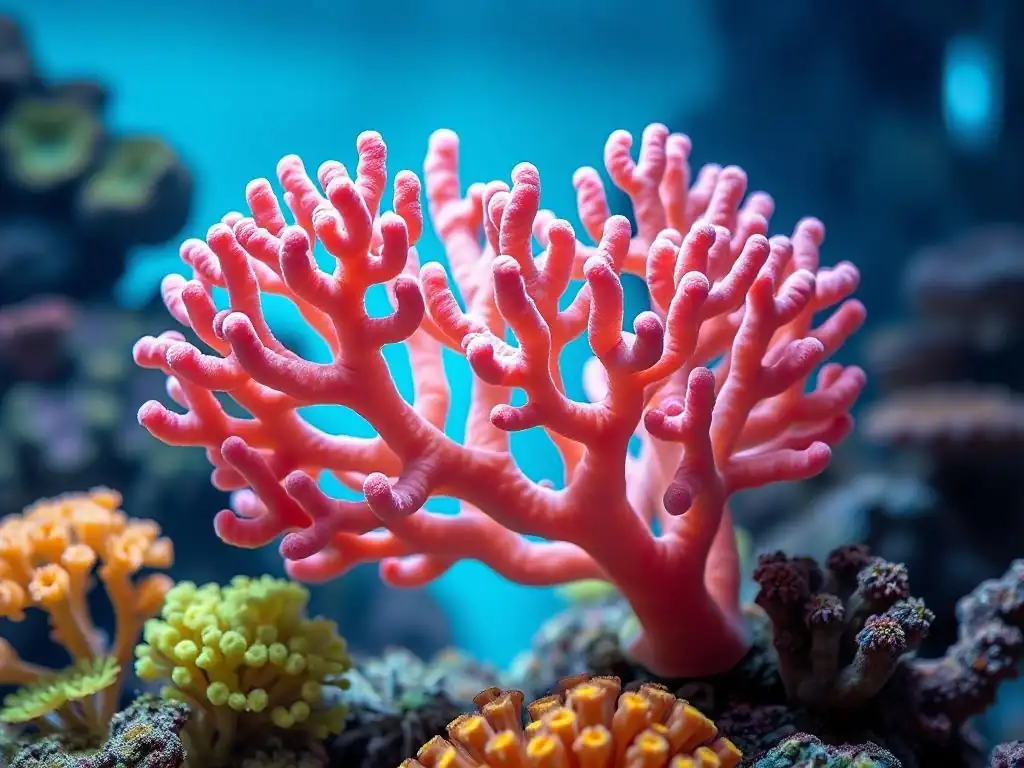
Finger Leather corals (e.g., Sinularia species, some Lobophytum) are highly prized for their elegant, branching structures that sway gracefully with water currents, adding a vital sense of natural movement and fluidity to a reef tank. Their unique forms, ranging from delicate, thin fingers to more robust, tree-like branches, contribute significantly to the visual complexity of the aquascape. When considering your reef coral placement, strategically position Finger Leathers in areas of moderate to strong, but indirect, water flow.
This optimal flow encourages their polyps to fully extend and their "fingers" to gently undulate, mimicking the natural motion of a vibrant reef. For example, placing a Sinularia finger leather on a mid-level rock shelf where it catches the turbulent output from a powerhead can create a mesmerizing display. Ensure they have enough space to grow without touching other corals, as some Sinularia species can release mild allelopathic chemicals. Their active movement contrasts beautifully with more static corals, enhancing the dynamic appeal of your reef aquarium.
Using Mushroom Corals for Ground Cover
Mushroom corals (Discosoma, Rhodactis, Ricordea) are exceptionally versatile and resilient soft corals, making them ideal candidates for creating vibrant ground cover or filling in bare spots on the rockscape or sandbed. Their wide variety of colors, textures, and patterns—from smooth, solid discs to bubbly, multi-colored surfaces—allows for incredible aesthetic diversity. Unlike many other corals, most mushroom species thrive in lower light and lower to moderate water flow conditions, making them perfect for shadier areas, underneath overhangs, or directly on the sandbed where other corals might struggle.
When planning your reef coral placement, consider using different species of mushrooms to create mosaic-like carpets of color. For instance, a cluster of bright red Rhodactis mushrooms can provide a striking contrast against green Discosoma varieties. While generally peaceful, some mushrooms, particularly Rhodactis, can spread rapidly and may eventually outcompete smaller, slower-growing corals if not managed. To control their spread, you can place them on isolated pieces of rock or in designated areas, allowing them to form dense, colorful patches without encroaching on more sensitive inhabitants.
Integrating Zoanthids for Vibrant Color Pops
Zoanthids (including Palythoa and Protopalythoa) are beloved by aquarists for their astonishing array of vibrant colors, intricate patterns, and relatively easy care, making them perfect for adding intense "color pops" throughout the reef tank. These colonial polyps encrust rockwork, forming dense mats that can transform drab areas into dazzling showcases. Their small size and diverse palette, ranging from neon greens and electric blues to deep reds and purples, allow for incredibly detailed and colorful reef coral placement.
When integrating Zoanthids into your reefscape, consider placing them in moderate light and moderate, indirect water flow. They thrive on uneven rock surfaces where they can encrust and spread. For instance, creating a "Zoanthid garden" on a specific rock by combining different color morphs can be visually spectacular.
Due to their encrusting nature and potential for rapid spread, it's wise to place them on isolated rocks or in areas where their growth can be contained, especially if you have slower-growing corals nearby. While generally peaceful, some Palythoa species can contain palytoxin, so always handle them with gloves as a safety precaution during soft coral placement and maintenance.
Troubleshooting Common Soft Coral Placement Issues
Soft Coral Not Opening: Potential Causes and Solutions
When a soft coral fails to open or extend its polyps, it's a clear sign of stress, and pinpointing the cause is crucial for effective reef coral placement troubleshooting. One common reason is poor water parameters: sudden spikes in ammonia, nitrite, or nitrate, or incorrect salinity (e.g., below 1.023 or above 1.027) and temperature (outside 76-82°F) can trigger a stress response.
For example, a new Sarcophyton leather coral might remain retracted for several days if placed in water with significantly different parameters than its previous environment. Physical irritation from fish, snails, or detritus settling on the coral's surface can also prevent it from opening.
Solutions involve a systematic approach. First, meticulously test all relevant water parameters (ammonia, nitrite, nitrate, pH, salinity, alkalinity, calcium, magnesium) and correct any imbalances through water changes or dosing. Second, assess the coral's current light and flow conditions; it might be receiving too much or too little of either.
A Pulsing Xenia that won't pulse might need more turbulent flow, while a bleached mushroom coral might need less light. Finally, inspect for physical irritants and gently brush off any detritus. If all else fails, consider moving the coral to a different spot with slightly varied light and flow, allowing it to find its "sweet spot" within your reef coral placement guide.
Coral Bleaching: Identifying and Addressing Light Stress
Coral bleaching in soft corals, characterized by the loss of their vibrant coloration and often a pale, translucent appearance, is primarily caused by excessive light intensity or sudden, drastic changes in lighting. When exposed to too much light, the symbiotic zooxanthellae algae living within the coral's tissues, which provide most of its color and energy, produce harmful reactive oxygen species. To protect itself, the coral expels these algae, leading to bleaching. For instance, moving a soft coral accustomed to moderate light directly under intense, new LED lights can cause immediate and severe bleaching within hours or days.
Addressing coral bleaching requires swift action. The immediate solution is to reduce the light stress: move the affected coral to a shadier area of the tank, lower in the water column, or under an overhang. If possible, you can also reduce the overall light intensity or shorten the photoperiod of your aquarium lighting.
Ensure all other water parameters are stable and optimal, as stressed corals are more susceptible to bleaching. With prompt intervention and a careful adjustment to its reef coral placement, many soft corals can recover their zooxanthellae and regain their color over several weeks, especially if the stressor is identified and removed quickly.
Algae Growth on Corals: Prevention and Removal
Algae growth on soft corals is a common issue that can hinder their health and aesthetic appeal. This problem typically arises from a combination of elevated nutrient levels (nitrates and phosphates) in the water, excessive light, and insufficient water flow around the coral.
Algae can smother coral polyps, block light, and compete for resources, leading to stress, recession, and potentially even tissue loss. For instance, if a leather coral is placed in a low-flow area of the tank with high nitrates (e.g., above 20 ppm) and phosphates (e.g., above 0.1 ppm), it can quickly become covered in green hair algae.
Prevention is key. Maintain consistently low nutrient levels through regular water changes (e.g., 10-20% weekly), efficient protein skimming, and the use of phosphate-removing media if necessary. Ensure adequate water flow around all soft corals to prevent detritus from settling and to inhibit algae attachment. If algae does appear, manual removal is often the first step: gently brush or siphon off the algae from the coral's surface. Introducing herbivorous snails (e.g., Trochus, Turbo) or fish (e.g., Tangs, Rabbitfish) can also help control algae in the tank overall, contributing to a cleaner environment for your soft coral placement.
Maintaining a Healthy and Beautiful Reef with Strategic Coral Placement
Regular Observation and Adjustment
Maintaining a healthy and beautiful reef aquarium, especially with diverse soft coral placement, is an ongoing process that heavily relies on regular observation and proactive adjustment. Daily visual checks of your corals are paramount. Look for subtle changes in color, polyp extension, tissue integrity, and growth patterns. For instance, a normally vibrant green Zoanthid colony might appear dull, or a Leather coral might remain retracted for longer than usual. These are early indicators of potential issues that require investigation.
This continuous monitoring allows you to catch problems before they escalate. If a coral appears stressed, immediately assess its surrounding environment: Is it getting enough light? Is the flow too strong or too weak? Is another coral encroaching on its space? Based on your observations, be prepared to make minor adjustments to its reef coral placement, whether it's a slight shift in position, a move to a different light zone, or even a temporary relocation to a quarantine tank for closer inspection. This iterative process of observation, assessment, and adjustment is the cornerstone of successful long-term reef keeping.
Water Parameter Monitoring and Maintenance
Consistent water parameter monitoring and maintenance are non-negotiable for the health and vibrancy of soft corals, directly impacting the success of your reef coral placement. Stable water chemistry prevents stress and allows corals to allocate energy towards growth and resilience. Key parameters include temperature (76-82°F), salinity (1.024-1.026 specific gravity), alkalinity (7-12 dKH), calcium (350-450 ppm), magnesium (1200-1400 ppm), and most critically for soft corals, low nitrates (below 10 ppm) and phosphates (below 0.05 ppm). Fluctuations in these parameters, even minor ones, can induce stress, leading to poor polyp extension or tissue recession.
Regular testing, typically weekly or bi-weekly depending on tank maturity and bioload, allows you to identify and correct deviations promptly. For example, if nitrates consistently climb above 10 ppm, it indicates a need for more frequent water changes or improved nutrient export methods like increased protein skimming. Consistent, small water changes (e.g., 10% weekly) are crucial for replenishing trace elements and diluting waste products. Maintaining these parameters within their optimal ranges ensures that corals, regardless of their specific reef coral placement, have the stable foundation they need to thrive and exhibit their best coloration and growth.
Preventing Pests and Diseases
Preventing pests and diseases is a critical aspect of maintaining a healthy reef and protecting your strategic soft coral placement. While soft corals are generally less susceptible to some of the devastating pests that plague stony corals, they are not immune. Common soft coral pests include various nudibranchs (e.g., Aeolid nudibranchs that prey on Xenia), flatworms, and certain types of parasitic snails. Diseases, though less common, can manifest as tissue necrosis or bacterial infections, often triggered by prolonged stress from poor water quality or improper placement.
The most effective preventative measure is a strict quarantine protocol for all new soft corals. Before introducing any new specimen to your main display tank, place it in a separate quarantine tank for at least 4-6 weeks. During this period, carefully inspect the coral daily for any visible pests or abnormalities.
Many aquarists also employ coral dips, using reef-safe solutions designed to dislodge or kill common pests, before placing the coral in quarantine or the main tank. Regular observation of your established corals, even those with ideal reef coral placement, allows for early detection and removal of any pests before they can proliferate and cause widespread damage to your valuable collection.
Advanced Soft Coral Placement Techniques for Experienced Reef Keepers
Fragging and Propagation for Controlled Growth
For experienced reef keepers, fragging (fragmenting) and propagating soft corals is an advanced technique that offers significant control over growth, shape, and ultimately, the aesthetic of your reef coral placement. Fast-growing soft corals like Pulsing Xenia, Kenya Tree, and various Leather corals (e.g., Sinularia) can quickly outgrow their designated space or overshadow slower-growing neighbors. Fragging allows you to trim these corals, maintaining their desired size and preventing them from becoming invasive, while simultaneously creating new coral colonies.
The process typically involves using a sharp, sterile blade to cut a small piece from the mother colony, then attaching the frag to a new frag plug or small piece of rock using super glue or rubber bands. These new frags can then be placed in different areas of the tank, expanding your reef coral placement options or traded with other hobbyists.
This controlled propagation allows you to sculpt your reefscape over time, ensuring that each soft coral maintains its ideal footprint and doesn't interfere with the growth or health of its neighbors, contributing to a more balanced and dynamic ecosystem.
Creating a Dynamic and Evolving Reefscape
For the seasoned aquarist, the reef tank is not a static display but a dynamic and evolving ecosystem that requires continuous interaction and thoughtful soft coral placement. As corals grow, mature, and potentially spread, the initial layout may need to be adjusted to maintain balance, visual appeal, and optimal health for all inhabitants.
This involves anticipating future growth and planning for it, or being willing to relocate corals as they mature. For instance, a small Lobophytum frag might fit perfectly in a certain spot, but its mature size could necessitate moving it to a more open area to prevent it from shading or chemically affecting other corals.
Creating a dynamic reefscape also involves experimenting with different light and flow zones, observing how corals respond, and making iterative adjustments. It’s about understanding the subtle cues your corals provide and responding proactively. This might include repositioning powerheads to alter flow patterns, or even performing minor rockscape rearrangements to open up new placement opportunities. Embracing this concept allows for a constantly evolving, living art piece, where the reef coral placement is a continuous process of refinement, leading to a truly unique and thriving underwater environment.
Utilizing Coral Placement for Natural Pest Control
While not a primary method of pest control, strategic soft coral placement can indirectly contribute to a more resilient system that is less susceptible to pest outbreaks. A healthy, well-spaced reef with robust corals is naturally more resistant to infestations than an overcrowded, stressed system. Corals that are thriving in their optimal light, flow, and nutrient conditions are better able to defend themselves against opportunistic pests. For example, a healthy leather coral that regularly sheds its cuticle is less likely to harbor nuisance algae or detritus, which can attract certain pests.
The principle here isn't to use one coral to "control" pests on another, but rather to ensure that every coral is placed in an environment where it can reach its peak health and vitality. When corals are placed optimally according to a comprehensive reef coral placement guide, they exhibit strong immune responses and are simply less attractive targets for pests.
Conversely, a tank with poor soft coral placement, leading to stressed or declining corals, creates an opportunistic environment where pests can more easily establish and proliferate. Therefore, a well-planned and maintained reef, where every coral is given the best chance to thrive, inherently becomes a more robust and pest-resistant ecosystem.
Conclusion: Mastering the Art of Soft Coral Placement
Achieving a Thriving and Visually Stunning Reef Aquarium
Mastering the art of soft coral placement is a cornerstone for achieving a truly thriving and visually stunning reef aquarium. It transcends simply putting corals in water; it's a thoughtful process that combines scientific understanding of each coral's needs with artistic vision to create a harmonious underwater landscape. By meticulously considering light intensity, water flow, potential chemical interactions, and future growth, aquarists can design a reefscape where every soft coral flourishes, exhibiting its most vibrant colors and natural forms. This strategic approach minimizes stress, prevents aggression, and fosters a robust, resilient ecosystem that can withstand minor fluctuations.
Ultimately, a well-executed reef coral placement guide leads to more than just healthy corals; it results in a captivating and dynamic display that is a constant source of wonder. The gentle sway of leather corals, the rhythmic pulse of Xenia, and the vibrant tapestry of Zoanthids all contribute to an immersive experience. The continuous observation, learning, and adjustment inherent in this process transform a simple tank into a living, evolving masterpiece, offering immense satisfaction and a deep connection to the intricate beauty of the marine world for any dedicated aquarist.
Frequently Asked Questions
How crucial is proper placement for soft corals in a reef aquarium?
Proper placement is extremely crucial for soft coral health and aesthetics. It impacts their access to light, water flow, and potential chemical warfare with other corals.
What are some key factors to consider when deciding where to place soft corals?
Consider light intensity needed by each species, water flow for nutrient delivery and waste removal, and potential stinging between different coral types to avoid issues.
Can I place different types of soft corals close together in my reef tank?
Generally, it's best to provide ample space. Some soft corals release chemical compounds that can harm or inhibit the growth of others, so avoid direct contact.
What role does water flow play in the health and placement of soft corals?
Water flow is vital! It delivers nutrients and oxygen while removing waste products. Different soft corals prefer varying flow rates, so research is essential.
How can I prevent soft corals from overgrowing and shading out other corals in my reef tank?
Regular pruning and trimming are essential for controlling growth. Also, consider placing faster-growing species in areas where their spread can be easily managed.
Final Reflection: Cultivating Harmony in the Reef
The principles of aquascaping, as explored in this Reef Coral Placement Guide, extend far beyond mere aesthetics; they represent a conscious effort to mimic and respect the delicate balance of natural reef ecosystems. Understanding the interplay of light, flow, and coral compatibility is not just about creating a visually appealing tank, but about fostering a thriving and sustainable environment for these incredible organisms.
The art of soft coral placement has profoundly influenced the way we perceive and interact with our home aquariums. It's a constant reminder that even within a confined space, we can cultivate a miniature world teeming with life and beauty. The sea, once it casts its spell, holds one in its net of wonder forever.
- Jacques Cousteau. This quote encapsulates the enduring fascination and responsibility we hold as reef keepers, striving to replicate the magic of the ocean within our own homes.
As you embark on your own reef-building journey, remember that patience and observation are your greatest allies. Let this guide serve as a foundation, but allow your creativity and understanding of your corals' individual needs to shape your unique underwater landscape. Embrace the challenge, celebrate the successes, and always strive to learn more, for in doing so, you not only create a stunning reef, but also contribute to a greater appreciation for the fragile beauty of our oceans.
Unleash Your Inner Reef Artist!
Thanks for diving into the art of soft coral placement! Hopefully, you’ve found some inspiration to elevate your reef tank design. Now, it's time to transform those ideas into reality.
Here are some ways you can take the next step:
- Start Small: Begin by repositioning one or two of your easiest-to-move soft corals and observe how they react to the new location over a few days. This helps avoid shocking the entire system.
- Share your reef transformation! Post before-and-after photos of your rearranged soft corals on a reefing forum or social media and tag Aquarium Mastery.
- Create a mood board of reef layouts that inspire you. Then, sketch out a plan for your own tank, considering flow, lighting, and coral compatibility.
What's one small change you're excited to make to your soft coral arrangement this week?