
Mushroom Coral Color Enhancement: Techniques for Brighter Hues

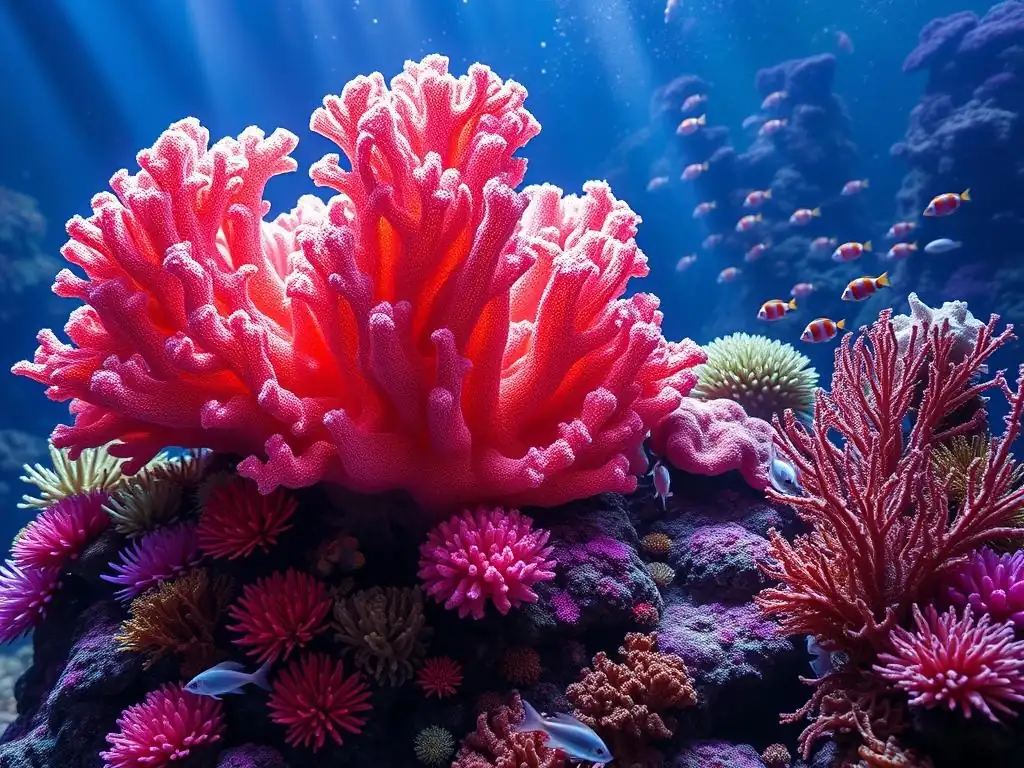
Welcome to Aquarium Mastery, where your underwater dreams become reality!
Ever wondered how to unlock the vibrant, breathtaking colors hidden within your mushroom corals? This article delves into the fascinating world of brighter coral color techniques, providing you with practical strategies to enhance the hues of your prized specimens. Prepare to be amazed as we unravel the secrets to a truly stunning reef aquarium!
- Understanding Mushroom Coral Coloration
- Brighter Coral Color Techniques: A Comprehensive Guide
- Specific Techniques for Enhancing Red, Green, and Blue Hues
- Troubleshooting Common Color Fading Issues
- Advanced Techniques for Achieving Exceptional Color
- Maintaining Long-Term Color Vibrancy in Mushroom Corals
-
Frequently Asked Questions
- How can I improve the color of my mushroom corals?
- What type of lighting is best for enhancing mushroom coral colors?
- Are there specific water parameters that affect mushroom coral coloration?
- What kind of food can I feed my mushroom corals to enhance their color?
- How often should I perform water changes to promote brighter coral colors?
- Final Reflection: Embracing the Vibrant Reef
- Ignite Your Coral's Inner Radiance!
Understanding Mushroom Coral Coloration
The Science Behind Mushroom Coral Pigmentation
Mushroom corals, like many other corals, derive their vibrant colors from a fascinating symbiotic relationship with microscopic algae called zooxanthellae, specifically from the Symbiodiniaceae family. These algae live within the coral's tissues and perform photosynthesis, converting light energy into sugars that the coral utilizes for energy and growth. The primary pigments responsible for the coral's brown and green hues often come directly from these zooxanthellae, whose density and health directly influence the coral's overall appearance.
Beyond the zooxanthellae, the mushroom coral host itself produces various fluorescent and non-fluorescent proteins, known as chromoproteins and fluorescent proteins. These proteins absorb light at specific wavelengths and re-emit it at different, often more vibrant, wavelengths. For example, Green Fluorescent Proteins (GFPs) absorb blue light (around 450-470nm) and re-emit it as green light, giving some mushrooms their striking emerald appearance. The specific combination and concentration of these host proteins, influenced by genetics and environmental conditions, create the diverse palette seen in mushroom corals.
Factors Affecting Mushroom Coral Color
Light Intensity and Spectrum's Role in Coral Color
Light is arguably the most critical environmental factor influencing mushroom coral coloration. Not only does it fuel the photosynthetic zooxanthellae, but specific wavelengths also trigger the coral host to produce various chromoproteins and fluorescent proteins. For instance, strong blue and violet light (in the 400-470nm range) is particularly effective at stimulating the production of many of these color-enhancing proteins, leading to more intense blues, purples, and even reds and greens.
The intensity of light, measured in Photosynthetically Active Radiation (PAR), also plays a crucial role. While mushroom corals generally prefer lower light conditions compared to SPS corals, an optimal PAR level is essential for their zooxanthellae to photosynthesize efficiently without causing stress. For most mushroom corals, a PAR range of 50-100 is ideal. Exceeding 150 PAR can lead to bleaching, where the coral expels its zooxanthellae, resulting in a pale or white appearance.
Water Quality Parameters and Coral Pigments
Stable and pristine water quality is foundational for achieving brighter coral color techniques. Key parameters such as alkalinity, calcium, and magnesium are vital for the coral's overall health and calcification, which indirectly supports vibrant pigmentation. Fluctuations in these parameters can stress the coral, leading to a dulling of colors or even tissue recession. For example, a rapid drop in alkalinity from an ideal 8.5 dKH to 6.0 dKH can severely stress corals, making them less capable of maintaining their vibrant hues.
Beyond major parameters, trace elements like iodine, strontium, and potassium are consumed by corals and zooxanthellae and are essential for various biological processes, including pigment production. While required in small amounts, deficiencies can impact color vibrancy. Regular water changes and targeted supplementation can help ensure these vital trace elements are consistently available, contributing significantly to brighter coral color techniques.
Nutrient Levels and Their Impact on Mushroom Coloration
The balance of nutrients, specifically nitrates and phosphates, has a profound impact on mushroom coral coloration. While corals require some level of nutrients for their symbiotic zooxanthellae to thrive, excessively high levels (e.g., nitrates above 20 ppm or phosphates above 0.2 ppm) can lead to an overpopulation of zooxanthellae. This often results in "browning out," where the coral appears dark brown or dull, as the increased density of zooxanthellae masks the coral's intrinsic colors.
Conversely, ultra-low nutrient systems (ULNS) can sometimes lead to very pale or almost translucent corals if not managed correctly with supplemental feeding. For optimal color, a "Goldilocks" zone is often sought: nitrates typically below 10 ppm and phosphates below 0.1 ppm. This balance allows the zooxanthellae to function efficiently while encouraging the coral to produce its vibrant host pigments, leading to more striking and brighter coral color techniques.
Brighter Coral Color Techniques: A Comprehensive Guide
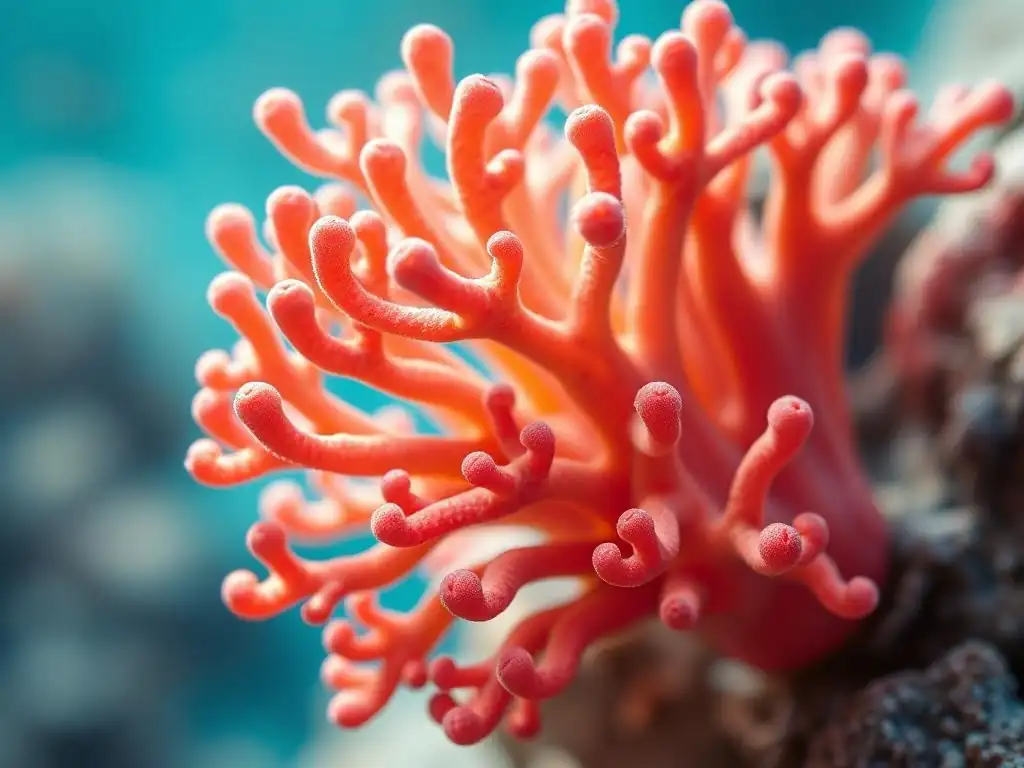
Optimizing Lighting for Vibrant Mushroom Coral Hues
Selecting the Right Light Spectrum for Mushroom Corals
Choosing the correct light spectrum is paramount for enhancing mushroom coral coloration. While white light provides general illumination, the blue and violet ends of the spectrum (specifically 400-470nm) are most effective at stimulating the fluorescent proteins within the coral tissue. These wavelengths penetrate deeper into the water column and are readily absorbed by the coral's pigments.
For mushroom corals, a spectrum heavily weighted towards royal blue (450-470nm) and violet (400-420nm) is often recommended. Many aquarists find that setting their blue channels to 70-80% intensity, with the remaining 20-30% dedicated to white, green, and red channels, yields the most vibrant results. This approach maximizes the fluorescence without over-stressing the zooxanthellae, contributing to brighter coral color techniques.
LED Lighting for Color Enhancement: A Detailed Look
LED lighting has revolutionized coral keeping due to its energy efficiency, longevity, and, most importantly, its tunability. Modern LED fixtures allow aquarists to precisely control individual color channels, enabling them to fine-tune the light spectrum to bring out the best in their mushroom corals. Brands like EcoTech Marine Radion, Kessil, or AI Hydra offer sophisticated control over blue, royal blue, violet, UV, green, and red diodes.
To achieve superior coloration, consider programming your LED lights to emphasize the blue and violet spectrum during peak viewing hours. For instance, a common strategy is to ramp up the blue and royal blue channels to their highest desired intensity, while keeping white and other channels at a lower setting. This specific spectrum encourages the production of vibrant fluorescent proteins, making red, green, and blue mushrooms pop with intensity.
Adjusting Light Intensity for Optimal Pigmentation
While spectrum is crucial, light intensity (PAR) must also be carefully managed for mushroom corals. As lower-light inhabitants, they generally thrive in PAR levels between 50 and 100. Too much light can cause stress, leading to bleaching, where the coral expels its symbiotic zooxanthellae, resulting in a pale or white appearance. Conversely, too little light can lead to browning as the coral increases its zooxanthellae density to compensate for insufficient energy.
Using a PAR meter is highly recommended to accurately assess light levels at different depths and locations within your aquarium. If your mushrooms appear pale or are retracting, gradually reduce light intensity or move them to a shadier spot. If they are browning, slowly increase intensity. Gradual adjustments, typically by 5-10% weekly, allow the coral to adapt and optimize its pigmentation for brighter coral color techniques.
Enhancing Water Quality for Enhanced Coral Color
Maintaining Proper Alkalinity, Calcium, and Magnesium Levels
Stable water parameters are the bedrock of a healthy reef tank and, by extension, vibrant coral coloration. Alkalinity, calcium, and magnesium are essential building blocks for coral growth and overall physiological function. Maintaining these within their ideal ranges helps prevent stress, which can lead to color fading. For example, target alkalinity levels should be consistently kept between 7-9 dKH, calcium between 400-450 ppm, and magnesium between 1250-1350 ppm.
Consistent daily or weekly testing of these parameters is crucial. Fluctuations exceeding 0.5 dKH for alkalinity or 20 ppm for calcium within a 24-hour period can cause stress and inhibit the coral's ability to express its full color potential. Implementing a reliable dosing regimen (e.g., two-part solutions or a calcium reactor) or performing regular, substantial water changes will ensure these parameters remain stable, supporting brighter coral color techniques.
The Importance of Trace Elements for Mushroom Coral Color
Beyond the major parameters, trace elements play a subtle yet vital role in coral health and color. Elements like iodine, strontium, potassium, and iron are consumed by corals and their symbiotic algae for various metabolic processes, including the synthesis of pigments. While most quality salt mixes contain these elements, they are quickly depleted in a thriving reef tank.
Supplementing with a high-quality trace element blend designed for reef aquariums can significantly contribute to enhanced coloration. For instance, iodine is often linked to blue and purple hues, while potassium can influence green and red pigments. Dosing according to the manufacturer's instructions, typically a few milliliters per 100 liters weekly, can replenish these essential micronutrients, helping corals maintain their peak vibrancy and supporting brighter coral color techniques.
Regular Water Changes and Their Effect on Coral Pigments
Regular water changes are one of the most fundamental and effective methods for maintaining pristine water quality and promoting vibrant coral colors. They serve a dual purpose: diluting accumulated pollutants such as nitrates and phosphates, and replenishing essential trace elements that corals consume over time. Even with advanced filtration, waste products can build up, leading to duller coral colors or even disease.
Performing weekly or bi-weekly water changes of 10-20% of the tank volume using a high-quality salt mix is highly recommended. This practice ensures that corals are consistently bathed in clean, mineral-rich water. For example, a 15% weekly water change in a 100-gallon system replaces 15 gallons of water, effectively removing accumulated wastes and providing a fresh supply of elements vital for pigment production, thus contributing to brighter coral color techniques.
Nutritional Strategies for Vibrant Mushroom Coral Color
Target Feeding Mushroom Corals for Color Improvement
While mushroom corals primarily rely on photosynthesis for energy, supplemental feeding can significantly boost their growth, health, and, consequently, their coloration. Many species of mushroom corals are capable of consuming small particulate foods, absorbing dissolved organic matter, and even capturing small zooplankton. Providing a diverse diet can supply essential nutrients that may not be fully met by photosynthesis alone.
Target feeding, where food is directly squirted onto or near the mushroom, ensures that the coral receives the nutrients it needs. Feeding once or twice a week with a quality liquid coral food containing phytoplankton, zooplankton, or a blend of both can provide essential fatty acids, amino acids, and other compounds that directly support the production of vibrant pigments. Observe your specific mushrooms; some may show a more pronounced feeding response than others.
Choosing the Right Coral Foods for Color Enhancement
Selecting the appropriate coral food is crucial for maximizing color enhancement in mushroom corals. Given their relatively small mouths and passive feeding mechanisms, fine-particle foods are generally preferred. Phytoplankton, such as Nannochloropsis or Tetraselmis, provides essential fatty acids and carotenoids that can be incorporated into coral pigments, enhancing green and red hues.
Zooplankton-based foods, like rotifers or specialized coral foods such as Reef-Roids, provide proteins and other nutrients vital for growth and color. Look for foods that list ingredients beneficial for coloration, such as spirulina, chlorella, or other algae extracts rich in astaxanthin. For instance, products containing natural carotenoids can subtly intensify orange and red pigments. Always start with small amounts and increase gradually to avoid overfeeding and water quality issues.
Avoiding Overfeeding and Its Negative Impact on Color
While supplemental feeding can boost coral color, overfeeding can quickly negate any benefits and lead to detrimental effects on water quality and coral vibrancy. Excess food breaks down, releasing nitrates and phosphates into the water column. These elevated nutrient levels can fuel nuisance algae growth, which competes with corals for light and nutrients, and can also lead to "browning out" in corals as zooxanthellae density increases.
For example, consistently adding too much food can cause nitrate levels to spike from an ideal 5 ppm to over 20 ppm within a few days. This rapid increase often triggers outbreaks of unsightly algae like green hair algae or cyanobacteria, which can smother corals and block light, thereby diminishing their natural colors. A balanced approach involves feeding small amounts, observing coral response, and ensuring robust nutrient export mechanisms are in place to counteract any nutrient spikes.
Controlling Algae Growth to Promote Brighter Coral Color
Algae's Impact on Coral Color and Health
Nuisance algae, whether it's green hair algae, diatoms, or cyanobacteria, poses a significant threat to coral health and, by extension, their vibrant coloration. Algae compete directly with corals for essential nutrients like nitrates and phosphates. More critically, a dense growth of algae on rocks, substrate, or even directly on the coral's surface can physically block light from reaching the coral's symbiotic zooxanthellae.
When light is obstructed, the zooxanthellae cannot photosynthesize effectively, leading to reduced energy production for the coral. This can cause the coral to appear dull, pale, or even brown out as it tries to compensate. For instance, a thick mat of hair algae on a mushroom coral can reduce the PAR reaching its tissues by 30-50%, leading to a noticeable fading of its intrinsic colors over time due to light deprivation.
Effective Algae Control Methods in Reef Tanks
Effective algae control is crucial for maintaining pristine water quality and allowing corals to display their full spectrum of colors. The primary strategy involves robust nutrient export to keep nitrates and phosphates at very low levels. This can be achieved through several methods: a high-quality protein skimmer, which removes organic waste before it breaks down; a refugium with macroalgae like Chaetomorpha, which outcompetes nuisance algae for nutrients; and chemical filtration media such as GFO (granular ferric oxide) for phosphate removal or activated carbon for dissolved organics.
Regular manual removal of visible algae, particularly during water changes, also prevents it from getting established. For example, consistently running a protein skimmer rated for 2-3 times your tank volume and performing weekly water changes of 15% can keep nitrates below 5 ppm and phosphates below 0.05 ppm, effectively starving out most nuisance algae.
Introducing Algae-Eating Invertebrates for Natural Control
A well-chosen clean-up crew (CUC) of algae-eating invertebrates provides a natural and continuous method of algae control, contributing to brighter coral color techniques. These invertebrates graze on developing algae films, preventing them from becoming unsightly mats that can overshadow corals. Snails, hermit crabs, and certain sea urchins are popular choices for their effectiveness.
For instance, Turbo snails (e.g., Turban snails) are excellent at consuming green hair algae and diatoms, with a general recommendation of one snail per 10 gallons. Astrea snails and Nassarius snails also contribute to keeping rocks and sand beds clean. Blue Leg Hermit Crabs are effective grazers, though caution is advised as some may bother corals. A diverse CUC ensures that various types of algae are targeted, maintaining clear surfaces for optimal light penetration and allowing your mushroom corals to fully express their vibrant hues.
Specific Techniques for Enhancing Red, Green, and Blue Hues
Enhancing Red Pigmentation in Mushroom Corals
To intensify red pigmentation in mushroom corals, a multi-faceted approach focusing on specific lighting and nutrient strategies is beneficial. While blue light (450-470nm) is crucial for stimulating many fluorescent proteins, including those that appear red under specific lighting, some aquarists find that a small component of red light (around 660nm) in the spectrum can subtly enhance the expression of red chromoproteins in the coral host. However, excessive red light can promote nuisance algae, so moderation is key.
Nutritionally, amino acid supplements are often highlighted for their role in promoting vibrant coloration, including reds. Products like Fauna Marin Color Elements Red or similar amino acid blends provide the building blocks for the coral's protein synthesis. Dosing these supplements according to manufacturer instructions (e.g., 5ml per 100 liters weekly for several weeks) has been anecdotally reported to deepen red and orange hues in various corals, including mushroom varieties, making them more striking.
Intensifying Green Coloration in Mushroom Corals
Green coloration in mushroom corals is primarily attributed to Green Fluorescent Proteins (GFPs), which are highly responsive to blue light. To intensify green hues, optimizing your lighting spectrum to emphasize royal blue (450-470nm) and violet (400-420nm) wavelengths is the most effective strategy. These wavelengths effectively excite the GFPs, causing them to fluoresce brightly. Ensuring the PAR level is within the optimal range of 50-100 for mushrooms also ensures the zooxanthellae are healthy and contributing to the overall green vibrancy.
Beyond lighting, maintaining pristine water quality and ensuring the availability of trace elements can support robust GFP production. Some aquarists have noted that consistent potassium levels, maintained within the range of 380-410 ppm, can subtly aid in the vibrancy of green pigments. Regular water changes and the use of high-quality salt mixes will help provide these essential elements, contributing to brighter coral color techniques.
Achieving Vibrant Blue Hues in Mushroom Corals
Achieving vibrant blue hues in mushroom corals is largely dependent on providing the correct lighting spectrum. Blue and purple mushroom corals typically contain chromoproteins that absorb light in the blue and violet range and reflect it back as blue. Therefore, maximizing the royal blue (450-470nm) and violet (400-420nm) channels on your LED lighting system is paramount. Many successful reefers set their blue channels to 80-100% intensity during peak hours, while keeping white and other color channels at significantly lower levels.
This blue-heavy spectrum not only directly excites the blue chromoproteins but also creates a visually stunning "pop" through fluorescence. Consistent water parameters, particularly stable alkalinity and magnesium, also support overall coral health, which is essential for the coral to dedicate energy to pigment production. By focusing on a strong blue light regimen, aquarists can significantly enhance the natural blue fluorescence and achieve truly vibrant blue hues.
Troubleshooting Common Color Fading Issues
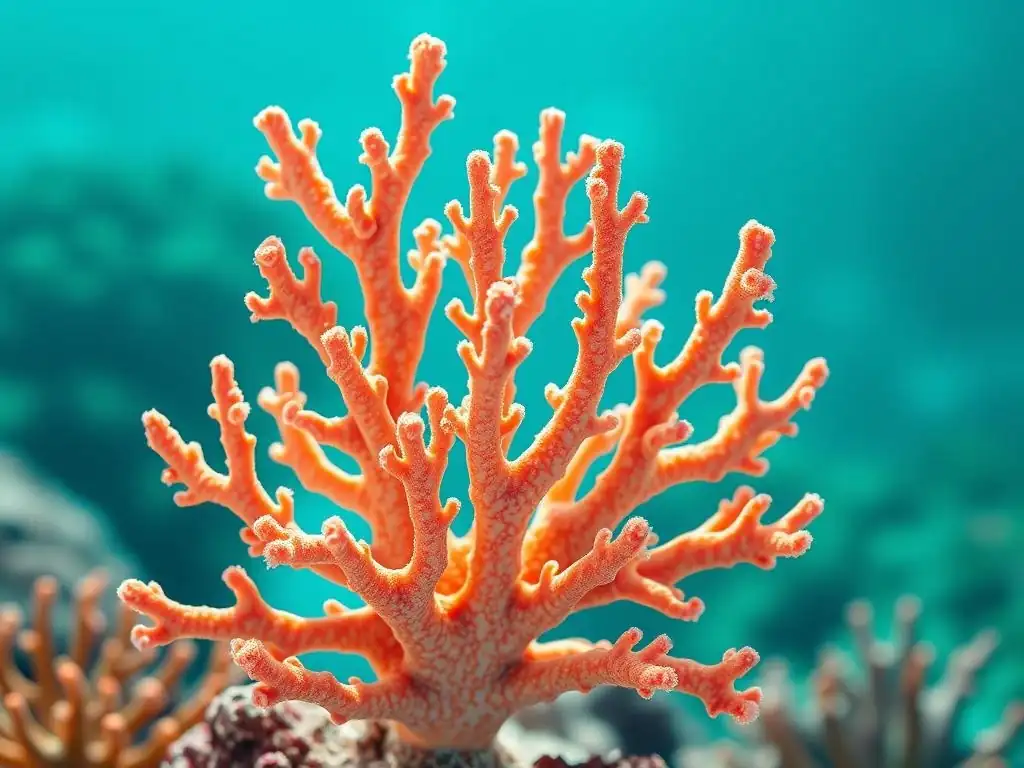
Identifying the Causes of Mushroom Coral Color Loss
Mushroom coral color loss can be a distressing issue for aquarists, and pinpointing the exact cause is the first step toward recovery. Common culprits include: incorrect lighting (either too much or too little, or an inappropriate spectrum), unstable or unsuitable water parameters (e.g., alkalinity swings, nutrient extremes), disease, or general environmental stress (e.g., temperature fluctuations, sudden changes in flow). For example, a sudden temperature spike above 82°F (28°C) or a drop below 74°F (23°C) can cause significant stress leading to color fading within hours.
Another frequent cause is acclimation shock. Moving a mushroom coral from a low-light environment to a high-light area without proper acclimation can cause immediate stress and color loss. Similarly, a rapid change in salinity or pH can have immediate adverse effects. Observing the coral's behavior, such as retraction or sliming, alongside color changes, can provide critical clues about the underlying problem.
Bleaching vs. Browning: Understanding the Differences
When mushroom corals lose color, it typically manifests as either bleaching or browning, each indicating different underlying issues. Bleaching occurs when the coral expels its symbiotic zooxanthellae or the zooxanthellae lose their photosynthetic pigments. This usually results in the coral appearing pale, white, or translucent, revealing the white calcium carbonate skeleton beneath. Bleaching is most often caused by excessive light intensity (e.g., PAR above 150 for mushrooms), high water temperatures (above 82°F/28°C), or severe water quality issues like nutrient starvation (ULNS without proper feeding) or chemical contamination.
Browning, on the other hand, occurs when the coral's zooxanthellae population becomes too dense, or when the coral itself is stressed and produces excess brown pigments. This makes the coral appear muddy brown, dull, or dark. Browning is commonly caused by insufficient light intensity (e.g., PAR consistently below 30 for mushrooms), or excessively high nutrient levels (e.g., nitrates above 20 ppm, phosphates above 0.2 ppm) that fuel zooxanthellae overgrowth. Understanding this distinction is crucial for applying the correct corrective actions.
Corrective Actions for Faded Coral Colors
Adjusting Parameters and Implementing Changes Gradually
Once the cause of color fading is identified, corrective actions must be implemented, but always gradually to avoid further stress. If excessive light is suspected as the cause of bleaching, reduce the light intensity by 10-15% over a week, or move the coral to a shadier location in the tank. For browning due to insufficient light, slowly increase the PAR by 5-10% weekly until the desired color returns.
For water parameter issues, correct them slowly. If alkalinity has dropped, raise it by no more than 0.5 dKH per day. If nutrients are excessively high, implement robust nutrient export methods like increased protein skimming, GFO, or more frequent, larger water changes (e.g., 25% bi-weekly) rather than drastic interventions. Gradual adjustments allow the coral time to adapt and recover, promoting a return to brighter coral color techniques.
Advanced Techniques for Achieving Exceptional Color
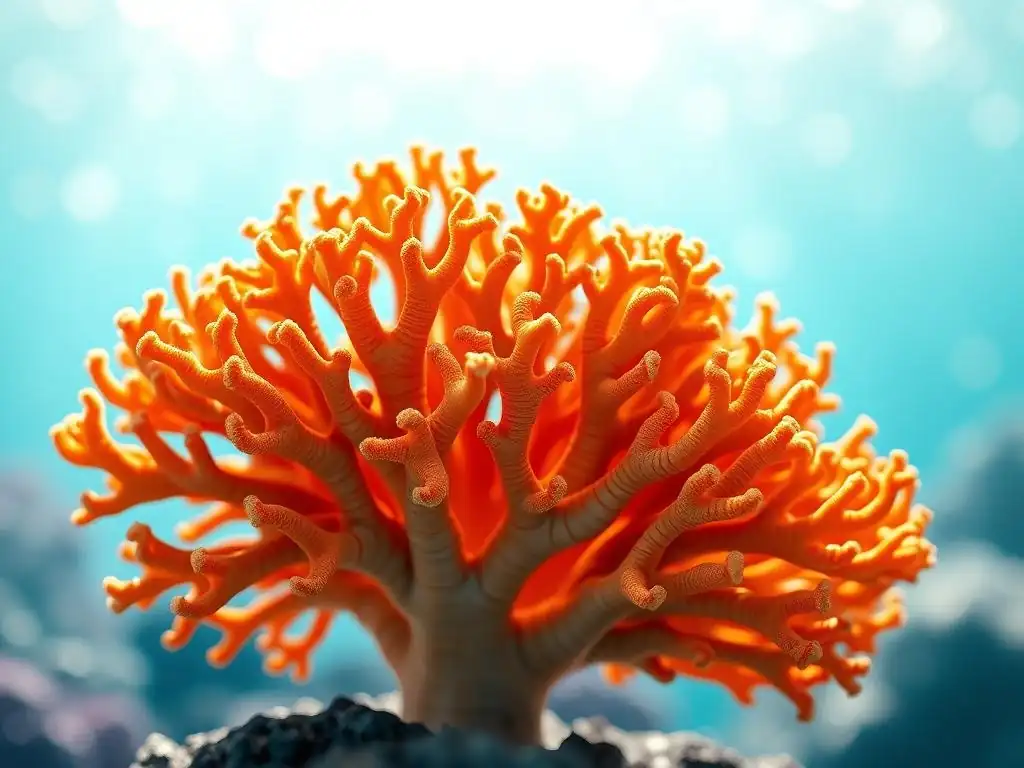
Using Amino Acid Supplements for Color Enhancement
Amino acid supplements have gained popularity among advanced reef aquarists for their ability to significantly enhance coral coloration, particularly in species like mushroom corals. Amino acids are the fundamental building blocks of proteins, including the chromoproteins and fluorescent proteins responsible for a coral's vibrant hues. While corals primarily derive energy from their symbiotic zooxanthellae, supplemental amino acids provide the raw materials needed for intensive pigment production.
Products like Brightwell Aquatics AminŌMega, Fauna Marin Coral Balance, or AcroPower contain specific blends of amino acids that corals can directly absorb. Dosing 1-2 ml per 25 gallons weekly, as per product instructions, can lead to a noticeable intensification of colors, especially blues, reds, and greens, over a period of 4-6 weeks. These supplements are particularly effective in ultra-low nutrient systems where corals might otherwise appear pale due to a lack of essential building blocks.
Employing Carbon Dosing for Improved Coloration
Carbon dosing is an advanced technique used to reduce nitrate and phosphate levels to near undetectable amounts, creating an ultra-low nutrient system (ULNS). This method involves adding a carbon source (such as pharmaceutical-grade vodka, vinegar, or commercial carbon sources) to the aquarium, which fuels the proliferation of beneficial bacteria that consume nitrates and phosphates. These bacteria are then removed by the protein skimmer.
By maintaining extremely low nutrient levels (e.g., nitrates below 0.2 ppm and phosphates below 0.01 ppm), carbon dosing encourages corals to shed excess zooxanthellae, allowing their intrinsic host pigments to become more dominant and vibrant. For instance, starting with 0.1 ml of vodka per 25 gallons daily and gradually increasing can reduce nitrate levels from 20 ppm to near zero within 3-4 weeks. This results in cleaner, brighter, and more saturated coral colors, as the "browning out" effect is eliminated.
Implementing a Zeovit System for Optimal Color
The Zeovit system, developed by Korallen-Zucht, is a highly specialized and comprehensive ultra-low nutrient system (ULNS) renowned for achieving exceptional coral coloration, particularly in SPS corals, but also beneficial for soft corals like mushrooms. It involves a precise regimen of zeolite media, specific bacterial strains (ZeoBak), and a range of liquid supplements that work synergistically to strip the water of nutrients and provide specific trace elements and amino acids.
While demanding in terms of adherence to a strict dosing schedule and regular maintenance, the Zeovit system can lead to unparalleled color saturation and clarity in corals. Users often report that their corals exhibit a "pastel" or "neon" appearance due to the extreme reduction in zooxanthellae density, allowing the coral's natural host pigments to shine through with incredible intensity. For example, some red mushrooms under a well-managed Zeovit system can achieve a striking, almost fluorescent red that is difficult to replicate with other methods.
Maintaining Long-Term Color Vibrancy in Mushroom Corals
Regular Monitoring of Water Parameters and Lighting
Maintaining long-term color vibrancy in mushroom corals is an ongoing commitment that hinges on consistent monitoring and proactive adjustments. Regularly testing key water parameters such as alkalinity, calcium, magnesium, nitrates, and phosphates is paramount. Weekly testing of alkalinity, calcium, and magnesium, coupled with monthly checks of nitrate and phosphate, allows for early detection of deviations. For instance, if alkalinity consistently drops by 0.3 dKH per day, it signals a need to adjust dosing to maintain the ideal 8.0-8.5 dKH range.
Equally important is the consistent management of lighting. While initial light settings are crucial, bulbs degrade over time, and LED efficiency can vary. Periodically checking PAR levels with a meter and ensuring your light schedule remains appropriate for your mushroom corals, especially as they grow or if new corals are added, is vital. This proactive approach prevents the gradual color fade that can occur from subtle shifts in the environment.
Adapting Strategies Based on Coral Response
Mushroom corals, like all living organisms, respond to their environment, and their coloration is a direct visual cue to their health and contentment. To maintain long-term vibrancy, aquarists must be observant and willing to adapt their strategies based on the coral's response. If a mushroom coral that was previously vibrant starts to appear pale or bleached, it might indicate too much light or a nutrient deficiency, prompting a slight reduction in PAR or an increase in target feeding.
Conversely, if a bright green mushroom begins to brown out, it could signal insufficient light or excessively high nutrient levels, requiring a slight increase in light intensity or a boost in nutrient export. The ability to recognize these subtle changes and make gradual, informed adjustments to lighting, feeding, or water parameters is key to sustaining brighter coral color techniques over the long term.
Preventing Future Color Fading Issues
Preventing future color fading issues in mushroom corals involves a holistic approach that integrates all the best practices discussed. The foundation is consistent water quality: performing regular 10-15% weekly water changes, maintaining stable alkalinity (e.g., 8.0-8.5 dKH), calcium (400-450 ppm), and magnesium (1250-1350 ppm), and keeping nitrates below 10 ppm and phosphates below 0.1 ppm. These stable parameters reduce stress and support healthy zooxanthellae.
Optimizing lighting with the right spectrum (blue/violet heavy) and intensity (50-100 PAR for most mushrooms) is crucial. Implementing a balanced nutritional strategy through targeted feeding with quality coral foods, while avoiding overfeeding, provides essential building blocks for pigments. Finally, robust algae control through effective nutrient export and a diligent clean-up crew ensures that light is not blocked and nutrients are not diverted to nuisance algae. Adhering to these preventative measures will significantly enhance the long-term vibrancy and health of your mushroom corals.
Frequently Asked Questions
How can I improve the color of my mushroom corals?
Several factors contribute to mushroom coral color. You can improve coloration by optimizing water parameters, providing proper lighting, and ensuring adequate nutrition.
What type of lighting is best for enhancing mushroom coral colors?
Mushroom corals thrive under moderate lighting. LEDs with a spectrum that includes blue and actinic wavelengths are often recommended to bring out vibrant colors.
Are there specific water parameters that affect mushroom coral coloration?
Yes, maintaining stable water parameters is crucial. Pay close attention to alkalinity, calcium, and magnesium levels. Also, minimize nitrates and phosphates to prevent algae growth that can dull coral colors.
What kind of food can I feed my mushroom corals to enhance their color?
While mushroom corals can photosynthesize, supplementing their diet with small particulate foods like zooplankton or phytoplankton can enhance coloration. Target feeding is often the most effective approach.
How often should I perform water changes to promote brighter coral colors?
Regular water changes are essential for maintaining stable water parameters and removing excess nutrients. Aim for 10-20% water changes every one to two weeks to promote healthy coral growth and vibrant colors.
Final Reflection: Embracing the Vibrant Reef
The techniques explored in this article, focused on achieving brighter coral color, are not merely about aesthetics; they represent a deeper understanding of the delicate balance within our marine ecosystems. In a world increasingly threatened by climate change and pollution, preserving and enhancing the vibrancy of coral reefs is a crucial step towards safeguarding their future and the biodiversity they support.
This journey into the science and art of coral color enhancement has underscored the profound interconnectedness of life in our oceans. Witnessing the transformation of dull corals into radiant displays of color is a powerful reminder of the resilience and beauty that still exists, even in the face of adversity. In the end, we will conserve only what we love; we will love only what we understand; and we will understand only what we are taught.
- Baba Dioum. This quote perfectly encapsulates the importance of understanding and appreciating the intricate beauty of coral reefs, inspiring us to protect them.
Now, I invite you to reflect on your own role in preserving these underwater wonders. Whether you're an experienced aquarist, a budding marine biologist, or simply someone who appreciates the beauty of the natural world, consider how you can contribute to the health and vibrancy of our coral reefs. By embracing sustainable practices, supporting conservation efforts, and sharing your knowledge with others, you can become a vital part of the movement to ensure that future generations can marvel at the breathtaking spectacle of brighter coral color for years to come.
Ignite Your Coral's Inner Radiance!
Thank you for diving into the art of mushroom coral color enhancement! We hope you’ve discovered some valuable secrets to unlocking brighter hues in your aquarium. Now it's time to put that knowledge into action!
Here's how to take the next steps:
- Start slowly! Begin with subtle adjustments to your lighting schedule or water parameters – patience is key to stunning, healthy corals.
- Share your success! Post a before-and-after photo of your mushroom coral on social media using #AquariumMasteryColor and inspire other reef keepers.
- Delve deeper! Research specific trace elements, like iron or potassium, and experiment (carefully!) with their impact on coloration.
What unexpected color variations have you observed in your mushroom corals, and how did you encourage them?