
Euphyllia Compatibility: Choosing Tank Mates Wisely for Your LPS

Welcome to Aquarium Mastery, your ultimate guide to thriving aquatic ecosystems!
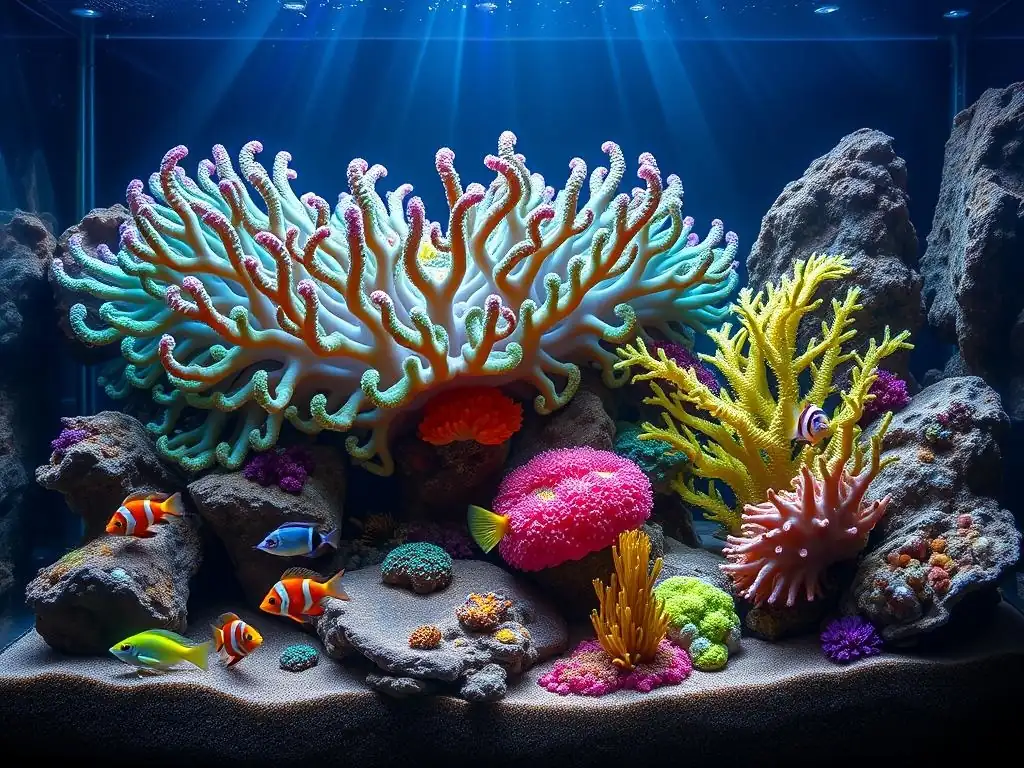
Ever wondered if that stunning Euphyllia coral will play nicely with your other tank inhabitants? Unlocking the secrets to a harmonious reef environment starts with understanding compatibility. Dive into our article on Euphyllia LPS compatible tanks and discover how to create a balanced and beautiful aquarium where all your prized corals and fish can flourish. Let's explore the captivating world of LPS corals and ensure your reef thrives!
- Understanding Euphyllia Corals and Their Needs
- Assessing the Compatibility of Potential Tank Mates with Euphyllia LPS
- Creating a Balanced Reef Ecosystem for Euphyllia and Other LPS Corals
- Specific Examples of Euphyllia LPS Compatible Tank Mates
- Troubleshooting Compatibility Issues in Your Euphyllia Reef Tank
- Tips for Success: Ensuring a Harmonious Reef Environment with Euphyllia
-
Frequently Asked Questions
- What exactly does "Euphyllia LPS compatible tank" mean?
- What are some fish species that are generally considered not compatible with Euphyllia LPS corals?
- Besides fish, what other types of tank mates should I be cautious about when keeping Euphyllia?
- How important is water chemistry in maintaining a Euphyllia LPS compatible tank?
- What are some signs that my Euphyllia is not thriving in its current tank environment?
- Final Reflection: Cultivating Harmony in Your Reef
- Ignite Your Reef Tank: Start Thriving with Euphyllia!
Understanding Euphyllia Corals and Their Needs
What are Euphyllia Corals? (Torch, Hammer, Frogspawn)
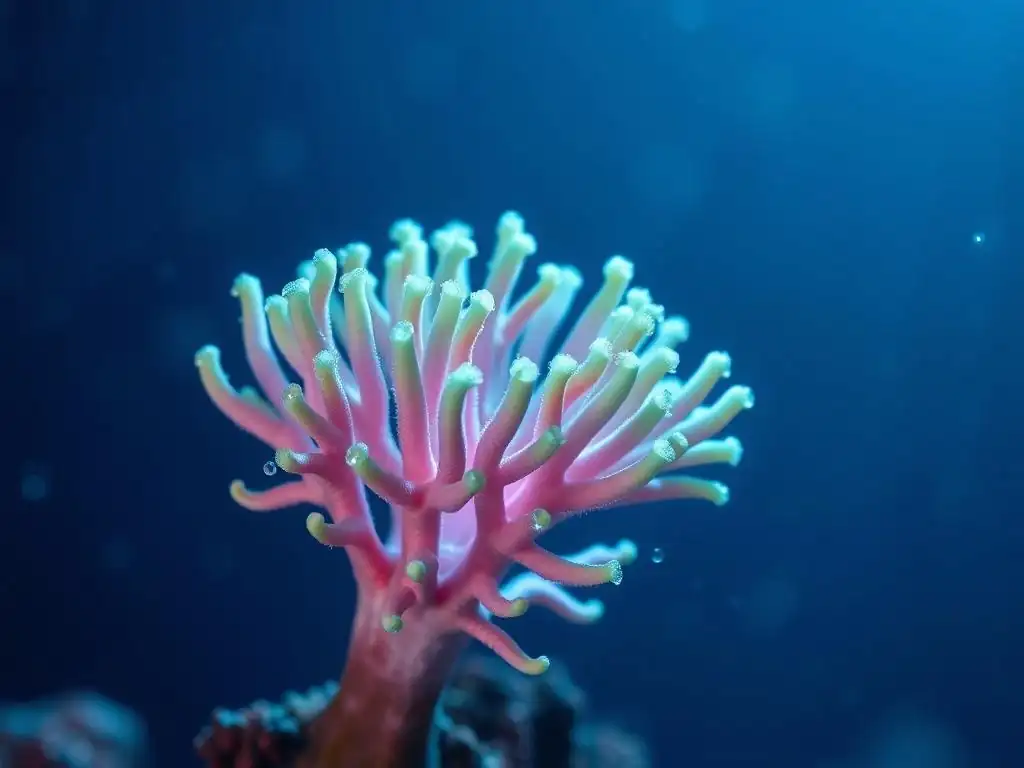
Euphyllia corals, often referred to as "LPS" (Large Polyp Stony) corals, are a highly sought-after group in the reef aquarium hobby due to their vibrant colors and mesmerizing, flowing polyps. This genus includes popular species such as Torch corals ( Euphyllia glabrescens), Hammer corals ( Euphyllia ancora and Euphyllia parancora), and Frogspawn corals ( Euphyllia divisa).
Each type boasts unique polyp structures, with Torch corals featuring long, singular tentacles ending in a rounded tip, Hammer corals displaying T-shaped tips, and Frogspawn corals exhibiting multiple bubbly tips on each polyp. These corals are photosynthetic, relying on zooxanthellae algae for a significant portion of their energy, but they also benefit from target feeding.
Despite their beauty, Euphyllia corals are renowned for their potent stinging capabilities. They possess long "sweeper tentacles" that can extend significantly, sometimes up to 6-12 inches, especially at night, to defend their territory or capture food. This defensive mechanism, while vital for their survival in the wild, poses a significant challenge in a confined aquarium environment. Understanding these characteristics is fundamental to ensuring a peaceful and thriving Euphyllia LPS compatible tank, as their aggressive nature necessitates careful consideration of their neighbors to prevent harm to other corals and even slow-moving fish.
Optimal Tank Parameters for Healthy Euphyllia Growth
Maintaining stable and precise water parameters is paramount for the health and vitality of Euphyllia corals. These LPS corals thrive in mature reef environments that mimic their natural oceanic habitats. Key parameters to consistently monitor include temperature, which should ideally remain between 74-78°F (23-26°C), and salinity, kept stable at 1.025-1.026 specific gravity. Fluctuations in these basic parameters can quickly stress Euphyllia, leading to tissue recession or bleaching.
Beyond the basics, chemical stability is crucial for calcifying corals. Alkalinity should be maintained within a range of 8-11 dKH, calcium between 400-450 ppm, and magnesium at 1250-1350 ppm. These elements are essential for their skeletal growth. Furthermore, nitrates should be kept below 10 ppm and phosphates below 0.03 ppm to prevent nuisance algae growth and ensure optimal coral health. Consistent monitoring and regular small water changes (e.g., 10-20% every two weeks) are vital to replenish trace elements and export accumulated wastes, contributing significantly to a successful Euphyllia LPS compatible tank.
Importance of Compatibility in a Reef Aquarium
Compatibility is not merely a suggestion but a critical foundation for a thriving reef aquarium, especially when housing LPS corals like Euphyllia. Incompatible tank mates, whether fish, invertebrates, or other coral species, can introduce constant stress to Euphyllia, leading to a cascade of negative effects. Fish that nip at polyps, aggressive invertebrates that disturb their base, or neighboring corals that engage in chemical or physical warfare can cause Euphyllia to retract, stop feeding, or even suffer tissue necrosis, which is often irreversible.
A harmonious Euphyllia LPS compatible tank minimizes stress, allowing these corals to fully extend their polyps, feed efficiently, and grow robustly. When all inhabitants coexist peacefully, the overall ecosystem benefits from reduced disease susceptibility, improved water quality through efficient nutrient cycling, and enhanced aesthetic appeal. Conversely, a tank fraught with compatibility issues becomes a constant battleground, requiring frequent intervention and often leading to the loss of valuable livestock. Prioritizing compatibility from the initial planning stages is therefore essential for long-term success and enjoyment of your reef aquarium.
Assessing the Compatibility of Potential Tank Mates with Euphyllia LPS
Identifying Aggressive Fish Species to Avoid
When establishing a Euphyllia LPS compatible tank, the selection of fish species is crucial, as certain fish can pose a direct threat to these delicate corals. Large angelfish, such as the Emperor Angelfish ( Pomacanthus imperator) or Queen Angelfish ( Holacanthus ciliaris), are notorious for nipping at the fleshy polyps of LPS corals, including Euphyllia. While some hobbyists have success with certain dwarf angelfish, even they carry a risk, and it's generally safer to avoid them if Euphyllia health is a top priority.
Similarly, triggerfish and large puffers are almost universally incompatible with a coral-dominated reef tank. Species like the Clown Triggerfish ( Balistoides conspicillum) or Dogface Puffer ( Arothron nigropunctatus) possess strong jaws designed to crush shells and crustaceans, making them highly prone to nipping and damaging corals. Even seemingly innocuous species like some larger wrasses, such as the Lunar Wrasse ( Thalassoma lunare), can become problematic as they mature, potentially disturbing or even preying upon the coral's soft tissues. Avoiding these aggressive or opportunistic feeders is a fundamental step in creating a safe environment for your Euphyllia.
Selecting Peaceful Fish for a Euphyllia-Dominated Tank
For a truly harmonious Euphyllia LPS compatible tank, prioritizing peaceful and reef-safe fish species is key. Many gobies are excellent choices due to their small size, non-aggressive nature, and often beneficial behaviors. Species like the Yellow Watchman Goby ( Cryptocentrus cinctus) or Diamond Watchman Goby ( Valenciennea puellaris) are peaceful sand-sifters that typically ignore corals. Blennies, such as the Midas Blenny ( Ecsenius midas) or Lawnmower Blenny ( Salarias fasciatus), are also great additions, primarily focused on algae grazing and generally leaving corals undisturbed.
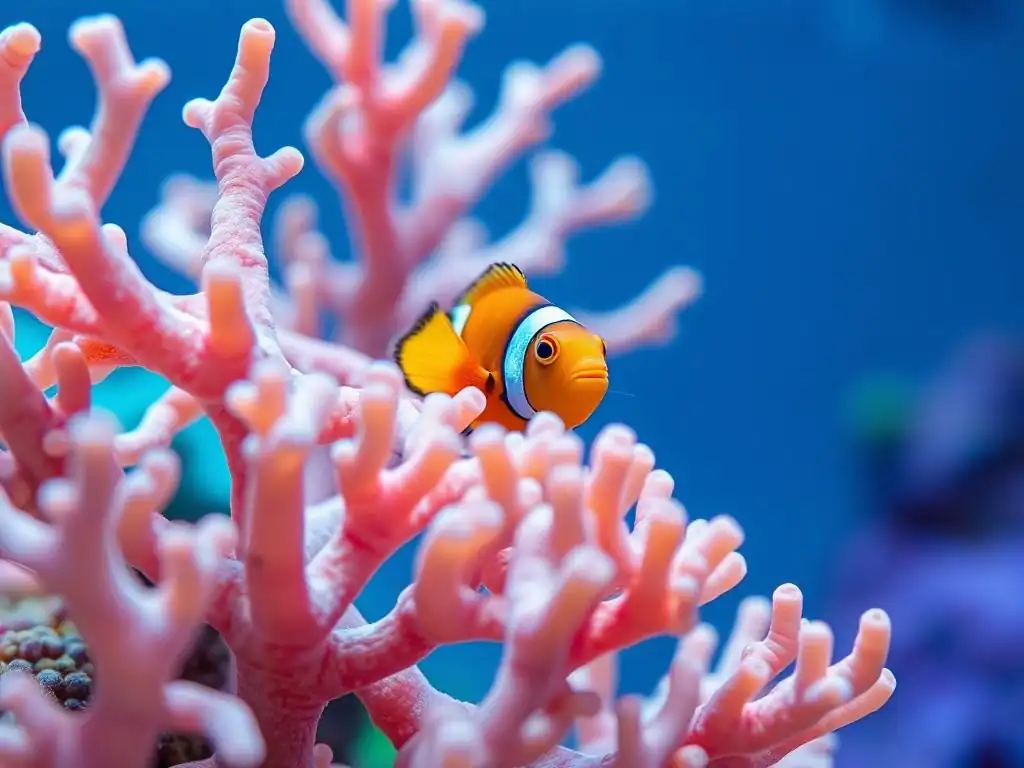
Clownfish ( Amphiprioninae species like Ocellaris or Percula) are another popular and usually safe option, especially if they host in an anemone or a compatible Euphyllia (though Euphyllia hosting is rare and can stress the coral). Small, schooling fish like Green Chromis ( Chromis viridis) or various Anthias species ( Pseudanthias spp.) add dynamic movement and color without posing a threat to corals. These fish typically occupy the upper and mid-water columns, leaving Euphyllia undisturbed on the rockwork, making them ideal inhabitants for a peaceful Euphyllia LPS compatible tank.
Invertebrates: Safe and Unsafe Tank Mates for Euphyllia
Compatible Shrimp Species for Reef Tanks with Euphyllia
Shrimp can be an invaluable part of a reef tank's clean-up crew and often add visual interest. Several species are considered excellent Euphyllia LPS compatible tank mates due to their peaceful nature and beneficial roles. Skunk Cleaner Shrimp ( Lysmata amboinensis) and Blood Red Fire Shrimp ( Lysmata debelius) are highly recommended for their cleaning services, removing parasites from fish and scavenging uneaten food. They are generally very gentle and pose no threat to corals.
Peppermint Shrimp ( Lysmata wurdemanni) are also popular, especially for their potential to consume Aiptasia anemones, and they are completely reef-safe. Other compatible shrimp include various small ornamental shrimp like Pistol Shrimp ( Alpheus spp.) when paired with a compatible goby, as they primarily focus on burrowing and cohabitation. These shrimp contribute to the overall health of the ecosystem without disturbing your prized Euphyllia corals.
Snails and Crabs: Choosing the Right Clean-Up Crew
Snails are indispensable for algae control and detritus removal in a reef tank. Turbo Snails ( Turbo fluctuosa), Nassarius Snails ( Nassarius vibex), and Trochus Snails ( Trochus histrio) are highly effective and completely safe for Euphyllia corals. Nassarius snails, in particular, are excellent detritivores, burrowing into the sandbed to consume uneaten food and decaying matter. It is important to avoid predatory snails, such as Cone Snails, which can harm other invertebrates and corals.
When it comes to crabs, caution is advised, as many species can be opportunistic or destructive. Dwarf Blue Leg Hermit Crabs ( Clibanarius tricolor) and Scarlet Reef Hermit Crabs ( Paguristes cadenati) are generally safe and contribute to algae control, though providing ample empty shells is crucial to prevent them from attempting to steal snail shells.
Emerald Crabs ( Mithraculus sculptus) can be beneficial for bubble algae control but should be monitored, as larger individuals can sometimes become aggressive or opportunistic. Highly aggressive crabs like Arrow Crabs ( Stenorhynchus seticornis) or large Sally Lightfoot Crabs ( Percnon gibbesi) should be strictly avoided in a Euphyllia LPS compatible tank, as they are known to nip at corals and small fish.
Coral Warfare: Understanding Allelopathy in Reef Tanks
Coral warfare is a significant aspect of reef tank dynamics, particularly when housing diverse coral species. Allelopathy refers to the chemical warfare that corals engage in, releasing toxins (terpenes) into the water to inhibit the growth of competing corals or to defend their territory. Euphyllia corals are particularly potent in this regard, possessing strong stinging cells (nematocysts) in their sweeper tentacles and also releasing chemical compounds. These compounds, while not always immediately visible, can stress or even kill neighboring corals, particularly if water flow is insufficient to dissipate them.
Physical aggression is also common, where corals directly sting or digest the tissue of adjacent corals. Euphyllia's long sweeper tentacles are its primary weapon for physical warfare, extending significantly, especially at night, to clear a defensive perimeter. Understanding these mechanisms is crucial for preventing damage and maintaining a harmonious Euphyllia LPS compatible tank, as improper placement can lead to chronic stress and decline for less aggressive coral species.
Preventing Chemical Warfare Between Euphyllia and Other Corals
To prevent chemical and physical warfare in a Euphyllia LPS compatible tank, strategic placement and robust water management are essential. Firstly, ensure ample physical separation between Euphyllia corals and other corals. A minimum distance of 6-12 inches should be maintained from the nearest potential target, accounting for the full extension of their sweeper tentacles. This distance may need to be adjusted based on the specific Euphyllia species and the flow patterns in your tank.
Secondly, strong and varied water flow is critical. Good flow helps to disperse any allelopathic chemicals released by Euphyllia, preventing them from concentrating around other corals. Regular use of activated carbon in your filtration system is also highly effective at adsorbing these chemical toxins, typically replaced every 2-4 weeks. Finally, consistent water changes (e.g., 10% weekly or 20% bi-weekly) further dilute any accumulated chemical irritants, contributing significantly to a peaceful and healthy mixed reef environment where Euphyllia can thrive alongside other corals.
Creating a Balanced Reef Ecosystem for Euphyllia and Other LPS Corals
Maintaining Water Quality to Minimize Stress
Consistent and pristine water quality is the cornerstone of a balanced reef ecosystem, particularly for sensitive LPS corals like Euphyllia. Fluctuations in key parameters are a major source of stress, leading to retracted polyps, bleaching, or susceptibility to disease. Regular testing of alkalinity, calcium, magnesium, and nitrates/phosphates is not merely a suggestion but a critical routine. For instance, maintaining alkalinity at a stable 8.5 dKH is often more beneficial than allowing it to swing between 7 dKH and 11 dKH, even if both values are within the acceptable range.
Beyond chemical stability, effective nutrient export is vital. A robust protein skimmer, regular water changes (e.g., 10% weekly or 20% bi-weekly), and the use of filter media such as activated carbon and GFO (granular ferric oxide) are crucial. A healthy clean-up crew of snails and hermit crabs also contributes significantly to nutrient control by consuming detritus and algae. This comprehensive approach to water quality management ensures a stable and healthy environment, minimizing stress on Euphyllia and promoting a thriving Euphyllia LPS compatible tank.
Proper Placement of Euphyllia to Avoid Aggression
The strategic placement of Euphyllia corals within your aquarium is paramount to prevent aggression and ensure the well-being of all inhabitants. Given their potent stinging sweeper tentacles, which can extend up to 12 inches or more, Euphyllia should be positioned far enough from other corals to prevent direct contact. Consider their growth trajectory and the maximum potential extension of their tentacles when choosing a spot. Placing them on individual frag plugs or small rock islands often allows for easier repositioning if aggression becomes an issue.
Furthermore, Euphyllia thrive in moderate water flow and moderate lighting. Too strong a flow can cause their polyps to retract or tear, while insufficient flow can lead to detritus accumulation and potential tissue necrosis. Similarly, while they are photosynthetic, excessive PAR (Photosynthetically Active Radiation) can cause bleaching. A PAR range of 75-150 is generally suitable for Euphyllia. Observing how their polyps extend and sway provides excellent feedback on whether they are receiving optimal flow and light, contributing to their overall health in a Euphyllia LPS compatible tank.
Feeding Strategies for a Mixed Reef Tank
Effective feeding strategies are essential in a mixed reef tank to cater to the diverse nutritional needs of fish, invertebrates, and corals, including Euphyllia. While Euphyllia corals primarily rely on photosynthesis, they are facultative feeders and greatly benefit from target feeding. Offering small, meaty foods such as mysis shrimp, brine shrimp, copepods, or specially formulated coral pellets 1-2 times per week directly to their polyps can significantly enhance their growth, color, and overall vitality. Ensure the food particles are small enough for their polyps to ingest.
For fish and other invertebrates, feeding small amounts multiple times a day is generally preferred over large, infrequent feedings. This approach minimizes excess nutrients accumulating in the water, which can fuel nuisance algae growth and negatively impact coral health. A varied diet of high-quality flakes, pellets, and frozen foods (e.g., spirulina brine, cyclop-eeze) ensures all inhabitants receive balanced nutrition. Careful monitoring of uneaten food and promptly removing any excess is crucial for maintaining water quality and fostering a healthy Euphyllia LPS compatible tank.
Specific Examples of Euphyllia LPS Compatible Tank Mates
Best Fish for Euphyllia LPS Reef Tanks
When aiming for a harmonious Euphyllia LPS compatible tank, selecting fish species known for their peaceful temperament and reef-safe behavior is crucial. These fish typically do not nip at corals and are not overly territorial, allowing Euphyllia to extend its polyps without constant harassment. The goal is to create a vibrant, active display without compromising the health of your valuable LPS corals.
Among the most recommended choices are various goby species, which often form symbiotic relationships with pistol shrimp or simply enjoy sifting the sand, contributing to substrate health. Additionally, small, schooling fish like anthias and chromis add dynamic movement and color to the mid-to-upper water column, providing visual interest without interfering with the corals below.
Gobies That Coexist Well with Euphyllia
Gobies are an excellent choice for a Euphyllia LPS compatible tank due to their generally small size and peaceful nature. The Yellow Watchman Goby ( Cryptocentrus cinctus) is a popular option, known for its distinctive yellow coloration and often forming a symbiotic relationship with pistol shrimp, creating fascinating burrows. They are primarily bottom-dwellers and pose no threat to corals.
Another great choice is the Diamond Watchman Goby ( Valenciennea puellaris), which constantly sifts the sand, helping to keep the substrate clean and aerated. Wheeler's Goby ( Amblyeleotris wheeleri) and Yasha Goby ( Stonogobiops yasha) are also highly recommended for their vibrant colors and peaceful demeanor. These gobies primarily focus on their substrate activities or small hiding spots and will largely ignore your Euphyllia corals.
Anthias and Chromis for a Peaceful Reef Environment
Anthias and Chromis species are perfect for adding schools of vibrant color and constant activity to the mid-to-upper levels of a Euphyllia LPS compatible tank. Lyretail Anthias ( Pseudanthias squamipinnis) are particularly popular, with males displaying striking purple and orange hues. They are schooling fish that thrive in groups of 3-5 or more, making the tank feel more alive. While they require frequent small feedings, they are entirely reef-safe and will not bother corals.
Green Chromis ( Chromis viridis) are another staple for peaceful community tanks. Their iridescent green-blue bodies shimmer under reef lighting, and they are known for their hardy nature and non-aggressive behavior towards corals. Keeping them in groups of 5-10 creates a beautiful, natural schooling effect. Both Anthias and Chromis are excellent choices for adding visual appeal and biological diversity without posing any threat to your delicate Euphyllia corals.
Compatible Coral Species for a Mixed LPS Reef
Creating a mixed reef with Euphyllia requires careful selection of other coral species to avoid conflict and promote harmonious growth. While Euphyllia are highly aggressive, certain other LPS and soft corals can coexist, provided proper spacing and water quality are maintained. The key is understanding the aggression levels and growth habits of each species.
The goal is to achieve a diverse and visually appealing display without constant "coral warfare." This involves considering both physical stinging mechanisms and potential chemical allelopathy.
Mixing Euphyllia with Other LPS Corals: Considerations
Mixing Euphyllia with other LPS corals can be challenging due to their potent stinging capabilities. However, it is possible with meticulous planning and sufficient space. Other LPS corals like Favia ( Favia spp.), Blastomussa ( Blastomussa wellsi or Blastomussa merleti), and Acanthastrea ( Acanthastrea lordhowensis) can be considered. These corals, while also possessing stingers, generally have shorter tentacles than Euphyllia.
The primary consideration remains physical separation. A minimum of 6-12 inches should be maintained between Euphyllia and other LPS corals to prevent sweeper tentacle contact, especially during the night. Good water flow is also crucial to dissipate any chemical exudates. Some hobbyists have success by placing less aggressive LPS corals on a lower flow, lower light area of the tank, further away from the dominant Euphyllia, creating a successful Euphyllia LPS compatible tank.
Soft Corals that Can Thrive Alongside Euphyllia
Many soft corals are generally more tolerant of varying water conditions and can coexist with Euphyllia, provided adequate spacing and flow. Popular choices include various Zoanthids and Palythoa species, which come in an incredible array of colors and are relatively hardy. They tend to form colonies and are not typically aggressive with stinging tentacles, though some Palythoa species can release palytoxin, requiring caution during handling.
Mushroom corals ( Ricordea florida, Discosoma spp.) are another excellent addition, offering vibrant colors and unique textures. They are generally peaceful and can be placed on the sandbed or lower rockwork, away from Euphyllia's reach. Various Leather corals ( Sarcophyton, Sinularia, Lobophytum) are also good candidates, being hardy and less prone to direct aggression. While soft corals typically lack powerful stingers, ensuring good water movement around them is still important to prevent detritus buildup and ensure they receive adequate light and nutrients in a mixed Euphyllia LPS compatible tank.
Troubleshooting Compatibility Issues in Your Euphyllia Reef Tank
Identifying Signs of Stress in Euphyllia Corals
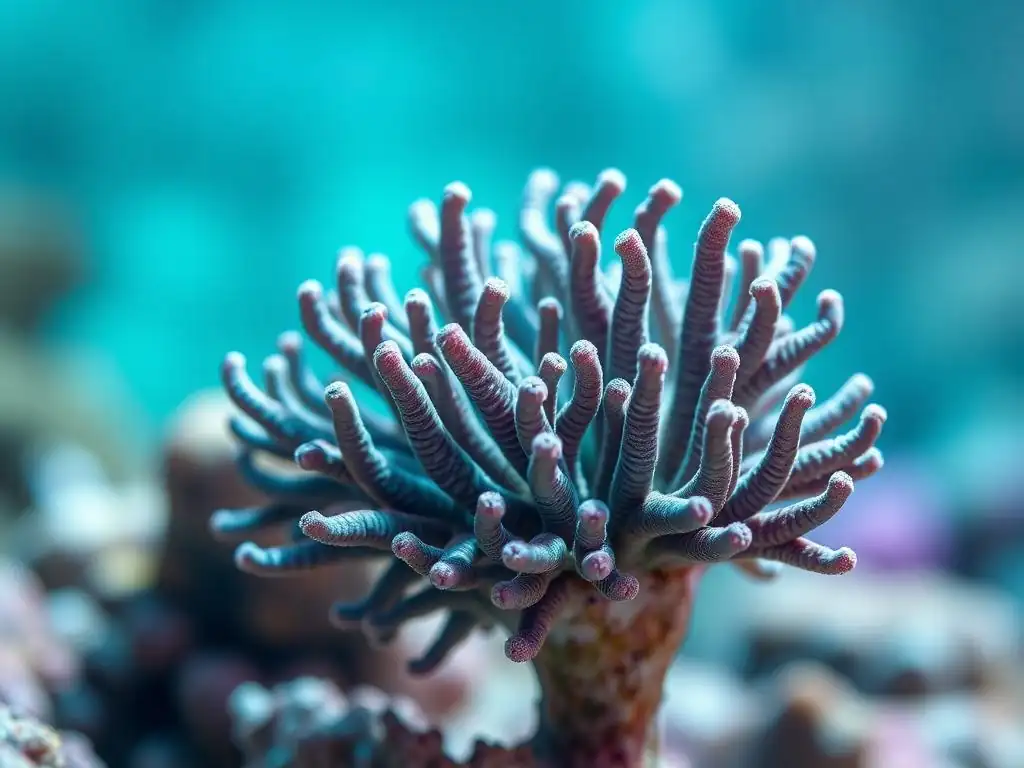
Recognizing signs of stress in your Euphyllia corals is the first step in troubleshooting compatibility issues within your reef tank. A healthy Euphyllia typically exhibits full polyp extension, vibrant coloration, and a plump, turgid appearance. Conversely, signs of stress often include significant polyp retraction, even during periods of calm, which can indicate irritation from a tank mate or poor water quality.
Other common indicators are tissue recession, where the coral's flesh pulls back from its skeleton, exposing the white base. This can be a sign of direct stinging from another coral, nipping by fish, or severe environmental stress.
Bleaching (loss of color) or browning (excessive zooxanthellae due to nutrient imbalance) also suggest stress. Additionally, excessive slime production or the presence of a "brown jelly" substance on the coral are severe signs of distress, often signaling a bacterial infection or severe tissue necrosis, which can sometimes be triggered by prolonged irritation or physical damage from an incompatible tank mate in your Euphyllia LPS compatible tank.
Addressing Aggression from Fish or Invertebrates
Once an aggressive fish or invertebrate has been identified as the cause of stress for your Euphyllia, prompt action is necessary to prevent further damage. The first step is to definitively observe the aggressor; this may require watching the tank for extended periods, especially at night when Euphyllia sweeper tentacles are most extended and some fish become more active. If a fish is nipping, consider its species-specific behavior. For example, if a large angelfish is the culprit, it's highly unlikely its behavior will change.
Solutions range from re-aquascaping to create more hiding spots or break sightlines, to physically removing the aggressor. If the fish is small and manageable, a fish trap can be used. For persistent or highly destructive individuals, rehoming the fish to a different tank or with another hobbyist might be the only viable option to protect your Euphyllia. In some cases, temporary physical barriers, such as an acrylic divider, can offer immediate protection while you devise a long-term solution for your Euphyllia LPS compatible tank.
Quarantine and Acclimation Procedures for New Additions
Proper quarantine and acclimation procedures are critical for preventing compatibility issues and introducing diseases into your established Euphyllia LPS compatible tank. All new fish, invertebrates, and even corals should undergo a quarantine period in a separate tank for a minimum of 30 days, preferably 60 days. This allows you to observe them for signs of disease, parasites, or aggressive tendencies without risking your main display. During this period, treatments can be administered if necessary, and the new inhabitants can de-stress and acclimate to captive conditions.
For corals and invertebrates, drip acclimation is highly recommended to slowly equalize water parameters (temperature, salinity, pH) between the shipping water and your quarantine or display tank. This process, often taking 30-60 minutes or longer, minimizes osmotic shock, which can severely stress delicate organisms like Euphyllia. After quarantine, a gradual introduction to the main display, observing interactions closely, further ensures a smooth transition and reduces the likelihood of future compatibility conflicts or disease outbreaks.
Tips for Success: Ensuring a Harmonious Reef Environment with Euphyllia
Regular Observation and Monitoring of Tank Inhabitants
Consistent and thorough observation is perhaps the most powerful tool for ensuring a harmonious Euphyllia LPS compatible tank. Daily visual checks of all tank inhabitants – fish, invertebrates, and especially corals – allow you to detect subtle changes in behavior or appearance that might indicate brewing compatibility issues or declining health. Look for signs of stress in Euphyllia, such as unusual polyp retraction, tissue recession, or changes in color, which could signal aggression from a neighbor.
Pay close attention to interactions between fish and corals, or between different coral species. Are any fish constantly hovering near Euphyllia polyps? Are any other corals showing signs of irritation or stinging from Euphyllia's sweeper tentacles? Early detection of these subtle cues allows for timely intervention, whether it's adjusting a coral's placement, removing an aggressive fish, or addressing water quality issues. Proactive monitoring helps prevent minor skirmishes from escalating into significant problems, safeguarding your investment and the well-being of your reef.
Maintaining a Diverse and Balanced Ecosystem
A diverse and balanced ecosystem is inherently more resilient and less prone to compatibility issues in a Euphyllia LPS compatible tank. This balance extends beyond just fish and corals to include a robust clean-up crew and a healthy microfauna population. A variety of snails (e.g., Nassarius, Trochus, Turbo) and hermit crabs (e.g., Dwarf Blue Leg, Scarlet Reef) ensures efficient detritus removal and algae control, reducing nutrient build-up that can stress corals.
Furthermore, a healthy population of copepods and amphipods provides a natural food source for many fish and corals, contributing to the overall food web stability. Avoid overstocking any single type of organism, as this can lead to increased competition for resources and territory, exacerbating potential conflicts. By fostering a rich tapestry of life, where each organism plays a beneficial role, you create a self-sustaining and stable environment that is less susceptible to the stresses that often lead to compatibility problems.
Avoiding Overcrowding to Reduce Competition and Aggression
Overcrowding is a primary catalyst for competition and aggression in any aquarium, and a Euphyllia LPS compatible tank is no exception. While it's tempting to add numerous vibrant fish and corals, exceeding the tank's biological capacity invariably leads to stress. For fish, overcrowding results in increased territorial disputes, poor water quality due to excessive waste, and heightened disease susceptibility. A general rule of thumb for fish stocking is often cited as 1 inch of adult fish per 5 gallons of water for a mixed reef, though this varies greatly by species and filtration.
For corals, especially aggressive LPS like Euphyllia, overcrowding severely limits the necessary space for growth and sweeper tentacle extension, leading to constant chemical and physical warfare. Planning for the adult size of corals is crucial; a frag that fits neatly today might eventually require a 12-inch radius of clear space. By carefully considering the long-term growth and territorial needs of all inhabitants, you can prevent overcrowding, significantly reduce competition, and cultivate a truly harmonious and thriving Euphyllia LPS compatible tank.
Frequently Asked Questions
What exactly does "Euphyllia LPS compatible tank" mean?
It refers to an aquarium environment carefully curated to support Euphyllia corals (a type of Large Polyp Stony or LPS coral) alongside other suitable tank inhabitants. This means selecting fish and invertebrates that won't harm or stress the Euphyllia. The goal is a thriving ecosystem for all organisms.
What are some fish species that are generally considered not compatible with Euphyllia LPS corals?
Certain fish, particularly some butterflyfish and angelfish, are known to nip at corals, including Euphyllia. Also, larger fish that might accidentally bump into or knock over Euphyllia colonies should be avoided. Always research specific species before introducing them.
Besides fish, what other types of tank mates should I be cautious about when keeping Euphyllia?
Certain invertebrates like some crabs and nudibranchs can sometimes irritate or even prey on LPS corals. Always research the feeding habits and potential impact of any invertebrate before adding it to a tank containing Euphyllia.
How important is water chemistry in maintaining a Euphyllia LPS compatible tank?
Maintaining stable and appropriate water parameters is crucial for the health of Euphyllia and other tank inhabitants. Proper alkalinity, calcium, and magnesium levels are essential for skeletal growth in LPS corals. Regular testing and adjustments are necessary.
What are some signs that my Euphyllia is not thriving in its current tank environment?
Signs of stress in Euphyllia can include receding tissue, discoloration, or a lack of polyp extension. Observing these symptoms suggests that the tank environment, including water parameters or tank mates, may need adjustment to improve the coral's health.
Final Reflection: Cultivating Harmony in Your Reef
The delicate balance of a reef ecosystem, as we've explored in the context of Euphyllia LPS compatibility, is not just a scientific observation, but a powerful metaphor for the interconnectedness of life itself. Understanding the nuances of these relationships, and choosing tank mates wisely, reflects a broader responsibility we have to cultivate harmony in all aspects of our world.
The journey of creating a thriving reef tank mirrors the complexities of building healthy communities. My own experiences with reef keeping have taught me the profound importance of patience, observation, and a deep respect for the intricate web of life. In nature, nothing exists alone.
- Rachel Carson. This quote resonates deeply when considering the delicate dance of compatibility within a reef environment, reminding us that every choice has a ripple effect.
As you consider the information presented here, I encourage you to reflect on the broader implications of compatibility and harmony. How can you apply the principles of careful selection and mindful interaction, learned from the world of Euphyllia LPS, to foster more balanced and thriving relationships in your own life and community? The beauty and resilience of a well-balanced reef tank is a testament to the power of thoughtful choices, and a constant reminder that we all play a vital role in shaping the ecosystems we inhabit.
Ignite Your Reef Tank: Start Thriving with Euphyllia!
Thank you for diving into the world of Euphyllia compatibility! We hope this guide has empowered you with the knowledge to create a harmonious reef environment. Now, let's put that knowledge into action and watch your tank flourish.
- Critically assess your current tank inhabitants: Review their behavior and potential to nip at Euphyllia before introducing any new corals. This is the most important step!
- Explore a less common coral pairing: Research the compatibility of Euphyllia with unconventional tank mates like certain shrimp species known for their peaceful nature.
- Share your Euphyllia success stories! Post photos and tips on reef-keeping forums to inspire others.
What surprising tank mate has proven to be a perfect partner for your Euphyllia?