
FourEye Butterflyfish (Chaetodon capistratus): Caribbean Gem – Aquarium Life & Feeding Habits

Welcome to Aquarium Mastery! Ever been captivated by the striking beauty of the Four Eye Butterflyfish? Prepare to dive deep into the fascinating world of this Caribbean gem. Discover the secrets to successful Four Eye Butterflyfish care, from their unique feeding habits to creating the perfect aquarium environment. Curious about keeping these beauties thriving in your saltwater sanctuary? Let's explore!
- Introduction to the FourEye Butterflyfish: A Caribbean Aquarium Delight
- FourEye Butterflyfish Care: Essential Guidelines for a Thriving Fish
- Feeding the FourEye Butterflyfish: Nutritional Needs and Diet
- FourEye Butterflyfish: Health and Disease Prevention
- Setting Up Your Aquarium for FourEye Butterflyfish: A Step-by-Step Guide
- Breeding FourEye Butterflyfish: Challenges and Possibilities
- The FourEye Butterflyfish: A Sustainable Choice for Aquarists
- Conclusion: Enjoying the Beauty of the FourEye Butterflyfish in Your Aquarium
-
Frequently Asked Questions
- What are the key considerations for Four Eye Butterflyfish aquarium setup?
- What is the ideal diet for a Four Eye Butterflyfish in captivity?
- How difficult is it to care for a Four Eye Butterflyfish in a home aquarium?
- Are Four Eye Butterflyfish reef safe?
- What are some common health issues that Four Eye Butterflyfish are prone to?
- Final Reflection: Appreciating the Delicate Balance
- Dive Deeper: Unlock the Secrets of Your Own Butterflyfish Oasis!
Introduction to the FourEye Butterflyfish: A Caribbean Aquarium Delight
What is the FourEye Butterflyfish? Identifying Chaetodon capistratus
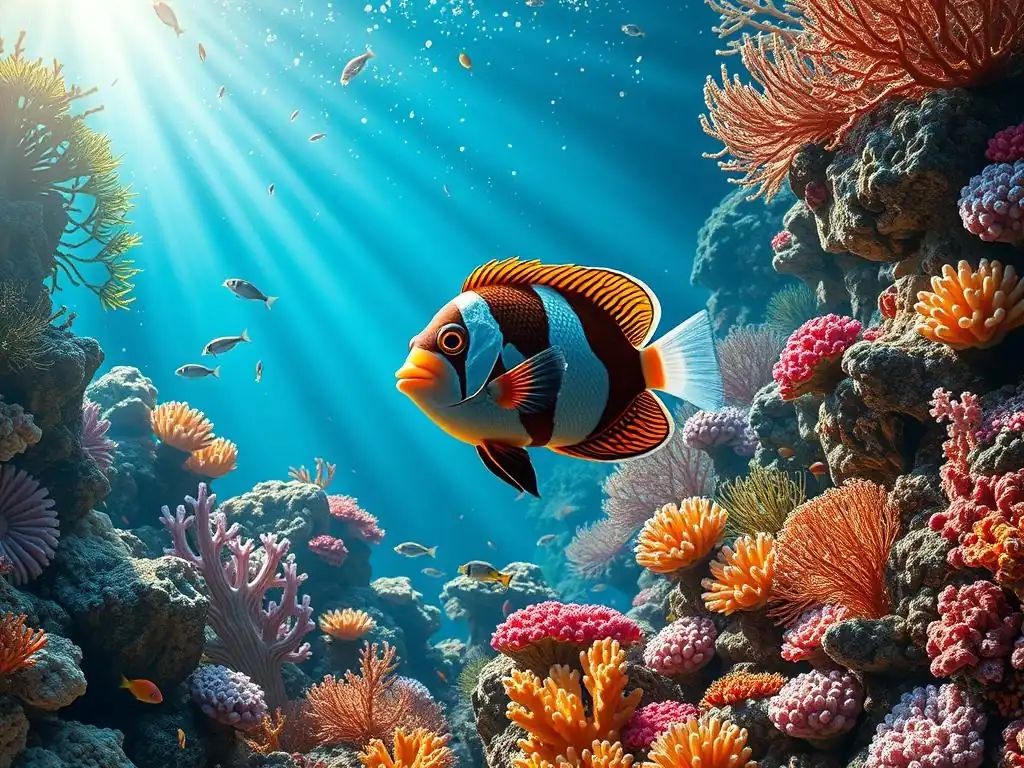
The FourEye Butterflyfish, scientifically known as Chaetodon capistratus, is a striking marine fish renowned for its distinctive markings. Its most notable feature is the large, black, ocellated (eye-like) spot located on its posterior flank, just forward of the caudal peduncle. This false eye, often ringed in white, serves as a defense mechanism, potentially confusing predators by drawing attention away from the actual eye. The fish's body is typically a pale yellow to white, adorned with several dark, diagonal stripes that run from the dorsal fin towards the belly.
Growing up to an average length of 5 to 6 inches (approximately 12-15 cm) in captivity, though occasionally reaching 7 inches in the wild, the FourEye Butterflyfish possesses a disc-shaped, laterally compressed body, characteristic of the Chaetodon genus. Native to the western Atlantic Ocean, its natural range extends from Massachusetts in the north, throughout the Caribbean Sea, down to Brazil. In its natural habitat, Chaetodon capistratus is commonly found dwelling among coral reefs, rocky areas, and seagrass beds at depths ranging from 3 to 60 feet, often observed in pairs or small groups foraging for food.
Why Choose a FourEye Butterflyfish for Your Saltwater Aquarium?
The FourEye Butterflyfish is a popular choice for saltwater aquarists due to its vibrant appearance, relatively peaceful demeanor, and intriguing behavior. Its captivating false eye spot and intricate stripe patterns make it a visually appealing addition to many marine setups, especially those designed as fish-only-with-live-rock (FOWLR) systems. Unlike some of its more aggressive butterflyfish cousins, Chaetodon capistratus generally exhibits a calmer temperament, allowing it to coexist with a variety of other compatible marine species.
While not considered fully "reef-safe" due to its natural inclination to nip at certain stony and soft corals, the FourEye Butterflyfish can thrive in well-maintained aquariums that meet its specific care requirements. Its hardiness once established, coupled with its engaging swimming patterns and active foraging, provides a rewarding experience for dedicated aquarists. Providing proper Four eye butterflyfish care can lead to a long-lived and beautiful specimen, often living 5 to 7 years in captivity, and sometimes even longer with optimal conditions.
FourEye Butterflyfish Care: Essential Guidelines for a Thriving Fish
Optimal Tank Size for FourEye Butterflyfish: Creating the Right Environment
Providing an appropriate tank size is paramount for the health and well-being of the FourEye Butterflyfish. Given their active swimming nature and potential adult size of 5-7 inches, a minimum tank volume of 75 gallons (approximately 284 liters) is recommended for a single specimen. This capacity allows ample swimming room, reduces stress, and helps maintain stable water parameters, which are crucial for this species' longevity.
For those considering housing a pair of FourEye Butterflyfish or integrating them into a community tank with other compatible species, a larger aquarium of 125 gallons (approximately 473 liters) or more is advisable. A larger tank provides even greater stability for water chemistry, offers more territory for each fish, and minimizes potential aggression or territorial disputes. Adequate space is a cornerstone of good Four eye butterflyfish care, preventing stunted growth and behavioral issues often seen in confined environments.
Water Parameters for FourEye Butterflyfish: Maintaining a Healthy Habitat
Ideal Temperature and Salinity for Chaetodon capistratus
Maintaining stable and appropriate water parameters is critical for the health of the FourEye Butterflyfish. The ideal temperature range for Chaetodon capistratus is between 72°F and 78°F (22°C to 26°C), closely mirroring the consistent temperatures of their native Caribbean reef environments. Fluctuations outside this range can cause significant stress, weakening the fish's immune system and making it susceptible to disease. A reliable heater with a thermostat is essential to prevent temperature swings.
Salinity levels should be kept within a specific gravity range of 1.020 to 1.025. This range is typical for natural seawater and supports the physiological needs of this marine species. Consistent monitoring with a refractometer or hydrometer is crucial, as sudden shifts in salinity can be highly detrimental to the delicate osmotic balance of the fish. Aiming for stability within these parameters is a key aspect of comprehensive Four eye butterflyfish care.
Importance of Proper Water Chemistry for Butterflyfish Health
Beyond temperature and salinity, other water chemistry parameters play a vital role in ensuring the health of the FourEye Butterflyfish. The pH level should be maintained between 8.1 and 8.4, which is characteristic of healthy saltwater systems. Ammonia and nitrite levels must always be at 0 parts per million (ppm), as even trace amounts can be highly toxic to marine fish, leading to gill damage and organ failure.
Nitrate levels should be kept below 20 ppm, and ideally below 10 ppm, through regular water changes and efficient filtration. Elevated nitrates can indicate an accumulation of organic waste, contributing to stress and a compromised immune system. Regular testing, at least once a week, for these parameters is non-negotiable for effective Four eye butterflyfish care, ensuring a clean and stable environment that mimics their natural reef conditions.
FourEye Butterflyfish Tank Mates: Compatibility and Considerations
Choosing Peaceful Tank Mates for Your Butterflyfish
When selecting tank mates for the FourEye Butterflyfish, prioritizing peaceful and non-aggressive species is crucial to prevent stress and ensure a harmonious aquarium environment. Good companions include many species of tangs (such as Yellow Tangs or Kole Tangs), gobies, blennies, and certain types of peaceful angelfish (e.g., Coral Beauty or Flame Angelfish). Smaller, less boisterous clownfish species can also coexist well.
It is important to introduce tank mates that are roughly similar in size or slightly smaller than the butterflyfish, and those that do not compete excessively for food or territory. Observing the behavior of all fish carefully during and after introduction is vital. A general rule of thumb is to add the FourEye Butterflyfish after other established, non-aggressive species, allowing it to settle into the tank without immediate territorial challenges.
Fish to Avoid Housing with FourEye Butterflyfish
Certain fish species are unsuitable tank mates for the FourEye Butterflyfish due to their aggressive nature, predatory instincts, or highly competitive feeding habits. Avoid housing them with large, aggressive predators such as triggerfish, large groupers, or lionfish, which may view the butterflyfish as prey. Similarly, very boisterous or fin-nipping species, like some damselfish (e.g., Domino Damselfish) or highly territorial dottybacks, can cause undue stress and physical harm.
Other butterflyfish species, especially those of the same genus or similar appearance, should generally be avoided unless the aquarium is exceptionally large (e.g., 200 gallons or more) and offers ample territories, as inter-species aggression can be common. Highly active or fast-swimming fish that outcompete the FourEye Butterflyfish for food can also lead to malnutrition. Careful planning of tank mates is a critical component of successful Four eye butterflyfish care.
Feeding the FourEye Butterflyfish: Nutritional Needs and Diet
Natural Diet of FourEye Butterflyfish: Understanding Their Feeding Habits in the Wild
In their natural Caribbean habitat, FourEye Butterflyfish are primarily omnivorous, with a significant portion of their diet consisting of live coral polyps and small invertebrates. They are known to graze extensively on various stony corals, particularly Montastrea species, and also consume zoanthids and anemones. Their elongated snouts and small, brush-like teeth are perfectly adapted for nipping at coral polyps and extracting tiny organisms from crevices.
Beyond corals, their wild diet also includes a variety of benthic invertebrates such as tube worms, small crustaceans, and other sessile organisms found on the reef. They also consume filamentous algae and detritus, demonstrating a somewhat opportunistic feeding strategy. Understanding these natural feeding habits is crucial for aquarists, as it highlights the importance of providing a diverse and nutritious diet that mimics their wild food sources to ensure optimal Four eye butterflyfish care.
What to Feed Your FourEye Butterflyfish in an Aquarium Setting: A Comprehensive Guide
Recommended Foods for Butterflyfish: Live, Frozen, and Prepared Options
To ensure proper nutrition for your FourEye Butterflyfish in an aquarium, a varied diet incorporating live, frozen, and high-quality prepared foods is essential. Frozen foods should form the cornerstone of their diet, including enriched Mysis shrimp, brine shrimp (preferably gut-loaded with spirulina), finely chopped seafood like shrimp, clam, or squid, and various marine-based frozen mixes. These offer a good balance of protein and essential fatty acids.
Live foods can be offered occasionally as a treat and to stimulate natural foraging behaviors; options include blackworms, small feeder shrimp, or enriched brine shrimp. For prepared foods, high-quality marine flakes and pellets specifically formulated for omnivorous marine fish are suitable, especially those containing spirulina or marine algae. Always ensure the food particles are small enough for their delicate mouths. A diverse feeding regimen is paramount for effective Four eye butterflyfish care.
The Importance of a Varied Diet for FourEye Butterflyfish Health
A varied diet is not just about offering different types of food; it is about providing a complete spectrum of nutrients necessary for long-term health and vitality. Relying on a single type of food, even a high-quality one, can lead to nutritional deficiencies over time, which can manifest as dull coloration, stunted growth, or a weakened immune system. For instance, a diet lacking in essential omega-3 fatty acids can impair a fish's ability to fight off infections.
Incorporating foods rich in different vitamins, minerals, and proteins ensures that the FourEye Butterflyfish receives all necessary building blocks for robust health. Supplementing foods with vitamin solutions (like Selcon) a few times a week can further enhance their nutritional intake, especially during periods of stress or initial acclimation. This comprehensive approach to feeding is a fundamental aspect of excellent Four eye butterflyfish care, promoting resilience against disease and vibrant coloration.
FourEye Butterflyfish Feeding Schedule: Frequency and Quantity
Establishing a consistent feeding schedule is important for the FourEye Butterflyfish, as they are active grazers in the wild and benefit from frequent, small meals in captivity. It is recommended to feed them 2 to 3 times per day. Each feeding should consist of small portions that can be consumed entirely within 2 to 3 minutes. This approach mimics their natural grazing behavior and helps prevent overfeeding, which can lead to significant water quality issues.
Overfeeding is a common mistake that can quickly degrade water quality, leading to elevated nitrate and phosphate levels. Excess uneaten food decomposes, contributing to ammonia spikes and fostering the growth of undesirable algae. Consistent, measured feeding not only ensures your FourEye Butterflyfish receives adequate nutrition but also maintains a cleaner, healthier aquarium environment. Careful monitoring of their appetite and consumption is key to fine-tuning the feeding regimen for optimal Four eye butterflyfish care.
FourEye Butterflyfish: Health and Disease Prevention
Common Diseases Affecting FourEye Butterflyfish: Identification and Treatment
Recognizing Symptoms of Ich (White Spot Disease) in Butterflyfish
Ich, or Marine Ich ( Cryptocaryon irritans), is one of the most common and devastating parasitic diseases affecting saltwater fish, including the FourEye Butterflyfish. Symptoms typically include the appearance of small, white spots resembling grains of salt scattered across the fish's body and fins. Affected fish may also exhibit rapid breathing, "flashing" (rubbing their bodies against rocks or substrate to dislodge parasites), lethargy, clamped fins, and loss of appetite.
Upon recognizing these symptoms, prompt action is critical. Treatment often involves transferring the affected FourEye Butterflyfish to a hospital tank to avoid treating the main display tank, especially if it contains corals or invertebrates sensitive to medication. Common treatments include copper-based medications (used with extreme caution as butterflyfish can be sensitive), or hyposalinity (gradually reducing salinity to 1.008-1.010 for several weeks to disrupt the parasite's life cycle). Maintaining stable water parameters and reducing stress are crucial for recovery and preventing recurrence.
Preventing and Treating Parasitic Infections in Chaetodon capistratus
Beyond Ich, FourEye Butterflyfish can be susceptible to other parasitic infections, such as marine velvet ( Amyloodinium ocellatum) or flukes. Marine velvet presents as a fine, dusty, yellowish-gold coating on the fish's skin, often accompanied by rapid breathing and severe irritation. Flukes are microscopic flatworms that can infest gills and skin, causing irritation, excessive mucus production, and flashing.
Prevention is the most effective strategy for managing parasitic infections. A mandatory quarantine period of 4 to 6 weeks for all new fish before introduction to the main display tank is highly recommended. During quarantine, observe the fish closely for any signs of disease and treat if necessary. Maintaining pristine water quality, a stable environment, and a nutritious diet significantly boosts the fish's natural immunity, making them less susceptible to parasitic outbreaks. Treatments for specific parasites vary and may include formalin, praziquantel, or freshwater dips, always administered according to product instructions and with careful observation of the fish's response.
Maintaining Optimal Water Quality to Prevent FourEye Butterflyfish Illness
Optimal water quality is the single most important factor in preventing illness and ensuring the long-term health of your FourEye Butterflyfish. Consistent maintenance practices are far more effective than reactive treatments after a disease outbreak. This includes performing regular partial water changes, typically 10-20% of the tank volume weekly or bi-weekly, using high-quality reverse osmosis/deionized (RO/DI) water mixed with a reputable marine salt mix.
Efficient filtration is also crucial. A robust protein skimmer is essential for removing organic waste before it breaks down into harmful nitrates. Adequate biological filtration (e.g., live rock, bio-media) ensures the nitrification cycle effectively converts ammonia and nitrite.
Mechanical filtration (e.g., filter socks, sponges) should be cleaned or replaced regularly to prevent detritus buildup. Stable water parameters, as discussed earlier (temperature, salinity, pH, ammonia, nitrite, nitrate), minimize stress, which is a primary contributor to disease susceptibility. For example, a persistent nitrate level above 40 ppm can compromise a fish's immune system by up to 30%, making it highly vulnerable to common pathogens.
Setting Up Your Aquarium for FourEye Butterflyfish: A Step-by-Step Guide
Selecting the Right Substrate and Decorations for a Butterflyfish Tank
When setting up an aquarium for FourEye Butterflyfish, the choice of substrate and decorations should aim to replicate their natural reef environment while providing essential features for their well-being. A fine sand substrate (e.g., aragonite sand) is generally preferred, as it allows for natural foraging behaviors and is gentle on their delicate fins if they choose to rest near the bottom. Avoid coarse gravel that could trap detritus or injure the fish.
Live rock is an indispensable decoration for a FourEye Butterflyfish tank. It provides extensive biological filtration, contributing to stable water parameters, and offers numerous hiding spots, caves, and overhangs where the fish can retreat when feeling stressed or needing to rest. Aim for at least 1-1.5 pounds of live rock per gallon of water. Arrange the rockwork to create intricate structures with swim-throughs and varied terrain, mimicking the complex architecture of a natural coral reef. This thoughtful aquascaping is vital for comprehensive Four eye butterflyfish care.
Essential Equipment for a FourEye Butterflyfish Aquarium: Filtration, Lighting, and Heating
Beyond the tank itself, several pieces of essential equipment are necessary to create and maintain a suitable environment for the FourEye Butterflyfish. A robust filtration system is paramount, typically comprising a high-quality protein skimmer that efficiently removes organic waste before it can break down into harmful compounds. Biological filtration, primarily provided by the live rock, is crucial for processing ammonia and nitrites. Mechanical filtration, often in the form of filter socks or sponges, helps remove particulate matter, though these must be cleaned or replaced frequently.
Lighting requirements for FourEye Butterflyfish are not demanding; standard full-spectrum LED or fluorescent lighting sufficient for general viewing and potentially macroalgae growth is adequate. If corals are desired (with the understanding that FourEyes may nip at them), lighting choices will need to accommodate the coral species. Finally, a reliable heater with an accurate thermostat is critical to maintain the stable temperature range of 72-78°F (22-26°C). It is often recommended to use two smaller heaters rather than one large one to provide redundancy in case of failure, ensuring consistent Four eye butterflyfish care.
Acclimation Process: Introducing Your FourEye Butterflyfish to Its New Home
The acclimation process is a critical step that significantly impacts the initial health and long-term success of your FourEye Butterflyfish in its new aquarium. A slow, careful acclimation minimizes stress and shock from changes in water parameters such as temperature, pH, and salinity between the transport bag and the tank. The drip acclimation method is highly recommended for sensitive marine fish like butterflyfish.
To perform drip acclimation, place the fish and its original bag water into a clean bucket or container. Using airline tubing, siphon water from the display tank into the bucket, tying a knot in the tubing or using a control valve to create a slow drip (e.g., 2-3 drips per second). Allow the water volume in the bucket to double over 30-60 minutes.
Once acclimated, gently net the fish and transfer it to the aquarium, discarding the water from the bucket. Turn off aquarium lights for several hours after introduction to further reduce stress, allowing the FourEye Butterflyfish to explore its new surroundings calmly. This meticulous approach is fundamental to excellent Four eye butterflyfish care.
Breeding FourEye Butterflyfish: Challenges and Possibilities
Understanding FourEye Butterflyfish Reproduction in the Wild
In their natural habitat, FourEye Butterflyfish exhibit a pelagic spawning behavior. This means that during reproduction, a pair will ascend into the water column and release their eggs and sperm directly into the open water. The eggs are buoyant and disperse widely with ocean currents, providing a natural mechanism for gene flow and population spread across the vast Caribbean Sea.
Once fertilized, the eggs hatch into a larval stage that is planktonic, meaning the tiny larvae drift freely in the water column, feeding on microscopic organisms. This planktonic phase can last for several weeks, during which the larvae undergo significant development before settling onto the reef as juvenile butterflyfish. This complex life cycle, particularly the minute size and specific feeding requirements of the larvae, presents substantial challenges for captive breeding efforts.
Attempting to Breed FourEye Butterflyfish in Captivity: Considerations and Challenges
Breeding FourEye Butterflyfish in a home aquarium setting is exceptionally challenging and, to date, has not been widely successful or documented among hobbyists. The primary hurdles lie in several aspects of their reproductive biology. Firstly, inducing spawning requires very specific environmental cues, including precise water parameters, lighting cycles, and dietary conditions, which are difficult to replicate consistently in an aquarium.
Secondly, even if spawning occurs, the eggs are pelagic and require specialized collection and incubation methods. The most significant challenge, however, is the successful rearing of the microscopic larvae. These larvae require extremely small, live food sources, such as specific strains of rotifers and copepods, in precise concentrations, followed by progressively larger live foods as they grow.
Maintaining the delicate water quality and preventing disease in larval rearing tanks is also a monumental task. While some marine ornamental fish are now regularly bred in captivity, the FourEye Butterflyfish remains largely wild-caught due to these immense difficulties, making dedicated Four eye butterflyfish care focused on general husbandry even more crucial.
The FourEye Butterflyfish: A Sustainable Choice for Aquarists
Responsible Sourcing of FourEye Butterflyfish: Supporting Sustainable Practices
Given the challenges of captive breeding, the vast majority of FourEye Butterflyfish available in the aquarium trade are wild-caught. This reality underscores the importance of responsible sourcing to ensure the long-term sustainability of their populations and the health of their natural reef habitats. Aquarists should make a conscious effort to purchase FourEye Butterflyfish from reputable suppliers who adhere to ethical and sustainable collection practices.
Inquire about the origin of the fish and whether the supplier supports collection methods that minimize environmental impact, such as hand-net collection rather than destructive techniques like cyanide fishing. Supporting businesses that prioritize sustainability helps to reduce the negative ecological footprint of the aquarium trade and promotes the health of coral reefs, which are vital ecosystems for the FourEye Butterflyfish and countless other marine species. This conscientious approach extends the concept of Four eye butterflyfish care beyond the aquarium to the wider ocean environment.
Conservation and the Role of Captive Breeding Programs
While the FourEye Butterflyfish is not currently listed as an endangered species, general conservation efforts for coral reef ecosystems are vital for its continued survival. Habitat degradation, climate change, and unsustainable fishing practices pose significant threats to its natural environment. Although widespread captive breeding of Chaetodon capistratus is not yet a reality, continued research and investment in aquaculture techniques for marine ornamental fish play a crucial role in future conservation.
Successful captive breeding programs for other marine species have demonstrated their potential to reduce pressure on wild populations and provide a more sustainable supply for the aquarium hobby. Supporting research in this area, even indirectly through advocating for sustainable practices, contributes to the broader goal of preserving marine biodiversity. For now, responsible sourcing and exemplary Four eye butterflyfish care in home aquariums remain the most direct ways for aquarists to contribute positively to the species' well-being.
Conclusion: Enjoying the Beauty of the FourEye Butterflyfish in Your Aquarium
Frequently Asked Questions
What are the key considerations for Four Eye Butterflyfish aquarium setup?
The aquarium should be at least 75 gallons to accommodate their adult size and swimming needs. A well-established tank with plenty of live rock for grazing and hiding is crucial. Maintaining stable water parameters is also extremely important.
What is the ideal diet for a Four Eye Butterflyfish in captivity?
They require a varied diet consisting of both meaty and herbivorous foods. Offer a mix of frozen foods like mysis shrimp and brine shrimp, as well as algae-based foods and finely chopped seafood. Regular feedings are necessary to maintain their health.
How difficult is it to care for a Four Eye Butterflyfish in a home aquarium?
Four Eye Butterflyfish are considered moderately difficult to care for. They require specific water parameters and a stable environment. They can also be sensitive to changes in their surroundings.
Are Four Eye Butterflyfish reef safe?
Generally, Four Eye Butterflyfish are not considered reef safe. They may nip at corals and invertebrates, especially soft corals and anemones, making them unsuitable for most reef tanks.
What are some common health issues that Four Eye Butterflyfish are prone to?
They are susceptible to diseases like ich (white spot disease) and other parasitic infections. Maintaining excellent water quality and providing a balanced diet are essential for preventing illness. Quarantine new additions to prevent disease introduction.
Final Reflection: Appreciating the Delicate Balance
The intricate details of Chaetodon capistratus care, as explored in this article, underscore the critical responsibility we bear when bringing such a delicate creature into our aquariums. Understanding their specific needs, from water parameters to dietary requirements, isn't just about keeping them alive; it's about ensuring they thrive and contribute to the vibrant ecosystem we strive to recreate. The Four Eye Butterflyfish, a Caribbean gem, deserves nothing less than our utmost dedication and informed approach.
The allure of the Four Eye Butterflyfish lies not only in its striking beauty but also in its role within the coral reef ecosystem. This connection to a larger natural world is what makes responsible aquarium keeping so vital. We must remember that each fish represents a piece of a complex puzzle, and our actions, however small, can have ripple effects. In the end, we will conserve only what we love; we will love only what we understand; and we will understand only what we are taught.
- Baba Dioum's words resonate deeply, reminding us that education and understanding are the cornerstones of conservation.
As you consider adding a Four Eye Butterflyfish to your aquarium, remember that knowledge is power. Take the time to truly understand its needs, to replicate its natural environment as closely as possible, and to commit to providing the long-term care it deserves. By embracing this responsibility, you not only enhance your own aquarium experience but also contribute to the preservation of these magnificent creatures and the fragile ecosystems they call home. Let us all strive to be informed and conscientious stewards of the marine world.
Dive Deeper: Unlock the Secrets of Your Own Butterflyfish Oasis!
Thank you for exploring the fascinating world of the FourEye Butterflyfish! We hope you've gained valuable insights into these captivating creatures and their aquarium needs. Ready to bring that knowledge to life?
Here’s how you can take the next step:
- Embark on Your Butterflyfish Journey: If you're prepared, consider carefully researching reputable breeders to ethically source your own FourEye Butterflyfish. Ensure your tank meets all their specific requirements before making this exciting commitment.
- Delve into the Depths: Explore related articles on Aquarium Mastery to discover more about compatible tank mates and advanced reef keeping techniques for butterflyfish.
- Share the Spark: Inspire others by sharing this article with fellow aquarium enthusiasts! Spread the love for these beautiful Caribbean gems.
What’s one small step you can take today to make your dream aquarium a reality?