
Fishless Cycling: The Humane & Highly Effective Way to Prepare Your New Aquarium

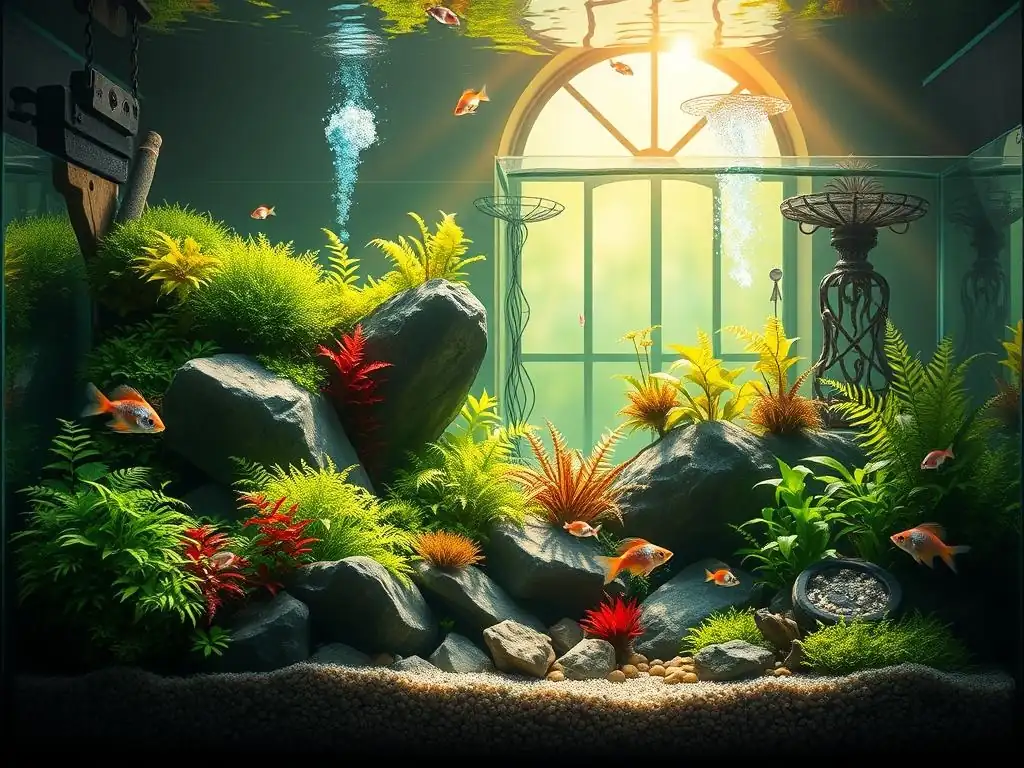
Welcome to Aquarium Mastery!
Ready to dive into the fascinating world of aquariums? Starting a new tank can be exciting, but getting it right from the start is crucial. Ever heard of fishless cycling? It's the humane and highly effective way to prepare your new aquarium, ensuring a thriving environment for your future aquatic friends. Curious to learn more? Discover everything you need to know about fishless cycling for aquarium beginners below and set your tank up for long-term success!
- Understanding Fishless Cycling for Aquarium Beginners
- Preparing for Fishless Cycling: Essential Supplies & Setup
-
Step-by-Step Guide to Fishless Cycling Your Aquarium
- Step 1: Adding Ammonia to Initiate the Nitrogen Cycle
- Step 2: Daily Water Testing: Monitoring Ammonia, Nitrite, and Nitrate Levels
- Step 3: Understanding the Stages of the Fishless Cycling Process
- Step 4: Maintaining Optimal Water Parameters During Fishless Cycling
- Step 5: Recognizing When Your Aquarium is Fully Cycled
- Troubleshooting Common Issues During Fishless Cycling
- Post-Cycling Procedures: Preparing Your Aquarium for Fish
- Advanced Fishless Cycling Techniques & Tips
- Maintaining a Healthy Aquarium Ecosystem After Fishless Cycling
- Fishless Cycling: A Sustainable Approach to Aquarium Keeping
-
Frequently Asked Questions
- What is fishless cycling, and why is it important for aquarium beginners?
- How does fishless cycling work in an aquarium?
- What are the key steps involved in fishless cycling for aquarium beginners?
- How long does fishless cycling typically take, and what factors influence the duration?
- What are some common mistakes to avoid when performing fishless cycling as an aquarium beginner?
- Final Reflection: Nurturing Life Before It Begins
- Ignite Your Aquarium Adventure!
Understanding Fishless Cycling for Aquarium Beginners
What is Fishless Cycling and Why is it Important?
Fishless cycling is a method of establishing the crucial beneficial bacteria colonies in a new aquarium before any fish are introduced. This process involves artificially introducing an ammonia source into the tank, mimicking the waste products fish would produce, thereby stimulating the growth of nitrifying bacteria. For aquarium beginners, understanding and implementing fishless cycling is paramount to preventing "new tank syndrome," a common and often fatal issue where fish are exposed to toxic levels of ammonia and nitrite in an uncycled tank.
The importance of fishless cycling extends beyond just preventing immediate harm to fish; it lays the foundation for a stable, healthy, and thriving aquatic ecosystem. By allowing the bacterial colonies to fully develop and mature without the stress of living inhabitants, the aquarium becomes biologically ready to process fish waste efficiently from day one. This proactive approach typically takes about 4 to 6 weeks to complete, depending on various factors like temperature and the use of bacterial starters, but the investment of time upfront significantly reduces long-term problems and ensures the well-being of future aquatic pets.
The Nitrogen Cycle in Aquariums: A Foundation for Fishless Cycling
At the heart of fishless cycling lies the nitrogen cycle, a natural biological process that converts harmful fish waste products into less toxic forms. In an aquarium, fish excrete ammonia (NH3), which is highly toxic to them, even at concentrations as low as 0.25 parts per million (ppm). Specialized bacteria, primarily Nitrosomonas species, colonize filter media and surfaces in the tank, consuming this ammonia and converting it into nitrite (NO2-). Nitrite, while less toxic than ammonia, is still dangerous to fish at levels above 0.5 ppm.
A second group of beneficial bacteria, mainly Nitrobacter species, then takes over, converting the nitrite into nitrate (NO3-). Nitrate is significantly less toxic and can accumulate in the aquarium, but high levels (typically above 20-40 ppm) still necessitate removal through regular water changes and by live plants. Fishless cycling for aquarium beginners focuses on cultivating robust populations of both Nitrosomonas and Nitrobacter before fish are introduced, ensuring that the ammonia and nitrite produced by fish waste are rapidly converted, maintaining a safe and healthy environment.
Fishless Cycling vs. Cycling with Fish: A Humane Comparison
Historically, many aquarists initiated the nitrogen cycle by adding a few "hardy" fish to a new tank, a process known as "fish-in cycling." However, this method subjects fish to a prolonged period of exposure to toxic ammonia and nitrite spikes, which can cause severe stress, irreversible organ damage, weakened immune systems, and often, premature death. Even "hardy" fish endure significant suffering, with mortality rates for sensitive species sometimes exceeding 50% during this stressful period.
Fishless cycling, in stark contrast, is a humane and highly effective alternative that prioritizes the welfare of aquatic life. By using a pure ammonia source, the beneficial bacteria are cultivated without any living organisms experiencing the toxic effects of the cycling process. This allows the biological filter to fully mature and become capable of handling a full bioload before any fish are introduced. For aquarium beginners, choosing fishless cycling not only aligns with ethical pet ownership but also results in a more stable and successful aquarium from the outset, significantly reducing the risk of fish illness and loss.
Preparing for Fishless Cycling: Essential Supplies & Setup
Choosing the Right Aquarium and Equipment for Fishless Cycling
The initial step in fishless cycling for aquarium beginners involves selecting the appropriate aquarium and essential equipment. While the size of the tank doesn't directly impact the process of cycling, it does affect the stability of water parameters. Larger tanks, such as those 20 gallons or more, tend to be more forgiving of fluctuations and offer greater stability during the cycling period. Smaller tanks, like 5-10 gallon nanos, can also be successfully cycled but require more diligent monitoring.
Beyond the tank itself, crucial equipment includes a reliable filter system (e.g., hang-on-back, canister, or sponge filter) to house the beneficial bacteria, and a heater capable of maintaining a consistent water temperature. A typical heater should be rated at approximately 3-5 watts per gallon to ensure adequate heating, allowing you to maintain a target temperature of 78-82°F (25-28°C) during the cycling process, which can significantly accelerate bacterial growth. Lighting is also important, especially if you plan to include live plants, as plants contribute to nitrate consumption and overall water quality.
Setting Up Your Aquarium for the Fishless Cycling Process
Once you have your aquarium and equipment, the setup for fishless cycling is straightforward. Begin by placing your chosen substrate (gravel, sand, or a specialized planted tank substrate) and any hardscape elements like rocks or driftwood. Ensure that all decor is aquarium-safe and thoroughly rinsed. Next, install your filter and heater according to the manufacturer's instructions. It's crucial to ensure the filter media is in place and the heater is properly submerged and plugged in.
Fill the aquarium with dechlorinated water. Tap water contains chlorine or chloramines that are harmful to fish and beneficial bacteria, so a water conditioner must be used to neutralize these chemicals. Most conditioners require a dosage of about 1 drop per gallon, but always follow the product's specific instructions. Once the tank is filled, turn on the filter and heater. Allow the water to circulate and reach the target temperature before proceeding with the ammonia addition. This initial setup phase is vital for establishing the physical environment where the biological processes of fishless cycling will occur.
Gathering Essential Supplies for Fishless Cycling: Ammonia Source, Testing Kit, Etc.
To successfully execute fishless cycling, specific supplies are indispensable. The most critical item is a pure ammonia source. This must be 100% pure ammonium chloride, without any added surfactants, perfumes, or dyes, which can be toxic to aquatic life. Ammonia solutions specifically designed for cycling are available from aquarium stores, or you can find pure household ammonia (check the ingredients carefully for "ammonium hydroxide" and no other additives).
Equally vital is a comprehensive liquid test kit, such as the API Freshwater Master Test Kit, which provides accurate readings for ammonia, nitrite, and nitrate, as well as pH. Unlike test strips, liquid kits offer greater precision, which is crucial for monitoring the subtle changes during the cycling process.
Additionally, a reliable aquarium thermometer is needed to ensure the water temperature remains within the optimal range for bacterial growth. Optional but highly recommended supplies include a bacterial starter culture (e.g., Seachem Stability, Tetra SafeStart Plus) which can significantly speed up the cycling process, often reducing the time from 4-6 weeks to 1-2 weeks.
Step-by-Step Guide to Fishless Cycling Your Aquarium
Step 1: Adding Ammonia to Initiate the Nitrogen Cycle
The first active step in fishless cycling is to introduce an ammonia source to kickstart the nitrogen cycle. Your goal is to raise the ammonia concentration in the tank to a target level of 2-4 parts per million (ppm). For aquarium beginners, it's best to start with a lower dose and increase gradually if needed. A common starting point for a 10% pure ammonia solution is approximately 1-2 drops per gallon of water, but this can vary depending on the product's concentration.
To ensure accuracy, it's advisable to add a small amount, mix it thoroughly, wait 15-30 minutes, and then test the water. If the ammonia level is below 2 ppm, add more in small increments until you reach the desired range. This initial ammonia provides the food source for the first type of beneficial bacteria ( Nitrosomonas) to begin colonizing your filter media and tank surfaces. Consistency in this initial dosing sets the stage for a successful and efficient fishless cycling process.
Step 2: Daily Water Testing: Monitoring Ammonia, Nitrite, and Nitrate Levels
Once ammonia has been added, diligent daily water testing becomes paramount for fishless cycling. Using your liquid test kit, measure the levels of ammonia, nitrite, and nitrate at the same time each day. In the initial phase, you will observe high ammonia readings. As the Nitrosomonas bacteria begin to multiply, the ammonia levels will gradually start to drop.
Following the decline of ammonia, you will then see a rise in nitrite levels, indicating that the first stage of the nitrogen cycle is active. As the second type of bacteria ( Nitrobacter) begins to establish itself, the nitrite levels will also start to fall. Finally, you will notice a steady increase in nitrate levels, signifying that both stages of the nitrogen cycle are fully operational. Recording these daily readings is crucial for tracking progress and understanding the unique timeline of your aquarium's fishless cycle.
Step 3: Understanding the Stages of the Fishless Cycling Process
Fishless cycling progresses through distinct stages, each marked by specific changes in water parameters. In the first week or two, you'll mainly observe the ammonia level slowly decreasing from your initial dose. This indicates the growth of ammonia-oxidizing bacteria. During this period, you may need to redose ammonia to maintain it at 1-2 ppm once it drops below 1 ppm, ensuring a continuous food source for the growing bacterial colony.
The second stage is characterized by a significant spike in nitrite levels, often reaching 2-5 ppm or even higher, as the ammonia is converted. Simultaneously, ammonia levels should continue to drop towards zero. This nitrite spike can last for several days to a few weeks. As nitrite levels begin to fall, you'll see a noticeable increase in nitrate levels, confirming that the second bacterial colony is actively converting nitrite. The cycle is nearing completion when both ammonia and nitrite consistently read zero.
Step 4: Maintaining Optimal Water Parameters During Fishless Cycling
While the primary focus of fishless cycling is the nitrogen cycle, maintaining optimal water parameters can significantly accelerate the process. Temperature plays a crucial role; nitrifying bacteria thrive in warmer water, with an ideal range of 78-82°F (25-28°C). Keeping the heater set within this range can shorten the cycling time by several days or even weeks compared to cooler temperatures below 70°F (21°C).
pH stability is also important. The nitrification process consumes alkalinity, which can cause the pH to drop, especially in water with low buffering capacity. If the pH drops below 6.5, the activity of beneficial bacteria can slow down or even halt. If this occurs, a small water change (25-30%) with dechlorinated water or the addition of a small amount of a pH buffer (e.g., 1/4 teaspoon of baking soda per 10 gallons) can help raise the pH back into a favorable range (7.0-8.0) for bacterial growth.
Step 5: Recognizing When Your Aquarium is Fully Cycled
The ultimate goal of fishless cycling is to establish a robust biological filter capable of processing fish waste. You will know your aquarium is fully cycled when it meets two key criteria: first, both ammonia and nitrite levels consistently read 0 parts per million (ppm) within 24 hours after you've dosed the tank with ammonia to 2-4 ppm. This confirms that the bacterial colonies are strong enough to rapidly convert the waste.
Secondly, you should observe a measurable presence of nitrates, indicating that the entire nitrogen cycle is complete and functioning effectively. Perform a final test by adding ammonia to 2-4 ppm. If, after 24 hours, both ammonia and nitrite are at 0 ppm and nitrates are present, your tank is ready for fish. This final test is a critical confirmation for aquarium beginners, signifying that the environment is safe and stable for its future inhabitants.
Troubleshooting Common Issues During Fishless Cycling
Dealing with Stalled Cycling: Potential Causes and Solutions
A common frustration for aquarium beginners during fishless cycling is a stalled cycle, where ammonia or nitrite levels remain stubbornly high without dropping to zero. Several factors can contribute to this. One frequent cause is insufficient ammonia; if the beneficial bacteria don't have a consistent food source, their growth will slow or halt.
Ensure you are redosing ammonia to 1-2 ppm whenever it drops below 1 ppm. Another major culprit is low pH; if the pH consistently drops below 6.5, bacterial activity significantly diminishes. Performing a small water change (25%) or carefully adding a pH buffer can help raise it.
Temperature also plays a vital role; temperatures below 70°F (21°C) can drastically slow down the cycling process. Increasing the heater setting to 78-82°F (25-28°C) can often restart bacterial growth. Lastly, sometimes the bacterial colonies simply need more time, or they might benefit from a boost. Adding a quality bacterial starter product (e.g., a bottle of beneficial bacteria culture) can often jumpstart a stalled cycle, providing the necessary strains to accelerate the process.
Addressing High Nitrate Levels After Fishless Cycling
As fishless cycling concludes, it's entirely normal and expected to find high nitrate levels in your aquarium. This is a positive sign, as it indicates that the nitrogen cycle is fully functional, having successfully converted all the toxic ammonia and nitrite into nitrate. However, while nitrates are far less harmful than ammonia or nitrite, excessively high concentrations (typically above 40 ppm) can still be detrimental to fish health over time, causing stress and weakening their immune systems.
Before introducing any fish, it is crucial to perform a large water change to reduce these accumulated nitrates to a safe level, ideally below 20 ppm. A 50-75% water change is often necessary to achieve this. Use dechlorinated water at a similar temperature to your tank to avoid shocking the beneficial bacteria or future fish. This final large water change provides a clean slate, ensuring that your newly cycled aquarium is pristine and ready for its first inhabitants.
Cloudy Water During Fishless Cycling: Causes and Remedies
During fishless cycling, aquarium beginners might observe the water turning cloudy, appearing milky white or hazy. This is a very common phenomenon and is almost always a sign of a "bacterial bloom." A bacterial bloom occurs when there's a rapid proliferation of beneficial bacteria (or sometimes heterotrophic bacteria, which break down organic waste) in the water column as they colonize the tank and filter media. While aesthetically unappealing, it is a normal and harmless part of the cycling process and is typically a good indicator that the beneficial bacteria are actively growing.
The best remedy for a bacterial bloom is patience. Do not perform large water changes in an attempt to clear the cloudiness, as this can remove the very bacteria you are trying to cultivate and prolong the cycling process. Maintain consistent ammonia dosing and water temperature. The cloudiness will usually resolve itself within a few days to a week as the bacteria establish themselves on surfaces and the water column clears. Ensure your filter is running properly to help remove any free-floating particles.
Post-Cycling Procedures: Preparing Your Aquarium for Fish
Performing a Water Change After Fishless Cycling
Once your aquarium has successfully completed the fishless cycling process, as confirmed by 0 ppm ammonia and nitrite readings and the presence of nitrates, a critical final step before adding fish is to perform a substantial water change. This is essential because while the cycle has converted harmful compounds into nitrate, these nitrates have accumulated throughout the weeks of cycling, often reaching levels of 50 ppm or more. High nitrate levels, even though less toxic, can still stress new fish.
A significant water change, typically 50% to 75% of the tank's volume, is recommended to reduce the nitrate concentration to a safe level, ideally below 20 ppm. Use a gravel vacuum to remove any detritus from the substrate while siphoning out the water. Always refill with dechlorinated water that is at a similar temperature to the tank water to prevent temperature shock for the beneficial bacteria and any future inhabitants. This step ensures that your tank starts with optimal water quality for the introduction of fish.
Gradually Introducing Fish to Your Newly Cycled Aquarium
After the post-cycling water change, your aquarium is biologically ready for fish. However, for aquarium beginners, it's crucial to introduce fish gradually rather than adding a full stock all at once. Even a fully cycled tank can be overwhelmed by a sudden, large increase in bioload. Start by adding only a small number of fish, perhaps 2-3 small, hardy species for a 20-gallon tank. This allows the beneficial bacteria to adjust and multiply further in response to the actual fish waste.
Follow proper acclimation procedures when introducing new fish, such as floating the bag for temperature equalization and slowly adding tank water to the bag over 30-60 minutes to equalize water parameters. Wait at least one to two weeks after introducing the initial batch of fish before adding more. This gives the biological filter time to adapt to the new bioload and minimizes the risk of ammonia or nitrite spikes, ensuring a smoother transition for your new aquatic pets.
Monitoring Water Parameters After Adding Fish: Avoiding Ammonia Spikes
Even after a successful fishless cycle and gradual fish introduction, continuous monitoring of water parameters is vital for maintaining a healthy aquarium. For the first few weeks after adding fish, it is highly recommended to test ammonia, nitrite, and nitrate levels daily or every other day. While the tank is cycled, the biological filter needs time to fully adapt to the specific bioload of your new fish.
Small ammonia or nitrite spikes (e.g., above 0.25 ppm) can still occur, especially if you add too many fish too quickly or overfeed. If you detect any ammonia or nitrite, immediately perform a small water change (20-30%) and reduce feeding. This vigilant monitoring for aquarium beginners is crucial to catch and address potential issues before they become harmful to your fish. Once the tank demonstrates consistent 0 ppm ammonia and nitrite readings for several weeks with fish present, you can reduce testing frequency to weekly or bi-weekly.
Advanced Fishless Cycling Techniques & Tips
Using Established Filter Media to Speed Up Fishless Cycling
One of the most effective ways to drastically accelerate fishless cycling is by "seeding" your new aquarium with established filter media from an already cycled, healthy tank. This technique introduces a mature, active colony of beneficial bacteria directly into your new filter. You can obtain established media (e.g., a sponge, ceramic rings, or bio-balls) from a friend's tank, a local fish store that practices responsible husbandry, or even from a small, temporary filter running in an established tank specifically for this purpose.
Simply place the established media directly into your new filter alongside your new media, ensuring it remains submerged in water to keep the bacteria alive. This can reduce the cycling time from the typical 4-6 weeks down to as little as 1-2 weeks, or even a few days in some cases, as the bacterial population is already significant from the start. For aquarium beginners looking for a quicker, yet still humane, setup, this method is invaluable.
The Importance of Water Temperature in Fishless Cycling
Water temperature plays a surprisingly significant role in the speed and efficiency of fishless cycling. Nitrifying bacteria, the beneficial microbes responsible for converting ammonia and nitrite, are thermophilic, meaning they thrive in warmer conditions. While cycling can occur at room temperature, maintaining a higher temperature within your aquarium can substantially accelerate bacterial growth and reproduction.
An optimal temperature range for fishless cycling is generally between 78-82°F (25-28°C). Within this range, bacterial metabolic rates are significantly higher, leading to faster conversion of ammonia to nitrite and nitrite to nitrate. Conversely, temperatures below 70°F (21°C) can dramatically slow down the cycling process, potentially extending it by several weeks. Using a reliable aquarium heater set to this optimal range is a simple yet powerful tip for aquarium beginners aiming for a more efficient fishless cycle.
Fishless Cycling for Saltwater Aquariums: Key Differences
While the core principles of fishless cycling remain the same for both freshwater and saltwater aquariums, there are a few key differences to note for saltwater enthusiasts. The beneficial bacteria species in saltwater environments are different from those in freshwater, but they perform the same essential functions of converting ammonia and nitrite. The cycling process in saltwater tanks often takes slightly longer, typically 6-8 weeks, partly due to the complex chemistry and the need for bacteria to adapt to the specific salinity.
A crucial component in saltwater fishless cycling is the use of live rock and live sand. These materials naturally come inoculated with beneficial bacteria and provide extensive surface area for colonization, significantly aiding the cycling process. When adding ammonia for fishless cycling, ensure your salinity is stable and within the appropriate range (e.g., 1.023-1.026 specific gravity for most reef tanks). Additionally, some saltwater setups may also cycle for denitrification (converting nitrate to nitrogen gas), which can further extend the process but results in even lower nitrate levels.
Maintaining a Healthy Aquarium Ecosystem After Fishless Cycling
Regular Water Changes and Their Role in Maintaining Stability
Even after a successful fishless cycle and proper fish introduction, regular water changes remain the cornerstone of long-term aquarium health. While the beneficial bacteria effectively convert ammonia and nitrite, nitrates accumulate in the water over time, and these need to be removed. Additionally, essential trace elements can become depleted, and undesirable dissolved organic compounds can build up.
A consistent schedule of water changes, typically 20-25% of the tank volume every one to two weeks, is highly recommended for most moderately stocked aquariums. For heavily stocked tanks or those with nitrate-sensitive inhabitants, more frequent or larger water changes may be necessary. This routine replenishes vital minerals, dilutes accumulated nitrates (aiming to keep them below 20 ppm), and removes other pollutants, ensuring a stable and pristine environment for your aquatic ecosystem to thrive for years to come.
Monitoring Water Parameters for a Thriving Aquarium
Ongoing water parameter monitoring is just as critical after fishless cycling as it was during the process. While daily testing for ammonia and nitrite can eventually be scaled back to weekly or bi-weekly checks, especially if the tank is stable, regular nitrate testing remains essential. If nitrate levels consistently rise above 20 ppm between scheduled water changes, it may indicate overstocking, overfeeding, or a need for larger or more frequent water changes.
Beyond the nitrogen cycle parameters, aquarium beginners should also regularly test pH, alkalinity (KH), and general hardness (GH), especially for freshwater setups. These parameters influence the stability of your water and the health of your fish and plants. Consistent monitoring allows you to catch subtle shifts in water chemistry before they become problematic, enabling prompt corrective action and ensuring the long-term well-being of your aquarium inhabitants.
Choosing the Right Fish for Your Cycled Aquarium: Compatibility and Care
With a fully cycled and stable aquarium, the exciting phase of choosing fish begins. However, it's crucial to select inhabitants wisely, considering not only their aesthetic appeal but also their compatibility, adult size, temperament, and specific care requirements. Overstocking is a common pitfall for aquarium beginners and can quickly overwhelm even a robust biological filter, leading to ammonia spikes and increased maintenance. A general guideline is to allow at least 1 gallon of water per inch of adult fish, though this can vary greatly by species.
Research each species thoroughly before purchase, paying attention to their preferred water parameters (pH, temperature), dietary needs, social behaviors (schooling, solitary, aggressive), and compatibility with other fish you plan to keep. For instance, a 20-gallon tank is suitable for a small school of 6-8 neon tetras or a pair of dwarf gouramis, but not for larger, more aggressive species. By choosing the right fish and understanding their needs, you contribute to a harmonious and thriving aquatic community in your meticulously cycled aquarium.
Fishless Cycling: A Sustainable Approach to Aquarium Keeping
Minimizing Stress on Fish Through Proper Cycling
Fishless cycling stands as a testament to responsible and humane aquarium keeping. By establishing a robust biological filter before any fish are introduced, this method completely eliminates the exposure of fish to toxic ammonia and nitrite spikes, which are the primary causes of "new tank syndrome." The result is a significantly reduced stress load on your aquatic inhabitants from the moment they enter their new home.
Fish that are not subjected to the trauma of an uncycled tank are more resilient, exhibit better color, have stronger immune systems, and are far less susceptible to common aquarium diseases such as ich (white spot disease) or fin rot. This proactive approach minimizes the chances of fish loss, ensuring that your investment in time and resources translates into healthy, happy fish that can thrive for their full natural lifespans. For aquarium beginners, starting with fishless cycling sets a compassionate precedent for their journey into the hobby.
Contributing to a Healthier Aquarium Environment
Beyond the immediate benefits to fish, fishless cycling contributes significantly to the overall health and stability of the entire aquarium ecosystem. A properly cycled tank possesses a mature and efficient biological filter that can consistently process waste products, leading to more stable water parameters. This stability reduces the need for emergency interventions and makes routine maintenance more predictable and manageable.
By embracing fishless cycling, aquarists are adopting a sustainable practice that fosters a balanced and resilient aquatic environment. It promotes a deeper understanding of the nitrogen cycle and the vital role of beneficial bacteria, empowering aquarium beginners with the knowledge to maintain a thriving, long-term ecosystem. This responsible foundation ensures that the aquarium remains a source of beauty and enjoyment, reflecting a commitment to the well-being of its inhabitants and the health of the aquatic world it represents.
Frequently Asked Questions
What is fishless cycling, and why is it important for aquarium beginners?
Fishless cycling is the process of establishing a beneficial bacteria colony in your aquarium before introducing fish. This is important because it prevents ammonia and nitrite poisoning, which can be fatal to fish.
How does fishless cycling work in an aquarium?
Fishless cycling works by introducing a source of ammonia into the aquarium. This ammonia feeds the nitrifying bacteria, which convert it into nitrite, and then into less harmful nitrate.
What are the key steps involved in fishless cycling for aquarium beginners?
The key steps involve adding an ammonia source, regularly testing water parameters (ammonia, nitrite, nitrate), and waiting for the bacteria to establish themselves. Once ammonia and nitrite read zero and nitrate is present, the cycle is complete.
How long does fishless cycling typically take, and what factors influence the duration?
Fishless cycling typically takes 4-8 weeks. The duration can be influenced by factors such as water temperature, pH levels, and the presence of a seeded filter media.
What are some common mistakes to avoid when performing fishless cycling as an aquarium beginner?
Common mistakes include using incorrect ammonia levels, not testing the water regularly, and adding fish before the cycle is complete. Also, avoid adding too much ammonia at once, as this can stall the cycle.
Final Reflection: Nurturing Life Before It Begins
The journey of establishing a thriving aquarium often begins before a single fish graces its waters, and as we've explored, fishless cycling is not merely a method, but a commitment to responsible aquascaping. In a world increasingly aware of ethical considerations, choosing a fishless cycle reflects a dedication to minimizing stress and ensuring a healthy environment for future inhabitants. This proactive approach resonates deeply with the growing movement towards mindful pet ownership and sustainable practices.
This method has profoundly impacted the aquarium hobby, shifting the focus from immediate gratification to long-term well-being. Witnessing the transformation of a sterile tank into a vibrant ecosystem, teeming with beneficial bacteria, is a deeply rewarding experience. It fosters a deeper understanding of the delicate balance within an aquarium and cultivates patience, a virtue often overlooked in our fast-paced world. The best time to plant a tree was 20 years ago. The second best time is now.
This ancient proverb perfectly encapsulates the spirit of fishless cycling: investing time upfront yields immeasurable benefits down the line.
Now, as you stand on the precipice of creating your own aquatic haven, consider the profound impact of your choices. Embrace the principles of fishless cycling, not just as a technique, but as a philosophy. Let patience guide your hand, knowledge illuminate your path, and compassion fuel your dedication. Your aquarium is more than just a display; it's a microcosm of life, and by nurturing it responsibly, you contribute to a more ethical and sustainable future for the aquarium hobby and the creatures we cherish.
Ignite Your Aquarium Adventure!
Thank you for delving into the world of fishless cycling! Now that you understand how to create a thriving aquatic environment before introducing your finned friends, let's put that knowledge into action.
- Kickstart Your Cycle Today: Initiate the fishless cycling process in your new aquarium by adding an ammonia source. Monitor your water parameters daily to track your progress and ensure a safe haven for your future fish.
- Share Your Cycling Journey: Post a photo of your aquarium setup on social media using #AquariumMasteryFishlessCycle, and connect with fellow aquarists.
- Delve Deeper: Research compatible fish species for your established tank; what aquatic life excites you most and fits your water parameters?