
Starter Kit Pitfalls: 7 Common Mistakes New Aquarists Make (And How to Avoid Them)

Welcome to Aquarium Mastery!
Ready to dive into the captivating world of aquariums? Starting your own aquatic paradise is exciting, but it's easy to stumble. Are you unknowingly setting yourself up for failure? This guide, " Starter Kit Pitfalls: 7 Common Mistakes New Aquarists Make (And How to Avoid Them)," reveals crucial information you need to know before you even fill your tank. Discover the secrets to a thriving aquarium and avoid costly (and heartbreaking!) mistakes. Let's explore the world of aquariums together!
- Introduction: Avoiding New Aquarium Starter Kit Mistakes for a Thriving Tank
- Mistake #1: Ignoring the Nitrogen Cycle – The Foundation of a Healthy Aquarium
- Mistake #2: Overstocking the Aquarium – Less is More, Especially at the Start
- Mistake #3: Neglecting Water Changes – Regular Maintenance is Crucial
- Mistake #4: Overfeeding Your Fish – More Food Doesn't Mean Happier Fish
- Mistake #5: Poor Substrate Choice - The Foundation of Your Aquarium
- Mistake #6: Not Quarantining New Fish – Preventing Disease Outbreaks
- Mistake #7: Ignoring Water Chemistry – Understanding pH, KH, and GH
-
Frequently Asked Questions
- What are some common mistakes made when using a new aquarium starter kit?
- Why is it important to cycle a new aquarium before adding fish?
- What type of water is best to use to fill a new aquarium, and why?
- How does choosing the wrong fish affect the health of a new aquarium?
- What kind of maintenance schedule is recommended when setting up a new aquarium starter kit?
- Final Reflection: Navigating the Aquatic Frontier
- Dive Deeper: Master Your Aquarium Journey!
Introduction: Avoiding New Aquarium Starter Kit Mistakes for a Thriving Tank
Embarking on the journey of aquarium keeping is an exciting venture, promising a captivating slice of the underwater world right in your home. Many enthusiasts begin with a convenient new aquarium starter kit, lured by the promise of an all-in-one solution. However, beneath the surface of this apparent simplicity lie several common pitfalls that new aquarists frequently encounter, often leading to frustration, unhealthy fish, and ultimately, a disappointing experience.
Avoiding these critical new aquarium starter kit mistakes is paramount for the well-being of your aquatic inhabitants and the overall success and enjoyment of your tank. Understanding the science behind a thriving aquatic ecosystem, from water chemistry to fish behavior, can transform a challenging start into a rewarding hobby. AquariumMastery.com is here to guide you through these initial hurdles, ensuring your first foray into aquatics is as smooth and successful as possible.
Mistake #1: Ignoring the Nitrogen Cycle – The Foundation of a Healthy Aquarium
Understanding the Nitrogen Cycle: The Key to Preventing New Tank Syndrome
The nitrogen cycle is the single most critical biological process in any aquarium, yet ignoring it is one of the most significant new aquarium starter kit mistakes. In simple terms, this cycle involves beneficial bacteria converting toxic fish waste products into less harmful substances. Fish produce ammonia (NH3), which is highly toxic. Specialized bacteria (Nitrosomonas) convert this ammonia into nitrite (NO2-), which is also highly toxic. A second group of bacteria (Nitrobacter) then converts nitrite into nitrate (NO3-), which is significantly less toxic and can be removed through regular water changes.
"New Tank Syndrome" is the direct consequence of an uncycled tank, often occurring when fish are introduced too soon. Without a robust colony of beneficial bacteria, ammonia and nitrite levels rapidly spike to lethal concentrations, causing severe stress, organ damage, and often death for the fish. Symptoms can include lethargy, gasping at the surface, clamped fins, and red gills. For instance, a 10-gallon tank can see ammonia levels rise from 0 ppm to over 5 ppm within 24-48 hours of adding just a few small fish if not properly cycled, leading to a high mortality rate.
Solution: Kickstarting the Nitrogen Cycle with Beneficial Bacteria
The most effective solution to prevent New Tank Syndrome is to cycle your tank before adding any fish. This can be significantly accelerated by using beneficial bacteria supplements, which introduce the necessary nitrifying bacteria directly into your aquarium. Products like Seachem Stability or API Quick Start contain live bacterial cultures that immediately begin colonizing your filter media and substrate, initiating the nitrogen conversion process. A typical 20-gallon tank might show initial signs of the cycle completing (ammonia and nitrite dropping to zero) within 1-2 weeks when these supplements are used correctly, compared to 4-6 weeks without them.
For a fishless cycling method, which is the most humane and efficient approach, you can add a pure ammonia source, such as DrTim's Aquatics Ammonium Chloride, to feed the beneficial bacteria. Dosing around 2-4 drops per gallon daily helps establish the bacterial colony without stressing fish.
Throughout this process, regularly testing your water parameters with a reliable liquid test kit, such as the API Master Test Kit, is crucial. This kit allows you to monitor ammonia, nitrite, and nitrate levels, giving you clear indications of when your tank is fully cycled (0 ppm ammonia, 0 ppm nitrite, and measurable nitrates) and ready for fish.
Mistake #2: Overstocking the Aquarium – Less is More, Especially at the Start
The Dangers of Overcrowding a New Aquarium Starter Kit
Overstocking is another prevalent new aquarium starter kit mistake that can quickly derail a new aquarist's efforts. When too many fish are introduced into a confined space, they produce waste at a rate that overwhelms the nascent nitrogen cycle, leading to rapid and dangerous increases in ammonia and nitrite levels.
This poor water quality directly stresses the fish, compromising their immune systems and making them highly susceptible to common diseases like Ich (white spot disease) or fin rot. For example, trying to keep 10-12 active fish in a 10-gallon starter kit tank will almost certainly lead to chronic stress and disease outbreaks due to the excessive bio-load.
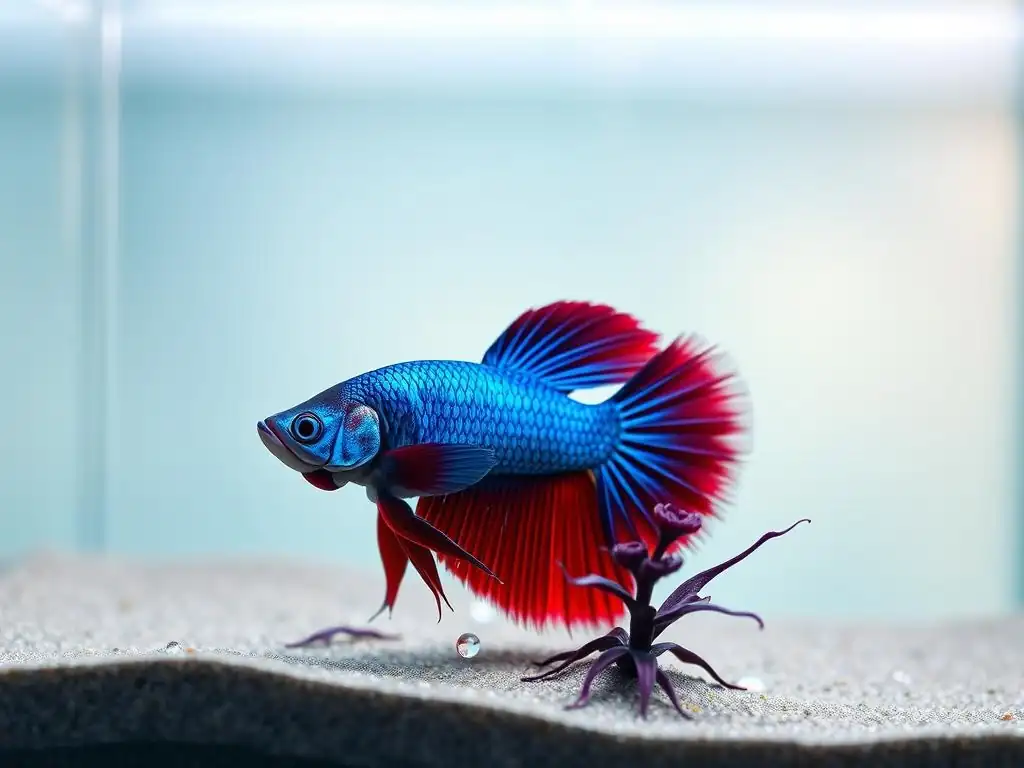
Beyond water quality issues, overcrowding also leads to behavioral problems. Fish require adequate space for swimming, foraging, and establishing territories. In an overstocked environment, aggression, nipping, and bullying become common, especially among species that are naturally territorial. Long-term, this can result in stunted growth, chronic stress, and a significantly shortened lifespan for your fish. Many starter kits are deceptively small; a 10-gallon tank, for instance, is truly only suitable for a single Betta fish or a small school of 6-8 micro rasboras, not the diverse community often envisioned by beginners.
Solution: Choosing the Right Fish for Your Tank Size and Experience Level
To avoid the pitfalls of overstocking, meticulous research into the adult size, temperament, and specific needs of fish before purchase is essential. For common starter kit tank sizes, focus on beginner-friendly species that remain small and are known for their peaceful nature. For a 10-gallon tank, a single Betta fish (Betta splendens) is an excellent choice, providing vibrant color and personality.
In a 20-gallon long tank, a small school of 6-8 Neon Tetras (Paracheirodon innesi) or 3-4 Corydoras catfish (Corydoras paleatus) can thrive. Avoid common misconceptions like the "one inch of fish per gallon" rule, as it fails to account for a fish's adult size, waste production, and activity level.
AquariumMastery.com's species profiles offer detailed information on various fish, helping you make informed decisions. Additionally, utilizing online aquarium stocking calculators, such as AqAdvisor, can provide a more accurate assessment of appropriate stocking levels for your specific tank dimensions and filtration. These tools consider factors like adult size, aggression, and bio-load, allowing you to plan a compatible community. Starting with a smaller, manageable bio-load allows your beneficial bacteria colony to establish more robustly, preventing the new aquarium starter kit mistake of overwhelming your system and ensuring a stable environment for your fish.
Mistake #3: Neglecting Water Changes – Regular Maintenance is Crucial
Why Regular Water Changes are Essential for a Healthy Aquarium Environment
Neglecting regular water changes is a fundamental new aquarium starter kit mistake that directly impacts the health and longevity of your aquatic ecosystem. While the nitrogen cycle converts toxic ammonia and nitrite into less harmful nitrates, nitrates still accumulate over time and become toxic at high concentrations—typically above 40 ppm for most freshwater fish. Regular water changes are the primary method of removing these accumulated nitrates and other dissolved organic compounds that can lead to cloudy water, algae blooms, and a general decline in water quality.
Beyond nitrate removal, water changes also serve to replenish essential trace minerals and electrolytes that fish and aquatic plants consume over time. These vital elements are crucial for fish osmoregulation, metabolic functions, and overall vitality. Furthermore, it is absolutely critical to dechlorinate tap water before adding it to your aquarium. Chlorine and chloramine, commonly found in municipal tap water, are highly toxic to fish and, more importantly, will instantly kill the beneficial bacteria colonies that form the backbone of your nitrogen cycle, undoing all your cycling efforts and leading to a crash.
Solution: Implementing a Weekly Water Change Routine
Implementing a consistent weekly water change routine is non-negotiable for a healthy aquarium. For most moderately stocked tanks, performing a 25-30% water change weekly is a good starting point. For example, a 20-gallon tank would require removing 5-6 gallons of water.
This frequency helps keep nitrate levels in check, typically below 20 ppm, and ensures a fresh supply of vital minerals. Using a gravel vacuum, such as the Python No Spill Clean and Fill Aquarium Water Change System, makes this task significantly easier and more efficient, allowing you to simultaneously siphon out dirty water and vacuum detritus and uneaten food from the substrate, preventing further decomposition.
Equally important is the use of a high-quality water conditioner or dechlorinator. Products like Seachem Prime are highly recommended because they not only neutralize chlorine and chloramine but also temporarily detoxify ammonia and nitrite for up to 48 hours, providing an extra layer of protection during water changes, especially in new or slightly unstable tanks.
Always add the dechlorinator to the new water before it enters the tank, or directly to the tank before adding new water, following the product's instructions. This simple, consistent maintenance step is key to avoiding one of the most common new aquarium starter kit mistakes and maintaining pristine water quality.
Mistake #4: Overfeeding Your Fish – More Food Doesn't Mean Happier Fish
The Risks of Overfeeding Fish in a New Aquarium
Overfeeding is an incredibly common new aquarium starter kit mistake, often stemming from a desire to "spoil" new pets. However, more food does not equate to happier or healthier fish; quite the opposite. The primary risk of overfeeding is the rapid decomposition of uneaten food, which quickly breaks down and releases a significant amount of ammonia into the water.
In a new aquarium, where the beneficial bacteria colony is still developing, this sudden influx of ammonia can overwhelm the nascent nitrogen cycle, leading to dangerous and often lethal spikes in ammonia and nitrite levels. A single pinch too much in a 10-gallon tank can drastically alter water parameters within hours.
Beyond the immediate threat of ammonia spikes, overfeeding contributes to a host of other problems. Excess nutrients from decaying food, particularly phosphates, fuel unsightly and often stubborn algae blooms, turning clear water murky and green. Uneaten food can also accumulate in the substrate, creating anaerobic (oxygen-depleted) pockets that harbor harmful bacteria and release toxic gases. Furthermore, fish themselves can suffer health issues from overfeeding, including swim bladder disorders, fatty liver disease, and general lethargy, as their digestive systems are not designed for constant, heavy feeding.
Solution: Feeding a Balanced Diet in Small Portions
The solution to overfeeding is simple: feed your fish a high-quality, balanced diet in small portions, no more than once or twice a day. The golden rule is to offer only what your fish can completely consume within 2-3 minutes. For a small school of fish in a 10-20 gallon tank, this often means a surprisingly tiny amount – perhaps just a few flakes or pellets.
High-quality fish foods like TetraMin Tropical Flakes or Fluval Bug Bites offer comprehensive nutrition without excessive fillers, reducing waste. It's also beneficial to vary the diet with different types of food (e.g., flakes, pellets, frozen brine shrimp or bloodworms) to ensure a full spectrum of nutrients.
For bottom-dwelling fish like Corydoras, ensure they receive sinking pellets, as flakes often get eaten by surface feeders before reaching the bottom. Consider using an automatic fish feeder, such as the Eheim Everyday Fish Feeder, especially if you have a busy schedule or are prone to accidental overfeeding.
These devices dispense precise amounts of food at set intervals, ensuring consistent feeding and preventing the temptation to add "just a little more." By adhering to a strict, measured feeding regimen, you can prevent a major new aquarium starter kit mistake, maintain superior water quality, and promote the long-term health of your fish.
Mistake #5: Poor Substrate Choice - The Foundation of Your Aquarium
Choosing the Wrong Substrate for Fish and Plants
The substrate, the material covering the bottom of your aquarium, is far more than just a decorative element; it's a crucial component of your tank's ecosystem. Choosing the wrong substrate is a common new aquarium starter kit mistake that can significantly impact both the health of your fish and the viability of any live plants you wish to keep.
For instance, very coarse gravel can trap excessive amounts of uneaten food and detritus deep within its crevices. This organic material then decomposes, leading to an accumulation of nitrates and potentially creating anaerobic pockets where harmful bacteria thrive, releasing toxic hydrogen sulfide gas.
Conversely, extremely fine sand, if not properly maintained, can also compact tightly, leading to similar anaerobic issues. More importantly, certain fish species have specific substrate needs that, if ignored, can lead to injury or stress. Bottom-dwelling fish like Corydoras catfish, Kuhli loaches, or various types of gobies rely on fine, smooth sand to sift through for food particles without damaging their delicate barbels or skin. Similarly, if you plan to introduce live aquatic plants, an inert gravel substrate will offer little to no nutritional support, making plant growth challenging and often requiring additional, costly supplementation.
Solution: Choosing the Right Substrate
To avoid this new aquarium starter kit mistake, consider your long-term aquarium goals before selecting your substrate. There are generally three main categories:
- Standard Aquarium Gravel: Versatile and easy to clean, gravel is suitable for most community fish and tanks without live plants. Choose a grain size that's not too large to trap excessive debris but also not too fine to compact.
- Aquarium Sand: Ideal for bottom-dwelling fish that like to sift or burrow, such as Corydoras, Kuhli loaches, or many cichlids. Sand creates a natural aesthetic and prevents food from falling into inaccessible areas. Regular stirring or the addition of sand-sifting snails can prevent anaerobic spots.
- Planted Tank Substrates: If you envision a lush, planted aquarium, investing in a specialized nutrient-rich substrate is highly recommended. Products like Seachem Flourite are designed to provide essential macro and micronutrients directly to plant roots, promoting robust growth and reducing the need for liquid fertilizers or root tabs. These substrates often have a porous structure that also supports beneficial bacterial colonization.
Making an informed substrate choice upfront ensures that your fish have a safe and comfortable environment and that your plants can thrive, preventing a foundational new aquarium starter kit mistake that can limit your future options and success.
Mistake #6: Not Quarantining New Fish – Preventing Disease Outbreaks
The Importance of Quarantine Tanks for New Fish
One of the most devastating new aquarium starter kit mistakes a new aquarist can make is directly introducing new fish into their main display tank without a proper quarantine period. Even seemingly healthy fish from a reputable local fish store can carry dormant parasites, bacteria, or viruses. The stress of capture, transport, and introduction to a new environment can trigger these pathogens, causing them to manifest as full-blown diseases. When these sick fish are added to your established tank, they can rapidly infect your existing inhabitants, potentially leading to a widespread outbreak that can decimate your entire aquatic population.
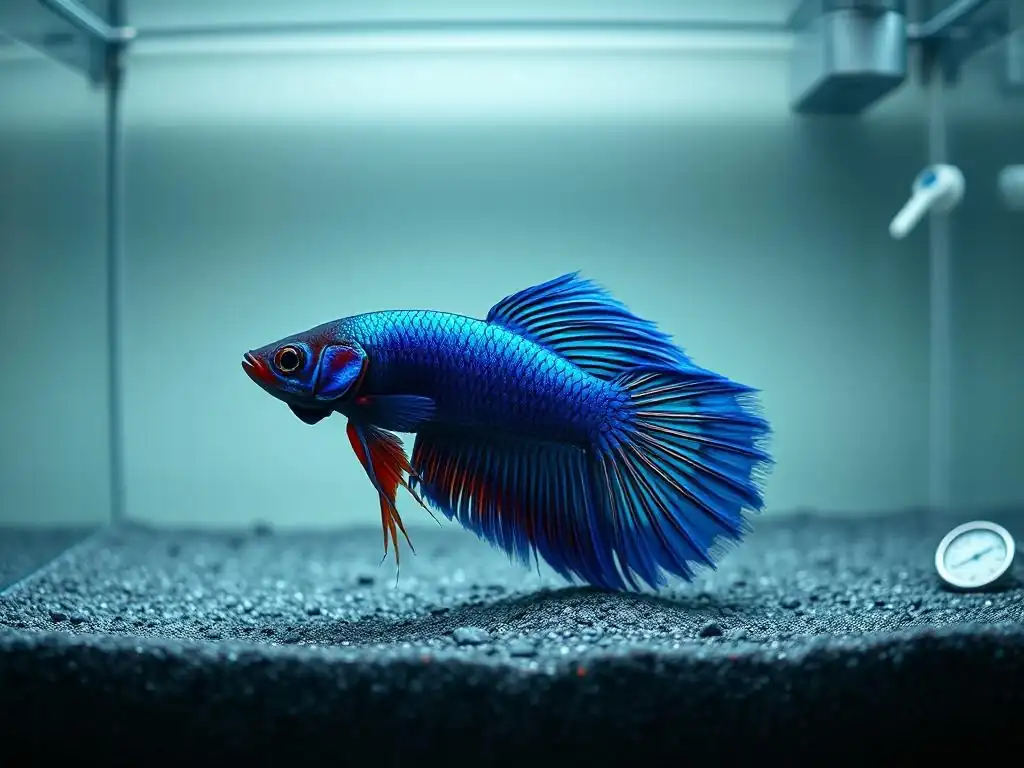
The purpose of a quarantine tank is to provide a safe, isolated environment where new fish can be observed for signs of illness for a period, typically 2-4 weeks. This isolation allows you to detect any developing diseases without risking your main aquarium's health. During this period, if symptoms appear (such as white spots indicating Ich, clamped fins, lethargy, or abnormal swimming), the new fish can be treated effectively with medication without exposing your main tank's beneficial bacteria to harsh chemicals or stressing its established inhabitants. This proactive step saves countless fish and considerable heartache.
Solution: Setting Up a Simple Quarantine Tank
Setting up a simple, cost-effective quarantine tank is an essential practice for any responsible aquarist. A 5-10 gallon tank is often sufficient for most new fish, equipped with minimal but crucial equipment: a small sponge filter (to maintain biological filtration without needing to fully cycle a large tank), a heater to maintain stable water temperature, and an air stone for oxygenation. Avoid substrate or elaborate decorations in the quarantine tank, as they can complicate observation, cleaning, and medication absorption. Keep the setup bare-bottom for ease of maintenance.
During the quarantine period, observe your new fish daily for any signs of illness. If symptoms are noted, begin appropriate treatment in the quarantine tank. For instance, if you observe white spots (Ich), common treatments involve gradually raising the temperature to 82°F (if suitable for the fish) and using an Ich-specific medication.
Having a broad-spectrum medication like API General Cure on hand can address common issues such as parasitic infections (e.g., flukes, internal parasites) or bacterial infections. This simple, preventative measure of maintaining a quarantine tank is one of the most effective ways to avoid a catastrophic new aquarium starter kit mistake and safeguard your entire aquatic community.
Mistake #7: Ignoring Water Chemistry – Understanding pH, KH, and GH
The Importance of Water Chemistry in Aquarium Health
Ignoring fundamental water chemistry parameters is a critical new aquarium starter kit mistake that often leads to chronic stress and illness in fish. pH, KH (carbonate hardness or alkalinity), and GH (general hardness) are not just arbitrary numbers; they are vital indicators of your water's stability and suitability for specific fish species. pH dictates the acidity or alkalinity of the water, directly impacting fish metabolic processes and comfort. Drastic pH swings, known as pH crashes, can cause severe stress, organ damage, and even death, especially in new tanks that lack sufficient buffering capacity.
KH, or carbonate hardness, acts as the primary buffer against pH fluctuations. It essentially "locks" the pH in place, preventing sudden drops or spikes. In tanks with low KH, even minor changes like adding driftwood or performing a small water change can lead to dangerous pH instability.
GH, or general hardness, measures the concentration of dissolved calcium and magnesium ions. These minerals are essential for fish osmoregulation, bone development, and overall vitality. Different fish species originate from regions with specific water parameters (e.g., Discus prefer soft, acidic water, while African Cichlids thrive in hard, alkaline conditions), making it crucial to match your water chemistry to your chosen inhabitants for their long-term health and well-being.
Solution: Testing and Adjusting Water Parameters
The cornerstone of successful water chemistry management is regular and accurate testing. The API Master Test Kit is an indispensable tool for any aquarist, providing precise liquid test results for pH (both standard and high range), ammonia, nitrite, and nitrate. By consistently monitoring these parameters, new aquarists can establish a baseline for their tap water and detect any deviations before they become critical. For example, if your tap water naturally has a pH of 7.8 and your chosen fish prefer a pH of 6.5, you know you need to consider adjustments or choose more suitable species.
While stability is often more important than achieving "perfect" numbers, knowing how to safely adjust parameters is crucial. If your tap water is naturally soft and acidic, and you plan to keep fish that prefer harder, more alkaline conditions (like many livebearers such as Guppies or Platies), products like Seachem Alkaline Buffer can help raise KH and pH gradually and safely. Conversely, for fish that thrive in softer, more acidic conditions (like many South American tetras), Seachem Acid Buffer can help lower pH.
Always make small, gradual adjustments over several days, and retest frequently to avoid shocking your fish. Consistent monitoring and gentle intervention prevent the new aquarium starter kit mistake of unstable and unsuitable water conditions.
Frequently Asked Questions
What are some common mistakes made when using a new aquarium starter kit?
Many new aquarists make mistakes such as overstocking the tank immediately, not cycling the tank properly leading to a toxic environment, and using tap water without treating it to remove chlorine and chloramine.
Why is it important to cycle a new aquarium before adding fish?
Cycling establishes a beneficial bacteria colony that converts harmful ammonia and nitrite into less toxic nitrate. Without cycling, these toxins can build up and harm or kill your fish.
What type of water is best to use to fill a new aquarium, and why?
Tap water is often used, but it must be treated with a water conditioner to remove chlorine and chloramine, which are harmful to fish and beneficial bacteria. Dechlorinated tap water or reverse osmosis (RO) water are good choices.
How does choosing the wrong fish affect the health of a new aquarium?
Choosing the wrong fish can lead to overcrowding, incompatibility issues, and an unbalanced ecosystem. Research the needs of each species before purchasing to ensure they are compatible with your tank size and other inhabitants.
What kind of maintenance schedule is recommended when setting up a new aquarium starter kit?
Regular partial water changes (around 25%) are essential to remove nitrates and maintain water quality. Also, regular gravel vacuuming and filter maintenance are important for a healthy tank.
The journey into aquascaping, often begun with a new aquarium starter kit, represents more than just setting up a tank; it's an invitation to nurture a miniature ecosystem. While these kits promise ease, the reality, as we've explored, is often fraught with potential pitfalls. Understanding and avoiding these common mistakes is crucial, not just for the health of your aquatic inhabitants, but also for fostering a sustainable and rewarding relationship with the natural world.
The impact of these initial experiences extends far beyond the confines of a glass box. The success or failure of a first aquarium can profoundly influence one's appreciation for aquatic life and their commitment to responsible pet ownership. It teaches patience, observation, and the delicate balance of nature. In nature, nothing is perfect and everything is perfect. Trees can be contorted, bent in weird ways, and they're still beautiful.
- Alice Walker. This quote reminds us that even in the face of challenges, there is beauty and value in the learning process, and that imperfections are often opportunities for growth.
So, as you embark on your aquascaping adventure, remember the lessons learned here. Approach your new aquarium with knowledge, patience, and a deep respect for the life within. Let this be more than just a hobby; let it be a journey of discovery, a testament to your commitment to responsible stewardship, and a source of endless wonder. Embrace the challenge, learn from your mistakes, and cultivate a thriving aquatic world that reflects your dedication and care.
Dive Deeper: Master Your Aquarium Journey!
Thanks for exploring the world of aquariums with us! We hope you found valuable insights into avoiding common pitfalls and setting up your aquatic haven for success. Now, let's translate that knowledge into action!
Here are some steps you can take to further your aquarium mastery:
- Immediately review your current setup, focusing on correcting any of the 7 mistakes discussed. Prioritize water quality and fish selection.
- Share your biggest aquarium challenge in the comments below. Let's learn and grow together!
- Explore unusual fish breeds to add to your tank and expand your aquatic horizons.
What's the first step you'll take to create a thriving ecosystem in your aquarium?