
Cherry Barb Schooling: How Many for a Happy, StressFree Group?

Welcome to Aquarium Mastery, your ultimate guide to creating thriving aquatic ecosystems!
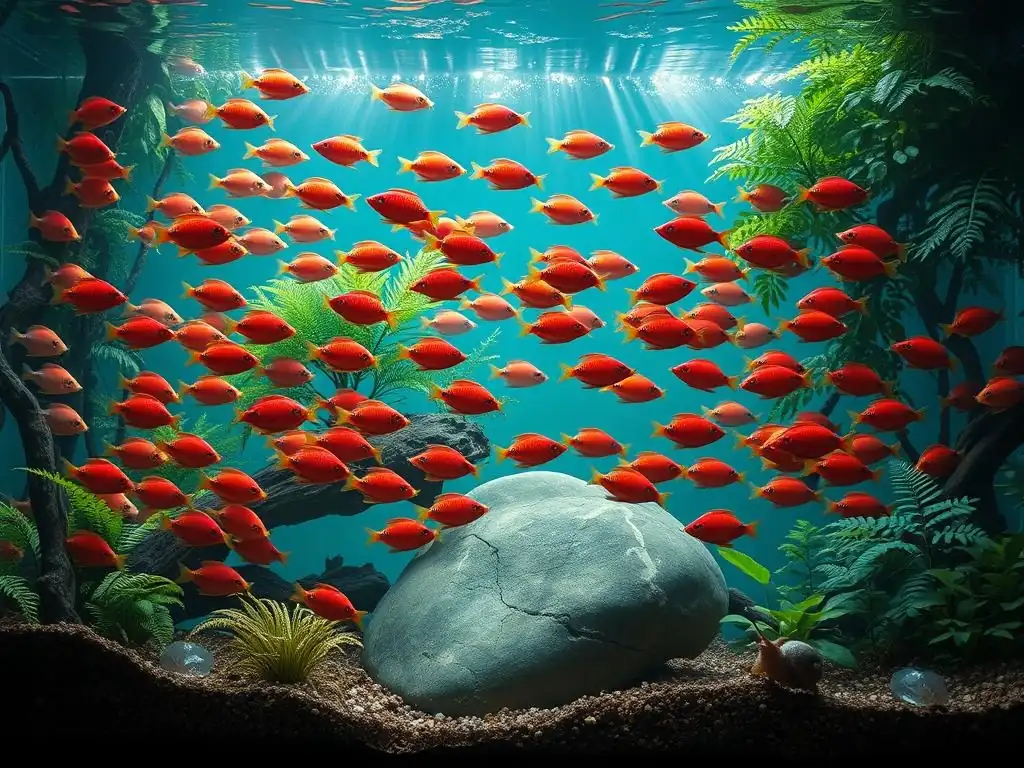
Ever wondered how many cherry barbs you really need to create a vibrant and stress-free school in your freshwater aquarium? Understanding their schooling requirements is key to their well-being, and yours! Dive in to discover the secrets to a happy and healthy cherry barb community and unlock the full potential of your aquarium. Let's explore the fascinating world of cherry barb schooling together!
- Understanding Cherry Barb Schooling Behavior
- Determining the Ideal School Size for Cherry Barbs
- Factors Influencing Cherry Barb School Size
- Setting Up Your Tank for a Thriving Cherry Barb School
- Recognizing Signs of Stress in Cherry Barbs Due to Insufficient Schooling
- Benefits of a Well-Established Cherry Barb School
- Troubleshooting Schooling Problems in Cherry Barbs
- Conclusion: Ensuring a Happy and Healthy Cherry Barb School
-
Frequently Asked Questions
- How many Cherry Barbs are required to form a proper school?
- What are the signs of stress in Cherry Barbs due to inadequate schooling?
- Why is schooling important for Cherry Barbs?
- Does the size of the aquarium affect the number of Cherry Barbs I can keep?
- What happens if I only have a pair or trio of Cherry Barbs?
- Final Reflection: The Vibrant Dance of Community
- Ignite Your Cherry Barb Paradise!
Understanding Cherry Barb Schooling Behavior
The Natural Shoaling Instinct of Cherry Barbs
Cherry barbs ( Puntius titteya or Pethia titteya) are captivating freshwater fish renowned for their vibrant reddish hues, particularly the males. Like many small cyprinids, they possess a strong natural instinct to shoal, meaning they gather together in loose groups for safety and social interaction. This behavior is deeply ingrained in their wild origins, where forming a school provides collective protection against predators and enhances foraging efficiency. In the aquarium, observing this natural schooling behavior is not only aesthetically pleasing but also a key indicator of their well-being.
Unlike tightly packed schooling fish such as neon tetras, cherry barbs tend to exhibit a more relaxed shoaling pattern, often dispersing and regrouping as they explore their environment. However, this does not diminish the importance of their social structure. A solitary cherry barb, or one kept in too small a group, will display signs of stress and insecurity, often hiding or becoming lethargic. Their inherent need for companionship drives their shoaling behavior, making it a fundamental aspect of their care requirements.
Why Schooling Matters for Cherry Barb Health and Well-being
The presence of a proper school is paramount for the physical and psychological health of cherry barbs. In a well-established group, these fish exhibit their full range of natural behaviors, including social interactions, playful chasing, and synchronized swimming patterns. This reduces individual stress levels significantly, as the fish feel more secure and less vulnerable when surrounded by their conspecifics. When cherry barb schooling requirements are met, their immune systems are generally stronger, making them less susceptible to common aquarium diseases.
Furthermore, a healthy school encourages more vivid coloration, especially in males, who will display their brightest reds when comfortable and vying for attention within the group. A lone cherry barb, or one in an insufficient group, often appears faded in color, withdrawn, and may refuse to eat properly. This directly impacts their longevity and quality of life. Providing an adequate number of cherry barbs is not merely about aesthetics; it is a critical component of their holistic care, ensuring they thrive rather than just survive.
Determining the Ideal School Size for Cherry Barbs
Minimum Number of Cherry Barbs for a School
To meet the fundamental cherry barb schooling requirements, a minimum group of at least six individuals is generally recommended. This number allows for a basic social structure to form, providing a sense of security for the fish. However, while six is the absolute minimum, it's often considered the starting point for a functional school rather than an optimal one. For truly robust and natural behavior, a larger group is always preferable.
Many experienced aquarists suggest a school of eight to ten or more cherry barbs for the best results. In larger groups, the fish exhibit more confident and active swimming, their colors become more pronounced, and any potential nipping or territorial behavior is diffused among more individuals, reducing stress on any single fish. A group of ten cherry barbs in a suitably sized tank offers a dynamic and healthy display of their natural social interactions.
The Impact of School Size on Cherry Barb Stress Levels
The size of a cherry barb school directly correlates with the stress levels experienced by individual fish. In groups smaller than the recommended minimum, cherry barbs often become timid, withdrawn, and may spend most of their time hiding. This is a direct response to feeling exposed and vulnerable without the safety in numbers that a larger school provides. Chronic stress can suppress their immune system, making them highly susceptible to common ailments like Ich (white spot disease) and fin rot.
Conversely, a sufficiently large school significantly reduces stress. When there are enough individuals, the fish feel secure and are more likely to explore the tank confidently. The social hierarchy, though subtle, is more stable, and any minor aggressions are spread out, preventing a single fish from being bullied. For instance, in a group of fewer than six, a dominant male might relentlessly chase a single submissive male, leading to severe stress and injury. In a group of ten, the chasing is less intense and more distributed, allowing all individuals to thrive.
While generally peaceful, cherry barbs, especially males, can exhibit mild chasing or territorial displays, particularly during breeding periods or when establishing dominance. These behaviors are usually harmless within a large school but can escalate into aggression if the group is too small. In a confined space with insufficient numbers, a dominant male might consistently harass weaker individuals, leading to stress, fin nipping, and even starvation for the bullied fish.
A larger school size, ideally eight to ten or more, helps to dilute any potential aggression. When there are many individuals, the focus of chasing or nipping is diffused across the group, preventing any single fish from becoming a constant target. This allows for a more harmonious social dynamic. Furthermore, the presence of multiple males in a larger school encourages them to display more vibrant coloration as they subtly compete, enhancing the visual appeal of the aquarium while maintaining a peaceful environment.
Factors Influencing Cherry Barb School Size
Aquarium Size and Space Requirements for a Cherry Barb School
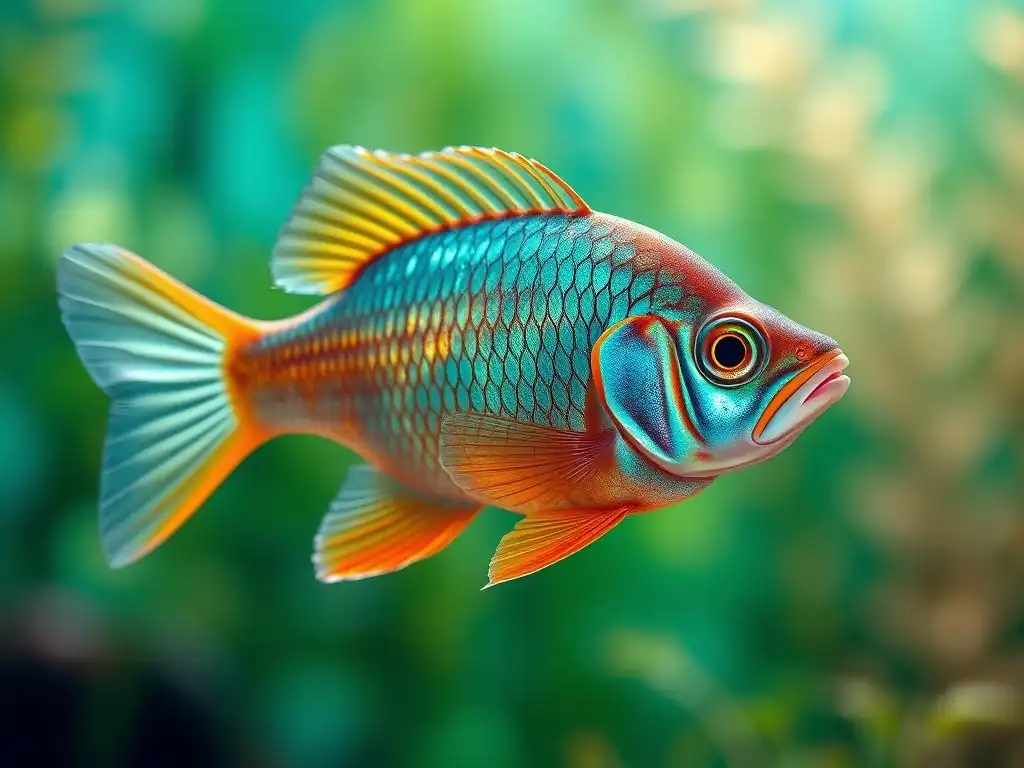
The size of your aquarium is a primary determinant when considering cherry barb schooling requirements. While a small school of 6-8 cherry barbs might technically fit into a 10-gallon tank, this size is generally considered the absolute minimum and offers very little swimming space or stability for long-term health. A 10-gallon tank can quickly become cramped, leading to elevated nitrates and increased stress.
For a thriving school of 8-10 cherry barbs, a 20-gallon long tank is a much more suitable option, providing ample swimming room and better water stability. A 29-gallon or 30-gallon tank would comfortably house a larger school of 12-15 cherry barbs, allowing them to exhibit their full range of natural behaviors. The "long" dimensions are particularly beneficial as cherry barbs are active swimmers that appreciate horizontal space. Overcrowding, regardless of school size, will inevitably lead to stress, disease, and stunted growth.
Tank Mates and Their Influence on Cherry Barb Schooling
The choice of tank mates significantly influences the behavior and schooling patterns of cherry barbs. Highly active or semi-aggressive tank mates can intimidate cherry barbs, causing them to hide more frequently and school less openly. For instance, pairing them with boisterous tiger barbs in a smaller tank might lead to the cherry barbs becoming stressed and withdrawn, even if the tiger barbs don't directly nip them.
Compatible tank mates, such as other peaceful small community fish like Corydoras catfish, Otocinclus catfish, peaceful rasboras (e.g., Harlequin Rasboras), or small tetras (e.g., Ember Tetras), can actually enhance the cherry barbs' sense of security. When surrounded by other calm, non-threatening species, cherry barbs are more likely to feel safe enough to swim out in the open and display their natural schooling behavior. Avoid any species known for fin-nipping or those that grow significantly larger than cherry barbs, as they can cause undue stress.
Water Parameters and Their Role in Cherry Barb Behavior
Stable and appropriate water parameters are crucial for encouraging natural cherry barb schooling behavior and overall health. Cherry barbs thrive in temperatures between 72-79°F (22-26°C), with a slightly acidic to neutral pH range of 6.0-7.0, and soft to moderately hard water (5-19 dGH). Fluctuations outside these ranges, or unstable parameters, will quickly lead to stress, regardless of school size.
Poor water quality, characterized by high ammonia, nitrite, or nitrate levels, will cause cherry barbs to become lethargic, lose their vibrant coloration, and cease schooling. They may gasp at the surface, clamp their fins, or hide. Consistent water changes (e.g., 25% weekly) and a well-maintained filtration system are essential to prevent the accumulation of toxins. When water conditions are optimal, cherry barbs are more active, display their best colors, and confidently engage in their natural schooling behaviors, fulfilling their cherry barb schooling requirements without added environmental stressors.
Setting Up Your Tank for a Thriving Cherry Barb School
Creating a Suitable Habitat: Plants, Substrate, and Decor
A well-designed aquarium environment is fundamental for a thriving cherry barb school. These fish appreciate a tank that offers a balance of open swimming spaces and dense plant cover. Live plants, such as Java Fern, Anubias, Amazon Swords, and various stem plants like Rotala, provide essential hiding spots and help filter the water, mimicking their natural habitat. Dense vegetation along the back and sides of the tank offers security, allowing the cherry barbs to retreat when they feel threatened, while leaving the front open for their active schooling displays.
For substrate, a darker color like fine gravel or sand is often preferred as it helps to bring out the cherry barbs' vibrant coloration. Driftwood and smooth rocks can also be incorporated to provide additional structure and visual interest. These elements not only enhance the aesthetic appeal of the tank but also contribute to the fish's sense of security, encouraging them to exhibit their natural schooling behavior more readily. A cluttered tank can hinder schooling, while a barren one offers no refuge.
Maintaining Optimal Water Quality for Cherry Barbs
Maintaining pristine water quality is non-negotiable for the health and active schooling of cherry barbs. As mentioned, they require stable temperatures between 72-79°F (22-26°C), a pH of 6.0-7.0, and soft to moderately hard water. Regular water testing with a reliable kit is crucial to monitor ammonia, nitrite, and nitrate levels. Ammonia and nitrite should always be zero, while nitrates should be kept below 20 ppm.
Consistent weekly water changes, typically 25-30% of the tank volume, are vital to remove accumulated nitrates and replenish essential minerals. A robust filtration system, including mechanical, chemical, and biological filtration, is also essential. Biological filtration, provided by beneficial bacteria in the filter media and substrate, breaks down harmful waste products. A well-oxygenated tank, achieved through proper surface agitation from the filter output or an air stone, further contributes to the overall well-being and active behavior of a cherry barb school, ensuring their cherry barb schooling requirements are met from a water chemistry perspective.
Choosing Compatible Tank Mates for a Peaceful Community Tank
Selecting the right tank mates is paramount to ensuring a peaceful and stress-free environment for your cherry barb school. As a generally peaceful species, cherry barbs do best with other non-aggressive fish of similar size and temperament. Ideal companions include other small, active schooling fish that won't compete excessively for food or space.
Excellent choices for a community tank with cherry barbs include:
- Corydoras Catfish: Peaceful bottom dwellers that won't interfere with the mid-water schooling of barbs.
- Rasboras: Such as Harlequin Rasboras or Chili Rasboras, which are similarly peaceful and enjoy planted tanks.
- Small Tetras: Like Ember Tetras, Neon Tetras (if tank size allows for both schools), or Black Neon Tetras.
- Otocinclus Catfish: Small, peaceful algae eaters.
- Dwarf Gouramis: Can be good centerpiece fish, though monitor for individual temperament.
Avoid large, aggressive, or fin-nipping species such as Tiger Barbs (unless in a very large, species-specific setup with a massive Tiger Barb school to diffuse aggression), Cichlids, or large Gouramis. The goal is to create a harmonious ecosystem where all inhabitants can thrive, allowing your cherry barb school to display its natural behaviors without intimidation.
Recognizing Signs of Stress in Cherry Barbs Due to Insufficient Schooling
Identifying Stress Indicators: Hiding, Faded Colors, and Erratic Swimming
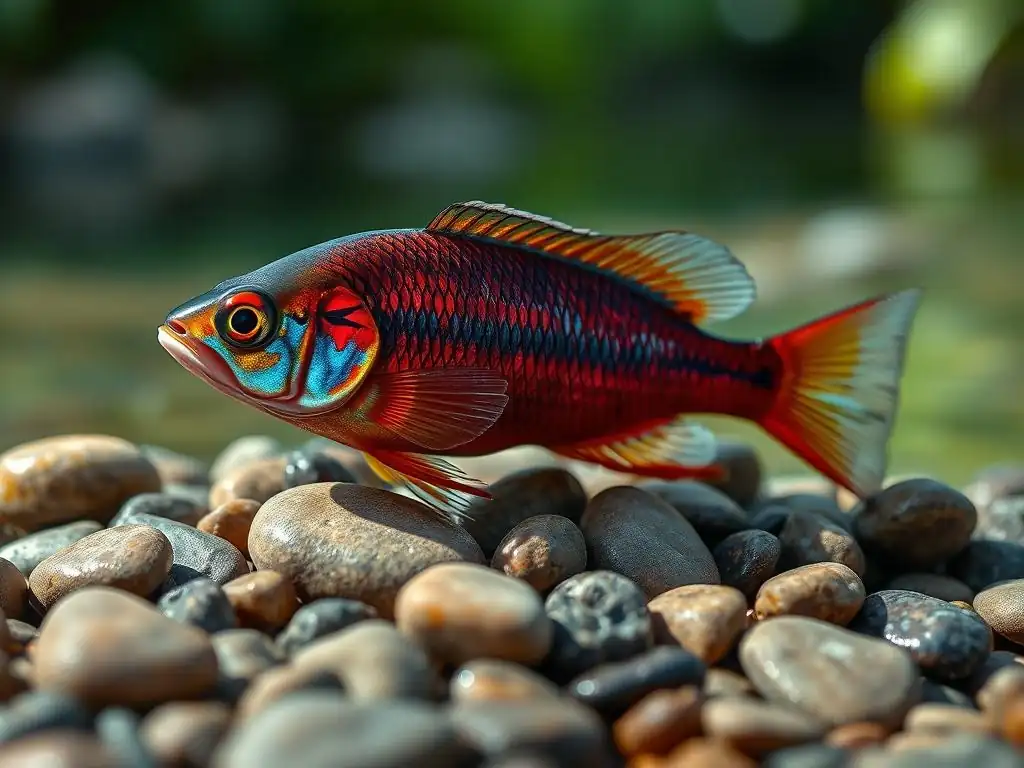
Recognizing signs of stress in your cherry barbs is crucial for addressing issues related to insufficient schooling. One of the most common indicators is excessive hiding. If your cherry barbs are constantly lurking in the corners, behind decor, or within dense plant cover, and rarely venture into open water, it often signals that they feel insecure due to a lack of numbers. They lose the confidence that comes with a larger group.
Another clear sign is faded coloration. Healthy, happy cherry barbs, especially males, display vibrant reds and oranges. Stressed individuals will appear dull, pale, or washed out, losing their characteristic brilliance. This color dulling is a physiological response to stress. Additionally, erratic or jerky swimming patterns, or conversely, unusual lethargy and clamped fins, can indicate stress. Instead of smooth, coordinated movements, a stressed cherry barb might dart frantically, hover listlessly, or rub against objects, potentially showing signs of illness secondary to stress.
Addressing Stress Issues: Increasing School Size and Improving Tank Conditions
Upon identifying stress indicators in your cherry barbs, immediate action is necessary. The primary solution for stress caused by insufficient schooling is to increase the school size. If you currently have fewer than six cherry barbs, aim to add more until you reach at least eight to ten individuals. Introduce new fish gradually, ensuring they are healthy and quarantined if possible. Observe how the existing fish react to the new additions; usually, the group dynamic improves quickly as the cherry barb schooling requirements are met.
Beyond increasing numbers, it's vital to improve overall tank conditions. This includes:
- Performing a partial water change: To reduce nitrate levels and refresh the water.
- Checking water parameters: Ensure temperature, pH, and hardness are within the optimal ranges (72-79°F, pH 6.0-7.0, 5-19 dGH).
- Ensuring adequate hiding spots: Add more plants or decor if the tank seems too open.
- Reviewing tank mates: Confirm that all other fish are compatible and not contributing to stress.
By addressing both the social and environmental needs, you can significantly reduce stress levels, allowing your cherry barbs to regain their vibrant colors and exhibit natural, active schooling behavior.
Benefits of a Well-Established Cherry Barb School
Enhanced Coloration and Activity Levels in Happy Cherry Barbs
One of the most immediate and rewarding benefits of providing a well-established cherry barb school is the dramatic enhancement in their coloration and activity levels. When cherry barbs are kept in a proper group, fulfilling their cherry barb schooling requirements, males especially will display their most brilliant, fiery red hues. This intensified coloration is a natural response to feeling secure and engaging in social displays, particularly when subtly competing for attention or during breeding readiness. A solitary or stressed cherry barb will often appear dull and faded by comparison.
Furthermore, a happy school of cherry barbs is a highly active and engaging sight. Instead of hiding or being lethargic, they will confidently swim throughout the mid-levels of the aquarium, exploring and interacting. You'll observe playful chasing, synchronized movements, and a general vibrancy that is absent in smaller, stressed groups. Their increased activity not only makes them more captivating to watch but also indicates robust physical health and mental well-being.
Natural Behavior and a Sense of Security in a Schooling Environment
A well-established cherry barb school allows these fish to exhibit their full repertoire of natural behaviors, which is a cornerstone of responsible fishkeeping. In a group of eight to ten or more, cherry barbs feel a profound sense of security. This "safety in numbers" instinct, honed over millennia in the wild, allows them to drop their guard and behave as they would in their native streams. They will engage in their characteristic loose shoaling, foraging together, and even participating in subtle social hierarchies.
This inherent security reduces anxiety and prevents the development of abnormal stress-induced behaviors. Instead of darting frantically or cowering, they move with purpose and confidence. The presence of their conspecifics provides constant reassurance, leading to a more relaxed and resilient fish. Observing these natural behaviors is not just fascinating; it signifies that you have successfully replicated a crucial aspect of their natural ecosystem within your aquarium.
Overall Health and Longevity of Cherry Barbs in a Proper School
The long-term health and longevity of cherry barbs are significantly boosted when they are maintained in a proper school. Reduced stress directly translates to a stronger immune system, making the fish far less susceptible to common aquarium diseases like Ich, fin rot, and bacterial infections. When fish are constantly stressed, their physiological defenses are weakened, leaving them vulnerable to pathogens that might otherwise be harmless.
A healthy school also encourages regular feeding and proper digestion, contributing to optimal growth and development. Fish that are well-fed and stress-free are less likely to suffer from stunted growth or nutritional deficiencies. By meeting their cherry barb schooling requirements, you are not just providing a better quality of life; you are actively contributing to their extended lifespan, allowing you to enjoy these beautiful and active fish for many years to come. Healthy cherry barbs can live for 4-5 years or even longer in optimal conditions.
Troubleshooting Schooling Problems in Cherry Barbs
Dealing with Bullying or Aggression within the School
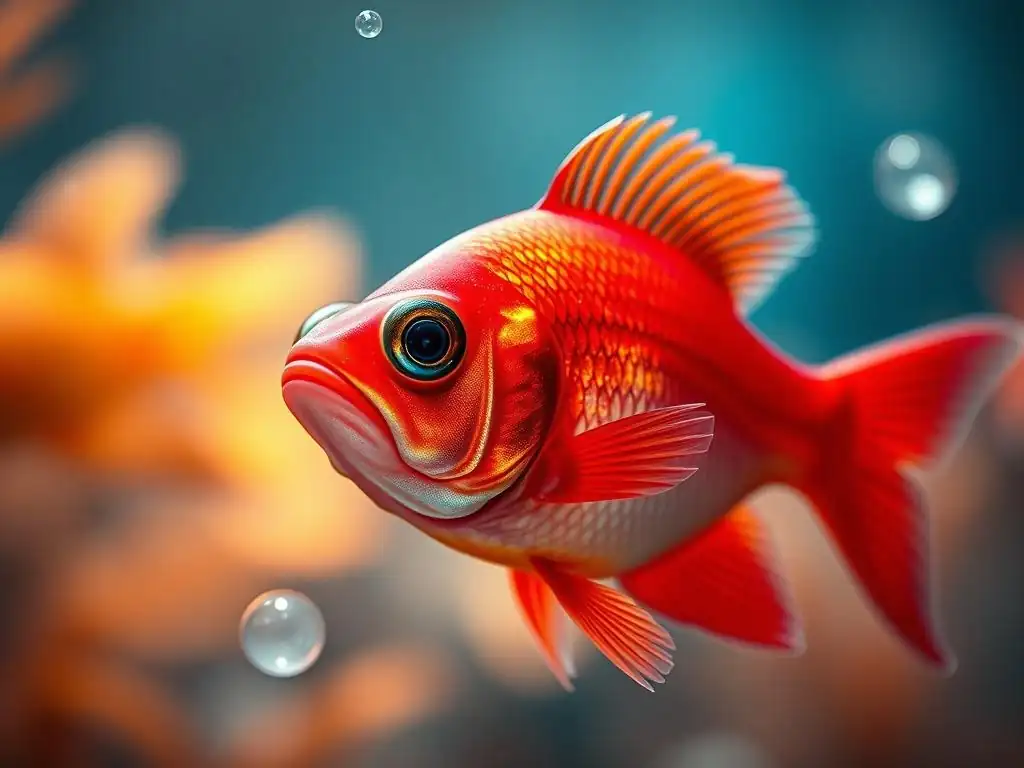
Even in a seemingly well-established cherry barb school, occasional instances of bullying or aggression can occur. This is often more prevalent if the school size is at the lower end of the recommended range (e.g., 6-7 fish) or if there's an imbalance in male-to-female ratios (too many males). If you observe one cherry barb consistently harassing another, nipping fins, or preventing access to food, it's time to intervene.
First, increase the school size: Adding 2-4 more cherry barbs can often diffuse aggression by spreading it among more individuals. Aim for a total of 10-12 fish. Second, check your male-to-female ratio: While males are more colorful, a slight dominance of females (e.g., 2 females per male) can reduce male-on-male aggression. Third, assess tank layout: Ensure there are ample hiding spots and visual breaks (plants, decor) to allow bullied fish to escape. Sometimes, rearranging the decor can disrupt established territories. In rare, persistent cases, separating the most aggressive individual may be necessary as a last resort.
Introducing New Cherry Barbs to an Existing School
Introducing new cherry barbs to an existing school requires care to minimize stress for both the newcomers and the established residents. The primary goal is to integrate them smoothly without causing undue disruption or aggression. Always quarantine new fish in a separate tank for at least two weeks before adding them to your main display. This prevents the introduction of diseases and allows the new fish to acclimate.
When ready to introduce, turn off the aquarium lights in the main tank. This reduces visibility and potential aggression from existing fish. Float the bag with the new cherry barbs for 15-20 minutes to equalize temperature, then slowly drip acclimate them to the tank water over an hour. Release them into the tank, preferably near hiding spots.
Keep the lights off for a few hours or even the rest of the day. Provide extra feeding for the first day or two. Monitor their integration closely over the next few days, ensuring they are accepted and begin to school with the existing group. This careful approach helps meet the cherry barb schooling requirements for new additions.
School Dispersing: Identifying Causes and Solutions
If your cherry barb school, which previously schooled well, suddenly disperses, hides, or shows a lack of cohesive behavior, it's a strong indicator of an underlying problem. The most common causes are poor water quality or the presence of a stressor in the tank environment. First, immediately perform a full set of water tests (ammonia, nitrite, nitrate, pH, temperature). Elevated ammonia/nitrite, or high nitrates, will quickly cause fish to feel unwell and break school. Perform a partial water change if parameters are off.
Second, assess potential threats: Have you added new, incompatible tank mates? Is there an overly aggressive fish causing intimidation? Are there sudden loud noises or vibrations near the tank? Sometimes, a reflection, or even a child tapping on the glass, can cause dispersal.
Ensure the tank has adequate cover and that all tank mates are truly peaceful. If the tank is too brightly lit or lacks shadows, consider dimming the lights or adding more floating plants. Addressing the root cause, whether it's water chemistry or an environmental stressor, is key to encouraging your cherry barbs to re-form their happy, healthy school.
Conclusion: Ensuring a Happy and Healthy Cherry Barb School
Ensuring a happy and healthy cherry barb school is fundamental to their well-being and the aesthetic appeal of your aquarium. By understanding their natural shoaling instincts and recognizing that their cherry barb schooling requirements are not merely an aesthetic preference but a biological necessity, aquarists can create an optimal environment. Providing a minimum of 8-10 individuals in a suitably sized, well-planted aquarium, with stable water parameters and compatible tank mates, directly translates to vibrant colors, active behaviors, reduced stress, and increased longevity for these captivating fish.
Observing a thriving school of cherry barbs, confidently navigating their environment, is one of the most rewarding aspects of keeping them. It signifies that their core social and environmental needs have been met. By proactively addressing any signs of stress, such as hiding or faded colors, and troubleshooting issues like aggression or school dispersal, you can maintain a harmonious community. Ultimately, investing in a proper school size for your cherry barbs is an investment in their health, happiness, and the overall beauty of your freshwater aquarium.
Frequently Asked Questions
How many Cherry Barbs are required to form a proper school?
Cherry Barbs require a minimum of six to feel secure and exhibit natural schooling behavior. Less than that, and they can become stressed and prone to aggression.
What are the signs of stress in Cherry Barbs due to inadequate schooling?
Stressed Cherry Barbs might show faded coloration, hide frequently, or exhibit increased aggression towards each other. Erratic swimming can also be a sign.
Why is schooling important for Cherry Barbs?
Schooling provides Cherry Barbs with a sense of security from perceived threats. This natural behavior reduces stress and promotes overall health and well-being.
Does the size of the aquarium affect the number of Cherry Barbs I can keep?
Yes, a larger aquarium allows for a larger school and more space for them to swim and interact. Overcrowding can lead to stress, even with a properly sized school.
What happens if I only have a pair or trio of Cherry Barbs?
Smaller groups often lead to increased aggression from the dominant fish and reduced lifespans due to chronic stress. They also are less likely to display their vibrant colors.
Final Reflection: The Vibrant Dance of Community
The insights shared in this article about cherry barb schooling requirements are not merely about fishkeeping; they reflect a deeper understanding of the delicate balance between individual well-being and the power of community. In today's increasingly isolated world, understanding the needs of a social group, even within the confines of an aquarium, provides valuable lessons applicable far beyond the glass.
The principles of providing adequate space and social interaction for cherry barbs resonate profoundly with our own human needs. Observing their vibrant interactions reminds us of the importance of connection, belonging, and the detrimental effects of isolation on both physical and mental health. The best mirror is an old friend,
as George Herbert wisely stated, highlighting the irreplaceable value of companionship and the support system that a thriving community provides.
As you consider the ideal number of cherry barbs for a happy school, I encourage you to reflect on the communities you inhabit. Are you fostering environments where individuals can thrive, supported by connection and understanding? Let the vibrant dance of these little fish inspire you to cultivate your own "school" – a network of relationships that nourishes your spirit and allows you, and those around you, to flourish.
Ignite Your Cherry Barb Paradise!
Thanks for diving into the world of Cherry Barbs! We hope you found valuable insights to create a vibrant and thriving aquarium. Now, let's turn that knowledge into action!
Here are a few things you can do to make the most of your Cherry Barb experience:
- Commit to establishing a true school of at least 6 Cherry Barbs to unlock their natural behaviors and vibrant colors.
- Explore different aquatic plants like Java Moss or Amazon Swords to create a stimulating and enriching environment for your barbs.
- Share your unique Cherry Barb tank setup ideas and photos with fellow aquarium enthusiasts in online forums.
What's the most surprising behavior you've observed in your Cherry Barb school, and how has it changed the way you care for them?