
Salinity Precision: The OftenOverlooked Key to LongTerm SPS Health and Success

Welcome to Aquarium Mastery!
Curious about the real secret to thriving SPS corals? It's more than just lighting and flow. Dive into our deep dive on SPS aquarium salinity levels and discover how precision in this often-overlooked area can unlock long-term health and vibrant color in your reef. Ready to master the art of salinity and see your SPS corals flourish? Let's get started!
- Understanding the Critical Role of SPS Aquarium Salinity Levels
- Defining Optimal SPS Aquarium Salinity Parameters
- The Impact of Incorrect Salinity on SPS Corals
- Tools and Techniques for Precise Salinity Measurement in SPS Aquariums
-
Strategies for Maintaining Stable SPS Aquarium Salinity
- The Importance of Gradual Changes in Salinity
- Automated Top-Off Systems (ATO): Minimizing Salinity Swings Due to Evaporation
- Regular Water Testing: Monitoring Salinity and Other Key Parameters
- Salt Mix Selection: Choosing a High-Quality Salt Mix for SPS Corals
- The Role of Water Changes in Maintaining Salinity Balance
- Advanced Techniques for Salinity Control in SPS Aquariums
- Troubleshooting Common Salinity Issues in SPS Aquariums
- Case Studies: SPS Success Stories Through Salinity Precision
- Long-Term Benefits of Precise Salinity Control for SPS Corals
- Conclusion: Salinity - The Foundation of SPS Aquarium Success.
-
Frequently Asked Questions
- What is the ideal salinity for an SPS aquarium, and why is it so crucial?
- How do I accurately measure the salinity in my SPS aquarium?
- What are the potential consequences of incorrect salinity levels in an SPS aquarium?
- How often should I check the salinity in my SPS aquarium?
- What steps should I take to adjust the salinity in my SPS aquarium if it's too high or too low?
- Final Reflection: The Delicate Balance of Marine Life
- Unleash Your Reef's Full Potential!
Understanding the Critical Role of SPS Aquarium Salinity Levels
Why Stable Salinity is Paramount for SPS Coral Health
For Small Polyp Stony (SPS) corals, maintaining incredibly stable SPS aquarium salinity levels is not merely a recommendation; it is an absolute necessity for their long-term survival and prosperity. These corals, including popular species like Acropora, Montipora, and Seriatopora, are highly sensitive to changes in osmotic pressure.
When salinity fluctuates, corals expend significant energy adapting to these shifts, diverting resources away from vital processes like calcification – the process by which they build their stony skeletons – and nutrient uptake. This constant struggle against osmotic stress weakens the coral, making it more susceptible to disease and inhibiting its ability to grow and display vibrant coloration.
The ocean's salinity, typically around 35 parts per thousand (ppt), remains remarkably constant over vast areas, and SPS corals have evolved over millennia to thrive in these consistent conditions. In a closed aquarium system, evaporation constantly removes fresh water, leaving salts behind and causing salinity to rise.
Conversely, adding water with a different salinity or performing water changes without precise matching can cause drops or spikes. Even seemingly minor deviations, such as a specific gravity (SG) swing of 0.001 to 0.002 within a day, can trigger stress responses in sensitive SPS species, emphasizing that stability in SPS aquarium salinity levels is often more critical than hitting an exact target number, provided that target is within the optimal range.
The Link Between Salinity Fluctuations and SPS Stress
Rapid or significant fluctuations in SPS aquarium salinity levels are a direct pathway to severe stress responses in corals, often manifesting as tissue necrosis or bleaching. When salinity drops suddenly, coral cells absorb excess water in an attempt to equalize osmotic pressure, leading to cell swelling and potential bursting, which can trigger Rapid Tissue Necrosis (RTN). Conversely, a sudden spike in salinity causes water to be drawn out of the coral's cells, leading to dehydration and shrunken polyps, often preceding Slow Tissue Necrosis (STN). These forms of tissue loss can decimate an SPS colony within hours or days.
Beyond direct tissue damage, unstable SPS aquarium salinity levels severely impact the symbiotic relationship between the coral host and its zooxanthellae, the microscopic algae residing within the coral's tissues. These algae are responsible for providing the coral with up to 90% of its nutritional needs through photosynthesis.
When salinity conditions become erratic, the zooxanthellae become stressed and may be expelled by the coral, leading to coral bleaching – a stark white appearance where the coral's natural vibrant colors once were. A bleached coral is severely compromised, losing its primary food source, and if stable conditions are not restored promptly, it will eventually starve and die.
Defining Optimal SPS Aquarium Salinity Parameters
The Ideal Specific Gravity Range for SPS Corals
For the vast majority of SPS corals, the ideal specific gravity (SG) range for SPS aquarium salinity levels is widely accepted to be between 1.025 and 1.026. This range closely mimics the natural salinity of tropical ocean waters where these corals originate. Maintaining this precise specific gravity ensures that the osmotic pressure inside the coral cells is balanced with the surrounding water, minimizing stress on the coral's physiological systems. While some aquarists might operate successfully slightly outside this range, for optimal growth, coloration, and long-term health of sensitive SPS species, adherence to this narrow window is highly recommended.
Operating within this optimal range also supports other critical biological processes within the reef aquarium. For instance, the solubility and bioavailability of key elements like calcium, alkalinity, and magnesium, which are vital for SPS coral calcification, are optimized at natural seawater salinity levels. Deviations can impact the accurate measurement and effective utilization of these parameters, leading to imbalances. Therefore, setting and consistently maintaining your SPS aquarium salinity levels within the 1.025-1.026 SG range provides the foundational stability upon which all other water chemistry parameters can be effectively managed for a thriving SPS reef.
Converting Specific Gravity to Salinity (ppt) and Conductivity (mS/cm)
While specific gravity (SG) is a common measurement in reef aquariums, it's beneficial to understand its relationship to other salinity metrics like parts per thousand (ppt) and conductivity (mS/cm), especially when discussing SPS aquarium salinity levels. A specific gravity of 1.026 at 25°C (77°F) corresponds to approximately 35 parts per thousand (ppt), which is the average salinity of natural seawater. This conversion is crucial when using different types of testing equipment or comparing data with scientific literature.
Conductivity, measured in milliSiemens per centimeter (mS/cm), offers another precise way to gauge salinity, often used by digital meters. For a salinity of 35 ppt, the conductivity reading typically falls around 53 mS/cm at 25°C. It is imperative to note that temperature significantly affects specific gravity and conductivity readings. Most refractometers and digital meters come with Automatic Temperature Compensation (ATC) to account for this, but manual hydrometers do not. Always ensure your measurements are taken at the water's actual temperature, or that your device has appropriate compensation, to ensure accurate readings of your SPS aquarium salinity levels.
Achieving and Maintaining a Stable Salinity Level: The Target for SPS Success
The ultimate goal for SPS aquarium salinity levels is not just to hit the ideal specific gravity of 1.025-1.026, but to maintain it with unwavering consistency. Daily evaporation from an open-top aquarium can significantly increase salinity over time as only pure water evaporates, leaving salts behind. In a typical 100-gallon reef tank, a daily evaporation rate of 0.5 to 1 gallon can cause a noticeable rise in specific gravity within a few days if not addressed. This constant upward creep of salinity stresses SPS corals and can lead to long-term health issues if left unchecked.
To counteract this, diligent and precise top-off is essential. Whether through manual additions of RO/DI (Reverse Osmosis/Deionized) water or, preferably, an automated top-off (ATO) system, consistently replacing evaporated water at a rate that matches evaporation is paramount. The aim is to minimize daily fluctuations to less than 0.0005 SG if possible. Regular, even daily, monitoring of SPS aquarium salinity levels, coupled with immediate and precise adjustments, forms the cornerstone of a stable environment that fosters robust growth and vibrant coloration in even the most delicate SPS species.
The Impact of Incorrect Salinity on SPS Corals
High Salinity Effects: Osmotic Shock and Tissue Damage
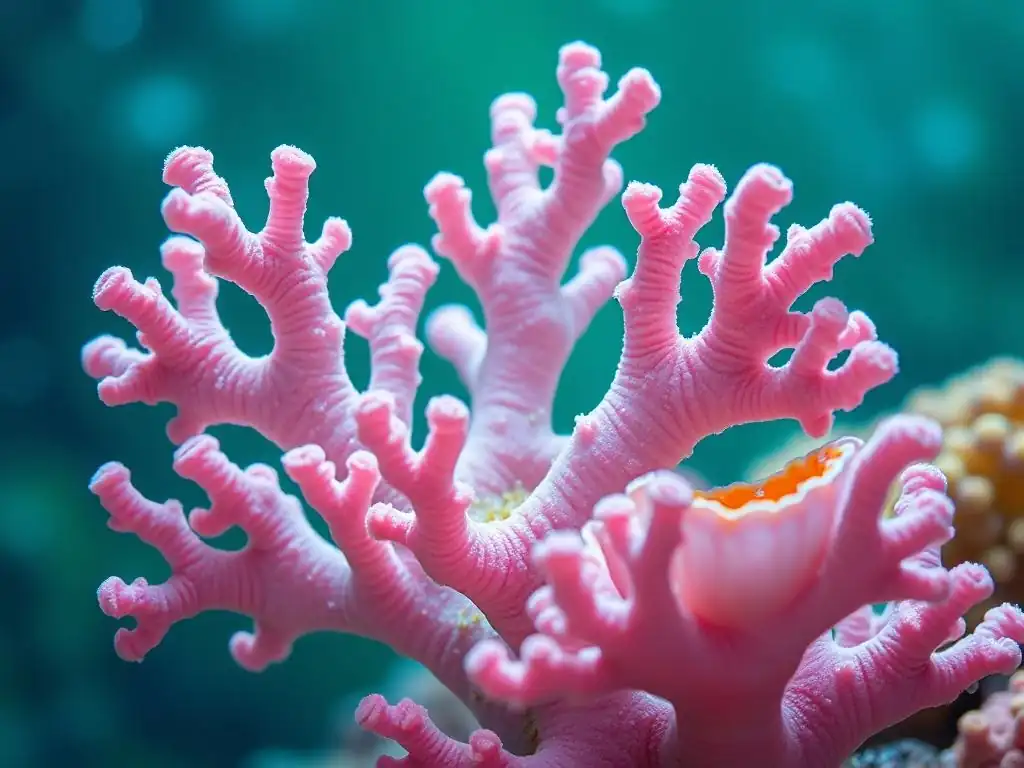
When SPS aquarium salinity levels become excessively high, corals experience severe osmotic stress, leading to water being drawn out of their cells into the more concentrated surrounding environment. This cellular dehydration can quickly lead to shrunken polyps, a common visual indicator of distress. Prolonged exposure to elevated salinity, even if only slightly above the ideal range (e.g., 1.028 SG or higher), can cause significant tissue damage. The coral's metabolic processes are disrupted as it struggles to maintain cellular integrity, diverting vital energy away from growth and maintenance.
In severe cases, sustained high salinity can result in the rapid expulsion of zooxanthellae, leading to bleaching, or even direct tissue necrosis (RTN/STN) as the coral's tissues literally begin to recede from its skeleton. For example, an Acropora colony exposed to specific gravity levels consistently above 1.029 for several days might exhibit significant paling and a noticeable reduction in polyp extension, indicating severe stress. The coral's ability to calcify is also compromised, hindering skeletal growth and potentially leading to a brittle skeleton over time.
Low Salinity Effects: Coral Bleaching and Reduced Growth
Conversely, when SPS aquarium salinity levels drop too low, the osmotic pressure gradient reverses, causing water to rapidly enter the coral's cells. This cellular swelling can lead to a bloated or "puffy" appearance in the coral's polyps and tissues. If the drop is significant and sudden (e.g., from 1.026 to 1.022 SG in a short period), the cells can burst, leading to catastrophic tissue loss known as Rapid Tissue Necrosis (RTN). This is often observed after prolonged power outages where ATO systems fail, or after large, unmatched water changes.
Beyond immediate tissue damage, chronically low salinity inhibits the coral's ability to calcify efficiently. Studies have shown that calcification rates in corals can decrease by as much as 20-30% when salinity drops by just a few ppt below optimal levels. This reduced calcification leads to stunted growth and weaker skeletal structures, making the coral more fragile.
Furthermore, like high salinity, low salinity also stresses the symbiotic zooxanthellae, leading to their expulsion and subsequent coral bleaching. A Montipora capricornis, for instance, might show signs of paling and significantly reduced growth if kept at 1.020 SG for an extended period, demonstrating the critical need for optimal SPS aquarium salinity levels.
Recognizing the Visual Signs of Salinity Problems in SPS Corals
Identifying issues with SPS aquarium salinity levels often requires keen observation, as the symptoms can sometimes overlap with other water parameter problems. However, certain visual cues are highly indicative of salinity stress. One of the most common signs is polyp retraction or a significant reduction in polyp extension. While healthy SPS corals extend their polyps for feeding, corals under salinity stress will keep them tightly retracted as a protective mechanism.
Another critical indicator is tissue recession, manifesting as either Rapid Tissue Necrosis (RTN) or Slow Tissue Necrosis (STN). RTN appears as a sudden, often overnight, loss of tissue from the base or tips of the coral, leaving behind a stark white skeleton. STN is a more gradual process, with tissue receding slowly over days or weeks.
Dull coloration or a paling effect, ultimately leading to bleaching (a complete loss of color), is another strong sign, indicating stress on the symbiotic zooxanthellae. For example, a vibrant green Acropora might turn light brown or even white, while a red Montipora might become pale orange or cream. Any of these signs should prompt immediate testing of your SPS aquarium salinity levels and other key parameters to diagnose and address the underlying issue.
Tools and Techniques for Precise Salinity Measurement in SPS Aquariums
Choosing the Right Refractometer for Accurate Salinity Readings
For precise measurement of SPS aquarium salinity levels, a refractometer is generally considered the most reliable and cost-effective tool for hobbyists. When selecting a refractometer, it is crucial to choose one specifically designed for saltwater, typically calibrated to read specific gravity (SG) or parts per thousand (ppt) in the range relevant to marine aquaria (e.g., 1.000 to 1.035 SG). Avoid freshwater or general-purpose refractometers as their scales are inappropriate for reef tanks.
The most important feature to look for is Automatic Temperature Compensation (ATC). Water temperature affects the density, and thus the refractive index, of a solution. An ATC refractometer automatically adjusts its reading to a standard temperature (usually 20°C or 25°C), ensuring accurate SPS aquarium salinity levels regardless of the sample's actual temperature. While optical refractometers require looking through an eyepiece, digital versions offer direct numerical readings, often with higher precision, though at a greater initial cost. Popular brands like Hanna Instruments, Milwaukee, and Red Sea offer reliable refractometers well-suited for the demanding accuracy required for SPS corals.
Calibrating Your Refractometer: Ensuring Accuracy
Even the best refractometer is only as accurate as its last calibration. Regular calibration is absolutely essential to ensure your measurements of SPS aquarium salinity levels are precise and reliable. The most accurate method for calibrating a refractometer is by using a high-quality 35 ppt (or 1.026 SG) calibration solution, specifically formulated for refractometer calibration. These solutions are manufactured to a precise known salinity and are far more reliable than using distilled or RO/DI water, which often have slight impurities or pH differences that can affect calibration.
To calibrate, place a few drops of the calibration solution onto the refractometer's prism, close the cover, and allow the temperature to stabilize for about 30 seconds. Then, adjust the calibration screw until the boundary line (or digital reading) matches the known salinity of the calibration solution.
It is recommended to calibrate your refractometer at least once a week, or before any major water change, to ensure consistent accuracy. A common mistake is to calibrate with RO/DI water and assume it reads 0 ppt; while this can be a rough check, it doesn't verify accuracy at the higher salinity levels crucial for SPS corals.
Using a Digital Salinity Meter: Benefits and Considerations
Digital salinity meters, often referred to as conductivity meters, offer an advanced and highly precise method for measuring SPS aquarium salinity levels. These devices measure the electrical conductivity of the water, which directly correlates to its salinity. Their primary benefits include ease of use, providing a direct numerical reading without the need for visual interpretation, and often higher resolution (e.g., to 0.01 ppt or 0.0001 SG) compared to optical refractometers. This level of precision can be particularly valuable for aquarists aiming for extremely stable SPS environments.
However, digital salinity meters also come with considerations. They are generally more expensive than optical refractometers, with models like the Hanna HI98319 Marine Salinity Tester being a popular choice. More importantly, their probes require regular cleaning and frequent calibration using specific conductivity standards (e.g., 50.00 mS/cm or 35.00 ppt solutions) to maintain accuracy. The probes can also degrade over time, necessitating replacement. Despite these factors, for aquarists seeking the utmost in precision and convenience for monitoring their SPS aquarium salinity levels, a well-maintained digital salinity meter is an excellent investment.
Hydrometers: Are They Accurate Enough for SPS Aquariums?
While hydrometers are often the most affordable and simplest tools for measuring salinity, they are generally not accurate enough for the precise demands of SPS corals. There are two main types: swing-arm hydrometers and glass bulb hydrometers. Swing-arm hydrometers rely on a buoyant arm that swings to indicate specific gravity.
Their inaccuracies stem from several factors: air bubbles can adhere to the arm, causing falsely low readings; surface tension can affect the reading; and they are highly susceptible to temperature variations without any compensation. A temperature difference of just a few degrees from the calibration temperature (often 60°F/15.5°C) can lead to errors of 0.001 to 0.002 SG, which is significant for SPS aquarium salinity levels.
Glass bulb hydrometers, while potentially more accurate than swing-arm versions, still suffer from temperature dependence and the need for careful reading to avoid parallax errors. Both types of hydrometers typically provide readings with a resolution of 0.001 SG at best, which is often insufficient for the tight tolerances required by sensitive SPS species. For the long-term health and success of an SPS reef, investing in a quality ATC refractometer or a digital salinity meter is a far more reliable approach than relying on a hydrometer for consistent and accurate SPS aquarium salinity levels.
Strategies for Maintaining Stable SPS Aquarium Salinity
The Importance of Gradual Changes in Salinity
When adjusting SPS aquarium salinity levels, whether increasing or decreasing, the principle of gradual change is paramount. SPS corals are highly sensitive to sudden shifts in their environment, and rapid alterations in salinity can induce severe stress, leading to tissue recession, bleaching, or even death. Ideally, any adjustment to salinity should occur slowly, over several hours or even days, depending on the magnitude of the change. A general guideline is to aim for changes no greater than 0.001 specific gravity (SG) per day.
For example, if your SPS aquarium salinity levels have drifted from 1.026 to 1.028 SG, attempting to correct it by adding a large volume of low-salinity water all at once would be detrimental. Instead, it's better to perform smaller, more frequent water changes with water mixed to a slightly lower salinity (e.g., 1.024 SG), or to gradually drip in RO/DI water over many hours using a dosing pump.
Similarly, when bringing new corals into the tank, a slow drip acclimation of 30-60 minutes per cup of water is crucial to allow the coral to slowly adjust to the tank's SPS aquarium salinity levels. This measured approach minimizes osmotic shock and gives the corals time to physiologically adapt, significantly improving their chances of survival and long-term health.
Automated Top-Off Systems (ATO): Minimizing Salinity Swings Due to Evaporation
Automated Top-Off (ATO) systems are arguably the single most important piece of equipment for maintaining stable SPS aquarium salinity levels. In any open-top reef tank, water continuously evaporates, leaving behind salts and causing the specific gravity to slowly but steadily rise. Without an ATO, this daily increase in salinity creates a roller coaster effect for corals, as aquarists manually add RO/DI water, causing a sudden drop, only for it to creep back up again. This constant fluctuation is highly detrimental to SPS coral health.
An ATO system automatically replaces evaporated water with fresh RO/DI water, maintaining a consistent water level and, consequently, a highly stable specific gravity. Most ATOs employ a sensor (float switch, optical, or pressure sensor) to detect when the water level drops below a set point, triggering a pump to dose RO/DI water until the level is restored.
For instance, in a 100-gallon tank evaporating 0.5 gallons per day, an ATO ensures that this 0.5 gallon is replaced continuously throughout the day, preventing any significant daily rise in SPS aquarium salinity levels. This consistent stability dramatically reduces stress on SPS corals, promoting better growth, coloration, and overall resilience.
Regular Water Testing: Monitoring Salinity and Other Key Parameters
Consistent and regular water testing is fundamental to maintaining optimal SPS aquarium salinity levels and overall reef health. While an ATO system handles daily evaporation, it's still crucial to manually test salinity at least a few times a week, or even daily for highly sensitive SPS systems, using a calibrated refractometer or digital meter. This verifies the ATO is functioning correctly and catches any unexpected drifts caused by dosing, evaporation inconsistencies, or equipment malfunctions. For example, a faulty ATO sensor could lead to over-topping, causing a slow but persistent drop in salinity.
Beyond salinity, it's vital to regularly test other key parameters that interact with SPS aquarium salinity levels, such as alkalinity, calcium, and magnesium. These parameters are often measured in parts per million (ppm) or dKH, and their concentrations are directly affected by the total dissolved solids (salinity) in the water.
For instance, if salinity is low, the measured concentrations of calcium and alkalinity will also appear lower than their true values at optimal salinity. Establishing a consistent testing schedule – perhaps salinity daily, alkalinity/calcium every 2-3 days, and magnesium weekly – allows for proactive adjustments and ensures a stable environment for your SPS corals.
Salt Mix Selection: Choosing a High-Quality Salt Mix for SPS Corals
The choice of salt mix plays a significant role in establishing and maintaining optimal SPS aquarium salinity levels, and more importantly, in providing the full spectrum of elements necessary for SPS coral health. Not all salt mixes are created equal, and for sensitive SPS corals, selecting a high-quality, consistent, and balanced salt mix is paramount. Look for mixes specifically formulated for "reef" or "SPS" aquariums, as these are designed to dissolve cleanly and provide stable levels of calcium, alkalinity, magnesium, and essential trace elements at natural seawater salinity (e.g., 35 ppt or 1.026 SG).
Premium salt mixes, such as those from Red Sea (Coral Pro), Brightwell Aquatics (NeoMarine), or Tropic Marin (Pro-Reef), are generally preferred because they offer consistent batch-to-batch parameters and are less likely to contain unwanted contaminants. It's crucial to mix your saltwater thoroughly and allow it to aerate for at least 24 hours before use, ensuring all salts are fully dissolved and the solution reaches its stable pH and alkalinity.
This prevents precipitation of elements in your display tank and ensures that the water you add during changes precisely matches your target SPS aquarium salinity levels and chemistry. Using a high-quality salt mix minimizes variables and contributes significantly to the overall stability required for a thriving SPS reef.
The Role of Water Changes in Maintaining Salinity Balance
Regular water changes are a cornerstone of successful reef keeping, and they play a crucial role in maintaining not only overall water quality but also precise SPS aquarium salinity levels. While automated top-off systems manage daily evaporation-driven salinity creep, water changes provide an opportunity to export accumulated nitrates and phosphates, replenish depleted trace elements, and recalibrate the overall water chemistry of the system. For SPS-dominated tanks, weekly or bi-weekly water changes of 10-20% are common, depending on nutrient export needs and stocking density.
The key to using water changes for salinity balance is to ensure the new saltwater is mixed to the exact target specific gravity (e.g., 1.025-1.026 SG) of your display tank before it is added. Using a precisely calibrated refractometer or digital meter to verify the new water's salinity is non-negotiable. Adding water that is even slightly off can cause a minor but cumulative shift in SPS aquarium salinity levels over time.
For example, if you consistently add water at 1.024 SG to a tank at 1.026 SG, your tank's salinity will gradually drop. By consistently matching the new water to the existing tank water, water changes become a powerful tool for maintaining stability, rather than a potential source of fluctuation.
Advanced Techniques for Salinity Control in SPS Aquariums
Calcium Reactors and Their Impact on Salinity
Calcium reactors are highly effective tools for maintaining stable alkalinity and calcium levels in heavily stocked SPS reef tanks, but their operation can have a subtle yet noticeable impact on SPS aquarium salinity levels. A calcium reactor works by dissolving calcium carbonate media (like aragonite) with CO2-acidified water. The effluent (output water) from a calcium reactor is essentially a concentrated solution of calcium, alkalinity, and other trace elements, but it is also slightly diluted compared to the main tank water due to the addition of CO2 and the dissolution process.
Because the reactor effluent is typically lower in salinity than the display tank water, continuous dosing from a calcium reactor will, over time, cause a very gradual decrease in the overall SPS aquarium salinity levels. The rate of this decrease depends on the reactor's flow rate and the concentration of its effluent. For example, a reactor running at 1-2 liters per hour might cause a drop of 0.0005 SG over a week in a 100-gallon system.
To counteract this, aquarists often compensate by mixing their automated top-off (ATO) water with a very small amount of salt, or by slightly increasing the salinity of their regular water changes. Consistent monitoring of SPS aquarium salinity levels is crucial to detect and compensate for this subtle "salinity dilution" effect.
Balling Method and Salinity Management
The Balling Method, or variations thereof, is a popular dosing technique for replenishing calcium, alkalinity, and magnesium in reef tanks. It typically involves dosing separate solutions of calcium chloride, sodium bicarbonate/carbonate, and magnesium chloride/sulfate. Some advanced Balling methods also include a "salt-free" solution containing trace elements. While the primary goal is to maintain major element concentrations, the Balling Method can have an indirect impact on SPS aquarium salinity levels.
The addition of these concentrated salt solutions, particularly the calcium chloride and sodium bicarbonate, contributes to the total dissolved solids (TDS) in the aquarium water. Over time, especially in tanks with high dosing demands, this can lead to a phenomenon known as "salinity creep" – a gradual increase in the overall SPS aquarium salinity levels.
For instance, a tank requiring significant daily dosing might see its specific gravity increase by 0.0005 to 0.001 SG over a week if no counter-measures are taken. To manage this, aquarists often need to slightly adjust their automated top-off (ATO) water by using pure RO/DI water, or by performing slightly larger or more frequent water changes with water mixed to the target salinity, to export the excess salts introduced by the Balling solutions.
Addressing Salinity Creep in Reef Tanks
Salinity creep refers to the slow, gradual increase in SPS aquarium salinity levels over an extended period, often unnoticed without diligent monitoring. This phenomenon is a common challenge in mature reef tanks, particularly those relying on dosing concentrated solutions (like Balling Method or two-part systems) or those where automated top-off (ATO) systems are not perfectly calibrated. The primary cause is the continuous addition of salts (from dosing or salt mixes that contain more than just the evaporated pure water) without proportional removal.
To effectively address salinity creep and maintain stable SPS aquarium salinity levels, several strategies can be employed. Firstly, ensure your ATO system is functioning perfectly, only adding pure RO/DI water to compensate for evaporation. Secondly, regularly calibrate your salinity measurement tools to catch even minor upward drifts.
Thirdly, if using dosing solutions, consider the "salt-free" Balling Method or ensure your water changes are sufficiently large and frequent enough to export the accumulated excess salts. For instance, if your salinity consistently creeps up by 0.001 SG per week, you might need to perform a 10% water change with water mixed to 1.025 SG when your tank is at 1.026 SG, rather than matching the current elevated level. Occasionally, a very slow, controlled drip of pure RO/DI water can also be used to bring the specific gravity back down to target over several days.
Troubleshooting Common Salinity Issues in SPS Aquariums
Diagnosing and Correcting Salinity Spikes
Salinity spikes in an SPS aquarium are sudden, sharp increases in specific gravity that can be highly detrimental to corals. Diagnosing a spike typically involves observing immediate signs of coral stress such as severe polyp retraction, paling, or even rapid tissue recession (RTN/STN) across multiple SPS colonies. Common causes include an automated top-off (ATO) reservoir running dry, leading to significant evaporation without replenishment; a large water change performed with saltwater mixed to a significantly higher salinity than the tank; or, less commonly, a dosing error where a highly concentrated saline solution was accidentally added.
Correcting a salinity spike requires a cautious and gradual approach to avoid further osmotic shock. Never attempt a rapid correction. Instead, the goal is to slowly bring the SPS aquarium salinity levels back to the optimal range over several hours or even days. This can be achieved by:
- Small, slow additions of RO/DI water: Drip pure RO/DI water into a high-flow area of the sump or display tank using a dosing pump or an airline with a knot. Aim to reduce salinity by no more than 0.0005 to 0.001 SG per hour.
- Small, frequent water changes with lower salinity water: If the spike is moderate, perform a series of 5-10% water changes using saltwater mixed to a lower specific gravity (e.g., 1.020-1.022 SG), rather than your target 1.026 SG.
- Checking ATO functionality: Ensure your ATO reservoir is full and the system is functioning correctly to prevent future spikes due to evaporation.
Addressing Persistent Low Salinity Issues
Persistent low SPS aquarium salinity levels can be just as damaging as high salinity, leading to coral bloating, reduced growth, and ultimately RTN/STN or bleaching. Diagnosing this issue involves consistently low readings on a calibrated salinity meter, often accompanied by visual signs like bloated polyps, dull coloration, or a general lack of vigor in SPS corals.
Common causes include a malfunctioning automated top-off (ATO) system that is adding too much RO/DI water, performing water changes with saltwater consistently mixed to a lower specific gravity than the target, or accidental dilution from external sources (e.g., heavy rain near an outdoor sump).
To correct persistently low SPS aquarium salinity levels, a gradual increase is essential to prevent osmotic shock. Avoid adding large amounts of highly concentrated saltwater at once. Instead, consider these methods:
- Small, slow additions of high-salinity water: Mix a small batch of saltwater to a specific gravity significantly higher than your tank (e.g., 1.035 SG) and drip it into a high-flow area of the sump or display tank using a dosing pump or airline. Aim to increase salinity by no more than 0.0005 to 0.001 SG per hour.
- Water changes with slightly higher salinity water: Perform regular water changes (e.g., 10%) using saltwater mixed to a specific gravity slightly above your target (e.g., 1.027-1.028 SG) until the desired level is reached.
- Verify ATO calibration and function: Ensure your ATO system is not over-topping and that your salinity measurement tool is accurate. Address any issues with the ATO's float switch or optical sensor.
Understanding the Relationship Between Salinity and Other Water Parameters
Salinity is not an isolated parameter; it fundamentally influences the measurement and concentration of other critical water parameters in a reef tank, particularly alkalinity, calcium, and magnesium. These elements are dissolved ions in the water, and their concentration is directly proportional to the total dissolved solids (TDS), which is what salinity measures.
For example, if your SPS aquarium salinity levels are lower than optimal (e.g., 1.022 SG instead of 1.026 SG), the actual concentration of calcium, alkalinity, and magnesium will also be lower, even if your test kits read seemingly normal values. This is because most test kits are calibrated for natural seawater salinity or require a specific conversion factor if salinity deviates.
Conversely, if salinity is too high, the actual concentrations of these elements will also be higher. This relationship means that accurately measuring and maintaining optimal SPS aquarium salinity levels is the foundational step before fine-tuning other parameters. An aquarist might struggle to maintain consistent alkalinity at 8.0 dKH if their salinity is constantly fluctuating between 1.024 and 1.027 SG, as the varying TDS will affect the test kit's accuracy and the actual ionic strength of the water.
Therefore, always ensure your salinity is stable and within the ideal range before making significant adjustments to your calcium, alkalinity, or magnesium dosing regimens. This holistic approach ensures that your efforts to balance water chemistry are truly effective for your SPS corals.
Case Studies: SPS Success Stories Through Salinity Precision
Achieving Vibrant Colors with Consistent Salinity
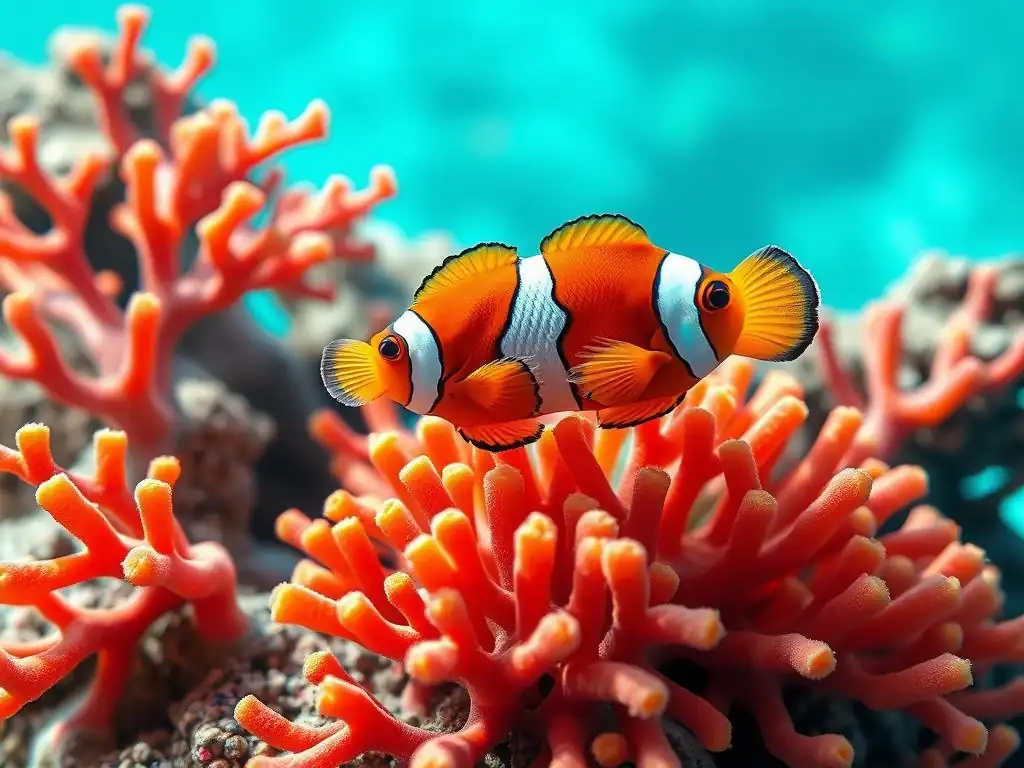
A common challenge for SPS aquarists is achieving and maintaining the vibrant, deep coloration that these corals are renowned for. While lighting, flow, and nutrient levels play significant roles, consistent SPS aquarium salinity levels are often the unsung hero behind truly spectacular hues.
Consider the case of a reef keeper who struggled for years with dull, brownish Acropora colonies, despite having high-end lighting and stable calcium/alkalinity. After a mentor suggested hyper-focusing on salinity stability, the aquarist invested in a high-precision digital salinity meter and a robust automated top-off (ATO) system, aiming for a daily specific gravity fluctuation of less than 0.0002.
Within three months of maintaining an unwavering specific gravity of 1.026, the aquarist observed a remarkable transformation. His previously brown Acropora valida began to display striking purple tips, and a Montipora digitata intensified from a pale orange to a deep, fiery red. This dramatic improvement was attributed to the reduced physiological stress on the corals.
With consistent SPS aquarium salinity levels, the corals no longer needed to expend energy on osmoregulation, allowing them to allocate more resources to growth, tissue development, and the production of their natural chromoproteins, which are responsible for their stunning colors. This example underscores that stability, more than just hitting a number, unlocks the full genetic potential for coloration in SPS corals.
Overcoming RTN/STN with Salinity Correction
Rapid Tissue Necrosis (RTN) and Slow Tissue Necrosis (STN) are devastating conditions that can wipe out an SPS colony in a matter of days or weeks. While many factors can trigger RTN/STN, significant fluctuations or incorrect SPS aquarium salinity levels are frequently overlooked culprits.
A compelling case involved a reef tank experiencing widespread STN across several mature Acropora colonies, despite seemingly stable parameters. The aquarist's routine salinity checks with an older swing-arm hydrometer indicated 1.025 SG, but a second opinion with a freshly calibrated optical refractometer revealed the actual salinity was fluctuating wildly between 1.023 and 1.028 SG throughout the day due to an unreliable ATO and inconsistent manual top-offs.
Upon diagnosing the issue, the aquarist implemented an immediate, but gradual, correction. They repaired the ATO, ensured it was consistently adding pure RO/DI water, and began performing small, daily micro-adjustments to the tank's salinity using a precise dosing pump to slowly bring it to a stable 1.026 SG over three days. Within a week, the progression of STN on the remaining affected corals visibly slowed, and over the next month, new tissue growth was observed.
While some colonies were lost, the surviving ones recovered fully and began to thrive. This case vividly illustrates that even when other parameters seem fine, unaddressed issues with SPS aquarium salinity levels can be the hidden cause of severe coral health problems, and precise correction can lead to remarkable recovery.
Long-Term Benefits of Precise Salinity Control for SPS Corals
Enhanced Growth and Coloration
The long-term benefits of maintaining precise and stable SPS aquarium salinity levels are profoundly evident in the enhanced growth rates and vibrant coloration of SPS corals. When corals are not constantly battling osmotic stress, they can dedicate their energy reserves to calcification, the process of building their stony skeletons. This translates directly into faster growth, with many SPS species capable of growing several centimeters per year under truly ideal and stable conditions. For example, a healthy Acropora millepora can add up to 2-3 inches of vertical growth annually, forming dense, intricate colonies.
Beyond mere size, consistent SPS aquarium salinity levels unlock the full spectrum of a coral's genetic potential for color. Reduced stress allows the coral to efficiently produce and maintain its symbiotic zooxanthellae, which are crucial for brown and green pigments, and also to synthesize its own vibrant chromoproteins responsible for blues, purples, reds, and oranges. Aquarists who master salinity precision often report deeper, more saturated colors and greater polyp extension in their SPS colonies, creating a visually stunning and robust reef display that truly mimics the natural beauty of a thriving ocean ecosystem.
Increased Resilience to Disease and Stress
A highly stable environment, fundamentally underpinned by precise SPS aquarium salinity levels, significantly contributes to the increased resilience of corals against disease and other forms of stress. Just like any living organism, corals under chronic stress from fluctuating conditions have compromised immune systems. They are more susceptible to bacterial infections, parasitic infestations, and environmental changes such as temperature swings or minor nutrient spikes.
When SPS corals are maintained within their optimal and consistent salinity range, their physiological processes function efficiently, and their immune responses are robust. This means they are better equipped to ward off potential pathogens or recover quickly from minor environmental perturbations.
For instance, a tank with stable SPS aquarium salinity levels might see its corals experience minimal impact from a brief power outage or a slight temperature dip, whereas corals in an unstable system might show signs of rapid decline. This enhanced resilience leads to fewer coral losses, less intervention required from the aquarist, and a generally healthier, more robust reef ecosystem that can withstand the inevitable minor challenges of a closed system.
A Thriving SPS Reef Ecosystem
Ultimately, the commitment to precise SPS aquarium salinity levels extends its benefits far beyond just the corals themselves, fostering a thriving and resilient reef ecosystem. Salinity is a fundamental parameter that affects all marine life, from the smallest copepods and beneficial bacteria to the most delicate fish species. When salinity is stable and within the natural range, the entire biological filtration system, including nitrifying and denitrifying bacteria, operates at peak efficiency. This leads to better nutrient cycling and cleaner water, which in turn directly benefits the corals.
Furthermore, fish and other invertebrates in the tank also experience reduced stress in a stable salinity environment, leading to stronger immune systems, better feeding responses, and more natural behaviors. A well-balanced and consistently maintained SPS aquarium salinity level acts as the bedrock for the entire reef community, minimizing unexpected crashes and promoting long-term success. It creates a harmonious balance where all inhabitants can flourish, resulting in a vibrant, dynamic, and truly spectacular slice of the ocean within your home.
Conclusion: Salinity - The Foundation of SPS Aquarium Success.
In the intricate world of SPS reef keeping, numerous parameters demand attention, but the precision and stability of SPS aquarium salinity levels stand out as an often-underestimated cornerstone of long-term success. From the delicate osmotic balance within coral cells to the overall health of the entire reef ecosystem, consistent salinity directly impacts growth, coloration, disease resistance, and the harmonious functioning of biological processes. Neglecting this fundamental parameter can lead to a cascade of issues, ranging from stunted growth and dull colors to devastating tissue necrosis and widespread coral loss.
The commitment to precise salinity control involves more than just hitting a target number; it requires diligent monitoring with calibrated tools, strategic use of automated systems, and a deep understanding of how various aquarium activities can influence this vital parameter. By prioritizing the unwavering stability of SPS aquarium salinity levels, aquarists lay a robust foundation for a thriving, vibrant, and resilient SPS reef that will continue to captivate and inspire for years to come.
Frequently Asked Questions
What is the ideal salinity for an SPS aquarium, and why is it so crucial?
Maintaining the correct salinity, typically around 1.025-1.026 specific gravity, is vital for SPS corals. This ensures proper osmotic balance and facilitates nutrient uptake. Any significant fluctuation can stress or even kill SPS corals.
How do I accurately measure the salinity in my SPS aquarium?
Use a reliable refractometer calibrated with a standard solution. Hydrometers can be used but are generally less accurate and more prone to errors. Regular testing is key.
What are the potential consequences of incorrect salinity levels in an SPS aquarium?
Incorrect salinity can lead to coral tissue necrosis (RTN) or slow tissue necrosis (STN), hindering growth and causing bleaching. It also affects the coral's ability to properly absorb essential nutrients.
How often should I check the salinity in my SPS aquarium?
Ideally, check the salinity at least weekly. More frequent checks are recommended during initial setup or after any significant water changes to ensure stable water parameters.
What steps should I take to adjust the salinity in my SPS aquarium if it's too high or too low?
If the salinity is too high, slowly add RO/DI water to dilute the tank. If it's too low, add salt mix gradually, ensuring proper mixing and aeration before adding it to the aquarium. Avoid making large, rapid changes.
Final Reflection: The Delicate Balance of Marine Life
The intricacies of maintaining a thriving SPS aquarium often lead us down complex paths of lighting, flow, and nutrient control. However, as we've explored, the seemingly simple parameter of salinity precision is, in reality, a cornerstone of long-term success, directly impacting the health and vitality of these delicate corals. Neglecting this fundamental aspect can unravel even the most meticulously planned reef environment.
The impact of consistent and accurate salinity levels extends far beyond the confines of our glass boxes. It serves as a powerful reminder of the delicate balance that governs all marine ecosystems, highlighting the importance of understanding and respecting the specific needs of the organisms we choose to keep. In the end, we will conserve only what we love; we will love only what we understand; and we will understand only what we are taught.
- Baba Dioum. This quote resonates deeply, urging us to embrace the responsibility that comes with recreating a slice of the ocean within our homes.
As you consider the information presented, I encourage you to reflect on your own approach to maintaining your SPS aquarium. Are you prioritizing salinity precision with the same dedication you apply to other aspects of reef keeping? Let this be a catalyst for renewed focus, a commitment to providing the stable and supportive environment that your SPS corals deserve, and a deeper appreciation for the intricate beauty of the marine world.
Unleash Your Reef's Full Potential!
Thanks for exploring the nuances of salinity and its profound impact on SPS coral health! Now that you understand its importance, it's time to put this knowledge into action and witness the vibrant transformation of your reef.
Here are a few key steps to take:
- Immediately verify your current salinity level using a calibrated refractometer and compare it against your target range. This is the single most impactful action you can take!
- Dive deeper into understanding the relationship between salinity and other water parameters by researching the ionic balance within your aquarium.
- Share this article with a fellow reef keeper who might be struggling with SPS health; helping others strengthens our community!
What specific steps will you take today to ensure a more stable and thriving environment for your SPS corals?