
Creating a FaviaFocused Nano Reef: Tips & Inspiration

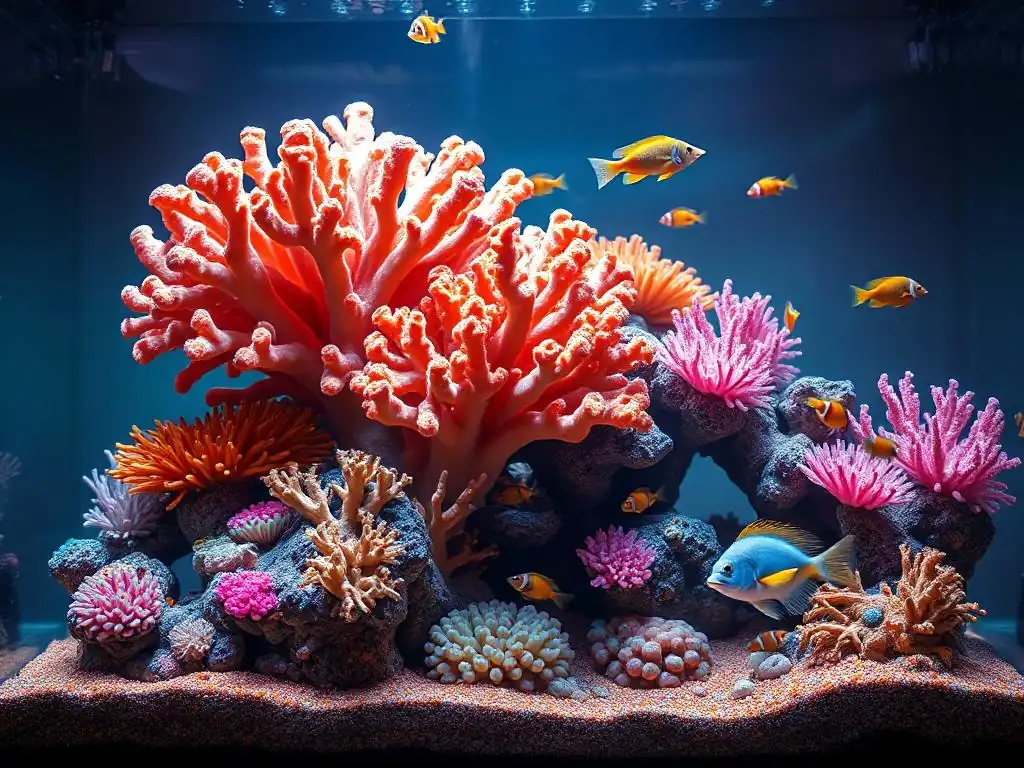
Welcome to Aquarium Mastery!
Ready to dive into the vibrant world of reef keeping? Ever dreamt of a captivating nano reef teeming with color and life? This is your starting point. We're about to unlock the secrets to building a breathtaking Favia coral reef tank, a jewel for any aquarist. Discover the tips, inspiration, and essential knowledge you need to create a thriving ecosystem for these stunning LPS corals. Curious to know how to make your Favia truly flourish? Let's get started!
- Creating a Favia-Focused Nano Reef: Tips & Inspiration for Aquarium Mastery
- Introduction: The Allure of Favia Corals in Nano Reefs
- Planning Your Favia Coral Reef Tank
- Selecting and Placing Favia Corals
- Favia Coral Care and Maintenance
- Inspiration: Stunning Favia-Dominated Nano Reef Examples
- Troubleshooting Common Favia Reef Tank Problems
- Conclusion: Enjoying the Beauty of Your Favia-Focused Nano Reef
-
Frequently Asked Questions
- What makes a Favia coral a good choice for a nano reef tank?
- What are the ideal water parameters for a Favia coral in a reef tank?
- How much lighting do Favia corals need in a nano reef tank?
- What type of water flow is best for Favia corals in a reef tank environment?
- What should I feed my Favia coral in a nano reef tank?
- Final Reflection: Cultivating Beauty in Miniature
- Ignite Your Nano Reef Passion!
Creating a Favia-Focused Nano Reef: Tips & Inspiration for Aquarium Mastery
Introduction: The Allure of Favia Corals in Nano Reefs
Why Choose Favia for Your Nano Reef Aquarium?
Favia corals, often celebrated for their captivating patterns and vibrant coloration, present an exceptional choice for the dedicated nano reef aquarist. Their robust nature and relatively moderate care requirements make them an ideal stepping stone for those transitioning from soft corals to large polyp stony (LPS) corals, or for experienced hobbyists seeking a resilient and visually striking centerpiece. Unlike some more delicate coral species, Favia can exhibit impressive resilience to minor fluctuations in water parameters, a significant advantage in the typically less stable environment of a nano Favia coral reef tank ranging from 10 to 30 gallons.
Furthermore, the diverse morphology of Favia corals adds immense aesthetic value to a compact aquatic ecosystem. From encrusting forms that spread across rockwork, creating a living mosaic, to massive or brain-like structures that provide substantial focal points, Favia offer versatility in aquascaping. Their growth rate is generally moderate, allowing aquarists to manage their size within the confines of a smaller tank without constant intervention. This combination of hardiness, beauty, and manageable growth makes Favia an outstanding candidate for creating a thriving and visually dynamic nano Favia coral reef tank setup.
Understanding Favia Coral Varieties: A Beginner's Guide
Favia corals encompass a broad genus within the family Merulinidae, displaying an astonishing array of colors, patterns, and growth forms that can initially seem overwhelming to a newcomer. Commonly found varieties include those with distinctly defined polyps and those with more fused walls, often referred to as "brain corals" due to their convoluted appearance. Color palettes range from striking neon greens and fiery reds to deep blues, purples, and oranges, frequently with contrasting 'eyes' or centers that enhance their intricate designs.
Some popular Favia varieties often seen in the hobby include Favia speciosa, known for its vibrant green and red combinations, and Favia fragum, which typically forms smaller, more encrusting colonies. Another sought-after type is the "Dragon Soul Favia," famous for its intense, multi-colored patterns, often featuring bright orange and green hues. Understanding these variations is key to planning your Favia coral reef tank's aesthetic, as different types can contribute unique textures and color contrasts, allowing for a truly personalized and visually rich aquascape even within a limited footprint.
Planning Your Favia Coral Reef Tank
Nano Reef Tank Size Considerations for Favia Corals
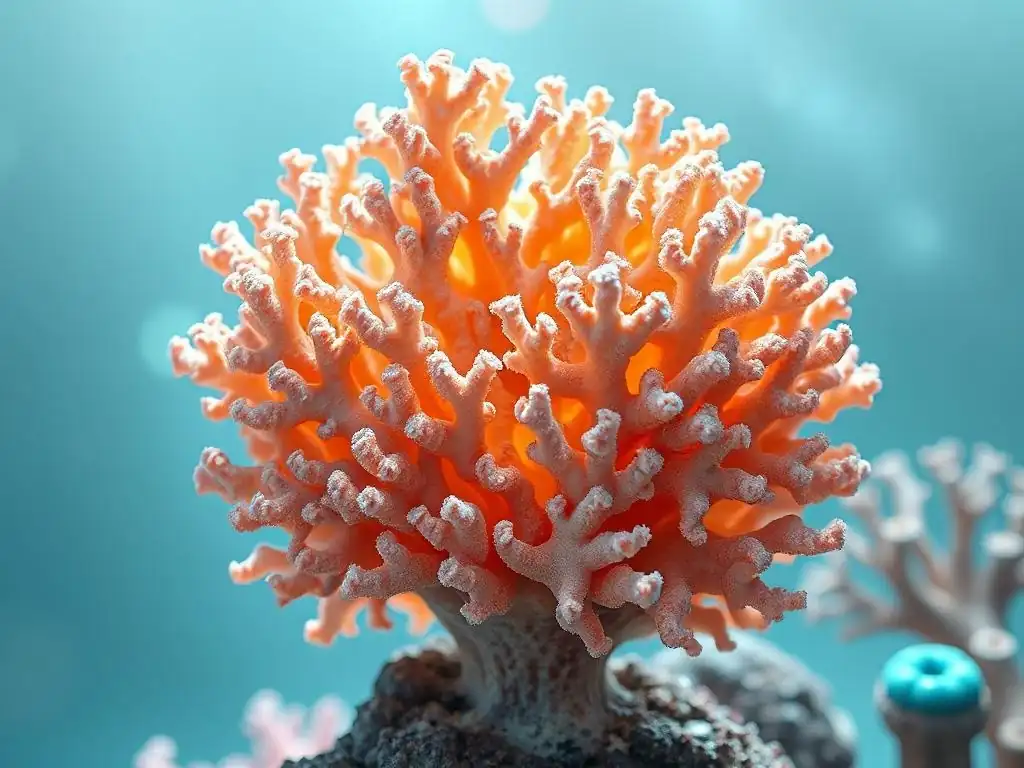
When designing a Favia coral reef tank focused on nano dimensions, tank size is a critical determinant of success and aesthetic potential. While Favia corals are adaptable, a minimum tank volume of 10 gallons is generally recommended to provide sufficient water stability and space for growth. However, tanks in the 20-30 gallon range, such as a standard 20-gallon long or a 30-gallon cube, offer significantly more stability and flexibility. Larger nano tanks mitigate rapid parameter swings that can stress corals, providing a more forgiving environment for Favia.
The chosen tank size also dictates the number and size of Favia colonies you can realistically house. In a 10-gallon system, one or two smaller Favia frags might be the limit to prevent overcrowding as they grow. A 20-gallon tank, conversely, could comfortably support three to five small to medium-sized Favia colonies, allowing for a more diverse display of colors and patterns. Remember that Favia can grow outwards, potentially encroaching on neighboring corals, so adequate spacing, often 3-4 inches between mature colonies, is crucial to prevent chemical warfare or shading issues in a confined Favia coral reef tank.
Essential Equipment for a Thriving Favia Reef
Establishing a thriving Favia coral reef tank necessitates a careful selection of specialized equipment to maintain the stable conditions these LPS corals require. Beyond the tank itself, key components include a reliable lighting system, efficient water circulation pumps, and a robust filtration setup. The success of your Favia corals hinges on the consistent performance of these systems, as they directly influence water quality, nutrient availability, and the energy Favia corals derive from photosynthesis. Investing in quality equipment from reputable brands, even for a nano system, pays dividends in long-term stability and reduced maintenance headaches.
For a nano Favia coral reef tank, the integration of these components must be mindful of space constraints. All-in-one (AIO) nano tanks, for instance, often come with built-in filtration compartments and designated areas for heaters and pumps, streamlining the setup process. Regardless of the tank type, ensuring each piece of equipment is appropriately sized for the tank volume is paramount. An undersized protein skimmer or an overly powerful return pump can lead to instability or excessive flow, both detrimental to Favia health.
Lighting for Favia Growth and Coloration
Appropriate lighting is fundamental for the health, growth, and vibrant coloration of Favia corals in a Favia coral reef tank. As photosynthetic corals, Favia rely heavily on light to fuel their symbiotic zooxanthellae algae, which produce up to 80% of their nutritional needs. Moderate intensity lighting, typically in the range of 75-150 PAR (Photosynthetically Active Radiation) at the coral's location, is generally ideal. Too little light can lead to fading colors and slow growth, while excessive intensity can cause bleaching or tissue necrosis.
LED lighting fixtures are highly recommended for Favia coral reef tank setups due to their energy efficiency, controllability, and ability to provide a full spectrum of light. Many modern LED units offer programmable features, allowing aquarists to create custom light schedules, including dawn/dusk simulations, and adjust intensity and spectrum (e.g., balancing blue and white light for optimal coral health and visual appeal). For a 20-gallon nano tank, a fixture providing 30-50 watts of full-spectrum LED light with adjustable blue channels often proves sufficient, allowing for fine-tuning based on coral response.
Water Flow and Circulation in a Favia Tank
Adequate water flow and circulation are crucial for the health of Favia corals in a Favia coral reef tank, facilitating nutrient delivery, waste removal, and preventing detritus accumulation. Favia generally prefer moderate, indirect flow rather than direct, strong currents which can cause tissue damage or prevent polyp extension. The goal is to create turbulent, random flow patterns that gently "wash" over the corals, ensuring all surfaces receive fresh water without blasting them directly.
For a nano Favia coral reef tank, one to two small powerheads or wavemakers, each rated for 200-500 GPH (gallons per hour) depending on tank size and aquascape, are usually sufficient. Positioning these pumps strategically, often on opposing sides of the tank or aimed at the back glass to create indirect flow, can achieve the desired turbulent movement. Observing your Favia's polyps is a good indicator: polyps should gently sway and extend fully, not be constantly retracted or blasted flat against the coral skeleton. Adjusting powerhead positioning and flow intensity is often an ongoing process to find the optimal balance for your specific Favia coral reef tank inhabitants.
Filtration for a Healthy Nano Reef Environment
Effective filtration is the backbone of a stable and healthy Favia coral reef tank. In a nano system, maintaining pristine water quality is even more critical due to the smaller water volume's susceptibility to rapid parameter shifts. A comprehensive filtration strategy for Favia corals typically involves mechanical, chemical, and biological filtration. Mechanical filtration, often provided by filter socks or sponges, removes particulate matter, preventing it from breaking down into undesirable nutrients. These media should be cleaned or replaced weekly to avoid becoming a nitrate factory.
Biological filtration, primarily facilitated by live rock and sand, converts toxic ammonia and nitrite into less harmful nitrate. For a Favia coral reef tank, aiming for at least 1-1.5 pounds of live rock per gallon is a good starting point, providing ample surface area for beneficial bacteria. Chemical filtration, such as activated carbon or GFO (granular ferric oxide), is essential for removing dissolved organic compounds and phosphates, respectively. Activated carbon should be replaced monthly, while GFO replacement frequency depends on phosphate levels, often every 2-4 weeks. Protein skimmers, while optional for very small nano tanks (under 10 gallons), are highly recommended for any Favia coral reef tank 15 gallons and larger, effectively removing organic waste before it breaks down, significantly reducing the bioload and maintaining low nutrient levels.
Establishing Optimal Water Parameters for Favia Corals
Maintaining stable and optimal water parameters is paramount for the long-term health and vibrant coloration of Favia corals. Consistency is often more important than hitting exact numbers, as rapid fluctuations can stress corals more than slightly off but stable parameters. Regular testing, ideally 2-3 times per week for key parameters in a nano Favia coral reef tank, is essential. The ideal ranges for Favia are generally aligned with those for most LPS corals, reflecting natural seawater conditions.
| Parameter | Optimal Range | Notes Favia coral reef tank building process, including how to select healthy favia corals, acclimate them, and optimally place them in the reef aquascape. The paragraph elaborates on the selection process, advising to look for signs of health (fully extended polyps, vibrant coloration, no visible tissue recession or damage) and to avoid corals showing signs of stress (closed polyps, pallid colors, presence of algae on the skeleton). It also suggests sourcing from reputable local fish stores or online vendors that practice sustainable collection or aquaculture.
The next paragraph focuses on acclimation. It describes the drip acclimation method as preferable for corals, especially for sensitive LPS like Favia, to slowly equalize water parameters (temperature, salinity, pH). It details the steps: floating the bag for temperature, then slowly adding tank water over 30-60 minutes before gently transferring the coral.
The final section is on optimal placement. It explains that Favia prefer moderate light and flow, and should be placed where they receive indirect flow and PAR levels between 75-150. It also mentions considering their growth habit (encrusting vs. massive) and ensuring adequate space (several inches) from other corals to prevent chemical warfare or stinging.
Selecting and Placing Favia Corals
Choosing Healthy Favia Colonies for Your Nano Reef
The foundation of a successful Favia coral reef tank begins with the careful selection of healthy, vibrant coral colonies. When choosing Favia, observe the coral closely for several key indicators of health. Look for fully extended polyps, which suggest the coral is comfortable and feeding. The coloration should be vibrant and consistent with the specific morph you are considering; dull or pallid colors can indicate stress or poor health. Crucially, inspect the coral for any signs of tissue recession, exposed skeleton, or visible damage. Healthy Favia will have plump, intact tissue covering their entire skeleton, right down to the base.
Avoid purchasing Favia colonies that exhibit signs of stress or disease, such as closed polyps, excessive mucus production, or the presence of nuisance algae growing on their tissue. While some minor blemishes might heal, significant tissue loss or bleaching indicates a coral that is already struggling and may not recover in your Favia coral reef tank. It is also advisable to inquire about the coral's origin; sustainably aquacultured Favia or those from reputable mariculture operations often adapt more readily to home aquarium conditions than wild-caught specimens, contributing to the long-term stability of your new Favia coral reef tank inhabitants.
Acclimation Strategies for New Favia Corals
Proper acclimation is a critical step for introducing new Favia corals to your Favia coral reef tank, minimizing stress and increasing their chances of survival. The goal is to slowly equalize the water parameters between the shipping bag and your aquarium. While temperature acclimation (floating the bag) is important, chemical parameters like salinity, pH, and alkalinity can differ significantly and require a more gradual approach. Drip acclimation is generally the preferred method for LPS corals like Favia.
To drip acclimate, first, float the sealed bag in your Favia coral reef tank for 15-20 minutes to equalize temperature. Then, carefully open the bag and pour the coral and its water into a clean bucket or container. Using airline tubing, create a siphon from your display tank into the bucket, tying a knot in the tubing or using a control valve to regulate the drip rate to approximately 1-2 drips per second. Allow this process to continue for 30-60 minutes, or until the water volume in the bucket has quadrupled. Finally, gently remove the Favia coral, discarding the acclimation water, and place it into your Favia coral reef tank. Avoid exposing the coral to air if possible during transfer.
Optimal Placement of Favia within the Reef Aquascape
Strategic placement is vital for the long-term success and aesthetic integration of Favia corals within your Favia coral reef tank. Favia generally thrive under moderate lighting and moderate, indirect water flow. Placing them too high under intense light or in direct, blasting currents can cause stress, bleaching, or tissue recession. Conversely, insufficient light can lead to fading colors and poor growth. A good starting point is the middle to lower regions of your aquascape, where PAR levels typically range from 75 to 150 µmol·m⁻²·s⁻¹.
When positioning Favia, also consider their growth habit. Some Favia species are encrusting, spreading across rockwork, while others form massive or plating colonies. Ensure adequate space, typically 3-6 inches (7-15 cm) from other corals, as Favia can extend sweeper tentacles at night, potentially stinging neighboring corals. Observing how the polyps extend and react to flow during the day will help you fine-tune their exact position. If polyps are fully extended and gently swaying, the placement is likely ideal for your Favia coral reef tank's flow.
Considering Lighting and Flow Requirements for Different Favia Species
While Favia corals generally prefer moderate light and flow, subtle variations exist among different species and even individual colonies, making observation a key component of optimal placement in a Favia coral reef tank. For instance, some of the more intensely colored morphs, like the "Dragon Soul Favia," may exhibit their best coloration under slightly higher PAR levels, perhaps closer to 120-150 µmol·m⁻²·s⁻², provided they are gradually acclimated. However, pushing light intensity too quickly can easily lead to bleaching.
Similarly, while all Favia prefer indirect flow, the exact strength can vary. Encrusting Favia might tolerate slightly stronger diffused flow than a large, brain-like colony, which could suffer tissue damage from constant, direct impingement. The goal is to provide enough flow to keep detritus from settling on the coral's surface and deliver nutrients, without causing the polyps to retract or be flattened. Continuously monitor your Favia's polyp extension and color over the first few weeks in your Favia coral reef tank to confirm ideal conditions, adjusting placement or flow patterns as needed.
Favia Coral Care and Maintenance
Feeding Your Favia Corals: What, When, and How Much?
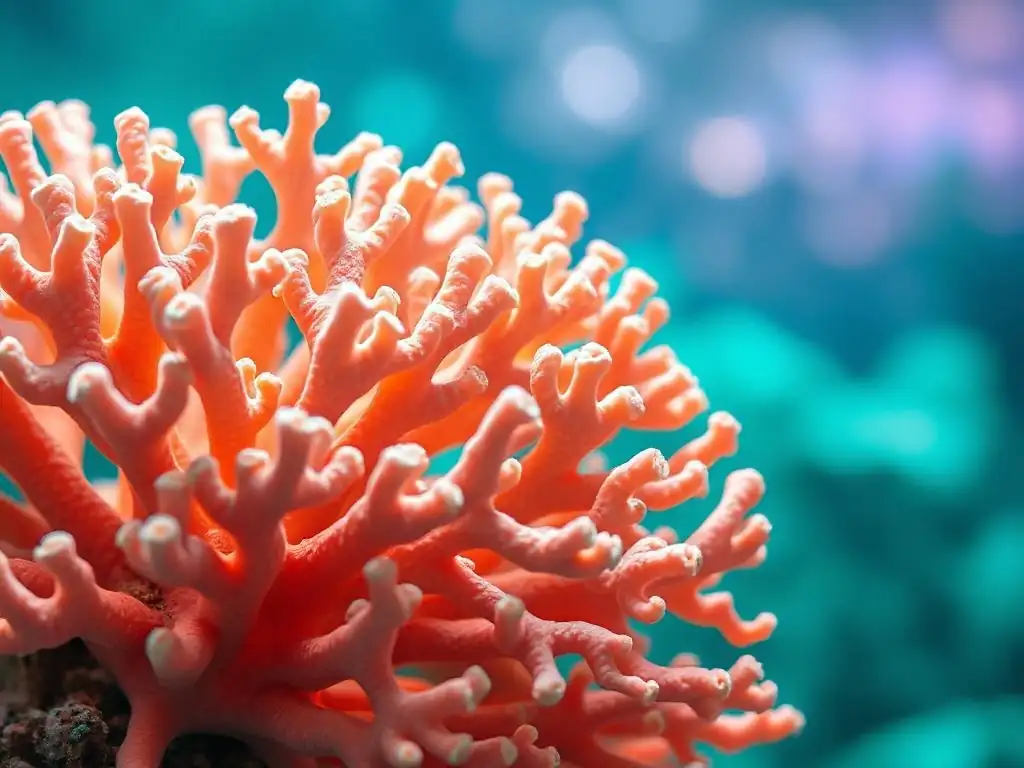
While Favia corals derive a significant portion of their nutrition from photosynthesis via their symbiotic zooxanthellae, supplemental feeding is highly beneficial for accelerating growth, enhancing coloration, and promoting overall vitality in a Favia coral reef tank. Favia are carnivorous and will readily consume a variety of small meaty foods. Recommended food sources include finely chopped mysis shrimp, enriched brine shrimp, coral-specific pellet foods (e.g., those designed for LPS), and liquid coral foods containing phytoplankton and zooplankton.
Feeding can be performed 1-2 times per week. Target feeding, using a turkey baster or pipettes to deliver food directly to the Favia's extended polyps, is the most efficient method, minimizing waste and preventing excess nutrients from polluting your Favia coral reef tank. Turn off powerheads and return pumps for 10-15 minutes during feeding to allow the corals to capture the food without it being immediately swept away. Observe the coral's feeding response; healthy Favia polyps will typically open and grab food within minutes, indicating they are actively feeding and benefiting from the provided nutrients.
Regular Water Changes for a Stable Favia Environment
Regular water changes are a cornerstone of maintaining a stable and healthy Favia coral reef tank environment, especially critical in smaller nano systems where water parameters can fluctuate more rapidly. Water changes replenish essential trace elements that corals consume, such as strontium, iodine, and potassium, which are vital for skeletal growth and metabolic processes. They also dilute accumulated nitrates, phosphates, and other dissolved organic compounds that can become toxic at high concentrations.
For a nano Favia coral reef tank, a weekly water change of 10-15% of the total tank volume is a generally accepted guideline. For example, a 20-gallon tank would benefit from a 2-3 gallon water change each week. Always use high-quality RODI (Reverse Osmosis Deionized) water mixed with a reputable marine salt mix to the correct salinity (typically 1.025-1.026 specific gravity). Ensure the new saltwater is temperature-matched to your Favia coral reef tank to prevent thermal shock. Consistent water changes are far more beneficial than infrequent, large changes, as stability is key for Favia health.
Monitoring and Addressing Potential Favia Health Issues
Vigilant monitoring of your Favia corals is essential for early detection and intervention of potential health issues, ensuring the long-term success of your Favia coral reef tank. Regularly observe your corals for changes in polyp extension, tissue color, and any signs of recession or unusual growths. A healthy Favia will display good polyp extension, vibrant coloration, and consistent growth. Keep a log of your water parameters to identify any trends or sudden deviations that might correlate with coral stress.
Common indicators of stress or declining health in Favia include:
- Reduced Polyp Extension: Polyps staying retracted for extended periods.
- Fading or Bleeched Colors: Loss of vibrancy, becoming pale or white.
- Tissue Recession: Tissue pulling back from the skeleton, often starting from the base.
- Excessive Mucus Production: A clear or white slime coat.
- Algae Growth on Tissue: Indicating dying tissue or severe stress.
Addressing these issues promptly can often prevent irreversible damage to your Favia coral reef tank inhabitants.
Recognizing and Treating Favia Coral Bleaching
Coral bleaching is a severe stress response where corals expel their symbiotic zooxanthellae algae, leading to a loss of color and, if prolonged, starvation. In a Favia coral reef tank, bleaching is most commonly triggered by:
- Rapid Temperature Swings: Even a 2-3°F (1-2°C) change can induce stress.
- Excessive Light Intensity: Too much PAR, especially if not acclimated gradually.
- Poor Water Quality: High nitrates/phosphates, or sudden drops in alkalinity/calcium.
- Sudden Salinity Changes: Drastic shifts in specific gravity.
Recognizing bleaching involves observing your Favia turning pale, white, or translucent. To treat, first identify and rectify the underlying stressor. If it's light, reduce intensity or move the coral to a shadier spot. If temperature, ensure stable heating/cooling. Improve water quality through water changes and filtration. In some cases, target feeding with high-quality coral foods can help provide energy while the coral recovers. Recovery is possible if caught early, but severe bleaching can be fatal to your Favia coral reef tank specimen.
Identifying and Controlling Favia Coral Pests
Several pests can pose a threat to Favia corals in a Favia coral reef tank, requiring careful identification and control measures. One common pest is the Nudibranch (specifically Phestilla melanobrachia or similar species), which can camouflage effectively and feed directly on coral tissue, leaving behind visible bite marks or receding tissue. Another potential issue is Red Bug (Tegastes acroporanus), though more common on SPS, they can sometimes affect LPS. Flatworms (e.g., Prosthiostomum) can also be problematic, blanketing coral tissue and causing irritation or starvation.
Controlling these pests often involves physical removal, such as siphoning them off the coral or carefully brushing them away. For widespread infestations, a coral dip specifically designed for pest control can be used, following product instructions carefully. However, dipping can be stressful for the coral, so it should be a last resort. Prevention is always better; meticulously inspecting new corals before introduction to your Favia coral reef tank and quarantining them for several weeks in a separate tank allows for observation and treatment of any hitchhikers before they can impact your main display.
Inspiration: Stunning Favia-Dominated Nano Reef Examples
Case Study 1: A Vibrant Favia Garden Nano Reef
One inspiring example of a Favia-focused nano reef is a 25-gallon cube tank, affectionately dubbed "The Jewel Box," owned by a hobbyist in California. This Favia coral reef tank showcases an array of Favia varieties, predominantly encrusting types like "War Paint Favia" and "Purple Reign Favia," which have been allowed to grow over the entire back wall and parts of the live rock structure. The aquascape is minimalist, with a central rock island providing elevated placement for a few domed Favia colonies, such as a large "Dragon Soul Favia" that serves as the tank's focal point.
The tank runs on a simple HOB (Hang-On-Back) filter, a small protein skimmer, and two moderately sized LED lights producing around 100 PAR at the coral level. Water parameters are meticulously maintained with daily dosing of a two-part solution for alkalinity and calcium, and weekly 15% water changes. The result is a breathtaking display of interconnected Favia colonies, their vibrant greens, oranges, and purples creating a kaleidoscopic effect. This Favia coral reef tank exemplifies how a limited footprint can be transformed into a mesmerizing Favia garden through thoughtful selection and consistent care, demonstrating Favia's potential for creating dense, colorful coral carpets.
Case Study 2: A Mixed LPS Nano Reef Featuring Favia
Another compelling example is a 15-gallon mixed LPS nano reef in Florida, where Favia corals play a starring, yet harmonious, role alongside other LPS favorites. This Favia coral reef tank features a "Blue Moon Favia" and a "Miami Hurricane Favia" strategically placed on opposing sides of the aquascape, providing strong color anchors. These Favia colonies are nestled among other LPS like Acanthastrea (Acan lords) and Blastomussa, with careful spacing of approximately 4-5 inches between different coral genera to prevent stinging.
The tank utilizes an all-in-one design with a powerful LED light (around 120 PAR at the coral level) and two small internal powerheads for turbulent flow. The hobbyist attributes the success of this Favia coral reef tank to consistent daily testing of alkalinity, calcium, and magnesium, with micro-dosing to maintain stability within 0.1 dKH, 5 ppm calcium, and 10 ppm magnesium of target ranges. Weekly target feeding of mysis shrimp ensures all LPS receive adequate nutrition. This case study demonstrates how Favia can integrate beautifully into a diverse LPS display, contributing their unique texture and robust coloration without overpowering other corals, creating a balanced and visually rich nano Favia coral reef tank.
Tips for Creating a Visually Appealing Favia Reef Aquascape
Creating a visually appealing Favia coral reef tank involves more than just placing corals; it's about crafting a cohesive and dynamic underwater landscape. Here are some tips to enhance the aesthetic of your Favia display:
- Color Blocking and Contrast: Arrange Favia colonies with contrasting colors next to each other to make each pop. For example, a vibrant green Favia next to a fiery red one. Alternatively, create "color blocks" where similar hues are grouped for a gradient effect.
- Varying Growth Forms: Incorporate different Favia growth forms. Use encrusting types to cover flat rock surfaces, creating a living carpet, and place massive or domed Favia as focal points on elevated rockwork. This adds depth and visual interest.
- Negative Space: Don't overcrowd your
Favia coral reef tank. Allowing for some open areas or "negative space" around key Favia colonies can make them stand out more and give the impression of a larger, more natural environment. - Layering and Elevation: Utilize your live rock to create different levels and ledges. Place Favia at varying heights to take advantage of the light gradient and create a multi-dimensional look. Consider how the corals will grow over time and plan for their mature size.
- Flow and Polyp Extension: Position Favia where they receive ideal flow, allowing their polyps to fully extend and sway gently. This natural movement adds a dynamic element to the aquascape and indicates a healthy, happy coral. A full, extended Favia colony is far more visually appealing than a retracted one.
- Foreground, Midground, Background: Apply basic photography principles to your aquascape. Place smaller, more delicate Favia or frags in the foreground, larger and more robust colonies in the midground, and use the back wall for encrusting Favia to create a sense of depth in your
Favia coral reef tank.
Troubleshooting Common Favia Reef Tank Problems
Addressing Slow Growth in Favia Corals
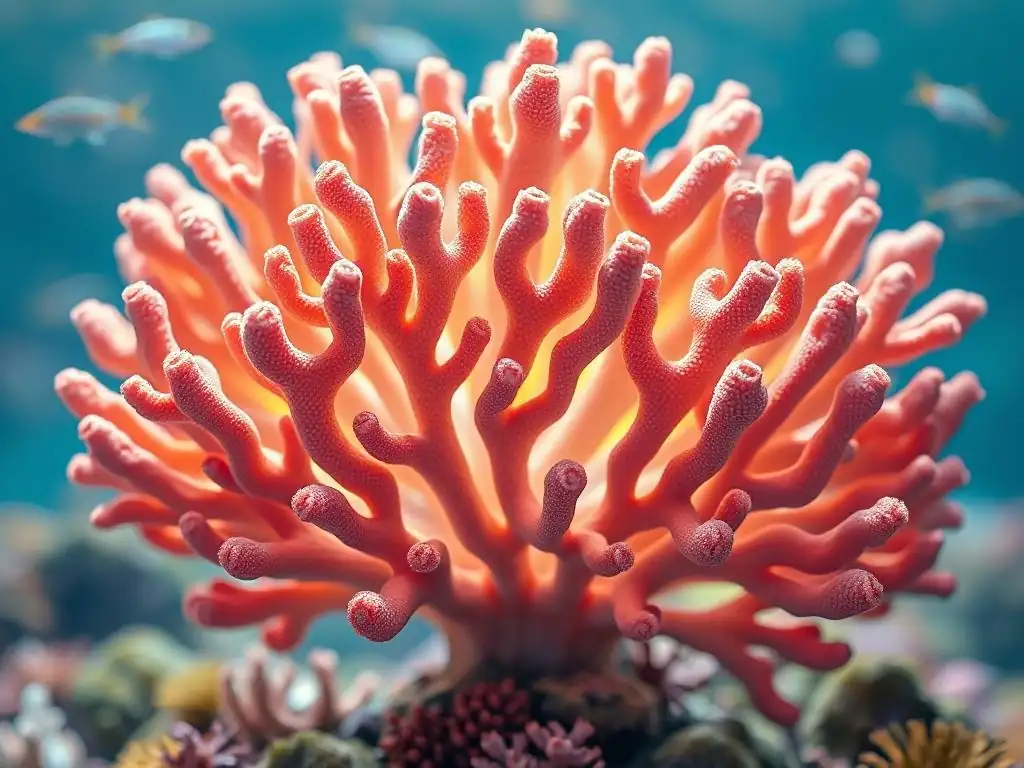
Slow growth in Favia corals within a Favia coral reef tank can be a frustrating issue, but it often points to suboptimal environmental conditions that can be rectified. The first step is to systematically evaluate your water parameters. Ensure that alkalinity (8-10 dKH), calcium (400-450 ppm), and magnesium (1300-1400 ppm) are consistently within their optimal ranges, as these are the building blocks for skeletal growth. Fluctuations or deficiencies in these elements are primary inhibitors of Favia growth. Regular dosing with a balanced two-part solution or calcium reactor can help maintain these levels.
Beyond parameters, assess lighting and feeding. If PAR levels are too low (below 75 µmol·m⁻²·s⁻²), your Favia may not be receiving enough energy from photosynthesis. Consider increasing light intensity gradually or moving the coral to a brighter spot. Conversely, if PAR is too high, the coral might be spending energy on protection rather than growth; look for signs of bleaching. Finally, consistent supplemental feeding with quality coral foods (e.g., mysis shrimp, liquid coral food) 1-2 times per week can significantly boost growth rates by providing direct nutrition that complements their photosynthetic energy. Ensuring moderate, indirect flow also helps deliver nutrients and remove waste, supporting healthy growth in your Favia coral reef tank.
Dealing with Algae Outbreaks in a Favia Tank
Algae outbreaks, such as unsightly green hair algae or diatoms, are common challenges in any Favia coral reef tank and can quickly detract from its beauty while potentially smothering corals. The root cause of most algae issues is elevated nutrient levels, primarily nitrates and phosphates. For a Favia coral reef tank, target nitrate levels below 10 ppm and phosphates below 0.05 ppm. Higher levels provide a fertile ground for nuisance algae.
To combat algae, first, address the nutrient source. This involves:
- Reducing Feeding: Overfeeding fish or corals directly contributes to nutrient buildup.
- Increased Water Changes: Perform more frequent or larger water changes (e.g., 20% weekly) to dilute nutrients.
- Enhanced Filtration: Ensure your protein skimmer is running efficiently and consider adding or replacing chemical media like GFO (granular ferric oxide) or an activated carbon/GFO blend.
- Manual Removal: Physically remove as much algae as possible during maintenance, especially from rocks and glass.
- Introducing Cleanup Crew: Snails (e.g., Turbo, Trochus, Nassarius) and hermit crabs can help graze on algae, but they are not a solution for high nutrient levels.
Maintaining excellent water quality and preventing nutrient accumulation are the most effective long-term strategies for keeping a Favia coral reef tank free from problematic algae.
Preventing and Treating Favia Diseases
Preventing diseases in Favia corals within your Favia coral reef tank is primarily about maintaining optimal, stable water parameters and minimizing stress. A healthy coral with a strong immune system is far less susceptible to pathogens. Key preventive measures include:
- Stable Parameters: Consistent alkalinity, calcium, magnesium, temperature, and salinity.
- Low Nutrients: Keeping nitrates below 10 ppm and phosphates below 0.05 ppm.
- Appropriate Flow and Lighting: Ensuring Favia are not stressed by too much or too little.
- Quarantine New Additions: Always quarantine new corals, fish, and inverts for 4-6 weeks to prevent introducing diseases or pests.
Despite best efforts, Favia can occasionally suffer from specific diseases, often appearing as tissue necrosis or "brown jelly disease." Brown jelly disease (BJD) is a rapidly progressing infection, often caused by protozoa, that manifests as a brown, slimy coating on the coral tissue. It can spread quickly and be fatal. If identified, immediately:
- Isolate the Infected Coral: Move it to a separate container or quarantine tank.
- Remove Affected Tissue: Gently siphon off the brown jelly. In severe cases, fragging off the healthy part of the coral may be the only option to save a portion.
- Perform a Dip: A freshwater dip (using RODI water matched to tank temperature and pH for 30-60 seconds) or a medicated coral dip can sometimes help, but be cautious as dips are stressful.
Rapid intervention is crucial for any Favia coral reef tank disease, as they can progress quickly, particularly in a confined nano environment.
Conclusion: Enjoying the Beauty of Your Favia-Focused Nano Reef
The Long-Term Rewards of a Well-Maintained Favia Coral Reef Tank
Embarking on the journey of creating and maintaining a Favia coral reef tank is a rewarding endeavor that offers sustained enjoyment and a deep connection to the marine environment. The long-term rewards extend beyond the immediate visual gratification of vibrant colors and intricate patterns. As your Favia colonies mature and grow, they transform the aquascape, creating dynamic living sculptures that evolve over time. Witnessing new growth, budding polyps, and the deepening of coloration is a testament to your consistent care and dedication, providing a profound sense of accomplishment.
A well-maintained Favia coral reef tank becomes a stable, miniature ecosystem, a testament to the delicate balance achieved through diligent husbandry. The resilience of Favia, combined with their stunning aesthetic appeal, ensures that your nano reef remains a captivating focal point in your home or office for years to come. This enduring beauty and the continuous learning process involved in coral care solidify the Favia coral reef tank as a truly enriching and enduring hobby.
Resources for Further Learning about Favia Corals
To further deepen your understanding and enhance your expertise in maintaining a thriving Favia coral reef tank, a wealth of resources is available. Engaging with the broader reefing community is invaluable. Online forums and social media groups dedicated to reef aquariums and LPS corals provide platforms for asking questions, sharing experiences, and learning from seasoned aquarists. Many experienced hobbyists readily share their personal insights, tips, and troubleshooting advice.
Additionally, reputable aquarium literature, including specialized books on coral husbandry and reef tank maintenance, offers comprehensive information on Favia biology, common ailments, and advanced care techniques. Visiting local fish stores that specialize in saltwater aquariums can also provide hands-on learning opportunities and expert advice from staff. By continuously seeking knowledge and staying engaged with the hobby, you can ensure your Favia coral reef tank not only survives but truly thrives, showcasing the magnificent beauty of these captivating corals.
Frequently Asked Questions
What makes a Favia coral a good choice for a nano reef tank?
Favia corals are relatively easy to care for and can thrive in the smaller environments of nano reef tanks. They also offer a variety of colors and patterns, adding visual interest.
What are the ideal water parameters for a Favia coral in a reef tank?
Favia corals prefer stable water parameters, including a temperature of 72-78°F, a salinity of 1.024-1.026 SG, and a pH of 8.1-8.4. Regular water testing is crucial.
How much lighting do Favia corals need in a nano reef tank?
Favia corals generally require moderate lighting, which can be achieved with LED fixtures designed for reef tanks. Monitor the coral for signs of bleaching or excessive browning, adjusting the light intensity as needed.
What type of water flow is best for Favia corals in a reef tank environment?
Favia corals prefer moderate and random water flow. This helps to deliver nutrients and remove waste, preventing the buildup of detritus on the coral's surface and ensuring healthy tissue.
What should I feed my Favia coral in a nano reef tank?
While Favia corals obtain nutrients through photosynthesis, supplemental feeding can enhance their growth and coloration. Target feeding with small meaty foods or coral-specific foods 1-2 times per week is recommended.
Final Reflection: Cultivating Beauty in Miniature
The journey of creating a Favia-focused nano reef, as we've explored, is more than just setting up a tank; it's about cultivating a vibrant ecosystem in miniature. The enduring appeal of these captivating corals, and the growing interest in sustainable reefkeeping practices, underscore the continued relevance of this niche within the aquarium hobby. The ability to bring a slice of the ocean's beauty into our homes, particularly with the dazzling diversity of Favia corals, remains a powerful and inspiring pursuit.
The allure of a Favia coral reef tank extends beyond mere aesthetics; it's a testament to our capacity to nurture and appreciate the delicate balance of marine life. Witnessing the growth and interaction of these corals firsthand fosters a deeper understanding of the ocean's fragility and the importance of conservation. In the end, we will conserve only what we love; we will love only what we understand; and we will understand only what we are taught.
- Baba Dioum. This quote perfectly encapsulates the potential of even a small nano reef to educate and inspire a love for the natural world.
As you consider the possibilities of your own Favia-focused nano reef, remember that patience, research, and a genuine commitment to the well-being of your corals are paramount. Embrace the challenge, learn from your experiences, and share your knowledge with others. Let the vibrant colors and intricate patterns of your Favia corals serve as a constant reminder of the beauty and resilience of the ocean, and inspire you to become a steward of its future.
Ignite Your Nano Reef Passion!
Thank you for diving into the world of Favia-focused nano reefs! We hope this article sparked your imagination and equipped you with the knowledge to create your own thriving ecosystem. Now, let's take that inspiration and turn it into action:
- Start Planning! Outline your dream nano reef design, focusing on Favia coral placement and tank compatibility.
- Explore unique aquascaping ideas. Check online forums and consider uncommon rock formations to make your reef stand out.
- Share your Favia wish list and design concepts with fellow reef enthusiasts on social media.
What's the first Favia coral you're picturing in your nano reef, and why does it inspire you?