
Setting Up a Biotope Tank for Amazonian Corydoras Species

Welcome to Aquarium Mastery!
Ever dreamed of recreating a slice of the Amazon in your own living room, complete with the charming Corydoras? Dive in and unlock the secrets to setting up a thriving Amazonian Corydoras biotope setup. We'll guide you through every step, from choosing the perfect substrate to selecting compatible plants and ensuring optimal water parameters. Ready to transform your tank into a South American paradise? Let's get started!
- Understanding the Amazonian Corydoras Biotope
- Planning Your Amazonian Corydoras Biotope
- Aquascaping the Amazonian Corydoras Biotope
- Water Chemistry for Amazonian Corydoras
- Introducing Your Corydoras to the Biotope Tank
- Maintaining a Thriving Amazonian Corydoras Biotope
- Conclusion: The Rewards of an Amazonian Corydoras Biotope Setup
-
Frequently Asked Questions
- What exactly is a biotope aquarium, and why is it important for Amazonian Corydoras?
- What are the key water parameters to consider when setting up an Amazonian Corydoras biotope?
- What kind of substrate and decor should I use in my Amazonian Corydoras biotope?
- What plants are appropriate for an Amazonian Corydoras biotope aquarium?
- What other fish species can I keep with Amazonian Corydoras in a biotope setup?
- Final Reflection: A Living Slice of the Amazon
- Craft Your Own Underwater Amazon: Start Today!
Understanding the Amazonian Corydoras Biotope
What is a Biotope Aquarium? Replicating Natural Habitats
A biotope aquarium is a specialized aquatic setup designed to meticulously replicate a specific natural habitat found in the wild. This goes beyond simply housing fish; it involves recreating the precise environmental conditions, including water chemistry, substrate, hardscape elements (such as wood and rocks), and plant species, that are native to a particular geographical location.
The goal is to provide an environment that is as close as possible to the fish's natural home, promoting natural behaviors, reducing stress, and often leading to healthier, more vibrant inhabitants. For an effective Amazonian Corydoras biotope setup, this means considering the exact river or tributary section from which the chosen Corydoras species originates.
The replication process involves careful research into the chosen biotope's characteristics. For instance, many Amazonian riverbeds are characterized by fine sandy substrates, abundant leaf litter, and submerged driftwood, reflecting the decomposition of terrestrial vegetation. Water parameters typically range from soft to very soft, with acidic pH levels often between 5.0 and 6.5, influenced by the tannins released from decaying organic matter. Recreating these conditions accurately is crucial for the success of an Amazonian Corydoras biotope setup, ensuring the fish thrive in an environment they are naturally adapted to.
Why Create an Amazonian Biotope for Corydoras?
Creating an Amazonian biotope specifically for Corydoras species offers significant advantages over a general community tank. Corydoras are bottom-dwelling catfish that spend their lives sifting through substrate for food and exploring crevices. An authentic Amazonian Corydoras biotope setup provides the soft, fine sand or silt substrate they prefer, which protects their delicate barbels from injury, unlike rough gravel. This natural substrate encourages their characteristic sifting behavior, an essential part of their natural foraging.
Furthermore, an Amazonian biotope incorporates elements like leaf litter (e.g., dried Indian almond leaves, oak leaves) and driftwood, which release beneficial tannins, lowering pH and softening the water to mimic their native blackwater or clearwater habitats. These elements also provide crucial hiding spots and natural foraging grounds, reducing stress and promoting natural schooling behaviors.
For example, Corydoras aeneus from the Rio Negro basin would benefit from a setup reflecting its soft, acidic water (pH 4.5-6.0, GH 0-3 dGH) and abundant leaf litter. Such a specialized Amazonian Corydoras biotope setup caters directly to the specific physiological and behavioral needs of these fascinating catfish.
Benefits of a Species-Specific Biotope Tank
A species-specific biotope tank, such as an Amazonian Corydoras biotope setup, offers numerous benefits that extend beyond mere aesthetics. Firstly, it significantly enhances the health and longevity of the inhabitants. When fish are kept in conditions that closely mirror their natural environment, their immune systems are stronger, and they are less susceptible to stress-related diseases. For example, Corydoras sterbai, native to the Guaporé River basin, thrives in slightly warmer water (24-28°C) and softer, acidic conditions (pH 6.0-7.5), which an accurate biotope provides, leading to a much lower incidence of fin rot or fungal infections.
Secondly, a species-specific biotope promotes natural behaviors, including foraging, schooling, and even breeding. Many Corydoras species are notoriously difficult to breed in captivity without precise environmental cues, such as specific water parameters, diet, and substrate. An Amazonian Corydoras biotope setup, with its authentic substrate and water chemistry, often triggers spawning behaviors that might not occur in a less specialized tank. Observing these natural interactions provides immense satisfaction and educational value, transforming the aquarium from a simple display into a dynamic, living ecosystem that truly showcases the beauty and complexity of Amazonian aquatic life.
Planning Your Amazonian Corydoras Biotope
Choosing the Right Corydoras Species for Your Biotope
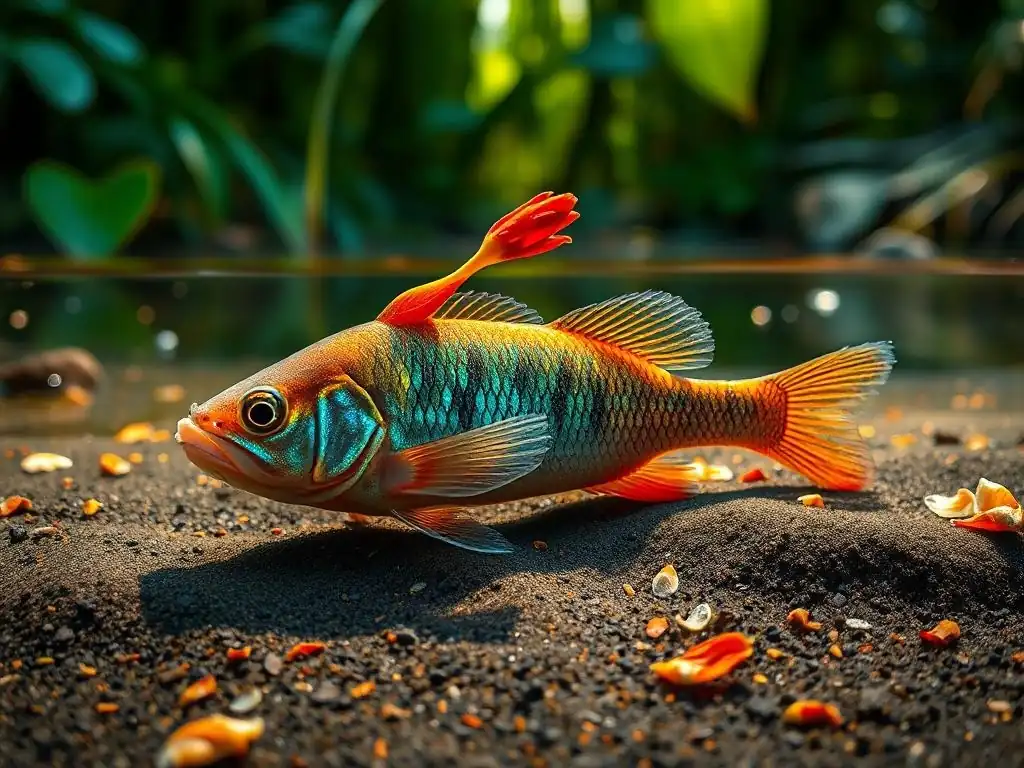
Selecting the appropriate Corydoras species is the cornerstone of a successful Amazonian Corydoras biotope setup, as different species may originate from slightly varying Amazonian sub-biotopes, each with unique characteristics. It's crucial to research the specific needs and natural habitat of your chosen Corydoras to ensure the biotope accurately reflects their requirements.
For instance, while most Corydoras prefer soft, acidic water, some species might tolerate slightly harder or more neutral conditions. Considering the adult size and schooling behavior of the species is also vital; some species, like Corydoras panda, are smaller (around 4-5 cm) and can thrive in slightly smaller groups, whereas larger species like Corydoras arcuatus (up to 6 cm) benefit from more expansive space and larger schools of 6-10 individuals.
Furthermore, compatibility with other potential biotope inhabitants, if any, should be considered, though a species-specific Amazonian Corydoras biotope setup is often ideal. Researching their natural diet and social structures will also inform your tank's design and maintenance. For example, Corydoras duplicareus, found in blackwater tributaries, would benefit immensely from a tank rich in leaf litter and very soft, acidic water, mimicking its natural, tannin-stained environment. Ensuring the chosen species' specific needs align with the biotope you plan to create will contribute significantly to their well-being and the authenticity of your Amazonian Corydoras biotope setup.
Popular Amazonian Corydoras Species: Corydoras aeneus, Corydoras sterbai, Corydoras habrosus
Corydoras aeneus, commonly known as the Bronze Corydoras, is one of the most widely available and robust species, making it an excellent choice for an Amazonian Corydoras biotope setup. Native to a vast range across South America, including many parts of the Amazon basin, they are adaptable to a variety of soft to moderately hard water conditions with a pH range of 6.0-7.5.
These social fish typically reach about 6-7 cm in length and thrive in groups of six or more, actively sifting through fine sand substrate. Their widespread distribution means they can be found in clearwater, blackwater, and whitewash environments, allowing for some flexibility in biotope replication, though a soft, acidic setup with leaf litter is ideal for their long-term health and natural behavior.
Corydoras sterbai, often called Sterba's Corydoras, is another highly popular choice, renowned for its distinctive orange pectoral fins and speckled body. Originating from the Guaporé River basin in Brazil and Bolivia, this species prefers slightly warmer water temperatures, typically between 24-28°C, and soft, acidic to neutral water (pH 6.0-7.5, GH 2-10 dGH). They grow to about 5-6 cm and are best kept in schools of at least six individuals.
An Amazonian Corydoras biotope setup for C. sterbai should feature fine sand, driftwood, and plenty of hiding spots, mimicking the slow-moving, clearwater sections of their native rivers. Corydoras habrosus, the Salt and Pepper Corydoras, is a much smaller species, reaching only about 3-4 cm, making it suitable for smaller Amazonian biotope tanks (e.g., 40-60 liters).
Hailing from Venezuela and Colombia, they prefer slightly cooler temperatures (22-26°C) and soft, acidic water (pH 5.5-7.0). Due to their small size, they are often more timid and benefit greatly from dense planting and ample leaf litter for security and foraging within their Amazonian Corydoras biotope setup.
Tank Size Considerations for Corydoras in a Biotope
The appropriate tank size for an Amazonian Corydoras biotope setup is critical, as it directly impacts water stability, space for schooling, and the ability to create a diverse substrate and hardscape. While smaller species like Corydoras habrosus can be housed in tanks as small as 40-60 liters (approximately 10-15 gallons) for a group of 6-8 individuals, larger species such as Corydoras aeneus or Corydoras sterbai, which grow to 6-7 cm, require a minimum tank size of 80-120 liters (approximately 20-30 gallons) for a school of 6-10 fish.
A longer tank footprint (e.g., a 20-gallon long tank) is often preferred over a taller one, as Corydoras are bottom-dwellers and benefit from ample horizontal swimming and foraging space.
For a mixed species Amazonian Corydoras biotope setup or a larger school, a tank of 150 liters (40 gallons) or more is highly recommended. This larger volume provides greater water stability, diluting waste products more effectively and making it easier to maintain consistent water parameters. It also allows for a more elaborate aquascape with diverse hardscape elements and plant zones, offering more natural hiding spots and foraging areas for the Corydoras. Adequate tank size is a fundamental aspect of providing a thriving and authentic Amazonian biotope for these fascinating catfish.
Essential Equipment for an Amazonian Corydoras Biotope
Setting up an Amazonian Corydoras biotope requires specific equipment to ensure the environment closely mimics their natural habitat and maintains optimal water quality. Beyond the aquarium itself, key components include a reliable filtration system, an accurate heater with temperature control, appropriate lighting, and a suitable substrate.
The selection of each piece of equipment should align with the specific water parameters and environmental conditions of the chosen Amazonian biotope, ensuring the well-being of the Corydoras. For instance, a filter that provides gentle flow but strong biological filtration is paramount to avoid disturbing the fine substrate and the typically calm nature of Amazonian waters.
Careful consideration of equipment will directly influence the success and stability of your Amazonian Corydoras biotope setup. For example, a heater capable of maintaining a stable temperature within the 22-28°C range (depending on the specific Corydoras species) is non-negotiable. Similarly, lighting should support any chosen Amazonian aquatic plants without promoting excessive algae growth, which could detract from the natural aesthetic and potentially impact water quality. Investing in quality, reliable equipment from the outset will prevent many common issues and contribute significantly to a thriving biotope.
Filter Selection for Optimal Water Quality
For an Amazonian Corydoras biotope setup, filter selection is critical, prioritizing gentle flow and robust biological filtration over strong mechanical agitation. Canister filters or hang-on-back (HOB) filters with adjustable flow rates are generally excellent choices.
A canister filter, for instance, offers superior media capacity for biological filtration (beneficial bacteria that convert ammonia and nitrite into less harmful nitrate), which is vital for maintaining stable water parameters typical of pristine Amazonian environments. Look for models that can turn over the tank's volume at least 4-5 times per hour, but ensure the outflow is diffused or aimed at the glass to minimize current, as Corydoras prefer calm waters.
Sponge filters can also be used, either as a primary filter in smaller tanks (under 60 liters) or as supplementary filtration in larger setups. They provide excellent biological filtration and are very gentle, making them ideal for delicate fry or heavily planted tanks. Regardless of the type, the filter should be chosen to maintain consistently low levels of ammonia (0 ppm) and nitrite (0 ppm), and manageable nitrate levels (below 20 ppm) through regular maintenance. This ensures the water quality closely resembles the clean, stable conditions found in the natural Amazonian Corydoras biotope.
Heater and Temperature Control for Amazonian Fish
Maintaining a stable and appropriate water temperature is paramount for an Amazonian Corydoras biotope setup, as these fish are poikilothermic and highly sensitive to temperature fluctuations. Most Amazonian Corydoras species thrive in temperatures ranging from 22°C to 28°C (72°F to 82°F), with specific requirements varying slightly by species. For instance, Corydoras sterbai prefers the warmer end of this spectrum, around 24-28°C, reflecting its native range in the Guaporé River, which can experience higher temperatures. A high-quality, submersible aquarium heater with an accurate thermostat is essential to prevent sudden temperature swings, which can stress fish and compromise their immune systems.
It is advisable to use a heater with sufficient wattage for your tank size, typically 3-5 watts per gallon (approximately 0.8-1.3 watts per liter). For larger tanks or to provide a safeguard, consider using two smaller heaters at opposite ends of the tank to ensure even heat distribution and provide redundancy in case one fails. Always use an independent thermometer to monitor the water temperature, as heater thermostats can sometimes be inaccurate. Consistent temperature control is a fundamental aspect of successfully replicating the stable thermal environment of an Amazonian Corydoras biotope.
Lighting for Plant Growth and Biotope Realism
Lighting for an Amazonian Corydoras biotope setup serves a dual purpose: supporting the growth of live aquatic plants and enhancing the aesthetic realism of the environment. Since many Amazonian biotope setups incorporate live plants like Echinodorus species (Amazon Swords) or Cabomba, a light fixture capable of providing medium-intensity illumination is generally sufficient.
LED lights are an excellent choice due to their energy efficiency, longevity, and ability to offer a spectrum that promotes healthy plant growth while also creating a natural, subdued ambiance. A light cycle of 8-10 hours per day is standard for plant health and to prevent excessive algae growth.
For biotope realism, consider lights that offer a warmer color temperature (around 4000K-6500K) to mimic the natural sunlight filtered through dense canopy or tannin-stained water, which can give the tank a more natural, muted appearance. If you plan for a blackwater Amazonian Corydoras biotope setup, lower light intensity or fixtures with adjustable dimming capabilities can further enhance the dark, mysterious feel of the environment. The goal is to provide enough light for your chosen flora without overwhelming the shy Corydoras or encouraging an unnatural, bright appearance.
Aquascaping the Amazonian Corydoras Biotope
Substrate Selection: Mimicking the Amazon Riverbed
The choice of substrate is perhaps the most critical element in aquascaping an Amazonian Corydoras biotope setup, as it directly impacts the well-being and natural behavior of your Corydoras. In their natural habitat, Amazonian Corydoras species are found sifting through very fine sand or silty substrates for food. Therefore, a soft, fine-grained sand (with a particle size typically less than 2mm) is indispensable.
Options like play sand (ensure it's thoroughly washed and inert), pool filter sand, or specialized aquarium sands are ideal. Avoid coarse gravel or sharp substrates, as these can damage their delicate barbels, which are essential for foraging, leading to infections and stress.
A substrate layer of at least 5-7 cm (2-3 inches) is recommended to allow the Corydoras ample depth for their sifting activities and to accommodate the roots of any live plants. The natural color of Amazonian riverbeds often ranges from light tan to dark brown, so choosing a natural-colored sand will further enhance the biotope's authenticity. For an Amazonian Corydoras biotope setup that truly mimics nature, some aquarists even incorporate a thin layer of inert clay or laterite beneath the sand to provide nutrients for root-feeding plants, though this requires careful planning to avoid cloudiness.
Hardscape Elements: Wood, Rocks, and Leaf Litter
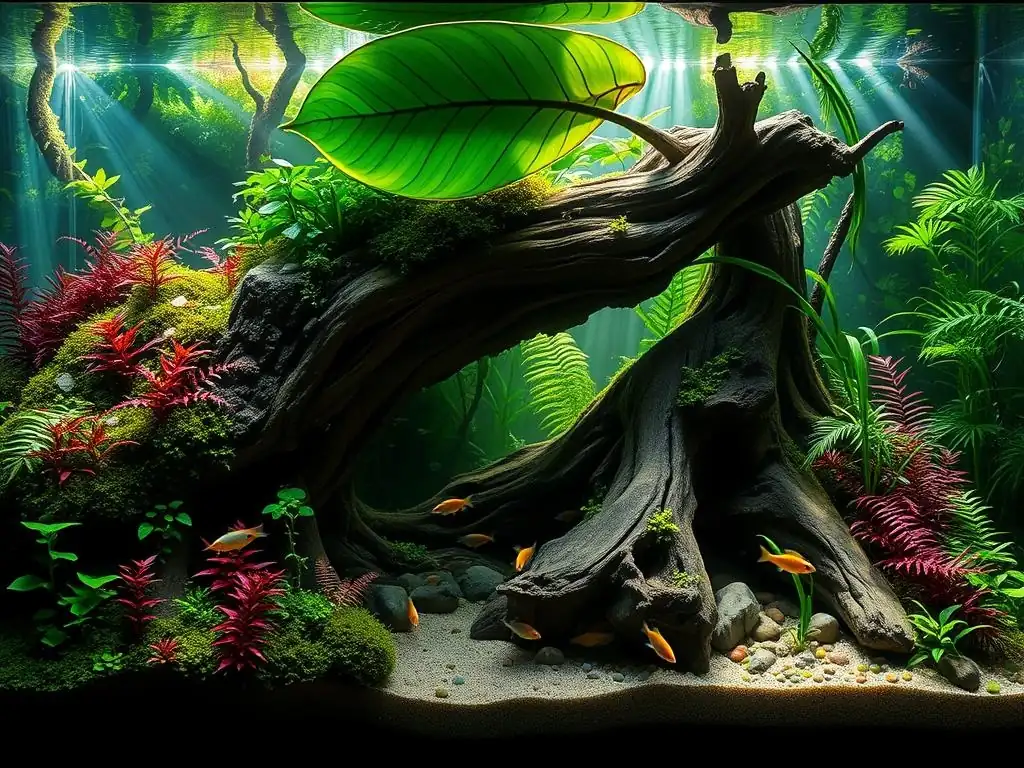
Hardscape elements are fundamental to recreating the complex and diverse structure of an Amazonian Corydoras biotope. Submerged driftwood, especially types like Malaysian, Manzanita, or Spider Wood, is an essential component. These woods release tannins, which help lower pH and create the characteristic blackwater appearance common in many Amazonian tributaries, while also providing vital hiding spots and surfaces for beneficial biofilm growth. For an authentic Amazonian Corydoras biotope setup, arrange the wood to create natural crevices, overhangs, and root-like structures where Corydoras can seek shelter or explore.
While large, smooth, inert rocks can be used sparingly to define areas or anchor wood, they are less characteristic of typical Corydoras habitats, which are often dominated by soft sediments and fallen timber. The most impactful hardscape element, beyond wood, is leaf litter. Dried leaves such as Indian almond (Terminalia catappa), oak, or beech leaves, when scattered across the substrate, mimic the natural decomposition found on the Amazonian riverbed.
They release beneficial humic substances and tannins, provide foraging grounds for Corydoras, and serve as excellent hiding spots for fry. Regularly replenishing the leaf litter is crucial for maintaining the biotope's integrity and providing continuous benefits.
Sourcing and Preparing Natural Wood for Your Aquarium
Sourcing natural wood for your Amazonian Corydoras biotope setup requires careful consideration to ensure it is safe for your aquarium inhabitants. Opt for aquarium-safe driftwood varieties readily available from reputable fish stores or online suppliers, such as Malaysian driftwood, Manzanita, or Spider Wood. These types are generally dense, less prone to rot, and will sink readily. Avoid collecting wood from unknown outdoor sources, as it may contain pesticides, fungi, or harmful sap that could leach into your tank water and harm your fish.
Once acquired, preparing the wood is crucial. Begin by thoroughly scrubbing the wood with a stiff brush and hot water to remove any loose debris, dirt, or hitchhikers. Then, the wood must be leached to remove excess tannins and prevent excessive discoloration of your aquarium water.
This is typically done by boiling the wood for several hours, changing the water frequently until it runs clear or a very light tea color. For larger pieces that cannot be boiled, prolonged soaking in a large container (like a clean plastic bin) for several weeks, with daily water changes, will achieve a similar result. This preparation ensures the wood is clean, sinks properly, and contributes positively to your Amazonian Corydoras biotope setup.
Using Leaf Litter to Recreate the Amazonian Environment
Leaf litter is an indispensable element for an authentic Amazonian Corydoras biotope setup, serving multiple ecological and aesthetic purposes. When dried leaves such as Indian almond (catappa), oak, beech, or guava leaves are introduced, they gradually decompose, releasing beneficial humic acids and tannins into the water. This process naturally lowers the pH and softens the water, mimicking the "blackwater" conditions characteristic of many Amazonian rivers and providing an ideal environment for Corydoras species. The tannins also have mild anti-bacterial and anti-fungal properties, contributing to fish health.
Beyond water chemistry, leaf litter provides crucial physical structure. It creates natural hiding spots for shy Corydoras, offering security and reducing stress, especially for smaller or newly introduced individuals. The decomposing leaves also become a rich source of detritus and biofilm, which serves as a natural foraging ground for Corydoras, supplementing their diet with microscopic organisms. For an effective Amazonian Corydoras biotope setup, scatter a layer of leaves across the substrate, allowing them to settle naturally. Replenish them periodically as they decompose, typically every 2-4 weeks, to maintain the biotope's integrity and continuous benefits.
Plant Selection for an Authentic Amazonian Biotope
Plant selection for an Amazonian Corydoras biotope setup should focus on species native to or commonly found in the Amazon basin, ensuring both authenticity and suitability for the tank environment. While many Amazonian tributaries are heavily forested with terrestrial plants, fully aquatic plants are also present, often in calmer, clearwater sections. The goal is to choose plants that thrive in the soft, acidic water conditions typical of an Amazonian biotope and complement the overall aesthetic without overcrowding the bottom dwellers. Low to medium light demanding plants are often preferred, as dense overhead canopy in nature often filters light.
Consider plants that can provide shade, hiding spots, and surfaces for biofilm growth, which benefits Corydoras. Rooted plants are generally suitable, but floating plants can also be used to diffuse light and provide additional cover. For an authentic Amazonian Corydoras biotope setup, avoid plants from other continents or those requiring very high light and CO2, as they would be out of place and potentially difficult to maintain in the specific water parameters.
Recommended Amazonian Aquatic Plants: Echinodorus bleheri, Cabomba aquatica
Echinodorus bleheri, commonly known as the Amazon Sword, is an iconic and highly recommended plant for an Amazonian Corydoras biotope setup. Native to South America, including vast areas of the Amazon basin, this robust plant features broad, green leaves that can grow quite large, providing excellent cover and a natural backdrop. Amazon Swords are relatively easy to care for, thriving in soft to moderately hard water with a pH range of 6.0-7.5 and medium lighting.
They are heavy root feeders, so a nutrient-rich substrate or root tabs will significantly benefit their growth. The large leaves offer shade and security for Corydoras, making them feel more at home in their biotope.
Cabomba aquatica, also known as Giant Cabomba, is another excellent choice for an Amazonian Corydoras biotope setup, particularly for recreating the dense, submerged vegetation found in clearwater Amazonian streams. This elegant stem plant features delicate, fan-shaped leaves that provide beautiful texture and ample hiding spots for fish, including Corydoras fry. Cabomba aquatica prefers soft, acidic water (pH 6.0-7.0) and medium to high lighting to truly flourish.
While it can be a bit more demanding than the Amazon Sword, its authentic appearance and ability to provide dense cover make it a valuable addition to an Amazonian biotope. Regular pruning is necessary to prevent it from becoming too dense and blocking light to lower areas of the tank.
Planting Techniques for a Natural Look
Achieving a natural look in your Amazonian Corydoras biotope setup involves more than just selecting the right plants; it also depends on thoughtful planting techniques. When placing plants like Echinodorus species, consider their mature size and position them in the mid-ground or background to avoid overshadowing smaller elements or restricting the Corydoras' bottom space. Plant them in clusters of odd numbers (e.g., three or five) rather than straight lines to create a more organic, less artificial appearance. Ensure their crowns are above the substrate to prevent rot, while their roots are firmly buried.
For stem plants like Cabomba aquatica, plant individual stems a few centimeters apart in groups, allowing for light penetration and water circulation, which promotes healthier growth and prevents lower leaves from melting. Utilize the natural flow of the tank and the placement of hardscape elements to guide your planting, mimicking how plants might naturally grow around submerged logs or along riverbanks. Varying plant heights and textures will add depth and visual interest to your Amazonian Corydoras biotope setup, making it appear more established and wild.
Water Chemistry for Amazonian Corydoras
Understanding Water Parameters: pH, GH, and KH
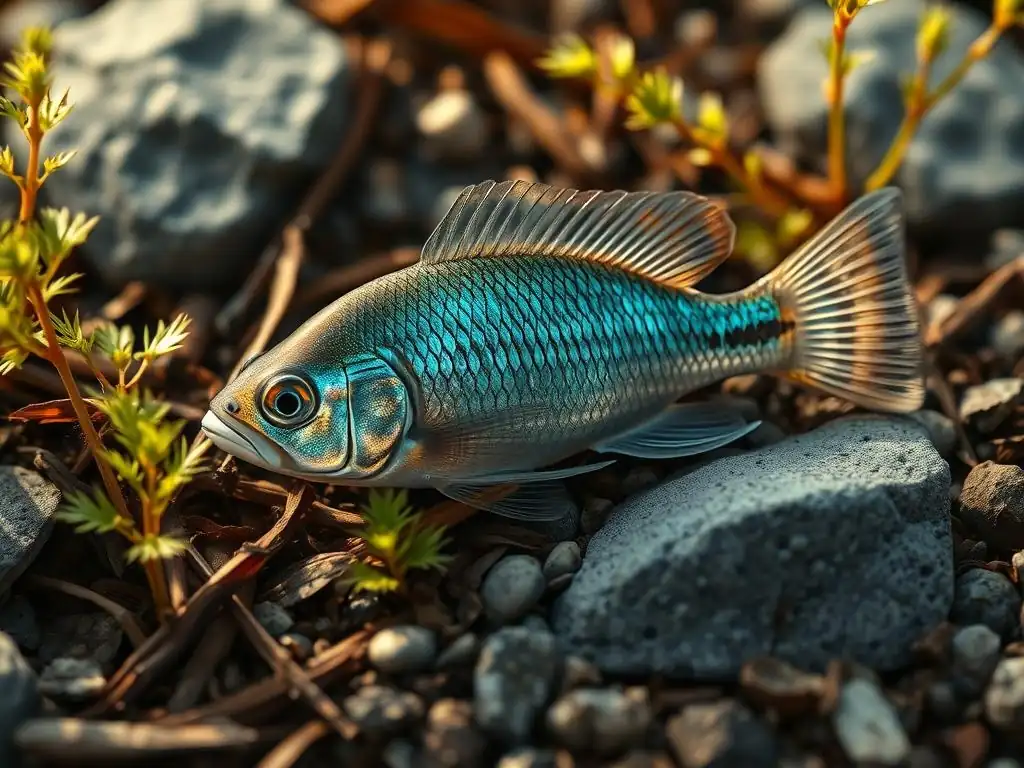
Understanding and precisely controlling water parameters is paramount for a successful Amazonian Corydoras biotope setup, as these fish are highly sensitive to deviations from their natural conditions. The three primary parameters to monitor are pH, GH (General Hardness), and KH (Carbonate Hardness). pH measures the acidity or alkalinity of the water, with Amazonian waters typically being acidic (pH 5.0-6.5). GH indicates the concentration of dissolved mineral ions, primarily calcium and magnesium, which determines the "hardness" of the water. Amazonian rivers are notoriously soft, with GH often ranging from 0-5 dGH.
KH, or carbonate hardness, measures the concentration of carbonate and bicarbonate ions, which act as a buffer against sudden pH swings. In soft, acidic Amazonian waters, KH levels are typically very low, often 0-2 dKH. While low KH contributes to pH instability, it is characteristic of the biotope. Regularly testing these parameters with reliable liquid test kits is essential. For instance, maintaining a stable pH of 6.0-6.5, a GH of 1-4 dGH, and a KH of 0-2 dKH is crucial for the long-term health and breeding success of many Amazonian Corydoras species in your biotope setup.
Achieving Ideal Water Conditions for Amazonian Fish
Achieving the ideal water conditions for an Amazonian Corydoras biotope setup often involves modifying tap water to replicate the soft, acidic nature of their native habitat. If your tap water is hard and alkaline, the primary method for softening it is through the use of reverse osmosis (RO) or deionized (DI) water. RO/DI water is essentially pure H2O, with all minerals removed.
This allows you to "remineralize" it to the precise GH and KH levels required for your specific Corydoras species, typically using dedicated remineralization salts designed for soft water fish. This precision is vital for an authentic Amazonian Corydoras biotope setup.
To lower pH and infuse beneficial humic substances, adding natural tannins through elements like Indian almond leaves, alder cones, or specific types of driftwood (e.g., Malaysian wood) is highly effective. These organic materials gradually release tannins, which naturally buffer the water to a lower pH and create the characteristic "blackwater" appearance. Regularly monitoring pH, GH, and KH with accurate test kits is crucial to ensure stability.
Avoid using chemical pH down products, as they can lead to dangerous pH crashes. Instead, rely on natural methods and the consistent use of RO/DI water for long-term stability in your Amazonian Corydoras biotope setup.
Water Changes and Maintenance for a Healthy Biotope
Regular water changes are a cornerstone of maintaining a healthy and stable Amazonian Corydoras biotope setup, even with precise water parameter management. Weekly water changes of 20-30% are generally recommended to dilute accumulated nitrates, replenish essential trace elements, and remove dissolved organic compounds that can build up over time. For a biotope, it is crucial that the replacement water is pre-conditioned to match the tank's specific parameters (pH, GH, KH, and temperature) as closely as possible, especially if using RO/DI water remineralized to Amazonian conditions. Sudden shifts in water chemistry or temperature can cause significant stress to sensitive Corydoras.
In addition to water changes, routine maintenance for an Amazonian Corydoras biotope setup includes gently siphoning any visible detritus from the sand surface during water changes, being careful not to disturb the deeper substrate too much where beneficial bacteria reside. Trimming any overgrown plants, cleaning filter media (rinsing in old tank water to preserve beneficial bacteria), and wiping down the aquarium glass are also essential tasks. Consistent maintenance prevents the buildup of waste products and ensures the biotope remains pristine, stable, and conducive to the long-term health of your Amazonian Corydoras.
Introducing Your Corydoras to the Biotope Tank
Acclimation Process for New Fish
Introducing new Corydoras to your meticulously prepared Amazonian Corydoras biotope setup requires a slow and careful acclimation process to minimize stress and prevent shock from changes in water parameters. The drip acclimation method is highly recommended for sensitive species like Corydoras. Begin by floating the sealed bag containing the fish in your aquarium for 15-20 minutes to equalize the water temperature. This crucial step prevents temperature shock.
After temperature equalization, open the bag and secure it to the side of the tank (e.g., with a clip or clothesline pin), ensuring the fish remain submerged. Using airline tubing, start a slow drip of tank water into the bag, aiming for one to two drips per second.
Once the volume of water in the bag has doubled, gently net the Corydoras and transfer them to the biotope tank, discarding the water from the bag. This gradual introduction over 1-2 hours allows the fish to slowly adjust to the biotope's specific pH, GH, and KH, significantly reducing stress and increasing their chances of thriving in their new Amazonian Corydoras biotope setup.
Observing Corydoras Behavior in the Biotope
Once introduced to their Amazonian Corydoras biotope setup, observing their behavior is key to understanding their well-being and ensuring the biotope is meeting their needs. Healthy Corydoras are typically active, constantly sifting through the substrate with their barbels in search of food, and exhibiting their characteristic schooling behavior. They should appear alert, with clear eyes and intact fins. Look for signs of contentment, such as resting together in shaded areas created by leaf litter or driftwood, or engaging in playful "zoomies" around the tank, which indicates comfort and security.
Conversely, signs of stress or illness include clamped fins, rapid gilling, hiding excessively without foraging, loss of appetite, or abnormal swimming patterns. If multiple fish exhibit these symptoms, recheck your water parameters immediately and ensure the biotope conditions are stable and within the ideal range for your specific Corydoras species. A thriving Amazonian Corydoras biotope setup will see your fish exhibiting their full range of natural behaviors, showcasing their charming personalities and contributing to the dynamic life of the tank.
Feeding Your Corydoras in the Biotope Environment
Feeding your Corydoras in an Amazonian Corydoras biotope setup should mimic their natural foraging habits while providing a balanced diet. As bottom-dwellers, Corydoras are opportunistic omnivores, sifting through substrate for small invertebrates, detritus, and plant matter. Therefore, sinking foods are essential to ensure they receive adequate nutrition, as they rarely feed from the water column. Feed once or twice daily, offering only what they can consume within a few minutes to prevent excess food from decaying and negatively impacting water quality.
While their biotope provides natural foraging opportunities through leaf litter and biofilm, a supplemental diet is necessary for optimal health. Ensure a varied diet to cover all nutritional requirements. This consistent and varied feeding approach, combined with the natural foraging opportunities provided by the Amazonian Corydoras biotope setup, will ensure your fish remain healthy and active.
Suitable Food Options for Corydoras Species
A diverse diet is crucial for the long-term health and vitality of Corydoras species in an Amazonian Corydoras biotope setup. High-quality sinking pellets or wafers specifically formulated for bottom-feeding catfish should form the staple of their diet. These foods are designed to sink quickly, making them accessible to Corydoras, and often contain a balanced blend of proteins, vitamins, and minerals. Examples include Hikari Sinking Wafers or Omega One Sinking Pellets.
Supplementing their dry food with frozen or live foods provides essential enrichment and a more complete nutritional profile. Excellent options include frozen bloodworms, brine shrimp, daphnia, and tubifex worms. These provide necessary protein and stimulate natural hunting behaviors. Live foods, such as grindal worms or microworms, can also be offered periodically. For an Amazonian Corydoras biotope setup, incorporating these varied food sources ensures your Corydoras receive all the nutrients they need to thrive and exhibit vibrant colors and active behaviors.
Maintaining a Thriving Amazonian Corydoras Biotope
Regular Maintenance Tasks: Cleaning, Water Changes, and Plant Trimming
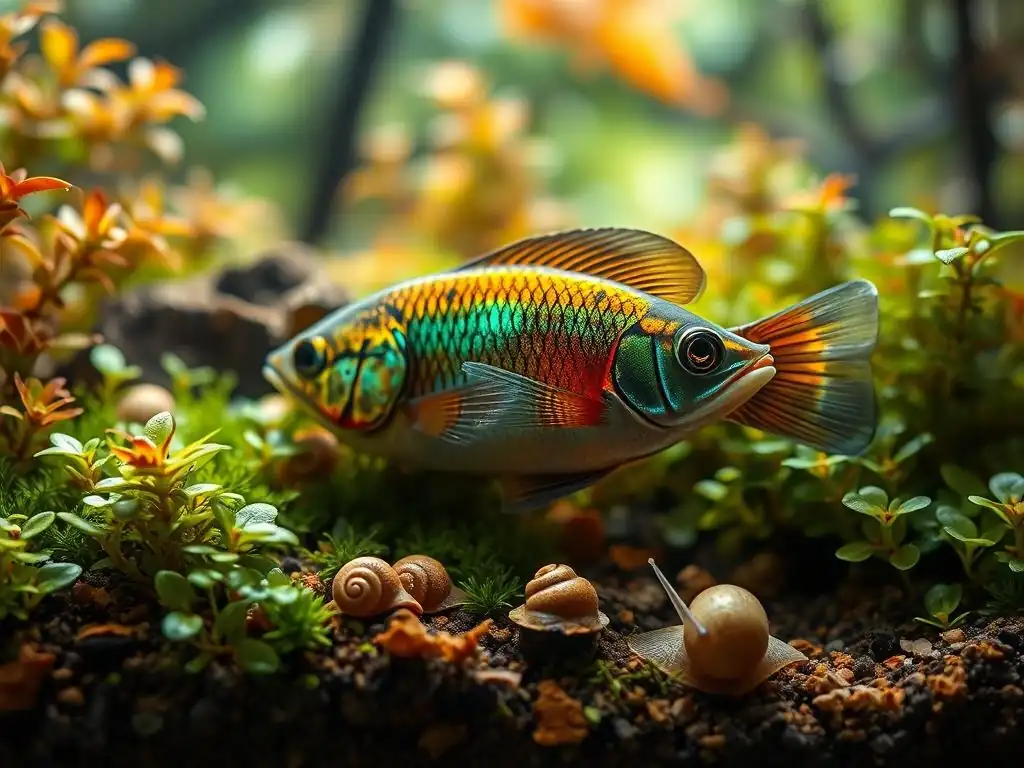
Maintaining a thriving Amazonian Corydoras biotope setup requires a consistent schedule of regular maintenance tasks. Weekly, perform a 20-30% water change, ensuring the new water matches the biotope's specific parameters (soft, acidic, and stable temperature) to avoid stressing the fish. During water changes, use a gravel vacuum to gently siphon any accumulated detritus from the top layer of the sand, being careful not to disturb the deeper substrate or beneficial bacteria too much. This prevents the buildup of organic waste that can degrade water quality.
Beyond weekly water changes, plant trimming should be done as needed to prevent overgrowth, especially for fast-growing stem plants like Cabomba. This ensures proper light penetration for other plants and maintains open swimming areas for the Corydoras. Periodically, clean the filter media, rinsing sponges and mechanical media in old tank water to preserve beneficial bacterial colonies. Avoid replacing all filter media at once, as this can crash the nitrogen cycle. Consistent adherence to these maintenance tasks is crucial for the long-term health and stability of your Amazonian Corydoras biotope setup.
Monitoring Water Quality and Adjusting Parameters
Continuous monitoring of water quality is paramount for the health of your Amazonian Corydoras biotope setup. Regular testing for pH, GH, KH, ammonia, nitrite, and nitrate should be conducted, typically weekly or bi-weekly. Ammonia and nitrite levels should always read 0 ppm, as any detectable amount indicates a problem with the nitrogen cycle or overfeeding, which can be lethal to fish. Nitrate levels should be kept below 20 ppm through consistent water changes. Maintaining the target pH (e.g., 5.5-6.5) and GH/KH (e.g., 0-4 dGH, 0-2 dKH) is vital for Amazonian species.
If parameters drift, adjustments must be made carefully and slowly to avoid shocking the fish. For instance, if pH rises, ensure you are consistently using RO/DI water and replenish tannin-releasing elements like Indian almond leaves. If GH increases, your water source might be the issue, or something in the tank (like certain rocks) might be leaching minerals. Never make drastic changes to water chemistry quickly. Slow, incremental adjustments, coupled with consistent monitoring, are key to ensuring the stability of your Amazonian Corydoras biotope setup and the well-being of its inhabitants.
Common Problems and Solutions in a Corydoras Biotope Tank
Even with careful planning, common problems can arise in an Amazonian Corydoras biotope setup. One frequent issue is cloudy water, which can be caused by bacterial blooms (often in new tanks), overfeeding, or excessive detritus. The solution involves reducing feeding, increasing water changes, and ensuring adequate filtration. Another common problem is algae growth, particularly if lighting is too intense or prolonged, or if there's an excess of nutrients. This can be addressed by adjusting the light cycle, performing more frequent water changes, and potentially introducing algae-eating invertebrates like Nerite snails, though ensure they are compatible with the biotope's parameters.
Fish health issues, such as fin rot or fungal infections, can also occur, often stemming from poor water quality or stress. The primary solution is to immediately address the underlying water quality issues (e.g., high ammonia/nitrite, unstable pH) through targeted water changes and proper filtration. Quarantining new fish before introduction can prevent disease outbreaks. Proactive problem-solving and diligent observation are key to maintaining a healthy and stable Amazonian Corydoras biotope setup.
Addressing Algae Growth in the Biotope
Algae growth is a common occurrence in any aquarium, including an Amazonian Corydoras biotope setup, but it can detract from the natural aesthetic and indicate an imbalance. Excessive algae often stems from too much light, too many nutrients (from overfeeding or insufficient water changes), or an imbalance in CO2 for planted tanks. To address it, first evaluate your lighting schedule; an 8-10 hour photoperiod is usually sufficient. If you have intense lighting, consider reducing its duration or intensity.
Next, ensure your nutrient export is adequate. Perform regular 20-30% weekly water changes to reduce nitrates and phosphates. Avoid overfeeding your Corydoras, as uneaten food quickly breaks down into algae-fueling nutrients. Manual removal of algae during maintenance is also effective. For persistent issues in an Amazonian Corydoras biotope setup, consider adding a few compatible algae-eating inhabitants like Otocinclus catfish (ensure they are wild-caught and acclimated carefully) or Nerite snails, provided your water parameters (especially pH and hardness) are suitable for them.
Preventing and Treating Fish Diseases
Preventing fish diseases in an Amazonian Corydoras biotope setup begins with maintaining pristine water quality and a stable environment. Stress is a primary trigger for illness, and fluctuations in pH, temperature, or high levels of ammonia/nitrite can severely weaken a fish's immune system. Consistent water changes, proper filtration, and accurate temperature control are your first lines of defense. Quarantining all new fish for at least 2-4 weeks in a separate tank before introducing them to the main biotope is also crucial, as it prevents the introduction of pathogens.
If disease does occur, early detection is key. Observe your Corydoras daily for signs like clamped fins, lethargy, white spots (Ich), fungal growths, or labored breathing. For minor issues, often improving water quality through large, immediate water changes can resolve the problem. For more severe or persistent infections, identify the specific disease and use appropriate aquarium-safe medications, following dosage instructions precisely. Always remove activated carbon from your filter before medicating, as it will absorb the treatment. Remember, a healthy Amazonian Corydoras biotope setup is the best defense against disease.
Conclusion: The Rewards of an Amazonian Corydoras Biotope Setup
Creating a Natural and Enriching Environment for Your Corydoras
Creating an Amazonian Corydoras biotope setup is a deeply rewarding endeavor that goes far beyond simply housing fish; it's about crafting a living, breathing ecosystem that meticulously mirrors a specific natural habitat. By providing the precise soft, acidic water conditions, fine sand substrate, abundant leaf litter, and appropriate driftwood that characterize their native Amazonian rivers, you offer your Corydoras an environment where they can not only survive but truly thrive.
This dedication to authenticity promotes their natural behaviors, from constant substrate sifting to schooling and even breeding, allowing you to witness these fascinating catfish at their most content and vibrant.
The aesthetic appeal of such a biotope is also unparalleled. The subdued lighting, tannin-stained water, and natural arrangement of hardscape and plants create a serene, captivating underwater landscape that is both educational and visually stunning. This immersive experience transforms your aquarium into a window to the Amazon, providing a continuous source of wonder and a deeper connection to the aquatic world. An Amazonian Corydoras biotope setup is a testament to thoughtful aquascaping and responsible fish keeping, culminating in a truly enriching environment for both the aquarist and the fish.
Further Resources for Amazonian Biotope Aquariums
For aquarists passionate about delving deeper into the world of Amazonian biotope aquariums and perfecting their Amazonian Corydoras biotope setup, a wealth of resources is available. Online forums and dedicated biotope aquarium communities are invaluable, offering insights from experienced hobbyists, detailed project logs, and troubleshooting advice specific to regional setups. Websites specializing in South American fish and aquatic plants often provide comprehensive profiles on species' natural habitats, including precise water parameters and geographical distribution data.
Books and scientific papers on Amazonian ichthyology and ecology can offer highly detailed information on specific river systems, fish behaviors, and environmental conditions. Furthermore, YouTube channels and blogs from renowned biotope aquascapers provide visual guides and practical tips for creating authentic setups. Leveraging these resources will not only enhance your understanding but also provide continuous inspiration and support for maintaining a truly exceptional Amazonian Corydoras biotope setup, allowing you to continually refine and enjoy your slice of the Amazon.
Frequently Asked Questions
What exactly is a biotope aquarium, and why is it important for Amazonian Corydoras?
A biotope aquarium attempts to replicate a specific natural habitat. For Amazonian Corydoras, this means recreating the water conditions, substrate, and flora of their native Amazonian environments, promoting their well-being.
What are the key water parameters to consider when setting up an Amazonian Corydoras biotope?
Maintaining the correct water parameters is crucial. Aim for soft, acidic water with a pH between 6.0 and 7.0, and a temperature of 72-78°F. Regular water testing is essential.
What kind of substrate and decor should I use in my Amazonian Corydoras biotope?
Use a soft, sandy substrate like river sand to mimic their natural foraging grounds. Incorporate driftwood, leaf litter (like Indian Almond Leaves), and smooth river rocks for natural hiding places.
What plants are appropriate for an Amazonian Corydoras biotope aquarium?
Choose plants native to the Amazon basin, such as Echinodorus (Amazon Swords), Cabomba, or floating plants like Salvinia. These provide shade and cover, replicating their natural environment.
What other fish species can I keep with Amazonian Corydoras in a biotope setup?
Select tank mates that are also native to the Amazon and share similar water parameter preferences. Consider small tetras like Cardinal Tetras or Ember Tetras, and peaceful dwarf cichlids like Apistogramma. Avoid aggressive or fin-nipping species.
Final Reflection: A Living Slice of the Amazon
The journey of crafting an Amazonian Corydoras biotope tank, as we've explored, is more than just assembling plants and substrate; it's about recreating a miniature ecosystem, a vibrant snapshot of a complex and fragile world. In a time where the Amazon rainforest faces unprecedented threats, understanding and appreciating its delicate balance is more crucial than ever.
This endeavor has deeply influenced my perspective, highlighting the interconnectedness of all living things and the responsibility we have to protect these precious environments. Seeing the Corydoras thrive in an environment that mimics their natural habitat is incredibly rewarding, a testament to the power of informed and conscientious aquascaping. In the end, we will conserve only what we love; we will love only what we understand; and we will understand only what we are taught.
- Baba Dioum. This quote perfectly encapsulates the spirit of biotope aquariums: fostering understanding and, ultimately, love for the natural world.
Now, I invite you to consider the impact you can have. Whether you're an experienced aquarist or just beginning your journey, take the lessons learned here and apply them to your own life. Strive to be a conscious consumer, support conservation efforts, and perhaps even embark on your own biotope adventure. By understanding and appreciating the beauty and fragility of ecosystems like the Amazon, we can all contribute to a more sustainable and harmonious future for our planet.
Craft Your Own Underwater Amazon: Start Today!
Thank you for exploring the captivating world of Amazonian Corydoras biotopes with us! Now it’s time to translate that inspiration into action and create a thriving environment for these charming catfish.
Here’s how you can bring the Amazon to your aquarium:
- Begin Your Biotope: Commit to creating a species-appropriate biotope environment. Start by researching your chosen Corydoras species and their natural habitat on reputable databases like Fishbase or Seriously Fish.
- Spread the Love: Share this article with fellow aquarists and discuss your planned biotope setup – exchanging ideas can lead to even more creative and successful environments!
- Uncover Hidden Treasures: Visit a local stream or river (where permissible) to gather inspiration and photograph natural habitats, focusing on substrate, leaf litter, and water clarity to influence your biotope's aesthetic.
What specific Amazonian element – whether it's the red clay banks, the dense leaf litter, or the blackwater conditions – will you focus on recreating in your Corydoras biotope?