
Spotted Garden Eel (Heteroconger hassi): Recreating Colony Life in Your Aquarium?

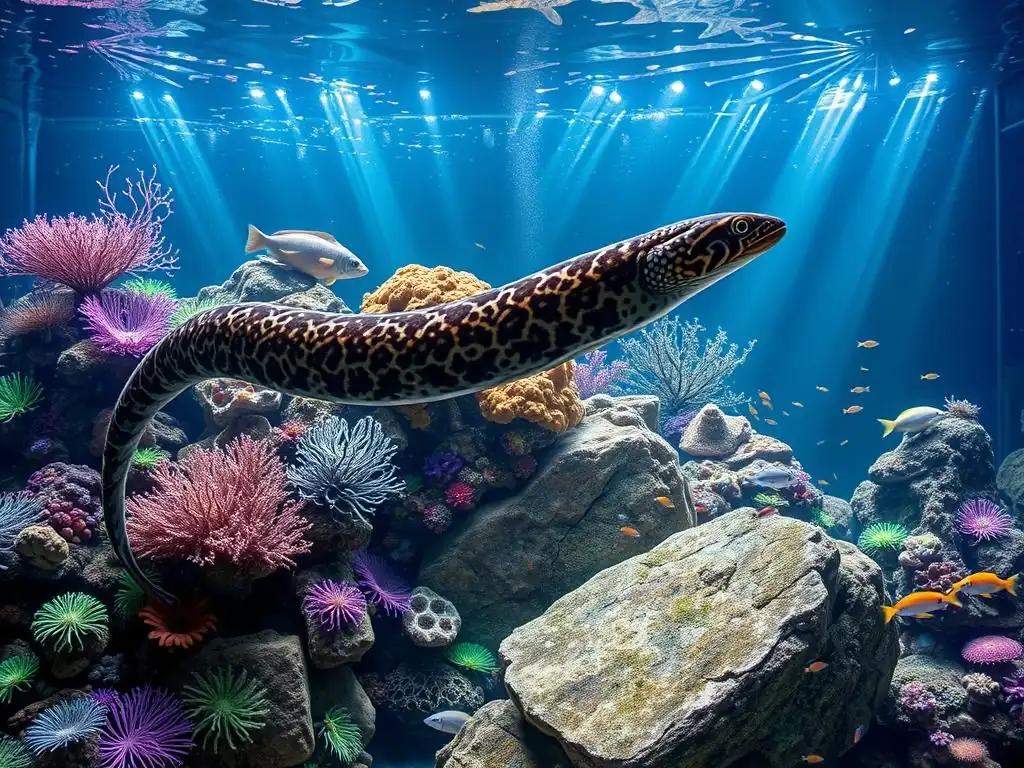
Welcome to Aquarium Mastery!
Ever been mesmerized by the swaying, sand-dwelling dance of Spotted Garden Eels? Prepare to dive deep! We're thrilled you're here to uncover the secrets of Spotted Garden Eel care. From recreating their fascinating colony life to understanding their unique needs, we'll guide you through everything you need to know. Ready to bring a piece of the reef's magic into your saltwater aquarium? Let's get started!
- Understanding the Spotted Garden Eel: An Introduction for Aquarists
- Spotted Garden Eel Care: Essential Guidelines for a Thriving Colony
- Recreating a Natural Habitat: Essential Elements for Spotted Garden Eel Welfare
- Health and Disease in Spotted Garden Eels: Prevention and Treatment
- Troubleshooting Common Issues in Spotted Garden Eel Aquariums
- Spotted Garden Eel Colony: A Rewarding Challenge for Experienced Aquarists
- Frequently Asked Questions
- Final Reflection: Embracing the Serenity of the Reef
- Dive Deeper: Bring the Eel Garden Home!
Understanding the Spotted Garden Eel: An Introduction for Aquarists
What are Spotted Garden Eels? Unique Characteristics and Natural Habitat
The Spotted Garden Eel, scientifically known as Heteroconger hassi, is a fascinating and unique species within the marine aquarium hobby. These slender, elongated eels are distinctive for their white bodies adorned with numerous small black spots, punctuated by three larger black blotches along their sides.
They typically reach lengths of approximately 40 to 60 centimeters (16 to 24 inches) in their natural habitat, though they appear much shorter in an aquarium as only a portion of their body is visible above the substrate. Their most defining characteristic is their lifestyle: they live almost entirely buried in the sand, emerging only their heads and upper bodies to filter feed on passing plankton, swaying gently with the ocean currents.
Native to the tropical waters of the Indo-Pacific region, Heteroconger hassi inhabit sandy bottoms adjacent to coral reefs, often at depths ranging from 10 to 60 meters (33 to 200 feet). They are a highly social species, forming dense colonies that can number in the tens, hundreds, or even thousands of individuals.
Each eel maintains its own individual burrow, from which it extends its body, creating the illusion of a "garden" of swaying eels. This communal behavior is a key aspect of their survival and reproduction in the wild, and understanding it is fundamental to successful spotted garden eel care in a captive environment.
Why Keep Spotted Garden Eels? The Allure of a Reef Aquarium Colony
Keeping Spotted Garden Eels offers a truly unique and captivating experience for the dedicated aquarist, setting their display apart from conventional reef tanks. Unlike typical fish that swim freely, garden eels provide a mesmerizing, dynamic display as they sway synchronously from their burrows, creating a living, breathing landscape. Observing their subtle interactions within a colony, their feeding behaviors, and their sudden retreats into the sand adds an unparalleled dimension of natural wonder to the home aquarium. Their presence transforms a static sand bed into a vibrant, active ecosystem, closely mimicking a slice of their natural oceanic habitat.
Beyond their aesthetic appeal, the allure of keeping Spotted Garden Eels lies in the rewarding challenge they present to advanced aquarists. Successfully establishing and maintaining a thriving colony of these delicate creatures requires meticulous planning, specialized equipment, and a deep understanding of their specific needs.
It is a testament to an aquarist's commitment to recreating a species-specific environment and mastering complex aspects of saltwater aquarium husbandry. The satisfaction derived from providing optimal spotted garden eel care and witnessing these shy, graceful animals flourish is immense, making them a highly coveted species for those seeking a truly unique and engaging reef tank project.
Spotted Garden Eel Care: Essential Guidelines for a Thriving Colony
Setting Up the Ideal Spotted Garden Eel Aquarium: Tank Size and Substrate
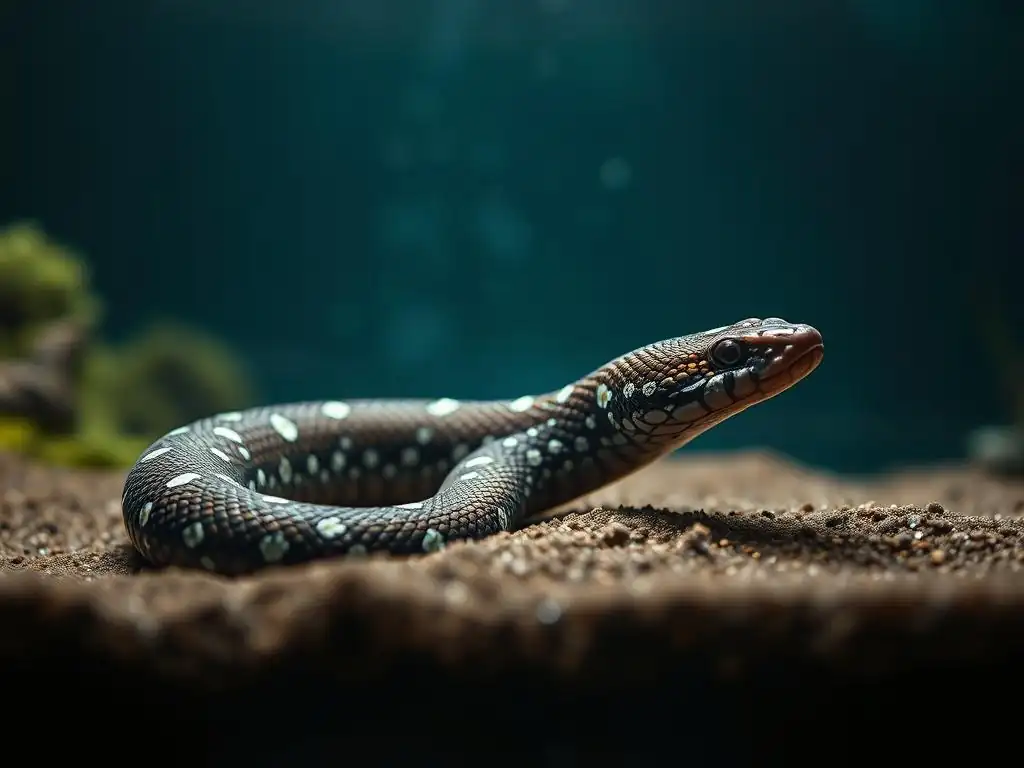
Establishing the correct aquarium environment is paramount for successful spotted garden eel care. For a small colony of three to five eels, a minimum tank size of 180 to 200 gallons (approximately 680 to 750 liters) is recommended. The emphasis should be on horizontal footprint rather than vertical height, as these eels require ample sand bed area for their burrows.
While a larger water volume contributes to overall system stability, the crucial factor is providing sufficient surface area on the bottom for each eel to establish its territory without undue competition. Tanks exceeding 300 gallons are ideal for larger colonies, offering more space and greater environmental stability.
The substrate is arguably the single most critical component of a garden eel aquarium. It must consist of fine, soft sand with a grain size typically ranging from 0.5 to 2 millimeters. Coarser sand or substrate with sharp edges can abrade their delicate skin, leading to stress and infections.
The depth of the sand bed is equally vital: a minimum of 8 to 12 inches (20 to 30 centimeters) is required, but providing areas with depths up to 15 to 20 inches (38 to 50 centimeters) will allow them to create more stable and comfortable burrows. A deep sand bed not only facilitates their burrowing behavior but also contributes to natural biological filtration within the system.
Water Parameters for Spotted Garden Eels: Maintaining a Stable Environment
Maintaining pristine and stable water parameters is non-negotiable for effective spotted garden eel care. These eels are highly sensitive to fluctuations and poor water quality. The ideal salinity range should be consistent, between 1.023 and 1.025 specific gravity. Temperature should be kept stable within 74-78°F (23-26°C), mimicking their tropical origins. A stable pH level between 8.1 and 8.4 is also crucial, reflecting the natural alkalinity of ocean water. Rapid changes in any of these parameters can induce severe stress, leading to a decline in health and potentially fatal outcomes for the eels.
Beyond salinity, temperature, and pH, the absolute absence of ammonia and nitrite is imperative. Nitrate levels should be kept as low as possible, ideally below 5-10 ppm. This necessitates robust filtration, including a high-quality protein skimmer, and a regular schedule of water changes, typically 10-20% weekly or bi-weekly depending on the bioload. Implementing a deep sand bed and potentially a refugium can also aid in nutrient export and stability. Consistent monitoring with reliable test kits is essential to ensure these critical water parameters remain within optimal ranges, safeguarding the health of the garden eel colony.
Feeding Spotted Garden Eels: Diet and Nutritional Requirements
In their natural habitat, Spotted Garden Eels are primarily planktivores, feeding on microscopic zooplankton that drift past their burrows in the water column. Replicating this diet in captivity requires offering a variety of small, meaty, and highly nutritious foods. Excellent options include enriched brine shrimp (both adult and nauplii), copepods, cyclop-eeze, and finely chopped mysis shrimp. It is crucial that the food particles are small enough for the eels to consume easily without having to fully emerge from their burrows, as they are very shy and prefer to remain partially hidden.
Due to their continuous feeding nature in the wild, Spotted Garden Eels benefit from multiple small feedings throughout the day, ideally two to four times. Target feeding using a pipette or turkey baster is often the most effective method to ensure the food reaches the eels directly, preventing competitive tank mates from consuming it. The food should be released gently into the current so it drifts naturally towards their heads. Nutritional enrichment, such as soaking foods in vitamin supplements, is also highly recommended to provide a complete and balanced diet, contributing significantly to long-term spotted garden eel care.
Choosing the Right Tank Mates for Spotted Garden Eels: Compatibility and Considerations
Selecting appropriate tank mates is a critical aspect of successful spotted garden eel care, as these eels are inherently shy and easily stressed by aggressive or overly active fish. The ideal tank mates are small, peaceful, non-aggressive, and do not compete directly for food or burrowing space. Fish that inhabit the mid-to-upper water column and avoid the sand bed are generally the safest choices. Examples of potentially compatible species include small, peaceful cardinalfish (e.g., Banggai Cardinalfish), certain species of non-burrowing gobies (e.g., small clown gobies that perch on rockwork), and some blennies that do not extensively disturb the substrate.
Conversely, a wide array of common reef fish are entirely unsuitable as tank mates for Spotted Garden Eels. Any predatory fish, large or aggressive species, or those known to pick at sessile invertebrates should be avoided. This includes triggerfish, puffers, large angelfish, large wrasses, and even some cleaner wrasses that might harass the eels.
Fish that are strong food competitors or are prone to disturbing the sand bed (like many types of wrasses or certain gobies) are also poor choices. The primary focus of the aquarium should be the well-being of the garden eels, and tank mates should be chosen with extreme caution to ensure a stress-free environment.
Recreating a Natural Habitat: Essential Elements for Spotted Garden Eel Welfare
Substrate Depth and Composition: Simulating the Eel's Burrowing Behavior
The sand bed is the cornerstone of a successful Spotted Garden Eel habitat, directly simulating their natural environment and supporting their fundamental burrowing behavior. As previously noted, a minimum depth of 8 to 12 inches (20 to 30 cm) of fine sand is crucial, with ideal areas reaching 15 to 20 inches (38 to 50 cm). This substantial depth allows the eels to create stable, vertical burrows that provide security and comfort.
The composition of the sand must be fine (0.5-2mm grain size) and soft, such as aragonite sand, to prevent skin abrasion and facilitate easy burrowing. Using coarser or sharp-edged substrates like crushed coral will inevitably lead to injuries and stress, compromising spotted garden eel care.
To further enhance the stability of the burrows and provide initial secure retreats, some aquarists opt to strategically place inert PVC pipes (approximately 1-2 inches in diameter and 10-15 inches long) vertically within the sand bed during tank setup. These pipes act as "starter homes" for the eels, allowing them to settle quickly and reduce stress.
While the eels will eventually excavate their own intricate burrow systems, these initial structures can be immensely beneficial. It is also important to ensure that any rockwork or heavy decorations are placed directly on the tank bottom before adding sand, to prevent shifting and potential collapse onto the burrows, which could injure or trap the eels.
Water Flow and Filtration: Mimicking Ocean Currents in Your Aquarium
Replicating the moderate, consistent water flow found in their natural sandy plains habitat is vital for Spotted Garden Eels. They orient themselves into the current to efficiently capture drifting zooplankton, their primary food source. The flow should be laminar and gentle, not turbulent or excessively strong, as powerful currents can dislodge them from their burrows or cause undue stress.
Strategic placement of powerheads or return nozzles is key to creating a gentle, broad flow across the sand bed where the eels reside. Too little flow can lead to stagnant areas and food settling, while too much can make feeding difficult and cause the eels to remain retracted.
Beyond flow, robust filtration is a cornerstone of effective spotted garden eel care. A large, efficient protein skimmer is essential for removing organic waste and maintaining low nutrient levels, which are critical given the eels' sensitivity to water quality. A comprehensive filtration system should include mechanical filtration (e.g., filter socks or sponges, regularly cleaned), biological filtration (e.g., live rock, bio-media), and chemical filtration (e.g., activated carbon, GFO). A sump system is highly recommended as it increases overall water volume, provides space for equipment, and facilitates maintenance without disturbing the eels or their delicate sand bed.
Providing Secure Burrowing Sites: Creating a Stable Colony Environment
As previously discussed, the provision of secure and stable burrowing sites is fundamental to the well-being and natural behavior of Spotted Garden Eels. Their entire existence revolves around their burrows, which serve as their primary refuge from predators and their home base for feeding. A deep, fine sand bed is the most crucial element, allowing them to construct their intricate, mucus-lined tunnels. Without adequate depth and appropriate substrate, eels will remain stressed, prone to injury, and may not fully emerge or feed properly, ultimately failing to thrive.
In addition to the deep sand, some aquarists find success by embedding a few inert, flat pieces of PVC or small, smooth rocks deep within the sand during the initial setup. These objects, placed at the very bottom of the sand bed, can provide a more stable foundation for the eels' initial burrowing efforts, especially if the sand is prone to shifting.
However, it is paramount that these elements are introduced carefully and are completely stable to prevent any risk of collapse. The goal is to create an environment where each eel feels secure enough to establish its individual territory within the larger colony, promoting natural behavior and reducing stress, which is central to long-term spotted garden eel care.
Health and Disease in Spotted Garden Eels: Prevention and Treatment
Recognizing Signs of Stress and Illness in Garden Eels
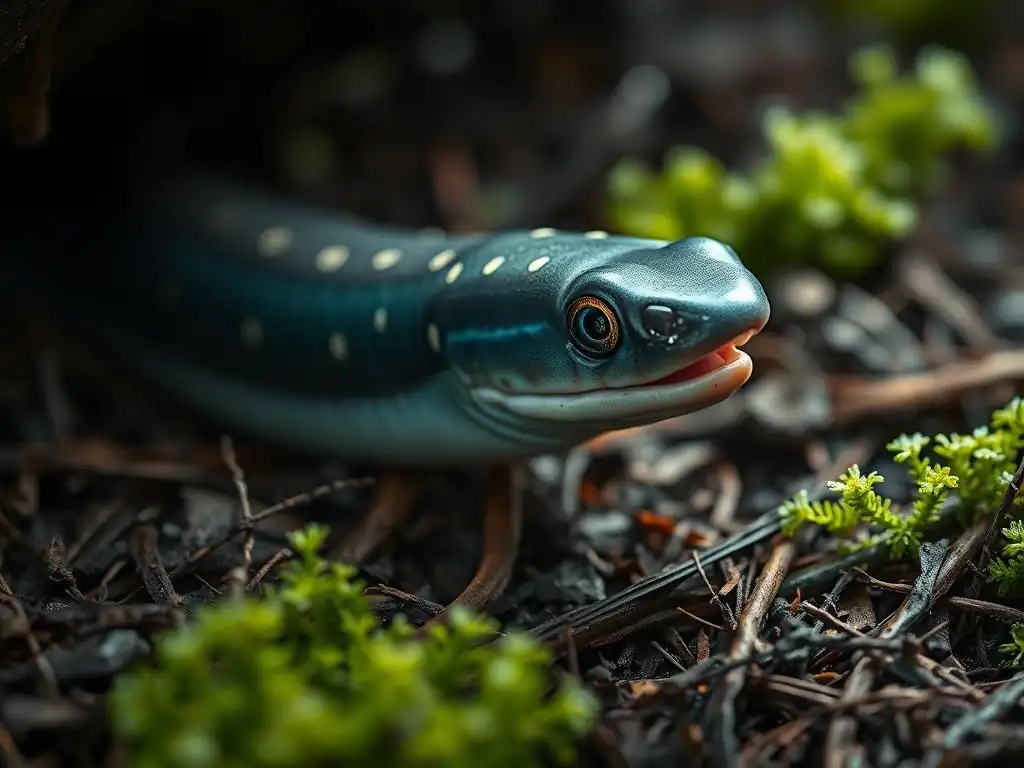
Early detection of stress or illness is vital for the successful treatment and long-term spotted garden eel care. Healthy garden eels will typically be seen emerging from their burrows for most of the day, swaying gently in the current, and actively reaching for food during feeding times. Signs of stress often manifest as behavioral changes: eels staying fully retracted in their burrows for extended periods, refusing to emerge even for food, or appearing overly timid. Other indicators include rapid or labored breathing, a noticeable change in coloration (e.g., fading or darkening), or a loss of their characteristic posture.
Physical signs of illness can include visible lesions, abrasions, or sores on their body, particularly around the mouth or where they emerge from the sand. Cloudy eyes, fin rot (though less common given their buried nature), or unusual lumps or swellings are also red flags. Any sudden or prolonged refusal to feed, significant weight loss (indicated by a thinner body profile), or a general lack of responsiveness should prompt immediate investigation into water quality, environmental conditions, and potential disease. Prompt action based on these observations can significantly improve the prognosis for affected eels.
Common Diseases Affecting Spotted Garden Eels: Identification and Treatment Options
Spotted Garden Eels, while generally robust in optimal conditions, are susceptible to certain diseases, often exacerbated by poor water quality, inadequate substrate, or stress. Bacterial infections are among the most common, manifesting as red sores, fin erosion (if visible), or a general sliminess of the skin. These can arise from abrasions caused by coarse substrate or from prolonged exposure to elevated nutrient levels.
Fungal infections, though less common, can appear as white, cotton-like growths on the body. Parasitic infections like marine ich (Cryptocaryon irritans) are possible but less frequently observed given their buried lifestyle, though still a concern, especially during quarantine.
Treatment for diseases in Spotted Garden Eels can be challenging due to their reclusive nature and sensitivity to medications. The primary focus of spotted garden eel care should always be prevention through pristine water quality, appropriate substrate, and a stress-free environment. If an infection is suspected, the first step is to rigorously test and correct all water parameters.
For bacterial or fungal issues, broad-spectrum antibiotics or antifungals may be considered, but administering them effectively to burrowing eels is difficult. A separate hospital tank with a deep sand bed is ideal for treatment, though often impractical. Consulting an experienced aquatic veterinarian or marine fish health specialist is highly recommended before administering any medication, as some treatments can be detrimental to eels.
Quarantine Procedures for New Spotted Garden Eels: Preventing Disease Introduction
Implementing a strict quarantine protocol for all new Spotted Garden Eels is an absolutely essential step in preventing the introduction of diseases into your main display tank. These eels are often collected from the wild and can carry parasites, bacteria, or other pathogens. A dedicated quarantine tank (QT) must be set up with appropriate conditions, including a minimum of 6-8 inches (15-20 cm) of fine sand, a stable heater, and adequate filtration. The QT should be cycled and ready before the eels arrive.
New eels should be observed in the quarantine tank for a minimum of four to six weeks. During this period, monitor their feeding behavior, emergence patterns, and overall health closely. Avoid prophylactic treatments unless specific symptoms arise, as unnecessary medication can be stressful for delicate eels. This isolation period allows any latent diseases to manifest and be treated without risking the established main colony. A successful quarantine period is a critical component of responsible spotted garden eel care and significantly increases the chances of long-term success with these delicate fish.
Troubleshooting Common Issues in Spotted Garden Eel Aquariums
Addressing Burrowing Problems: Why Aren't My Eels Burrowing?
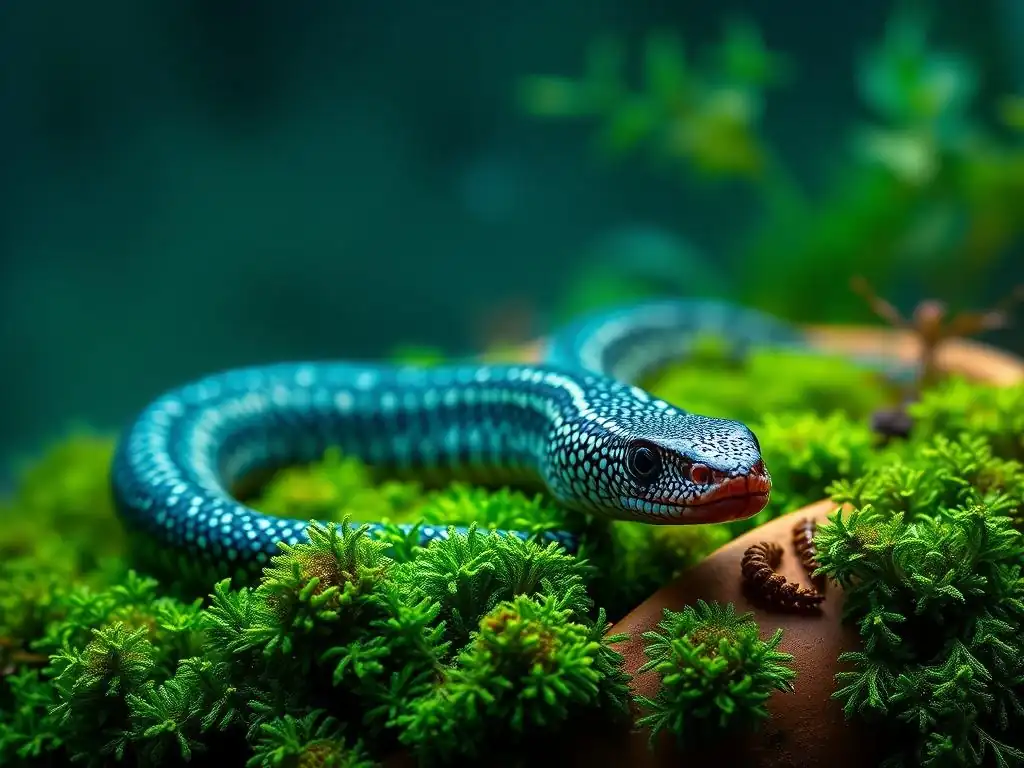
One of the most concerning issues in spotted garden eel care is when newly introduced or even established eels fail to burrow, or burrow only partially and remain stressed. There are several primary reasons for this. The most common culprit is inadequate sand depth; if the sand bed is not at least 8-12 inches deep, or if it's too shallow in certain areas, the eels cannot create stable burrows.
Another frequent issue is incorrect sand type: coarse, sharp, or overly compacted sand will deter burrowing and can even cause physical harm. Stress from inappropriate tank mates, overly turbulent water flow, or poor water quality can also cause eels to remain retracted or refuse to burrow properly.
To address burrowing problems, first, verify the sand depth and composition. Ensure it is fine, soft, and deep enough throughout the area where the eels are located. If necessary, add more appropriate sand. Consider introducing PVC "starter burrows" by gently burying vertical sections of inert PVC pipe into the sand where the eels are.
Check water parameters meticulously to ensure they are stable and pristine. Evaluate water flow to ensure it is moderate and laminar, not chaotic. Finally, reassess tank mates; any fish that are aggressive, overly active, or known to disturb the sand should be removed. Patience is also key, as some eels may take a few days to settle and begin regular burrowing.
Preventing Aggression and Competition: Maintaining Harmony in the Colony
While Spotted Garden Eels are generally peaceful within their own species, aggression or competition can arise if conditions are not optimal for colony life. The primary cause of intraspecific aggression (between eels) is usually insufficient space. If the sand bed area is too small for the number of eels, or if individual burrowing territories overlap too much, eels may nip at each other or refuse to emerge. Interspecific competition (with other fish) typically revolves around food or perceived threat from tank mates.
To maintain harmony in a spotted garden eel colony, ensure the tank size and sand bed area are generous enough to support the number of eels you plan to keep, allowing each individual sufficient personal space. If aggression is observed, it may indicate overcrowding. Regarding tank mates, strictly adhere to the guidelines for peaceful, non-aggressive species that occupy different niches.
During feeding, distribute food widely across the eel colony's area to ensure all individuals receive enough, preventing competition. Target feeding with a pipette can also help ensure shy or subordinate eels get their share, minimizing rivalry and promoting successful spotted garden eel care.
Dealing with Feeding Difficulties: Encouraging Eels to Accept Food
Feeding difficulties are a common challenge in spotted garden eel care, particularly with newly acquired specimens or those under stress. Eels are naturally shy and may not readily accept prepared foods if they feel insecure or if there's too much competition. One of the main reasons for refusal is if the food particles are too large or if the food drifts away too quickly. Stress from poor water quality, inappropriate tank mates, or insufficient burrowing space will also cause them to refuse food.
To encourage eels to accept food, patience and persistence are crucial. Start with very small, highly palatable foods like enriched brine shrimp nauplii or cyclop-eeze, gradually introducing larger items like mysis shrimp. Target feeding with a pipette or turkey baster is almost always necessary; gently squirt food directly into the current so it drifts past their heads. Feed multiple times a day in small amounts.
Sometimes, dimming the aquarium lights slightly during feeding can reduce shyness. If other fish are stealing the food, they may need to be removed or temporarily isolated during feeding times. Ensure all water parameters are perfect and the environment is otherwise stress-free, as a healthy eel is a hungry eel.
Spotted Garden Eel Colony: A Rewarding Challenge for Experienced Aquarists
The Joys and Challenges of Keeping Spotted Garden Eels
Keeping a colony of Spotted Garden Eels is a truly unique and deeply rewarding experience, offering a glimpse into a rarely seen aspect of marine life. The sheer joy comes from observing their synchronous swaying, their delicate feeding maneuvers, and the quiet, mesmerizing activity of a living "eel garden." Successfully maintaining these delicate creatures and witnessing them thrive in a carefully crafted environment provides an immense sense of accomplishment for the dedicated aquarist. They add an unparalleled level of natural beauty and behavioral intrigue to a specialized marine aquarium, making the considerable effort worthwhile.
However, the journey of spotted garden eel care is not without its significant challenges, making them unsuitable for beginner or even intermediate aquarists. Their highly specialized requirements, particularly the need for an extremely deep and specific sand bed, stable and pristine water parameters, and a very precise feeding regimen, demand meticulous attention to detail. Their shyness and sensitivity to stress mean that any environmental deviation or aggressive tank mate can have severe consequences.
Treating illnesses is difficult due to their burrowing nature, and their overall fragility means mistakes can be costly. It is a commitment that requires extensive research, significant investment, and an unwavering dedication to their unique needs.
Resources for Further Learning About Spotted Garden Eel Care
For aquarists embarking on the specialized journey of spotted garden eel care, continuous learning and research are paramount. While general marine aquarium resources provide a foundation, the specific needs of Heteroconger hassi often require delving into more specialized information. Reputable online forums dedicated to advanced marine husbandry can be invaluable, offering insights from experienced hobbyists who have successfully kept these eels. Engaging with these communities can provide practical tips and troubleshooting advice gleaned from real-world experience.
Beyond hobbyist resources, exploring scientific papers and academic studies on garden eels can offer deeper understanding of their natural behaviors, dietary needs, and ecological roles, informing better captive care practices. Books focusing on specialized marine fish or advanced reef aquarium techniques may also contain dedicated sections or relevant information. Ultimately, successful spotted garden eel care hinges on a blend of theoretical knowledge and diligent, hands-on observation, constantly adapting to the subtle cues provided by these fascinating and delicate creatures.
Frequently Asked Questions
How difficult is it to care for Spotted Garden Eels in a home aquarium?
Spotted Garden Eels are considered moderately challenging to care for. They require a deep sand bed and very specific water parameters to thrive, making them unsuitable for beginner aquarists.
What size aquarium is recommended for Spotted Garden Eels?
A minimum of 30 gallons is recommended, but larger is better. The key is a deep sand bed of at least 4-6 inches, which requires adequate tank dimensions.
What type of substrate is best for Spotted Garden Eels?
A fine, sandy substrate is crucial for these eels. This allows them to burrow comfortably and prevents injury. Avoid coarse gravel or sharp materials.
What should I feed my Spotted Garden Eels?
Offer small, live or frozen foods such as baby brine shrimp, copepods, and finely chopped mysis shrimp. Food should be targeted near their burrows for best results.
What water parameters are ideal for Spotted Garden Eels?
Maintain stable water parameters with a temperature of 72-78°F (22-26°C), a specific gravity of 1.023-1.025, and a pH of 8.1-8.4. Regular water changes are also essential.
Final Reflection: Embracing the Serenity of the Reef
The journey of understanding Spotted Garden Eel care extends far beyond the technical aspects of aquarium maintenance. It's a testament to our ability to recreate miniature ecosystems, bringing the mesmerizing dance of these unique creatures into our homes and fostering a deeper appreciation for the delicate balance of marine life. The success of keeping these eels hinges not just on replicating their environment, but on understanding their intricate social behaviors and needs.
This endeavor has profoundly shaped my perspective on responsible aquascaping. It's a constant reminder that we are not merely collectors, but stewards of these miniature worlds. In the end, we will conserve only what we love; we will love only what we understand; and we will understand only what we are taught.
- Baba Dioum. This quote encapsulates the essence of responsible aquarium keeping, urging us to continuously learn and adapt our practices to ensure the well-being of our aquatic companions.
Now, as you consider adding these enchanting creatures to your aquarium, remember that you are not just acquiring pets, but embracing a responsibility. Reflect on the lessons learned, the challenges overcome, and the joy of witnessing a thriving colony of Spotted Garden Eels. Let this knowledge inspire you to create a haven where these fascinating animals can flourish, contributing to a greater understanding and appreciation of the ocean's wonders.
Dive Deeper: Bring the Eel Garden Home!
Thank you for exploring the fascinating world of Spotted Garden Eels with us! We hope you've gained valuable insights into these unique creatures and their intriguing social behavior. Now, let's translate that knowledge into action!
Here are a few steps you can take to further your understanding and connection with these incredible animals:
- Research specialized setups for garden eels and begin planning your own deep-sand-bed aquarium!
- Share this article with fellow aquarium enthusiasts to spread awareness about the unique needs of garden eels.
- Consider donating to ocean conservation efforts that protect the natural habitats of these fascinating creatures.
Ready to take the plunge and explore the possibilities of a garden eel aquarium?