
Feeding Your Zoanthids: To Feed or Not to Feed? The Expert Take

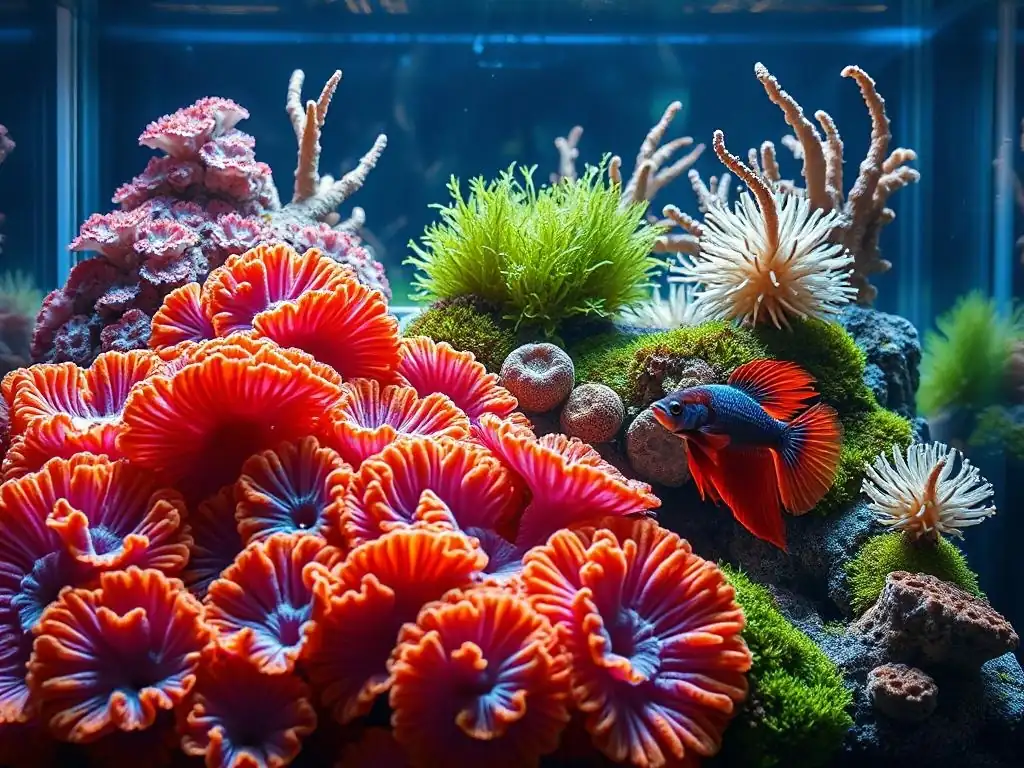
Welcome to Aquarium Mastery!
Ever wondered if your dazzling Zoanthids are getting everything they need to truly thrive? Dive into our latest article, " Feeding Your Zoanthids: To Feed or Not to Feed? The Expert Take," where we unlock the secrets of the perfect Zoanthid feeding schedule. Discover the surprising answers that can transform your reef aquarium and keep those vibrant corals popping! Ready to master the art of Zoanthid care? Let's get started!
- Understanding Zoanthid Nutrition: A Comprehensive Guide
- The Great Debate: Should You Directly Feed Your Zoanthids?
- Zoanthid Feeding Schedule Tips: Achieving the Right Balance
- Optimizing Your Tank for Zoanthid Health: Beyond Direct Feeding
- Troubleshooting Zoanthid Issues: Identifying and Addressing Problems
- Advanced Zoanthid Care: Maximizing Growth and Color
- Conclusion: Mastering the Art of Zoanthid Care for a Thriving Reef Aquarium
-
Frequently Asked Questions
- What are Zoanthids, and do they really need supplemental feeding?
- How often should I feed my Zoanthids, and what is considered a good feeding schedule?
- What types of food are best suited for Zoanthids?
- How do I actually feed my Zoanthids?
- What are the signs that I am overfeeding or underfeeding my Zoanthids?
- Final Reflection: The Vibrant Future of Zoanthids
- Ignite Your Zoanthids' Glow!
Understanding Zoanthid Nutrition: A Comprehensive Guide
The Natural Diet of Zoanthids in the Reef Environment
Zoanthids, often celebrated for their vibrant colors and carpeting growth, are fascinating inhabitants of tropical reefs. Their primary energy source comes from a symbiotic relationship with zooxanthellae, photosynthetic algae that live within their tissues. These algae convert light energy into sugars and lipids, which the Zoanthid host then utilizes for a significant portion of its metabolic needs. This makes Zoanthids largely autotrophic, meaning they produce their own food through photosynthesis, much like plants.
However, Zoanthids are not exclusively reliant on light. In their natural habitat, they also exhibit heterotrophic feeding behaviors, capturing small food particles from the water column. This includes various forms of marine snow, bacterioplankton, and microscopic detritus. They also absorb dissolved organic matter (DOM) directly from the surrounding water. This dual feeding strategy allows them to thrive in diverse reef environments, adapting their nutritional intake based on light availability and the abundance of particulate food.
Zoanthid Feeding: Essential Nutrients for Optimal Health and Growth
While photosynthesis provides the bulk of their energy, direct or supplemental Zoanthid feeding plays a crucial role in providing essential nutrients not readily supplied by zooxanthellae alone. These include vital nitrogen and phosphorus compounds, as well as specific amino acids and fatty acids. These heterotrophic nutrients are critical building blocks for tissue growth, polyp replication, and the synthesis of their vibrant pigments, which contribute to their stunning coloration.
Without adequate supplemental nutrients, even well-lit Zoanthids may exhibit slower growth rates, reduced polyp extension, or duller coloration. For instance, while light fuels their basic survival, the addition of specific amino acids can dramatically enhance the production of chromoproteins responsible for the reds, yellows, and purples seen in many popular Zoanthid morphs. A balanced approach to Zoanthid feeding ensures they receive a full spectrum of necessary compounds for optimal health, robust growth, and maximum aesthetic appeal in a home aquarium.
The Great Debate: Should You Directly Feed Your Zoanthids?
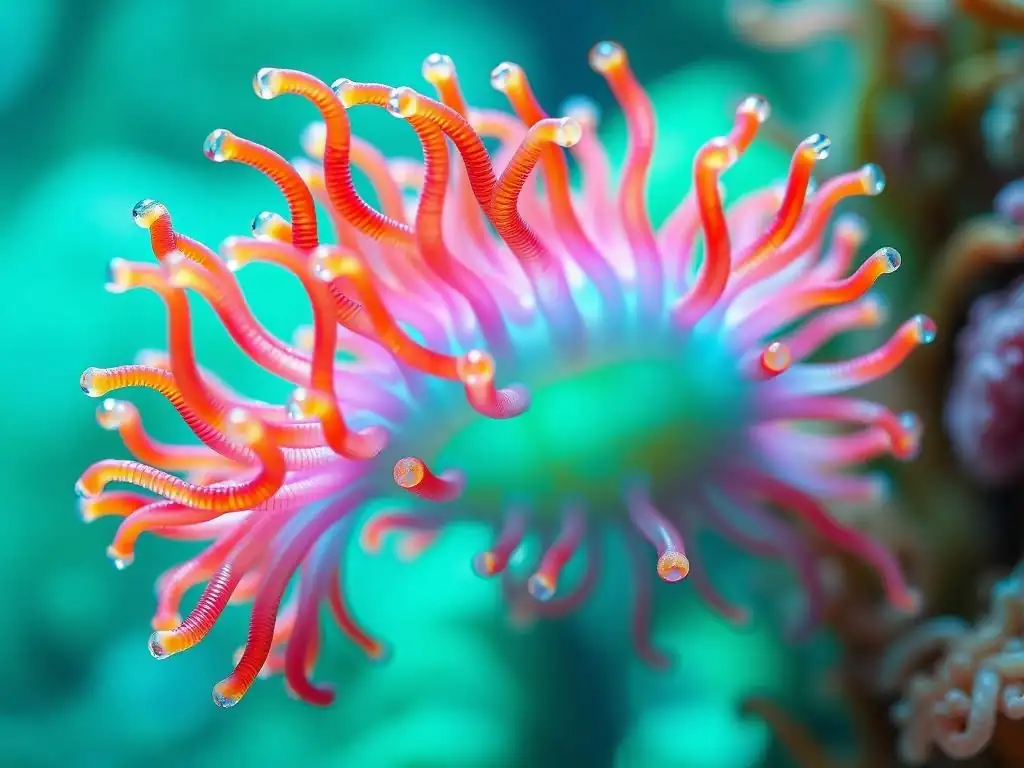
Arguments for Direct Zoanthid Feeding: Enhanced Color and Growth
Many experienced aquarists advocate for direct Zoanthid feeding, citing observable benefits in growth and coloration. When Zoanthids are regularly supplied with appropriate food sources, colonies can exhibit significantly accelerated growth rates. For example, a well-fed Zoanthid colony might double its size in as little as three to four months, compared to six to eight months or longer for those reliant solely on photosynthesis and ambient tank nutrients. This rapid proliferation allows hobbyists to cultivate larger, more impressive colonies more quickly.
Beyond growth, direct feeding is often linked to more vibrant and intense coloration. Certain pigments, particularly those contributing to deep reds, oranges, and purples, are enhanced by the availability of specific amino acids and fatty acids found in targeted coral foods. Zoanthids that receive supplemental nutrition tend to display better polyp extension, appearing fuller and more robust throughout the day, indicating a thriving and healthy state. This enhanced vitality makes a compelling case for incorporating a consistent Zoanthid feeding schedule tips into your aquarium routine.
Arguments Against Direct Zoanthid Feeding: Water Quality Concerns
Despite the benefits, direct Zoanthid feeding is not without its drawbacks, primarily concerning water quality. Overfeeding or using foods that are too large or too numerous can quickly lead to an increase in nitrates and phosphates. These nutrients, if left unchecked, can fuel undesirable nuisance algae blooms, such as diatoms or cyanobacteria, which can smother corals and detract from the aquarium's aesthetics. A rapid spike in nutrients can also stress other sensitive corals and invertebrates in the tank.
Furthermore, uneaten food particles can decompose, contributing to dissolved organic carbon (DOC) and potentially lowering the tank's pH or fostering bacterial blooms that reduce water clarity. Aquarists who choose to directly feed their Zoanthids must ensure their filtration system, including protein skimmers, refugiums, and regular water changes, is robust enough to handle the increased bioload. Without careful management, the desire for enhanced Zoanthid growth can inadvertently compromise the overall health and stability of the entire reef ecosystem.
Zoanthid Feeding Schedule Tips: Achieving the Right Balance
Determining Your Zoanthid Tank's Nutritional Needs: Assessing Existing Food Sources
Before establishing a Zoanthid feeding schedule tips, it's crucial to assess the existing nutritional landscape within your aquarium. The amount of food naturally available in the water column varies significantly based on several factors. Tanks with a high fish bioload, for instance, will have more fish waste and uneaten fish food contributing to the overall nutrient levels, which Zoanthids can passively absorb. Similarly, a mature, well-established reef tank often boasts a thriving microfauna population, including copepods and other tiny organisms that can serve as a natural food source for your Zoanthids.
Conversely, ultra-low nutrient systems (ULNS) or newly set up tanks with minimal livestock might offer very little ambient food. Regularly testing your water parameters, particularly nitrates and phosphates, provides a clear indicator of your tank's baseline nutrient status. If these levels consistently hover near zero, it strongly suggests that supplemental Zoanthid feeding will be highly beneficial. Observing your Zoanthids' polyp extension and coloration also offers valuable clues; consistently retracted polyps or dull hues can signal a need for more direct nutrition.
Developing a Zoanthid Feeding Schedule: Frequency and Amount
Once you've assessed your tank's needs, you can formulate an effective Zoanthid feeding schedule tips. For most home reef aquariums with moderate fish populations, a frequency of one to three times per week is generally recommended. It is always better to start with a conservative approach, perhaps feeding once a week, and then gradually increase the frequency if your Zoanthids show positive responses and water parameters remain stable. The "less is more" principle is particularly applicable here to prevent water quality issues.
The amount of food per feeding session should also be minimal. A common guideline is to use just enough food that it can be consumed within 10-15 minutes, with little to no excess remaining. For target feeding, this might mean a few drops of liquid food or a small pinch of frozen food per colony.
Always turn off powerheads and return pumps for at least 15-20 minutes during feeding to allow the Zoanthids ample time to capture the food before it disperses throughout the tank. Observing how quickly your Zoanthids respond by extending their polyps and capturing food can help you fine-tune both the frequency and quantity for optimal results.
Choosing the Right Food for Your Zoanthids: A Detailed Comparison
Selecting the appropriate food is paramount for effective Zoanthid feeding. Zoanthids typically prefer very small particle sizes, generally in the range of 5 to 50 microns, though some larger morphs may accept slightly bigger items. A variety of food types can provide a comprehensive nutritional profile.
Zoanthid Feeding: Phytoplankton Options
Phytoplankton, microscopic marine algae, are a foundational food source in the reef ecosystem. While Zoanthids are not primary phytoplankton consumers like some other filter feeders, certain species and sizes of phytoplankton can be utilized. Live phytoplankton cultures, such as Nannochloropsis or Tetraselmis, are often preferred as they retain their full nutritional value and remain suspended longer in the water column.
The benefit of phytoplankton is its ability to feed the entire microfauna food web in your tank, indirectly benefiting Zoanthids. However, it's crucial to dose phytoplankton sparingly, as it can rapidly degrade water quality if overfed. A small daily dose, or a slightly larger dose a few times a week, is generally more effective than a single large application.
Zoanthid Feeding: Zooplankton Options
Zooplankton, which are tiny marine animals, are a more direct and highly nutritious food source for Zoanthids. Frozen cyclops, rotifers, and copepod nauplii are excellent choices due to their small size and high protein/fat content. For instance, frozen cyclops typically range from 200-500 microns but break down into smaller particles when thawed, making them manageable for Zoanthids.
Many hobbyists report significant improvements in Zoanthid growth and coloration when regularly feeding zooplankton. Live copepod cultures, such as Tisbe or Apocyclops, introduced to the sump or refugium, can establish a sustainable population that continuously provides natural, bite-sized food for your corals. When using frozen zooplankton, thaw a small amount in tank water before adding to minimize nutrient spikes.
Zoanthid Feeding: Amino Acids and Coral Foods
Liquid amino acid solutions and specialized coral foods have become popular supplements for Zoanthids. These products often contain a blend of essential and non-essential amino acids, along with vitamins and trace elements. Unlike particulate foods, amino acids are readily absorbed directly through the Zoanthid's tissue, bypassing the need for active capture.
Products like Brightwell Aquatics AminOmega or Red Sea Reef Energy A&B are examples of comprehensive liquid foods designed to enhance coral health and coloration. Amino acids are particularly effective at boosting pigment production, leading to more vibrant Zoanthid displays. They are also less likely to foul the water compared to particulate foods, making them a safer option for daily or every-other-day dosing, especially in ULNS. A combination of amino acids and occasional particulate feeding often yields the best results for a robust Zoanthid feeding schedule tips.
Optimizing Your Tank for Zoanthid Health: Beyond Direct Feeding
Maintaining Ideal Water Parameters for Zoanthid Growth
Beyond direct Zoanthid feeding, maintaining stable and appropriate water parameters is fundamental to their overall health and vibrant growth. Zoanthids, like most corals, thrive in consistent conditions that mimic their natural reef environment. Optimal salinity should be maintained between 1.025 and 1.026 specific gravity, while the temperature should consistently range from 76-80°F (24.4-26.7°C). Fluctuations in these parameters can cause significant stress, leading to polyp retraction or even tissue loss.
Alkalinity (dKH), calcium (ppm), and magnesium (ppm) are also critical, though Zoanthids are soft corals and do not build hard skeletons like LPS or SPS corals. Maintaining alkalinity between 7-9 dKH, calcium at 400-450 ppm, and magnesium at 1300-1400 ppm ensures a stable ionic balance that supports their metabolic processes and overall resilience.
While they don't consume these elements rapidly for calcification, stable levels prevent osmotic stress and ensure other calcifying organisms in the tank also thrive. Crucially, keeping nitrates below 10 ppm (ideally 5 ppm or less) and phosphates below 0.03 ppm is vital, as excessive nutrients can lead to browning of zooxanthellae and hinder vibrant coloration, regardless of your Zoanthid feeding schedule tips.
The Importance of Lighting for Zoanthid Health and Coloration
Lighting is arguably the most critical factor for Zoanthid health, given their reliance on photosynthetic zooxanthellae. While Zoanthids are generally considered low to moderate light corals, providing the right intensity and spectrum is essential for their long-term vitality and vibrant coloration. A PAR (Photosynthetically Active Radiation) range of 50-150 PAR is typically ideal for most Zoanthid morphs, though some high-end varieties might prefer slightly higher intensities. Too little light can cause browning and lack of polyp extension, as the zooxanthellae struggle to produce enough energy.
Conversely, too much light can lead to bleaching, where the Zoanthids expel their symbiotic algae, resulting in a loss of color and severe stress. The spectral quality of light also plays a significant role; a blue-rich spectrum (around 10,000K to 20,000K) often enhances the natural fluorescence and coloration of Zoanthids. Gradually acclimating new Zoanthids to your tank's lighting and observing their response (polyp extension, color intensity) is key to finding their sweet spot, ensuring they can efficiently photosynthesize the energy they need.
Effective Water Flow for Zoanthid Feeding and Waste Removal
Proper water flow is another often-underestimated factor in Zoanthid care. While they don't require the turbulent flow demanded by SPS corals, a moderate and indirect flow is crucial for their well-being. The primary function of this flow is twofold: to deliver food particles and dissolved nutrients directly to the polyps, and to carry away waste products and detritus that can settle on the colony. Stagnant water can lead to detritus accumulation, which can irritate Zoanthids and promote nuisance algae growth on their mat.
An ideal flow pattern gently washes over the colonies, causing their polyps to sway gently without being constantly battered. This allows their tentacles to efficiently capture food particles during Zoanthid feeding sessions and ensures a healthy exchange of gases. Too strong or direct a flow can cause Zoanthids to remain closed or even detach from their substrate, signaling stress. Positioning powerheads to create broad, randomized flow patterns rather than direct blasts will contribute significantly to a clean environment and efficient nutrient delivery for your Zoanthid colonies.
Troubleshooting Zoanthid Issues: Identifying and Addressing Problems
Recognizing signs of feeding-related issues is crucial for maintaining healthy Zoanthid colonies. If your Zoanthids consistently exhibit poor polyp extension, appear shrunken, or show very slow growth despite stable water parameters and adequate lighting, they might be underfed. Their colors may also appear dull or washed out, indicating a lack of essential nutrients for pigment production. In such cases, carefully increasing the frequency or amount of your Zoanthid feeding schedule tips with appropriate foods can often bring about a noticeable improvement within a few weeks.
Conversely, signs of overfeeding or poor water quality due to excessive feeding include rapid algae growth on the Zoanthid mat, closed polyps for extended periods, or even tissue recession. Elevated nitrate and phosphate levels in your water tests will confirm this. The solution here involves reducing feeding frequency and quantity, increasing water changes, and perhaps enhancing your filtration methods, such as adding a protein skimmer or increasing its efficiency. Observing your Zoanthids' response to feeding—whether they open up and try to capture food, or remain closed—is your best real-time indicator.
Addressing Poor Coloration in Zoanthids: Symptoms and Remedies
Poor coloration in Zoanthids can be a frustrating issue for aquarists, often signaling underlying problems beyond just Zoanthid feeding. If your vibrant Zoanthids start to turn brown, it often indicates either too little light or, paradoxically, too many nutrients (high nitrates/phosphates), which can cause zooxanthellae to overpopulate and obscure the coral's natural pigments. Remedial actions include checking PAR levels and adjusting lighting intensity, or performing water changes and enhancing nutrient export to reduce nitrates and phosphates.
If Zoanthids appear bleached or very pale, this typically points to too much light, causing the zooxanthellae to be expelled. In this scenario, gradually reducing light intensity or moving the colony to a shadier spot is necessary. Other causes of dull coloration can include a lack of specific trace elements or amino acids. Supplementing with liquid amino acid solutions or a balanced trace element blend, in addition to a proper Zoanthid feeding schedule tips, can often restore their brilliant hues. Consistency in water parameters and a stable environment are always key to vibrant colors.
Dealing with Pests and Diseases That Affect Zoanthids
Zoanthids, despite their hardiness, are susceptible to several common pests and diseases that can quickly decimate a colony if left untreated. Among the most notorious are Zoanthid-eating nudibranchs, tiny predatory sea slugs that camouflage perfectly with the coral and leave behind characteristic bite marks or missing polyps. Sundial snails are another common pest, feeding on Zoanthid polyps, often identifiable by their distinctive spiral shells and nocturnal activity. Asterina starfish, though mostly harmless, can sometimes develop a taste for Zoanthids.
The primary solution for these pests is manual removal, often requiring diligent observation with a flashlight at night. For severe infestations, a freshwater dip or a commercial coral dip (e.g., CoralRx, iodine-based dips) can be effective in dislodging or killing pests, though careful adherence to instructions is vital to avoid harming the Zoanthids themselves.
Zoanthid Pox, a bacterial infection characterized by small, white, pimple-like lesions on the polyps, can be treated with specific antibiotics like Furan-2, often in a separate quarantine tank. Regular inspection of new colonies before introduction to your display tank is the best preventative measure against these unwanted invaders.
Advanced Zoanthid Care: Maximizing Growth and Color
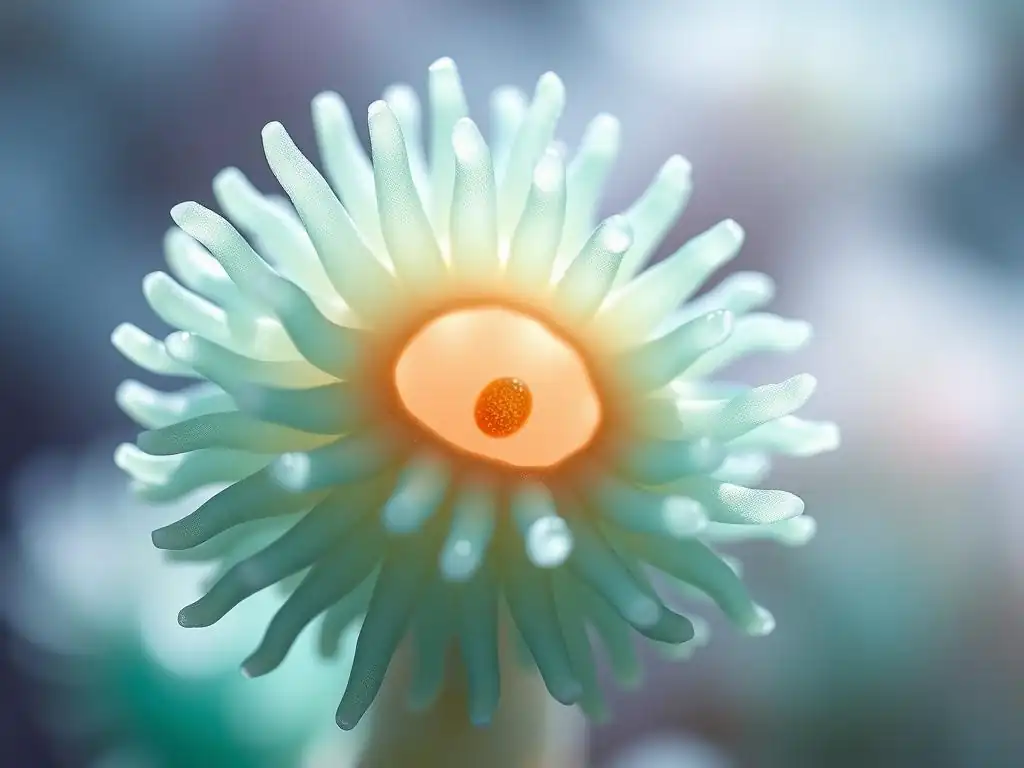
Target Feeding Zoanthids: Techniques and Tools
For aquarists seeking to maximize Zoanthid growth and vibrancy, target feeding is an advanced technique that ensures food directly reaches the desired polyps, minimizing waste and water pollution. This method involves turning off all pumps and powerheads for 15-20 minutes to create a still water environment. Then, using a small turkey baster, pipette, or specialized coral feeder, a small amount of prepared food is gently squirted directly over the Zoanthid colony. This allows the polyps to extend and capture the food without it being dispersed throughout the tank.
Target feeding is particularly beneficial when using richer, particulate foods like frozen cyclops or a blend of coral foods, as it ensures efficient consumption and reduces the risk of nutrient spikes. For instance, delivering a small, thawed portion of Rod's Food or similar coral specific blend directly to the polyps can significantly boost their growth rate and coloration compared to broadcast feeding. This precise Zoanthid feeding technique is especially effective for smaller, more delicate colonies or when trying to encourage growth on new frag plugs.
Enhancing Zoanthid Coloration Through Specific Supplements
Beyond a consistent Zoanthid feeding schedule tips, specific supplements can play a crucial role in enhancing and maintaining the brilliant coloration of your Zoanthids. Amino acid solutions, as previously mentioned, are highly effective as they provide the building blocks for chromoproteins responsible for many vibrant hues. Dosing these supplements according to manufacturer recommendations can lead to noticeable improvements in color intensity within weeks.
Trace elements, such as iodine, potassium, and iron, also contribute to coral health and coloration. While some of these are consumed by zooxanthellae, others are utilized by the Zoanthids themselves for various metabolic processes. For example, iodine is often linked to improved blues and purples in some corals, while potassium can enhance red and pink pigments. It is vital to use high-quality, reef-safe trace element supplements and to dose them conservatively, as overdoing it can be detrimental. Regular water changes also replenish these essential elements naturally.
Zoanthid Propagation: Supporting New Colonies
Zoanthid propagation, or fragging, is a common practice among hobbyists that not only helps manage colony growth but also allows for the creation of new colonies to trade or share. Zoanthids are relatively easy to frag due to their mat-like growth structure. The process typically involves carefully cutting a few polyps from the main colony's mat using a sharp, sterile scalpel or razor blade. It is important to work quickly and to wear appropriate personal protective equipment, as Zoanthids can contain palytoxin.
Once separated, the fragged polyps, still attached to a small piece of their mat, can be glued onto a frag plug or a small rock using coral-safe super glue gel. Allow the glue to fully cure before returning the frag to the aquarium. Placing the newly fragged Zoanthids in an area with moderate flow and light, and ensuring stable water parameters, will help them heal and attach more quickly. Proper Zoanthid feeding schedule tips for the main colony and the new frags will encourage rapid healing and growth, leading to the establishment of thriving new colonies.
Conclusion: Mastering the Art of Zoanthid Care for a Thriving Reef Aquarium
Key Takeaways: Zoanthid Care Best Practices
- Dual Nutrition: Zoanthids primarily rely on photosynthesis from zooxanthellae but significantly benefit from supplemental heterotrophic feeding.
- Assessing Needs: Evaluate your tank's existing nutrient load (fish bioload, detritus) and water parameters (nitrates, phosphates) to determine your Zoanthids' specific Zoanthid feeding requirements.
- Balanced Feeding Schedule: A Zoanthid feeding schedule tips of 1-3 times per week with small amounts of appropriate foods (zooplankton, amino acids) is generally effective, adjusting based on observed polyp response and water quality.
- Optimal Food Choices: Prioritize small particle foods like frozen cyclops, rotifers, or liquid amino acid solutions for direct consumption and nutrient absorption.
- Stable Parameters: Consistent water parameters—salinity (1.025-1.026 SG), temperature (76-80°F), alkalinity (7-9 dKH), calcium (400-450 ppm), magnesium (1300-1400 ppm), and low nitrates/phosphates—are paramount for Zoanthid health and vibrant coloration.
- Appropriate Lighting & Flow: Moderate lighting (50-150 PAR) and gentle, indirect water flow are crucial for photosynthesis, food delivery, and waste removal.
- Proactive Troubleshooting: Monitor for signs of underfeeding (dull color, poor extension) or overfeeding (algae, closed polyps) and adjust your care regimen accordingly. Be vigilant for pests and diseases, addressing them promptly.
- Advanced Techniques: Consider target feeding for maximum efficiency and specific supplements (amino acids, trace elements) to enhance coloration. Zoanthid propagation is a rewarding way to manage and expand colonies.
Mastering Zoanthid care involves a holistic approach that balances their photosynthetic capabilities with targeted nutritional supplementation. By understanding their unique dietary needs, implementing a well-considered Zoanthid feeding schedule tips, and maintaining pristine water conditions, you can cultivate a stunning and thriving display of these captivating soft corals in your reef aquarium.
Frequently Asked Questions
What are Zoanthids, and do they really need supplemental feeding?
Zoanthids are a type of colonial soft coral popular in reef aquariums. While they can obtain nutrients through photosynthesis and absorbing from the water, supplemental feeding can significantly enhance their growth and coloration.
How often should I feed my Zoanthids, and what is considered a good feeding schedule?
A recommended feeding schedule is typically 2-3 times per week. However, it's crucial to observe your Zoanthids and adjust the schedule based on their response, ensuring you aren't overfeeding the tank.
What types of food are best suited for Zoanthids?
Zoanthids thrive on a diet of small particulate foods, such as rotifers, copepods, and finely ground reef foods. Liquid coral foods specifically formulated for filter feeders are also an excellent option.
How do I actually feed my Zoanthids?
The most effective method is target feeding using a pipette or syringe. Gently release the food near the polyps, allowing them to capture it. Avoid strong currents that will disperse the food too quickly.
What are the signs that I am overfeeding or underfeeding my Zoanthids?
Signs of overfeeding include algae blooms and a decline in water quality. Underfeeding may result in pale coloration and slow growth. Monitor your water parameters and Zoanthid appearance to fine-tune your feeding approach.
Final Reflection: The Vibrant Future of Zoanthids
The debate surrounding zoanthid feeding, as we've explored, isn't just about optimizing growth; it's about understanding the intricate dance between these fascinating corals and their environment. The tips and insights shared throughout this article highlight the importance of observation, adaptation, and a commitment to providing the best possible conditions for these vibrant additions to our reef tanks.
This exploration into zoanthid nutrition underscores the broader impact of responsible reef keeping. Our choices, whether to feed or not, directly influence the health and resilience of these delicate ecosystems in our homes and, by extension, the wild. As Jacques Cousteau so eloquently stated: The sea, once it casts its spell, holds one in its net of wonder forever.
This wonder compels us to learn, to adapt, and to strive for a deeper understanding of the life we nurture within our tanks.
So, as you consider your own zoanthid feeding schedule, remember that there is no one-size-fits-all answer. Embrace the journey of discovery, observe your corals closely, and adapt your approach based on their individual needs. Let the knowledge shared here empower you to cultivate thriving zoanthid colonies and contribute to a more sustainable and vibrant future for our beloved reef aquariums.
Ignite Your Zoanthids' Glow!
Thanks for diving into the world of zoanthid nutrition! We hope this guide has illuminated the best ways to keep your corals thriving. Now, it's time to put that knowledge into action.
Here's how you can take your zoanthid care to the next level:
- Prioritize targeted feeding: Select a high-quality zooplankton-based food and carefully target feed your zoanthids a couple of times a week for optimal growth and vibrant colors.
- Consider your tankmates: Research and introduce beneficial microorganisms like copepods or rotifers, which can serve as a natural food source and contribute to a balanced reef ecosystem.
- Document and observe:Track your zoanthids' reactions to different feeding approaches. Note any changes in color, polyp extension, or growth rate to fine-tune your feeding strategy.
What specific feeding method are you most excited to try in your own reef aquarium?