
Preventing Illness in Your Dwarf Cichlid Tank: Proactive Care

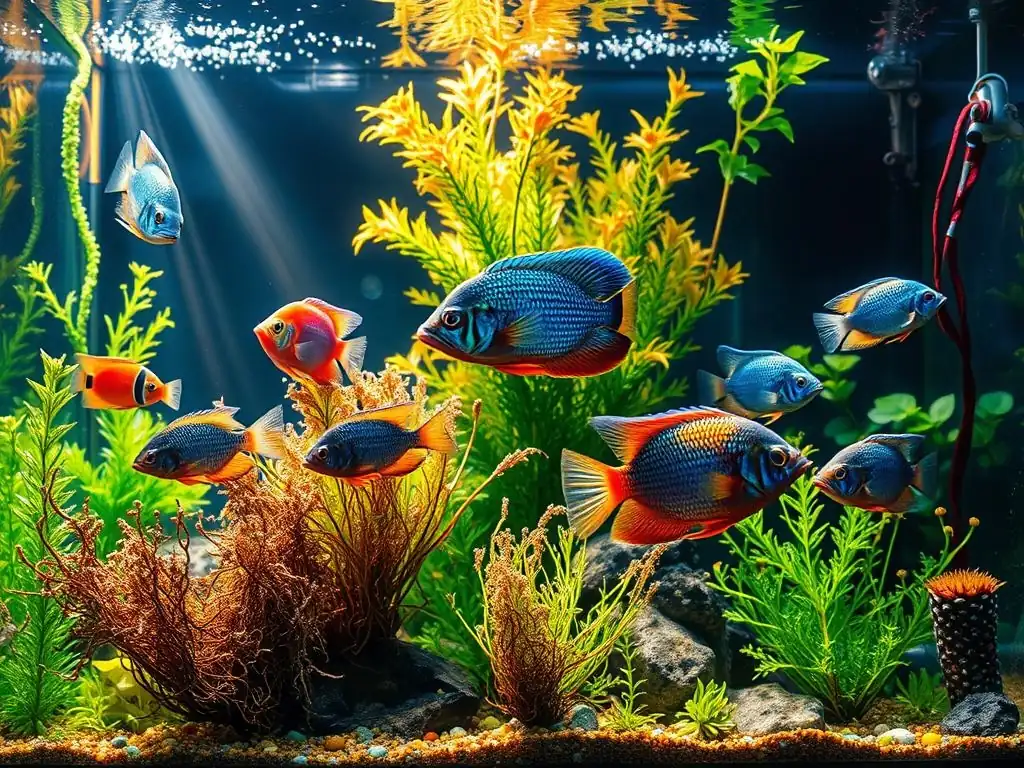
Welcome to Aquarium Mastery, your ultimate guide to thriving aquatic ecosystems!
Ever wondered how to keep your vibrant Dwarf Cichlids happy and healthy? Dive into our comprehensive guide on Dwarf Cichlid illness prevention and discover proactive strategies to maintain a pristine and balanced environment for these captivating freshwater fish. Learn how to spot early warning signs, optimize water parameters, and implement effective care routines. Curious about creating a truly resilient habitat? Let's explore the secrets together!
- Understanding Dwarf Cichlid Health and Disease Prevention
- Establishing a Healthy Aquarium Environment for Dwarf Cichlids
- Dwarf Cichlid Nutrition and Feeding Strategies for Optimal Health
- Quarantine Procedures for New Dwarf Cichlids: Preventing Disease Introduction
- Recognizing Early Signs of Illness in Dwarf Cichlids
- Minimizing Stress in Dwarf Cichlid Tanks: A Key to Immune System Support
- Regular Tank Maintenance and Monitoring for Disease Prevention
- Treatment Options for Common Dwarf Cichlid Diseases
- Conclusion: Long-Term Health and Happiness for Your Dwarf Cichlids
-
Frequently Asked Questions
- How important is water quality in preventing illness in dwarf cichlids?
- What are some common signs of illness to watch for in my dwarf cichlids?
- What role does diet play in dwarf cichlid health and disease prevention?
- How crucial is quarantine when introducing new dwarf cichlids to an established tank?
- What specific steps can I take to reduce stress in my dwarf cichlid aquarium?
- Final Reflection: Cultivating a Thriving Underwater World
- Safeguard Your Cichlids: Start Thriving Today!
Understanding Dwarf Cichlid Health and Disease Prevention
The Importance of Proactive Care for Dwarf Cichlids
Proactive care is paramount in maintaining the health and longevity of dwarf cichlids. Unlike many hardier fish species, dwarf cichlids, such as Mikrogeophagus ramirezi (Rams) or Apistogramma cacatuoides (Cockatoo Apistos), are often sensitive to fluctuations in water parameters and environmental stressors. Focusing on Dwarf cichlid illness prevention through consistent, thoughtful husbandry is far more effective and less stressful than attempting to treat diseases once they manifest, which can be challenging and often fatal for these delicate fish. A robust preventative approach ensures their immune systems remain strong, enabling them to naturally resist common pathogens.
Beyond the immediate well-being of the fish, a proactive approach to Dwarf cichlid illness prevention offers significant long-term benefits for the aquarist. It reduces the financial burden associated with purchasing medications and replacing lost fish, and it minimizes the emotional toll of dealing with sick or dying pets. By investing time in proper tank setup, regular maintenance, and diligent observation, hobbyists can cultivate a thriving ecosystem where dwarf cichlids display their vibrant colors and natural behaviors, leading to a more rewarding and enjoyable aquarium experience.
Common Dwarf Cichlid Diseases and Their Causes
Dwarf cichlids are susceptible to a range of common freshwater fish diseases, many of which are opportunistic and strike when fish are stressed or water quality is compromised. Among the most frequently encountered are Ich ( Ichthyophthirius multifiliis), characterized by small white spots resembling salt grains; Fin Rot, where fins appear frayed or ragged; and internal bacterial infections that can lead to symptoms like Dropsy (bloated body with protruding scales) or Columnaris (cotton-like growths, often around the mouth). Other issues include Velvet (a yellowish dusting) and various parasitic infestations.
The primary causes of these ailments in dwarf cichlids almost invariably link back to environmental stress and poor husbandry. For instance, high nitrate levels (above 20 ppm), fluctuating temperatures (even a change of 3-4°F within a day), or an unsuitable pH can severely weaken a dwarf cichlid's immune system. Overfeeding, inadequate filtration, and aggressive tank mates also contribute significantly to stress, making the fish highly vulnerable. Understanding these underlying causes is the first step in effective Dwarf cichlid illness prevention, as it allows aquarists to address the root issues rather than just the symptoms.
Establishing a Healthy Aquarium Environment for Dwarf Cichlids
Water Quality Management: The Foundation of Dwarf Cichlid Health
Maintaining impeccable water quality is the single most critical factor in the Dwarf cichlid illness prevention strategy. These fish originate from environments with very stable and often pristine water conditions, making them particularly sensitive to the accumulation of waste products. Ammonia and nitrite, byproducts of the nitrogen cycle, are highly toxic and should consistently read 0 ppm in a cycled tank. Even nitrates, while less toxic, can become problematic at concentrations above 20 ppm for sensitive species like Apistogramma agassizii, leading to chronic stress and suppressed immunity.
Consistent monitoring of water parameters is essential. Regular testing with a reliable liquid test kit (not strips, which can be inaccurate) allows aquarists to track ammonia, nitrite, nitrate, and pH levels. Any deviations from ideal parameters signal a need for immediate corrective action, such as performing a partial water change or reviewing feeding habits. This proactive approach to water quality ensures a stable and healthy environment, significantly reducing the likelihood of stress-induced illnesses and bolstering overall Dwarf cichlid illness prevention.
Regular Water Changes: Maintaining Pristine Water Parameters
Regular water changes are indispensable for diluting accumulated nitrates, replenishing essential trace elements, and maintaining overall water purity. For most dwarf cichlid tanks, a weekly water change of 25-30% is a good starting point, though bi-weekly changes might suffice for very lightly stocked tanks with robust filtration. When performing water changes, always use a gravel vacuum to remove decaying organic matter from the substrate, which contributes significantly to nitrate buildup.
Always use a high-quality water conditioner to neutralize chlorine and chloramines in tap water, as these chemicals are highly toxic to fish and beneficial bacteria. Ensure the temperature of the new water matches the tank water as closely as possible to prevent temperature shock, which can severely stress dwarf cichlids and compromise their immune system. Consistent adherence to this routine is a cornerstone of effective Dwarf cichlid illness prevention.
Choosing the Right Filter for Your Dwarf Cichlid Tank
Selecting an appropriate filter is crucial for efficient mechanical, biological, and chemical filtration, all vital for pristine water. For dwarf cichlid tanks, filters that provide gentle flow are often preferred, as these fish do not thrive in strong currents. Sponge filters are excellent for smaller tanks (up to 20 gallons) and breeding setups, offering superb biological filtration with minimal flow. Hang-on-back (HOB) filters with adjustable flow rates are suitable for many setups, while canister filters provide robust multi-stage filtration for larger or more heavily planted tanks.
Regardless of the type, ensure the filter is appropriately sized for the tank volume and bioload. Adequate biological filtration, provided by beneficial bacteria colonizing the filter media, is paramount for breaking down ammonia and nitrite. Mechanical filtration removes particulate matter, keeping the water clear, and chemical filtration (e.g., activated carbon) can help remove odors and discoloration, though it should be removed when medicating. A well-functioning filter system is a non-negotiable component of Dwarf cichlid illness prevention.
The Role of Beneficial Bacteria in a Healthy Aquarium Ecosystem
Beneficial bacteria are the cornerstone of the nitrogen cycle, the biological process that converts toxic ammonia and nitrite into less harmful nitrates. These nitrifying bacteria colonize all surfaces in the aquarium, particularly the filter media, substrate, and decorations. A newly set up tank must undergo a "cycling" process, typically lasting 4-6 weeks, to establish a robust colony of these bacteria before fish are introduced. This prevents "new tank syndrome," where high ammonia and nitrite levels lead to immediate fish illness or death.
Once established, it is vital to protect these bacterial colonies. Avoid over-cleaning filter media, especially by rinsing it in untreated tap water, which can kill the bacteria. Instead, gently rinse filter media in old tank water removed during a water change. Maintaining a stable environment, avoiding sudden chemical changes, and providing adequate oxygenation further supports these bacteria, ensuring the continuous detoxification of the water and strengthening Dwarf cichlid illness prevention.
Optimal Tank Parameters for Dwarf Cichlids: Temperature, pH, and Hardness
Dwarf cichlids thrive within specific and stable environmental parameters that mimic their natural habitats. For many popular species like Mikrogeophagus ramirezi (Bolivian Rams), a temperature range of 75-82°F (24-28°C) is ideal, with pH levels between 6.0 and 7.0, and soft to moderately hard water (GH 5-12 dGH). Apistogramma species often prefer slightly warmer temperatures, around 78-84°F (26-29°C), with softer, more acidic water (pH 5.0-6.5, GH 2-8 dGH). Pelvicachromis pulcher (Kribensis), while more adaptable, generally prefer temperatures of 75-80°F (24-27°C) and a pH of 6.0-7.5.
Deviations from these optimal ranges or, more critically, rapid fluctuations in these parameters, are major stressors for dwarf cichlids. A sudden pH drop of even 0.5 can severely compromise a fish's immune system, making it susceptible to disease. Consistent monitoring with reliable thermometers and test kits is crucial. Methods to maintain these parameters include using aquarium heaters, RO/DI water with remineralization for soft water species, or specific buffering agents for pH stability. Achieving and maintaining these ideal conditions is a foundational element of Dwarf cichlid illness prevention.
Substrate and Decorations: Creating a Stress-Free Environment
The choice of substrate and decorations plays a significant role in creating a stress-free and natural environment for dwarf cichlids, which is key to their health and Dwarf cichlid illness prevention. Fine sand substrate is highly recommended, as many dwarf cichlids enjoy sifting through it for food and displaying natural digging behaviors, especially during breeding. Coarse gravel can injure their delicate mouths and gills. Live plants are highly beneficial, offering natural filtration, oxygenation, and crucial hiding spots.
Decorations like driftwood, ceramic caves, and terracotta pots provide essential hiding places and define territories, reducing aggression and stress among these often territorial fish. For instance, a pair of Apistogramma borellii will appreciate multiple caves to claim as their own, minimizing disputes. Visual barriers created by dense planting or strategically placed hardscape also help break up lines of sight, further reducing stress and fostering a sense of security that directly contributes to their overall resilience against illness.
Dwarf Cichlid Nutrition and Feeding Strategies for Optimal Health
Selecting High-Quality Foods for Dwarf Cichlids
Proper nutrition is a cornerstone of Dwarf cichlid illness prevention, directly impacting their immune system strength and vitality. A varied diet of high-quality foods is essential. This should include a staple of premium dwarf cichlid pellets or flakes, specifically formulated with appropriate protein and nutrient levels. Supplement this with frozen foods such as bloodworms, brine shrimp, Mysis shrimp, and daphnia, which provide essential fatty acids and roughage. Live foods, like grindal worms, microworms, or small crustaceans, can occasionally be offered to stimulate natural hunting instincts and provide peak nutritional value.
Avoid cheap, generic fish foods that often contain excessive fillers and low-quality proteins. Such diets can lead to nutritional deficiencies, digestive issues, and a weakened immune response, making dwarf cichlids more vulnerable to diseases like bloat or internal parasites. For species like Mikrogeophagus altispinosus (Bolivian Butterfly Cichlids), a diet rich in both plant and animal matter ensures all nutritional requirements are met, contributing significantly to their long-term health and disease resistance.
Proper Feeding Techniques to Avoid Overfeeding and Water Contamination
Overfeeding is a common mistake that severely compromises water quality and dwarf cichlid health, directly undermining Dwarf cichlid illness prevention efforts. Uneaten food quickly decomposes, releasing ammonia and nitrites, which are highly toxic. It also contributes to elevated nitrate levels and can fuel bacterial blooms, leading to cloudy water and increased pathogen loads. Furthermore, overfeeding can cause digestive problems in the fish themselves, such as constipation or bloat.
The correct technique involves feeding small amounts multiple times a day—typically two to three times—only what your dwarf cichlids can consume entirely within 2-3 minutes. Observe their eating habits closely; if food is consistently left over, reduce the portion size. This ensures all food is consumed, minimizes waste, and maintains optimal water parameters, creating a healthier environment less prone to disease outbreaks.
Supplementing Your Dwarf Cichlid's Diet with Vitamins and Minerals
While a high-quality, varied diet provides most necessary nutrients, supplementing with vitamins and minerals can offer an additional layer of Dwarf cichlid illness prevention, particularly for fish that may be stressed or recovering. Vitamin C, for instance, is known to boost the immune system in fish and can be especially beneficial for dwarf cichlids. Other essential vitamins and minerals contribute to healthy skin, fins, and overall metabolic function.
Supplements can be administered by soaking frozen or dry foods in liquid vitamin preparations designed for aquarium fish. Alternatively, specialized foods enriched with enhanced vitamin and mineral complexes are available. Regular, but not excessive, supplementation can bridge any potential nutritional gaps and fortify the dwarf cichlid's natural defenses, making them more resilient to environmental stressors and opportunistic pathogens.
Quarantine Procedures for New Dwarf Cichlids: Preventing Disease Introduction
Setting Up a Quarantine Tank: A Crucial First Step
A quarantine tank is an indispensable tool in Dwarf cichlid illness prevention, serving as a crucial barrier against introducing diseases into your established display aquarium. A simple 5 to 10-gallon tank is usually sufficient for a few dwarf cichlids. It should be equipped with a heater to maintain stable temperatures, a sponge filter or a small HOB filter (already cycled or seeded with media from an established tank), and an air stone for oxygenation. Avoid substrate or complex decorations, as this makes cleaning and observation easier.
The purpose of this dedicated tank is to isolate new fish, allowing you to observe them for any signs of illness without risking the health of your existing inhabitants. If any disease manifests, it can be treated within the quarantine tank, preventing the spread of pathogens to your main display tank. This proactive measure significantly reduces the risk of wiping out an entire healthy community due to one infected new arrival.
Observing New Fish for Signs of Illness
Diligent observation is key during the quarantine period. Daily, thorough inspection of each new dwarf cichlid is necessary. Look for subtle and overt signs of illness: clamped fins, labored breathing, darting or scratching against objects (flashing), refusal to eat, listlessness, or abnormal swimming patterns. Pay close attention to their physical appearance for any white spots (Ich), cotton-like growths (fungus), frayed fins (fin rot), red streaks, or unusual bloating.
It is also important to observe their behavior. Are they hiding excessively? Are they acting aggressive or unusually timid? Any deviation from normal behavior can be an early indicator of stress or disease. Documenting these observations can help in prompt diagnosis and treatment, which is vital for effective Dwarf cichlid illness prevention and management.
Quarantine Period Duration and Treatment Options
A minimum quarantine period of 2 to 4 weeks is generally recommended for new dwarf cichlids. This duration allows sufficient time for most common diseases, such as Ich or Velvet, to manifest their symptoms, as their life cycles typically fall within this timeframe. Some aquarists extend this period to 6 weeks for extra caution, especially if the source of the fish is unknown or if dealing with particularly sensitive species.
If signs of illness appear during quarantine, treatment should be administered in the quarantine tank. This prevents medications from affecting the beneficial bacteria in your main tank's filter or harming sensitive invertebrates and plants. Once the fish are confirmed healthy and free of symptoms for at least a week after the quarantine period (or after successful treatment), they can be safely introduced to the main display tank, confident that this critical step in Dwarf cichlid illness prevention has been effectively managed.
Recognizing Early Signs of Illness in Dwarf Cichlids
Identifying Common Symptoms of Dwarf Cichlid Diseases
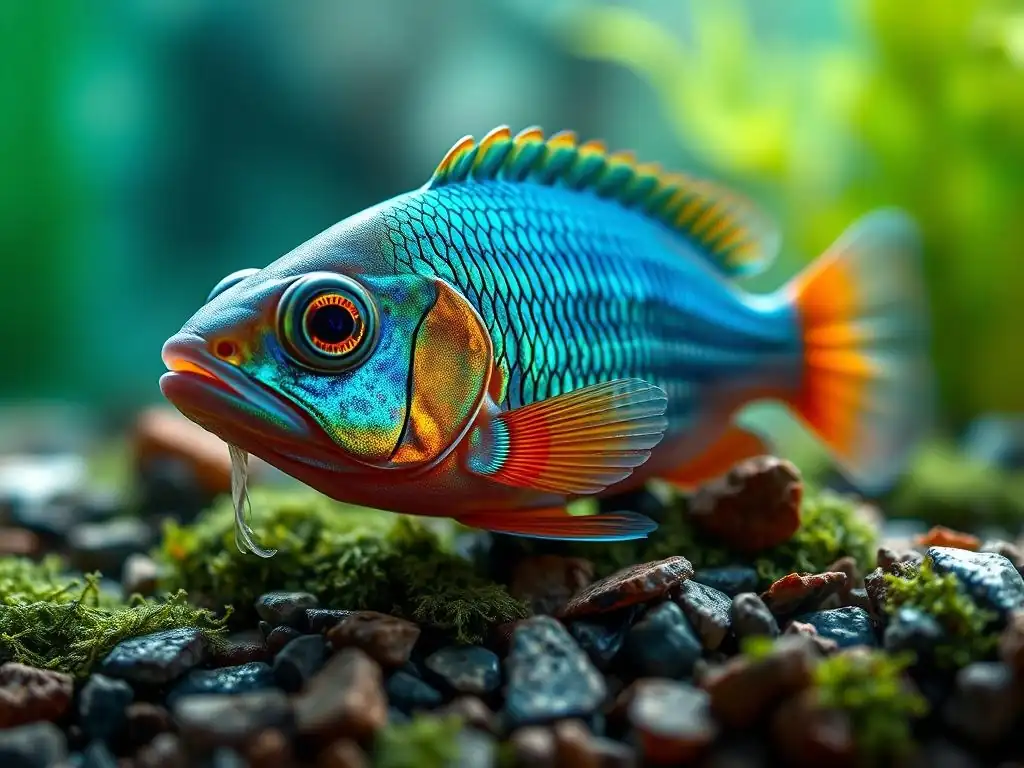
Recognizing the early signs of illness in dwarf cichlids is critical for prompt intervention and successful Dwarf cichlid illness prevention. Often, subtle changes in behavior or appearance precede overt disease symptoms. Common indicators include a loss of appetite, where a previously eager eater refuses food; lethargy, where the fish spends an unusual amount of time hiding or resting on the substrate; or abnormal swimming patterns, such as darting, spiraling, or difficulty maintaining buoyancy.
These initial signs are often indicative of underlying stress or the very beginning of an infection. For example, a normally active Apistogramma macmasteri becoming reclusive for several days is a strong warning sign. Early detection allows for immediate corrective action, whether it's improving water quality, adjusting tank mates, or initiating specific treatments, significantly increasing the chances of recovery and preventing the spread of disease to other tank inhabitants.
Behavioral Changes: A Key Indicator of Health Issues
Behavioral changes are often the first and most reliable indicators that a dwarf cichlid's health is compromised. One common sign is "flashing," where a fish rubs its body against objects like substrate, plants, or decorations, indicating irritation from parasites or water quality issues. Labored breathing, characterized by rapid gill movements, suggests poor water quality (e.g., high ammonia/nitrite, low oxygen) or gill parasites. Gasping at the surface is another clear sign of insufficient oxygen or severe water contamination.
Other significant behavioral shifts include unusual aggression towards tank mates that were previously tolerated, or conversely, extreme timidity and constant hiding in a fish that was once outgoing. A Mikrogeophagus ramirezi that loses its vibrant color and becomes pale, coupled with listlessness, is likely under severe stress. Observing and interpreting these subtle behavioral cues is a powerful tool in Dwarf cichlid illness prevention, enabling hobbyists to address problems before they escalate into full-blown epidemics.
Physical Signs: Spots, Lesions, and Fin Damage
Beyond behavioral changes, physical signs provide undeniable evidence of illness in dwarf cichlids. The appearance of small white spots, resembling grains of salt, across the body and fins is the hallmark of Ich. Cotton-like growths on the body, fins, or mouth typically indicate a fungal infection, often secondary to injury or poor water conditions. Fin damage, such as frayed, clamped, or ragged fins, is a classic symptom of Fin Rot, usually caused by bacterial infections.
More severe physical indicators include red streaks on the body or fins, suggesting septicemia; sunken bellies, which can point to internal parasites or wasting disease; or a bloated abdomen with scales protruding like a pinecone, a severe symptom of Dropsy, often indicative of kidney failure or advanced internal bacterial infection. Any of these physical manifestations demand immediate attention and appropriate treatment to effectively manage the disease and uphold Dwarf cichlid illness prevention efforts.
Minimizing Stress in Dwarf Cichlid Tanks: A Key to Immune System Support
Choosing Compatible Tank Mates for Dwarf Cichlids
Minimizing stress is crucial for Dwarf cichlid illness prevention, as chronic stress severely compromises their immune system. A primary source of stress is incompatible tank mates. Dwarf cichlids, while often territorial, are generally peaceful and can be easily intimidated or harassed by larger, more aggressive, or overly boisterous fish. Ideal tank mates include small, peaceful schooling fish that occupy the upper and middle levels of the water column, such as Neon Tetras, Cardinal Tetras, Ember Tetras, or various species of Rasbora. Bottom-dwelling, non-competitive fish like Corydoras catfish are also excellent choices.
Avoid species known for fin-nipping (e.g., certain Barbs) or fish that grow too large and might outcompete or bully dwarf cichlids. Overstocking the tank also leads to increased aggression and stress due to limited space and territory. A calm and harmonious community tank significantly reduces stress levels for dwarf cichlids, allowing them to thrive and better resist common diseases. For example, a pair of Pelvicachromis subocellatus (Target Kribs) will be far less stressed in a tank with small schooling fish than with semi-aggressive cichlids.
Providing Adequate Hiding Places and Territories
Dwarf cichlids, by nature, require a sense of security and defined territories to feel safe and reduce stress. Providing ample hiding places and visual barriers is paramount for Dwarf cichlid illness prevention. This can be achieved through strategically placed driftwood, rock caves (ensure they are stable and smooth), ceramic caves, and dense live planting. Species like Apistogramma hongsloi are particularly fond of secluded caves for breeding and retreat.
Without sufficient hiding spots, dwarf cichlids, especially the more shy species, will remain constantly stressed, leading to suppressed immune function. In multi-pair setups, visual barriers are essential to break up lines of sight and minimize aggression between pairs. For instance, a 20-gallon long tank housing a pair of Mikrogeophagus ramirezi benefits immensely from multiple caves and tall plants, allowing each fish to establish a perceived territory and retreat when needed, thereby reducing constant low-level stress.
Maintaining a Stable and Consistent Aquarium Environment
Consistency and stability in the aquarium environment are fundamental to minimizing stress and ensuring robust Dwarf cichlid illness prevention. Sudden or drastic changes in water parameters—temperature, pH, or hardness—can shock fish and severely weaken their immune systems. For example, performing a large water change with water that is several degrees colder or warmer than the tank water can induce immediate stress and susceptibility to Ich.
Maintaining a consistent feeding schedule, avoiding sudden changes in diet, and keeping the lighting cycle stable (e.g., 10-12 hours on, 12-14 hours off) also contribute to a predictable and calming environment. Minimize loud noises, vibrations, and sudden movements around the tank. A stable environment allows dwarf cichlids to establish routines and feel secure, which directly translates to stronger natural defenses and a reduced risk of falling ill.
Regular Tank Maintenance and Monitoring for Disease Prevention
Performing Routine Water Tests: Monitoring Water Parameters
Routine water testing is a non-negotiable aspect of Dwarf cichlid illness prevention. Weekly or bi-weekly tests for ammonia, nitrite, nitrate, pH, and temperature provide critical insights into the tank's health. Ammonia and nitrite should always be 0 ppm. Nitrates, while less toxic, should be kept below 20 ppm for most dwarf cichlids, though some sensitive species or breeding setups might benefit from levels below 10 ppm. pH and temperature should remain stable within the ideal range for your specific dwarf cichlid species.
Consistent monitoring allows aquarists to identify negative trends early, such as a gradual rise in nitrates indicating insufficient water changes or overfeeding. This proactive data collection enables timely adjustments before parameters reach dangerous levels, preventing stress and subsequent disease outbreaks. Using a reliable liquid test kit is far more accurate than test strips for these crucial measurements.
Cleaning the Substrate and Decorations: Removing Organic Waste
Regular cleaning of the substrate and decorations is vital for removing accumulated organic waste, a primary source of harmful compounds and a breeding ground for pathogens. Weekly or bi-weekly gravel vacuuming should be performed during water changes to siphon out uneaten food, fish waste, and decaying plant matter that settle in the substrate. For tanks with fine sand, gently stir the top layer to release trapped debris, then siphon it out.
Decorations should also be periodically cleaned to remove algae and biofilm buildup, which can harbor bacteria. Avoid using soaps or chemicals; simply scrub them gently with a clean brush in old tank water. A clean tank environment directly reduces the bioload and the potential for pathogenic bacteria to proliferate, significantly enhancing Dwarf cichlid illness prevention efforts.
Inspecting Your Dwarf Cichlids Regularly for Signs of Illness
Daily, close inspection of your dwarf cichlids is perhaps the simplest yet most effective method for early Dwarf cichlid illness prevention and detection. Spend a few minutes each day observing each fish individually. Look for any changes in color intensity, fin condition (e.g., torn, clamped, frayed), body shape (e.g., bloat, sunken belly), or presence of spots, lesions, or growths. Observe their swimming patterns, appetite, and interaction with tank mates.
Early detection allows for immediate intervention, which can be as simple as a water change or as complex as starting medication. For instance, noticing a single white spot on a Nannacara anomala in its initial stage allows for prompt treatment before the Ich parasite completes its life cycle and infects the entire tank. This consistent vigilance is a critical habit for any dedicated dwarf cichlid keeper.
Treatment Options for Common Dwarf Cichlid Diseases
Understanding Medication Options for Dwarf Cichlids
When illness strikes despite diligent Dwarf cichlid illness prevention efforts, understanding medication options is crucial. The first and most vital step is accurate diagnosis; misdiagnosis can lead to ineffective treatment and further stress. Always use medications specifically formulated for aquarium fish and follow dosage instructions precisely. Overdosing can be fatal, while underdosing can lead to resistant pathogens. It is highly recommended to treat fish in a separate hospital tank to protect your main display tank's beneficial bacteria, plants, and invertebrates, as many medications can harm these elements.
Be aware that some medications, particularly those containing copper or strong dyes, can be harsh on sensitive fish like dwarf cichlids. Always research the specific medication's effects on your species. Remove activated carbon from the filter during treatment, as it will absorb the medication, rendering it ineffective. Thorough water changes and filter media cleaning are often necessary after a treatment cycle to remove residual medication.
Treating Ich (White Spot Disease) in Dwarf Cichlids
Ich, caused by the parasite Ichthyophthirius multifiliis, is one of the most common diseases in freshwater aquariums, easily identified by small white spots resembling salt grains on the fish's body and fins. Dwarf cichlid illness prevention against Ich primarily involves reducing stress and maintaining stable temperatures. If an outbreak occurs, treatment typically involves raising the tank temperature gradually to 82-84°F (28-29°C) for at least 7-10 days (if the fish can tolerate it, e.g., Mikrogeophagus ramirezi handle this well), which accelerates the parasite's life cycle, making it more vulnerable.
Concurrently, add aquarium salt (1 tablespoon per 5 gallons, if plants and invertebrates are not present and fish can tolerate it) or use a commercial Ich medication containing malachite green or formalin. The elevated temperature and medication target the free-swimming stage of the parasite. Continue treatment for at least 3-5 days after the last white spot disappears to ensure all life stages are eradicated, and perform daily gravel vacuuming to remove cysts from the substrate.
Addressing Fungal Infections in Dwarf Cichlids
Fungal infections, often appearing as white, cotton-like growths on a dwarf cichlid's body, fins, or mouth, are typically secondary infections. They usually develop when a fish is already weakened by stress, poor water quality, or a physical injury (e.g., a fin tear from aggression). Addressing the underlying cause is as important as treating the fungus itself for effective Dwarf cichlid illness prevention and recovery.
Treatment involves antifungal medications containing ingredients like phenoxyethanol or malachite green, administered in a hospital tank. Salt baths can also be effective for mild cases. During treatment, ensure excellent water quality and stable parameters. After the fungus clears, continue to monitor the fish and the tank conditions to prevent recurrence, focusing on maintaining optimal husbandry and minimizing stressors.
Dealing with Bacterial Infections in Dwarf Cichlids
Bacterial infections in dwarf cichlids can range from common Fin Rot (frayed, deteriorating fins) and body sores to more severe systemic issues like Dropsy (bloated abdomen with scales sticking out) or Columnaris (white patches, often around the mouth, resembling fungus but more aggressive). These infections are frequently triggered by prolonged exposure to poor water quality, overcrowding, or significant stress that compromises the fish's immune system, highlighting the importance of Dwarf cichlid illness prevention.
Treatment typically requires broad-spectrum antibiotics specifically designed for aquarium use, such as erythromycin or nitrofurazone. These are best administered in a hospital tank to avoid harming the main tank's beneficial bacteria. Dropsy, in particular, is often a symptom of advanced internal organ failure and has a very low survival rate, emphasizing the critical need for early detection and rigorous preventative measures. Always complete the full course of medication, even if symptoms improve, to prevent resistant bacterial strains.
Conclusion: Long-Term Health and Happiness for Your Dwarf Cichlids
The Benefits of Proactive Aquarium Care
Embracing proactive aquarium care is the most effective strategy for ensuring the long-term health and happiness of your dwarf cichlids. By prioritizing pristine water quality, stable environmental parameters, a nutritious diet, and a stress-free habitat, aquarists can significantly reduce the incidence of illness. This diligent approach to Dwarf cichlid illness prevention not only saves money on costly medications and replacement fish but also prevents the emotional distress associated with sick pets. A thriving dwarf cichlid tank, with vibrant, active fish, is a testament to the aquarist's commitment to their well-being.
Ultimately, proactive care transforms the aquarium hobby into a more rewarding and enjoyable experience. When dwarf cichlids are healthy, they display their full range of natural behaviors, exhibit their most brilliant coloration, and may even engage in breeding, providing immense satisfaction to the keeper. This holistic approach ensures that your aquatic companions live long, healthy lives, reflecting the care and dedication you invest in their specialized environment.
Resources for Further Learning about Dwarf Cichlid Health.
The world of dwarf cichlids is vast and fascinating, with continuous new discoveries and evolving care techniques. To ensure ongoing Dwarf cichlid illness prevention and optimal health, continuous learning is highly recommended. Reputable online forums dedicated to cichlids, academic papers on fish pathology, and specialized books focusing on dwarf cichlid species provide invaluable insights. These resources often offer detailed information on specific species requirements, advanced water chemistry, and in-depth disease identification and treatment protocols.
Engaging with experienced aquarists and participating in local aquarium clubs can also provide practical advice and support. The aquarium hobby is a journey of continuous learning, and staying informed about the latest research and best practices is key to mastering the nuances of dwarf cichlid care. By leveraging these resources, you can equip yourself with the knowledge needed to anticipate challenges, mitigate risks, and ensure your dwarf cichlids flourish for years to come.
Frequently Asked Questions
How important is water quality in preventing illness in dwarf cichlids?
Water quality is absolutely essential. Poor water parameters are a primary cause of stress and disease in these sensitive fish. Regular water changes and proper filtration are crucial.
What are some common signs of illness to watch for in my dwarf cichlids?
Look for signs like lethargy, clamped fins, and changes in coloration. Also, observe if they are refusing food or exhibiting abnormal swimming patterns.
What role does diet play in dwarf cichlid health and disease prevention?
A varied and nutritious diet is vital. Provide high-quality food appropriate for their species to boost their immune system and prevent nutrient deficiencies.
How crucial is quarantine when introducing new dwarf cichlids to an established tank?
Quarantine is highly recommended. This allows you to observe new fish for signs of illness and prevent the spread of disease to your existing population.
What specific steps can I take to reduce stress in my dwarf cichlid aquarium?
Provide plenty of hiding places with plants and decorations. Avoid sudden changes in water parameters and minimize disturbances to create a stable and stress-free environment.
Okay, here's a final reflection designed to close your article "Preventing Illness in Your Dwarf Cichlid Tank: Proactive Care," optimized for the keyword "Dwarf cichlid illness prevention" and following the structure you provided:
Final Reflection: Cultivating a Thriving Underwater World
The insights shared throughout this article underscore a crucial truth: dwarf cichlid illness prevention isn't merely about reacting to problems, but about proactively creating an environment where these vibrant fish can flourish. The principles of water quality management, balanced nutrition, and careful observation are not just guidelines, but the cornerstones of a healthy and thriving dwarf cichlid tank, ensuring their longevity and vibrant colors.
The dedication required for effective dwarf cichlid illness prevention extends beyond the technical aspects of aquarium keeping. It fosters a deeper appreciation for the delicate ecosystems we create and the responsibility we bear as caretakers. This commitment resonates far beyond the glass walls of our tanks, reminding us of the interconnectedness of all living things. The best way to predict the future is to create it.
- Peter Drucker. In our aquariums, and in life, proactive care yields the most rewarding results.
Now, take a moment to reflect on your own aquarium practices. Are you truly providing the optimal environment for your dwarf cichlids to thrive? Let this article serve as a catalyst for positive change. Commit to implementing these proactive measures, and witness the transformation in the health, vibrancy, and overall well-being of your underwater companions. Your dedication to dwarf cichlid illness prevention will not only safeguard their lives but also enrich your own experience as an aquarist.
Safeguard Your Cichlids: Start Thriving Today!
Thank you for diving into the world of dwarf cichlid health. We hope this article has empowered you with the knowledge to keep your finned friends happy and thriving. Now, let's translate that knowledge into action!
- Immediately review your tank's parameters – pH, ammonia, nitrite, and nitrate levels – and take corrective action if needed. This is your first line of defense against illness.
- Share this article with fellow cichlid enthusiasts to spread awareness about proactive care. Help others keep their fish healthy!
- Consider implementing a quarantine tank for new arrivals to prevent introducing diseases to your established aquarium. It's a simple step that can save a lot of heartache.
What small change will you make this week to improve your dwarf cichlid's environment and prevent future health issues?