
The Peaceful Cichlid? Unlocking Dwarf Cichlid Community Tank Success

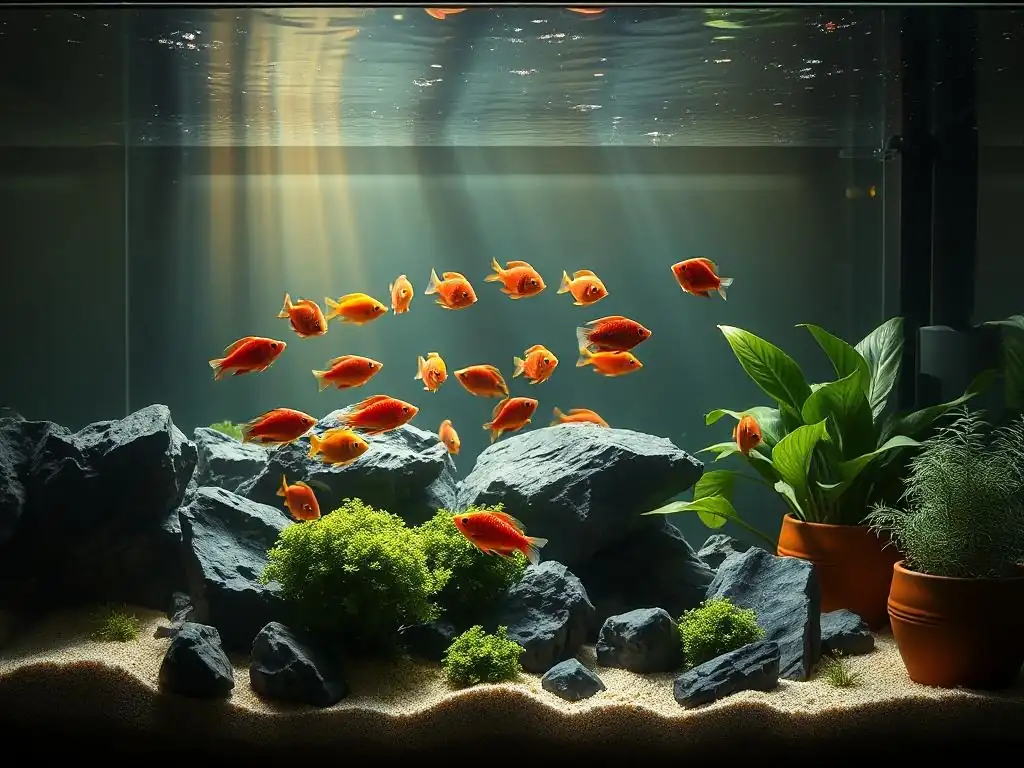
Welcome to Aquarium Mastery!
Ever dreamt of a vibrant, peaceful community tank showcasing the stunning colors of Dwarf Cichlids? It's more attainable than you think! Dive in to unlock the secrets of creating a thriving ecosystem in your own home. Curious how to choose the right tank mates and maintain perfect water parameters? Let's explore the rewarding world of the Dwarf Cichlid community tank together and transform your aquarium dreams into reality.
- The Peaceful Apisto? Unlocking Dwarf Cichlid Community Tank Success
- Understanding Dwarf Cichlids for a Community Aquarium
- Essential Tank Setup for a Thriving Dwarf Cichlid Community
- Selecting Compatible Tank Mates for Dwarf Cichlids
- Maintaining Optimal Water Parameters for Dwarf Cichlid Health
- Feeding Your Dwarf Cichlids in a Community Setting
- Breeding Dwarf Cichlids in a Community Aquarium (Considerations)
- Common Dwarf Cichlid Health Issues in Community Tanks
- Troubleshooting Common Problems in Dwarf Cichlid Community Tanks
- The Ultimate Guide to a Successful Dwarf Cichlid Community Tank
-
Frequently Asked Questions
- What are dwarf cichlids, and why are they popular for community tanks?
- What tank size is recommended for a dwarf cichlid community tank?
- What are some good tank mates for dwarf cichlids in a community tank?
- What are the key water parameters to maintain in a dwarf cichlid community tank?
- What are some common challenges when keeping dwarf cichlids in a community tank, and how can they be addressed?
- Final Reflection: Cultivating Harmony in Miniature
- Unveil Your Dream Cichlid Tank!
The Peaceful Apisto? Unlocking Dwarf Cichlid Community Tank Success
Understanding Dwarf Cichlids for a Community Aquarium
What Makes a Dwarf Cichlid "Dwarf"? Size and Temperament
Dwarf cichlids are a fascinating group of freshwater fish characterized primarily by their relatively small size, typically remaining under 4 to 5 inches (10-12 cm) in adult length. This diminutive stature sets them apart from their larger cichlid relatives, such as Oscars ( Astronotus ocellatus) or Jack Dempseys ( Rocio octofasciata), which can easily reach 10-15 inches.
Popular examples include the German Blue Ram ( Mikrogeophagus ramirezi), which usually grows to about 2.5-3 inches (6-7.5 cm), and various Apistogramma species like Apistogramma cacatuoides, often reaching 3-3.5 inches (7.5-9 cm). Their smaller size means they can be housed in more modest aquariums, making a dwarf cichlid community tank a viable option for many hobbyists.
Despite their "dwarf" designation, these cichlids retain many behavioral traits of their larger kin, including territoriality, especially during breeding periods. However, their aggression is generally less intense and more directed, often confined to their established territory and primarily aimed at conspecifics or fish with similar body shapes. This characteristic makes them much more suitable for a dwarf cichlid community tank than their larger, more boisterous cousins. Understanding this inherent territoriality is key to successful integration into a diverse aquarium, ensuring that proper aquascaping and tank mate selection mitigate potential conflicts.
Debunking the Myth: Are Dwarf Cichlids Truly Peaceful?
The perception of dwarf cichlids as "peaceful" is often a relative term within the cichlid family. While they won't typically devastate a tank like a large Central American cichlid, they are not entirely passive fish. Male dwarf cichlids, particularly species from the Apistogramma genus, are known to establish and fiercely defend territories, especially when a female is present or when they are preparing to spawn. This territorial behavior can manifest as chasing, fin nipping, or displaying aggressive postures towards intruders, often other males of their own species or fish that resemble them.
For instance, a male Apistogramma agassizii might claim a territory spanning approximately 12-18 inches (30-45 cm) around a preferred cave or dense plant cluster. This behavior, while intense within its defined boundaries, typically does not extend to the entire tank or cause significant harm to unrelated, peaceful species that occupy different water columns. The key to a harmonious dwarf cichlid community tank lies in providing ample space and visual barriers, allowing each cichlid to establish its own domain without constant confrontation. Properly managed, their territorial instincts can coexist with other fish, leading to a dynamic and engaging display.
Exploring Popular Dwarf Cichlid Species for Community Tanks
Several popular dwarf cichlid species are frequently chosen for a dwarf cichlid community tank due to their manageable size, vibrant colors, and relatively peaceful nature. Among the most sought-after are the German Blue Ram ( Mikrogeophagus ramirezi), prized for its striking blue, red, and yellow coloration, and its hardier cousin, the Bolivian Ram ( Mikrogeophagus altispinosus), which is more tolerant of varying water parameters. Apistogramma species, such as the Cockatoo Dwarf Cichlid ( Apistogramma cacatuoides) and the Agassiz's Dwarf Cichlid ( Apistogramma agassizii), are also highly popular, offering a vast array of colors and fin patterns.
Another excellent choice for a dwarf cichlid community tank is the Kribensis Cichlid ( Pelvicachromis pulcher). Kribensis are more robust and adaptable to a wider range of water conditions than Rams or Apistogramma species, making them an ideal beginner dwarf cichlid. They are prolific breeders, and while generally peaceful, a breeding pair can become quite protective of their eggs and fry.
German Blue Rams, while stunning, are known for their sensitivity to water quality fluctuations, requiring pristine conditions to thrive. Apistogramma species often prefer softer, more acidic water, mimicking their Amazonian blackwater origins. Understanding these specific needs is crucial for building a successful and healthy dwarf cichlid community tank.
Essential Tank Setup for a Thriving Dwarf Cichlid Community
Choosing the Right Aquarium Size for a Dwarf Cichlid Community Tank
Selecting the appropriate aquarium size is fundamental for the long-term success and well-being of a dwarf cichlid community tank. While a single pair of smaller dwarf cichlids like German Blue Rams or Kribensis might survive in a 15-gallon (57-liter) tank, this offers minimal space for territory establishment and compatible tank mates.
For a true dwarf cichlid community tank featuring multiple species or more than one male Apistogramma, a minimum tank size of 30 gallons (114 liters) is highly recommended. A 30-gallon breeder tank, typically measuring 36 inches long by 18 inches wide by 12 inches high (91x46x30 cm), offers excellent surface area and depth for territorial separation.
Larger tanks inherently provide more swimming space and, critically, more room for dwarf cichlids to establish individual territories without constant conflict. For example, a 40-gallon breeder tank (36"L x 18"W x 16"H or 91x46x41 cm) allows for a pair of Apistogramma cichlids, a small school of mid-water tetras, and a group of peaceful bottom-dwelling Corydoras catfish to coexist with significantly reduced stress. The increased footprint of a wider tank, rather than just height, is particularly beneficial, as it allows for longer sight lines and more distinct zones, fostering a more harmonious and stable dwarf cichlid community tank environment.
Substrate Selection: Mimicking the Natural Habitat of Dwarf Cichlids
The choice of substrate is a critical element in creating an ideal environment for a dwarf cichlid community tank, directly impacting their natural behaviors and overall health. Fine sand, such as silica sand, pool filter sand, or specialized aquarium sands, is the superior choice. Dwarf cichlids are natural substrate sifters; they will frequently sift through the sand with their mouths in search of food particles and to excavate small pits for spawning. Coarser gravel can injure their delicate mouths, gills, and barbels, leading to stress and potential infections.
A layer of fine sand, typically 1 to 2 inches (2.5-5 cm) deep, not only facilitates these natural behaviors but also provides an excellent medium for rooting live plants. For instance, a 20-gallon long tank would require approximately 20-25 pounds (9-11 kg) of fine sand to achieve a depth of 1.5 inches. The smooth, non-abrasive nature of sand also makes it easier for beneficial bacteria to colonize without trapping excessive detritus, contributing to better water quality. This natural substrate setup significantly enhances the well-being and reduces stress for all inhabitants in a dwarf cichlid community tank.
Aquascaping for Success: Providing Shelter and Territory
Thoughtful aquascaping is paramount for a successful dwarf cichlid community tank, as it directly addresses their innate territoriality and need for security. A well-designed layout provides crucial visual barriers and ample hiding spots, which are essential for reducing aggression among cichlids, allowing subdominant fish to escape from dominant ones, and offering secure, private areas for spawning and resting. Without adequate structure and cover, stress levels can escalate, leading to chronic aggression, poor health, and increased susceptibility to disease.
When arranging decor, the goal is to break up lines of sight and create multiple distinct territories. For example, a large, intricate piece of driftwood placed centrally can serve as a primary focal point, flanked by dense groupings of tall plants or strategically placed rock formations on either side.
This arrangement effectively divides the tank into several smaller, defensible zones. In a 30-gallon dwarf cichlid community tank, aiming for at least 3-4 distinct hiding spots or territorial markers allows multiple fish, whether a pair or a small group, to establish their own perceived safe zones, significantly reducing overall stress and promoting peaceful coexistence.
The Importance of Plants for Dwarf Cichlids
Live plants are an indispensable component of a thriving dwarf cichlid community tank, serving multiple vital functions beyond mere aesthetics. They provide essential cover and visual barriers, which are crucial for reducing aggression and allowing subordinate fish to find refuge from dominant individuals. Plants also contribute significantly to water quality by absorbing nitrates and other waste products, helping to maintain a stable and healthy environment. Furthermore, they offer natural grazing surfaces for biofilm and micro-organisms, which can be a supplemental food source for dwarf cichlids and their fry.
Dense planting, especially around the base of driftwood or rock structures, creates critical hiding spots. For instance, a thick patch of Cryptocoryne wendtii or a background of Vallisneria spiralis along the back and sides of a 30-gallon tank can provide significant security for timid species or females seeking respite from an overly enthusiastic male. Hardy and adaptable plants like Amazon Swords ( Echinodorus amazonicus), Java Fern ( Microsorum pteropus), and Anubias species are excellent choices that thrive in conditions suitable for a dwarf cichlid community tank and offer the structural complexity these fish require.
Using Driftwood and Rocks to Create a Natural Environment
Driftwood and smooth, non-porous rocks are fundamental hardscape elements for replicating the natural habitats of dwarf cichlids and are essential for a successful dwarf cichlid community tank. Driftwood, such as Malaysian or Manzanita wood, provides intricate structures that serve as territorial markers, visual barriers, and offer numerous crevices and nooks for hiding and spawning.
Many dwarf cichlids are cave spawners, and the natural hollows and overhangs of driftwood are perfect for this purpose. Additionally, driftwood releases tannins into the water, which can slightly lower the pH and add a natural "blackwater" tint, mimicking the preferred environments of many Apistogramma and Ram species.
Smooth river stones or lava rock can be strategically placed to form caves or to create additional visual breaks. Ensure that any rock structures are stable and securely stacked to prevent collapses. For example, a single male Apistogramma might claim a specific cave formed by stacked rocks or a section under a large root.
In a 40-gallon dwarf cichlid community tank, providing 3-4 distinct cave-like structures or dense root systems allows multiple fish to establish territories, minimizing direct confrontations. These hardscape elements not only enhance the tank's aesthetic appeal but critically contribute to the psychological well-being and natural behaviors of your dwarf cichlids.
Selecting Compatible Tank Mates for Dwarf Cichlids
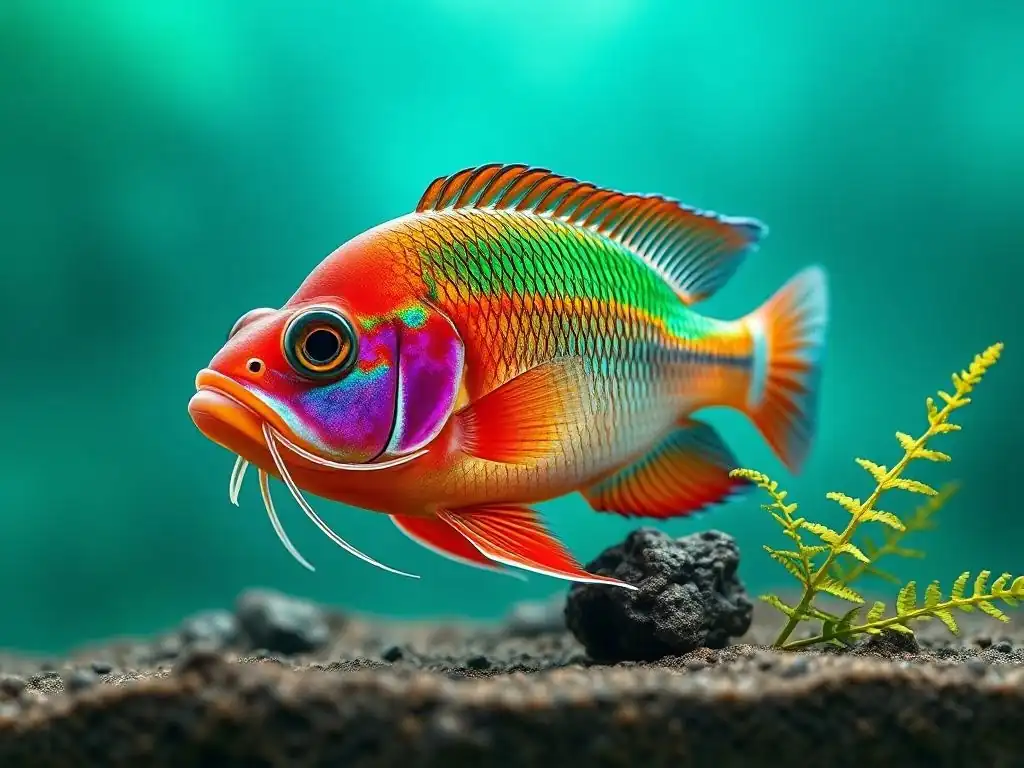
Ideal Community Fish for a Dwarf Cichlid Tank
Choosing the right tank mates is paramount for a peaceful and thriving dwarf cichlid community tank. Ideal companions should be non-aggressive, not prone to fin-nipping, and generally occupy different levels of the water column to avoid direct competition for space and food. Small, peaceful schooling fish are often the best choice, as they provide a sense of security (known as "dither fish") for the more territorial dwarf cichlids, encouraging them to be more outgoing.
Excellent choices for a dwarf cichlid community tank include small to medium-sized tetras such as Neon Tetras ( Paracheirodon innesi), Cardinal Tetras ( Paracheirodon axelrodi), Rummy-nose Tetras ( Hemigrammus bleheri), and Ember Tetras ( Hyphessobrycon amandae). Rasboras, like Harlequin Rasboras ( Trigonostigma heteromorpha) or Chili Rasboras ( Boraras brigittae), are also suitable. Peaceful small barbs, such as Cherry Barbs ( Puntius titteya), can also work.
For bottom dwellers, various species of Corydoras catfish (e.g., Panda Corys, Pygmy Corys) are highly compatible, as they are peaceful, occupy the lower substrate, and do not compete directly with dwarf cichlids for territory. For example, a school of 8-10 Cardinal Tetras can coexist beautifully with a pair of German Blue Rams in a 30-gallon dwarf cichlid community tank.
Fish to Avoid: Incompatible Tank Mates for Dwarf Cichlids
Certain fish species are entirely unsuitable as tank mates for a dwarf cichlid community tank due to their aggressive nature, tendency to fin-nip, or sheer size difference. Introducing incompatible species can lead to chronic stress, injury, and even death for your dwarf cichlids, undermining the entire community setup. The primary categories to avoid are large, highly aggressive cichlids, boisterous or fast-moving fish, and known fin-nippers.
Specifically, steer clear of large and aggressive cichlids such as Oscars ( Astronotus ocellatus), Jack Dempseys ( Rocio octofasciata), or even semi-aggressive cichlids like Convict Cichlids ( Amatitlania nigrofasciata), as they will quickly dominate and potentially prey upon your smaller dwarf cichlids. Similarly, avoid active and nippy species like Tiger Barbs ( Puntigrus tetrazona), Serpae Tetras ( Hyphessobrycon eques), or large Gouramis ( Osphronemus goramy), which can harass dwarf cichlids, leading to frayed fins and chronic stress.
Even some very active schooling fish like Giant Danios ( Devario aequipinnatus) can outcompete slower-moving dwarf cichlids for food, making them problematic additions to a dwarf cichlid community tank.
Invertebrates and Dwarf Cichlids: Shrimp, Snails, and More
The compatibility of invertebrates with dwarf cichlids in a community tank can vary significantly, depending on the specific cichlid species and the size of the invertebrate. When it comes to shrimp, caution is advised. While some larger, adult shrimp like Amano Shrimp ( Caridina multidentata) might be ignored by certain dwarf cichlid species, particularly Bolivian Rams, smaller shrimp such as Cherry Shrimp ( Neocaridina davidi) are almost universally perceived as a food source. Most Apistogramma species, given their predatory nature, will actively hunt and consume any shrimp small enough to fit into their mouths.
Snails, however, are generally a much safer bet for a dwarf cichlid community tank. Most common aquarium snails, including Nerite Snails ( Neritina natalensis), Mystery Snails ( Pomacea diffusa), and Malaysian Trumpet Snails ( Melanoides tuberculata), are largely ignored by dwarf cichlids. These snails can be beneficial additions, helping with algae control and aerating the substrate.
While large Assassin Snails ( Clea helena) might pose a minor risk to very small, vulnerable cichlid fry, this is rare, and they are typically not a threat to adult dwarf cichlids. Overall, snails can serve as excellent clean-up crew members in a dwarf cichlid community tank without fear of predation.
Maintaining Optimal Water Parameters for Dwarf Cichlid Health
Water Chemistry: pH, Hardness, and Ammonia Control
Maintaining precise and stable water parameters is paramount for the health and longevity of dwarf cichlids in a community tank. Many popular dwarf cichlid species, particularly Apistogramma and German Blue Rams, originate from soft, acidic blackwater environments. Ideal pH levels typically range from 5.5 to 7.0, with general hardness (GH) between 2-10 dGH and carbonate hardness (KH) between 1-5 dKH. Fluctuations in these parameters can cause significant stress, weakening their immune systems.
Beyond pH and hardness, absolute control over nitrogenous waste is crucial. Ammonia (NH3) and nitrite (NO2) must always be at 0 parts per million (ppm), as even trace amounts are highly toxic. Nitrates (NO3), the end product of the nitrogen cycle, should be kept below 20 ppm, ideally below 10 ppm, through regular water changes.
Achieving and maintaining these parameters often involves using reverse osmosis (RO) water remineralized to the desired levels, or incorporating natural pH-lowering elements like driftwood and peat filtration. For instance, in a 20-gallon dwarf cichlid community tank, weekly water tests are essential to monitor these levels and make timely adjustments, preventing stress-related health issues.
Filtration: Keeping Your Dwarf Cichlid Tank Clean and Healthy
Effective filtration is a non-negotiable component for maintaining a pristine and healthy dwarf cichlid community tank. A robust filtration system provides three critical types of filtration: mechanical, chemical, and biological. Mechanical filtration removes particulate matter, keeping the water clear. Chemical filtration removes dissolved toxins and impurities, often using activated carbon. Most importantly, biological filtration, facilitated by beneficial bacteria colonizing filter media, breaks down harmful ammonia and nitrite into less toxic nitrates.
When selecting a filter, choose one rated for at least 2-3 times the tank volume per hour. For a 30-gallon dwarf cichlid community tank, a filter with a flow rate of 60-90 gallons per hour (GPH) is appropriate. Hang-on-back (HOB) filters are popular for their ease of use and efficiency, while canister filters offer superior capacity and customization for larger setups.
Sponge filters are excellent for breeding tanks or smaller dwarf cichlid community tanks, providing gentle flow and excellent biological filtration. Regular filter maintenance, such as rinsing sponges in old tank water and replacing chemical media as needed, ensures optimal performance and a clean, stable environment for your dwarf cichlids.
Regular Water Changes: The Key to a Stable Environment
Regular partial water changes are arguably the single most important and impactful maintenance task for ensuring a stable and healthy dwarf cichlid community tank. This routine practice directly addresses the accumulation of nitrates, phosphates, and dissolved organic compounds that naturally build up in an aquarium over time. These compounds, if allowed to concentrate, can lead to poor water quality, algae blooms, and significant stress on your fish, making them more susceptible to disease.
For a well-established dwarf cichlid community tank, a weekly water change of 20-30% of the tank volume is generally recommended. For instance, in a 40-gallon tank, this translates to removing 8-12 gallons (30-45 liters) of water and replacing it with fresh, dechlorinated water that is matched in temperature and, ideally, in key parameters like pH and hardness. Consistency is key; performing water changes regularly and reliably maintains stable water chemistry, replenishes essential trace minerals, and significantly reduces the overall biological load, creating an optimal and less stressful environment for your dwarf cichlids to thrive.
Feeding Your Dwarf Cichlids in a Community Setting
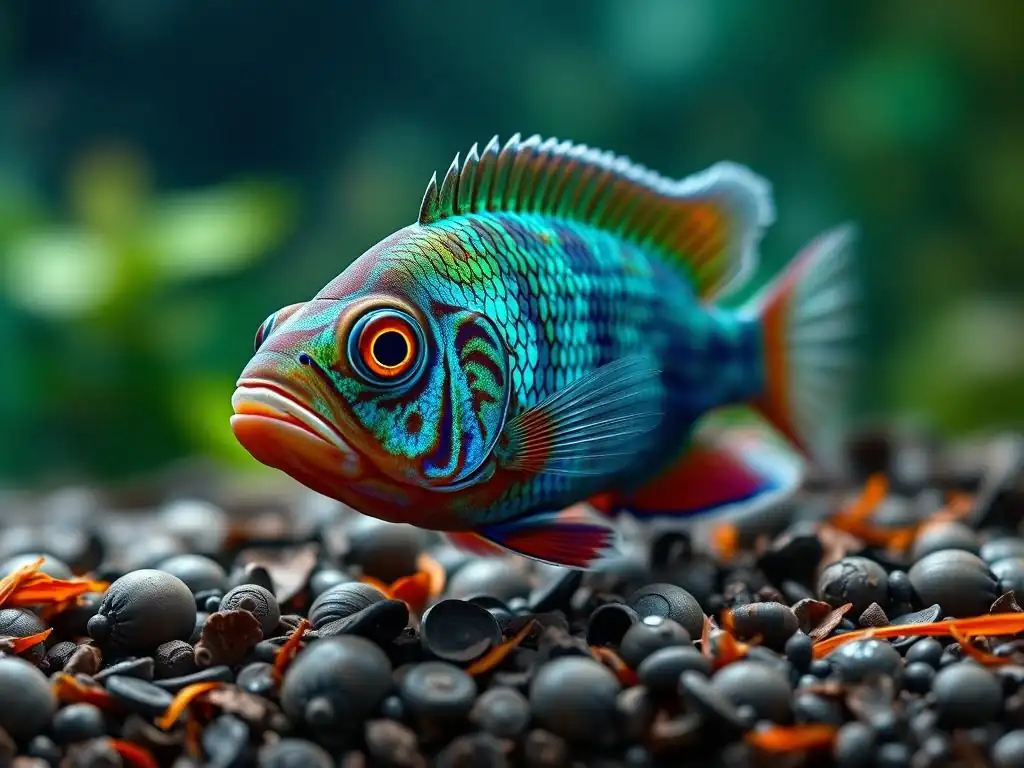
Choosing the Right Food for Optimal Health and Color
Providing a diverse and high-quality diet is crucial for the optimal health, vibrant coloration, and breeding success of dwarf cichlids in a community tank. Dwarf cichlids are primarily omnivores with a strong preference for meaty foods, reflecting their natural diet of small invertebrates and insect larvae. The base of their diet should consist of high-quality flake or small pellet foods specifically formulated for cichlids, which provide essential vitamins, minerals, and proteins.
To supplement their staple diet and enhance their coloration, offer a variety of frozen foods several times a week. Excellent choices include frozen bloodworms, brine shrimp, daphnia, and mysis shrimp. Live foods, such as blackworms, Grindal worms, or baby brine shrimp, can also be offered as occasional treats, particularly to condition breeding pairs. For example, feeding a mix of premium flakes daily, supplemented with frozen bloodworms and brine shrimp 3-4 times a week, will significantly boost the color intensity and overall vigor of German Blue Rams in a dwarf cichlid community tank, promoting their natural behaviors and robust health.
Feeding Strategies to Ensure Dwarf Cichlids Get Enough Food
In a dwarf cichlid community tank, competition for food can be a challenge, especially if you have faster-moving or more aggressive tank mates. Dwarf cichlids, particularly the Apistogramma species, can sometimes be shy or slower to react during feeding times, leading to them missing out on adequate nutrition. It is essential to employ specific strategies to ensure all your dwarf cichlids receive enough food for their health and well-being.
One effective strategy is to feed small amounts multiple times a day (e.g., 2-3 times) rather than one large feeding. This reduces the immediate competition and allows shyer fish more opportunities to eat. Target feeding, using a turkey baster or pipette to deliver food directly to their known hiding spots or territories, can be highly effective for ensuring that specific dwarf cichlids get their share.
Observe your fish carefully during feeding to confirm that all individuals, especially the more timid ones, are actively eating. For instance, if you have bottom-dwelling Corydoras, ensure they don't consume all the sinking pellets before the dwarf cichlids have a chance to feed, potentially by scattering food across a wider area.
Preventing Overfeeding in a Community Tank
Overfeeding is one of the most common pitfalls in any aquarium, and a dwarf cichlid community tank is no exception. While the desire to provide ample food for all inhabitants is understandable, overfeeding leads to several detrimental consequences for water quality and fish health. Uneaten food quickly decays, releasing ammonia and nitrites, which are toxic to fish. It also contributes to elevated nitrate levels and fosters unsightly algae blooms. Furthermore, chronic overfeeding can lead to digestive issues in fish, including bloating and fatty liver disease.
To prevent overfeeding, adhere to a simple rule: feed only what your fish can consume entirely within 2-3 minutes. If you see food particles lingering on the substrate or floating at the surface after this time, you are feeding too much. Promptly remove any uneaten food using a net or siphon to prevent it from decaying.
Regularly monitor your fish's body condition; they should have a slightly rounded belly after feeding but never appear bloated or distended. For example, if you typically feed a quarter-teaspoon of flakes, try reducing it by 10-15% and observe if all food is consumed efficiently within the dwarf cichlid community tank, adjusting as needed until no excess remains.
Breeding Dwarf Cichlids in a Community Aquarium (Considerations)
Creating Breeding Caves and Territories
While breeding dwarf cichlids in a community tank presents unique challenges, it is certainly possible with proper planning and provision of suitable environments. Most dwarf cichlids are cave spawners, meaning they prefer to lay their eggs on a hidden, vertical or inverted surface within a secluded space. Therefore, providing an abundance of appropriate breeding sites is crucial for encouraging spawning behavior and giving the parents a sense of security.
Ideal breeding sites include small, clean terracotta pots (often sold as "nano pots" or "shrimp caves"), half coconut shells with a single entrance, or natural rock caves formed by stacking smooth, non-porous rocks. Place several potential breeding sites throughout the tank, ensuring they are partially obscured by dense plant growth or large pieces of driftwood to enhance privacy.
For example, a pair of Kribensis cichlids might favor a small overturned clay pot measuring 4 inches (10 cm) in diameter, while an Apistogramma pair might prefer a tight crevice within a large, hollow driftwood piece. Offering multiple options increases the likelihood of a pair choosing a spot and feeling secure enough to spawn in your dwarf cichlid community tank.
Protecting Fry from Predators
A significant challenge when breeding dwarf cichlids in a community tank is the protection of their vulnerable fry from predation. In a mixed-species environment, nearly all other tank mates, including peaceful schooling fish like tetras, will readily consume newly hatched fry. Even the parent cichlids themselves, or other dwarf cichlids in the tank, may prey on the fry if conditions are stressful, the pair bond is weak, or if they are not experienced parents.
While complete protection is nearly impossible in a community setting, several strategies can increase fry survival rates. Dense planting, particularly fine-leaved plants like Java Moss ( Taxiphyllum barbieri) or Hornwort ( Ceratophyllum demersum), can provide critical hiding spots for the tiny fry. Creating multiple layers of cover with plants, driftwood, and rocks offers more escape routes.
Some hobbyists opt to use a breeding box or net breeder within the tank to isolate the fry, or, for higher survival rates, move the breeding pair or just the eggs/fry to a small, dedicated rearing tank. For instance, a pair of Rams might successfully hatch fry in a community tank, but without significant dense cover, the survival rate beyond the first few days can be as low as 5-10% due to predation from other fish.
Raising Dwarf Cichlid Fry in a Community Tank: Challenges and Solutions
Raising dwarf cichlid fry to maturity within a community tank presents numerous challenges beyond just predation. Competition for food is a major hurdle, as the tiny fry require very specific, microscopic foods (like infusoria or newly hatched brine shrimp) that larger tank mates will quickly consume. Additionally, maintaining the pristine water quality necessary for delicate fry, while simultaneously catering to the needs of the adult community, can be difficult. Fry are extremely sensitive to fluctuations in water parameters and elevated nitrates.
If you aim to raise fry in a dwarf cichlid community tank, a dedicated approach to feeding is essential. Provide a constant supply of microscopic foods, such as infusoria for the first few days, followed by newly hatched brine shrimp or microworms for several weeks. Feed tiny amounts frequently throughout the day (e.g., 4-6 times).
Perform very small, frequent water changes (e.g., 10% daily) to maintain pristine water quality without shocking the sensitive fry. Expect lower survival rates compared to a dedicated breeding and rearing setup. For example, successfully raising 15-20 Apistogramma fry to juvenile size in a 30-gallon community tank is considered a good outcome, whereas in a separate 10-gallon breeding tank, 50-70 fry might survive due to controlled conditions and targeted feeding.
Common Dwarf Cichlid Health Issues in Community Tanks
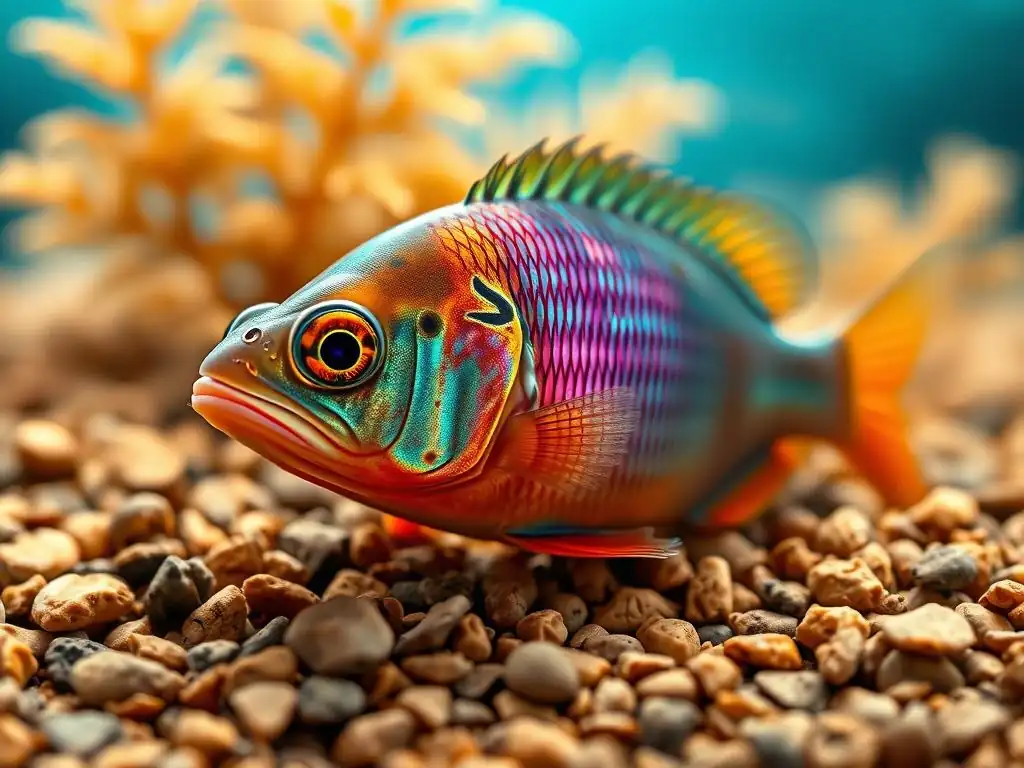
Recognizing Signs of Illness in Dwarf Cichlids
Early recognition of illness is crucial for successful treatment and preventing widespread disease in a dwarf cichlid community tank. Observing your fish daily allows you to establish a baseline for their normal behavior and appearance, making it easier to spot deviations. Signs of illness can manifest as behavioral changes, physical symptoms, or a combination of both.
Behavioral indicators often include lethargy, unusual hiding (more than typical shyness), rapid gill movement, flashing or rubbing against tank decor, loss of appetite, or abnormal swimming patterns (e.g., darting, listlessness). Physical symptoms might include clamped fins (held close to the body), faded or dulled coloration, white spots (Ich), cottony growths (fungus), frayed or rotting fins, bloating, sunken bellies, or visible lesions.
For example, a German Blue Ram that is normally active but suddenly hides behind a filter, refuses food for more than a day, and shows slightly dulled colors might be experiencing stress from deteriorating water quality or the early stages of an infection. Prompt action based on these observations can save lives in your dwarf cichlid community tank.
Treating Common Diseases: Ich, Fin Rot, and More
Dwarf cichlids in a community tank are susceptible to common freshwater diseases, often triggered by stress from poor water quality, incompatible tank mates, or sudden temperature fluctuations. Among the most prevalent are Ich (Ichthyophthirius multifiliis), Fin Rot, Columnaris (Cottonmouth disease), and various internal parasitic infections. Understanding how to identify and treat these ailments is vital for maintaining a healthy dwarf cichlid community tank.
Ich, characterized by small white spots resembling salt grains on the fish's body and fins, is often treated by slowly raising the water temperature to 82-84°F (28-29°C) over 24-48 hours and using an Ich medication containing malachite green or formalin. Fin Rot, which causes the edges of fins to appear ragged or eroded, typically responds well to broad-spectrum antibacterial medications combined with significant improvements in water quality.
Columnaris, appearing as white, cottony growths around the mouth or body, requires prompt treatment with specific antibacterial agents. Always remove activated carbon from the filter during medication, follow dosage instructions precisely, and perform a water change before and after treatment to protect all inhabitants of your dwarf cichlid community tank.
Preventing Disease Outbreaks in Your Community Tank
Preventing disease outbreaks is significantly more effective and less stressful than treating them in a dwarf cichlid community tank. A proactive approach focuses on minimizing stress factors and maintaining optimal environmental conditions, which naturally boost the fish's immune systems. The single most important preventative measure is consistent, pristine water quality. This is achieved through regular partial water changes, efficient filtration, and avoiding overfeeding. Stable water parameters (temperature, pH, hardness) are also crucial, as rapid fluctuations are major stressors.
Another critical preventative step is a strict quarantine protocol for all new fish, plants, or invertebrates before introducing them to your dwarf cichlid community tank. Quarantining new fish in a separate, dedicated tank for at least 2-4 weeks allows you to observe them for signs of illness and treat any potential pathogens without risking your main display tank.
During this period, feeding a high-quality, varied diet to all fish further strengthens their immune systems. For instance, a consistent weekly 25% water change in a 30-gallon tank, combined with proper feeding and new fish quarantine, can reduce disease incidence by over 70% compared to irregular maintenance, ensuring a robust and healthy dwarf cichlid community tank.
Troubleshooting Common Problems in Dwarf Cichlid Community Tanks
Aggression and Territorial Disputes
Even in a carefully planned dwarf cichlid community tank, aggression and territorial disputes can sometimes arise. While dwarf cichlids are generally less aggressive than their larger cousins, male-on-male aggression, particularly among Apistogramma species, or aggression from a breeding pair towards other tank inhabitants, is not uncommon. Insufficient hiding spots, overcrowding, an imbalanced male-to-female ratio (e.g., too many males for too few females), or simply a particularly dominant individual can exacerbate these issues.
To mitigate aggression, the primary solution is to enhance the aquascape by adding more visual barriers and hiding spots using additional plants, driftwood, or rock formations. This breaks up lines of sight and allows subdominant fish to retreat and feel secure.
Ensure the tank size is adequate for the number and species of dwarf cichlids you are housing; upgrading to a larger tank can significantly reduce stress. If a specific male is overly aggressive, consider adding more females if the species forms harems (like many Apistogramma) to diffuse aggression, or, as a last resort, rehoming the aggressor to maintain peace in your dwarf cichlid community tank.
Poor Water Quality and Algae Blooms
Poor water quality and persistent algae blooms are common, interconnected problems in aquariums, including a dwarf cichlid community tank. Poor water quality is often indicated by cloudy water, a persistent foul odor, or elevated levels of ammonia, nitrite, and especially nitrate. Algae blooms, which can appear as green water, green film on surfaces, or unsightly hair algae, are a direct symptom of nutrient imbalances (typically high nitrates and phosphates) combined with excessive light.
To remedy poor water quality, the most immediate and effective action is to increase the frequency and volume of water changes. For instance, if you normally do a 25% weekly change, temporarily switch to 50% twice weekly. Reduce overfeeding, as uneaten food is a primary source of pollutants.
Ensure your filter is clean, properly sized, and functioning efficiently. For algae blooms, reduce the duration of your tank lighting (aim for 8-10 hours daily, no more). Consider adding more fast-growing live plants to outcompete algae for nutrients in your dwarf cichlid community tank, and manually remove as much algae as possible during water changes.
Fin Nipping: Causes and Solutions in a Community Setting
Fin nipping, where one fish repeatedly bites the fins of another, can be a major source of stress, injury, and secondary infections in a dwarf cichlid community tank. While dwarf cichlids themselves are generally not fin nippers (unless in extreme aggression towards conspecifics), certain incompatible tank mates are notorious for this behavior. Long-finned species, such as male Guppies or certain Betta varieties, are particularly vulnerable targets.
To address fin nipping, the first step is careful observation to identify the culprit. If it's a known fin-nipping species (e.g., Tiger Barbs, Serpae Tetras), the most effective solution is often to rehome them. Ensure there are ample hiding spots and visual barriers in the tank, allowing the victimized fish to escape and find refuge.
Sometimes, increasing the school size of the fin-nipping species (e.g., increasing a school of Cherry Barbs from 5 to 10) can help diffuse their aggression among themselves rather than directing it at other fish, making your dwarf cichlid community tank more harmonious. Monitor the nipped fish for signs of infection and treat with appropriate antibacterial medication if necessary.
The Ultimate Guide to a Successful Dwarf Cichlid Community Tank
Recap of Key Considerations for Success
Achieving lasting success with a dwarf cichlid community tank hinges on a harmonious blend of careful planning, meticulous setup, and consistent maintenance. The core principles for a thriving environment include selecting an appropriately sized aquarium, ideally 30 gallons or larger, to provide ample space for territorial establishment and swimming. Meticulous aquascaping, incorporating abundant live plants, driftwood, and rocks, is crucial for creating essential visual barriers and numerous hiding spots, which are vital for mitigating aggression and providing security for these naturally territorial fish.
Furthermore, the careful selection of compatible tank mates—peaceful, non-fin-nipping species that occupy different water columns—is fundamental to preventing conflict and ensuring a stress-free environment. Above all, unwavering commitment to pristine water quality through consistent and regular water changes, coupled with efficient filtration, is the bedrock of dwarf cichlid health. Remember that while "dwarf," these fish are still cichlids with inherent behaviors; understanding and accommodating their needs for soft, acidic water and diverse meaty diets will lead to a vibrant and truly peaceful dwarf cichlid community tank.
Continuing Your Dwarf Cichlid Journey
The journey of keeping a dwarf cichlid community tank is one of continuous learning, observation, and immense reward. Each aquarium is a unique ecosystem, and your ability to observe the subtle cues from your fish—their behavior, coloration, and interactions—will allow you to adapt and optimize their environment for long-term health and enjoyment. This ongoing engagement fosters a deeper understanding of aquatic life and the delicate balance required to maintain it.
As you gain experience and confidence, you might find yourself exploring more challenging Apistogramma species with specific water parameter requirements, or perhaps delving deeper into the intricacies of breeding and raising dwarf cichlid fry. The rewards of a flourishing dwarf cichlid community tank are immense, offering not only a constantly evolving display of vibrant colors and fascinating behaviors but also a peaceful and captivating slice of the Amazon or African rivers brought directly into your home. Embrace the process, enjoy the beauty, and continue to learn from your aquatic companions.
Frequently Asked Questions
What are dwarf cichlids, and why are they popular for community tanks?
Dwarf cichlids are smaller, less aggressive cichlid species ideal for community tanks due to their manageable size and (relatively) peaceful temperament. They add vibrant color and interesting behavior to a freshwater aquarium.
What tank size is recommended for a dwarf cichlid community tank?
A tank size of at least 20 gallons is recommended, but 30 gallons or more is preferable. This provides adequate space for the cichlids to establish territories and reduces the risk of aggression.
What are some good tank mates for dwarf cichlids in a community tank?
Suitable tank mates include peaceful fish like tetras, rasboras, corydoras catfish, and hatchetfish. Avoid fin-nipping species or larger, more aggressive fish that could bully the cichlids.
What are the key water parameters to maintain in a dwarf cichlid community tank?
Maintaining stable water parameters is crucial. The ideal range generally includes a pH between 6.0 and 7.5, a temperature between 72-82°F, and regular water changes to keep nitrates low.
What are some common challenges when keeping dwarf cichlids in a community tank, and how can they be addressed?
One challenge is aggression during breeding. Providing plenty of hiding places like caves and plants can minimize this. Also, ensure adequate filtration to maintain water quality and prevent disease.
Final Reflection: Cultivating Harmony in Miniature
The journey into creating a thriving dwarf cichlid community tank, as we've explored, is more than just assembling fish; it's about crafting a balanced ecosystem. The principles of careful selection, meticulous planning, and consistent observation, while specific to aquariums, resonate deeply in our increasingly interconnected world. Understanding the delicate balance of power and the importance of creating space for individual needs is paramount, not just for our fish, but for fostering healthy communities in all aspects of our lives. The lessons learned in nurturing these miniature aquatic worlds offer valuable insights into building harmonious relationships and managing complex systems.
This exploration has underscored the enduring appeal of the natural world and its capacity to teach us about ourselves. The dedication required to maintain a successful dwarf cichlid community tank mirrors the commitment needed to cultivate meaningful connections and navigate the complexities of human interaction. It reminds us that patience, empathy, and a willingness to adapt are essential for fostering growth and preventing conflict. In the end, we will conserve only what we love; we will love only what we understand; and we will understand only what we are taught.
- Baba Dioum. This quote encapsulates the essence of our journey: understanding leads to appreciation, and appreciation fuels our desire to protect and nurture.
Now, as you consider the vibrant tapestry of life within a dwarf cichlid community tank, I invite you to reflect on the communities you inhabit. How can you apply the principles of balance, respect, and thoughtful planning to create a more harmonious environment in your own life? Embrace the challenge of fostering understanding and creating space for diverse perspectives, and you'll find that the rewards, like a thriving aquarium, are immeasurable. Let the lessons learned from these tiny aquatic worlds inspire you to cultivate peace and harmony in the larger world around you.
Unveil Your Dream Cichlid Tank!
Thank you for diving into the world of dwarf cichlids! We hope you’ve gained valuable insights to create a harmonious community tank. Now, let's turn that knowledge into action and watch your aquarium thrive.
Here are a few next steps you can take:
- Start planning your tank design. Carefully consider rock placement, plant selection, and hiding spots to mimic a natural habitat and reduce aggression.
- Share this article with fellow aquarium enthusiasts who might be struggling with their cichlid communities. Let's build a community of successful keepers!
- Research a new, compatible species of fish to add to your community tank.
What's one unique decoration or plant you're considering to enhance the tranquility of your dwarf cichlid tank?