
Balloon Molly Quirks: Understanding Their Unique Needs & Charm

Welcome to Aquarium Mastery, fellow aquarist!
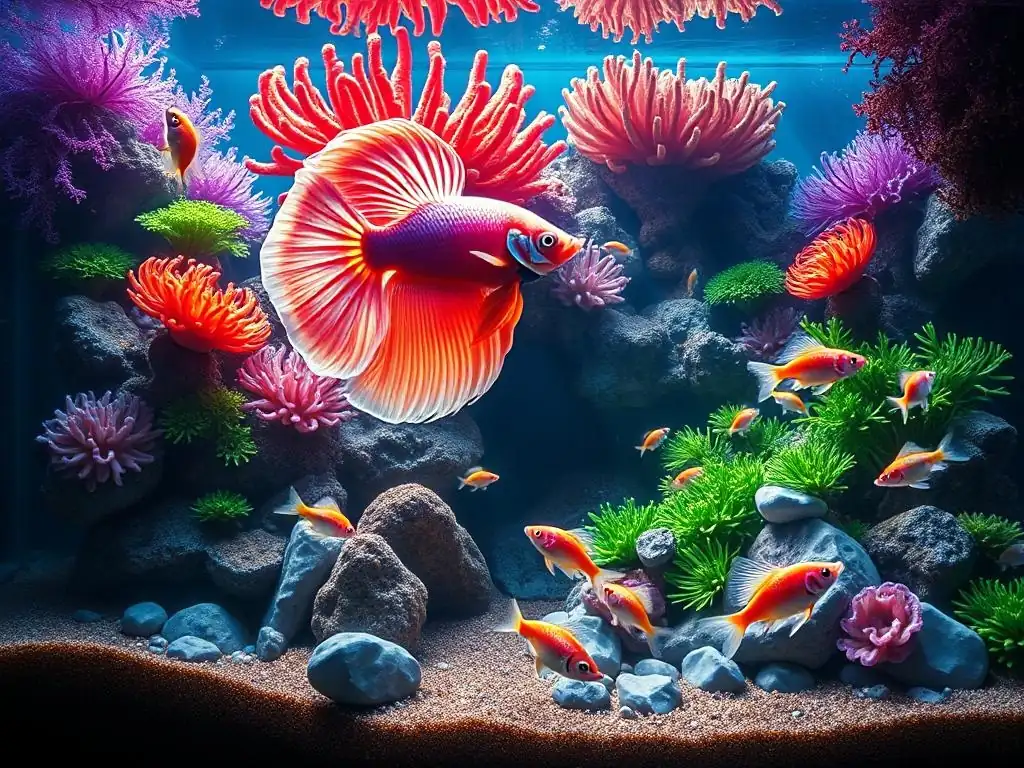
Ever wondered about those adorably round fish that seem to bounce through your aquarium? We're diving deep into the captivating world of Balloon Mollies! Discover the essential Balloon Molly care tips you need to ensure these charming fish thrive in your freshwater haven. Prepare to unlock the secrets to their unique needs and learn how to keep them happy and healthy – are you ready to meet the challenge? Let's get started!
- Introduction to Balloon Mollies: A Unique Addition to Your Aquarium
- Understanding Balloon Molly Care: Essential Tips for a Thriving Tank
- Specific Considerations for Balloon Molly Health and Wellbeing
- Balloon Molly Tank Mates: Choosing Compatible Companions
- Breeding Balloon Mollies: A Guide to Successful Reproduction
- Balloon Molly Color Variations and Genetics
- Advanced Balloon Molly Care Tips: Maximizing Lifespan and Vitality
- Conclusion: Mastering Balloon Molly Care for a Rewarding Aquarium Experience
- Frequently Asked Questions
- Final Reflection: Embracing the Uniqueness of Life
- Ignite Your Balloon Molly Journey!
Introduction to Balloon Mollies: A Unique Addition to Your Aquarium
What Makes Balloon Mollies Special? Identifying Key Characteristics
Balloon mollies are a captivating variant of the Poecilia sphenops or Poecilia latipinna species, selectively bred for their distinct, rounded body shape that gives them their namesake "balloon" appearance. Unlike their sleeker, torpedo-shaped mollie relatives, these fish possess a compressed, almost spherical torso, which significantly impacts their internal organ placement and swimming mechanics. This unique genetic trait results in a shorter spine and a compact arrangement of their vital organs, making them stand out dramatically in any freshwater aquarium.
Beyond their unusual silhouette, balloon mollies exhibit the vibrant coloration and active demeanor characteristic of their mollie ancestry. They come in an impressive array of hues, from solid blacks and golds to striking dalmatian patterns, often paired with flowing fins that add to their visual appeal. Their active swimming, albeit with a more undulating motion than standard mollies, combined with their generally peaceful nature, makes them a popular choice for aquarists seeking an unconventional yet charming addition to their community tanks.
Balloon Molly Charm: Why Aquarists Love These Unusual Fish
The primary allure of balloon mollies lies undeniably in their distinctive, almost comical body shape, which instantly draws the eye and adds a unique aesthetic to an aquarium. Their compact form and often exaggerated finnage create a delightful visual contrast to more conventionally shaped fish, sparking curiosity and admiration among viewers. This unusual appearance is a significant factor in why many aquarists specifically seek out these fish, eager to include their quirky charm in their aquatic displays.
Furthermore, balloon mollies are generally active and engaging fish, constantly exploring their environment and interacting with tank mates, which contributes to a dynamic and lively aquarium. While their unique anatomy does necessitate specific Balloon Molly care tips to ensure their well-being, their overall hardiness and adaptability to a range of freshwater conditions (especially harder, alkaline water) make them accessible to aquarists of varying experience levels. The blend of their unusual looks, active behavior, and relative ease of care, when understood, solidifies their position as beloved inhabitants of many home aquariums.
Understanding Balloon Molly Care: Essential Tips for a Thriving Tank
Optimal Tank Setup for Balloon Mollies: Creating the Ideal Environment
Setting up the right environment is fundamental to the health and longevity of balloon mollies. Due to their active nature and the waste they produce, a minimum tank size of 10 gallons is recommended for a small group of 3-4 fish, though a 20-gallon tank or larger is strongly preferred to provide ample swimming space and greater water stability. A fine gravel or sand substrate is suitable, and robust filtration, such as a hang-on-back (HOB) filter or a small canister filter, is crucial to manage their bioload effectively and maintain pristine water quality.
Live plants are highly beneficial for balloon mollies, offering not only aesthetic appeal but also vital hiding spots and contributing to water quality by absorbing nitrates. Hardy plants like Java Fern, Anubias, Hornwort, and various types of Cryptocoryne are excellent choices. Additionally, provide some driftwood or smooth rocks to create a varied landscape with areas for exploration and refuge. Ensuring the tank is fully cycled before introducing any fish is paramount, as it establishes the beneficial bacteria needed to process harmful ammonia and nitrites, laying the groundwork for successful Balloon Molly care.
Water Parameters for Balloon Mollies: Maintaining Stability and Health
Maintaining stable and appropriate water parameters is perhaps the most critical aspect of Balloon Molly care tips. These fish thrive in warm, slightly alkaline to hard freshwater, mimicking their natural brackish water origins. The ideal water temperature range is between 72-82°F (22-28°C).
A pH level of 7.0 to 8.5 is preferred, and water hardness (GH) should be in the range of 10-25 dGH. Mollies, including the balloon variety, can also tolerate a small amount of aquarium salt, typically about 1 teaspoon per 5 gallons of water, which can aid their slime coat and overall health, though it's not strictly necessary in hard, alkaline freshwater.
Regular water testing is essential to monitor ammonia, nitrite, and nitrate levels. Ammonia and nitrite should always be at 0 ppm, while nitrates should be kept below 20 ppm through consistent maintenance. Weekly partial water changes of 25-30% are vital to dilute accumulating nitrates and replenish essential minerals, preventing the buildup of toxins that can stress fish and lead to disease. Consistent attention to these water parameters is a cornerstone of effective Balloon Molly care, ensuring a healthy and stress-free environment for these unique fish.
Balloon Molly Diet and Feeding: Nutritional Needs for a Healthy Life
Balloon mollies are omnivores with a significant need for plant-based matter in their diet, a key consideration for optimal Balloon Molly care. Their staple diet should consist of a high-quality flake or pellet food specifically formulated for omnivorous community fish, ensuring it contains a good balance of protein and vegetable content. To supplement this, offer a variety of live or frozen foods such as brine shrimp, bloodworms, and daphnia a few times a week. These provide essential proteins and fats, contributing to their vitality and vibrant coloration.
Crucially, their diet must also include ample vegetable matter. Spirulina flakes, blanched zucchini, cucumber slices, or shelled peas are excellent additions and should be offered regularly, perhaps every other day. Mollies are known to graze on algae, so a tank with some natural algae growth can also provide supplementary nutrition.
Feed small amounts 2-3 times a day, only what they can consume within 2-3 minutes, to prevent overfeeding and the associated water quality issues. A diverse and balanced diet is paramount not only for their growth and color but also for preventing common digestive issues exacerbated by their unique body shape.
Specific Considerations for Balloon Molly Health and Wellbeing
Addressing Common Health Issues in Balloon Mollies: Prevention and Treatment
Like all freshwater fish, balloon mollies are susceptible to common aquarium ailments such as Ich (white spot disease), fungal infections, and various bacterial infections. The best defense against these issues is proactive prevention through excellent Balloon Molly care tips: maintaining stable, pristine water parameters, providing a nutritious and varied diet, and avoiding overcrowding in the tank. Quarantining new fish for at least two weeks before introducing them to the main aquarium is also a critical step to prevent the introduction of pathogens.
Should an illness occur, early detection is key to successful treatment. Symptoms like clamped fins, lethargy, loss of appetite, or visible spots/growths warrant immediate attention. For common ailments like Ich, increasing water temperature slightly (to 82-84°F, or 28-29°C) and adding aquarium salt can often be effective, alongside specific medications if necessary. Bacterial and fungal infections often require targeted antibacterial or antifungal treatments, which should be administered according to product instructions. Always ensure proper diagnosis before treatment to avoid unnecessary stress or incorrect medication.
Understanding and Preventing Balloon Molly Swim Bladder Issues
One of the most prevalent and concerning health issues for balloon mollies is swim bladder disorder, a condition directly linked to their selectively bred, compressed body shape. Their shortened spine and crowded internal organs can put undue pressure on the swim bladder, an organ vital for buoyancy control. When affected, a fish may struggle to swim normally, appearing to float uncontrollably, sink to the bottom, or swim upside down. This condition can be caused by a combination of factors, including bacterial infections, physical injury, and notably, digestive issues like constipation or overfeeding.
Preventing swim bladder problems in balloon mollies is a critical aspect of their specialized care. A high-fiber diet, including blanched shelled peas or spirulina, can significantly aid digestion and prevent constipation. Avoiding overfeeding and ensuring regular, small meals rather than large, infrequent ones also reduces strain on their digestive system. Should symptoms appear, a common initial treatment involves fasting the fish for 1-2 days, followed by feeding blanched shelled peas. Maintaining impeccable water quality is also paramount, as poor conditions can exacerbate stress and bacterial infections that lead to swim bladder issues.
The Impact of Body Shape on Balloon Molly Health: Minimizing Risks
The defining "balloon" body shape of these mollies, while aesthetically pleasing, inherently poses certain health challenges that require specific attention in Balloon Molly care. The compressed nature of their body cavity means that their internal organs, including the digestive tract and swim bladder, are more tightly packed than in standard mollies. This anatomical difference can lead to a predisposition for digestive problems, such as constipation, and the aforementioned swim bladder disorders, which can severely impact their ability to swim and digest food properly.
Furthermore, their unique body structure can also limit their swimming stamina compared to their sleeker relatives. While they are active, prolonged periods of high-speed swimming or navigating strong currents can be more taxing for them. Therefore, providing ample open swimming space within the aquarium, alongside areas for rest and refuge, is crucial. Aquarists must be particularly diligent with their feeding practices and water quality management to mitigate the risks associated with their body shape, ensuring these charming fish can live out their full lifespan, typically around 3-5 years, in comfort.
Balloon Molly Tank Mates: Choosing Compatible Companions
Ideal Tank Mates for Balloon Mollies: Creating a Peaceful Community
Choosing appropriate tank mates is a vital component of comprehensive Balloon Molly care tips, ensuring a harmonious and stress-free environment for these unique fish. Ideal companions are peaceful, similarly sized fish that thrive in comparable water parameters (hard, alkaline freshwater). Excellent choices include other livebearers such as Guppies, Platies, and Swordtails, as they share similar needs and temperaments. These fish are generally non-aggressive and enjoy the same water conditions.
Other suitable tank mates might include various Corydoras catfish species, which are peaceful bottom dwellers, and Bristlenose Plecos, which help with algae control without bothering other fish. Larger, peaceful tetras like Black Skirt Tetras or Lemon Tetras, and certain peaceful barb species such as Cherry Barbs, can also coexist well. Dwarf Gouramis are another option, provided they are not overly aggressive. The key is to select fish that will not nip fins, compete aggressively for food, or pose a threat due to size or aggression, allowing your balloon mollies to swim and thrive without undue stress.
Fish to Avoid: Incompatible Tank Mates for Balloon Mollies
To prevent stress, injury, and disease, certain fish species should be strictly avoided as tank mates for balloon mollies. Highly aggressive or predatory fish are unsuitable, as they can intimidate, injure, or even consume balloon mollies. This includes most larger cichlid species (with the exception of some dwarf cichlids, which still require careful consideration), aggressive barbs like Tiger Barbs (known fin nippers), and any large predatory fish that could view a balloon molly as prey.
Additionally, fish that require vastly different water parameters are incompatible. For instance, fish that prefer very soft, acidic water would not thrive in the harder, alkaline conditions that mollies need, leading to chronic stress and health issues for one or both species. Fin-nipping species are particularly problematic for balloon mollies, whose slower swimming due to their body shape makes them more vulnerable to having their fins damaged. Avoiding these incompatible species is a crucial step in ensuring the long-term well-being and peaceful coexistence of your balloon mollies.
Breeding Balloon Mollies: A Guide to Successful Reproduction
Creating a Breeding Environment for Balloon Mollies: Encouraging Reproduction
Balloon mollies, like all mollies, are prolific livebearers, meaning they give birth to live, free-swimming fry rather than laying eggs. Breeding them is relatively straightforward, often occurring naturally in a well-maintained community tank. To encourage reproduction and ensure the health of the breeding pair, it's advisable to maintain a ratio of one male to two or three females. Males are easily identified by their modified anal fin, called a gonopodium, used for reproduction, while females have a fan-shaped anal fin.
For optimal fry survival, a separate breeding tank of 5-10 gallons is often recommended, especially if you wish to raise a significant number of offspring. This tank should be heavily planted with dense vegetation like Java Moss or Hornwort, providing ample hiding spots for the fry immediately after birth. Females will develop a noticeable "gravid spot" near their anal fin as they become pregnant, and their abdomen will swell significantly. The gestation period typically lasts between 30 to 45 days, after which the female will give birth to live fry.
Caring for Balloon Molly Fry: Ensuring a High Survival Rate
Once the balloon molly fry are born, their survival rate largely depends on the environment and the care they receive. Molly parents, like many livebearers, are opportunistic and may eat their own fry. Therefore, if breeding in a community tank, providing dense plant cover is crucial for the fry to hide. In a dedicated breeding tank, it's best to remove the adult female immediately after she gives birth to prevent her from preying on her offspring.
Balloon molly fry are born relatively large and are immediately free-swimming. They require frequent feedings of finely crushed high-quality flake food, specialized fry food, or newly hatched brine shrimp nauplii, several times a day (e.g., 3-5 times). Their small size means they need constant access to food to fuel their rapid growth.
Maintaining impeccable water quality through small, frequent water changes (e.g., 10-15% every other day) is also vital, as fry are particularly sensitive to ammonia and nitrite. With proper care, a single female can produce anywhere from 20 to over 100 fry per batch, ensuring a continuous supply of these charming fish.
Balloon Molly Color Variations and Genetics
Exploring Different Balloon Molly Colors: From Gold to Dalmatian
Balloon mollies boast an astonishing diversity in coloration, a testament to years of selective breeding that has resulted in a palette of vibrant hues and patterns. Beyond the classic black and silver, aquarists can find striking gold balloon mollies, which shimmer with metallic brilliance, or pure white variants that stand out starkly against tank decor. The popular Dalmatian balloon molly features irregular black spots on a silver or white base, creating a unique, speckled appearance that mimics its canine namesake.
Other common color variations include bright oranges, reds, and even sunset mollies, which display a gradient of orange and yellow often accompanied by black fins. There are also marble patterns, which combine various colors in swirling designs, and lyretail versions that possess elongated, flowing fins, adding another layer of visual appeal. Despite their varied appearances, all these color morphs share the characteristic "balloon" body shape and require the same fundamental Balloon Molly care tips to thrive, making them a consistently delightful addition to any freshwater setup.
Understanding the Genetics Behind Balloon Molly Appearance
The unique "balloon" body shape of these mollies is a result of specific genetic mutations that have been selectively bred and fixed over generations. While the exact genetic mechanism can be complex, it's believed to involve a polygenic trait or a dominant gene with modifying factors that shorten the spine and compress the body. When a balloon molly is bred with a regular molly, the offspring in the first generation often exhibit an intermediate body shape, or sometimes revert closer to the regular molly form, indicating the intricate inheritance patterns involved.
Similarly, the myriad color variations seen in balloon mollies are also genetically determined. Traits like black coloration (melanism), albinism, and various patterns (like Dalmatian spotting) are inherited through dominant, recessive, or co-dominant genes. For instance, the gene for black coloration in mollies is often dominant, meaning only one copy is needed for the fish to display the black phenotype. Understanding these basic genetic principles allows breeders to selectively pair fish to produce desired color morphs and maintain the distinct balloon shape, continually expanding the aesthetic diversity available within this popular freshwater species.
Advanced Balloon Molly Care Tips: Maximizing Lifespan and Vitality
Optimizing Water Quality for Balloon Mollies: Going Beyond the Basics
For aquarists seeking to maximize the lifespan and vitality of their balloon mollies, optimizing water quality goes beyond routine checks. Implementing advanced filtration methods, such as utilizing a canister filter with multiple media types (mechanical, chemical like activated carbon, and extensive biological media like bio-rings), can significantly enhance water purity and stability. Regular, weekly testing for not just ammonia, nitrite, and nitrate, but also pH, general hardness (GH), and carbonate hardness (KH) provides a comprehensive understanding of your water chemistry.
For mollies that prefer harder, more alkaline water, consider using specific GH/KH boosters if your tap water is naturally soft or acidic. This ensures the water parameters are consistently within their preferred range, reducing osmotic stress. Furthermore, a well-planted tank with a variety of fast-growing live plants like Hornwort or Water Wisteria can act as a natural nitrate filter, further contributing to pristine water conditions. Consistent gravel vacuuming to remove accumulated detritus and a diligent filter cleaning schedule are also crucial advanced Balloon Molly care tips that prevent the buildup of harmful compounds and support a thriving aquatic environment.
Enriching the Tank Environment: Providing Stimulation and Reducing Stress
Providing an enriched tank environment is paramount for the long-term health and vitality of balloon mollies, helping to reduce stress and encourage natural behaviors. Beyond basic decor, consider varying the landscape within the tank, creating distinct zones with open swimming areas, dense plant cover for hiding, and interesting structures like driftwood or smooth rocks for exploration. A gentle water current, created by filter outflow or a small powerhead, can also provide beneficial exercise and mimic natural flowing waters, without being so strong as to exhaust their unique body shape.
Balloon mollies are social creatures and thrive when kept in groups of at least three to four, preferably more, as this reduces individual stress and encourages natural schooling behaviors. Rotating their diet with different high-quality foods not only ensures complete nutrition but also provides novel feeding experiences. Regular observation of their behavior, noting any changes in activity levels or appetite, allows for early detection of potential issues. These advanced Balloon Molly care tips contribute significantly to their overall well-being, promoting a longer, healthier, and more active life for these charming fish.
Conclusion: Mastering Balloon Molly Care for a Rewarding Aquarium Experience
Mastering Balloon Molly care is a rewarding endeavor that transforms a simple fish-keeping hobby into a deeper understanding of aquatic life. Their distinctive "balloon" body shape, while undeniably charming, necessitates specific attention to their environment, diet, and potential health vulnerabilities, particularly concerning swim bladder issues. By providing a spacious, well-filtered aquarium with warm, hard, and alkaline water, coupled with a varied, high-fiber diet, aquarists can mitigate many of these risks.
Choosing peaceful, compatible tank mates and understanding their prolific breeding habits further contributes to a harmonious community. Whether you're drawn to their vibrant colors, from gold to dalmatian, or their unique, endearing swimming style, the dedicated application of these Balloon Molly care tips will ensure these fascinating fish not only survive but truly thrive. The result is a vibrant, active, and endlessly charming addition to your freshwater aquarium, offering years of enjoyment and a testament to meticulous aquatic husbandry.
Frequently Asked Questions
How often should I feed my Balloon Mollies?
Balloon Mollies should be fed small amounts two to three times daily. Ensure they consume all food within two minutes to avoid overfeeding and water pollution.
What are the ideal water parameters for Balloon Mollies?
Balloon Mollies thrive in slightly alkaline water, with a pH between 7.0 and 8.0. Maintain a temperature between 72-78°F (22-26°C) and ensure good water quality through regular water changes.
What tank size is recommended for a group of Balloon Mollies?
A minimum tank size of 20 gallons is recommended for a small group of 3-4 Balloon Mollies. Larger tanks are preferable to allow for ample swimming space and to maintain stable water parameters.
What are some common health issues affecting Balloon Mollies?
Balloon Mollies are prone to swim bladder issues due to their compressed body shape. Other common issues include ich, fin rot, and other stress-related diseases that can be mitigated through proper care and water quality.
What tankmates are suitable for Balloon Mollies?
Balloon Mollies are generally peaceful and can coexist with other peaceful community fish. Avoid aggressive or fin-nipping species. Good tankmates include other mollies, platies, corydoras catfish, and peaceful tetras.
Final Reflection: Embracing the Uniqueness of Life
The journey into understanding the quirks of Balloon Mollies, as we've explored, isn't just about aquarium keeping; it's a microcosm of our broader appreciation for diversity and the individual needs of living beings. The specific care tips we've discussed highlight the importance of attentive observation and tailored environments, principles that resonate far beyond the confines of a fish tank.
This exploration has underscored how even seemingly small creatures can enrich our lives and teach us valuable lessons about empathy and responsibility. The dedication required to provide optimal Balloon Molly care mirrors the dedication we should strive for in all our relationships, both human and otherwise. The greatness of a nation and its moral progress can be judged by the way its animals are treated.
- Mahatma Gandhi. This quote reminds us that our interactions with all living things reflect our own humanity.
Now, consider how you can apply these principles of attentive care and appreciation for uniqueness in your own life. Whether it's nurturing a plant, supporting a friend, or simply being more mindful of the world around you, remember the lessons learned from the Balloon Molly. Let their delicate charm inspire you to cultivate a more compassionate and understanding approach to all that you encounter.
Ignite Your Balloon Molly Journey!
Thank you for exploring the captivating world of Balloon Mollies with us! Now that you understand their unique charm and specific needs, it's time to translate that knowledge into action.
- Dive deeper by creating the ideal environment for your Balloon Mollies: Re-evaluate your tank's setup to ensure it meets their needs for space, water quality, and suitable tank mates.
- Share your newfound Balloon Molly wisdom! Spread the word on social media or aquarium forums to help other enthusiasts care for these adorable fish.
- Consider joining a local aquarium club or online community to connect with fellow Balloon Molly lovers and exchange experiences.
What specific change will you make to your aquarium setup this week to better support your Balloon Mollies?