
Substrate Secrets for Butterflyfish: Choosing the Right Foundation

Welcome to Aquarium Mastery!
Ever wondered if your butterflyfish are truly thriving in their environment? The secret might be beneath their fins! Dive into "Substrate Secrets for Butterflyfish: Choosing the Right Foundation" and unlock the keys to creating the perfect habitat. Discover essential butterflyfish substrate care tips and learn how the right foundation can dramatically impact their health and happiness. Ready to build a better home for your finned friends? Let's get started!
- Substrate Selection for Butterflyfish Aquariums
- Understanding Butterflyfish Substrate Needs for Optimal Health
- Types of Substrate Suitable for Butterflyfish Tanks
- Substrate Depth and Grain Size: Finding the Right Balance
- Substrate Care Tips: Maintenance and Cleaning
- Substrate and Compatible Tank Mates
- Setting Up Your Tank: A Step-by-Step Substrate Guide
- Troubleshooting Common Substrate-Related Issues
-
Frequently Asked Questions
- What type of substrate is best for Butterflyfish aquariums?
- Why is substrate choice important for Butterflyfish?
- How often should I clean the substrate in my Butterflyfish tank?
- What are some common issues related to substrate in Butterflyfish tanks?
- Can I use crushed coral substrate for Butterflyfish?
- Final Reflection: Cultivating Underwater Harmony
- Dive Deeper: Transform Your Butterflyfish Tank Today!
Substrate Selection for Butterflyfish Aquariums
Understanding Butterflyfish Substrate Needs for Optimal Health
The Importance of Substrate in Butterflyfish Aquariums
Substrate in a Butterflyfish aquarium serves multiple critical functions beyond mere aesthetics. It provides a vast surface area for beneficial nitrifying bacteria to colonize, playing a vital role in the biological filtration process. These bacteria convert harmful ammonia and nitrites, byproducts of fish waste and decaying food, into less toxic nitrates, which are then removed through water changes or further denitrified in specialized systems. A well-chosen and properly maintained substrate is therefore foundational to maintaining the stable water parameters essential for the delicate health of Butterflyfish.
Furthermore, the right substrate can significantly contribute to the psychological well-being of Butterflyfish. While these are primarily open-water swimmers, a natural-looking substrate mimics their native reef environment, reducing stress and encouraging more natural behaviors. It can also provide a visual anchor for the tank, making the fish feel more secure and less exposed, which is particularly important for species that can be sensitive to environmental stressors. Effective Butterflyfish substrate care tips ensure this crucial element supports a thriving habitat.
How Substrate Affects Water Quality
The type of substrate directly impacts water chemistry, especially in saltwater aquariums housing Butterflyfish. Calcareous substrates like aragonite sand or crushed coral are composed primarily of calcium carbonate, which slowly dissolves over time, releasing calcium and carbonate ions into the water. This process helps to buffer the pH, maintaining it within the ideal range of 8.1 to 8.4, and contributes to the alkalinity (kH), typically aiming for 8-12 dKH. These stable parameters are paramount for Butterflyfish, preventing harmful pH swings that can lead to stress and disease.
Conversely, if not properly managed, substrate can also negatively affect water quality. Fine substrates, if too deep or insufficiently cleaned, can trap detritus and create anaerobic (oxygen-deprived) pockets. In these areas, harmful gases like hydrogen sulfide can be produced, which are highly toxic to fish. Accumulated organic matter also breaks down, releasing nitrates and phosphates, contributing to excessive algae growth and degrading overall water quality. Implementing diligent Butterflyfish substrate care tips, such as regular siphoning, is crucial to mitigate these risks.
Butterflyfish Behavior and Substrate Interaction
Butterflyfish, belonging to the family Chaetodontidae, are generally active, free-swimming fish that spend most of their time in the water column, often picking at live rock or coral. Unlike some bottom-dwelling species, they do not typically burrow or sift through the substrate extensively. However, a suitable substrate still offers psychological comfort and a natural base for their environment. The presence of a light-colored, fine sand can visually enhance their vibrant coloration and provide a natural backdrop against which they can display their full beauty.
While direct interaction with the substrate is minimal for most Butterflyfish, some species might occasionally graze for micro-organisms or detritus on the surface. For instance, certain species might subtly "peck" at the sand bed, though this is not their primary feeding method. Therefore, the substrate should be clean and inert, or beneficial in its buffering capacity, without posing any risk of abrasive injury or harboring excessive nuisance organisms. Understanding these subtle interactions is part of providing comprehensive Butterflyfish substrate care tips.
Types of Substrate Suitable for Butterflyfish Tanks
Aragonite Sand: A Natural Choice for Butterflyfish
Advantages of Aragonite Sand for Butterflyfish
Aragonite sand is widely regarded as an excellent choice for Butterflyfish aquariums due to its natural composition and beneficial properties. Composed of calcium carbonate, aragonite inherently contributes to the stability of water chemistry by providing a natural buffering capacity. It helps maintain the crucial pH range of 8.1-8.4 and supports alkalinity (kH) levels, typically in the 8-12 dKH range, which are vital for the health of saltwater inhabitants. This natural buffering can reduce the frequency of needing to dose alkalinity supplements, depending on the tank's bioload and coral demands.
Furthermore, aragonite sand offers a natural aesthetic that closely mimics the sandy bottoms found in many coral reef environments, providing a visually comforting and authentic habitat for Butterflyfish. Its fine grain size, typically ranging from 0.5 mm to 2 mm, is gentle on the fish and any bottom-dwelling invertebrates that might be compatible. This fine texture also allows for good biological filtration in the upper layers and can support a healthy population of beneficial microfauna.
Disadvantages of Aragonite Sand and Mitigation Strategies
Despite its advantages, aragonite sand does present some challenges. Its fine grain size can make it prone to compaction, leading to the formation of anaerobic pockets if not regularly disturbed. These pockets can release toxic hydrogen sulfide gas, posing a significant threat to Butterflyfish health. Additionally, detritus, such as uneaten food and fish waste, can easily settle and become trapped within the fine grains, contributing to elevated nitrate and phosphate levels if not siphoned out regularly.
To mitigate these issues, consistent Butterflyfish substrate care tips are essential. Regular light siphoning of the sand bed, especially during water changes, helps remove trapped detritus and prevents compaction. Introducing sand-sifting invertebrates, such as Nassarius snails or certain species of gobies (if compatible with Butterflyfish), can naturally aerate the top layers of the sand. Ensuring adequate, but not excessive, water flow across the sand bed can also help prevent detritus from settling in dead spots.
Crushed Coral: Buffering Capacity and Butterflyfish
Benefits of Crushed Coral Substrate for Reef Tanks with Butterflyfish
Crushed coral, another popular substrate option for saltwater tanks, is essentially fragmented pieces of coral skeletons, predominantly calcium carbonate. Its primary benefit lies in its exceptional buffering capacity. Due to its larger, more irregular surface area compared to fine sand, crushed coral provides extensive sites for beneficial bacteria colonization and readily dissolves to release calcium and carbonate ions. This makes it highly effective at maintaining stable pH (e.g., keeping it consistently between 8.1 and 8.3) and alkalinity levels, which are critical for Butterflyfish and any corals in a reef setup.
The coarser nature of crushed coral also makes it less prone to compaction than fine sands, reducing the risk of anaerobic pockets. It is also less likely to be disturbed by strong water flow or the activities of fish, making it a stable base for live rock aquascaping. For aquarists prioritizing robust pH and alkalinity stability with minimal effort, crushed coral offers a reliable solution.
Considerations when Using Crushed Coral
While beneficial for buffering, crushed coral's coarser, irregular texture can be a disadvantage. Its rough surface can trap a significant amount of detritus, including uneaten food and fish waste, within its larger gaps. If not diligently siphoned, this trapped organic matter can rapidly decompose, leading to a buildup of nitrates and phosphates. For example, a tank with a 2-inch bed of crushed coral might see nitrate levels rise by 5-10 ppm per week if not cleaned thoroughly, compared to a well-maintained sand bed.
Another consideration is its aesthetic. Some aquarists find the appearance of crushed coral less natural or appealing than fine sand, as it doesn't mimic the soft, undulating sandbeds of a natural reef. While generally not an issue for free-swimming Butterflyfish, the rough texture could potentially cause minor abrasions if a fish were to repeatedly rub against it, though this is rare. Regular and thorough vacuuming is a key Butterflyfish substrate care tip when using crushed coral to prevent nutrient accumulation.
Bare Bottom Tanks: An Alternative Approach
Pros and Cons of Bare Bottom Tanks
Bare bottom tanks, as the name suggests, feature no substrate at all, leaving the aquarium glass visible on the bottom. This approach offers several distinct advantages, primarily related to ease of maintenance and precise nutrient control. Without a substrate to trap detritus, uneaten food and fish waste are easily siphoned out or removed by mechanical filtration (e.g., protein skimmers, filter socks), significantly reducing the potential for nitrate and phosphate buildup.
This makes it easier to maintain pristine water quality, which is highly beneficial for sensitive species like Butterflyfish. Bare bottom tanks also eliminate the risk of anaerobic pockets and the associated production of toxic gases.
However, bare bottom tanks also have notable drawbacks. Aesthetically, they can appear unnatural or sterile, lacking the visual appeal and natural feel of a reef environment that many aquarists prefer. From a biological standpoint, they remove a significant surface area for beneficial bacterial colonization, meaning biological filtration must be entirely handled by live rock, sumps, or external filters. Some fish, while not directly interacting with the substrate, may also exhibit increased stress or shyness without a natural bottom to their habitat.
Maintaining Water Quality in a Bare Bottom Aquarium
Maintaining optimal water quality in a bare bottom aquarium relies heavily on robust mechanical and biological filtration systems. Since there is no substrate to contribute to biological filtration or trap detritus, the entire waste management process falls on other components. High-quality protein skimmers are essential for removing dissolved organic compounds before they break down into nitrates and phosphates. Regular cleaning of filter socks or sponges is also critical to physically remove particulate matter.
For biological filtration, a substantial amount of live rock is necessary to provide ample surface area for nitrifying and denitrifying bacteria. Many bare bottom tank setups also incorporate a refugium in the sump, which can house macroalgae (like Chaetomorpha) to absorb nitrates and phosphates, further aiding nutrient export. While these systems simplify some aspects of Butterflyfish substrate care tips (by eliminating the substrate itself), they demand diligent attention to filtration and consistent water changes to ensure a healthy environment for your Butterflyfish.
Substrate Depth and Grain Size: Finding the Right Balance
Optimal Substrate Depth
The optimal substrate depth for a Butterflyfish aquarium is generally a shallow bed, typically ranging from 1 to 2 inches (2.5 to 5 cm). This depth provides sufficient surface area for aerobic nitrifying bacteria to thrive without becoming so deep that it creates extensive anaerobic pockets. A shallower bed also makes it significantly easier to perform routine Butterflyfish substrate care tips, such as siphoning detritus, ensuring that organic waste does not accumulate and degrade water quality.
While deeper sand beds (3 inches or more) can be employed as "deep sand beds" (DSBs) for anaerobic denitrification, this is a more advanced technique that requires careful management to prevent the formation of toxic zones. For most general Butterflyfish setups, a shallow, easily accessible substrate is preferable as it minimizes maintenance challenges and potential risks. An ideal shallow bed provides both aesthetic appeal and a functional biological filter without undue complexity.
Choosing the Right Grain Size
The grain size of the substrate significantly influences its functionality and ease of maintenance. For Butterflyfish aquariums, a fine to medium grain size is generally recommended. Fine sands, with particles ranging from 0.5 mm to 1.5 mm, offer a very natural appearance and are gentle on fish, mimicking many natural reef environments. They also provide a vast surface area for beneficial bacteria. However, they are more prone to compaction and trapping detritus, requiring diligent siphoning as part of Butterflyfish substrate care tips.
Medium grain sands, typically between 1.5 mm and 3 mm, offer a balance between aesthetics and functionality. They are less prone to compaction than very fine sands, allowing for better water flow through the substrate and reducing the risk of anaerobic spots. While they may still trap detritus, their larger gaps make it somewhat easier to siphon out. The choice often comes down to balancing visual preference with the practicalities of cleaning and managing the substrate.
Substrate Care Tips: Maintenance and Cleaning
Regular Substrate Cleaning
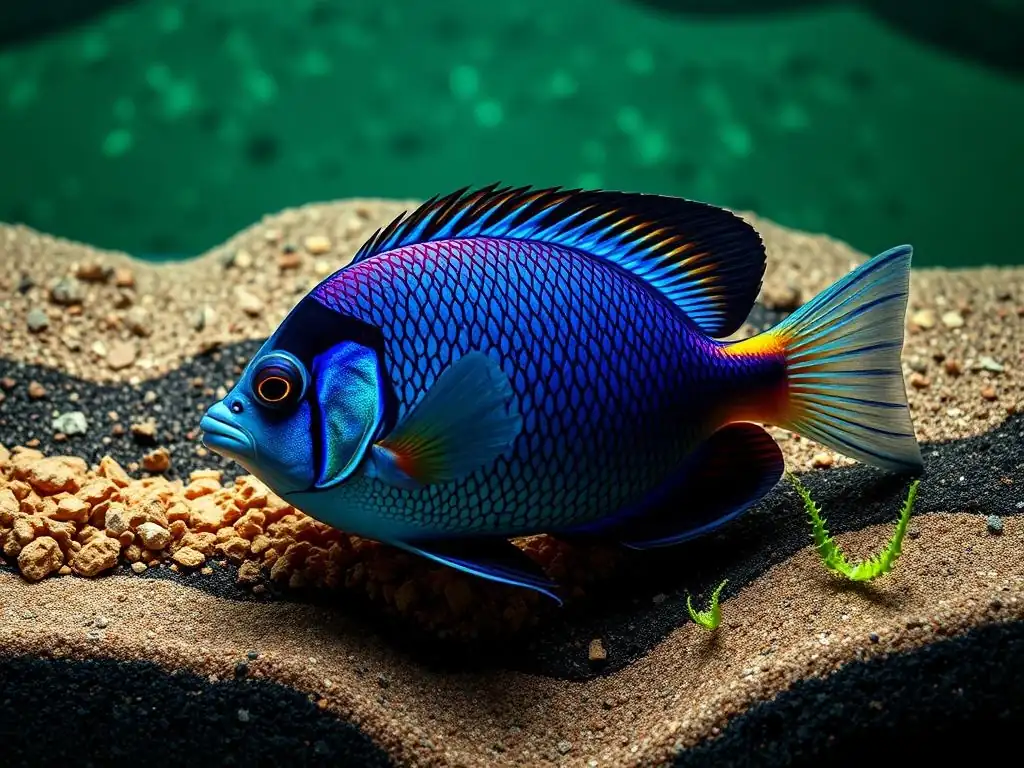
Regular substrate cleaning is a cornerstone of effective Butterflyfish substrate care tips. Detritus, composed of uneaten food, fish waste, and decaying organic matter, settles on and within the substrate. If left to accumulate, this organic load breaks down, releasing ammonia, nitrites, and eventually high levels of nitrates and phosphates, which are detrimental to Butterflyfish health and can fuel nuisance algae blooms. For a typical Butterflyfish tank with a moderate bioload, siphoning the substrate weekly or bi-weekly is often recommended.
During cleaning, use a gravel vacuum or a dedicated sand cleaner to gently siphon the top layer of the substrate. For fine sand, avoid disturbing the entire bed at once to preserve the beneficial bacterial colonies; instead, clean a portion of the substrate during each water change. For example, siphoning 25-30% of the sand bed with each weekly water change helps maintain cleanliness without disrupting the entire ecosystem. This consistent effort ensures that the substrate remains a beneficial component of your filtration system rather than a source of pollution.
Preventing Algae Buildup
Algae buildup on the substrate is a common issue, often indicative of excess nutrients (nitrates and phosphates) in the water column or trapped within the substrate. Preventing this requires a multi-faceted approach as part of your Butterflyfish substrate care tips. Firstly, ensure that your mechanical and biological filtration systems are efficient at removing waste and that you are performing regular water changes with RO/DI (Reverse Osmosis/Deionized) water, which is free of phosphates and silicates that can fuel algae growth.
Secondly, manage feeding carefully to avoid overfeeding, as uneaten food quickly breaks down into nutrients. For example, feed only what your Butterflyfish can consume in 2-3 minutes, twice a day. Thirdly, control the duration and intensity of your aquarium lighting, as excessive light promotes algae growth; 8-10 hours of light per day is typically sufficient. Finally, consider introducing compatible algae-eating invertebrates, such as certain species of snails or hermit crabs, that can help graze on nuisance algae on the substrate surface.
Managing Detritus Accumulation
Managing detritus accumulation is a critical aspect of Butterflyfish substrate care tips to prevent nutrient issues and maintain a healthy aquarium environment. As mentioned, detritus is a primary source of nitrates and phosphates, which can lead to poor water quality and widespread algae problems. Beyond regular siphoning, several strategies can help minimize its buildup. Firstly, ensure you are not overfeeding your Butterflyfish. Offering small, frequent meals that are entirely consumed reduces the amount of uneaten food settling into the substrate.
Secondly, optimizing water flow within the aquarium can help prevent detritus from settling in dead spots. Strategic placement of powerheads can keep particles suspended in the water column, allowing them to be more easily captured by mechanical filtration (e.g., filter socks or sponges). Thirdly, consider adding sand-sifting invertebrates, such as Nassarius snails. These industrious creatures burrow through the top layers of the sand, consuming detritus and aerating the substrate, which helps prevent compaction and the release of harmful gases. A combination of these methods provides comprehensive detritus management.
Substrate and Compatible Tank Mates
Choosing Substrate Compatible with Invertebrates
When selecting substrate for your Butterflyfish aquarium, it's crucial to consider any invertebrates you plan to introduce, as their compatibility with the substrate can vary significantly. For instance, many sand-sifting invertebrates, such as Nassarius snails, certain types of brittle stars, and sand-sifting starfish (e.g., Archaster typicus), require a fine sand bed to burrow and sift through. A coarse substrate like crushed coral would be unsuitable for these species, hindering their natural behaviors and potentially causing injury.
Conversely, some invertebrates, like larger hermit crabs or certain snails, are less dependent on the substrate type, as long as it provides stable footing. Before adding any invertebrate, research its specific substrate requirements. Ensuring the substrate is compatible with your chosen clean-up crew is an essential part of comprehensive Butterflyfish substrate care tips, as these invertebrates contribute to the overall health and cleanliness of the tank.
Avoiding Substrate Conflicts with Other Fish Species
While Butterflyfish themselves are not typically bottom-dwellers, if you plan to keep them in a community tank, the substrate choice must also accommodate their tank mates. Certain fish species have specific substrate needs that, if not met, can lead to stress, injury, or behavioral issues. For example, many species of gobies and wrasses are known for their burrowing or sand-sifting behaviors. A fine, soft sand bed is essential for these fish to create their homes and forage naturally.
Housing a burrowing fish in a tank with a coarse, sharp substrate like large crushed coral can cause damage to their delicate fins and bodies, leading to infections or chronic stress. Therefore, when planning a mixed-species Butterflyfish aquarium, select a substrate that provides a safe and appropriate environment for all inhabitants. This foresight in substrate selection is a key aspect of preventing substrate conflicts and ensuring a harmonious, healthy environment for your Butterflyfish and their companions.
Setting Up Your Tank: A Step-by-Step Substrate Guide
Preparing the Substrate
Proper preparation of new substrate is a crucial first step in setting up your Butterflyfish aquarium and ensures a clean, healthy foundation. New substrates, whether sand or crushed coral, often contain fine dust, debris, and sometimes even residual chemicals from processing. Failing to rinse the substrate thoroughly can lead to persistent cloudy water, hinder equipment function, and potentially introduce unwanted substances into your tank.
To prepare, place small batches of the substrate into a clean bucket. Rinse it repeatedly with RO/DI water, stirring it vigorously by hand, until the water poured off runs completely clear. Avoid using tap water for rinsing if possible, as it may contain chlorine, chloramines, phosphates, or silicates that can harm beneficial bacteria or fuel nuisance algae once in the aquarium. This meticulous rinsing process is a fundamental Butterflyfish substrate care tip.
Layering Substrate for Enhanced Biological Filtration
Once the substrate is thoroughly rinsed, it's time to add it to the aquarium. To avoid scratching the tank bottom or creating a large cloud of dust, place a clean, shallow plate or a piece of plastic on the bottom of the tank and gently pour the substrate onto it. This disperses the weight and prevents direct impact. For enhanced biological filtration, especially with new setups, you can consider seeding the new substrate with beneficial bacteria.
This can be done by mixing in a small amount of "live sand" from an established, healthy aquarium or by adding commercial bacterial starter cultures directly to the substrate as you layer it. Aim for the recommended shallow depth of 1-2 inches (2.5-5 cm) for most Butterflyfish tanks. Distribute the substrate evenly, or create gentle slopes and contours as desired for aesthetic appeal, ensuring no areas are excessively deep without proper aeration.
Introducing Butterflyfish to the New Substrate
Introducing Butterflyfish to a newly set up tank requires patience and adherence to the aquarium nitrogen cycle. It is absolutely critical that the tank is fully cycled before any fish are introduced. This means the substrate's beneficial bacteria colonies, along with those on live rock and in filters, must be well-established and capable of converting ammonia and nitrites to nitrates. This typically takes 4-6 weeks, with ammonia and nitrite levels reading zero for several consecutive days.
Once the tank is fully cycled and water parameters (pH, salinity, temperature, kH, calcium) are stable and within the ideal range for Butterflyfish, you can begin the acclimation process. Acclimate your Butterflyfish slowly, using a drip acclimation method over 30-60 minutes, to gradually adjust them to the new water parameters. This minimizes stress and ensures a smooth transition to their new home, which now includes a carefully chosen and prepared substrate.
Addressing Cyanobacteria Blooms
Cyanobacteria, often mistakenly called "red slime algae," are photosynthetic bacteria that can form unsightly mats on the substrate, rocks, and tank walls. They typically thrive in low-flow areas with high levels of accumulated detritus and excess nutrients, particularly phosphates and nitrates. If you observe a cyanobacteria bloom on your Butterflyfish substrate, addressing the root causes is paramount.
Solutions include increasing water flow to stagnant areas, meticulously siphoning out the affected cyanobacteria and underlying detritus during water changes, and reducing nutrient inputs. This involves cutting back on feeding, ensuring efficient protein skimming, and using RO/DI water for all top-offs and water changes. In severe cases, a complete blackout of the tank for 3-5 days (no lights, covering the tank) can effectively starve the cyanobacteria, but this should be done cautiously and with good aeration. Consistent Butterflyfish substrate care tips, particularly regarding nutrient control, are the best preventative measure.
Dealing with High Nitrate Levels
High nitrate levels in a Butterflyfish aquarium are a common problem often directly linked to insufficient substrate cleaning and accumulated organic waste. When detritus (uneaten food, fish waste) breaks down in the substrate, it eventually converts to nitrates. While nitrates are less toxic than ammonia or nitrites, chronically high levels (above 20 ppm, ideally below 10 ppm for Butterflyfish) can stress fish, suppress their immune systems, and contribute to algae problems.
To combat high nitrates, implement more rigorous Butterflyfish substrate care tips: increase the frequency and volume of water changes (e.g., 20-25% weekly), and perform thorough substrate siphoning during each change to remove trapped detritus. Reduce overfeeding, as excess food is a primary source of waste. Ensure your protein skimmer is operating efficiently, and consider adding nitrate-reducing media (like biopellets or specialized resins) to your filtration system. In some cases, increasing the live rock volume or establishing a refugium with macroalgae can also help absorb nitrates.
Managing Phosphate Buildup
Phosphate buildup in the substrate and water column can lead to aggressive nuisance algae growth and can also inhibit the calcification of corals if you have a reef system. Phosphates enter the aquarium through tap water (if not using RO/DI), fish food, decaying organic matter trapped in the substrate, and sometimes even from certain activated carbons or rock sources. If your Butterflyfish substrate is accumulating detritus, it will inevitably contribute to phosphate issues.
Effective management of phosphates involves several key Butterflyfish substrate care tips. Firstly, always use RO/DI water for all water changes and top-offs, as tap water often contains significant phosphate levels. Secondly, reduce overfeeding and ensure all uneaten food is promptly removed. Thirdly, perform regular and thorough substrate siphoning to remove phosphate-laden detritus. Finally, employ phosphate-removing media, such as Granular Ferric Oxide (GFO) or other phosphate-adsorbing resins, placed in a media reactor or filter bag with good flow, replacing them regularly as they become saturated.
Frequently Asked Questions
What type of substrate is best for Butterflyfish aquariums?
The best substrate for Butterflyfish is generally a fine to medium grain aragonite sand. This mimics their natural reef environment and provides a suitable habitat for beneficial microorganisms.
Why is substrate choice important for Butterflyfish?
Butterflyfish are sensitive to water quality. The right substrate helps maintain stable water parameters by facilitating biological filtration. Poor substrate choices can lead to ammonia spikes.
How often should I clean the substrate in my Butterflyfish tank?
Regular substrate cleaning is crucial. Perform partial substrate vacuuming during water changes, typically every 1-2 weeks. Avoid disturbing the entire substrate bed at once.
Common issues include algae buildup and detritus accumulation. These can lead to poor water quality and stress the fish. Regular maintenance is key to preventing these problems.
Can I use crushed coral substrate for Butterflyfish?
While crushed coral can be used, it's generally not recommended. Its larger grain size can trap debris and make effective cleaning difficult, potentially leading to the buildup of harmful nitrates.
Final Reflection: Cultivating Underwater Harmony
The intricacies of aquarium keeping, particularly when it comes to delicate species like butterflyfish, highlight the profound impact of informed decision-making on the well-being of living creatures. Understanding the nuances of substrate selection isn't merely about aesthetics; it's about creating a thriving ecosystem that supports the health and happiness of these vibrant inhabitants.
The ongoing influence of responsible aquarium practices extends far beyond our glass boxes. It reflects a growing awareness of our interconnectedness with the natural world and the responsibility we bear to protect its delicate balance. In the end, we will conserve only what we love; we will love only what we understand; and we will understand only what we are taught.
- Baba Dioum's words resonate deeply, reminding us that education and understanding are the cornerstones of conservation.
Now, consider how you can apply these principles of thoughtful planning and informed action to other areas of your life. Just as the right substrate lays the foundation for a healthy butterflyfish environment, so too can your choices cultivate a more harmonious and fulfilling existence. Take a moment to reflect on the foundations you're building, and ask yourself: are they truly supporting the vibrant life you envision?
Dive Deeper: Transform Your Butterflyfish Tank Today!
Thanks for exploring the world of butterflyfish substrates with us! We hope this guide gave you the knowledge you need to create a thriving environment for these captivating creatures. Ready to take the next step?
Here's how you can bring your butterflyfish aquarium dreams to life:
- Critically Assess Your Current Substrate: Don't just assume your existing substrate is sufficient. Really evaluate its suitability based on what you've learned – consider particle size, pH impact, and whether it traps detritus.
- Explore Different Substrate Blends: Experiment with combining different substrates! Try a mix of aragonite and live sand, or incorporate some specialized media to promote specific water parameters.
- Share Your Successes (and Struggles!) With Our Community: Post pictures of your butterflyfish setup in our forum and describe the substrate you chose and the results you are seeing.
What creative substrate combination are you most excited to try in your butterflyfish aquarium, and why?