
Invertebrate Safe Wrasses: Ensuring Peace Between Your Fish and CleanUp Crew

Welcome to Aquarium Mastery!
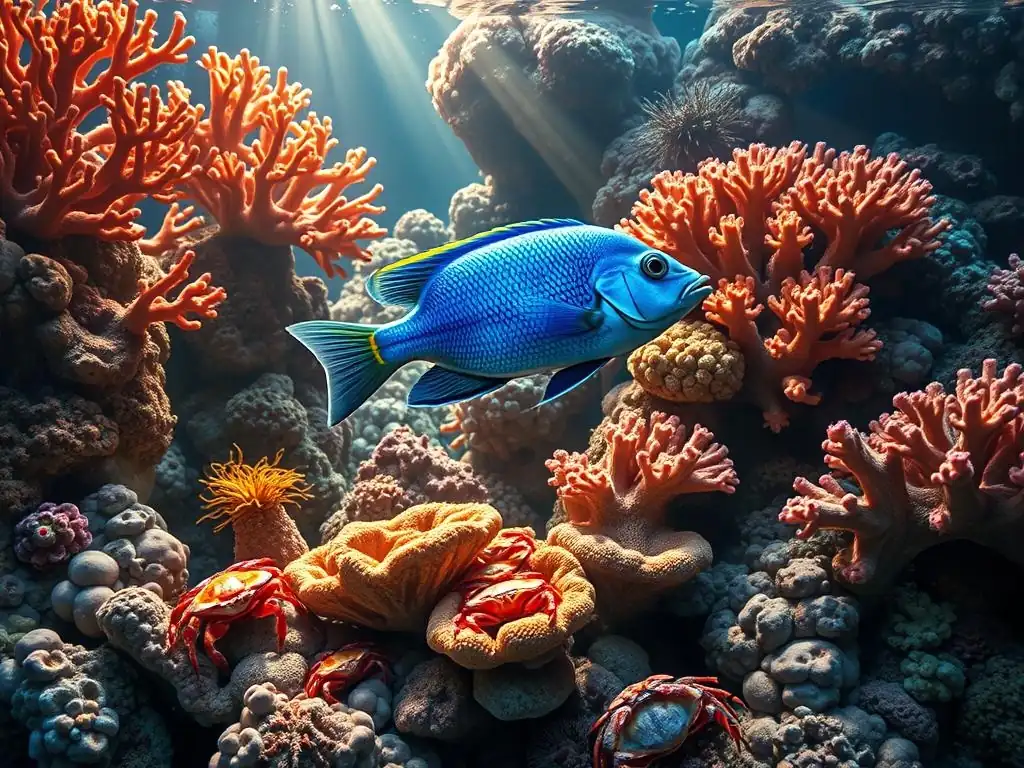
Ever wonder if that dazzling wrasse you've been eyeing is really safe to add to your reef tank? Unravel the secrets to successful reef keeping with our deep dive into wrasse compatibility with invertebrates. Discover which of these colorful characters can coexist peacefully with your cleanup crew and which are best admired from afar. Intrigued? Let's explore the fascinating world of reef-safe wrasses and ensure a harmonious ecosystem for your aquatic friends!
- Introduction: Choosing Invertebrate-Friendly Wrasses for Your Reef Tank
-
Top Invertebrate-Safe Wrasse Species for Reef Aquariums
- The Cleaner Wrasse ( Labroides dimidiatus): A Beneficial Addition
- The Melanurus Wrasse ( Halichoeres melanurus): A Colorful and Mostly Reef-Safe Option
- The Six Line Wrasse ( Pseudocheilinus hexataenia): A Small and Effective Pest Controller
- The Yellow Coris Wrasse ( Halichoeres chrysus): A Vibrant and Generally Peaceful Choice
- The Leopard Wrasse ( Macropharyngodon meleagris): A Peaceful and Beautiful Option
- Assessing the Risks: Invertebrates Vulnerable to Wrasse Predation
- Creating a Safe Environment: Tank Setup and Invertebrate Protection
- Feeding Strategies to Minimize Invertebrate Predation
- Wrasse Compatibility Chart: A Quick Reference Guide
-
Frequently Asked Questions
- How do I determine if a Wrasse is truly invertebrate safe?
- Which types of Wrasses are generally considered the safest for reef tanks with invertebrates?
- What are some signs that a Wrasse is preying on my invertebrates?
- Are there any Wrasse species that should always be avoided in a reef tank with invertebrates?
- What can I do to minimize the risk of a Wrasse harming my invertebrates?
- Final Reflection: Harmony in the Reef
- Unlock a Thriving Reef: Your Next Steps!
Introduction: Choosing Invertebrate-Friendly Wrasses for Your Reef Tank
Why Some Wrasses are Not Reef Safe: A Look at Predatory Behavior
Many wrasse species, while captivating in their beauty and activity, possess natural predatory instincts that can pose a significant risk to a reef tank's invertebrate inhabitants. In their natural habitats, a substantial portion of their diet consists of small crustaceans, mollusks, and worms that they actively hunt among rocks and sand. This innate drive to forage for benthic invertebrates translates directly to the aquarium environment, where ornamental shrimp, snails, and small crabs can become targets. Their strong jaws and specialized teeth are perfectly adapted for crushing shells and exoskeletons, making them formidable predators for your delicate cleanup crew.
Specific genera and larger species within the wrasse family are particularly notorious for their predatory behavior. For instance, some larger Coris species, such as the Clown Coris Wrasse ( Coris aygula), can grow quite large and develop an insatiable appetite for snails and crabs as they mature. Similarly, certain Bodianus species (Hogfish wrasses) are known for their aggressive pursuit of crustaceans. It is crucial for aquarists to understand that even wrasses considered "mostly reef safe" can exhibit opportunistic predation if not adequately fed or if the invertebrates are small and vulnerable enough to be perceived as food.
Identifying Potential Threats: Wrasses that Prey on Invertebrates
Identifying wrasse species that pose a threat to your invertebrate cleanup crew is essential for maintaining a harmonious reef aquarium. Large, robust wrasses, especially those exceeding 8-10 inches in adult size, are generally more likely to prey on ornamental invertebrates. Species like the Humphead Wrasse ( Cheilinus undulatus), while magnificent, are strictly fish-only tank inhabitants due to their immense size and predatory nature, capable of consuming virtually any invertebrate or smaller fish. Less obvious but still problematic are species such as the Yellow-banded Hogfish ( Bodianus mesothorax), which, despite its appealing coloration, actively hunts shrimp and crabs.
Beyond specific species identification, observing a wrasse's general behavior can offer clues about its potential threat level. Wrasses that constantly sift through the substrate with their mouths, relentlessly peck at live rock crevices, or exhibit sudden, darting movements towards any small movement are more likely to be seeking out and consuming small invertebrates. While some wrasses are excellent for pest control, differentiating between beneficial pest consumption (like flatworms) and detrimental predation on your essential cleanup crew is paramount for successful wrasse compatibility with invertebrates.
Top Invertebrate-Safe Wrasse Species for Reef Aquariums
The Cleaner Wrasse ( Labroides dimidiatus): A Beneficial Addition
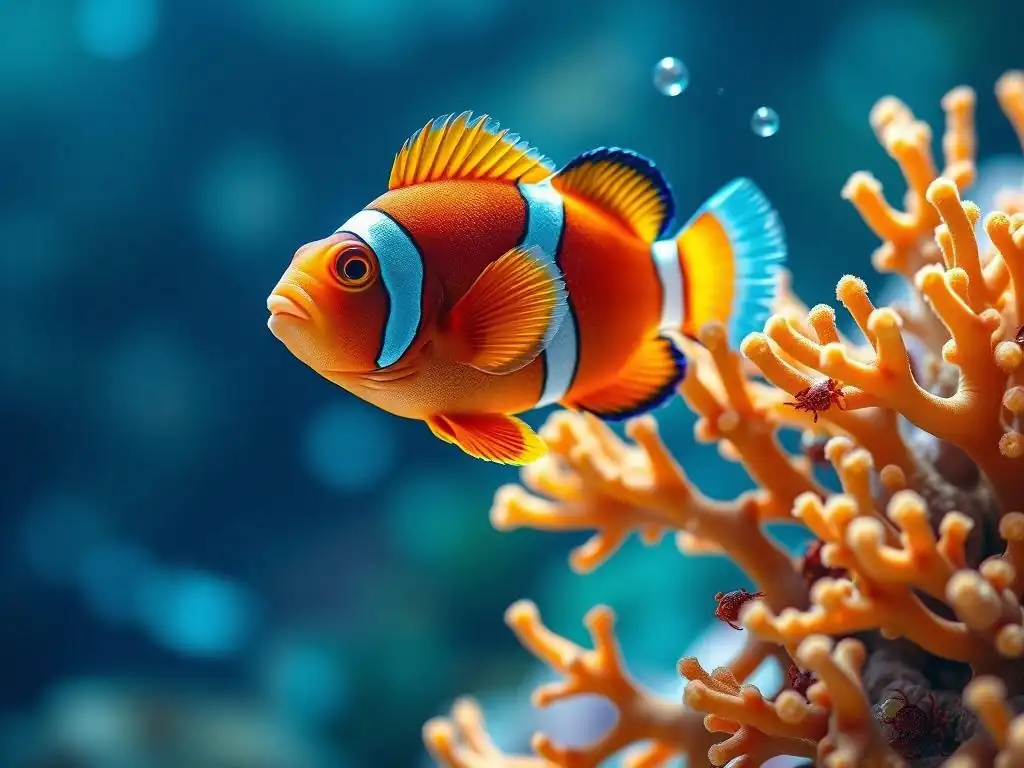
The Cleaner Wrasse ( Labroides dimidiatus) is perhaps one of the most unique and generally invertebrate-safe wrasse species for a reef aquarium. Its primary role in the wild, and often in captivity, is to establish "cleaning stations" where it removes external parasites and dead tissue from other fish. This specialized diet of ectoparasites means that the Cleaner Wrasse typically shows little to no interest in consuming ornamental shrimp, snails, or crabs, making it a highly compatible choice for a diverse invertebrate cleanup crew. Their interaction with other fish is largely symbiotic, focusing on grooming rather than predation.
Despite their beneficial nature regarding invertebrate safety, it's important to note that Cleaner Wrasses have specific care requirements that can make them challenging to keep long-term. They thrive in mature systems with a consistent supply of fish to clean and require a stable environment. However, concerning their wrasse compatibility with invertebrates, they are considered among the safest options, rarely posing a threat to even the smallest of your reef's delicate inhabitants. Their unique feeding habits make them an exception to the general rule of wrasse predation on cleanup crews.
The Melanurus Wrasse ( Halichoeres melanurus): A Colorful and Mostly Reef-Safe Option
The Melanurus Wrasse ( Halichoeres melanurus), also known as the Tail Spot Wrasse, is a popular choice for reef aquariums due to its vibrant coloration and generally peaceful demeanor. Growing up to approximately 5 inches (13 cm), this active swimmer is an excellent candidate for wrasse compatibility with invertebrates. Its natural diet primarily consists of small benthic invertebrates, copepods, and nuisance flatworms found within the live rock and sand. This makes them beneficial for controlling common reef pests, such as pyramidellid snails, which are known parasites of tridacnid clams.
While largely considered reef-safe, occasional reports suggest that a very hungry or opportunistic Melanurus Wrasse might nip at very small, newly introduced, or weak ornamental shrimp. However, this behavior is uncommon, especially if the wrasse is well-fed with a varied diet of high-quality frozen and dry foods. For most aquarists, the Melanurus Wrasse represents an excellent balance of beauty, activity, and high wrasse compatibility with invertebrates, making it a valuable addition to a thriving reef ecosystem.
The Six Line Wrasse ( Pseudocheilinus hexataenia): A Small and Effective Pest Controller
The Six Line Wrasse ( Pseudocheilinus hexataenia) is a highly sought-after wrasse for its small size, striking coloration, and remarkable ability to control various reef pests. Reaching a maximum size of about 3 inches (7.5 cm), this species is known for its active foraging behavior, meticulously sifting through live rock for small crustaceans, copepods, and especially nuisance flatworms like Convolutriloba retrogemma. Many aquarists rely on the Six Line Wrasse to significantly reduce or eliminate these common pests, often reporting noticeable improvements in flatworm populations within weeks of introduction.
Regarding wrasse compatibility with invertebrates, the Six Line Wrasse is generally considered very safe for most ornamental shrimp, snails, and crabs. Its small mouth limits its ability to consume larger invertebrates. However, like any active forager, an individual Six Line Wrasse might occasionally become territorial or aggressive towards smaller, more docile tank mates or very small, vulnerable ornamental shrimp if not adequately fed or housed in an undersized aquarium. Providing ample hiding spots and a varied diet helps mitigate these rare instances, solidifying its reputation as a highly effective and mostly invertebrate-friendly cleanup crew member.
The Yellow Coris Wrasse ( Halichoeres chrysus): A Vibrant and Generally Peaceful Choice
The Yellow Coris Wrasse ( Halichoeres chrysus) is a dazzlingly bright yellow fish that adds a splash of vibrant color and activity to any reef aquarium. Growing to approximately 5 inches (13 cm), this species is highly regarded for its peaceful temperament and excellent wrasse compatibility with invertebrates. Its natural diet includes small benthic invertebrates, copepods, and tiny worms found in the sand bed and on live rock. This continuous foraging behavior contributes to a cleaner sand bed and helps manage nuisance microfauna.
The Yellow Coris Wrasse is one of the most reliable choices for an invertebrate-safe wrasse, rarely showing aggression or predatory interest towards ornamental shrimp, snails, or crabs. Their constant sifting through the substrate can even be beneficial, aerating the sand bed and preventing detritus buildup. To ensure their well-being and continued peaceful nature, a mature tank with a thriving population of microfauna and a consistent feeding regimen with high-quality frozen foods are recommended. Their robust nature and high degree of invertebrate safety make them a cornerstone species for many mixed reef tanks.
The Leopard Wrasse ( Macropharyngodon meleagris): A Peaceful and Beautiful Option
The Leopard Wrasse ( Macropharyngodon meleagris), with its exquisite spotted pattern and graceful movements, is a highly prized addition to reef aquariums. Reaching about 5 inches (13 cm), this species is renowned for its specialized diet and exceptional wrasse compatibility with invertebrates, making it one of the safest choices for a tank with a diverse cleanup crew. Their primary food source consists of tiny crustaceans and worms that they meticulously forage from a deep, mature sand bed. Unlike many other wrasses, they are not typically interested in larger ornamental shrimp or snails.
Successful keeping of Leopard Wrasses hinges on providing a well-established, mature aquarium with a deep sand bed (at least 3-4 inches) where they can burrow for sleep and security, and from which they derive most of their diet. They are sensitive to water quality and require a constant supply of live microfauna. Given these specific requirements, a thriving Leopard Wrasse is a testament to a well-maintained reef system and poses virtually no threat to your valuable cleanup crew, solidifying its status as a truly invertebrate-safe wrasse.
Assessing the Risks: Invertebrates Vulnerable to Wrasse Predation
Shrimp: A Common Target for Opportunistic Wrasses
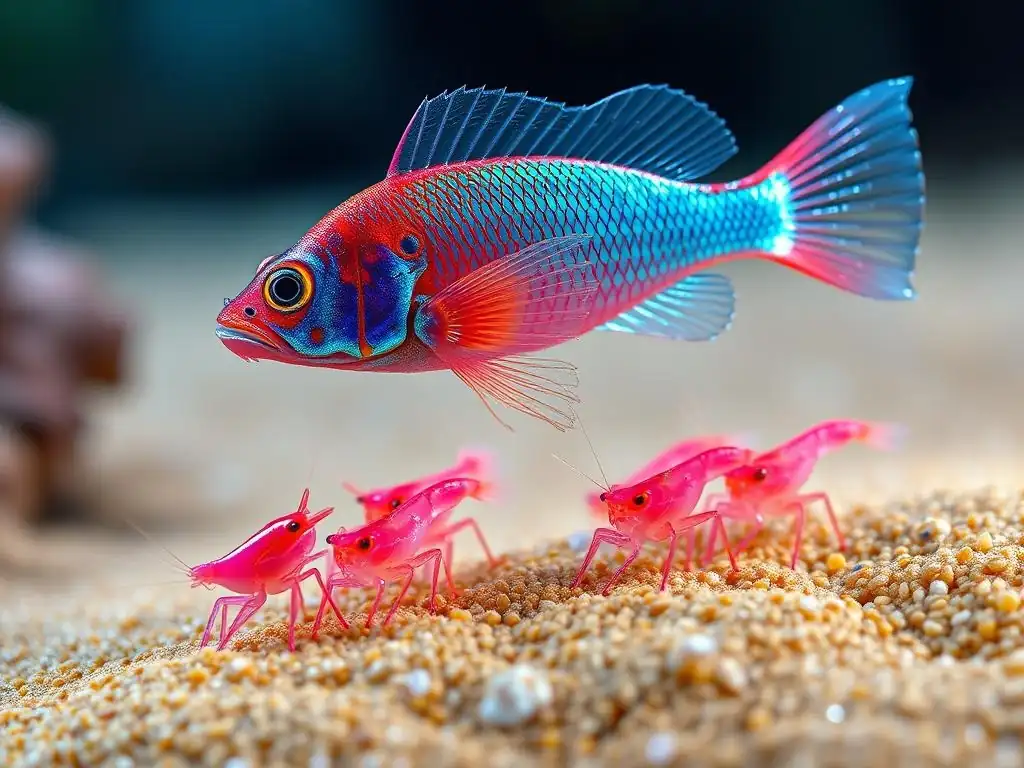
Ornamental shrimp are among the most common and valuable members of a reef tank's cleanup crew, yet they are also frequently identified as targets for opportunistic wrasse predation. Species like Peppermint Shrimp ( Lysmata wurdemanni), Pacific Cleaner Shrimp ( Lysmata amboinensis), and Fire Shrimp ( Lysmata debelius) are particularly vulnerable due to their relatively soft exoskeletons and often docile nature. While many wrasse species, especially those listed as invertebrate-safe, will ignore them, larger or hungrier wrasses, particularly those from the Coris or some Halichoeres genera not specifically listed as safe, might see them as a food source.
The risk of predation often increases with the wrasse's size and the shrimp's vulnerability. For instance, a very large Halichoeres iridis (Radiant Wrasse), if not adequately fed, might attempt to consume a smaller Lysmata amboinensis. To mitigate this risk, ensuring wrasses are consistently well-fed and providing ample hiding spots within the rockwork for shrimp can significantly improve their chances of coexisting peacefully. Understanding the specific wrasse compatibility with invertebrates for each species helps in making informed stocking decisions.
Snails: Choosing the Right Species for Wrasse Tank Mates
Snails are indispensable for controlling algae and detritus in a reef tank, but their safety can vary depending on their species and the wrasse inhabitants. Smaller, thin-shelled snails like tiny Nassarius snails ( Nassarius vibex) or small Cerith snails ( Cerithium atratum) are often the most vulnerable.
Their size and ease of consumption make them tempting targets for wrasses with a penchant for cracking shells. In contrast, larger snails with thick, robust shells, such as Astrea snails ( Astrea tecta) or various Turban snails ( Tectus fenestratus), are generally much safer due to the difficulty wrasses would face in accessing their soft bodies.
Wrasses known for their snail-eating habits, such as certain Coris species or even some larger Halichoeres if exceptionally hungry, pose the highest threat. It's not uncommon for a determined wrasse to flip over a snail and attempt to extract it. Therefore, when aiming for high wrasse compatibility with invertebrates, selecting larger, hardier snail species and providing a varied diet for your wrasses can greatly reduce the likelihood of predation. Monitoring snail populations and observing wrasse behavior around them is also crucial.
Crabs: Identifying Crab Species at Risk from Wrasse Predation
Crabs, particularly hermit crabs, are common members of the cleanup crew, but their susceptibility to wrasse predation depends heavily on their size, species, and the availability of suitable shells. Small hermit crabs, especially those that are either outgrowing their shells or are struggling to find a new one, become highly vulnerable targets. Their exposed, soft abdomens are an easy meal for many predatory wrasses. Similarly, smaller Emerald Crabs ( Mithraculus sculptus), while generally considered reef-safe, can be targeted if they are diminutive and the wrasse is large and opportunistic.
Wrasses known for their crustacean-eating habits, such as larger Coris species or Bodianus (Hogfish wrasses), are the primary culprits in crab predation. To enhance wrasse compatibility with invertebrates, especially crabs, it is vital to provide an abundance of appropriately sized spare shells for hermit crabs. This ensures they can quickly upgrade their homes and remain protected. Regularly monitoring your crab population and observing any persistent interest from your wrasses can help identify potential issues before significant losses occur.
Feather Duster Worms: Important Considerations for Reef Tank Harmony
Feather duster worms, with their magnificent plumed crowns, are beautiful and often desired additions to a reef tank. However, their sessile nature and delicate, exposed plumes can make them susceptible to nipping or predation by certain wrasse species. While most invertebrate-safe wrasses will ignore them, some curious or opportunistic wrasses might occasionally nip at the plumes out of curiosity or hunger, causing the worm to repeatedly retract into its tube. Persistent nipping can stress the worm, prevent it from feeding, and ultimately lead to its demise.
Species like some Coris wrasses, or even occasionally a curious Halichoeres species, might exhibit this behavior. It is important to distinguish between a single curious nip and persistent harassment. To ensure the safety of feather duster worms and promote overall wrasse compatibility with invertebrates, place them in secure locations within the rockwork where they are less exposed to the main swimming paths of active wrasses. Providing a well-fed environment for your wrasses can also reduce any opportunistic nipping driven by hunger.
Creating a Safe Environment: Tank Setup and Invertebrate Protection
Providing Ample Hiding Places for Invertebrates: Rockwork and Substrate
Creating a complex and structured environment within your reef tank is paramount for ensuring the safety of your invertebrates from potential wrasse predation. Ample live rock, arranged to form numerous caves, crevices, and overhangs, provides essential refugia where shrimp, snails, and small crabs can retreat when threatened or simply to rest. A well-designed aquascape should aim for at least 1 pound of live rock per gallon, offering a labyrinth of protective spaces. These hiding spots not only offer physical protection but also reduce stress levels for invertebrates, promoting their overall health and longevity.
Furthermore, a deep sand bed is crucial for many invertebrates, such as various snails and burrowing worms, allowing them to escape perceived threats by burying themselves. For wrasse species that also burrow, like Leopard Wrasses, a sand bed of at least 3-4 inches is essential for their well-being and natural behavior, ensuring they have their own secure sleeping spots without disturbing the invertebrates excessively. This thoughtful tank setup, focusing on providing diverse habitats, significantly enhances wrasse compatibility with invertebrates by minimizing direct confrontations and offering avenues for escape.
Acclimation Strategies: Introducing Wrasses and Invertebrates Carefully
Proper acclimation is a critical step in ensuring the successful introduction of both wrasses and invertebrates into a reef aquarium, minimizing stress and promoting peaceful coexistence. Drip acclimation, a slow and gradual process of equalizing water parameters over 30-60 minutes, is highly recommended for all new inhabitants. This method significantly reduces osmotic shock, which can weaken invertebrates and make them more susceptible to predation, or stress wrasses, potentially leading to aggression. Introducing new organisms to an already established system can be a delicate balance.
When introducing new wrasses to a tank containing an established invertebrate cleanup crew, it is often beneficial to introduce the wrasse after the invertebrates have had time to settle and establish their hiding places. Introducing a new fish during "lights out" can also reduce initial stress and territoriality, allowing the wrasse to explore its new environment more calmly before it encounters the other inhabitants. Careful observation during and immediately after acclimation is key to identifying any early signs of incompatibility or aggression, helping to maintain optimal wrasse compatibility with invertebrates.
Monitoring Wrasse Behavior: Observing Interactions with Invertebrates
Continuous monitoring of your wrasse's behavior, particularly its interactions with your invertebrate cleanup crew, is a proactive measure crucial for maintaining a harmonious reef tank. Daily observation allows aquarists to quickly identify any problematic tendencies, such as persistent nipping, chasing, or constant hovering around specific invertebrates. While a single curious nip might be harmless, repeated attempts to dislodge a snail or harass a shrimp are clear indicators of potential predatory behavior. Pay close attention during feeding times, as wrasses are often more opportunistic when food is present.
Observing the invertebrates' responses is equally important. If shrimp are constantly hiding and only emerging at night, or if snails appear withdrawn or frequently flipped over, it could signal stress or predation attempts from a wrasse. Early detection of these signs allows for intervention, whether it's adjusting feeding strategies, adding more hiding spots, or, in rare cases, considering rehoming the wrasse. This vigilant approach to monitoring ensures that the delicate balance of wrasse compatibility with invertebrates is maintained within your reef ecosystem.
Feeding Strategies to Minimize Invertebrate Predation
Ensuring Wrasses are Well-Fed: Reducing the Temptation to Hunt
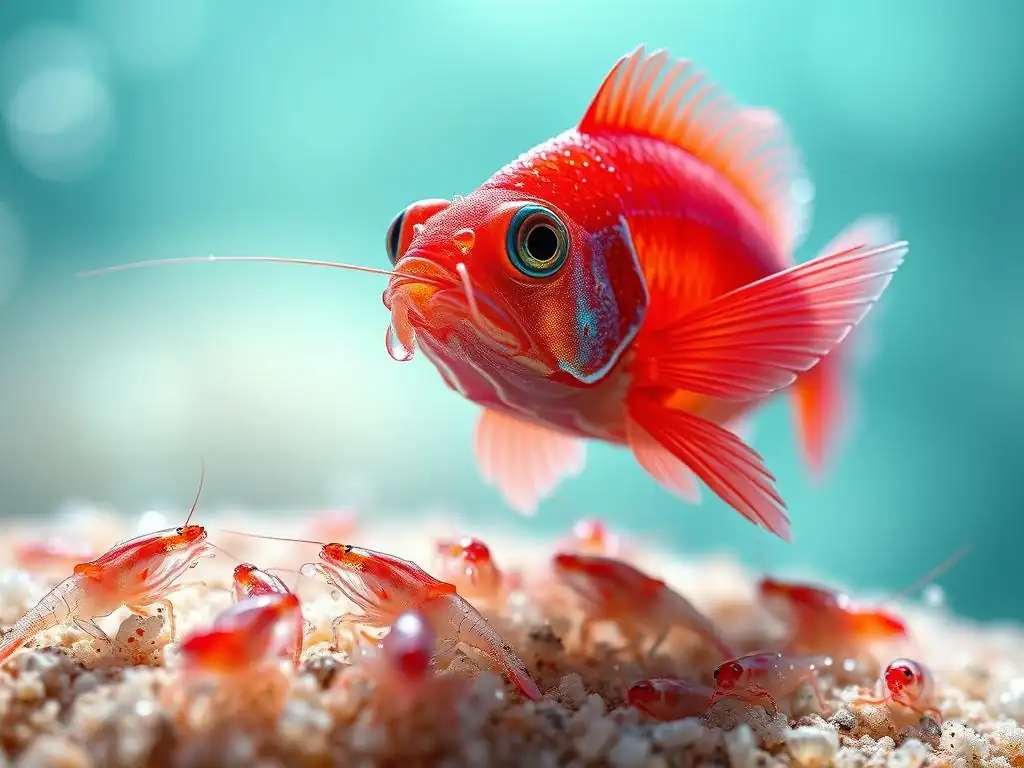
One of the most effective strategies to minimize wrasse predation on invertebrates is to ensure your wrasses are consistently and adequately fed. A well-nourished wrasse is far less likely to resort to opportunistic hunting of your cleanup crew members. In their natural environment, wrasses are active foragers, constantly seeking out small food items. In captivity, this instinct remains, and if their dietary needs are not met through regular feedings, they may turn their attention to ornamental shrimp, snails, and crabs.
Providing 2-3 small feedings daily, rather than one large meal, can help maintain satiety throughout the day and reduce the temptation to hunt. A varied diet consisting of high-quality frozen foods like mysis shrimp, brine shrimp, finely chopped seafood, and nutrient-rich pellets or flakes mimics their natural diet and provides essential nutrients. A diet rich in protein, typically around 50-60% protein content in their primary food, aligns with their carnivorous nature. By keeping your wrasses well-fed, you significantly enhance wrasse compatibility with invertebrates by reducing the internal drive for predation.
Target Feeding Invertebrates: Providing Supplemental Nutrition
While ensuring your wrasses are well-fed is crucial, it's equally important to consider the nutritional needs of your invertebrates, especially if they are competing for food with active wrasses. Many cleanup crew members, particularly sessile or slow-moving invertebrates, can struggle to acquire sufficient food when competing with fast-moving, opportunistic fish. Target feeding is an excellent strategy to provide supplemental nutrition directly to your shrimp, snails, and other invertebrates, ensuring their health and vitality.
Using a turkey baster or a long pipette, you can deliver small amounts of specialized invertebrate foods, algae wafers, spirulina flakes, or finely crushed pellets directly to their hiding spots or areas where they congregate. For nocturnal invertebrates, feeding after the main tank lights are out can prevent wrasses from intercepting the food.
For example, ensuring Lysmata debelius (Fire Shrimp) receive adequate nutrition by spot-feeding small pieces of frozen mysis shrimp directly into their crevices can prevent them from becoming weak and potentially more vulnerable. This targeted approach supports the overall health of your cleanup crew and indirectly contributes to better wrasse compatibility with invertebrates.
Wrasse Compatibility Chart: A Quick Reference Guide
Wrasse Species and Invertebrate Compatibility
| Wrasse Species | Common Invertebrates (Shrimp, Snails, Crabs, Worms) | Compatibility | Notes
Frequently Asked Questions
How do I determine if a Wrasse is truly invertebrate safe?
Consider the size of the invertebrates. Many wrasses are safe with larger invertebrates, but may prey on smaller shrimp, crabs, or snails. Research the specific wrasse species you're considering.
Which types of Wrasses are generally considered the safest for reef tanks with invertebrates?
Fairy wrasses (Cirrhilabrus species) and Flasher wrasses (Paracheilinus species) are often considered the safest options. They tend to focus on small planktonic foods and leave invertebrates alone.
What are some signs that a Wrasse is preying on my invertebrates?
Observe your tank closely. Look for missing invertebrates, damaged shells, or the wrasse actively hunting small creatures. A sudden decline in your invertebrate population is a red flag.
Are there any Wrasse species that should always be avoided in a reef tank with invertebrates?
Yes, larger wrasses like the Lunare Wrasse and the Harlequin Tuskfish are known invertebrate predators. Their natural diet often includes crustaceans and mollusks.
What can I do to minimize the risk of a Wrasse harming my invertebrates?
Provide your wrasse with a varied and plentiful diet to reduce their hunting instincts. Introduce invertebrates that are too large for the wrasse to easily consume.
Final Reflection: Harmony in the Reef
The intricate dance of life within a reef aquarium hinges on balance, and as we've explored the delicate compatibility between wrasses and invertebrates, it's clear that informed choices are paramount. Understanding the inherent behaviors of different wrasse species and their potential impact on a cleanup crew is not just about maintaining a visually appealing tank; it's about fostering a thriving, sustainable ecosystem within our homes.
This journey into wrasse compatibility has underscored the profound interconnectedness of every creature in our care. It reminds us that responsible reef keeping extends beyond simply providing food and water; it requires a deep understanding of natural behaviors and a commitment to minimizing harm. The measure of a life, after all, is not its duration, but its donation.
This quote, though not specifically about reef keeping, resonates deeply with the responsibility we undertake when introducing life into a closed environment.
As you consider adding a wrasse to your reef, remember the lessons we've explored. Let this knowledge guide your decisions, ensuring that your choices contribute to a harmonious and thriving ecosystem. Take the time to research, observe, and reflect on the potential impact of your actions, and strive to create a reef where every creature, from the smallest invertebrate to the most vibrant wrasse, can flourish.
Unlock a Thriving Reef: Your Next Steps!
Thanks for diving into the world of invertebrate-safe wrasses! We hope you've gained a clearer understanding of how to create a harmonious reef environment. Now, let's put that knowledge into action!
- Prioritize observation: Spend some time closely watching your current wrasse or potential wrasse in the display tank, identifying any aggressive behaviors before adding sensitive invertebrates.
- Explore the lesser-known but equally fascinating invertebrate-safe wrasse species, like the Yellow Coris Wrasse (Halichoeres chrysus), and share your findings with other reef enthusiasts.
- Start a discussion on the Aquarium Mastery forum: What's your experience with wrasses and invertebrates? Any surprising successes or cautionary tales?