
The Nocturnal World of Cardinalfish: Observing Their Hidden Lives After Lights Out

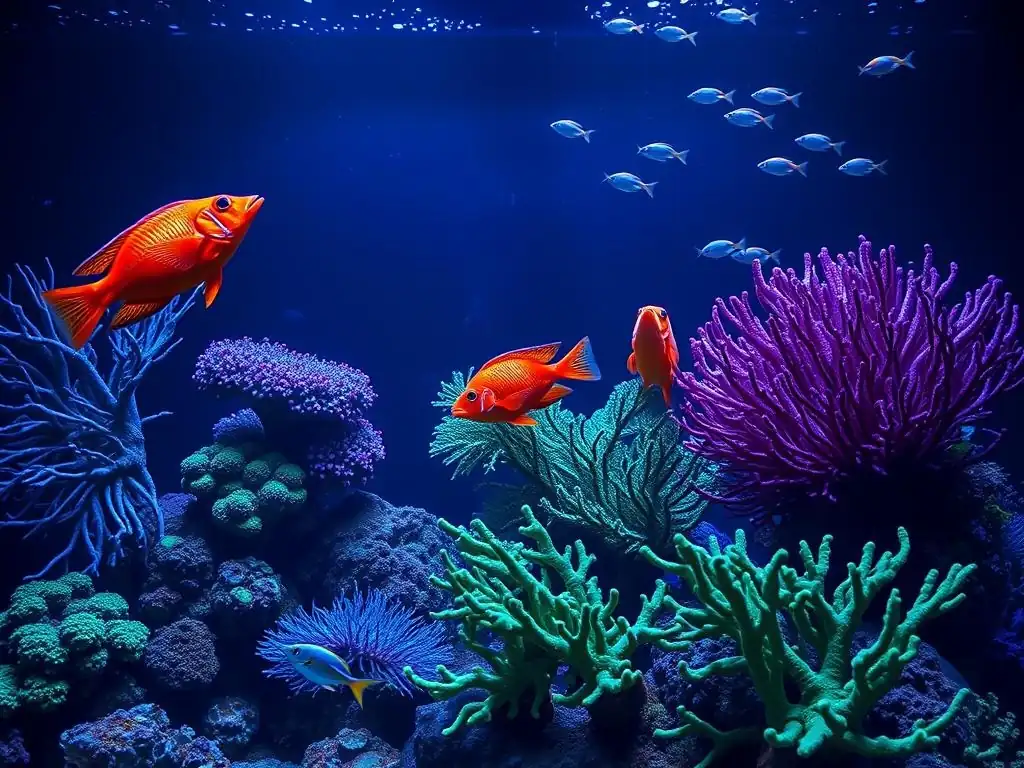
Welcome to Aquarium Mastery! Ever wondered what your Cardinalfish are really up to after the aquarium lights go out? Dive into our latest article, "The Nocturnal World of Cardinalfish: Observing Their Hidden Lives After Lights Out," for fascinating Cardinalfish night behavior tips that will transform how you understand these captivating saltwater creatures. Prepare to uncover their secrets and ensure a thriving habitat for your underwater companions. Let's explore!
- Understanding Cardinalfish Behavior: Day vs. Night
- Cardinalfish Night Behavior Tips: A Guide for Aquarium Keepers
- Cardinalfish Nighttime Feeding Strategies: What They Eat in the Dark
- Maintaining a Healthy Aquarium Environment for Cardinalfish Night Activity
- Common Cardinalfish Nighttime Issues and Solutions
- Enhancing the Cardinalfish Nighttime Viewing Experience
- Cardinalfish Species and Their Unique Nighttime Behaviors
- Optimizing Your Aquarium for Cardinalfish Nighttime Wellness
- Conclusion: Appreciating the Hidden World of Cardinalfish After Dark
- Frequently Asked Questions
- Final Reflection: Unveiling the Secrets of the Night
- Unveil the Secrets: Become a Cardinalfish Guardian Today!
Understanding Cardinalfish Behavior: Day vs. Night
Cardinalfish: Diurnal Habits and Aquarium Life
During daylight hours, cardinalfish typically exhibit predictable and often docile behavior within the aquarium environment. Many species, like the popular Pajama Cardinalfish (Sphaeramia nematoptera) or the Banggai Cardinalfish (Pterapogon kauderni), are known for their schooling tendencies, often hovering gracefully in mid-water or near protective rockwork and coral formations. Their daytime activity primarily revolves around social interactions, maintaining their position in the water column, and occasionally feeding on zooplankton or small invertebrates that drift by. This diurnal pattern makes them a visually appealing addition to many reef aquariums, showcasing their vibrant colors and tranquil movements.
Aquarists often observe cardinalfish in tight aggregations during the day, a natural defense mechanism against potential predators in the wild. Even in the controlled setting of an aquarium, this schooling instinct remains strong, providing a sense of security for the fish. While generally peaceful, individual cardinalfish might establish small territories, especially during feeding times, but these interactions rarely escalate into significant aggression during daylight hours. Understanding this baseline diurnal behavior is crucial for recognizing the distinct shifts that occur once the lights go out, providing valuable cardinalfish night behavior tips for their overall well-being.
The Shift to Nocturnal Activity: What Changes After Lights Out?
As the aquarium lights dim and darkness descends, cardinalfish undergo a significant behavioral transformation, transitioning from their diurnal patterns to a largely nocturnal existence. This shift is a fundamental aspect of their natural biology, driven by evolutionary adaptations that allow them to thrive in low-light conditions. Their remarkably large eyes, characteristic of many cardinalfish species, are specifically adapted for enhanced vision in dim light, enabling them to navigate, forage, and avoid nocturnal predators more effectively than their daytime counterparts. This makes observing their activities after dark a fascinating endeavor for aquarists.
The most noticeable change is the dispersion of their daytime schools. Instead of tight groupings, individual cardinalfish often spread out, becoming more independent and actively exploring their environment. Foraging behavior intensifies as they seek out small crustaceans and other invertebrates that become more active under the cloak of darkness. This nocturnal activity is a critical period for their metabolism and overall health, emphasizing why understanding and supporting their cardinalfish night behavior tips is vital for successful long-term care.
Cardinalfish Night Behavior Tips: A Guide for Aquarium Keepers
Observing Cardinalfish at Night: What to Look For
Observing cardinalfish after dark requires a gentle approach to avoid startling them and disrupting their natural nocturnal rhythms. Using a very dim red or blue LED light, often referred to as a "lunar light," is ideal as these wavelengths are less disruptive to fish vision. When observing, look for a change in their typical daytime schooling behavior; most cardinalfish will disperse, with individuals often seeking out specific hiding spots or actively foraging across the substrate and rockwork. You might notice them exploring areas they rarely frequent during the day.
Pay close attention to their body posture and movement. While some cardinalfish will be actively hunting or cruising, others might be in a resting state, appearing suspended motionless in water, sometimes even at unusual angles, or tucked into crevices. This cryptic behavior is a key aspect of their cardinalfish night behavior tips, as it helps them avoid predators. For example, a Pajama Cardinalfish might be seen resting on a soft coral branch, while a Banggai Cardinalfish could be hovering protectively near an anemone, demonstrating their varied nocturnal habits.
Cardinalfish Sleeping Habits: Resting and Hiding
Cardinalfish, like many fish, don't truly "sleep" in the mammalian sense, but they do enter a state of reduced activity and heightened sensory awareness, often referred to as resting. During this nocturnal resting phase, their metabolism slows down, and they become less responsive to external stimuli. The specific way they rest varies by species, but a common theme among cardinalfish is the utilization of secure hiding spots to minimize vulnerability to nocturnal predators. These spots can include tight crevices within live rock, under overhangs, or even nestled among the branches of specific corals.
For instance, Banggai Cardinalfish often exhibit a unique resting behavior where they hover almost motionless, sometimes even upside down, within the protective tentacles of a sea anemone or the spines of a long-spined urchin. Other species might simply find a secluded corner or a small cave to remain stationary until dawn.
Providing an abundance of such secure and diverse hiding places is one of the most crucial cardinalfish night behavior tips, as it directly contributes to their sense of security, reduces stress, and allows them to achieve proper rest, which is vital for their long-term health and vitality in the aquarium.
Cardinalfish Nighttime Feeding Strategies: What They Eat in the Dark
Adjusting Feeding Schedules for Nocturnal Cardinalfish
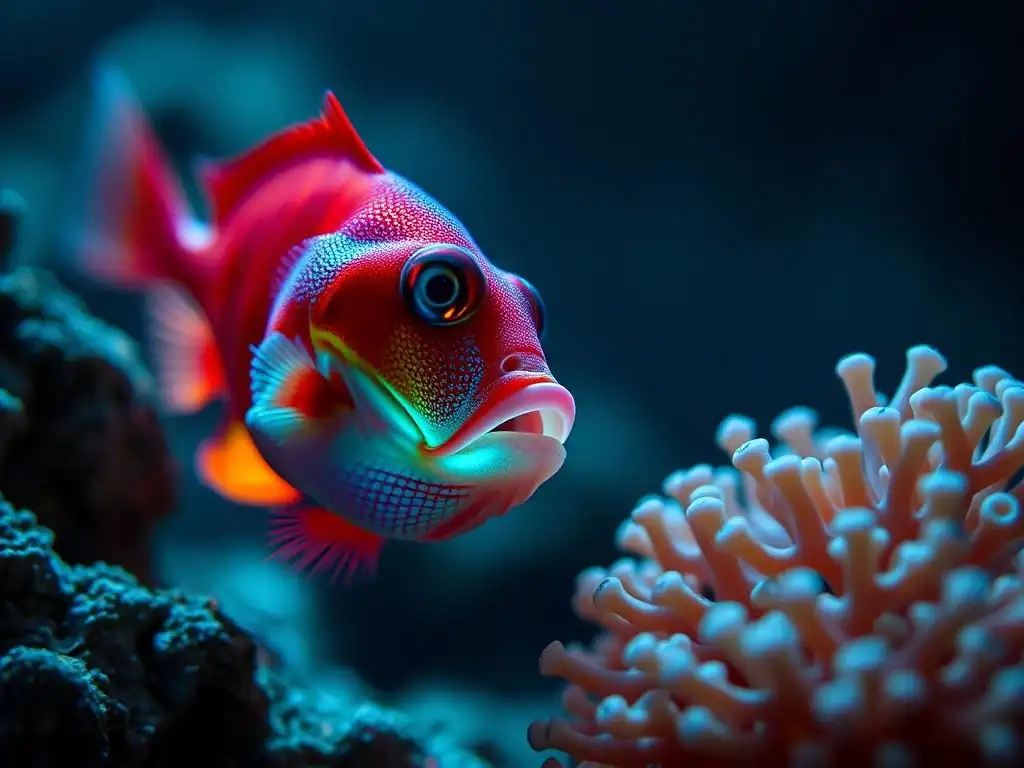
Given their predominantly nocturnal nature, cardinalfish often benefit from adjustments to their feeding schedules that accommodate their active periods after dark. While they will readily consume food during the day, offering a small, targeted feeding after the main aquarium lights have been off for an hour or two can significantly enhance their nutritional intake and overall well-being. This strategy aligns with their natural instinct to forage under the cover of darkness, when many of their preferred prey items, such as copepods and other small crustaceans, are most active in the wild reef environment.
This nighttime feeding doesn't need to be extensive; a small pinch of appropriate food, delivered with minimal disturbance, is usually sufficient. Some aquarists even use a very dim red light to target-feed specific cardinalfish, ensuring that the food reaches them before being consumed by faster, diurnal tank mates. Implementing these cardinalfish night behavior tips for feeding ensures that these fish receive adequate nourishment, especially in community tanks where they might face competition during daytime feedings. It supports their natural biological clock and promotes healthier, more robust fish.
Best Food Options for Cardinalfish Night Feeding
When considering food options for nocturnal cardinalfish feeding, it's essential to select items that mimic their natural diet and are easily detectable in low light. Live foods are often the most appealing and effective choice, as their movement stimulates the cardinalfish's hunting instincts. Enriched live brine shrimp (Artemia salina), copepods, and small amphipods are excellent options that provide essential fatty acids and proteins. These organisms are naturally found in reef environments and are a primary food source for many cardinalfish species in the wild.
Frozen foods are also highly effective and more practical for regular use. Frozen mysis shrimp (Mysidacea), enriched rotifers, and cyclop-eeze are readily accepted by most cardinalfish and provide a rich nutritional profile. These foods retain their scent and can be easily detected by cardinalfish even in dim light, as their sense of smell plays a significant role in nocturnal foraging. When offering frozen foods, ensure they are thoroughly thawed before introduction to the aquarium. Incorporating these specific food types into your cardinalfish night behavior tips for feeding will help ensure your fish remain healthy and well-nourished.
Maintaining a Healthy Aquarium Environment for Cardinalfish Night Activity
Night Lighting for Cardinalfish: Lunar Lights and Their Benefits
The strategic use of very dim "lunar lights" is a crucial component of optimizing an aquarium environment for cardinalfish night activity. These specialized lights, typically very low-wattage blue LEDs, are designed to mimic the subtle glow of moonlight on a natural reef, providing just enough illumination for observation without disrupting the fish's natural circadian rhythms. Unlike full spectrum aquarium lights, lunar lights operate at an intensity that closely replicates the average lunar illumination, which can range from 0.0001 to 0.1 lux, depending on moon phase and cloud cover.
The benefits of incorporating lunar lighting extend beyond simple observation. It provides a natural transition from day to night, reducing stress on the fish that might otherwise experience an abrupt shift to complete darkness. This gradual change helps cardinalfish adjust their physiological processes, such as metabolism and activity levels, more smoothly. Furthermore, it allows them to navigate their environment safely, locate hiding spots, and even engage in limited nocturnal foraging without the disorientation of total darkness. This thoughtful approach to lighting is a key element in successful cardinalfish night behavior tips, promoting overall health and natural behavior.
Water Quality and Its Impact on Cardinalfish Night Behavior
Maintaining consistently pristine water quality is paramount for the health and natural behavior of cardinalfish, influencing their activity both day and night. Any fluctuations or degradation in water parameters can significantly impact their stress levels, immune response, and overall physiological functions, which in turn manifest in their nocturnal behavior. Elevated levels of ammonia (NH3/NH4+), nitrite (NO2-), or nitrate (NO3-), even if subtle, can lead to chronic stress, causing cardinalfish to become lethargic, hide excessively, or exhibit erratic swimming patterns during their active nocturnal hours.
Optimal water parameters, including stable salinity (typically 1.023-1.026 specific gravity), a consistent pH (8.1-8.4), and a steady temperature (74-80°F or 23-27°C), are non-negotiable. Regular water changes, typically 10-20% bi-weekly or monthly depending on bioload, are essential for diluting accumulated nitrates and replenishing vital trace elements. Furthermore, a robust filtration system, including mechanical, biological, and chemical filtration (e.g., activated carbon), helps maintain clarity and remove pollutants. Monitoring these parameters diligently and ensuring their stability is a cornerstone of effective cardinalfish night behavior tips, ensuring a thriving environment around the clock.
Common Cardinalfish Nighttime Issues and Solutions
Stress and Anxiety in Cardinalfish at Night: Identifying Causes
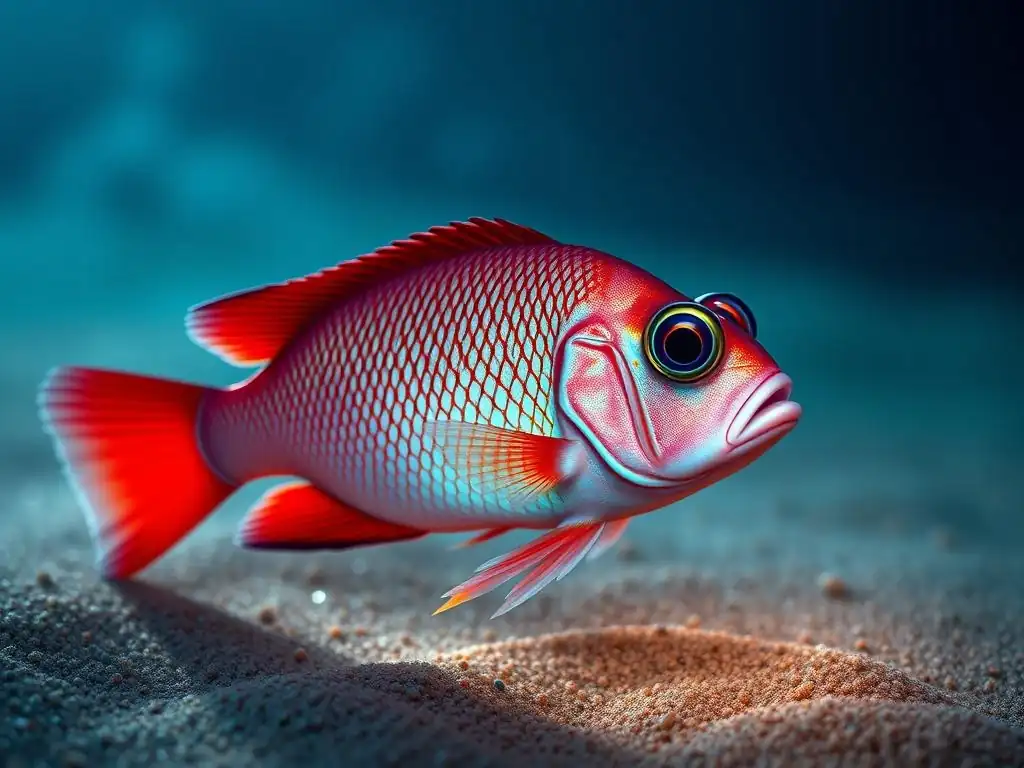
Cardinalfish can exhibit signs of stress and anxiety at night, which can be more pronounced due to their naturally vulnerable state during their resting or foraging periods. Common causes include sudden, bright lights from room illumination, the presence of overly aggressive nocturnal tank mates, or an insufficient number of suitable hiding spots. Symptoms of stress might include erratic or darting movements, rapid gilling (indicating labored breathing), a noticeable fading of their vibrant daytime coloration, or an unusual tendency to hide excessively, even when lunar lights are on. Some individuals might become withdrawn, refusing to engage in typical nocturnal foraging.
Addressing these stressors is crucial. Ensure that the aquarium room remains dark after lights out, avoiding sudden flicking on of overhead lights. Evaluate tank mate compatibility, especially considering species that might become more territorial or predatory at night. Most importantly, provide an abundance of secure, varied hiding places within the live rock aquascape. Each cardinalfish should have multiple options for shelter to feel safe. Implementing these cardinalfish night behavior tips for stress reduction will significantly improve their well-being and allow them to exhibit more natural nocturnal behaviors.
Cardinalfish Aggression at Night: Tank Mate Compatibility
While cardinalfish are generally considered peaceful community fish, some species, or even individuals within a species, can exhibit increased aggression or territoriality during their nocturnal hours. This is particularly true for conspecifics (members of the same species) or towards smaller, more docile tank mates if space is limited or if a perceived threat is present.
For instance, a pair of Banggai Cardinalfish guarding eggs might become more defensive at night, or a Pajama Cardinalfish might display mild aggression towards a newcomer if hiding spots are scarce. This nighttime aggression is often driven by competition for prime resting spots or foraging grounds.
To mitigate nighttime aggression, ensuring adequate space within the aquarium is paramount; a minimum of 30 gallons for a small group of cardinalfish is often recommended, with larger tanks preferred for larger groups or mixed species. Providing ample line-of-sight breaks and numerous hiding spots within the live rock structure helps reduce direct encounters and allows less dominant fish to retreat. Introducing all tank mates simultaneously, or introducing cardinalfish last, can also help establish a more balanced social hierarchy. These cardinalfish night behavior tips regarding tank mate compatibility are vital for maintaining a harmonious nocturnal environment.
Disease Symptoms Visible at Night: Early Detection
Observing cardinalfish during their nocturnal hours can offer a unique opportunity for early detection of disease symptoms that might be less apparent during the day. When fish are resting or less active, subtle signs of illness, such as fin clamping, labored or rapid breathing, or the presence of external parasites like Ich (Cryptocaryon irritans) or Velvet (Amyloodinium ocellatum), can become more visible. White spots characteristic of Ich, for example, might be easier to spot against their darkened bodies or when they are stationary, allowing for quicker intervention.
Other indicators of potential health issues visible at night include unusual swimming patterns, such as listlessness or difficulty maintaining buoyancy, or changes in coloration that persist even under dim lighting. Fish that are stressed or ill might also isolate themselves more profoundly than usual, refusing to join in any nocturnal foraging or resting. Regular, gentle observation using a lunar light can therefore serve as a critical part of your daily health check routine. Implementing these cardinalfish night behavior tips for health monitoring can significantly improve the chances of successful treatment by catching diseases in their nascent stages.
Enhancing the Cardinalfish Nighttime Viewing Experience
Setting Up a Dedicated Night Viewing Area
To fully appreciate the hidden world of cardinalfish after dark, setting up a dedicated night viewing area can significantly enhance the experience without disturbing your fish. This involves controlling ambient light in the room where the aquarium is located. Ideally, the room should be completely dark, or only illuminated by a very dim, non-disruptive light source like a small desk lamp with a red bulb placed away from the tank. The most effective tool for direct observation is a specialized "lunar light" system or a very dim blue LED light strip integrated into your aquarium hood.
Position yourself comfortably a few feet away from the tank to avoid casting shadows or creating vibrations that might startle the fish. Patience is key; allow your eyes to adjust to the dim lighting for several minutes before attempting to spot specific behaviors. This setup creates a serene environment that encourages cardinalfish to exhibit their natural nocturnal behaviors. Following these cardinalfish night behavior tips for viewing allows for unobtrusive observation, revealing fascinating aspects of their lives you might otherwise miss.
Photography Tips for Capturing Cardinalfish Night Behavior
Capturing the elusive nocturnal behavior of cardinalfish through photography presents a unique challenge but can yield stunning results. The primary goal is to use minimal light to avoid startling the fish while still achieving a clear image. Avoid using a direct flash, as this can cause significant stress and potentially harm their sensitive eyes. Instead, rely on the dim lunar lighting already in place or a very subtle, diffused red light source.
Technically, this means adjusting your camera settings to compensate for low light. Increase your ISO significantly (e.g., ISO 1600-6400, depending on your camera's noise performance) to make the sensor more sensitive to light. Use a wide aperture lens (low f-number, e.g., f/1.8 to f/2.8) to gather as much light as possible. Shutter speed will likely need to be slower (e.g., 1/30 to 1/60 of a second), so a steady hand or a tripod is essential to prevent motion blur.
Focus manually if your autofocus struggles in dim conditions. Be patient, take multiple shots, and anticipate their movements. These cardinalfish night behavior tips for photography will help you document their hidden lives effectively.
Cardinalfish Species and Their Unique Nighttime Behaviors
Pajama Cardinalfish: Night Habits and Care
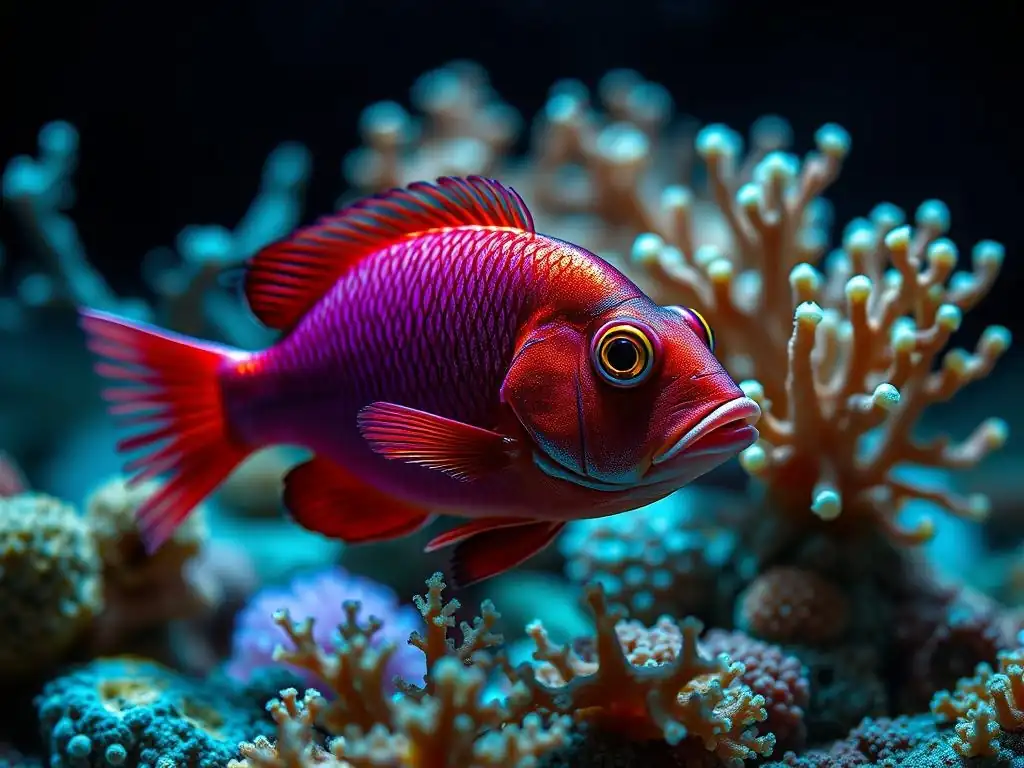
The Pajama Cardinalfish (Sphaeramia nematoptera), instantly recognizable by its distinctive spots and broad dark band, exhibits specific nocturnal habits that distinguish it from its daytime schooling behavior. As evening falls, these cardinalfish tend to disperse from their tight daytime schools, becoming more individualistic. They often seek out sheltered spots within the rockwork, sometimes resting on the substrate or hovering motionless within the branches of soft corals or gorgonians. Unlike some more active nocturnal foragers, Pajama Cardinalfish typically enter a more pronounced resting state, conserving energy.
Care for Pajama Cardinalfish at night involves ensuring ample, secure hiding places. They appreciate small caves, crevices, and dense coral structures where they can feel safe from potential disturbances. While they may still forage opportunistically if food is introduced, their primary nocturnal activity is rest. Observing their distinct patterns, which remain visible even under dim lunar light, can be a rewarding experience. Providing a calm, dark environment free from sudden light exposure is a key cardinalfish night behavior tip for this species, promoting their overall health and longevity.
The Banggai Cardinalfish (Pterapogon kauderni) is renowned for its unique social dynamics, and these interactions continue, albeit subtly, into the nighttime hours. Unlike many schooling cardinalfish that disperse, Banggai Cardinalfish often maintain their pair bonds or small group cohesion, even when resting. Males, particularly those oral brooding eggs, become exceptionally reclusive at night, seeking out the deepest, most secluded crevices or hovering protectively near their chosen host invertebrate, such as a sea anemone (e.g., Stichodactyla tapetum) or a long-spined urchin (e.g., Diadema setosum).
Their association with these protective invertebrates strengthens at night, as they offer a vital refuge from nocturnal predators. Pairs may be observed resting in close proximity, demonstrating their strong bond. While their daytime movements are often characterized by gentle hovering, at night, their movements are more deliberate and often confined to the immediate vicinity of their shelter. Understanding these social nuances and providing appropriate host invertebrates, if desired, are crucial cardinalfish night behavior tips for promoting natural behavior and successful breeding in Banggai Cardinalfish.
Yellow Cardinalfish: Nocturnal Hunting Strategies
The Yellow Cardinalfish (Ostorhinchus cyanosoma), with its vibrant coloration, is a more active nocturnal hunter compared to some of its cardinalfish relatives. While they school during the day, once the aquarium lights dim, they become more dispersed and actively patrol the rockwork and substrate in search of food. Their large eyes are particularly adept at detecting the movements of small invertebrates in low light, making them efficient crepuscular and nocturnal predators. They will actively stalk and ambush small crustaceans, worms, and other tiny organisms that emerge from the substrate or live rock after dark.
Aquarists might observe Yellow Cardinalfish exhibiting a more exploratory and less sedentary nocturnal behavior. They might dart quickly between hiding spots, pausing to investigate crevices for potential prey. Their foraging strategy often involves using their keen sense of smell and lateral line system to detect hidden prey. Offering small, live foods like copepods or enriched brine shrimp after lights out can cater to their natural hunting instincts and provide valuable enrichment. These cardinalfish night behavior tips highlight the importance of providing a diverse aquascape with plenty of nooks and crannies to support their natural nocturnal foraging.
Optimizing Your Aquarium for Cardinalfish Nighttime Wellness
Providing Adequate Hiding Places for Nighttime Rest
One of the most critical elements for optimizing an aquarium for cardinalfish nighttime wellness is the provision of adequate and varied hiding places. As predominantly nocturnal or crepuscular fish, cardinalfish rely heavily on secure shelters to rest, feel safe from perceived threats, and reduce stress during their inactive periods. These hiding spots should be numerous and diverse, offering options that range from tight crevices and small caves within the live rock structure to secluded overhangs or even dense patches of branching corals.
Ideally, an aquarium housing cardinalfish should have at least one secure hiding spot per fish, and preferably more, to allow for individual preferences and to reduce competition for prime locations. The size and shape of these shelters should accommodate the cardinalfish comfortably, allowing them to fully retreat and feel protected. A well-aquascaped tank with varied rockwork not only looks aesthetically pleasing but also serves a vital biological function by providing the essential security that dictates much of cardinalfish night behavior tips, ensuring their physical and psychological well-being.
Controlling Light Pollution to Mimic Natural Night Cycles
Controlling light pollution is paramount to mimicking natural night cycles, which is fundamental for the health and natural behavior of cardinalfish. In their native reef habitats, the transition from day to night is gradual, followed by hours of near-total darkness or very dim moonlight. In a home aquarium, this natural cycle can be easily disrupted by ambient room lights, streetlights, or even light from televisions and computer screens. Consistent exposure to artificial light during their natural resting period can disrupt their circadian rhythm, leading to chronic stress, weakened immune systems, and abnormal behaviors.
To achieve optimal conditions, ensure the aquarium is in a room where external light sources can be minimized or eliminated after the main lights turn off. Using blackout curtains or positioning the tank away from windows can help. If a lunar light system is used, ensure its intensity is truly minimal, mimicking natural moonlight, which can be thousands of times dimmer than typical room lighting. A complete and undisturbed dark period, lasting typically 8-10 hours, allows cardinalfish to properly rest, digest, and recover, aligning with key cardinalfish night behavior tips for their long-term vitality.
Understanding and appreciating the nocturnal world of cardinalfish offers aquarists a deeper insight into the complex lives of these fascinating reef inhabitants. Far from being dormant after the lights go out, cardinalfish exhibit a range of unique behaviors, from specialized foraging strategies to intricate resting patterns, all adapted for survival in the dim light of night. By recognizing their shift to nocturnal activity, providing appropriate environmental conditions, and observing patiently, we can unlock a hidden dimension of their existence.
The subtle beauty of their night movements, their reliance on secure hiding spots, and their specialized feeding habits underscore the importance of catering to their specific needs around the clock. Embracing these cardinalfish night behavior tips not only enhances their well-being but also enriches the entire aquarium experience, transforming a static display into a dynamic, living ecosystem that reveals new wonders after dark.
Continuing Your Learning: Further Resources on Cardinalfish Care
For those passionate about marine aquariums and seeking to further optimize their cardinalfish care, continued learning is key. Exploring detailed species profiles for specific cardinalfish can provide more granular insights into their unique requirements, from dietary preferences to specific social behaviors during both day and night. Resources focusing on advanced aquascaping techniques, particularly those emphasizing the creation of intricate live rock structures with ample hiding places, can also be invaluable.
Additionally, delving into the science of marine fish circadian rhythms and the impact of light cycles can deepen your understanding of their physiological needs. Engaging with experienced aquarists in online forums or local clubs often yields practical cardinalfish night behavior tips and solutions based on real-world experiences.
Frequently Asked Questions
What is typical Cardinalfish night behavior?
Cardinalfish are generally less active at night. They often seek shelter amongst rocks or plants and may exhibit a reduced feeding response.
Do Cardinalfish sleep at night?
While they don't sleep in the same way humans do, Cardinalfish enter a state of reduced activity and rest. Their colors may also become less vibrant during this period.
Should I feed my Cardinalfish at night?
It's generally not recommended to feed Cardinalfish at night. Uneaten food can contribute to poor water quality. They are primarily diurnal feeders.
Why are my Cardinalfish hiding more than usual at night?
Increased hiding could indicate stress or illness. Check your water parameters and observe them for other signs of disease.
What kind of lighting is best for Cardinalfish at night?
Dim or no lighting is ideal for Cardinalfish at night. Avoid bright lights that can disrupt their natural rest cycle. A moonlight LED can be used sparingly.
Final Reflection: Unveiling the Secrets of the Night
The exploration of cardinalfish night behavior, as we've seen, is not merely an academic exercise; it's a window into a hidden world teeming with activity. Understanding these nocturnal rhythms is crucial for responsible aquarium keeping and conservation efforts, allowing us to better mimic their natural environment and protect these delicate creatures in the wild. The insights gained from observing their lives after lights out have profound implications for how we interact with and appreciate the underwater realm.
This journey into the cardinalfish's nocturnal world has profoundly impacted my understanding of the interconnectedness of life, even in the seemingly quiet hours of darkness. It's a reminder that observation, patience, and a genuine curiosity can unlock secrets hidden in plain sight. In the end, we will conserve only what we love; we will love only what we understand; and we will understand only what we are taught.
- Baba Dioum. This quote encapsulates the importance of continued learning and sharing of knowledge to foster a deeper appreciation for the natural world and its inhabitants.
Now, I invite you to reflect on your own relationship with the natural world. Consider how you can apply the principles of observation and understanding to appreciate the hidden lives around you, whether in your own aquarium or in the wider ecosystem. Let the cardinalfish's nocturnal dance inspire you to seek out the unseen, to learn from the quiet moments, and to contribute to a future where all creatures, both diurnal and nocturnal, thrive.
Unveil the Secrets: Become a Cardinalfish Guardian Today!
Thank you for diving into the fascinating world of cardinalfish! We hope you’ve gained a new appreciation for these shy, nocturnal creatures and their vital role in our aquariums. Now, let’s put that knowledge into action!
- Boldly begin your nocturnal observations: Dedicate just 15 minutes each night to observe your cardinalfish after lights out, noting any unique behaviors or interactions.
- Share your findings! Start a thread on an aquarium forum or social media group to compare notes with other cardinalfish enthusiasts. Document your findings with photos or videos!
- Consider enriching their environment: Research and implement one new form of nocturnal enrichment for your cardinalfish, like providing a dimly lit refuge or offering specialized nocturnal feeding.
What surprising cardinalfish behavior will you uncover tonight?