
The Ultimate Clownfish & Anemone Compatibility Chart: Make No Mistakes!

Welcome to Aquarium Mastery!
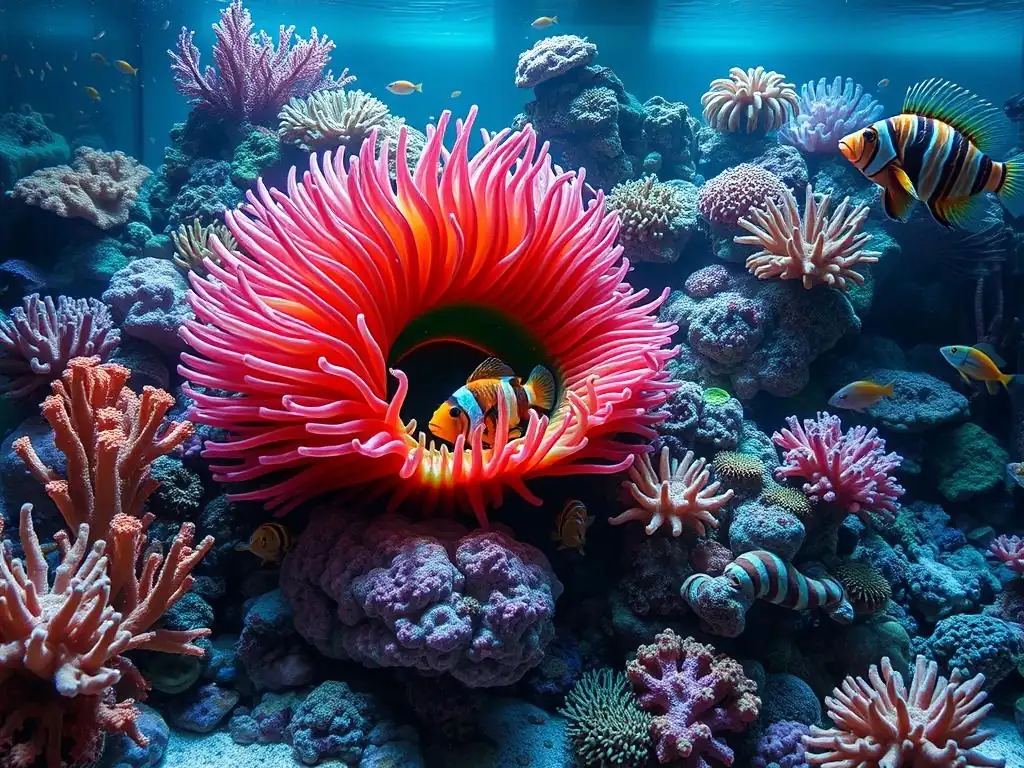
Ever wondered if that adorable clownfish will actually snuggle up to that magnificent anemone you've been eyeing? You're in the right place! Dive into our Clownfish Anemone Compatibility Guide and unlock the secrets to creating a thriving symbiotic relationship in your saltwater aquarium. Avoid costly mistakes and discover the perfect pairings that will bring your underwater world to life. Ready to find the ideal anemone for your clownfish (or vice versa)? Let's get started!
- Clownfish & Anemone Compatibility: A Guide to Successful Symbiosis
- Understanding Clownfish and Anemone Relationships
- Clownfish Anemone Compatibility: Species Breakdown
- Clownfish Anemone Compatibility Chart
- Setting Up Your Tank for Clownfish and Anemone Success
- Troubleshooting Clownfish and Anemone Issues
- Introducing Clownfish and Anemones
- Maintaining a Healthy Symbiotic Relationship
- Alternatives to Anemones
- Conclusion: Creating a Thriving Reef Ecosystem.
- Frequently Asked Questions
- Final Reflection: The Symbiotic Dance of Life
- Dive Deeper: Unveil Your Perfect Clownfish-Anemone Pair!
Clownfish & Anemone Compatibility: A Guide to Successful Symbiosis
Understanding Clownfish and Anemone Relationships
The Benefits of Anemone Hosts for Clownfish
The symbiotic relationship between clownfish and their anemone hosts is one of the most fascinating phenomena in the marine world, extending significant advantages to the clownfish. Primarily, the anemone provides a crucial protective sanctuary against predators. Its stinging nematocysts, while lethal to most fish, do not harm the clownfish due to a specialized mucus layer that mimics the anemone's own chemical signature, allowing the clownfish to move freely within its tentacles. This provides a safe haven for resting, sleeping, and retreating from threats, drastically reducing stress levels for the clownfish.
Beyond protection, the anemone also offers a reliable food source. Clownfish often consume parasites or detritus from the anemone's tentacles, and in turn, the anemone benefits from the clownfish's waste, which provides nutrients. Furthermore, the clownfish's presence can deter certain anemone predators, such as butterflyfish. Research suggests that clownfish living in symbiosis with an anemone exhibit higher survival rates and often display more vibrant coloration and robust health compared to those kept without a host, underscoring the deep biological benefits of this unique partnership.
Clownfish Anemone Compatibility: Species Breakdown
Popular Clownfish and Anemone Pairings
Understanding the specific hosting preferences of different clownfish species is paramount for successful pairing. While some clownfish are highly adaptable, others are quite particular, often favoring certain anemone species that they would naturally associate with in the wild. This section of our Clownfish Anemone Compatibility Guide will delve into the most common clownfish species encountered in the aquarium trade and their preferred anemone hosts, offering insights into their specific needs and behaviors.
Choosing the right combination ensures not only the well-being of both the clownfish and the anemone but also enhances the visual appeal and dynamic interaction within your reef tank. Factors such as the clownfish's natural habitat, their typical size, and their inherent aggression levels all play a role in determining which anemone will serve as the most suitable host.
Ocellaris Clownfish (Amphiprion ocellaris) and Anemone Compatibility
The Ocellaris Clownfish, often recognized as "Nemo," is perhaps the most popular and widely available clownfish species. In their natural Indo-Pacific habitats, they primarily associate with three anemone species: the Magnificent Anemone (Heteractis magnifica), the Giant Carpet Anemone (Stichodactyla gigantea), and the Sebae Anemone (Heteractis crispa). However, in captivity, they show an overwhelming preference and high success rate, often exceeding 90% in suitable conditions, for hosting in the Bubble Tip Anemone (Entacmaea quadricolor).
While these are their native hosts, Ocellaris clownfish are also known to opportunistically host in other anemone species, such as the Long Tentacle Anemone (Macrodactyla doreensis), or even certain large polyp stony (LPS) corals like Frogspawn (Euphyllia divisa) or Hammer (Euphyllia ancora) corals when a natural anemone host is unavailable. This adaptability makes them a relatively easy clownfish to pair, with the Bubble Tip Anemone being the most recommended choice for aquarists aiming for a strong clownfish anemone compatibility.
Percula Clownfish (Amphiprion percula) and Anemone Compatibility
The Percula Clownfish is strikingly similar in appearance and behavior to the Ocellaris, often leading to confusion between the two. Their natural host preferences also largely overlap, including the Magnificent Anemone, Giant Carpet Anemone, and Sebae Anemone. Like the Ocellaris, the Percula Clownfish exhibits a very high rate of successful hosting with the Bubble Tip Anemone in home aquariums, making it a highly reliable pairing.
Despite their close resemblance, subtle differences in fin count and stripe patterns distinguish the Percula from the Ocellaris. For the purpose of establishing clownfish anemone compatibility, their hosting tendencies are nearly identical. Both species are relatively peaceful and remain smaller in size, making them excellent choices for most reef tanks seeking to establish a symbiotic relationship, with the Bubble Tip Anemone consistently proving to be the most accessible and successful host.
Maroon Clownfish (Premnas biaculeatus) and Anemone Compatibility
The Maroon Clownfish, distinguished by its vibrant red-brown color and prominent spine below the eye, is known for its larger size and more aggressive, territorial nature compared to other clownfish species. Its primary and almost exclusive natural host is the Bubble Tip Anemone (Entacmaea quadricolor). This strong preference for a single host species means that successful clownfish anemone compatibility with a Maroon largely hinges on providing a healthy and established Bubble Tip Anemone.
Due to their robust size, which can reach up to 6 inches, and their assertive personality, Maroon clownfish require a larger tank – typically 75 gallons or more – especially if they are to be kept with an anemone. While their hosting success with Bubble Tip Anemones is quite high, often over 85%, their territoriality dictates that they are best kept as a single specimen or a bonded pair in a tank without other clownfish. This species is not recommended for mixed clownfish setups or smaller aquariums.
Tomato Clownfish (Amphiprion frenatus) and Anemone Compatibility
The Tomato Clownfish, characterized by its reddish-orange body and a single white stripe behind the eye (which may fade with age), is a relatively robust and active species. In the wild, they are known to host a variety of anemones, including the Bubble Tip Anemone (Entacmaea quadricolor), Sebae Anemone (Heteractis crispa), and sometimes the Long Tentacle Anemone (Macrodactyla doreensis). In captivity, they generally show good clownfish anemone compatibility with the Bubble Tip Anemone, making it a common choice for aquarists.
While adaptable to various hosts, Tomato clownfish, similar to Maroons, can exhibit more territorial and aggressive behavior as they mature, especially towards other clownfish or smaller, more docile tank mates. They can grow up to 5 inches, necessitating a tank of at least 40 gallons for a single specimen or a pair. Providing them with an established anemone can help channel their territorial instincts towards their host, contributing to a more stable environment in the tank.
Clarkii Clownfish (Amphiprion clarkii) and Anemone Compatibility
The Clarkii Clownfish is arguably the most adaptable and versatile of all clownfish species when it comes to anemone hosting. With a wide natural distribution across the Indo-Pacific, they are known to host in an astonishing range of anemone species – more than any other clownfish, including Bubble Tip, Sebae, Magnificent, Long Tentacle, Mertens' Carpet, Haddon's Carpet, and even Pizza Anemones. This makes them an excellent choice if specific anemone availability or personal preference dictates a less common host.
Their broad compatibility, often allowing them to host with over 10 different anemone species, means aquarists have significant flexibility when planning their tank. Clarkii clownfish are generally hardy and can grow up to 4-5 inches. While highly adaptable, they can still be somewhat territorial, especially as they mature. Despite their adaptability, ensuring the chosen anemone is healthy, well-established, and suitable for the tank environment remains crucial for successful clownfish anemone compatibility.
Anemone Species Profiles: Finding the Right Host
Selecting the correct anemone is just as crucial as choosing the right clownfish for successful symbiosis. Anemones are sensitive invertebrates with specific environmental needs, and a thriving host is essential for the long-term health and happiness of your clownfish. This section of our Clownfish Anemone Compatibility Guide delves into profiles of popular anemone species, outlining their care requirements and suitability as hosts.
Understanding their lighting, flow, and water quality demands is vital, as a stressed or unhealthy anemone will not only fail to host but can also pose a risk to the entire aquarium ecosystem. Each species presents unique challenges and rewards, making informed selection a cornerstone of successful clownfish and anemone pairing.
Bubble Tip Anemone (Entacmaea quadricolor): A Beginner-Friendly Option
The Bubble Tip Anemone (BTA) is by far the most popular and recommended host anemone for a wide variety of clownfish due to its vibrant colors, distinctive "bubbles" on its tentacle tips (though not always present), and relatively robust nature. It requires moderate to high lighting, typically in the range of 150-300 PAR, and moderate, turbulent water flow to keep its tentacles moving and prevent detritus buildup. BTAs can grow quite large, often reaching 12-20 inches in diameter, requiring ample space in a mature tank of at least 30 gallons for a single specimen, with 50+ gallons being ideal.
This species is an ideal host for Ocellaris, Percula, and Maroon clownfish, among others, and is considered one of the more beginner-friendly anemones, provided stable water parameters are maintained. They prefer to anchor their foot in live rock crevices or a deep sand bed (at least 3-4 inches) and will move until they find their preferred spot. Regular feeding of small pieces of seafood (e.g., mysis shrimp, silversides) once or twice a week can also contribute to their overall health and growth.
Magnificent Anemone (Heteractis magnifica): A Stunning Choice for Experienced Reefers
The Magnificent Anemone, also known as the Ritteri Anemone, is a truly stunning and impressive host, but it is strictly recommended for experienced reef aquarists due to its demanding care requirements. These anemones are large, often reaching 20 inches or more in diameter, with long, sticky tentacles, and demand very high lighting (PAR levels typically exceeding 300-500+) and strong, turbulent water flow. They are extremely sensitive to water quality fluctuations and require a highly mature tank, ideally established for at least one year, with pristine and stable parameters.
Magnificent Anemones are preferred hosts for Ocellaris, Percula, Clarkii, and sometimes Tomato clownfish in their natural habitats. However, their specific needs for intense light, powerful filtration, and an established biological filter make them unsuitable for novice aquarists. They prefer to attach their foot deep within rockwork or a very deep sand bed (6+ inches) and can be prone to "walking" around the tank if conditions are not ideal, potentially stinging other corals in their path.
Carpet Anemone (Stichodactyla spp. ): High Compatibility, High Risk
Carpet Anemones, encompassing various species like Stichodactyla gigantea, S. mertensii, and S. haddoni, are known for their incredibly sticky tentacles that resemble a shaggy carpet. While they are highly compatible hosts for a wide range of clownfish, including Percula, Ocellaris, Clarkii, and Saddleback clownfish, they come with significant risks and are generally not recommended for the average home aquarium. These anemones can grow to enormous sizes, with some species reaching up to 3 feet or more in diameter, requiring exceptionally large tanks (100+ gallons).
Their primary risk factor is their extremely potent sting and predatory nature; they are notorious for consuming fish, shrimp, and other invertebrates that come into contact with their tentacles, making them unsuitable for most mixed reef tanks. Carpet Anemones also demand very high lighting (300-600+ PAR) and strong, consistent water flow. Due to their size, predatory tendencies, and advanced care requirements, they are best suited for dedicated species tanks or very large, specialized aquariums managed by expert aquarists who fully understand their potential hazards.
Clownfish Anemone Compatibility Chart
Matching Clownfish and Anemone Species
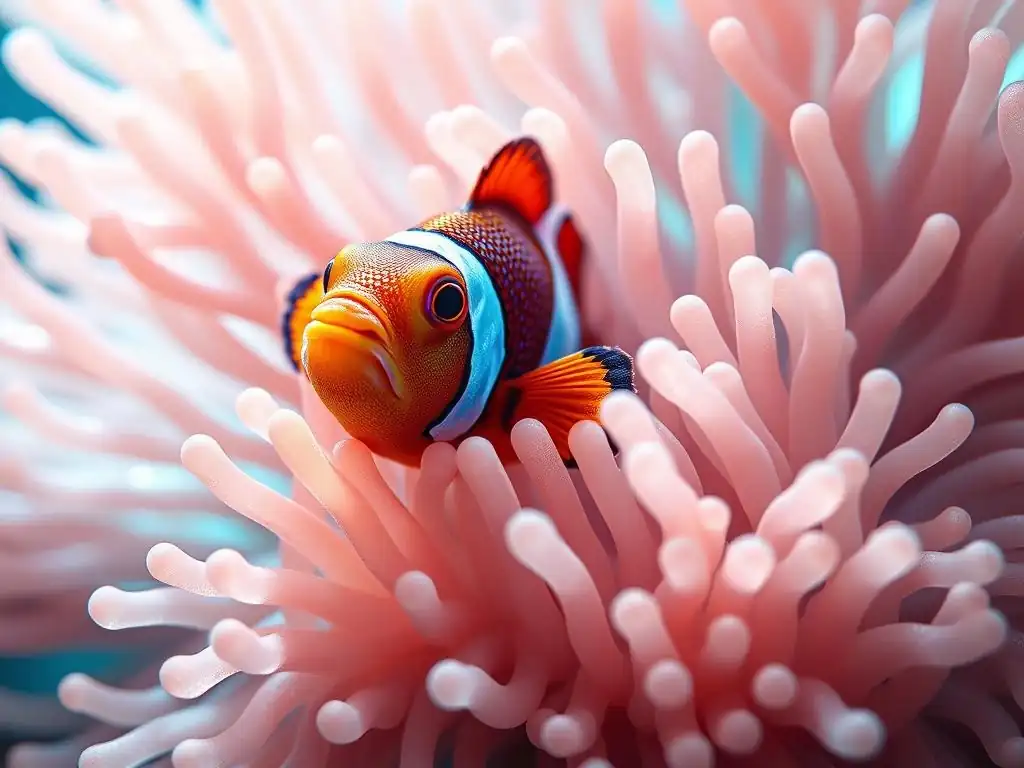
The success of a clownfish-anemone pairing hinges on understanding which species naturally associate with each other and which exhibit opportunistic hosting behaviors in captivity. While no guide can guarantee 100% success due to individual animal personalities, this Clownfish Anemone Compatibility Guide aims to provide a reliable framework. The following is a simplified overview of common and successful pairings, categorized by the likelihood of hosting:
- Ocellaris/Percula Clownfish:
- High Compatibility: Bubble Tip Anemone (Entacmaea quadricolor)
- Medium Compatibility: Magnificent Anemone (Heteractis magnifica), Sebae Anemone (Heteractis crispa)
- Opportunistic/Occasional: Long Tentacle Anemone (Macrodactyla doreensis), various LPS corals (e.g., Frogspawn, Hammer)
- Maroon Clownfish:
- High Compatibility: Bubble Tip Anemone (Entacmaea quadricolor)
- Low Compatibility: Other anemone species (rarely host)
- Tomato Clownfish:
- High Compatibility: Bubble Tip Anemone (Entacmaea quadricolor)
- Medium Compatibility: Sebae Anemone (Heteractis crispa), Long Tentacle Anemone (Macrodactyla doreensis)
- Clarkii Clownfish:
- High Compatibility: Bubble Tip Anemone (Entacmaea quadricolor), Sebae Anemone (Heteractis crispa), Magnificent Anemone (Heteractis magnifica), Long Tentacle Anemone (Macrodactyla doreensis)
- Medium Compatibility: Mertens' Carpet Anemone (Stichodactyla mertensii), Haddon's Carpet Anemone (Stichodactyla haddoni)
Using the Clownfish Anemone Compatibility Chart
This Clownfish Anemone Compatibility Guide's chart is designed to be a practical tool for aquarists, simplifying the complex world of clownfish-anemone symbiosis. When interpreting the "compatibility" levels, "High" indicates a natural and frequent pairing observed both in the wild and captivity, suggesting a strong likelihood of successful hosting. "Medium" suggests that hosting is possible and occurs, but may take longer, or be less consistent, depending on the individual fish and anemone. "Low" or "Opportunistic" implies that hosting is rare, inconsistent, or happens only when preferred hosts are unavailable, and may not be a stable long-term solution.
It is crucial to remember that this chart serves as a guideline, not a definitive guarantee. Individual clownfish personalities vary greatly; some tank-bred clownfish, for instance, may never host regardless of the anemone provided, simply because they haven't learned the behavior. Factors such as the anemone's health, its size relative to the clownfish, the overall tank environment, and the patience of the aquarist all play significant roles in determining the ultimate success of the pairing. Always prioritize the health of both animals and observe their interactions closely after introduction.
Setting Up Your Tank for Clownfish and Anemone Success
Optimal Water Parameters for Clownfish and Anemones
Maintaining stable and pristine water parameters is absolutely critical for the health and longevity of both clownfish and anemones. Anemones, in particular, are highly sensitive to fluctuations and poor water quality. Ideal salinity should be maintained between 1.023 and 1.026 specific gravity, and temperature should remain stable between 75-82°F (24-28°C). pH levels should consistently fall within the range of 8.1-8.4, and alkalinity (dKH) between 8-12. Essential elements like calcium (400-450 ppm) and magnesium (1250-1350 ppm) must also be kept within optimal ranges, as they are vital for the anemone's structural integrity and overall health.
Beyond these core parameters, it is imperative to keep ammonia, nitrite, and nitrate levels at zero, especially for anemones, which are highly intolerant of nitrogenous waste. Regular testing using reliable test kits is non-negotiable. Performing consistent partial water changes (10-20% bi-weekly or 5-10% weekly) with high-quality, properly mixed saltwater helps replenish essential trace elements and dilute any accumulating waste products, providing the stable, clean environment both clownfish and their hosts require to thrive.
Anemone Lighting and Flow Requirements
Anemones are photosynthetic invertebrates, meaning they derive a significant portion of their energy from light, specifically from the symbiotic algae (zooxanthellae) living within their tissues. Therefore, appropriate lighting is a non-negotiable requirement for their survival and health. The intensity of light is measured in Photosynthetically Active Radiation (PAR) units. For Bubble Tip Anemones, a PAR range of 150-300 is generally sufficient, while Magnificent and Carpet Anemones demand much higher PAR levels, often exceeding 300-500+. The type of lighting (LEDs, T5s, or Metal Halides) should be selected based on the specific anemone's needs and the tank's depth.
Water flow is equally important. Most host anemones prefer moderate to strong, turbulent flow that mimics their natural reef environment. This flow helps to bring food particles to their tentacles, removes waste products, and prevents detritus from settling on their surface, which can lead to tissue necrosis. Too little flow can starve the anemone or cause it to deflate, while excessively strong, direct laminar flow can prevent it from anchoring properly or even damage its delicate tissues. Strategic placement of powerheads is essential to create varied, non-direct currents throughout the tank.
Substrate Considerations
The type and depth of the substrate play a crucial role in the successful establishment and long-term health of many host anemones. Several popular species, such as the Sebae Anemone (Heteractis crispa) and Magnificent Anemone (Heteractis magnifica), naturally anchor their foot deep within the sand bed or between rock crevices. For these species, a deep sand bed of at least 3-6 inches is often recommended to allow them to fully extend and secure their foot, which is vital for their stability and overall well-being.
Other anemones, like the Bubble Tip Anemone (Entacmaea quadricolor), may prefer to attach their foot to the live rockwork, often seeking out crevices or shaded areas. Regardless of the preferred attachment method, it is paramount that the rockwork is stable and securely stacked to prevent collapses, especially if the anemone decides to move. Anemones will "walk" around the tank until they find a spot with ideal lighting, flow, and attachment, which can be problematic if they sting other corals or get sucked into powerheads. Careful planning of the aquascape can help guide their placement and minimize risks.
Troubleshooting Clownfish and Anemone Issues
Clownfish Not Hosting: Causes and Solutions
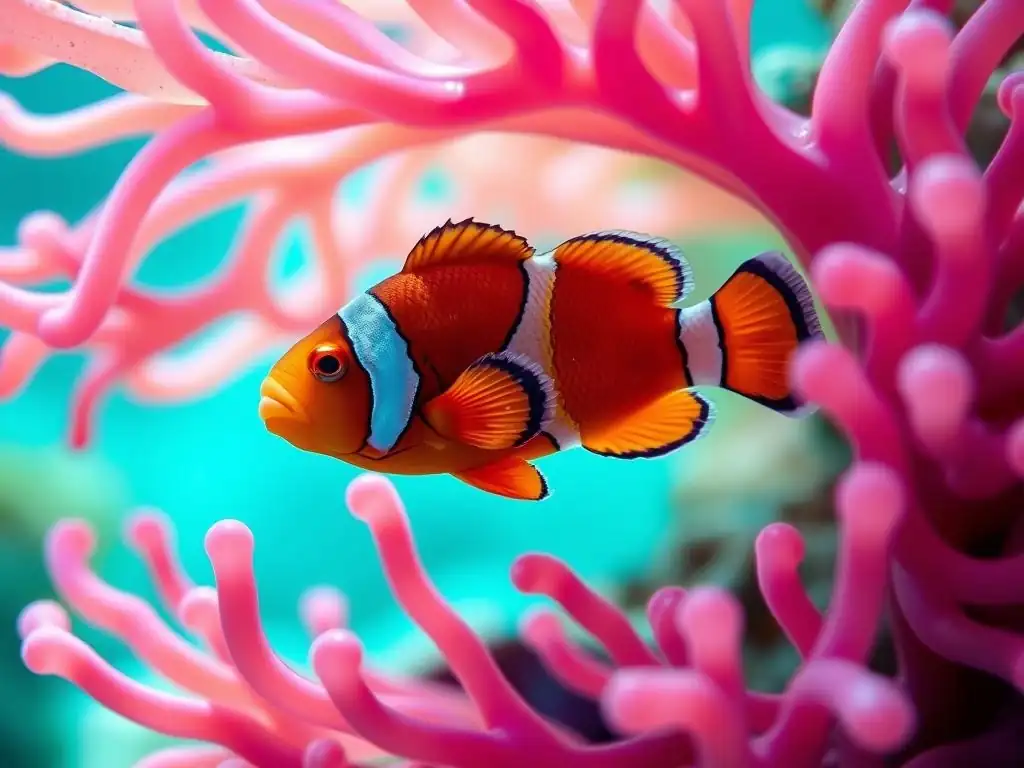
One of the most common frustrations for aquarists setting up a clownfish-anemone tank is when the clownfish refuses to host. Several factors can contribute to this behavior. Tank-bred clownfish, for instance, may not have the instinctive knowledge of hosting that wild-caught specimens possess, as they have never encountered an anemone. Other reasons include the anemone being too small relative to the clownfish, the clownfish being stressed by tank conditions or aggressive tank mates, or simply an individual personality quirk where the clownfish prefers other forms of shelter or no host at all.
To encourage hosting, ensure all water parameters are optimal and stable, as stress is a major deterrent. Provide an anemone that is at least three times the length of the clownfish when fully extended, giving it ample space to interact. Patience is key; some clownfish will host within hours, while others may take weeks or even months.
You can try turning off the lights for a day or two after introducing the clownfish or gently placing the clownfish near the anemone (without forcing it) to encourage interaction. If all else fails, some clownfish may simply never host, opting for powerheads, specific corals like Frogspawns, or rockwork as their "home."
Anemone Health Problems: Identification and Treatment
Anemones are highly sensitive invertebrates, and signs of ill health should be addressed immediately to prevent further decline or even a tank crash. Common indicators of an unhealthy anemone include a deflated or shrunken appearance, a closed or gaping mouth, loss of vibrant coloration (bleaching, indicating expulsion of zooxanthellae), a detached or shriveled foot, or erratic movement around the tank. These symptoms often point to underlying issues such as poor water quality, insufficient lighting, inadequate flow, or improper feeding.
Upon observing these signs, the first and most critical step is to thoroughly test and correct all water parameters, paying close attention to salinity, temperature, pH, and nutrient levels (ammonia, nitrite, nitrate, phosphate). Ensure the anemone is receiving appropriate lighting (PAR) and water flow for its species.
If it's open, offer small, appropriate foods like mysis shrimp or silversides to provide energy. If the anemone continues to decline or poses a threat to other tank inhabitants by moving erratically or stinging corals, it may need to be carefully removed to a separate quarantine tank for observation or, as a last resort, humanely euthanized to prevent further deterioration of tank conditions.
Aggression and Territoriality
While the clownfish-anemone symbiosis is generally peaceful, aggression and territoriality can arise, impacting both the clownfish and other tank inhabitants. Clownfish, particularly larger species like Maroons and Tomatoes, can become highly territorial as they mature, often asserting dominance over their chosen anemone and sometimes harassing or even attacking other tank mates, especially smaller, more docile fish or other clownfish. The anemone itself can also be a source of aggression, as it possesses powerful stinging cells (nematocysts) that can harm or kill other corals and invertebrates if it moves too close.
To mitigate aggression, ensure your tank is adequately sized for the clownfish species you choose; for instance, a pair of Ocellaris may need at least 30 gallons, while Maroons often require 75 gallons or more. Carefully select tank mates that are either semi-aggressive themselves or fast-moving enough to avoid constant harassment.
For the anemone, provide ample open space around its preferred location, ensuring it is away from other sessile invertebrates that could be stung if the anemone moves. If a clownfish is overly aggressive, consider rearranging the rockwork to disrupt established territories or, in extreme cases, rehoming the offending fish.
Introducing Clownfish and Anemones
Acclimation Procedures
Proper acclimation is a critical step in introducing both clownfish and anemones to a new aquarium, minimizing stress and increasing the likelihood of successful integration. For both species, drip acclimation is highly recommended due to its slow and gradual equalization of water parameters. For clownfish, a drip acclimation over 1-2 hours typically suffices, allowing them to slowly adjust to the new tank's temperature, salinity, and pH. Anemones, being more sensitive to changes, benefit from an even slower drip acclimation process, often extending 2-3 hours, or even longer for particularly delicate species.
During acclimation, it's advisable to turn off the main tank lights or keep them very dim to reduce stress on the new inhabitants. When transferring the anemone from its shipping container, exercise extreme caution to avoid damaging its delicate foot; never pull it off a surface, instead, allow it to detach naturally or gently dislodge it with a credit card if absolutely necessary. Once acclimated, gently release the fish or anemone into the tank, allowing them to find their own space without being forced.
Gradual Introduction
A gradual introduction strategy significantly enhances the chances of successful clownfish-anemone compatibility and overall tank stability. It is highly recommended to introduce the anemone into the tank first and allow it to fully settle and acclimate to its new environment before adding the clownfish. This process can take anywhere from a few days to a couple of weeks, during which the anemone will find its preferred spot for lighting and flow, and recover from any shipping stress. A well-established and healthy anemone is far more likely to be accepted as a host.
Once the anemone is visibly thriving and securely attached, the clownfish can then be introduced. If you are adding a pair of clownfish, it is best to introduce them simultaneously to allow them to establish their social hierarchy together. If introducing a new clownfish to an existing one, ensure ample tank space and consider rearranging rockwork to disrupt established territories. This phased approach minimizes stress for both the clownfish and the anemone, fostering a more natural and successful symbiotic bond.
Post-Introduction Monitoring
After successfully introducing your clownfish and anemone, continuous and diligent monitoring is essential for the first few days to weeks. Observe both animals closely for any signs of stress, disease, or abnormal behavior. For the clownfish, look for consistent swimming patterns, healthy coloration, active feeding, and initial interest in the anemone. For the anemone, ensure it remains open, fully inflated, and securely attached to its chosen location, with no signs of bleaching or tissue recession.
Patience is a virtue when it comes to hosting behavior. Some clownfish will immediately take to their new anemone within hours of introduction, while others may take days, weeks, or even months to begin hosting. A small percentage of tank-bred clownfish may never host an anemone, even if all conditions are ideal.
Avoid any attempts to force the clownfish into the anemone, as this can cause undue stress to both animals. Simply provide a stable, healthy environment, and allow the natural instinct to take its course. Consistent observation helps catch potential issues early, contributing to the long-term success of your clownfish anemone compatibility.
Maintaining a Healthy Symbiotic Relationship
Feeding Requirements
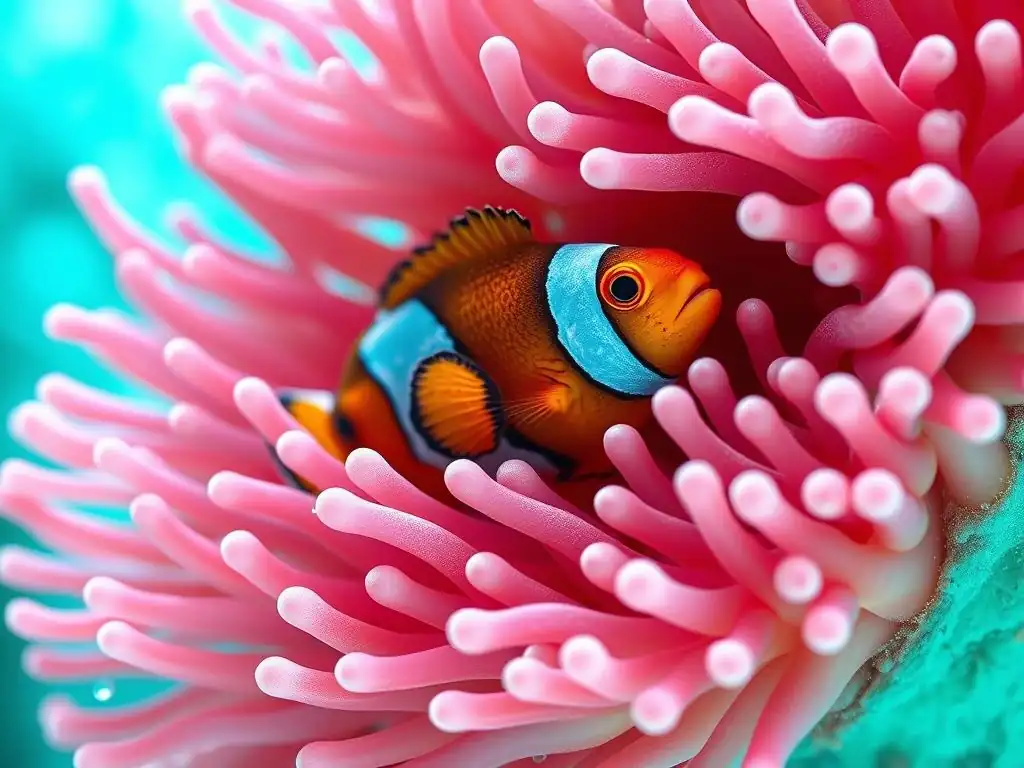
Proper nutrition is fundamental for the health of both clownfish and their host anemones, contributing significantly to a thriving symbiotic relationship. Clownfish are omnivores and should be fed a varied diet of high-quality marine flake foods, pellets, and frozen foods such as mysis shrimp, brine shrimp, and finely chopped seafood. Feeding 1-2 times daily is generally sufficient, providing enough sustenance without overfeeding the tank. Anemones, while primarily deriving energy from photosynthesis, greatly benefit from supplemental feeding.
Offer small pieces of meaty seafood, such as silversides, shrimp, or squid, directly to the anemone's mouth 1-2 times per week. Ensure the food particles are appropriately sized for the anemone to ingest. It's important to observe during feeding to ensure the clownfish doesn't steal all the anemone's food, which can happen. A well-fed anemone is more likely to remain healthy, grow, and provide a robust host for its clownfish, enhancing the overall clownfish anemone compatibility and the vitality of your reef ecosystem.
Water Quality and Maintenance
Consistent water quality and meticulous maintenance are paramount for the long-term success of a clownfish-anemone setup. Anemones, in particular, are highly sensitive to even minor fluctuations in water parameters and are intolerant of elevated nutrient levels. Regular testing of salinity, temperature, pH, alkalinity, calcium, magnesium, nitrates, and phosphates is non-negotiable. Aim for stable parameters within the optimal ranges previously discussed, as sudden shifts can severely stress or kill an anemone.
Performing routine partial water changes, typically 10-20% every 1-2 weeks, is crucial for replenishing essential trace elements and diluting accumulated waste products. A robust filtration system, including a high-quality protein skimmer, ample live rock for biological filtration, and potentially a refugium, will significantly contribute to maintaining pristine water conditions. Consistent removal of detritus through siphoning and cleaning of filtration media also plays a vital role in preventing nutrient build-up and ensuring the longevity of your clownfish and their symbiotic hosts.
Disease Prevention
Preventing disease is far more effective than treating it, especially in a delicate ecosystem housing clownfish and anemones. The most critical step in disease prevention is to rigorously quarantine all new fish and invertebrates, including anemones, in a separate, dedicated quarantine tank (QT) for a minimum of 4-6 weeks.
During this period, you can observe for signs of illness, treat any potential parasites (like Ich or Brooklynella) or bacterial infections, and ensure the new animal is healthy and eating well before introducing it to your main display tank. This practice drastically reduces the risk of introducing pathogens that could devastate your established inhabitants.
Beyond quarantine, maintaining stable, high-quality water parameters and providing a nutritious, varied diet are essential for boosting the immune systems of both clownfish and anemones. A stress-free environment, achieved through appropriate tank size, compatible tank mates, and stable conditions, also contributes significantly to disease resistance. Regular observation for subtle changes in behavior or appearance can allow for early intervention if any health issues arise, ensuring the continued health of your clownfish anemone compatibility.
Alternatives to Anemones
Providing Shelter for Clownfish
While the symbiotic relationship with an anemone is iconic, not all clownfish in captivity will host an anemone, and some aquarists may choose not to keep an anemone due to their demanding care or predatory nature. Fortunately, tank-bred clownfish, especially Ocellaris and Percula species, are highly adaptable and will often seek shelter in various alternative structures within the aquarium. This inherent need for a safe "home" means they can often be seen rubbing against specific corals or even artificial decorations, mimicking the protective behavior they would exhibit with an anemone.
Common alternatives that clownfish may host include certain large polyp stony (LPS) corals like Frogspawn (Euphyllia divisa), Hammer (Euphyllia ancora), and Torch (Euphyllia glabrescens) corals. These corals offer a similar tentacled structure that clownfish seem to appreciate as a surrogate host. While this is not a true symbiosis and the clownfish does not gain the same benefits as from an anemone, it provides the fish with a sense of security and a designated territory.
Soft Corals as Potential Hosts
Beyond LPS corals, some soft corals are also occasionally hosted by clownfish, particularly by tank-bred individuals that have never encountered an actual anemone. Species such as Xenia, various Leather Corals (Sarcophyton spp. ), and even some types of button polyps (Palythoa/Zoanthids) have been observed being "hosted" by clownfish. This behavior is entirely opportunistic and driven by the clownfish's instinct to find a safe and familiar place to call home.
However, it's important to note the potential downsides of clownfish hosting soft corals. The constant rubbing and interaction from the clownfish can irritate the coral, potentially leading to stress, retraction, or even tissue recession over time. While some corals may tolerate this interaction without issue, others might suffer. Aquarists should carefully monitor the health of any coral being hosted by a clownfish and be prepared to intervene or remove the coral if it shows signs of prolonged stress or damage. This alternative should be considered with caution, ensuring the well-being of both the clownfish and the coral.
Conclusion: Creating a Thriving Reef Ecosystem.
Frequently Asked Questions
How do I know which anemone is compatible with my clownfish?
The Clownfish Anemone Compatibility Chart on AquariumMastery.com is your best resource. It outlines which anemone species are naturally hosted by specific clownfish species, helping you avoid incompatibility issues.
What happens if I choose the wrong anemone for my clownfish?
If the anemone and clownfish aren't compatible, the clownfish may be rejected by the anemone and not form a symbiotic relationship. The clownfish could also be stung or even killed by the anemone.
Where can I find information on caring for specific anemone species?
AquariumMastery.com has detailed articles on anemone care, including water parameters, lighting requirements, and feeding schedules. This is crucial for keeping your anemone healthy and ensuring it can host a clownfish.
How long does it take for a clownfish to host an anemone?
Some clownfish will immediately host an anemone, while others may take days or weeks. Patience is key, and ensure the tank environment is stable and suitable for both the clownfish and the anemone.
What are some signs that my anemone is unhealthy?
Signs of an unhealthy anemone include bleaching, lack of stickiness, shrunken appearance, and retracted tentacles. Addressing these issues promptly is crucial for its survival and the health of your clownfish.
Final Reflection: The Symbiotic Dance of Life
The intricate relationship between clownfish and anemones, as explored in this guide, transcends mere aquarium keeping; it's a microcosm of the delicate balance and interdependence found throughout nature. Understanding these symbiotic pairings is not just about creating a beautiful tank, but about appreciating the profound connections that sustain life on our planet.
This journey into the world of clownfish and anemones has undoubtedly illuminated the complexities of responsible pet ownership and the importance of informed decision-making. My hope is that this guide has fostered a deeper respect for these creatures and the ecosystems they inhabit. In the end, we will conserve only what we love; we will love only what we understand; and we will understand only what we are taught.
- Baba Dioum. This quote perfectly encapsulates the spirit of this guide: to educate, to understand, and ultimately, to cherish the natural world.
Now, I invite you to reflect on the lessons learned. Consider how you can apply this understanding of symbiotic relationships to other aspects of your life, fostering connections built on mutual respect and benefit. Let this guide be more than just a resource for aquarium keeping; let it be a reminder of the beauty and fragility of the natural world, inspiring you to become a more conscious and compassionate steward of our planet.
Dive Deeper: Unveil Your Perfect Clownfish-Anemone Pair!
Thank you for exploring the fascinating world of clownfish and anemone pairings! We hope you found this compatibility chart valuable in understanding their complex relationships and setting up a flourishing reef environment. Now, let's put that knowledge into action!
Here's what you can do next:
- Begin Your Journey: Carefully Research and Choose Your Anemone and Clownfish Species.: Don't rush! Select species that are known to be compatible and match your aquarium's parameters.
- Share the Knowledge: Help fellow reef enthusiasts by sharing this guide on social media or in aquarium forums.
- Expand Your Expertise: Explore our other in-depth articles on reef aquarium husbandry at AquariumMastery.com.
What are your biggest concerns about introducing a clownfish and anemone into your aquarium? Share your thoughts in the comments below!