
Striped Blenny: Unveiling the Shy, Intriguing Charmer of Nano Reefs

Welcome to Aquarium Mastery!
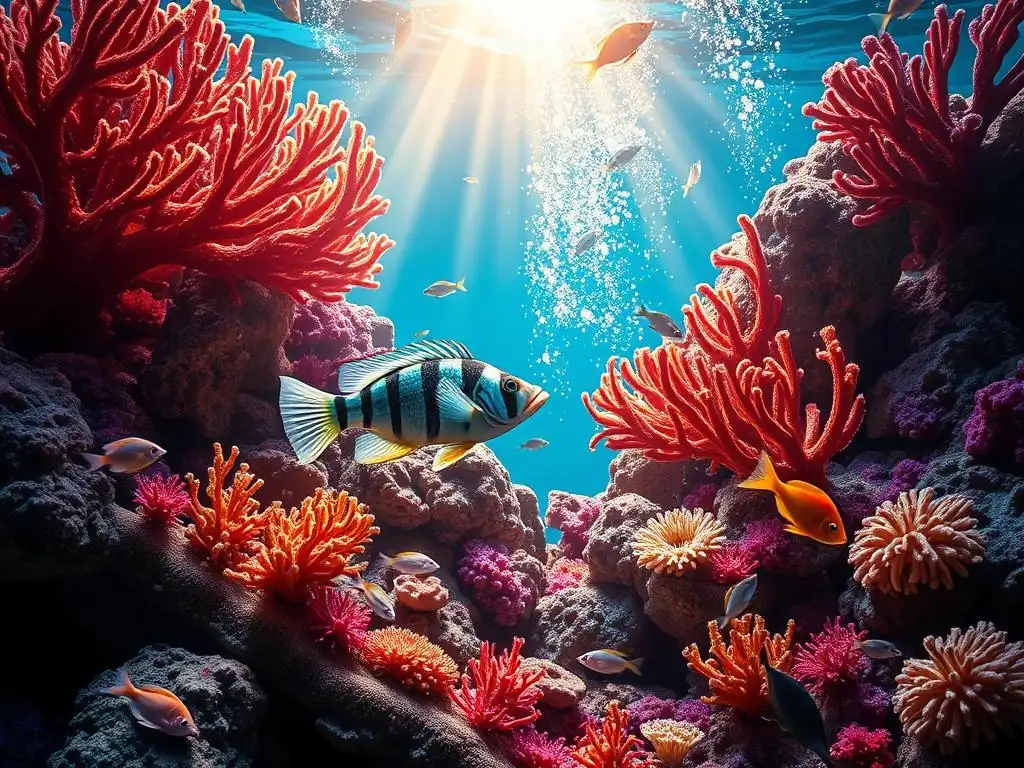
Ever wondered if a tiny, quirky fish could be the perfect personality to bring your nano reef to life? Dive in with us as we unravel the secrets of the Striped Blenny, a fascinating and often overlooked resident ideal for smaller saltwater setups. Get ready to discover everything you need to know about successfully caring for this shy charmer, from ideal tank conditions to compatible tank mates. What makes this Blenny so special for a nano reef? Let's find out!
- Midas Blenny: A Vibrant Addition to Your Reef Aquarium
- Introduction to the Midas Blenny for Reef Aquariums
- Midas Blenny Care: Essential Considerations for a Healthy Life
- Midas Blenny Behavior and Temperament in the Reef Tank
- Setting Up a Reef Tank for Midas Blennies: A Detailed Guide
- Identifying and Treating Common Midas Blenny Diseases
- Breeding Midas Blennies: Challenges and Possibilities in Captivity
- Selecting Healthy Midas Blennies: What to Look For Before You Buy
- The Midas Blenny vs. Other Blenny Species: A Reef Tank Comparison
- Troubleshooting Common Issues with Midas Blennies in Reef Tanks
- Conclusion: The Midas Blenny - A Rewarding Addition to Your Reef
-
Frequently Asked Questions
- How suitable is a Striped Blenny for a nano reef aquarium?
- What are the primary dietary needs of a Striped Blenny in a nano reef?
- What are some common signs of stress in a Striped Blenny in a nano reef environment?
- How important is water chemistry for the health of a Striped Blenny in a nano reef?
- What are some compatible tank mates for a Striped Blenny in a nano reef setup?
- Final Reflection: Embracing the Tiny Wonders
- Embrace the Enigmatic Blenny: Start Your Nano Reef Journey Today!
Midas Blenny: A Vibrant Addition to Your Reef Aquarium
Introduction to the Midas Blenny for Reef Aquariums
Why the Midas Blenny is a Popular Choice for Reef Tanks
The Midas Blenny ( Ecsenius midas) has earned its reputation as a highly sought-after inhabitant for reef aquariums due to its striking coloration and engaging personality. Its vibrant, almost glowing, golden-yellow to orange hue, often accented by a distinct blue ring around its eyes, makes it an undeniable focal point in any well-designed Midas blenny reef tank.
Beyond its aesthetic appeal, this species exhibits fascinating behaviors, such as perching on live rock and observing its surroundings with an inquisitive nature, adding dynamic movement and character to the aquatic environment. Its relatively modest adult size, typically reaching about 4 to 5 inches (10-12 cm), also makes it a suitable candidate for a wider range of tank sizes compared to larger, more demanding reef fish.
Furthermore, the Midas Blenny is generally considered a hardy species once acclimated, making it a rewarding choice for both experienced aquarists and those with a foundational understanding of saltwater husbandry. Its adaptability to various prepared foods and its active foraging for micro-algae and detritus contribute to its ease of care.
Unlike some more reclusive blennies, the Midas Blenny is often quite outgoing, frequently darting out from its chosen crevice to inspect new developments or snatch a passing morsel. This combination of visual appeal, manageable size, intriguing behavior, and robust nature solidifies its position as a top contender for enriching the biodiversity and aesthetic beauty of a thriving reef ecosystem.
Understanding the Appeal of Ecsenius midas
The allure of Ecsenius midas extends beyond its captivating coloration to its unique ecological role and peaceful demeanor within a reef community. This blenny species, native to the Indo-Pacific region, is an omnivore with a penchant for grazing on filamentous algae and consuming small invertebrates, which can be beneficial in maintaining tank cleanliness.
Its habit of "hovering" in the water column or perching gracefully on rockwork provides a distinct visual contrast to bottom-dwelling or free-swimming fish, adding another layer of interest to the aquarium's inhabitants. The Midas Blenny's somewhat elongated body and expressive facial features contribute to its charismatic presence, allowing aquarists to observe individual personalities emerge over time.
One of the key appeals for aquarists is the Midas Blenny's generally non-aggressive nature towards most other fish species, making it an excellent candidate for diverse community reef tanks. While they can be territorial with conspecifics or very similar-looking blennies, they typically coexist peacefully with a wide array of reef-safe invertebrates and fish, from clownfish to gobies.
This compatibility allows for greater flexibility in stocking a Midas blenny reef tank without significant concern for inter-species conflict. Their active yet graceful movements, combined with their striking color, ensure that the Midas Blenny is not just another fish in the tank but a true highlight, providing endless opportunities for observation and appreciation of marine life.
Midas Blenny Care: Essential Considerations for a Healthy Life
Tank Size Requirements for Midas Blennies in Reef Tanks
Ensuring an appropriately sized habitat is crucial for the long-term health and well-being of a Midas Blenny. While these blennies are not excessively large, reaching an average adult length of 4 to 5 inches (approximately 10-12 cm), they are active fish that require ample swimming space and plenty of rockwork for perching and hiding. For a single Midas Blenny, a minimum tank size of 30 gallons (approximately 113 liters) is generally recommended.
This volume provides sufficient water stability and enough room for the blenny to establish a territory without feeling cramped. In smaller tanks, even a single individual can become stressed or exhibit more aggressive tendencies if it perceives a lack of personal space.
For those considering housing multiple Midas Blennies, or integrating them into a larger, more diverse community, a significantly larger tank is imperative. A tank of 75 gallons (approximately 284 liters) or more is advisable for keeping a pair, though success is not guaranteed due to potential conspecific aggression, especially between two males. The key is to provide numerous hiding spots and distinct territories within the aquascape to minimize disputes. Regardless of the number, an adequately sized Midas blenny reef tank allows for proper water parameters, reduces stress, and promotes natural behaviors, leading to a more vibrant and long-lived specimen.
Water Parameters: Recreating the Midas Blenny's Natural Habitat
Maintaining stable and appropriate water parameters is paramount for the health of Midas Blennies, as they are sensitive to fluctuations, much like other reef inhabitants. Originating from tropical marine environments, they thrive in specific conditions that mimic their natural habitat. The ideal salinity for a Midas Blenny reef tank should be maintained between 1.023 and 1.026 specific gravity (or 32-35 parts per thousand). Temperatures should be kept stable within a range of 74-82°F (23-28°C), with 76-78°F (24-26°C) often being considered optimal. Consistent temperature is more important than hitting an exact number, so avoiding sudden swings is critical.
Beyond salinity and temperature, the Midas Blenny requires excellent water quality, characterized by low levels of nitrates, nitrites, and ammonia. Ammonia and nitrites should always be undetectable (0 ppm), while nitrates should be kept below 10-20 ppm, ideally closer to 0 ppm for a pristine reef environment.
Regular water changes, typically 10-20% bi-weekly or monthly depending on tank bioload, are essential for nutrient export and replenishing trace elements. Furthermore, maintaining stable pH levels between 8.1 and 8.4, along with adequate alkalinity (8-12 dKH) and calcium (400-450 ppm), is vital for overall reef health and directly benefits the blenny by ensuring a stable, non-acidic environment and supporting any corals present in the Midas blenny reef tank.
Diet and Feeding: What to Feed Your Midas Blenny
Recommended Foods for Midas Blennies in a Reef Setting
The Midas Blenny is an omnivorous fish, and a varied diet is crucial for its long-term health and vibrant coloration in a reef tank. In their natural habitat, Ecsenius midas primarily grazes on filamentous algae and consumes small zooplankton and detritus. To replicate this in captivity, a diverse diet consisting of high-quality marine-based flakes and pellets should form the foundation, supplemented generously with frozen foods.
Excellent choices for frozen foods include enriched brine shrimp, mysis shrimp, cyclop-eeze, and finely chopped marine-based preparations that contain spirulina or other vegetable matter. These provide essential proteins, lipids, and vitamins often lacking in dry foods alone.
For optimal health and to encourage natural grazing behaviors, offering marine algae, such as nori (seaweed sheets), clipped to a rock or an algae clip, is highly beneficial. Some Midas Blennies will readily graze on nuisance algae growing in the tank, acting as a natural clean-up crew.
It is important to ensure that the food items are appropriately sized for the blenny's mouth, especially smaller pieces for juveniles. A diet rich in carotenoids, often found in high-quality frozen foods and spirulina-enhanced products, will help maintain the Midas Blenny's striking golden-yellow to orange coloration, keeping it a dazzling centerpiece in any Midas blenny reef tank.
Feeding Frequency and Quantities for Optimal Health
Establishing an appropriate feeding schedule and quantity is vital to prevent both undernourishment and overfeeding, which can lead to poor water quality. For adult Midas Blennies, feeding two to three times per day is generally recommended. This frequency allows the blenny to graze consistently, mimicking its natural feeding habits, and ensures it receives sufficient nutrients throughout the day.
Each feeding should consist of a small amount of food that can be consumed within two to three minutes. Overfeeding not only pollishes the water with excess nutrients, leading to algae blooms and elevated nitrates, but can also cause digestive issues for the fish.
When introducing new foods, observe the Midas Blenny's reaction to ensure it is readily accepting the offering. If a particular food is ignored, try a different type or prepare it in a different consistency. For a robust and healthy Midas blenny reef tank, it's important to vary the diet daily or every other day, rotating between flakes, pellets, and various frozen foods.
For instance, one feeding might be marine flakes, the next frozen mysis shrimp, and then a piece of nori. This rotation ensures a complete nutritional profile and keeps the blenny engaged and interested in its food, contributing to its overall vitality and longevity in the aquarium.
Midas Blenny Behavior and Temperament in the Reef Tank
Observing the Natural Behavior of Ecsenius midas
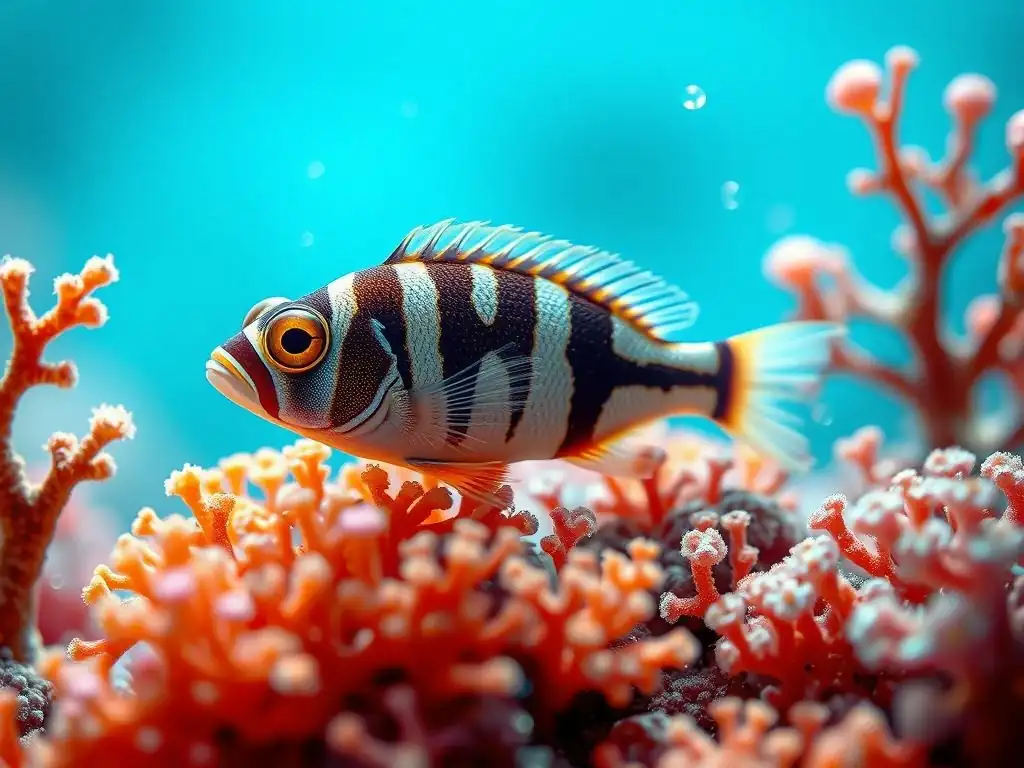
The Midas Blenny, Ecsenius midas, is celebrated for its distinctive and engaging behaviors that make it a captivating addition to any reef aquarium. One of its most characteristic traits is its habit of perching. Unlike many free-swimming fish, the Midas Blenny will often rest on live rock, coral branches, or even aquarium equipment, using its pelvic fins as props.
From these vantage points, it actively observes its surroundings, darting out to snatch a passing food particle or to investigate a new development in the tank. This inquisitive nature, combined with its expressive eyes and perpetually curious demeanor, provides endless entertainment for the observant aquarist.
Furthermore, Midas Blennies are known for their "head-standing" behavior, where they might position themselves vertically with their head pointed downwards, often wedged into a crevice or against a rock. While seemingly odd, this is a natural posture for blennies and is not indicative of stress or illness. They also exhibit a unique swimming style, often described as a series of short, jerky movements, interspersed with periods of hovering.
When startled, a Midas Blenny will quickly retreat into a favorite hiding spot within the rockwork, demonstrating its need for secure refuges. Understanding these natural behaviors is key to appreciating this species and ensuring its comfort and well-being within the Midas blenny reef tank.
Potential Aggression: Tank Mates and Compatibility Considerations
While generally considered peaceful, the Midas Blenny is not entirely without its territorial quirks, particularly concerning conspecifics or fish with very similar body shapes and dietary needs. A single Midas Blenny is typically a model citizen in a community reef tank, coexisting well with a wide array of peaceful to semi-aggressive fish. Good tank mates include various species of clownfish, gobies (especially those that occupy different niches), dottybacks, cardinalfish, and anthias. They generally ignore most invertebrates, including shrimp, crabs, and snails, making them excellent candidates for a bustling clean-up crew in a Midas blenny reef tank.
However, caution must be exercised when introducing a second Midas Blenny or other blenny species, especially those from the Ecsenius genus (e.g., Bicolor Blennies, Tailspot Blennies). Midas Blennies can be highly territorial towards perceived rivals, often leading to aggressive displays, chasing, and nipping.
While it is sometimes possible to keep a male-female pair in a very large, well-aquascaped tank (100+ gallons) with numerous hiding spots and visual barriers, success is not guaranteed and requires careful observation. When selecting tank mates, avoid highly aggressive fish that might bully the Midas Blenny, or very docile, slow-moving fish that could be outcompeted for food.
Creating a Stress-Free Environment for Your Midas Blenny
A stress-free environment is paramount for the long-term health, vibrant coloration, and natural behavior of your Midas Blenny. The foundation of such an environment lies in providing ample live rock with numerous crevices, caves, and overhangs. Midas Blennies are cave dwellers by nature and require these retreats for sleeping, seeking refuge when startled, and establishing their territory. Aim for at least 1 pound of live rock per gallon of tank volume to create a complex and stimulating environment. The rockwork should be stable and securely stacked to prevent collapses, which can injure or trap the blenny.
Beyond physical structures, maintaining stable and pristine water parameters, as previously discussed, is crucial in minimizing physiological stress. Consistent temperature, salinity, and low nutrient levels directly contribute to a healthy immune system and overall vitality. Furthermore, a peaceful community of tank mates prevents constant harassment, allowing the Midas Blenny to feel secure and exhibit its natural behaviors without fear.
Adequate feeding and a varied diet also play a significant role in reducing stress by ensuring proper nutrition. A well-designed and maintained Midas blenny reef tank that caters to these needs will result in a thriving, active, and long-lived blenny that is a joy to observe.
Setting Up a Reef Tank for Midas Blennies: A Detailed Guide
Substrate and Aquascaping for Blenny Comfort
The choice of substrate and the design of the aquascape are critical elements in creating an optimal habitat for a Midas Blenny. While Midas Blennies primarily perch on rocks rather than burrowing in the sand, a sand bed is still beneficial for overall reef tank aesthetics and biological filtration. A fine to medium grain aragonite sand bed, approximately 1-2 inches (2.5-5 cm) deep, is suitable.
This type of sand helps maintain stable alkalinity and calcium levels, which are vital for a healthy reef environment. Avoid very deep sand beds (over 4 inches) unless specifically designing a deep sand bed (DSB) system, as they can accumulate detritus and become anaerobic if not properly maintained.
The most important aspect of aquascaping for a Midas blenny reef tank is the provision of abundant live rock. Live rock serves multiple purposes: it acts as a primary biological filter, provides a natural grazing surface for the blenny, and most importantly, offers a multitude of hiding spots, caves, and perching locations. Aim for a structure that includes numerous nooks and crannies where the blenny can retreat and feel secure.
Creating overhangs and small caverns with multiple entry and exit points will encourage the blenny to explore and feel safe. Ensure all rockwork is stable and securely stacked to prevent any shifting or collapses that could harm the blenny or other inhabitants.
Lighting and Flow Requirements for a Thriving Blenny Habitat
Appropriate lighting and water flow are essential for a thriving Midas Blenny reef tank, particularly if corals are also being maintained. For lighting, the requirements will largely be dictated by the types of corals you intend to keep. Midas Blennies themselves are not particularly sensitive to light intensity, but a healthy coral environment will indirectly benefit the blenny by providing a stable ecosystem.
For a mixed reef with soft corals, LPS (Large Polyp Stony) corals, and some easier SPS (Small Polyp Stony) corals, a full-spectrum LED lighting system with adjustable intensity and a programmable photoperiod is ideal. A typical photoperiod of 10-12 hours, including a gradual ramp-up and ramp-down, is generally recommended.
Water flow in a Midas blenny reef tank should be moderate to strong, but not turbulent. Midas Blennies appreciate good water movement, which helps to keep detritus suspended for filter feeders and prevents dead spots where waste can accumulate. However, excessively strong, direct flow can stress the blenny and make it difficult for it to swim or perch comfortably.
Strategic placement of powerheads or wavemakers is key to creating turbulent yet varied flow patterns throughout the tank. Aim for flow that gently washes over the rockwork, mimicking natural reef currents, rather than a single, powerful stream. This also benefits corals by delivering nutrients and removing waste products efficiently.
Choosing the Right Equipment for a Midas Blenny Reef Tank
Selecting the correct equipment is fundamental to the success and stability of any Midas blenny reef tank. Beyond the aquarium itself, a robust filtration system is paramount. A good protein skimmer is highly recommended, as it efficiently removes organic waste before it breaks down into nitrates. For a 30-gallon tank, a hang-on-back (HOB) skimmer might suffice, but for larger tanks (50+ gallons), an in-sump skimmer is often more effective and stable. A sump, while not strictly necessary for smaller tanks, greatly enhances water volume, provides space for equipment like skimmers and refugiums, and improves overall water stability.
Heaters are essential to maintain the stable temperature required by Midas Blennies, typically between 74-82°F (23-28°C). It's advisable to use two smaller heaters rather than one large one to prevent overheating in case of a malfunction, and to provide more even heat distribution. A reliable thermometer, or better yet, a temperature controller, is crucial for monitoring and regulating temperature.
Powerheads or wavemakers, as previously mentioned, are necessary for creating adequate water flow. Lastly, a robust return pump (if using a sump) and appropriate plumbing are needed. Regular maintenance, including filter sock changes and skimmer cleaning, will ensure all equipment functions optimally, contributing to a pristine and healthy environment for your Midas Blenny.
Identifying and Treating Common Midas Blenny Diseases
Recognizing Early Signs of Illness in Your Midas Blenny
Early detection of illness is crucial for successful treatment and preventing the spread of disease in a Midas blenny reef tank. Aquarists should observe their Midas Blenny daily for any deviations from its normal behavior and appearance. One of the first indicators of stress or illness is a change in coloration; the vibrant golden-yellow might dull, or the blenny could develop patchy or faded areas.
Another significant sign is altered swimming patterns or posture. A healthy Midas Blenny moves actively, perches confidently, and darts around with purpose. If it becomes lethargic, rests on the bottom for extended periods, or struggles to maintain its balance, it warrants immediate attention.
Changes in appetite are also a strong indicator of potential health issues. A healthy Midas Blenny will eagerly accept food and actively forage. Refusal to eat, spitting out food, or a sudden decrease in feeding enthusiasm should raise a red flag.
Physical symptoms to look for include cloudy eyes, frayed or clamped fins, white spots (ich), velvet-like dust (velvet disease), open sores, or unusual growths. Rapid breathing (gilling) or rubbing against rocks (flashing) are also common signs of external parasites or irritants. Any combination of these symptoms suggests that the Midas Blenny is under stress or afflicted by disease, requiring prompt intervention.
Common Diseases Affecting Midas Blennies and Their Treatments
Midas Blennies, like all marine fish, are susceptible to common saltwater aquarium diseases, primarily parasitic and bacterial infections, especially if stressed or introduced to an unstable environment. Marine Ich ( Cryptocaryon irritans) is perhaps the most prevalent. It manifests as small, white spots resembling grains of salt on the body and fins. Treatment often involves transferring the affected blenny to a separate quarantine tank for copper-based medication (e.g., Chelated Copper, Copper Power) or hyposalinity treatment (reducing specific gravity to 1.009-1.010). The main display tank must remain fallow for 6-8 weeks to break the parasite's life cycle.
Marine Velvet ( Amyloodinium ocellatum) is another highly contagious and rapidly fatal parasitic disease, appearing as a fine, dusty, yellowish-brown coating on the fish, often accompanied by rapid gilling and lethargy. Treatment is similar to ich, typically with copper or formalin-based medications in a quarantine tank, as velvet progresses much faster. Fin Rot and Bacterial Infections can arise from poor water quality, stress, or injury.
Symptoms include frayed fins, cloudy eyes, or red sores. These are often treated with broad-spectrum antibiotics in a quarantine tank, alongside improving water quality in the main Midas blenny reef tank. Always remove activated carbon during medication to prevent absorption, and follow dosage instructions precisely.
Quarantine Procedures for New and Sick Blennies
Implementing a strict quarantine procedure for all new fish, including Midas Blennies, is one of the most effective preventative measures against introducing diseases into your established reef tank. A dedicated quarantine tank (QT) of at least 10-20 gallons (38-76 liters) is ideal. This tank should be simple, equipped with a heater, an air stone, a small power filter (with mechanical and biological media, no chemical filtration during medication), and PVC pipes or non-porous decorations for hiding spots.
It should be cycled prior to use. New Midas Blennies should spend a minimum of 4 weeks in quarantine, preferably longer, to observe for signs of illness.
During quarantine, observe the blenny closely for any symptoms. Many aquarists opt for a prophylactic treatment regimen, such as a freshwater dip (for 3-5 minutes, with aeration and pH/temp matching) upon arrival, followed by a copper treatment for 14-21 days to eradicate external parasites like ich and velvet. Alternatively, a TTM (Tank Transfer Method) can be used.
For sick blennies, the QT allows for targeted medication without harming corals or invertebrates in the main Midas blenny reef tank. Always transfer sick fish carefully, using a separate net. After treatment, allow the blenny to recover fully and regain its strength before introducing it to the display tank, ensuring a healthy transition.
Breeding Midas Blennies: Challenges and Possibilities in Captivity
Understanding the Breeding Habits of Ecsenius midas
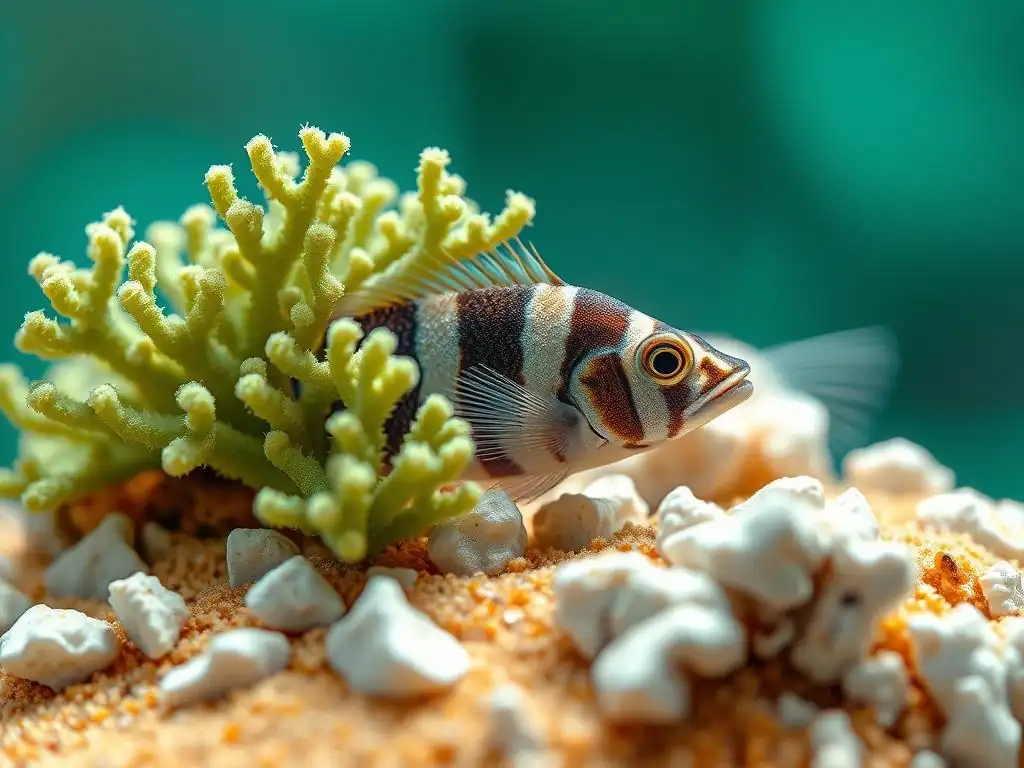
Breeding Midas Blennies ( Ecsenius midas) in captivity is a challenging endeavor, primarily due to difficulties in sexing the fish, conditioning them for spawning, and successfully rearing their pelagic (free-swimming) larvae. In their natural habitat, Midas Blennies are known to be egg-layers, with the male typically guarding the eggs within a secluded crevice or cave. Spawning occurs when the female deposits adhesive eggs onto a prepared surface, and the male then fertilizes and diligently tends to them until hatching. This parental care is a key aspect of their reproductive strategy in the wild.
While there have been anecdotal reports and limited successes in hobbyist settings, sustained captive breeding of Midas Blennies remains relatively rare compared to more commonly bred species like clownfish. A significant hurdle is the difficulty in reliably distinguishing males from females; there are no obvious external sexual dimorphisms.
Some subtle differences in size or coloration might become apparent during spawning, with males possibly developing a slightly more intense hue. Understanding these basic breeding habits is the first step, but replicating the precise environmental cues and providing the necessary conditions for successful reproduction and larval survival in a Midas blenny reef tank environment requires significant dedication and specialized knowledge.
Creating a Breeding-Friendly Environment in Your Reef Tank
To even attempt breeding Midas Blennies, a dedicated breeding tank, separate from the main display Midas blenny reef tank, is highly recommended. This tank should be at least 30-40 gallons (113-151 liters) and feature numerous small caves, PVC pipes, or ceramic spawning pots that can serve as potential nesting sites. The water parameters must be pristine and stable, mimicking their natural environment: salinity of 1.025, temperature around 78-80°F (25.5-26.7°C), and undetectable levels of ammonia and nitrite. Gentle water flow is preferred, as strong currents can dislodge eggs or stress the parents.
Conditioning the potential breeding pair is crucial. This involves providing a highly nutritious and varied diet, rich in live foods such as enriched brine shrimp, copepods, and finely chopped frozen foods several times a day. This abundant feeding helps to build up the necessary energy reserves for spawning.
While pair formation can be difficult, sometimes introducing multiple juveniles and allowing them to naturally pair off as they mature in a very large, species-specific tank can be successful, though aggression between non-paired individuals must be closely monitored. Providing dim, stable lighting and minimizing external disturbances can also contribute to a more conducive breeding environment, encouraging the blennies to feel secure enough to spawn.
Raising Midas Blenny Fry: A Guide to Successful Rearing
The most significant challenge in breeding Midas Blennies is the successful rearing of their fry. Once hatched, Midas Blenny larvae are extremely small and pelagic, meaning they drift in the water column and are highly vulnerable. They require microscopic live food sources, typically rotifers (e.g., Brachionus plicatilis), for their initial stages of development.
These rotifers must be enriched with highly nutritious phytoplankton to provide the essential fatty acids and nutrients the fry need. As the fry grow, their diet must transition to larger live foods like newly hatched brine shrimp nauplii. This precise feeding regimen, often requiring continuous culture of live foods, is a major barrier for most hobbyists.
The larval rearing tank itself needs to be meticulously clean and maintained. A small, bare-bottom tank (5-10 gallons) with gentle aeration and no filtration that could suck up the delicate fry is ideal. Daily small water changes using carefully prepared, aged saltwater are essential to maintain water quality without stressing the fry.
Lighting should be dim and consistent. Given the specific dietary requirements and the delicate nature of the larvae, successful rearing often necessitates specialized equipment such as live food cultures, magnifying glasses for observation, and a dedicated larval rearing setup. While challenging, achieving a successful spawn and raising Midas Blenny fry would be a significant accomplishment for any dedicated aquarist in a Midas blenny reef tank setting.
Selecting Healthy Midas Blennies: What to Look For Before You Buy
Evaluating Physical Appearance: Signs of a Healthy Blenny
When selecting a Midas Blenny for your reef tank, a thorough visual inspection is the first and most critical step. A healthy Ecsenius midas should exhibit vibrant, uniform coloration, typically a brilliant golden-yellow to orange, with no dull patches, faded areas, or unusual spots. The blue ring around its eyes should be clear and distinct. Its fins should be fully intact, without any signs of fraying, tears, or white edges (which can indicate fin rot). The fins should also be held erect and open, not clamped tightly against the body, which is a common sign of stress or illness.
Pay close attention to the blenny's body condition. It should appear plump and well-fed, not sunken or emaciated around the belly or behind the head. Its eyes should be clear, bright, and free of any cloudiness or haziness.
The skin should be smooth, without any visible parasites (like white spots from Ich or a dusty coating from Velvet), sores, or lesions. Observe its breathing: the gills should move smoothly and regularly, without rapid or labored gilling, which can indicate respiratory distress or internal parasites. A Midas Blenny with these physical attributes is more likely to acclimate successfully to your Midas blenny reef tank.
Observing Behavior: Ensuring a Healthy and Active Fish
Beyond physical appearance, observing the Midas Blenny's behavior at the fish store is equally important in assessing its health and suitability for your aquarium. A healthy Midas Blenny should be active and alert, displaying its characteristic perching and darting movements. It should be inquisitive, often observing its surroundings or the approach of potential food. When approached by staff or other fish, it should react appropriately, either by retreating quickly into a hiding spot or by showing curiosity, rather than appearing lethargic or unresponsive.
Observe its feeding response: if the store is feeding, a healthy Midas Blenny should eagerly accept food and compete for it. A blenny that ignores food or shows no interest could be stressed, sick, or simply not acclimated. Watch for any signs of flashing (rubbing against tank decor), twitching, or abnormal swimming patterns, all of which can indicate external parasites or irritation.
Also, note its interaction with other tank mates; while some territoriality is normal, excessive aggression or extreme timidity can be problematic. Choosing an active, responsive, and curious Midas Blenny significantly increases the likelihood of a successful introduction to your Midas blenny reef tank.
Where to Purchase Midas Blennies for Your Saltwater Aquarium
The source of your Midas Blenny can significantly impact its health and your overall success. Reputable local fish stores (LFS) are often an excellent choice. A good LFS will have well-maintained tanks, knowledgeable staff, and a clear quarantine protocol for new arrivals.
They should be able to provide information on when the fish arrived, how long it has been in their care, and what it is currently eating. Being able to observe the blenny in person allows for the critical physical and behavioral assessment discussed above. Look for stores with clean, uncrowded tanks and no visible signs of disease among their fish population.
Online retailers also offer Midas Blennies, often providing a wider selection or access to specimens not available locally. When purchasing online, choose a reputable vendor with strong reviews regarding their fish quality, shipping practices, and live arrival guarantees. Research their specific acclimation procedures and ensure they have a transparent policy for handling deceased or unhealthy arrivals.
While you can't physically inspect the fish, good online suppliers often provide high-quality photos or even videos, and their customer service should be able to answer detailed questions about the fish's origin, diet, and health status. Regardless of the source, always plan for a thorough quarantine period upon arrival to protect your established Midas blenny reef tank.
The Midas Blenny vs. Other Blenny Species: A Reef Tank Comparison
Comparing Midas Blennies to Bicolor Blennies
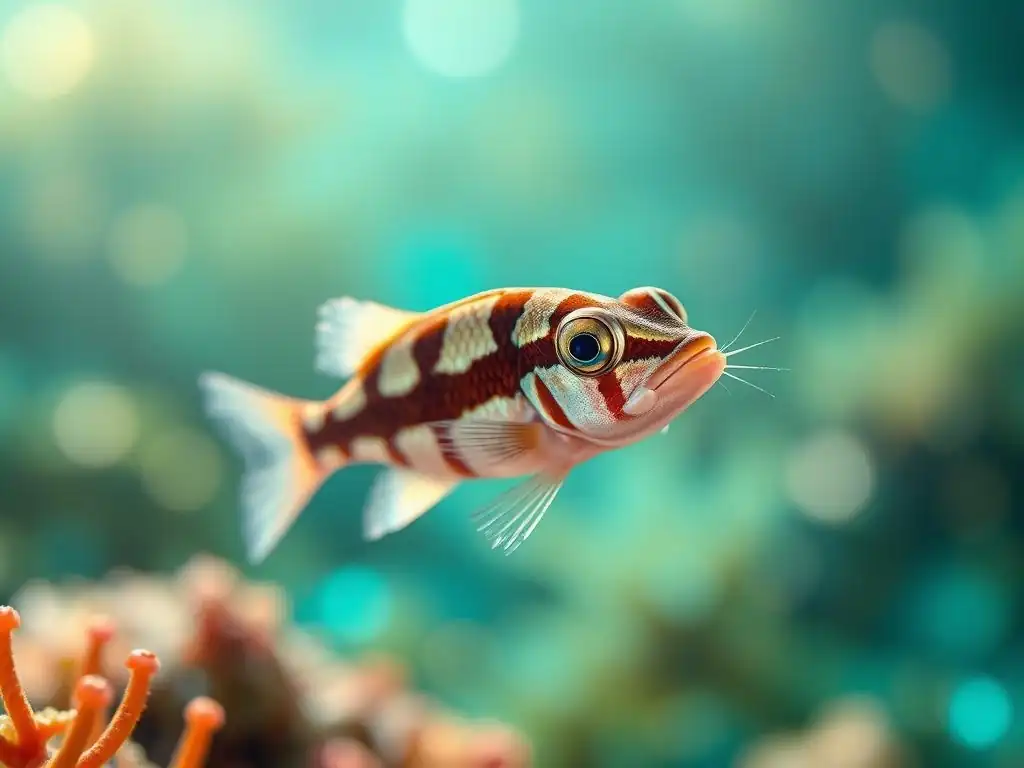
The Midas Blenny ( Ecsenius midas) and the Bicolor Blenny ( Ecsenius bicolor) are both popular choices for reef tanks, but they possess distinct differences in appearance, temperament, and size that make them suited for different aquarist preferences. The most striking difference is their coloration. The Midas Blenny boasts a vibrant, uniform golden-yellow to orange body with a distinctive blue eye ring, maintaining this striking hue across its entire body.
In contrast, the Bicolor Blenny lives up to its name with a clear demarcation: the front half of its body is typically dark brown or black, transitioning sharply to a bright orange or yellow tail section. This stark contrast gives it a very different visual appeal.
In terms of size, both are relatively small, but the Bicolor Blenny tends to be slightly smaller, usually reaching about 4 inches (10 cm), while the Midas Blenny can grow up to 5 inches (12 cm). Temperamentally, both are generally peaceful but can be territorial towards conspecifics or similar-looking blennies.
However, Bicolor Blennies are sometimes considered slightly more prone to nipping at certain corals (especially SPS polyps) if underfed or lacking sufficient grazing opportunities, a behavior less commonly associated with the Midas Blenny. For a reef tank aiming for a consistent, bright splash of color, the Midas Blenny is often preferred, while the Bicolor offers a unique two-tone aesthetic and a slightly smaller footprint for a Midas blenny reef tank or similar setup.
Comparing Midas Blennies to Tailspot Blennies
Another common blenny species often considered alongside the Midas Blenny is the Tailspot Blenny ( Ecsenius stigmatura). These two species offer different visual and behavioral nuances for the discerning aquarist. The Midas Blenny, as discussed, is characterized by its brilliant golden-yellow body. The Tailspot Blenny, however, has a more subdued, mottled grayish-brown to tan body, often with subtle vertical banding, and its most distinguishing feature is a prominent black spot (or "tailspot") at the base of its caudal fin, sometimes bordered by a white or blue ring. This makes the Tailspot Blenny a more camouflaged, less overtly flashy option.
Behaviorally, both are perching blennies, but the Tailspot Blenny is often considered more reclusive and shy than the Midas Blenny. While the Midas Blenny will often hover in the open and dart out, the Tailspot Blenny tends to stay closer to its chosen crevice, only emerging when it feels safe. Both are peaceful towards other fish, but like all blennies, can be territorial with their own kind.
The Tailspot Blenny is also slightly smaller, typically reaching about 3 inches (7.5 cm). For aquarists seeking a more subtle, natural-looking inhabitant that blends into the rockwork and prefers a quieter demeanor, the Tailspot Blenny is an excellent choice. For those desiring a bold, active splash of color in their Midas blenny reef tank, the Midas Blenny remains the superior option.
Choosing the Right Blenny for Your Specific Reef Tank Setup
The decision between a Midas Blenny and other blenny species ultimately depends on the specific aesthetics, desired temperament, and existing inhabitants of your reef tank. If your primary goal is to introduce a vibrant, eye-catching fish that actively patrols the rockwork and adds a consistent pop of bright color, the Midas Blenny is an unparalleled choice. Its relatively outgoing nature and consistent golden hue make it a standout. It generally coexists well with a wide variety of peaceful to semi-aggressive tank mates and is a robust species once established.
However, if your reef tank is smaller (e.g., a nano reef under 30 gallons), or you prefer a more subtle, camouflaged inhabitant that helps with algae control and adds intricate detail to your rockwork, a Tailspot Blenny might be more suitable due to its smaller size and shyer disposition. If you are willing to risk potential coral nipping for a unique two-tone fish, the Bicolor Blenny could be an option, but careful observation is advised.
Ultimately, understanding the individual characteristics of each blenny species – their size, color, temperament, and dietary nuances – is crucial to making an informed decision that ensures compatibility and contributes to a harmonious and thriving Midas blenny reef tank or other blenny-centric aquarium.
Troubleshooting Common Issues with Midas Blennies in Reef Tanks
Addressing Ich (White Spot Disease) in Midas Blennies
Ich, caused by the parasite Cryptocaryon irritans, is one of the most common and frustrating diseases in marine aquariums, and Midas Blennies are susceptible, especially when stressed. The primary symptom is the appearance of small, white spots resembling grains of salt on the fish's body and fins. Affected blennies may also exhibit rapid gilling, flashing (rubbing against tank decor), lethargy, and loss of appetite. If you observe these signs in your Midas Blenny, immediate action is crucial to prevent the disease from spreading and overwhelming the fish.
The most effective treatment for Ich in a Midas blenny reef tank environment involves transferring the affected blenny to a dedicated quarantine tank (QT). This allows for medication without harming corals or invertebrates in the main display. Common treatments in the QT include copper-based medications (e.g., Cupramine, Copper Power) or hyposalinity (gradually reducing specific gravity to 1.009-1.010 over 48 hours).
Copper treatments typically last 14-21 days, while hyposalinity requires careful monitoring and can be maintained for several weeks. Concurrently, the main display tank should be left fallow (fishless) for a minimum of 6-8 weeks to break the Ich parasite's life cycle. This two-pronged approach effectively eradicates the parasite from both the fish and the display system, safeguarding your Midas Blenny and other inhabitants.
Addressing Fin Rot in Midas Blennies
Fin rot is a common bacterial infection that can affect Midas Blennies, often stemming from poor water quality, stress, physical injury, or secondary to another illness. Symptoms include frayed, ragged, or deteriorating fins, which may also appear red or inflamed at the edges. In severe cases, the fin tissue can completely erode, exposing the fin rays. If left untreated, the infection can spread to the body and become systemic, potentially leading to more serious health issues and even death. Early intervention is key to successful treatment and preventing permanent damage to the Midas Blenny's fins.
Treatment for fin rot in a Midas blenny reef tank typically involves isolating the affected blenny in a quarantine tank (QT) to administer antibiotics. Broad-spectrum antibiotics specifically formulated for marine fish, such as those containing furan-2 or nitrofurazone, are often effective. Always follow the manufacturer's dosage instructions precisely and ensure proper aeration in the QT during treatment.
Simultaneously, it is imperative to address the underlying cause in the main display tank. This usually means performing significant water changes (20-30%), thoroughly cleaning the substrate and rockwork to remove detritus, and ensuring all water parameters (ammonia, nitrite, nitrate, pH) are within optimal ranges. Maintaining pristine water quality is the best preventative measure against fin rot and promotes rapid healing.
Preventing Future Problems: Proactive Tank Maintenance
Preventing disease and other common issues is far more effective and less stressful than treating them. Proactive tank maintenance is the cornerstone of a healthy and thriving Midas blenny reef tank. Firstly, strict adherence to a quarantine protocol for all new fish and invertebrates is non-negotiable. A minimum 4-week quarantine period allows for observation and prophylactic treatment, preventing the introduction of parasites and diseases into your established system. Never skip this step, no matter how healthy a new arrival appears.
Secondly, consistent and meticulous water quality management is paramount. This includes performing regular partial water changes (e.g., 10-20% bi-weekly or monthly depending on bioload) to dilute nitrates and replenish trace elements. Regular testing of key parameters such as salinity, temperature, pH, ammonia, nitrite, and nitrate allows for early detection of imbalances.
Overfeeding should be avoided, as excess food breaks down into harmful nutrients. Ensuring adequate filtration, a properly sized protein skimmer, and good water flow throughout the tank helps maintain a clean environment. Lastly, providing a species-appropriate diet, ample hiding spots, and compatible tank mates will minimize stress, bolster the Midas Blenny's immune system, and significantly reduce its susceptibility to illness, ensuring a long and vibrant life in your reef aquarium.
Conclusion: The Midas Blenny - A Rewarding Addition to Your Reef
Frequently Asked Questions
How suitable is a Striped Blenny for a nano reef aquarium?
Striped Blennies are highly suitable for nano reef aquariums due to their small size and peaceful temperament. However, ensure the tank is well-established and has plenty of hiding places.
What are the primary dietary needs of a Striped Blenny in a nano reef?
Striped Blennies primarily graze on algae and biofilm within the tank. Supplement their diet with small meaty foods like mysis shrimp or frozen brine shrimp to ensure they get enough nutrition.
What are some common signs of stress in a Striped Blenny in a nano reef environment?
Signs of stress include loss of appetite, erratic swimming, and increased hiding. This could be due to poor water quality, aggressive tank mates, or insufficient hiding spots.
How important is water chemistry for the health of a Striped Blenny in a nano reef?
Maintaining stable water chemistry is crucial for Striped Blenny health. Regularly test for parameters like ammonia, nitrite, and nitrate, and perform water changes as needed to maintain optimal conditions.
What are some compatible tank mates for a Striped Blenny in a nano reef setup?
Compatible tank mates include peaceful invertebrates like snails and shrimp, and small, non-aggressive fish like clownfish or gobies. Avoid large or aggressive fish that may bully the blenny.
Final Reflection: Embracing the Tiny Wonders
The journey into the world of the Striped Blenny, as we've explored, is more than just a dive into the specifics of a single fish; it's a testament to the beauty and complexity hidden within the miniature ecosystems we create in our nano reefs. These small creatures, often overlooked, hold a vital role and offer a profound connection to the larger marine world, reminding us that even the smallest inhabitants contribute to the grand tapestry of life.
This exploration has deeply influenced my perspective on reef keeping, highlighting the importance of observation and patience. Understanding the nuances of the Striped Blenny's behavior and needs reinforces the responsibility we have as stewards of these delicate environments. As Jacques Cousteau so eloquently stated, The sea, once it casts its spell, holds one in its net of wonder forever.
This sentiment resonates deeply when we consider the intricate lives of creatures like the Striped Blenny and the dedication required to provide them with a thriving home.
Now, as you consider your own nano reef or contemplate adding a Striped Blenny to your aquatic family, I invite you to reflect on the lessons we've uncovered. Remember that every creature, no matter how small, deserves our respect and understanding. Let the shy charm of the Striped Blenny inspire you to cultivate a deeper appreciation for the delicate balance of life within your tank and, by extension, within the vast and wondrous ocean itself.
Embrace the Enigmatic Blenny: Start Your Nano Reef Journey Today!
Thank you for diving into the captivating world of the Striped Blenny! We hope you've discovered just how rewarding these shy charmers can be to keep. Now, let's put that knowledge into action and elevate your aquarium experience.
Here are a few ways to bring the beauty and personality of the Striped Blenny into your own home:
- Begin planning your perfect nano reef environment! Research compatible tank mates and create a blueprint for a thriving ecosystem.
- Explore different aquascaping techniques to provide plenty of hiding places and grazing areas for your future blenny. Consider using unconventional materials like small terracotta pots!
- Share this article with fellow reef enthusiasts and spark a discussion about the best practices for keeping these fascinating fish happy and healthy.
What's one unique hiding spot you plan to create for your Striped Blenny to make them feel safe and secure in their new home?