
Why Is My Platy Hiding? Decoding Stress and Sickness Signs


Welcome to Aquarium Mastery!
Ever wondered why your usually vibrant Platy is suddenly hiding away? Is it just a mood swing, or something more serious? Dive into our comprehensive guide, "Why Is My Platy Hiding? Decoding Stress and Sickness Signs," to unlock the secrets behind this common behavior and learn how to ensure a happy, healthy life for your finned friend. Let's explore the potential causes of Platy hiding stress sickness together!
- Understanding Platy Hiding Behavior: An Overview
- Identifying Potential Causes of Platy Hiding
- Diagnosing the Reason Your Platy is Hiding
- Solutions and Prevention for Platy Hiding
- Preventing Future Hiding Behavior in Platies
- Conclusion: Ensuring a Happy and Healthy Platy Fish
-
Frequently Asked Questions
- Why is my platy constantly hiding?
- What are the most common signs of stress in platies?
- How can I tell if my platy is hiding due to sickness rather than stress?
- What water parameters are crucial for platy health and preventing stress?
- What steps can I take to reduce stress and encourage my platy to come out of hiding?
- Final Reflection: Unveiling the Secrets of the Platy's Retreat
- Unlock Your Platy's Secrets!
Understanding Platy Hiding Behavior: An Overview
Introduction to Platy Fish and Their Typical Habits
Platy fish, primarily Xiphophorus maculatus and Xiphophorus variatus, are among the most popular and vibrant freshwater fish in the aquarium hobby. Renowned for their wide array of colors, patterns, and generally peaceful temperament, they are livebearers, meaning they give birth to live fry rather than laying eggs. Healthy Platies are typically active, inquisitive swimmers, often seen exploring all levels of the aquarium, interacting with tank mates, and eagerly coming to the front of the tank during feeding times.
Their usual disposition is one of curiosity and engagement, making them a joy to observe. A Platy's natural behavior involves continuous movement, grazing on algae, and occasionally resting in open areas. Therefore, any significant deviation from this active and visible routine, particularly prolonged Platy hiding, warrants immediate attention from the aquarist.
Is Hiding Always a Problem? When Platy Seclusion is Normal
While persistent Platy hiding is often a red flag, not all instances of seclusion indicate a problem. It's crucial to differentiate between normal, temporary retreats and concerning, prolonged isolation. For instance, a new Platy introduced to an unfamiliar tank might hide for the first 24 to 48 hours as it adjusts to its new surroundings, tank mates, and lighting conditions.
Similarly, a gravid (pregnant) female Platy may seek out a quiet, secluded spot among dense plants or decorations as she prepares to give birth, which is a natural instinct for livebearers. Brief periods of hiding after significant tank maintenance, such as a large water change, or immediately after the lights are turned on or off, are also generally normal as the fish adjusts to environmental shifts. These are short-term behaviors, distinct from the signs of Platy hiding stress sickness.
Identifying Potential Causes of Platy Hiding
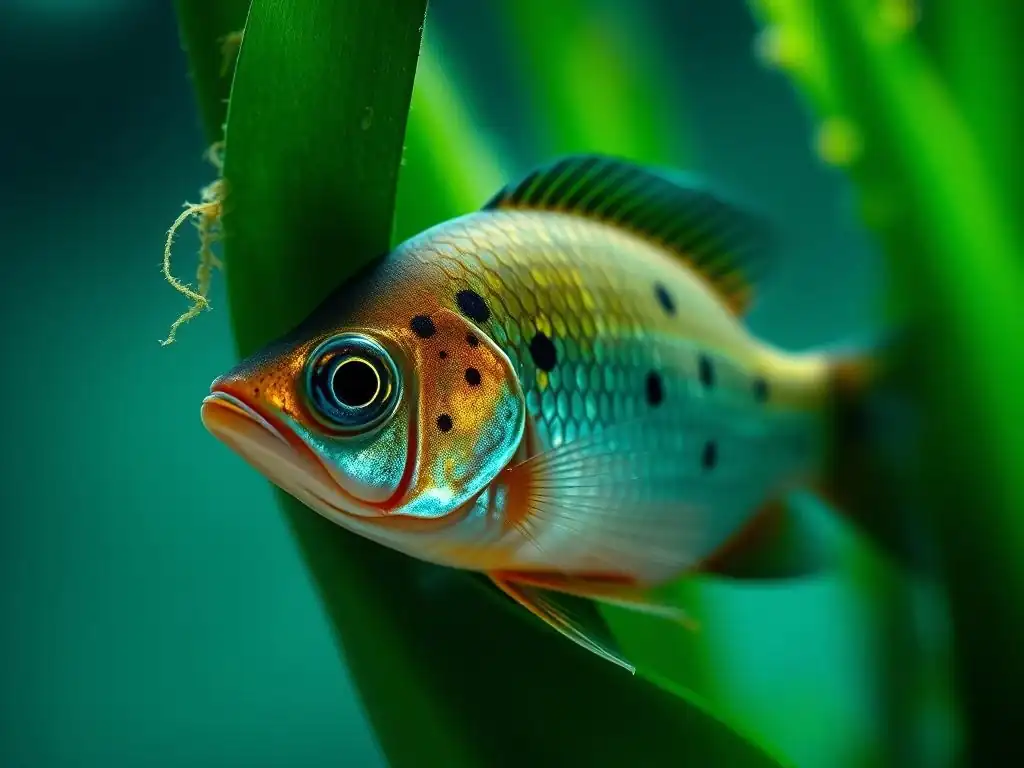
Stress is a pervasive and often underestimated factor contributing to Platy hiding stress sickness. When a Platy is consistently under stress, its immune system becomes compromised, making it more susceptible to diseases and leading to noticeable behavioral changes. Hiding is a primary coping mechanism for stressed fish, an attempt to escape perceived threats or uncomfortable conditions.
Common stressors that can compel a Platy to hide include substandard water quality, an overcrowded environment, aggressive interactions with tank mates, and a lack of adequate hiding places within the aquarium. Addressing these underlying issues is critical to alleviating Platy stress and restoring their active, healthy behavior.
Poor Water Quality and Platy Stress
Suboptimal water quality is arguably the most common cause of Platy stress and subsequent hiding. High levels of toxic compounds like ammonia and nitrite, or even excessively high nitrates, can severely impact a Platy's health. Ammonia (NH3/NH4+) and nitrite (NO2-) should ideally be at 0 parts per million (ppm) in a cycled aquarium, while nitrates (NO3-) should be kept below 20 ppm, and certainly under 40 ppm.
When these parameters are elevated, Platies experience chemical burns to their gills and internal organs, leading to labored breathing, lethargy, and a strong inclination to hide. For example, a tank with ammonia levels consistently above 0.25 ppm can cause chronic stress, making a Platy seek refuge at the bottom of the tank or in corners, indicating significant Platy hiding stress sickness.
Overcrowding and Its Impact on Platy Behavior
Overcrowding a tank is a direct path to Platy stress and behavioral issues. A general guideline often cited is "one inch of fish per gallon" for smaller, less active fish, but active species like Platies require more space. A small group of 3-5 Platies typically needs a minimum of 10-20 gallons to thrive. When too many Platies or other fish are housed in a limited space, it leads to rapid accumulation of waste, increased competition for food and territory, and elevated aggression levels.
This constant competition and poor water quality from increased bioload force Platies to hide. For instance, putting 10 adult Platies in a 10-gallon tank will almost certainly result in chronic stress, frequent nipping, and several Platies constantly hiding, unable to find peace or adequate personal space.
Bullying and Aggression from Tank Mates
While Platies are generally peaceful, they can become targets of aggression from more boisterous or territorial tank mates. Even among Platies themselves, an imbalanced male-to-female ratio (e.g., too many males) can lead to excessive chasing and harassment of females, causing significant Platy stress. Larger or semi-aggressive species, such as certain types of barbs or cichlids, may also nip at a Platy's fins or chase them relentlessly.
Constant harassment forces the bullied Platy to seek refuge in the darkest or most inaccessible parts of the tank, like behind filter intakes or within dense plant thickets. Observing torn fins, missing scales, or faded colors on a hiding Platy are strong indicators that aggression from tank mates is contributing to its Platy hiding stress sickness.
Inadequate Hiding Places in the Aquarium
A lack of sufficient hiding spots can make a Platy feel exposed and vulnerable, leading to chronic Platy hiding. Platies, like many fish, need places where they can retreat to feel secure, rest, or escape from brighter lights or perceived threats. A bare tank with minimal decorations or plant cover offers no such sanctuary.
Without adequate cover, a Platy might spend most of its time pressed against the glass in a corner, hiding behind the heater, or staying motionless near the substrate. Providing dense live plants (such as Java Fern, Anubias, or Hornwort), driftwood, caves, or ceramic decorations gives Platies the security they need. A tank with insufficient cover, perhaps only one small ornament for five Platies, will inevitably result in some Platies experiencing constant Platy stress and seeking any available cover.
Sickness and Disease Causing Platy Fish to Hide
When a Platy's hiding behavior is accompanied by other physical or behavioral changes, it is often a strong indication of underlying Platy sickness. Illnesses weaken a fish, deplete its energy reserves, and make it feel vulnerable, prompting it to seek isolation as a survival instinct. Early detection of disease, often signaled by a change in normal behavior like Platy hiding, is paramount for successful treatment and preventing the spread of pathogens to other inhabitants.
Recognizing the specific symptoms alongside the hiding behavior can help diagnose the illness. A sick Platy will typically become lethargic, lose its appetite, and show visible signs of distress or physical deterioration.
Common Platy Diseases and Their Symptoms
Platies are susceptible to a range of common freshwater fish diseases, and Platy hiding is a near-universal symptom across many of them. Beyond hiding, general signs of illness include clamped fins (held tight against the body), labored breathing (rapid gill movement), loss of appetite, dull or faded coloration, abnormal swimming patterns (e.g., darting, spiraling, shimmying), and visible lesions, spots, or growths on the body or fins.
For instance, a Platy suffering from an internal bacterial infection might exhibit a swollen abdomen, stringy white feces, and a complete loss of interest in food, all while remaining hidden for days. Understanding these accompanying symptoms is crucial for diagnosing the specific Platy sickness.
Ich (White Spot Disease) and Platy Hiding
Ich, caused by the parasite Ichthyophthirius multifiliis, is one of the most common and recognizable diseases in freshwater aquariums. It manifests as small, salt-like white spots primarily on the body and fins of affected fish. The parasites burrow into the fish's skin, causing intense irritation and discomfort. This irritation often leads to fish rubbing or "flashing" against tank decorations or substrate in an attempt to dislodge the parasites.
The constant irritation and energy drain from fighting the infection cause significant Platy stress. An Ich-infected Platy will become lethargic, clamp its fins, and frequently hide, often staying motionless near the bottom or in a secluded spot, demonstrating classic Platy hiding stress sickness symptoms. Temperatures below 75°F (24°C) can make Platies more vulnerable to Ich outbreaks.
Fin Rot and Its Effect on Platy Activity
Fin Rot is a bacterial infection that causes the fins to appear frayed, ragged, or even completely dissolve. It often starts at the edges of the fins and progresses inward, sometimes affecting the body if left untreated. While it can be a primary infection, it is frequently a secondary issue, stemming from poor water quality, physical injury, or chronic stress that weakens the fish's immune system.
A Platy suffering from Fin Rot will experience discomfort and difficulty swimming due to the damage to its fins. This physical impairment, combined with the underlying infection, leads to reduced activity, lethargy, and a strong tendency towards Platy hiding. The fish will often remain motionless in a corner or behind decor, attempting to conserve energy and avoid further injury or confrontation.
Parasitic Infections and Lethargy
Both internal and external parasites can cause significant Platy sickness and lead to hiding behavior. Internal parasites, such as intestinal worms or flagellates, can cause chronic weight loss despite a good appetite, stringy white feces, and a general decline in vitality. External parasites like flukes (gill and body flukes) or Anchor Worms can cause visible lesions, redness, or actual worm-like attachments on the fish's body, leading to irritation and scratching.
These parasitic infestations drain the Platy's energy, compromise its immune system, and cause severe discomfort. An affected Platy will often become profoundly lethargic, lose its appetite, and spend most of its time hidden, demonstrating a clear sign of Platy hiding stress sickness as its body struggles against the infestation.
Environmental Factors Affecting Platy Behavior
Beyond water chemistry and tank dynamics, broader environmental factors within the aquarium can also contribute significantly to Platy stress and their tendency to hide. These factors, often overlooked, relate to the physical conditions of the tank environment itself.
Temperature Fluctuations and Platy Stress
Platies thrive in stable water temperatures, ideally within the range of 72-78°F (22-26°C). Sudden or drastic temperature fluctuations can be highly detrimental, causing thermal shock and severe Platy stress. For instance, a rapid drop of more than 3-5°F (1.5-2.5°C) within a few hours, perhaps due to a faulty heater or a cold room, can severely impact a Platy's metabolic rate and immune function.
A Platy exposed to such unstable temperatures will often become sluggish, lose its vibrant coloration, and seek refuge at the bottom of the tank or in a secluded spot, attempting to conserve energy and adapt to the uncomfortable conditions. This is a classic symptom of Platy hiding stress sickness caused by environmental instability.
Lighting Issues and Their Impact on Platy Hiding
Appropriate lighting is crucial for a Platy's well-being. Fish, like most living organisms, need a consistent day-night cycle to regulate their biological rhythms. Constant bright light, or conversely, an overly dark environment, can be a significant source of Platy stress. Keeping aquarium lights on for 24 hours a day disrupts their natural sleep patterns and can overwhelm them.
A Platy in a tank with excessively bright or continuous lighting may constantly retreat to shaded areas, hide behind decorations, or stay at the bottom, attempting to escape the unnatural illumination. Conversely, a tank that is perpetually dim might make a Platy feel vulnerable and less inclined to explore. Establishing a consistent 8-10 hour light cycle, ideally with a timer, helps prevent Platy hiding caused by light-related discomfort.
Diagnosing the Reason Your Platy is Hiding
Observing Your Platy's Behavior: Key Indicators
Diagnosing why your Platy is hiding requires meticulous and consistent observation. It's not enough to simply notice the hiding; you must look for accompanying behavioral and physical cues. Pay attention to when the Platy hides (e.g., only at night, all day), where it hides (e.g., specific corners, behind equipment), and how long it hides. This detailed observation is the first and most crucial step in identifying the root cause of Platy hiding stress sickness.
Beyond the act of hiding, assess the Platy's overall demeanor. Does it appear lethargic even when not hidden? Is its breathing rapid or labored? Are its fins clamped or held stiffly? These subtle indicators, when combined with the hiding behavior, provide valuable clues.
Appetite Changes and Reduced Activity
A healthy Platy is typically an eager eater, readily approaching the surface or mid-water column during feeding times. A significant change in appetite is a strong indicator of Platy stress or illness. If your Platy ignores food for more than 24 hours or shows very little interest when food is offered, it's a major red flag.
Coupled with this, reduced activity—such as spending excessive time motionless at the bottom, near the surface, or in a corner—suggests a problem. For example, if your Platy normally greets you at the glass but now remains hidden and refuses its favorite flakes, it's a clear sign that something is amiss beyond simple shyness, pointing towards potential Platy hiding stress sickness.
Physical Symptoms: Spots, Clamped Fins, and Bloating
A thorough visual inspection of your hiding Platy for physical symptoms is essential. Look for any abnormalities on its body, fins, and gills. Small white spots resembling grains of salt are classic signs of Ich. Fuzzy patches indicate fungal infections, while red streaks or ulcers suggest bacterial issues. Discoloration, such as darkening or fading, can also signal illness.
Clamped fins, where the fins are held tightly against the body instead of being fanned out, are a universal sign of discomfort or illness in fish, often accompanying Platy hiding. Bloating, especially if accompanied by scales sticking out like a pinecone (a condition known as dropsy), indicates severe internal issues. Any of these visible signs, in conjunction with hiding, confirm a case of Platy sickness.
Testing Your Aquarium Water: Essential Parameters
Water testing is a non-negotiable step in diagnosing Platy hiding stress sickness. Behavioral observations provide clues, but water parameters offer concrete, objective data about the environment. Always use a reliable liquid-based test kit, as they are generally more accurate than test strips. Regular testing, even when fish appear healthy, helps establish a baseline and allows for early detection of problems before they escalate.
Knowing your water parameters can immediately confirm or rule out poor water quality as the cause of Platy stress. For instance, a sudden spike in ammonia or nitrite can trigger hiding long before visible physical symptoms appear, making water tests invaluable for proactive intervention.
Ammonia, Nitrite, and Nitrate Levels
The nitrogen cycle is paramount to aquarium health. Ammonia (NH3/NH4+) and nitrite (NO2-) are highly toxic to fish and should always be 0 ppm in a stable, cycled tank. Even levels as low as 0.25 ppm can cause significant Platy stress, gill damage, and lead to lethargy and hiding. Nitrates (NO3-), the end product of the nitrogen cycle, are less toxic but still harmful in high concentrations. Ideally, nitrates should be kept below 20 ppm for optimal Platy health, though some hardy Platies might tolerate up to 40 ppm.
Elevated levels of any of these indicate a problem with your biological filtration or overstocking/overfeeding. A Platy hiding due to Platy stress from toxic water will often show labored breathing and clamped fins in addition to its reclusive behavior.
pH and Water Hardness
Platies prefer slightly alkaline water with a pH range of 7.0 to 8.0. They also thrive in moderately hard water, with a General Hardness (GH) of 10-25 dGH and Carbonate Hardness (KH) of 10-20 dKH. While Platies are relatively adaptable, sudden or extreme shifts in pH or hardness can cause severe chemical shock and significant Platy stress.
For example, a rapid pH drop from 7.5 to 6.0 in a single day can lead to profound lethargy, erratic swimming, and persistent Platy hiding as the fish struggles to maintain its internal osmotic balance. Similarly, very soft water (low GH) can deprive Platies of essential minerals. Regular monitoring of these parameters ensures the water environment remains stable and suitable, preventing unnecessary stress.
Solutions and Prevention for Platy Hiding
Improving Water Quality for Healthy Platies
The cornerstone of preventing Platy hiding stress sickness and ensuring the overall well-being of your Platies is maintaining pristine water quality. Consistent adherence to proper aquarium maintenance practices is far more effective than trying to cure problems after they arise. Healthy water directly translates to reduced Platy stress and vibrant, active fish.
By proactively managing water parameters, you create an environment where Platies can thrive without the need to hide from discomfort or illness. This involves a combination of regular manual maintenance and ensuring your filtration system is functioning optimally.
Regular Water Changes and Gravel Vacuuming
Regular water changes are essential for diluting nitrates, removing accumulated organic waste, and replenishing essential minerals. For a typical Platy tank, performing weekly or bi-weekly water changes of 25-30% of the tank volume is highly recommended. Always use a dechlorinator to treat tap water before adding it to the tank.
Simultaneously, use a gravel vacuum during water changes to remove uneaten food, fish waste, and decaying plant matter trapped in the substrate. For instance, in a 20-gallon tank, a weekly 5-gallon water change combined with thorough gravel vacuuming can prevent nitrate buildup and the accumulation of decaying organic matter that could otherwise lead to ammonia spikes and subsequent Platy hiding stress sickness.
Proper Filtration and Biological Balance
Ensure your aquarium filter is appropriately sized for your tank volume and fish load. A good filter provides mechanical filtration (removing physical debris), chemical filtration (removing odors, discoloration, and some toxins), and most importantly, biological filtration. Biological filtration, powered by beneficial bacteria, converts toxic ammonia to nitrite and then to less harmful nitrate.
A well-cycled filter with a robust colony of these nitrifying bacteria is critical for maintaining stable water chemistry and preventing the buildup of toxins that cause Platy stress. Regularly clean filter media (rinse in old tank water, never tap water) to prevent clogging and maintain efficiency without harming the beneficial bacteria.
Addressing Aggression in the Aquarium
Aggression from tank mates can be a significant source of Platy stress and cause them to hide. Identifying and addressing this issue is crucial for the well-being of your Platies.
Identifying and Separating Aggressive Fish
Carefully observe your aquarium for signs of aggression. Look for fish constantly chasing, nipping fins, or dominating feeding areas. If you identify a specific aggressor, consider whether it is compatible with Platies. Some fish, like certain cichlids or aggressive barbs, are simply not suitable tank mates for peaceful Platies.
If the aggression is severe and causing constant Platy hiding or physical injury, the aggressive fish may need to be rehomed or moved to a separate tank. In cases of internal Platy aggression (e.g., too many males harassing females), adjust your male-to-female ratio to at least 1 male for every 2-3 females to diffuse male attention.
Providing Ample Space and Hiding Spots
One of the best ways to mitigate aggression and reduce Platy stress is to ensure the aquarium is adequately sized and furnished. A larger tank provides more territory for all inhabitants, reducing competition. For Platies, a minimum of 10 gallons for a small group is recommended, but a 20-gallon or larger tank is ideal for a community setup.
Additionally, provide an abundance of visual barriers and hiding spots. Dense live plants (like Amazon Swords, Vallisneria, or bushy stem plants), driftwood, rock caves, and ceramic decorations can break up sightlines and offer safe retreats for bullied or stressed Platies. Aim to create multiple safe zones so that every Platy has a place to escape and feel secure, thereby reducing the need for constant Platy hiding.
Treating Common Platy Diseases
If Platy hiding is accompanied by symptoms of illness, prompt and appropriate treatment is necessary. Early intervention can significantly improve the chances of recovery and prevent the spread of disease.
Quarantine and Medication Options
Always quarantine new fish in a separate tank for at least 2-4 weeks before introducing them to your main aquarium. This crucial step prevents the introduction of pathogens that could cause widespread Platy hiding stress sickness. If an existing Platy shows signs of illness, move it to a dedicated hospital tank for treatment. This allows you to medicate without affecting the main tank's beneficial bacteria or other healthy inhabitants.
For specific diseases, use appropriate medications. For Ich, raise the hospital tank temperature gradually to 82-84°F (28-29°C) and use Ich-specific treatments containing malachite green or formalin, strictly following the manufacturer's instructions. For bacterial infections like Fin Rot, broad-spectrum antibiotics (e.g., Furan-2 or Maracyn) may be necessary. Always confirm the diagnosis before medicating to ensure effective treatment for the Platy sickness.
Natural Remedies for Mild Illnesses
For very mild cases of Platy stress or early-stage illnesses that don't yet warrant strong chemical medications, some natural remedies can be beneficial. Aquarium salt (non-iodized, pure sodium chloride) can be added at a rate of 1 tablespoon per 5 gallons of water in a hospital tank. It helps reduce stress, aids in osmoregulation, and can inhibit some external parasites and bacteria.
Indian almond leaves (catappa leaves) are another popular natural additive. When steeped in the water, they release tannins and humic acids, which have mild antibacterial and antifungal properties, reduce pH slightly, and create a more natural, soothing environment. These remedies can provide a supportive environment for a Platy hiding due to general discomfort or minor ailments, helping it recover naturally.
Creating an Optimal Environment for Platies
Beyond water quality and tank mates, ensuring the broader environmental conditions within the aquarium are tailored to Platy needs is vital in preventing Platy hiding stress sickness.
Maintaining Stable Water Temperature
A consistent and stable water temperature is crucial for Platy health. Platies thrive in temperatures ranging from 72-78°F (22-26°C). Use a reliable aquarium heater equipped with a thermostat to maintain this range precisely. Avoid placing your aquarium near windows where it might be exposed to direct sunlight or near air conditioning/heating vents that could cause rapid temperature swings.
Sudden temperature drops or spikes, even by a few degrees, can cause significant Platy stress, weaken their immune system, and make them susceptible to disease, leading to them becoming lethargic and hiding. A stable temperature ensures their metabolic processes function optimally, reducing the likelihood of Platy hiding stress sickness.
Providing Adequate Lighting and Plant Cover
Establishing a regular light cycle is important for fish health. Provide 8-10 hours of consistent lighting daily, ideally using an automatic timer to ensure regularity. Avoid keeping the lights on for 24 hours, as this disrupts their natural sleep patterns and can cause chronic Platy stress.
Beyond regulating the light cycle, ensure your aquarium has ample plant cover, whether live or artificial. Dense planting provides shaded areas and secure hiding spots where Platies can retreat when they feel overwhelmed by light, need privacy, or simply want to rest. Sufficient plant cover not only offers psychological security but also helps absorb nitrates and oxygenate the water, contributing to overall well-being and reducing the likelihood of a Platy hiding due to environmental discomfort.
Preventing Future Hiding Behavior in Platies
Regular Aquarium Maintenance Schedule
The most effective way to prevent Platy hiding stress sickness and ensure your Platies remain active and healthy is to adhere to a consistent and thorough aquarium maintenance schedule. Proactive care is always more effective and less stressful than reactive treatment. This means more than just occasional water changes; it involves a routine of checks and balances.
Implement a weekly schedule for water testing (ammonia, nitrite, nitrate, pH), partial water changes (25-30%), and gravel vacuuming. Monthly, inspect filter media and perform any necessary cleaning or replacement. This consistent approach prevents the buildup of toxins and maintains stable water parameters, drastically reducing the chances of Platy stress and subsequent hiding.
Careful Observation of Fish Behavior
Make daily observation of your Platies a routine. Spend a few minutes watching their behavior, interactions, and physical appearance. Look for subtle changes that might indicate an emerging problem before it escalates into full-blown Platy hiding stress sickness. This includes observing their swimming patterns, appetite, coloration, and interactions with other fish.
Early detection is key. If you notice a Platy that is slightly less active than usual, or showing a slight loss of color, you can investigate potential causes (e.g., check water parameters) and address them swiftly. This vigilance allows you to intervene early, preventing minor issues from developing into serious health problems that force your Platy to hide.
Quarantining New Fish Before Introduction
One of the most critical preventive measures against the introduction of disease into your established aquarium is to quarantine all new fish before adding them to your main display tank. A simple 5 or 10-gallon tank with a heater and a small filter serves as an effective quarantine setup.
Keep new Platies or any other new fish in this quarantine tank for at least 2-4 weeks. During this period, observe them closely for any signs of disease (e.g., Ich, Fin Rot, internal parasites). If any illnesses emerge, you can treat them in isolation without risking the health of your existing fish. This practice significantly reduces the chance of introducing pathogens that could cause widespread Platy hiding stress sickness in your entire aquarium.
Conclusion: Ensuring a Happy and Healthy Platy Fish
The act of a Platy hiding is a significant and often urgent indicator that something is amiss in its environment or with its health. Whether it stems from Platy stress due to poor water quality, overcrowding, or aggressive tank mates, or signals an underlying Platy sickness like Ich or Fin Rot, understanding the cause is paramount. Healthy Platies are typically active, inquisitive, and visible, making any prolonged reclusive behavior a clear signal for the aquarist to investigate.
By diligently maintaining stable water parameters, providing an appropriately sized and furnished environment with ample hiding spots, carefully selecting compatible tank mates, and practicing vigilant observation and quarantine protocols, you can significantly reduce the likelihood of Platy hiding stress sickness. Proactive care and a keen eye for subtle changes are the best tools to ensure your vibrant Platy fish thrive, remaining happy, healthy, and a joy to observe.
Frequently Asked Questions
Why is my platy constantly hiding?
Platies hiding can indicate stress or sickness. Look for other symptoms like clamped fins or lethargy. New tank environments can also cause initial hiding.
What are the most common signs of stress in platies?
Common signs include hiding, loss of appetite, and rapid breathing. Changes in color and clamped fins can also be indicators.
How can I tell if my platy is hiding due to sickness rather than stress?
If hiding is accompanied by physical symptoms like white spots, fin rot, or bloating, sickness is more likely. Observe your platy closely for any abnormalities.
What water parameters are crucial for platy health and preventing stress?
Maintaining stable water parameters is vital. Ensure proper pH, ammonia, nitrite, and nitrate levels. Regular water changes are crucial.
What steps can I take to reduce stress and encourage my platy to come out of hiding?
Ensure adequate hiding places, stable water parameters, and a peaceful tank environment. Gradually acclimate new fish to the tank's conditions.
Final Reflection: Unveiling the Secrets of the Platy's Retreat
The insights shared throughout this article, focused on decoding the reasons behind a platy's hiding behavior, are more relevant than ever. In a world increasingly aware of animal welfare and responsible pet ownership, understanding the subtle signs of stress and sickness in our aquatic companions is crucial for ensuring their health and happiness. Ignoring these signals can lead to preventable suffering, making proactive observation and informed action paramount.
This exploration into the platy's hidden world underscores the profound interconnectedness between environment, behavior, and well-being. The act of observing and understanding our pets, even seemingly simple creatures like platies, fosters empathy and responsibility, enriching our own lives in the process. The greatness of a nation and its moral progress can be judged by the way its animals are treated.
- Mahatma Gandhi. This quote resonates deeply when we consider the care we provide to our pets, highlighting the ethical dimension of our relationship with them.
Now, consider the lessons learned about the platy's hiding behavior. What changes can you implement in your own aquarium to create a more stress-free and enriching environment? Take a moment to observe your platies, not just as pets, but as individuals with needs and sensitivities. By becoming more attuned to their subtle cues, you can cultivate a deeper connection and ensure they thrive in your care, transforming your aquarium into a haven of health and happiness.
Unlock Your Platy's Secrets!
Thanks for diving into the world of platy behavior with us! Now that you're equipped to understand why your platy might be hiding, it's time to take action and create a happier, healthier aquarium. Here’s how:
- Immediately prioritize water testing! Accurate results are your first step in addressing any potential water quality issues that might be stressing your platy. Don't just test; analyze the results against ideal parameters.
- Share your observations and water parameters on an aquarium forum or with a local fish club for collaborative troubleshooting and support. A fresh pair of eyes might spot something you missed!
- Consider adding some dense, bushy plants like Java moss or Hornwort. These offer not only hiding spots but also beneficial bacteria and oxygen, helping alleviate stress.
Ready to transform your aquarium into a platy paradise? What small change will you implement today to improve your platy's environment?