
Red Cherry Shrimp: A Deep Dive into Care, Grades, and Breeding Success

Welcome to Aquarium Mastery!
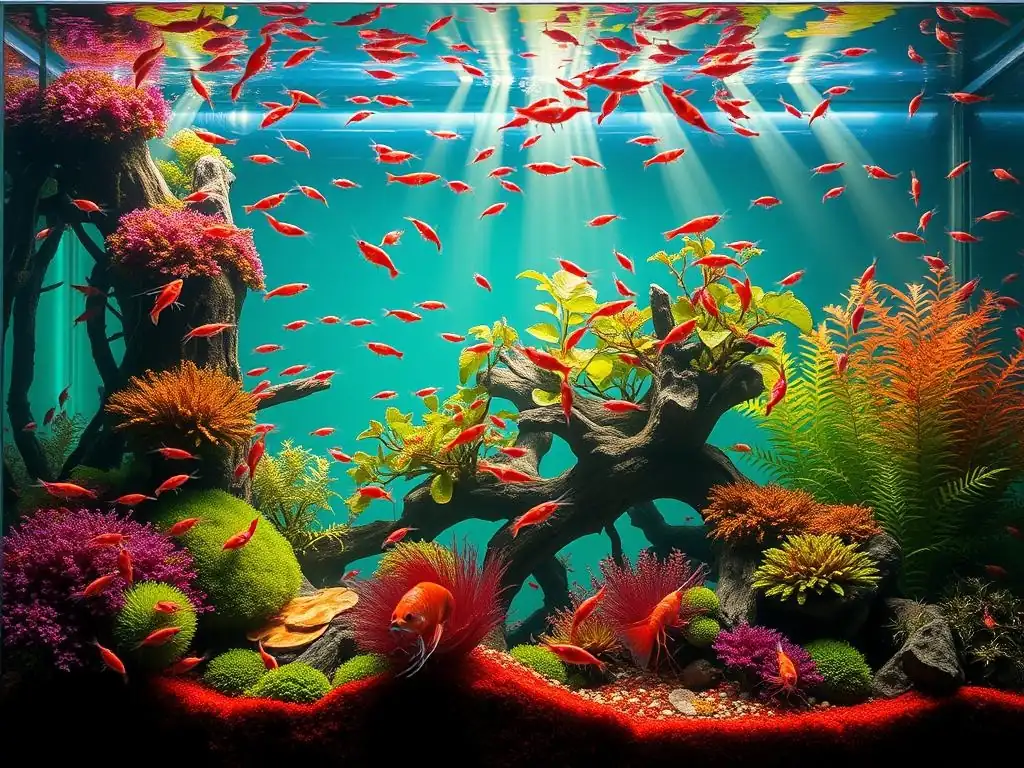
Ever wondered how to unlock the vibrant beauty and playful energy of Red Cherry Shrimp in your own aquarium? Dive into our comprehensive guide and discover essential red cherry shrimp care tips that will transform your tank into a thriving ecosystem. From understanding grading to mastering breeding techniques, prepare to elevate your aquascaping skills and witness the captivating life cycle of these delightful invertebrates. Ready to unravel the secrets to their success? Let's get started!
- Introduction to Red Cherry Shrimp (Neocaridina davidi)
- Essential Red Cherry Shrimp Care Tips for a Thriving Colony
- Red Cherry Shrimp Grading: Understanding Color Intensity and Quality
- Red Cherry Shrimp Breeding: A Comprehensive Guide to Success
- Common Red Cherry Shrimp Problems and Solutions
- Conclusion: Mastering Red Cherry Shrimp Care for a Vibrant Aquarium
-
Frequently Asked Questions
- What are the key water parameters for keeping Red Cherry Shrimp healthy?
- What kind of food should I feed my Red Cherry Shrimp?
- How can I improve the breeding success of my Red Cherry Shrimp?
- What are the different grades of Red Cherry Shrimp, and how do they differ?
- What are some common issues that can affect Red Cherry Shrimp, and how can I troubleshoot them?
- Final Reflection: The Vibrant Legacy of Red Cherry Shrimp
- Ignite Your Shrimp Keeping Journey!
Introduction to Red Cherry Shrimp (Neocaridina davidi)
What are Red Cherry Shrimp and Why are They Popular?
Red Cherry Shrimp, scientifically known as Neocaridina davidi, are a highly popular freshwater invertebrate in the aquarium hobby. Their appeal stems from their striking, vibrant red coloration, small size, and peaceful temperament, making them an excellent addition to planted aquariums. These active scavengers contribute significantly to tank cleanliness by consuming algae and uneaten food, effectively acting as the aquarium's clean-up crew.
Their suitability for both beginner and experienced aquarists further boosts their popularity. Red Cherry Shrimp are notably hardy compared to many other freshwater shrimp species, tolerating a wider range of water parameters. Their constant foraging behavior and interesting social interactions also provide endless entertainment for observers, making them a captivating focal point in any suitable aquatic setup.
Brief History and Origin of Red Cherry Shrimp
The ancestors of today's Red Cherry Shrimp originate from various freshwater bodies across East Asia, predominantly Taiwan. The wild Neocaridina davidi species, from which they are selectively bred, typically exhibit a duller, more translucent coloration, often brownish or greenish, to blend into their natural environment. Over several decades, dedicated breeders have meticulously selected and bred individuals displaying enhanced red pigmentation.
This intensive selective breeding process has led to the development of the distinct and highly prized red strains we see in the hobby today. Initially introduced to the global aquarium market, these selectively bred Neocaridina davidi quickly gained traction, leading to the establishment of various color morphs and grades, each with unique aesthetic qualities.
Red Cherry Shrimp Appearance: Color Variations and Grading System
Red Cherry Shrimp are small, typically reaching an adult size of about 1 to 1.5 inches (2.5 to 3.8 cm). Females are generally larger and exhibit a more intense and opaque red coloration compared to males, who tend to be smaller and less vibrantly colored, often displaying more translucent areas. This sexual dimorphism becomes more apparent as the shrimp mature.
The aesthetic quality of Red Cherry Shrimp is often evaluated using a grading system based on the intensity, opacity, and coverage of their red pigmentation. Higher grades signify a more solid and vibrant red, with minimal to no clear or translucent spots on the body and legs. This grading system allows hobbyists to select shrimp that meet their desired aesthetic standards, ranging from entry-level Sakura to the highly prized Painted Fire Red and Bloody Mary grades.
Essential Red Cherry Shrimp Care Tips for a Thriving Colony
Optimal Tank Parameters for Red Cherry Shrimp Health
Ideal Water Temperature for Red Cherry Shrimp
Maintaining a stable water temperature is a crucial aspect of Red cherry shrimp care tips. Red Cherry Shrimp thrive in a temperature range of 65-78°F (18-25.5°C). While they can tolerate slight fluctuations, rapid or extreme temperature changes can cause significant stress, potentially leading to molting issues or even death. Lower temperatures slow down their metabolism and breeding, while consistently higher temperatures can shorten their lifespan.
For optimal health and prolific breeding, a temperature between 72-74°F (22-23°C) is often considered ideal. In environments with fluctuating room temperatures, a reliable aquarium heater with a thermostat is recommended to ensure consistent conditions. Regularly monitoring the temperature with an accurate thermometer is a simple yet effective practice for successful Red cherry shrimp care tips.
pH Levels for Red Cherry Shrimp: Maintaining Stability
Red Cherry Shrimp are adaptable to a relatively wide pH range, typically thriving between 6.5 and 8.0. However, stability is far more important than hitting a precise number within this range. A pH between 6.8 and 7.5 is often cited as optimal, promoting both health and breeding activity. Extremes outside this range, especially sudden shifts, can be highly detrimental, leading to stress, lethargy, and a weakened immune system.
To maintain stable pH, avoid substrates or decorations that drastically alter water chemistry. Regular testing with a reliable liquid test kit is essential to monitor pH levels. If your tap water is inconsistent, using a buffering substrate or a remineralized reverse osmosis (RO) water blend can help achieve and maintain the desired stability, which is a cornerstone of effective Red cherry shrimp care tips.
GH and KH: Understanding Water Hardness for Shrimp
General Hardness (GH) and Carbonate Hardness (KH) are vital water parameters for Red Cherry Shrimp, directly impacting their ability to molt successfully and form healthy exoskeletons. The ideal GH range is 4-8 dGH (degrees of general hardness), which translates to approximately 70-140 ppm (parts per million). GH measures the concentration of calcium and magnesium ions, both of which are indispensable for the shrimp's shell development.
Carbonate Hardness (KH), ideally 2-5 dKH (35-90 ppm), acts as a buffer, preventing sudden pH swings. Low KH can lead to dangerous pH crashes, especially in tanks with CO2 injection or acidic substrates. If your tap water is too soft, specific mineral supplements or crushed coral can be used to increase GH and KH, respectively. Understanding and managing these parameters is a critical component of advanced Red cherry shrimp care tips.
Setting Up the Perfect Red Cherry Shrimp Tank Environment
Tank Size Recommendations for Red Cherry Shrimp
While Red Cherry Shrimp are small, the minimum recommended tank size for a healthy colony is 5 gallons (approximately 19 liters). A 5-gallon tank can comfortably house a starting colony of 5-10 shrimp. However, larger tanks, such as 10-gallon (38 liters) or 20-gallon (76 liters) setups, are generally preferred.
Larger tanks offer greater water volume, which inherently leads to more stable water parameters and dilutes waste products more effectively. This stability is crucial for shrimp health and breeding success. A well-maintained 10-gallon tank, for instance, can comfortably support a thriving colony of 50-100 Red Cherry Shrimp, making it an excellent choice for those looking to establish a robust population.
Substrate Options: Best Choices for Shrimp Tanks
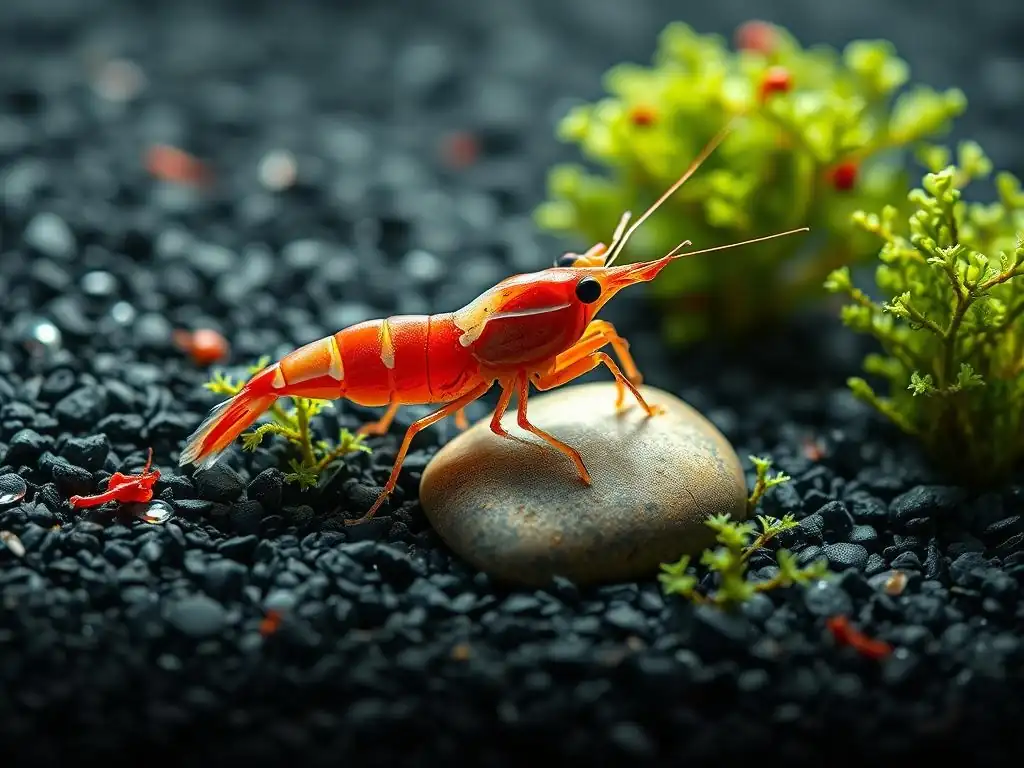
When setting up a tank for Red Cherry Shrimp, inert substrates are generally the best choice as they do not significantly alter water parameters. Fine gravel or sand are excellent options, providing a stable base for plants and allowing shrimp to easily forage for biofilm and detritus. Avoid substrates designed to lower pH, such as active soil, unless you are specifically aiming for lower pH levels or keeping more sensitive shrimp species.
A darker colored substrate, like black sand or dark fine gravel, can also help to enhance the natural coloration of your Red Cherry Shrimp, making their red hues appear even more vibrant. Ensure any substrate used is thoroughly rinsed to remove dust and fine particles, preventing cloudy water and potential irritation to the shrimp's delicate gills.
Plants for Red Cherry Shrimp: Creating a Natural Habitat
Live plants are an invaluable addition to any Red Cherry Shrimp tank, offering numerous benefits. They provide essential hiding places for shrimp, especially vulnerable shrimplets, protecting them from potential predators or aggressive tank mates. Furthermore, plants offer extensive surface area for the growth of biofilm and micro-organisms, which serve as a primary food source for shrimp.
Recommended plant species include various mosses like Java Moss ( Taxiphyllum barbieri), Christmas Moss ( Vesicularia montagnei), and Fissidens. Other excellent choices are Anubias species, Bucephalandra, Hornwort ( Ceratophyllum demersum), and Guppy Grass ( Najas guadalupensis). These plants are generally low-maintenance and do not require intense lighting or CO2, making them ideal for a shrimp-centric setup. Always ensure plants are free of pesticides before introducing them to a shrimp tank.
Essential Filtration for Red Cherry Shrimp: Keeping the Water Clean
Proper filtration is paramount for maintaining pristine water quality, a cornerstone of effective Red cherry shrimp care tips. Sponge filters are widely regarded as the best filtration method for Red Cherry Shrimp tanks. They provide both mechanical and biological filtration, fostering beneficial bacteria without creating strong currents that can stress shrimp or suck in delicate shrimplets.
If opting for hang-on-back (HOB) or canister filters, it is absolutely essential to place a pre-filter sponge over the intake tube. This prevents shrimplets from being drawn into the filter impeller, ensuring their safety. Regardless of the filter type, ensure the water flow is gentle and diffused, as strong currents can make it difficult for shrimp to move around and forage comfortably.
Red Cherry Shrimp Diet and Feeding Guide
What Do Red Cherry Shrimp Eat?
Red Cherry Shrimp are primarily detritivores and biofilm grazers, meaning their natural diet consists of algae, decaying plant matter, and the microscopic organisms that form biofilm on surfaces within the aquarium. In a mature, well-planted tank, they will constantly graze on these natural food sources, contributing to the tank's cleanliness.
While biofilm and algae are important, supplementing their diet is crucial for their long-term health, vibrant coloration, and successful breeding. They are omnivores and will readily accept a variety of prepared and fresh foods, demonstrating their opportunistic feeding habits.
Best Foods for Red Cherry Shrimp: A Balanced Diet
To ensure a balanced diet, offer high-quality shrimp-specific pellets or wafers, such as those from Hikari, Shirakura, or Dennerle, which are formulated with essential nutrients and minerals. Blanched vegetables like zucchini, spinach, or kale are excellent supplements, providing vitamins and fiber. For protein, occasional offerings of spirulina tabs, small pieces of bloodworms, or brine shrimp can be beneficial.
A varied diet is key to promoting optimal health, vibrant coloration, and consistent breeding. Foods rich in carotenoids, such as astaxanthin, can particularly enhance their red pigmentation. Calcium-rich foods are also vital to support successful molting and the formation of strong exoskeletons.
Feeding Frequency and Avoiding Overfeeding
When feeding Red Cherry Shrimp, less is often more. For a small colony, feeding 2-3 times a week is generally sufficient, especially in a well-established planted tank with natural biofilm. For larger colonies, daily feeding of very small amounts may be appropriate. The golden rule is to only feed what the shrimp can consume within 2-3 hours.
Overfeeding is one of the most common mistakes in shrimp keeping and can quickly lead to severe water quality issues. Excess food decays, causing ammonia and nitrite spikes, which are highly toxic to shrimp. It also contributes to unsightly algae growth. Always remove any uneaten food after the feeding period to maintain pristine water conditions, a critical aspect of Red cherry shrimp care tips.
Water Changes for Red Cherry Shrimp: Maintaining Water Quality
How Often to Perform Water Changes
Regular water changes are essential for maintaining stable and healthy water parameters for Red Cherry Shrimp. Small, frequent water changes are preferable to large, infrequent ones, as they minimize stress on the shrimp. A routine of 10-20% water change weekly or bi-weekly is a good starting point for most tanks.
The exact frequency and volume of water changes can vary depending on the tank's stocking density, filtration efficiency, and feeding habits. Regularly testing your water parameters, particularly nitrates, will help determine the optimal schedule. If nitrates begin to rise above 20 ppm, it's an indication that more frequent or larger water changes may be necessary.
Safe Water Change Practices for Shrimp
When performing water changes, it is crucial to use dechlorinated water that closely matches the tank's existing temperature and parameters (pH, GH, KH). Sudden shifts in temperature or water chemistry can shock and stress shrimp, potentially leading to molting problems or even death. Using a reliable water conditioner that neutralizes chlorine and chloramines is non-negotiable.
For maximum safety, especially with sensitive colonies, consider drip acclimating the new water into the tank using airline tubing. This slow introduction minimizes environmental shock. Always siphon water from the bottom of the tank to remove detritus and uneaten food, contributing to overall water cleanliness and effective Red cherry shrimp care tips.
Red Cherry Shrimp Tank Mates: Choosing Compatible Species
Safe Fish to Keep with Red Cherry Shrimp
Choosing compatible tank mates is crucial for the well-being of Red Cherry Shrimp. The safest fish options are generally very small, peaceful, and non-predatory species that pose no threat to adult shrimp or shrimplets. Excellent examples include Otocinclus catfish ( Otocinclus affinis), small rasboras such as Chili Rasboras ( Boraras brigittae) or Ember Tetras ( Hyphessobrycon amandae), and Pygmy Corydoras ( Corydoras pygmaeus).
Even with these "safe" fish, it's important to understand that any fish with a mouth large enough to consume a shrimplet will likely do so if given the opportunity. For guaranteed shrimplet survival and maximum breeding success, a dedicated shrimp-only tank is always the most secure option.
Invertebrates That Coexist Well with Red Cherry Shrimp
Other peaceful invertebrates are generally excellent tank mates for Red Cherry Shrimp. Snails, such as Nerite snails ( Neritina spp.), Mystery snails ( Pomacea bridgesii), and Ramshorn snails ( Planorbella spp.), are highly compatible. They are not only harmless to shrimp but also contribute to algae control and tank cleaning, creating a symbiotic relationship.
Amano shrimp ( Caridina multidentata) are another highly recommended invertebrate tank mate. While larger than Red Cherry Shrimp, they are peaceful and fantastic algae eaters. They will not interbreed with Neocaridina davidi, ensuring the genetic purity of your Red Cherry Shrimp colony. Avoid any aggressive or predatory crustaceans, such as crayfish or some crab species.
Fish to Avoid: Potential Predators of Red Cherry Shrimp
A wide range of common aquarium fish are unsuitable tank mates for Red Cherry Shrimp due to their predatory nature. Any fish that can fit a shrimp (especially a shrimplet) into its mouth should be avoided. This includes popular species like Bettas ( Betta splendens), most types of Tetras (e.g., Neon Tetras, Black Skirt Tetras), Gouramis, Cichlids (even dwarf varieties), Barbs (e.g., Tiger Barbs), and larger livebearers.
Even seemingly peaceful community fish can become opportunistic predators, especially towards vulnerable shrimplets. Thorough research into the dietary habits and temperament of any potential tank mate is essential. The safest and most rewarding Red cherry shrimp care tips often involve a species-only tank to prevent any predation.
Red Cherry Shrimp Grading: Understanding Color Intensity and Quality
Red Cherry Shrimp Color Grading System Explained
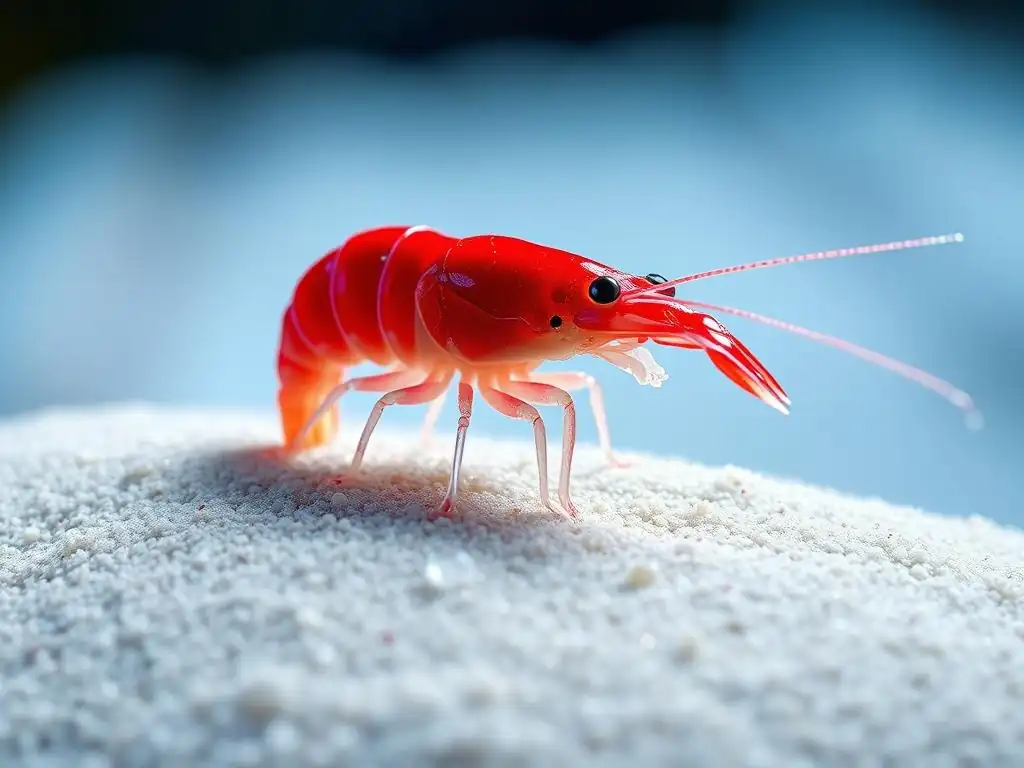
The Red Cherry Shrimp grading system is a method of classifying shrimp based on the intensity, opacity, and coverage of their red coloration. This system allows hobbyists and breeders to assess the quality of a shrimp, with higher grades indicating a more solid, vibrant, and opaque red hue across the entire body, including the legs.
This grading helps hobbyists select shrimp for specific aesthetic goals, whether they desire a bright splash of color or are engaged in selective breeding programs aimed at enhancing the vibrancy and consistency of the red pigment. Understanding these grades is a key aspect of advanced Red cherry shrimp care tips for enthusiasts focused on genetic improvement and visual appeal.
Sakura Grade Red Cherry Shrimp
Sakura grade Red Cherry Shrimp represent a good, consistent level of red coloration, often serving as an entry point for hobbyists seeking vibrant shrimp. While the main body will display a clear red, some translucent or clear patches may still be visible, particularly on the legs, underside, or near the rostrum. Females typically exhibit a more intense red than males within this grade.
These shrimp are generally hardy and breed readily, making them an excellent choice for beginners looking to establish their first shrimp colony. Their robust nature and appealing color provide a satisfying experience for those new to keeping Neocaridina davidi.
Fire Red Grade Red Cherry Shrimp
Fire Red grade shrimp display a significantly more intense and opaque red coloration compared to Sakura grade. In Fire Red specimens, clear spots are minimal or entirely absent on the main body, though very slight translucency might still be observed on the legs. The red is deep and consistent throughout the carapace and abdomen.
This grade is a popular choice for aquarists seeking a more striking visual impact in their tanks without venturing into the premium price points of the highest grades. Fire Red shrimp are the result of more focused selective breeding efforts to enhance color density.
Painted Fire Red Grade Red Cherry Shrimp
Painted Fire Red shrimp represent a near-perfect level of coloration, characterized by solid, opaque red coverage over virtually the entire body, including the legs and even the antennae base. There are minimal to no translucent patches visible on these specimens, giving them a "painted" appearance.
These shrimp command a higher price due to their superior and consistent coloration, which is the result of extensive and dedicated selective breeding over many generations. They are often sought after by serious hobbyists and breeders aiming for the pinnacle of Red Cherry Shrimp aesthetics.
Bloody Mary Grade Red Cherry Shrimp
Bloody Mary shrimp are distinct from other Neocaridina davidi grades. While visually similar in their deep red, they are believed to be a separate genetic lineage, potentially derived from chocolate Neocaridina rather than the standard wild type. This unique genetic background results in a profound, almost maroon, opaque red that is often described as "blood red" or "dark cherry."
Their coloration is exceptionally deep and solid, making them highly prized for their unique and intense hue. Bloody Mary shrimp are often considered a premium variety within the Neocaridina family, valued for their distinctive appearance.
Factors Affecting Red Cherry Shrimp Coloration
Genetics and Selective Breeding
Genetics are the primary determinant of a Red Cherry Shrimp's potential color grade and intensity. The vibrant red seen in high-grade specimens is not accidental but the direct result of many generations of selective breeding. Breeders meticulously choose individuals with the most desirable color traits to reproduce, ensuring that only the strongest red pigments are passed on to the offspring.
This continuous process of selective breeding is crucial for maintaining and improving the quality of a shrimp colony's coloration over time. Without careful selection, a colony can revert to duller, wild-type coloration within a few generations, highlighting the importance of understanding genetics in Red cherry shrimp care tips.
Diet and Water Parameters Influencing Color
While genetics set the potential, diet and water parameters significantly influence how well a Red Cherry Shrimp displays its coloration. A varied and nutritious diet, especially one rich in carotenoids (like astaxanthin, often found in spirulina or specialized shrimp foods), can naturally enhance red pigmentation, making colors more vibrant and opaque.
Furthermore, stable and optimal water parameters reduce stress on the shrimp. Stressed shrimp often dull their coloration as a defense mechanism. By providing consistent water quality within their ideal range (temperature, pH, GH, KH), aquarists ensure their shrimp are comfortable and can express their full genetic potential for color.
Purchasing Red Cherry Shrimp: Selecting Healthy and High-Grade Specimens
When purchasing Red Cherry Shrimp, it is crucial to select healthy and vibrant specimens to ensure a thriving colony. Look for active shrimp that are constantly foraging, with clear exoskeletons and intense coloration appropriate for their advertised grade. Avoid any shrimp that appear lethargic, have opaque or discolored shells, or show signs of injury or disease.
It is always recommended to purchase from reputable breeders or established aquarium stores that maintain clean tanks and can provide information about their shrimp's water parameters. This allows for a smoother transition to your home aquarium. Upon bringing new shrimp home, always use a slow drip acclimation method over at least 1-2 hours to gradually equalize water parameters, minimizing stress and ensuring their successful introduction.
Red Cherry Shrimp Breeding: A Comprehensive Guide to Success
Creating Ideal Breeding Conditions for Red Cherry Shrimp
Maintaining Stable Water Parameters for Breeding
For successful Red Cherry Shrimp breeding, stability in water parameters is paramount. While they are hardy, consistent conditions reduce stress and encourage continuous reproduction. Aim for parameters in the middle of their ideal range: a temperature of 72-74°F (22-23°C), a pH of 6.8-7.5, GH of 6-8 dGH, and KH of 3-5 dKH. Fluctuations, even minor ones, can halt breeding or lead to failed molts in berried females.
Regular, small water changes (e.g., 10% weekly) and a mature, well-cycled filter are essential for maintaining this stability. A consistent food supply also contributes to the overall health and breeding vigor of the colony. These practices form the core of effective Red cherry shrimp care tips for breeders.
Providing Hiding Places for Shrimplets
Providing ample hiding places is crucial for the survival of newly hatched Red Cherry Shrimplets. These tiny juveniles are extremely vulnerable to predation, even from adult shrimp or seemingly peaceful tank mates. Dense planting, especially with fine-leaved mosses like Java Moss ( Taxiphyllum barbieri) or Guppy Grass ( Najas guadalupensis), creates a natural labyrinth for shrimplets to hide in.
Additionally, decor such as small driftwood pieces, cholla wood, or small ceramic caves offer secure retreats. These hiding spots also provide extensive surface area for the growth of biofilm and micro-organisms, which are the primary food source for shrimplets during their initial days.
Red Cherry Shrimp Breeding Cycle and Gestation Period
Identifying Pregnant Red Cherry Shrimp (Berried Females)
Identifying a pregnant Red Cherry Shrimp, often referred to as a "berried" female, is a clear sign of a thriving colony. Before a female becomes berried, she will develop a yellowish or greenish patch behind her head, known as the "saddle." This saddle contains unfertilized eggs. After a successful molt and subsequent mating with a male, these eggs are fertilized and then moved to her swimmerets (small legs) under her tail.
A berried female will constantly fan her eggs, providing them with essential oxygen and keeping them free from debris and fungus. The eggs are typically small and round, ranging in color from yellowish to greenish, becoming clearer as they develop.
Caring for Berried Shrimp
Caring for berried shrimp primarily involves maintaining excellent and stable water quality, along with a consistent food supply. No special intervention is typically required beyond the regular Red cherry shrimp care tips. Avoid any sudden changes to water parameters, as stress can cause a female to drop her eggs prematurely.
Ensure that the tank environment is calm and free from aggressive tank mates that might harass the berried female. While she might reduce her foraging activity slightly during this period, ensuring nutrient-rich foods are available will support both her health and the development of her eggs.
Raising Red Cherry Shrimplets: Ensuring Survival
Protecting Shrimplets from Predators
Protecting shrimplets is critical for increasing colony size. In a dedicated shrimp-only tank, adult Red Cherry Shrimp generally do not prey on their offspring, making shrimplets relatively safe. However, in a community tank, even small, seemingly peaceful fish can and will eat shrimplets. Dense plant cover, particularly mosses and bushy plants, provides essential refuge from potential predators.
Furthermore, using a sponge filter or a filter with a pre-filter sponge covering its intake is paramount. This prevents the tiny shrimplets from being sucked into the filter, which is a common cause of shrimplet loss in tanks with traditional power filters.
Feeding Shrimplets: Specialized Foods and Techniques
Newly hatched Red Cherry Shrimplets are incredibly small and primarily feed on biofilm and micro-organisms naturally present in a mature aquarium. A well-established tank with ample plant growth will naturally provide a significant amount of this initial food source.
To boost shrimplet survival and growth, supplementing their diet with specialized powdered foods like Bacter AE, specific shrimplet formulas, or finely crushed adult shrimp pellets is beneficial. These foods are small enough for shrimplets to consume. Feed very sparingly to avoid fouling the water, as shrimplets are particularly sensitive to poor water quality.
Increasing Red Cherry Shrimp Colony Size: Tips and Tricks
Selective Breeding for Desired Traits
To effectively increase colony size and improve desired traits, such as coloration, selective breeding is a powerful tool. This involves identifying and isolating the highest-quality shrimp (those with the most intense color, robust health, and active behavior) for reproduction, while removing or culling less desirable specimens. This ensures that only the best genetic material is passed on to subsequent generations.
While it may seem harsh, this practice is essential for maintaining and enhancing the genetic purity and aesthetic quality of your Red Cherry Shrimp line. Consistent selective breeding over time can transform a modest colony into a vibrant and high-grade population.
Optimizing Tank Conditions for Population Growth
Optimizing tank conditions is fundamental for rapid population growth in a Red Cherry Shrimp colony. A larger tank (e.g., 10-20 gallons) provides more space and greater water volume, leading to increased stability and reduced stress, which encourages continuous breeding cycles. Consistent water parameters within their ideal range are crucial, as fluctuations can inhibit reproduction.
Abundant food, both natural biofilm and supplemental feedings, ensures that all shrimp, including berried females and growing shrimplets, receive adequate nutrition. Minimal stress from appropriate tank mates and a calm environment also contribute significantly to a higher survival rate for shrimplets and a faster-growing, more prolific colony.
Common Red Cherry Shrimp Problems and Solutions
Identifying and Treating Red Cherry Shrimp Diseases
Common Shrimp Diseases and Symptoms
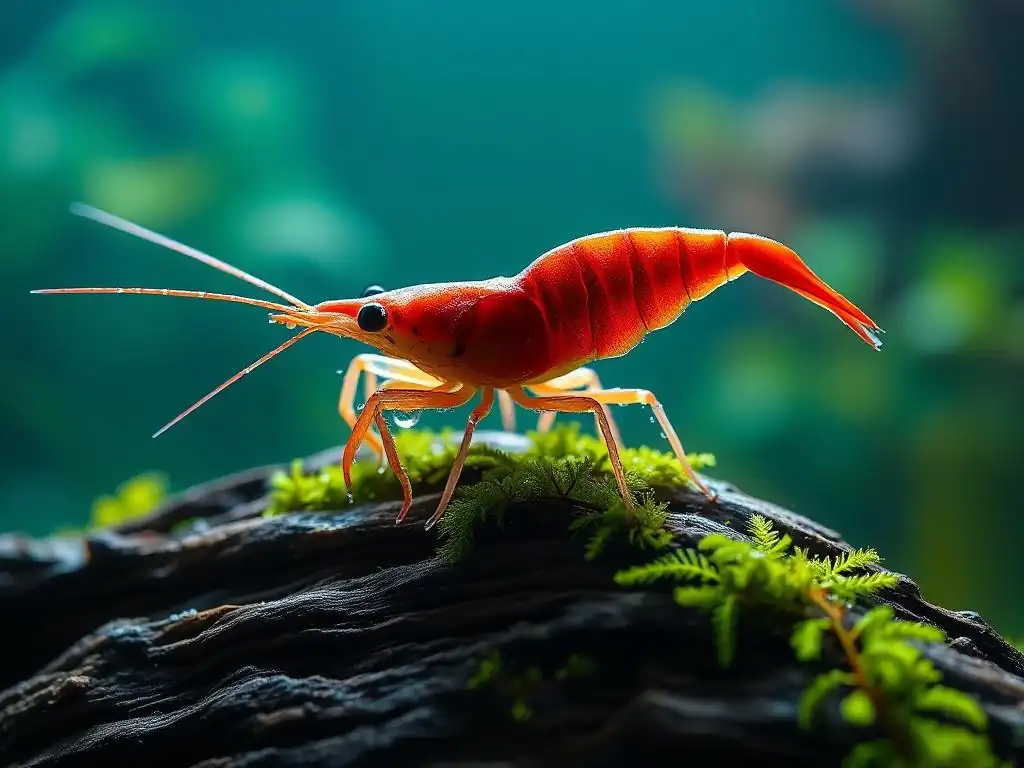
Red Cherry Shrimp, while hardy, can occasionally suffer from diseases, often due to poor water quality or stress. Common issues include bacterial infections, which may manifest as lethargy, white patches on the exoskeleton, or a cloudy appearance. Fungal infections can appear as cotton-like growths on the body or mouth. Parasitic infestations like Vorticella (small white tufts, often on the rostrum) or Scutariella japonica (small white worms near the head) are also seen.
Symptoms often include reduced activity, loss of appetite, abnormal swimming patterns, discoloration, or visible growths on the shrimp's body. Early detection and prompt action are vital for successful treatment, emphasizing the importance of diligent Red cherry shrimp care tips.
Treatment Options for Sick Shrimp
When treating sick Red Cherry Shrimp, it's crucial to use medications that are safe for invertebrates. Isolate sick shrimp in a quarantine tank to prevent the spread of disease and to allow for targeted treatment. Some bacterial infections may respond to broad-spectrum antibiotics like Furan-2 or Maracyn, often at reduced dosages recommended for invertebrates. Always research and confirm invertebrate safety before dosing any medication.
For fungal infections, antifungal treatments like API Fungus Cure may be used cautiously. For external parasites like Vorticella, a short salt dip (using aquarium salt, not table salt) can be effective. Maintaining excellent water quality and a stable environment is the best preventative measure against most shrimp ailments.
Dealing with Algae in Red Cherry Shrimp Tanks
Algae Control Methods Safe for Shrimp
While Red Cherry Shrimp are excellent algae eaters, excessive algae growth can still occur. Safe and effective algae control methods include manual removal (scraping algae from glass, wiping leaves), reducing the duration of tank lighting (aim for 6-8 hours per day), and controlling nutrient levels in the water. Frequent, small water changes and avoiding overfeeding are paramount for nutrient control.
Introducing fast-growing live plants can also help by outcompeting algae for available nutrients. If using high-light plants that require CO2 injection and fertilization, ensure these are balanced to prevent nutrient imbalances that fuel algae blooms.
Algae-Eating Tank Mates that Benefit Shrimp
Several algae-eating tank mates can peacefully coexist with Red Cherry Shrimp and aid in algae control. Nerite snails ( Neritina spp.) are highly effective algae eaters and are completely safe, as they do not bother shrimp or reproduce excessively in freshwater. Otocinclus catfish ( Otocinclus affinis) are also excellent for consuming soft green algae and are small enough not to pose a threat to adult shrimp.
Amano shrimp ( Caridina multidentata) are another fantastic choice. They are larger than Red Cherry Shrimp but are renowned for their voracious appetite for various types of algae, including hair algae. They are peaceful and will not interbreed with Neocaridina davidi, making them ideal companions.
Molting Problems in Red Cherry Shrimp: Causes and Prevention
Understanding the Molting Process
Molting, or ecdysis, is a natural and essential process for Red Cherry Shrimp to grow. They periodically shed their old, rigid exoskeleton to allow for new growth. A healthy molt results in a perfectly shed, clear, ghost-like shell that the shrimp leaves behind. This process typically occurs every few weeks for juveniles and less frequently for adults.
Molting is a critical and vulnerable period for shrimp. Problems arise when the shrimp cannot fully shed its old shell, often appearing stuck, lethargic, or with a visible "white ring" around its body, where the old shell fails to separate.
Ensuring Proper Water Parameters for Successful Molting
The most common cause of molting problems in Red Cherry Shrimp is improper water parameters, particularly insufficient General Hardness (GH) or Carbonate Hardness (KH). A lack of essential minerals like calcium and magnesium, measured by GH, can lead to a weak new shell or an inability to properly shed the old one. Conversely, excessively hard water can make the old shell too rigid to shed.
Maintaining stable water parameters within their ideal range (GH 4-8 dGH, KH 2-5 dKH), providing a balanced diet rich in calcium (e.g., through specialized shrimp foods), and minimizing stress are crucial Red cherry shrimp care tips to ensure successful molting.
Identifying and Addressing Scutariella Japonica
Scutariella japonica are small, white, worm-like parasites that are occasionally observed on Red Cherry Shrimp, most commonly around the rostrum (nose) or eyes. They are typically harmless in small numbers, feeding on biofilm or detritus on the shrimp's exoskeleton, but a heavy infestation can cause irritation or interfere with feeding and molting. They are visible to the naked eye, often appearing as tiny white threads.
Treatment for Scutariella japonica usually involves a short-term salt dip (using pure aquarium salt, not table salt, at a specific concentration for a few minutes) to dislodge the parasites. Alternatively, some hobbyists have found success with very carefully dosed Fenbendazole (an anthelmintic, often found in dog dewormers like Panacur C), administered to the tank water. It is imperative to research exact dosages for shrimp, as overdosing can be fatal.
Conclusion: Mastering Red Cherry Shrimp Care for a Vibrant Aquarium
The Joys of Keeping Red Cherry Shrimp
Keeping Red Cherry Shrimp is an incredibly rewarding experience that brings vibrant color and dynamic activity to any freshwater aquarium. Their striking red hues, combined with their diligent foraging behavior and peaceful nature, make them a captivating addition to planted tanks. Watching a thriving colony, with females constantly fanning their eggs and tiny shrimplets emerging, offers immense satisfaction to any aquarist.
Beyond their aesthetic appeal, Red Cherry Shrimp serve as efficient tank cleaners, consuming algae and detritus, thereby contributing to a healthier and more balanced aquatic ecosystem. Their relative ease of care and prolific breeding make them an ideal choice for both novice and experienced hobbyists, promising years of enjoyment and fascination.
Resources for Further Learning about Red Cherry Shrimp
The journey of mastering Red Cherry Shrimp care is an ongoing one, with ample opportunities for further learning and refinement. Reputable online forums dedicated to shrimp keeping, specialized websites, and local aquarium clubs are invaluable resources. These platforms offer a wealth of information, from detailed care guides and breeding tutorials to troubleshooting common issues and insights into advanced techniques.
Engaging with the shrimp keeping community allows for the exchange of experiences, problem-solving, and access to a network of passionate individuals. Regularly consulting these resources can help aquarists stay informed about the latest Red cherry shrimp care tips, ensuring the continued health and vitality of their colonies.
Final Thoughts on Red Cherry Shrimp Care Tips.
Ultimately, successful Red Cherry Shrimp care hinges on a few core principles: consistent water quality, a balanced and appropriate diet, and a stable, stress-free environment. While they are hardy invertebrates, their sensitivity to sudden changes in parameters requires diligent monitoring and careful maintenance.
Patience and keen observation are key to identifying and addressing any issues promptly, from molting problems to potential diseases. By adhering to these fundamental Red cherry shrimp care tips, aquarists can cultivate a healthy, vibrant, and continuously breeding colony, enriching their aquatic hobby for many years to come.
Frequently Asked Questions
What are the key water parameters for keeping Red Cherry Shrimp healthy?
Red Cherry Shrimp thrive in stable water conditions. Ideal parameters include a temperature of 72-78°F, a pH between 6.5-8.0, and low levels of ammonia and nitrites. Regular water changes are crucial.
What kind of food should I feed my Red Cherry Shrimp?
Red Cherry Shrimp are omnivores. Offer them a varied diet including algae wafers, blanched vegetables (like spinach or zucchini), and specialized shrimp food for optimal health and coloration.
How can I improve the breeding success of my Red Cherry Shrimp?
To encourage breeding, maintain stable water parameters, provide plenty of hiding places (like plants and driftwood), and ensure a nutritious diet. Avoid introducing fish that might predate on the shrimp.
What are the different grades of Red Cherry Shrimp, and how do they differ?
Red Cherry Shrimp grades are based on color intensity and coverage. Higher grades, like "Fire Red," exhibit a deep, uniform red color. Lower grades may have more translucent patches.
What are some common issues that can affect Red Cherry Shrimp, and how can I troubleshoot them?
Common issues include molting problems (often due to lack of minerals), bacterial infections, and parasites. Maintaining good water quality and a balanced diet can help prevent these problems.
Final Reflection: The Vibrant Legacy of Red Cherry Shrimp
The journey into the world of Red Cherry Shrimp, as we've explored, is more than just keeping tiny crustaceans; it's about cultivating a miniature ecosystem, a vibrant splash of color in our homes. The enduring popularity of these shrimp, especially in a world increasingly drawn to mindful hobbies, speaks volumes about their accessibility and the joy they bring. Their simple needs, when met with understanding and care, unlock a world of fascinating behavior and rewarding breeding success, making them a perfect entry point into the captivating realm of aquascaping.
The impact of these little creatures extends beyond the aquarium glass. They teach us patience, observation, and the delicate balance of nature, fostering a deeper appreciation for the interconnectedness of life. This is especially true in our increasingly disconnected world. In every walk with nature one receives far more than he seeks.
- John Muir. This quote perfectly encapsulates the quiet satisfaction derived from nurturing these shrimp, a connection to the natural world that enriches our lives in subtle, yet profound ways.
Now, as you close this article, consider the lessons learned about Red Cherry Shrimp care and breeding. Take that knowledge and apply it, not just to your aquarium, but to your life. Embrace the patience and attention to detail that these tiny creatures demand. Let the vibrant energy of your Red Cherry Shrimp inspire you to cultivate beauty and balance in all aspects of your world. The joy of nurturing life, no matter how small, is a powerful force – use it to create a more vibrant and fulfilling existence for yourself and those around you.
Ignite Your Shrimp Keeping Journey!
Thank you for diving deep into the captivating world of Red Cherry Shrimp! We hope this guide has equipped you with the knowledge to not only care for these vibrant creatures but also to unlock their breeding potential. Now, let's transform that knowledge into action!
Here's how you can continue your shrimp-keeping adventure:
- Start Your Colony Today: The most rewarding step is always the first! Head to your local aquarium store or a reputable online vendor to purchase your first Red Cherry Shrimp. Remember to choose healthy, vibrant specimens to set your colony up for success.
- Join the Aquarium Mastery Community: Share your experiences, ask questions, and connect with fellow shrimp enthusiasts on our forums. Your insights could help others on their journey!
- Experiment with Shrimp-Safe Plants: Research and introduce new plant species to your tank to create a more enriching and visually stunning environment for your shrimp.
What unique aquascaping element will you introduce to your shrimp tank to make it truly stand out?