
Sexing Neocaridina Shrimp: A Simple Visual Guide for Aspiring Breeders

Welcome to Aquarium Mastery!
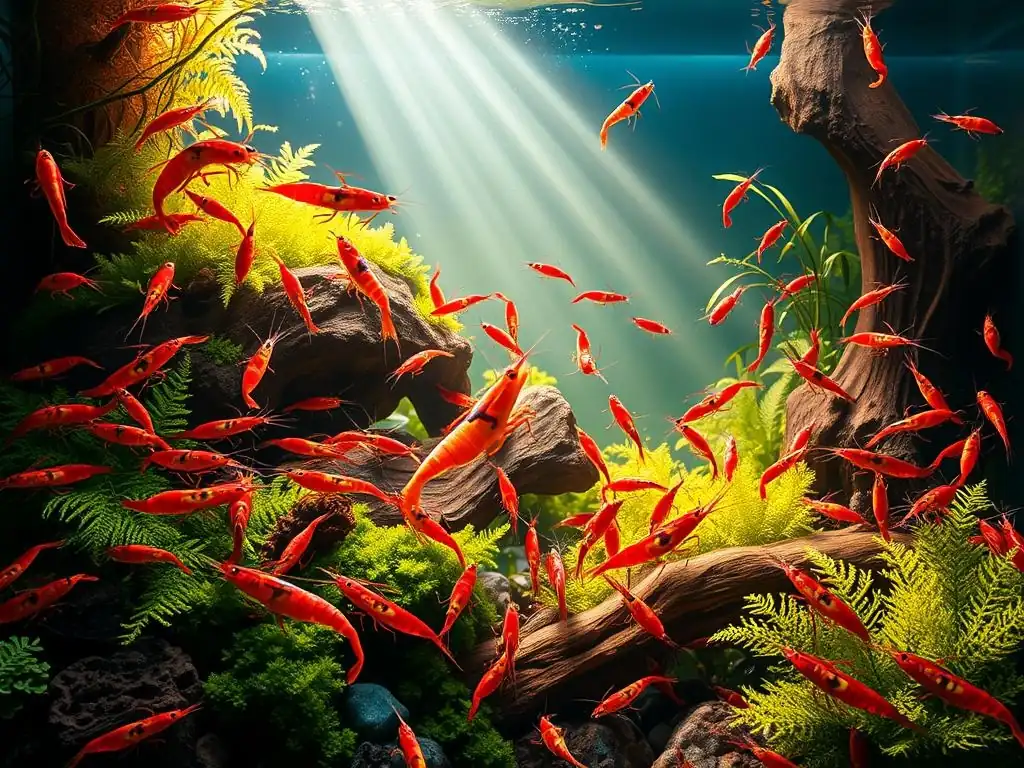
Ever wondered if those tiny, colorful shrimp in your tank are male or female? Our Neocaridina Shrimp Sexing Guide unveils the secrets to distinguishing between these fascinating creatures. Prepare to become a master shrimp breeder as we delve into simple visual cues that will have you identifying sexes with ease. Ready to unlock the mysteries of your Neocaridina colony? Let's dive in!
- Neocaridina Shrimp Sexing Guide: A Visual Guide for Aspiring Breeders
- Introduction to Neocaridina Shrimp and Sexing
- Key Visual Differences Between Male and Female Neocaridina Shrimp
- Neocaridina Shrimp Sexing: Step-by-Step Visual Guide
- Common Mistakes When Sexing Neocaridina Shrimp
- Advanced Neocaridina Shrimp Sexing Techniques
- Factors Affecting Neocaridina Shrimp Sex Determination
- Tips for Successful Neocaridina Shrimp Breeding After Sexing
- Conclusion: Mastering Neocaridina Shrimp Sexing
-
Frequently Asked Questions
- How can I tell if my Neocaridina shrimp are male or female?
- At what age can I reliably sex Neocaridina shrimp?
- What are the secondary sex characteristics in Neocaridina shrimp?
- Can coloration be used to determine the sex of Neocaridina shrimp?
- I'm still unsure after examining the abdomen. Are there any other tips?
- Final Reflection: Unveiling the Secrets of Shrimp Harmony
- Unveil the Secrets: Become a Shrimp Sexing Pro!
Neocaridina Shrimp Sexing Guide: A Visual Guide for Aspiring Breeders
Introduction to Neocaridina Shrimp and Sexing
Neocaridina shrimp, such as the popular Red Cherry, Blue Dream, and Yellow Goldenback varieties, are vibrant and active invertebrates that have become staples in freshwater aquariums worldwide. Their relatively easy care requirements and prolific breeding habits make them an excellent choice for both beginner and experienced aquarists looking to add a splash of color and natural clean-up crew to their tanks. Understanding the fundamental differences between male and female Neocaridina shrimp is a crucial skill for anyone aspiring to breed these fascinating creatures successfully.
Sexing Neocaridina shrimp involves observing subtle yet distinct visual cues that differentiate the sexes, particularly as they mature. While young shrimp can be challenging to sex accurately, adult specimens typically display clear indicators that, once learned, make the process straightforward. This Neocaridina shrimp sexing guide will walk you through these visual differences, enabling you to confidently identify males and females and optimize your breeding efforts.
Why Sexing Neocaridina Shrimp Matters for Breeding
Accurate sexing is the cornerstone of a successful Neocaridina shrimp breeding program. Without the ability to differentiate between males and females, aquarists cannot ensure a healthy male-to-female ratio, which is vital for consistent reproduction. An imbalanced ratio, such as too many males for too few females, can lead to stress on the females and reduced breeding success, while too few males might result in unfertilized eggs. Optimal ratios, often cited as 2-3 females per male, help maximize breeding potential and genetic diversity within a colony.
Beyond establishing a breeding colony, sexing also plays a role in selective breeding for specific color strains or patterns. By identifying and isolating individuals with desired traits, breeders can strategically pair them to enhance or fix those characteristics over generations. This meticulous approach to Neocaridina shrimp sexing allows enthusiasts to contribute to the diversity and quality of shrimp available in the hobby, pushing the boundaries of color and form.
Understanding Neocaridina Shrimp Anatomy Basics
To effectively sex Neocaridina shrimp, it's helpful to have a basic understanding of their external anatomy. Like all crustaceans, Neocaridina shrimp possess an exoskeleton, which they periodically shed as they grow in a process called molting. Their body is broadly divided into two main sections: the cephalothorax (head and thorax fused) and the abdomen (tail section). The cephalothorax houses vital organs and appendages like antennae and pereiopods (walking legs).
The abdomen is particularly important for Neocaridina shrimp sexing as it contains the pleopods (swimmerets), which are small, paddle-like appendages located on the underside. Females use these pleopods to carry and fan their eggs, while males use them during mating. Additionally, the overall shape and size of the abdomen, along with the presence of a "saddle" on the cephalothorax, are key indicators that will be explored in detail.
Key Visual Differences Between Male and Female Neocaridina Shrimp
The Saddle: A Clear Indicator of Female Neocaridina Shrimp
One of the most reliable indicators of a mature female Neocaridina shrimp is the presence of a "saddle." The saddle is a cluster of undeveloped eggs located on the top of the female's cephalothorax, behind her head. These eggs are visible through the translucent exoskeleton and typically appear as a yellowish or greenish patch. The color of the saddle can vary slightly depending on the shrimp's diet and specific color morph, but its presence signifies that the female is mature and ready to produce eggs.
The saddle is essentially the female's ovaries, filled with unfertilized eggs. Once a female molts and is fertilized by a male, these eggs will migrate from the saddle down to her pleopods, where they will be carried until hatching. Observing the saddle is a direct confirmation of a female, making it a primary feature in any Neocaridina shrimp sexing guide. It's important to note that only mature females will display a prominent saddle; juveniles or very young females may not have one visible yet.
Identifying the Saddle in Different Neocaridina Shrimp Color Varieties
Identifying the saddle can be easier or harder depending on the specific color variety of Neocaridina shrimp. In lighter-colored morphs, such as Snowball or Ghost shrimp, the yellowish or greenish saddle is often quite distinct against their pale bodies, making it relatively simple to spot. The contrast allows for clear visibility of the granular egg mass within the cephalothorax.
However, in intensely colored varieties like high-grade Red Cherry, Bloody Mary, or Blue Dream shrimp, the dense pigmentation of their exoskeleton can sometimes obscure the saddle. For these shrimp, you might need to observe them under good lighting, perhaps with a magnifying glass, to discern the faint outline or slight discoloration that indicates the saddle. Patience and observation from multiple angles are key when performing Neocaridina shrimp sexing on heavily pigmented individuals.
The Shape of the Abdomen: Differentiating Male and Female Shrimp
The shape of the abdomen is another critical visual cue for distinguishing between male and female Neocaridina shrimp, particularly as they reach maturity. This difference is directly related to the female's role in carrying eggs. Females require more space and a broader structure to hold a clutch of eggs, leading to a distinct body shape.
Males, on the other hand, do not carry eggs and therefore have a more streamlined form. This difference in abdominal shape is often one of the first features aquarists learn to identify when mastering Neocaridina shrimp sexing.
Female Neocaridina Shrimp: A Rounder, Deeper Abdomen
Female Neocaridina shrimp typically exhibit a more rounded, deeper, and wider abdomen, often described as having a "skirt" or "U-shaped" appearance when viewed from the side. This broader abdominal structure provides the necessary space and support for carrying a clutch of eggs, which can number from 20 to 50 or even more, depending on the female's size and age. The underside of their abdomen will appear more convex and pronounced due to this evolutionary adaptation for reproduction.
This distinct abdominal shape becomes more pronounced as the female matures and especially after she has carried eggs a few times. Even when not actively berried (carrying eggs), a mature female's abdomen will retain this characteristic roundness. This feature is a consistent and reliable indicator for any Neocaridina shrimp sexing guide, making it one of the easiest visual cues to spot, even from a distance.
Male Neocaridina Shrimp: A Straighter, More Streamlined Abdomen
In contrast, male Neocaridina shrimp possess a much straighter, more streamlined, and generally narrower abdomen. When viewed from the side, their underside will appear relatively flat or only slightly curved, lacking the pronounced "skirt" of the females. This slender build is efficient for swimming and allows males to be more agile, which is advantageous during mating pursuits.
Furthermore, males are typically smaller in overall size compared to mature females. While a mature female might reach lengths of up to 1.2 inches (3 cm), males often remain around 0.8 to 1 inch (2 to 2.5 cm). This size difference, combined with their more slender abdominal profile, makes males distinctly identifiable once they reach adulthood. Observing both the size and the abdominal shape together significantly improves the accuracy of Neocaridina shrimp sexing.
Observing the Pleopods: Another Clue for Shrimp Sexing
Pleopods, also known as swimmerets, are small, leg-like appendages located on the underside of the shrimp's abdomen. While both male and female Neocaridina shrimp possess pleopods, their size, shape, and development differ significantly between the sexes, providing another valuable clue for Neocaridina shrimp sexing. These differences are directly related to their reproductive functions.
Observing the pleopods requires a closer look, sometimes necessitating a magnifying glass or careful observation as the shrimp moves. However, once you learn what to look for, the distinction becomes quite clear, especially in mature individuals.
Female Neocaridina Shrimp Pleopods: Longer and More Developed
Female Neocaridina shrimp have longer, wider, and more developed pleopods. These pleopods are crucial for their reproductive cycle; they are used to hold the eggs securely against the underside of the abdomen, fan fresh, oxygenated water over the developing eggs, and keep them clean. When a female is berried (carrying eggs), the eggs are clearly visible attached to these pleopods.
The increased surface area and robust nature of the female's pleopods are adaptations for efficiently carrying and caring for a clutch of potentially 20-50 eggs for approximately 25-30 days until they hatch. Even when not carrying eggs, their more pronounced size and shape are visible, making them a strong indicator in this Neocaridina shrimp sexing guide.
Male Neocaridina Shrimp Pleopods: Shorter and Less Pronounced
Male Neocaridina shrimp, conversely, have shorter, thinner, and less developed pleopods. Since males do not carry eggs, their pleopods are primarily used for swimming and assisting in mating, rather than egg attachment and fanning. Their pleopods often appear less conspicuous and blend more seamlessly with their streamlined abdominal structure.
When observing a male, you might notice that his pleopods are barely visible or seem almost vestigial compared to those of a female. This subtle difference requires keen observation but is a consistent trait. Combining this observation with the overall size and abdominal shape will greatly enhance your accuracy in Neocaridina shrimp sexing.
Neocaridina Shrimp Sexing: Step-by-Step Visual Guide
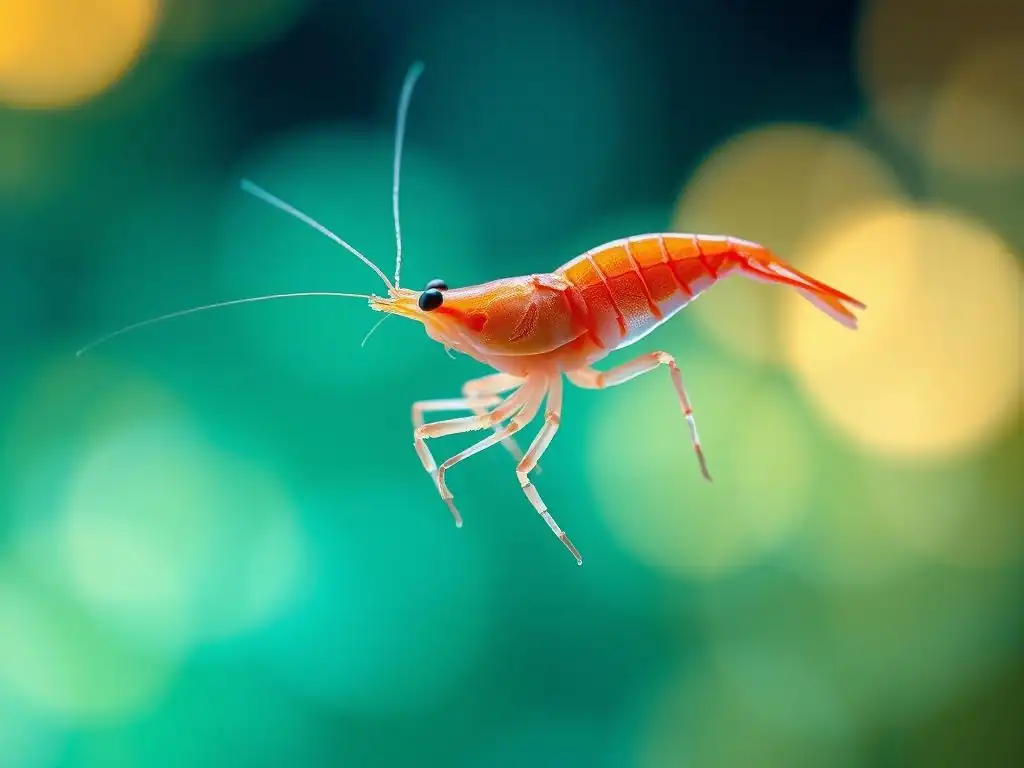
Accurately sexing Neocaridina shrimp can be achieved by following a systematic visual inspection process. It often involves combining several observations rather than relying on a single trait, especially for less obvious individuals. Patience and good lighting are your best tools.
Here’s a step-by-step guide to help you confidently identify male and female Neocaridina shrimp:
Step 1: Observe the Abdomen Shape
Begin by observing the overall shape of the shrimp's abdomen. This is often the easiest and most noticeable difference, especially in mature individuals.
- Female: Look for a broader, deeper, and more rounded abdomen that gives the impression of a "skirt" or a "U-shape" when viewed from the side. This expanded area is designed to accommodate eggs.
- Male: Observe for a straighter, narrower, and more streamlined abdomen. The underside will appear flatter, lacking the pronounced curve of a female.
Step 2: Look for the Saddle (in Mature Females)
Once you've assessed the abdomen, direct your attention to the cephalothorax, specifically the area behind the head. This step is only applicable for mature females.
- Female: Search for a yellowish or greenish patch, which is the "saddle." This indicates the presence of undeveloped eggs in her ovaries. The saddle may be more difficult to spot in very dark or intensely colored shrimp.
- Male: Males will not have a saddle. If you see no saddle, combined with a streamlined abdomen, it strongly suggests a male.
Step 3: Examine the Pleopods
For a more definitive confirmation, particularly if the first two steps aren't conclusive, examine the pleopods (swimmerets) on the underside of the abdomen. This requires a closer look.
- Female: Observe for longer, wider, and more prominent pleopods, designed for holding and fanning eggs.
- Male: Look for shorter, thinner, and less developed pleopods that are less conspicuous.
Step 4: Consider Size and Overall Body Structure
Finally, take into account the shrimp's overall size and build. While not a definitive individual indicator, it strongly correlates with sex in mature shrimp.
- Female: Generally larger and more robust than males, reaching lengths of up to 1.2 inches (3 cm).
- Male: Typically smaller and more slender, usually around 0.8 to 1 inch (2 to 2.5 cm).
By systematically applying these steps, you can significantly improve your accuracy in Neocaridina shrimp sexing and better manage your breeding colony.
Common Mistakes When Sexing Neocaridina Shrimp
Even with a detailed Neocaridina shrimp sexing guide, aquarists can sometimes make common errors that lead to misidentification. Understanding these pitfalls can help you avoid them and improve your overall accuracy, especially when dealing with a large colony or specific situations. Patience and careful observation are crucial to overcoming these challenges.
One of the most frequent mistakes is attempting to sex shrimp that are too young, as their sexual characteristics have not yet fully developed. Another common issue arises from misinterpreting molted exoskeletons. Furthermore, relying solely on color as a sex indicator can be misleading due to the vast array of color variations within Neocaridina shrimp.
Confusing Young Shrimp: Sexing Juvenile Neocaridina
A significant challenge in Neocaridina shrimp sexing is accurately identifying the sex of juvenile shrimp. Young Neocaridina shrimp, generally those under 2-3 months of age or smaller than 0.5 inches (1.3 cm), often do not display clear sexual dimorphism. Their abdominal shape may not yet be fully developed into the characteristic "skirt" of a female, and the saddle will not be visible. Their pleopods are also less differentiated at this stage.
Attempting to sex very young shrimp can lead to inaccurate assessments, potentially impacting future breeding plans. It is generally recommended to wait until shrimp are at least 3-4 months old, or nearing their adult size, before attempting to sex them. At this age, their secondary sexual characteristics become much more pronounced, making the process significantly easier and more reliable.
Misinterpreting Molting: Exuvia vs. Actual Shrimp
Another common mistake involves confusing a molted exoskeleton (exuvia) with an actual shrimp, or misinterpreting the signs of molting. When a shrimp molts, it sheds its entire outer shell, which can sometimes be found floating in the tank or resting on the substrate. This shed skin retains the shape of the shrimp, including its abdominal structure, and can sometimes be mistaken for a dead shrimp or lead to misidentification if observed incorrectly.
It's important to understand that the molted shell is merely an empty casing and does not provide accurate sexing information, as it's not a living organism. Focus your Neocaridina shrimp sexing efforts on live, active shrimp. Also, remember that a female will typically molt before becoming berried, and the saddle might be less visible just before a molt or immediately after as her new exoskeleton hardens.
Relying Solely on Color: Color Variations and Sexing Accuracy
While Neocaridina shrimp are prized for their vibrant colors, relying solely on color intensity or specific patterns for sexing is a common misconception and often leads to inaccurate results. It's true that in some color morphs, like Red Cherry shrimp, females tend to display a deeper, more opaque red coloration than males. However, this is not a universal rule across all Neocaridina varieties, nor is it a definitive indicator.
Many factors, including diet, stress, water parameters, and even genetic lineage, can influence a shrimp's color intensity. For example, a well-fed male in optimal conditions might display more vibrant coloration than a stressed or underfed female. Therefore, while color can be a supplementary observation, it should never be the primary basis for Neocaridina shrimp sexing. Always prioritize the anatomical differences discussed previously for reliable identification.
Advanced Neocaridina Shrimp Sexing Techniques
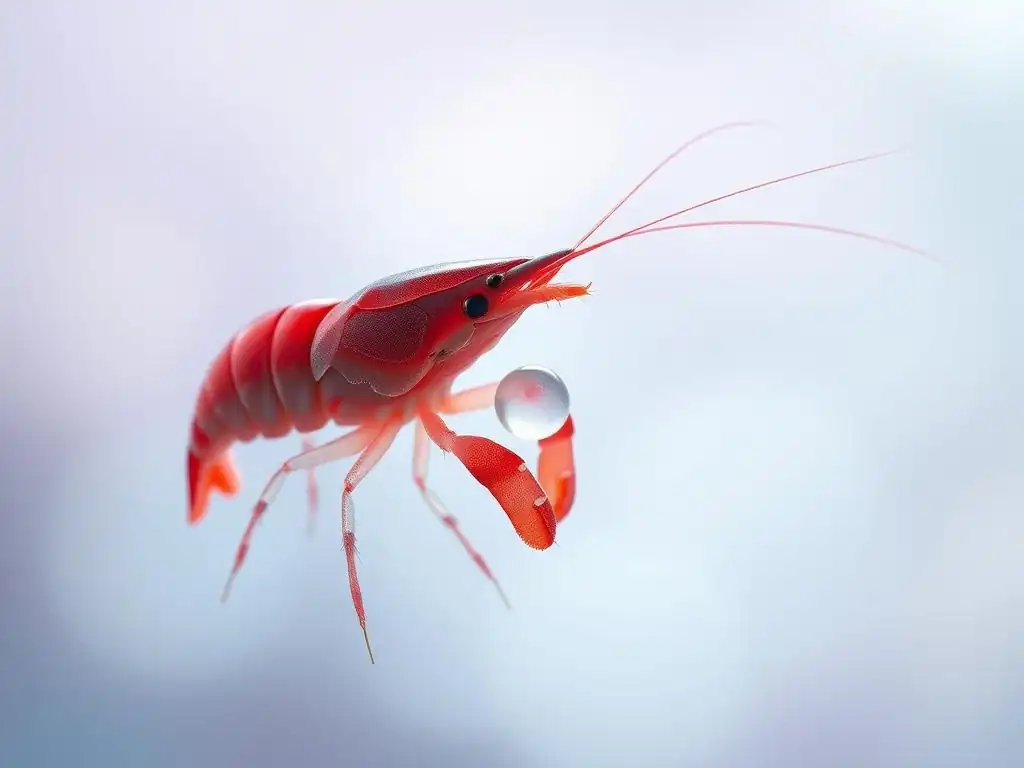
For particularly challenging individuals or when striving for absolute certainty in your Neocaridina shrimp sexing, advanced techniques can be employed. These methods often involve closer observation or understanding specific behavioral patterns that are unique to each sex, particularly during the breeding cycle. While the basic visual cues are sufficient for most cases, these techniques offer an additional layer of precision.
These advanced methods are especially useful for breeders who need to accurately identify specific individuals for selective breeding programs or to maintain precise male-to-female ratios within a high-value colony. They build upon the foundational knowledge of basic anatomy and behavior.
Using a Magnifying Glass for Detailed Observation
When the standard visual cues are subtle or ambiguous, a magnifying glass or a macro lens for your phone can be an invaluable tool for Neocaridina shrimp sexing. A magnifying glass allows you to examine the finer details of the shrimp's anatomy, such as the exact shape and size of the pleopods, the faint outline of a saddle in a heavily pigmented female, or the nuanced curvature of the abdomen.
Holding the shrimp gently in a small, clear container of tank water can make this process easier, as it allows for observation from various angles without stressing the animal excessively.
With magnification, even the minute differences in the first pair of pleopods (gonopods in males, more developed in females for egg attachment) become clearer. This level of detail can confirm suspicions based on general body shape and greatly reduce the chances of misidentifying a shrimp. For serious breeders, a dedicated shrimp observation dish or a small clear box is a worthwhile investment for precise identification.
Observing Shrimp Behavior During Mating
Observing the behavior of Neocaridina shrimp, particularly during their mating rituals, provides an undeniable confirmation of their sex. When a mature female molts, she releases pheromones into the water, signaling her readiness to breed. This chemical signal excites the males in the tank, leading to a characteristic "shrimp frenzy" where males actively swim around, often darting erratically, in search of the receptive female. This behavior is a clear indicator that the frantic swimmers are males.
Once a male locates the female, he will typically attempt to mate with her, often by positioning himself underneath her. Observing this specific interaction leaves no doubt about the sex of the individuals involved. While this method is not a proactive Neocaridina shrimp sexing guide for every individual, it serves as a powerful confirmation of sex for breeding pairs and highlights the distinct roles of males and females in reproduction.
Factors Affecting Neocaridina Shrimp Sex Determination
While the primary method for Neocaridina shrimp sexing relies on visual identification of secondary sexual characteristics, it's important to understand that these characteristics do not appear immediately. Several factors influence when and how clearly a shrimp's sex can be determined, primarily related to its stage of development and the environmental conditions it experiences.
Understanding these factors can help aquarists manage their expectations when attempting to sex their shrimp and provide optimal conditions for their development. It also explains why attempting to sex very young shrimp is often unreliable.
Age and Maturity of Shrimp
The most significant factor affecting the accuracy of Neocaridina shrimp sexing is the shrimp's age and maturity. As previously mentioned, juvenile shrimp are notoriously difficult to sex because their sexual characteristics, such as the female's broad abdomen and visible saddle, have not yet fully developed. Neocaridina shrimp typically reach sexual maturity around 2-3 months of age, though some may take longer depending on their growth rate and environmental conditions.
It is only when shrimp approach or reach their adult size (typically around 0.8-1.2 inches or 2-3 cm) that their sexual dimorphism becomes clearly apparent. Females will start to develop their characteristic "skirt" and, if healthy and well-fed, their saddle will become visible. Males will retain their more streamlined shape and generally smaller size. Patience is key; attempting to sex shrimp too early will often lead to frustration and inaccurate results.
Environmental Conditions and Their Impact
Environmental conditions within the aquarium can also subtly influence the development and visibility of sexual characteristics in Neocaridina shrimp. Optimal water parameters, stable temperatures, and a consistent, nutritious diet promote healthy growth and development, allowing shrimp to reach sexual maturity and display their distinct features more readily. For example, a female kept in suboptimal conditions might grow slower, appear stunted, or develop her saddle and broad abdomen less prominently.
Stress, poor water quality (e.g., high nitrates, unstable pH), or inadequate nutrition can delay maturity or diminish the clarity of sexual indicators. Maintaining ideal water parameters—such as a stable pH between 6.5-7.5, GH 6-8, KH 3-5, and TDS 150-250 ppm—and providing a balanced diet rich in minerals and biofilm are crucial not only for overall shrimp health but also for facilitating accurate Neocaridina shrimp sexing by ensuring robust development.
Tips for Successful Neocaridina Shrimp Breeding After Sexing
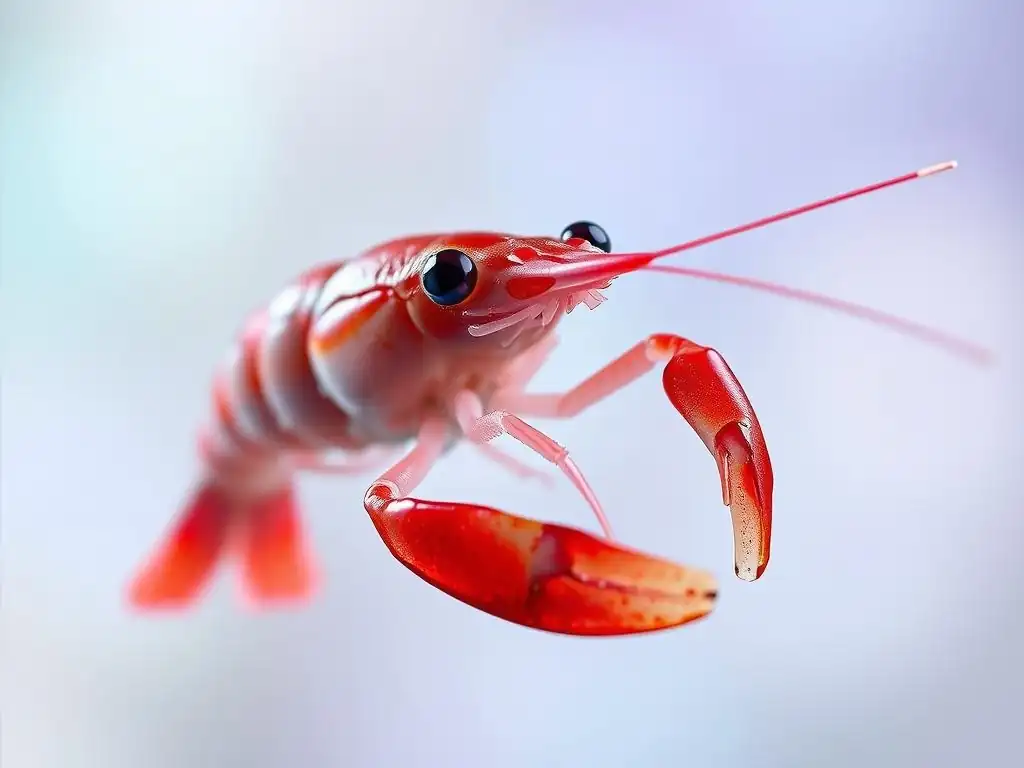
Once you have mastered Neocaridina shrimp sexing and successfully identified your males and females, the next step is to create an environment conducive to breeding. Neocaridina shrimp are known for their prolific breeding habits, but providing optimal conditions significantly increases their reproductive success and the health of their offspring. A few key areas to focus on include environmental setup, water parameters, and nutrition.
Successful breeding relies on more than just having a male and female; it requires a stable, comfortable, and nutrient-rich habitat that encourages natural behaviors and supports the entire life cycle from egg production to shrimplet growth.
Creating an Ideal Breeding Environment
To encourage Neocaridina shrimp to breed, establishing an ideal breeding environment is paramount. A dedicated breeding tank, typically 5-10 gallons, is often preferred to prevent predation of shrimplets by fish and to allow for precise control over parameters. The tank should be well-cycled and mature, providing a stable ecosystem. Incorporate plenty of live plants, such as Java Moss, Anubias, and Bucephalandra, as they offer ample hiding spots for shrimplets, grazing surfaces for biofilm, and contribute to water stability.
A sponge filter is highly recommended as it provides gentle filtration, a large surface area for beneficial bacteria, and prevents shrimplets from being sucked into the filter intake. Avoid strong currents. Adequate lighting, a heater to maintain a stable temperature (ideally between 72-78°F or 22-26°C), and a dark substrate can further enhance shrimp comfort and coloration, encouraging breeding activity.
Maintaining Optimal Water Parameters for Shrimp Reproduction
Consistent and optimal water parameters are crucial for successful Neocaridina shrimp reproduction. Fluctuations can stress shrimp, leading to reduced breeding, failed molts, or even fatalities. Aim for a stable pH between 6.5 and 7.5, a General Hardness (GH) of 6-8 dGH, and a Carbonate Hardness (KH) of 3-5 dKH. The Total Dissolved Solids (TDS) should ideally be in the range of 150-250 ppm. Regular water changes (10-20% weekly) with properly aged and conditioned water are essential to keep nitrates low (below 10-20 ppm).
Using RO/DI water remineralized with a product specifically designed for Neocaridina shrimp (e.g., GH/KH+) allows for precise control over water chemistry, ensuring the shrimp have access to the necessary minerals for healthy molting and egg development. Monitoring these parameters with reliable test kits is vital for maintaining a stable breeding environment and maximizing the success of your Neocaridina shrimp sexing efforts leading to progeny.
Providing Proper Nutrition for Breeding Shrimp
A balanced and varied diet is fundamental for healthy, breeding Neocaridina shrimp. A well-fed colony will be more active, vibrant, and prolific. Their primary diet consists of biofilm and algae that naturally grow in the tank, but this should be supplemented with high-quality commercial shrimp foods. Look for foods specifically formulated for dwarf shrimp, which are typically rich in spirulina, kelp, and other plant-based ingredients.
Supplement their diet with blanched vegetables like spinach, zucchini, or kale, and occasional protein sources such as bee pollen or specialized protein pellets. Calcium is particularly important for healthy molting and eggshell formation, so ensure their diet or water parameters provide adequate levels. Avoid overfeeding, as excess food can foul the water, leading to parameter instability and potential health issues. A varied and nutritious diet supports robust growth, vibrant coloration, and consistent breeding cycles after effective Neocaridina shrimp sexing.
Conclusion: Mastering Neocaridina Shrimp Sexing
The Importance of Observation and Patience
Mastering Neocaridina shrimp sexing is a skill that significantly enhances the enjoyment and success of keeping these fascinating invertebrates, particularly for those aspiring to breed them. While initial attempts may seem challenging, consistent observation and patience are the most valuable tools in your arsenal. By diligently observing the subtle yet distinct anatomical differences—the female's broader abdomen and visible saddle, contrasted with the male's more streamlined body and less prominent pleopods—aquarists can confidently identify the sex of their shrimp.
It's crucial to remember that young shrimp are difficult to sex accurately, and allowing them to mature is key. Avoid common pitfalls such as relying solely on color or misinterpreting molts. With practice, these visual cues will become second nature, transforming the seemingly complex task of sexing into a straightforward process. This fundamental skill forms the bedrock for successful Neocaridina shrimp breeding and the cultivation of healthy, vibrant colonies.
Further Resources for Neocaridina Shrimp Care and Breeding
For those looking to delve deeper into the world of Neocaridina shrimp, beyond the scope of this Neocaridina shrimp sexing guide, a wealth of information is available to support your journey. Continuing to learn about their specific care requirements, advanced breeding techniques, and understanding various color morphs will only enrich your experience. Resources often cover topics such as detailed water parameter management, troubleshooting common health issues, and strategies for selective breeding to enhance desired traits.
Exploring community forums, dedicated shrimp-keeping websites, and reputable books can provide invaluable insights and connect you with experienced aquarists. Understanding the nuances of diet, tank setup, and even genetic principles will contribute to long-term success and enjoyment of your Neocaridina shrimp colony. Continuous learning and a passion for these tiny aquatic wonders will pave the way for a truly rewarding hobby.
Frequently Asked Questions
How can I tell if my Neocaridina shrimp are male or female?
The primary method is by observing their abdominal shape. Females have a more rounded and curved abdomen to accommodate their eggs, while males have a straighter abdomen.
At what age can I reliably sex Neocaridina shrimp?
Sexing is typically reliable once the shrimp reach sexual maturity. This usually occurs around 2-3 months old, when the differences in abdominal shape become more pronounced.
What are the secondary sex characteristics in Neocaridina shrimp?
Females often exhibit a saddle (unfertilized eggs visible in the back) before mating. Males may have slightly longer antennae relative to their body size, though this is less reliable.
Can coloration be used to determine the sex of Neocaridina shrimp?
While some anecdotal evidence suggests color differences, it's not a reliable method. Color variations are more often influenced by genetics, diet, and environmental factors.
I'm still unsure after examining the abdomen. Are there any other tips?
Observe their behavior; females are often less active when berried (carrying eggs). Also, consider the size difference; mature females are generally larger than males.
Final Reflection: Unveiling the Secrets of Shrimp Harmony
The ability to distinguish between male and female Neocaridina shrimp, as detailed in this guide, is more than just a technical skill; it's a crucial step towards fostering thriving and balanced aquatic ecosystems within our own homes. Understanding the nuances of their physical characteristics allows us to actively participate in the natural cycle of life, creating miniature underwater worlds brimming with vibrant color and activity.
This journey into the world of Neocaridina shrimp sexing has undoubtedly deepened our appreciation for the intricate details of the natural world. The act of observing and identifying these subtle differences connects us to a broader understanding of biodiversity and the delicate balance of ecosystems. In nature, nothing exists alone.
- Rachel Carson. This quote perfectly encapsulates the interconnectedness we discover as we delve deeper into the seemingly simple act of sexing shrimp, revealing a complex web of life within our aquariums.
Now, armed with this knowledge, we invite you to embrace the role of responsible aquarist. Observe your Neocaridina shrimp with newfound awareness, appreciate the subtle beauty of their differences, and cultivate an environment where they can flourish. By understanding their needs and respecting their natural rhythms, you contribute to a world where even the smallest creatures thrive, enriching our lives with their vibrant presence.
Unveil the Secrets: Become a Shrimp Sexing Pro!
Thanks for diving into the fascinating world of Neocaridina shrimp! We hope this guide has empowered you with the knowledge to confidently identify the sex of your shrimp. Now, it's time to put that knowledge to the test and take your shrimp-keeping to the next level!
Here's how:
- Start breeding! Now that you know how to identify females, set up a dedicated breeding tank and watch your colony thrive.
- Share your success stories! Post pictures of your shrimp (with your sexing diagnosis!) on aquarium forums and social media, helping other hobbyists learn.
- Consider joining a local aquarium club to trade shrimp and expand your network of fellow enthusiasts.
What's the most interesting difference you've noticed between male and female shrimp in your own aquarium?