
Top 10 Freshwater Shrimp for a Stunning & Lively Nano Aquarium

Welcome to Aquarium Mastery!
Ever dreamt of a vibrant, miniature underwater world teeming with life? Nano aquarium shrimp care can be surprisingly rewarding, and we're here to guide you. Ready to discover the top 10 freshwater shrimp that will transform your nano aquarium into a stunning and lively masterpiece? Let's dive in and explore the captivating world of these tiny aquatic gems!
- Introduction: Discover the Best Shrimp for Your Nano Tank
-
Top 10 Freshwater Shrimp Species for Nano Aquariums
- 1. Cherry Shrimp (Neocaridina davidi): The Beginner-Friendly Choice
- 2. Crystal Red Shrimp (Caridina cantonensis): A Vibrant Addition
- 3. Amano Shrimp (Caridina multidentata): The Algae Eating Champion
- 4. Blue Dream Shrimp (Neocaridina davidi): Adding a Touch of Color
- 5. Black Rose Shrimp (Neocaridina davidi): Elegance in Black
- 6. Yellow Goldenback Shrimp (Neocaridina davidi): A Sunny Delight
- 7. Snowball Shrimp (Neocaridina davidi): A Pure White Beauty
- 8. Orange Rili Shrimp (Neocaridina davidi): Unique Pattern Variations
- 9. Green Jade Shrimp (Caridina cf. babaulti): A Rare and Stunning Choice
- 10. Sulawesi Shrimp (Caridina dennerli): For the Experienced Aquarist
-
Nano Aquarium Shrimp Care: Essential Tips for Success
- Water Chemistry for Nano Shrimp: Maintaining Ideal Parameters
- Feeding Your Nano Shrimp: A Balanced Diet for Health and Color
- Nano Tank Mates for Shrimp: Choosing Compatible Species
- Breeding Freshwater Shrimp: Encouraging Reproduction in Your Nano Tank
- Common Nano Shrimp Diseases and Treatments: Prevention and Cure
- Setting Up Your Nano Aquarium for Shrimp: A Step-by-Step Guide
- Conclusion: Enjoying Your Stunning and Lively Nano Shrimp Aquarium
- Frequently Asked Questions
- Final Reflection: The Tiny Wonders of Our Aquatic Worlds
- Transform Your Nano Tank Today!
Introduction: Discover the Best Shrimp for Your Nano Tank
Why Choose Shrimp for a Nano Aquarium? Benefits and Considerations
Freshwater shrimp offer a unique and captivating addition to any nano aquarium, providing a vibrant display in a compact space. Their small size means they have a minimal bioload, making it easier to maintain stable water quality compared to fish, even in tanks as small as 2.5 to 10 gallons. Beyond their low environmental impact, these invertebrates come in an astonishing array of colors, from fiery reds and brilliant blues to pure whites and deep blacks, adding dynamic visual interest.
Their constant grazing on biofilm and algae also contributes to a cleaner tank environment, acting as natural janitors. This combination of aesthetic appeal, practical benefits, and fascinating behavior makes them an excellent choice for aquarists with limited space or those seeking a unique challenge in nano aquarium shrimp care.
However, choosing shrimp for a nano aquarium also comes with specific considerations. While many species are hardy, all shrimp are more sensitive to sudden fluctuations in water parameters than most fish. Ammonia, nitrite, and nitrate spikes can be particularly detrimental, requiring diligent monitoring and consistent water changes.
Temperature stability is also crucial, as rapid shifts can induce stress or molting issues. Furthermore, some species, particularly those from the Caridina genus, demand very specific water chemistry, often requiring the use of remineralized reverse osmosis (RO) water. Understanding these delicate requirements is fundamental to successful nano aquarium shrimp care, ensuring the longevity and vibrancy of your colony.
Understanding Nano Aquarium Ecosystems: Creating the Perfect Shrimp Habitat
A nano aquarium for shrimp is more than just a small glass box; it's a carefully balanced miniature ecosystem where every component plays a vital role. At its core, this ecosystem relies on the nitrogen cycle, where beneficial bacteria convert harmful ammonia and nitrites into less toxic nitrates. In smaller water volumes, this cycle is more susceptible to imbalances, making thorough tank cycling before introducing shrimp absolutely essential.
Maintaining consistent parameters such as pH, General Hardness (GH), and Carbonate Hardness (KH) within the species-specific range is paramount, as even slight deviations can stress these sensitive invertebrates. For instance, Neocaridina shrimp generally thrive in a pH range of 6.5-8.0, while Caridina species often prefer a more acidic pH of 6.0-6.8.
Creating the perfect shrimp habitat involves thoughtful selection of substrate, plants, and filtration. An inert, fine-grained substrate is often preferred, as it prevents food from sinking and becoming trapped, which can lead to anaerobic pockets. Live plants, such as Java Moss, Anubias, and Bucephalandra, are indispensable; they provide ample surface area for biofilm growth (a primary food source), offer crucial hiding spots for molting shrimp and vulnerable shrimplets, and help absorb nitrates.
Gentle filtration, like a sponge filter, is ideal, as it prevents shrimplets from being sucked in while providing excellent biological filtration. A well-established and balanced nano ecosystem significantly reduces stress on the shrimp, promoting their health, vibrant coloration, and successful breeding, all central to effective nano aquarium shrimp care.
Top 10 Freshwater Shrimp Species for Nano Aquariums
1. Cherry Shrimp (Neocaridina davidi): The Beginner-Friendly Choice
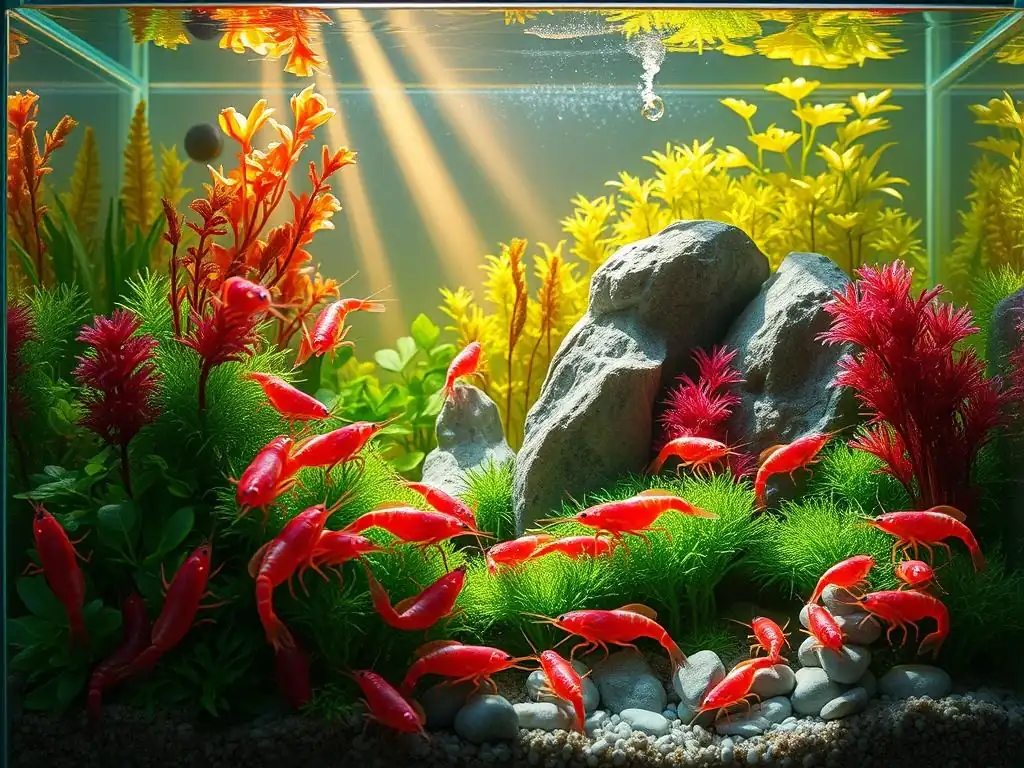
Cherry Shrimp, scientifically known as Neocaridina davidi, are arguably the most popular and recommended freshwater shrimp for beginners due to their remarkable hardiness and adaptability. Originating from Taiwan, these vibrant invertebrates are celebrated for their striking red coloration, which can range from a translucent pink to an opaque, fiery red depending on genetics and diet.
Their resilience allows them to thrive in a wide range of water parameters, making them much more forgiving than their Caridina counterparts. They typically prefer temperatures between 68-78°F (20-25.5°C) and a pH of 6.5-8.0, with a General Hardness (GH) of 4-8 dGH and Carbonate Hardness (KH) of 3-10 dKH, making them an excellent entry point into nano aquarium shrimp care.
Beyond their robust nature, Cherry Shrimp are prolific breeders, and a small colony can quickly multiply into a bustling population, providing continuous fascination. A single healthy female can produce 20-30 shrimplets every 4-6 weeks under optimal conditions. Their peaceful demeanor means they pose no threat to other tank inhabitants and are constantly grazing on biofilm and algae, contributing to a cleaner tank.
Their small bioload makes them ideal for nano tanks as small as 2.5 gallons, where a colony of 10-15 individuals can comfortably thrive. This combination of ease of care, vibrant aesthetics, and practical benefits solidifies their position as the go-to choice for anyone embarking on nano aquarium shrimp care.
Cherry Shrimp Care Guide: Water Parameters, Diet, and Tank Mates
Cherry Shrimp are relatively forgiving regarding water parameters, but stability is key. Aim for:
- Temperature: 68-78°F (20-25.5°C)
- pH: 6.5-8.0
- GH: 4-8 dGH
- KH: 3-10 dKH
- TDS: 150-250 ppm
Regular, small water changes (10-20% weekly) with dechlorinated water are recommended.
Their diet is primarily scavenged biofilm and algae, but supplementation is necessary. Offer:
- High-quality shrimp pellets or wafers (e.g., containing spirulina for color).
- Blanched vegetables like spinach, zucchini, or kale once or twice a week.
- Algae wafers if natural algae is scarce. Feed sparingly, only what they can consume in 2-3 hours.
For tank mates, choose very small, peaceful fish that won't prey on shrimp or their offspring. Ideal companions include:
- Otocinclus catfish
- Chili Rasboras
- Ember Tetras
- Nerite Snails
Avoid any fish with mouths large enough to consume adult shrimp or shrimplets. For maximum colony growth, a species-only tank is recommended.
2. Crystal Red Shrimp (Caridina cantonensis): A Vibrant Addition
Crystal Red Shrimp (CRS), a stunning selectively bred variant of the Bee Shrimp ( Caridina cantonensis), are renowned for their striking patterns of opaque red and crisp white bands. Originating from genetic mutations discovered in Japan, CRS have become highly prized in the aquarium hobby, often graded based on the intensity and coverage of their coloration, from lower-grade C/B to premium SSS grades.
Unlike the more adaptable Neocaridina species, CRS are significantly more sensitive to water parameters and require softer, more acidic water to thrive and display their full vibrancy. This heightened sensitivity means that precise control over water chemistry is paramount for their survival and successful breeding.
Maintaining optimal water conditions for Crystal Red Shrimp is a cornerstone of advanced nano aquarium shrimp care. They demand very stable environments, typically preferring a pH of 6.0-6.8, a General Hardness (GH) of 4-6 dGH, and a Carbonate Hardness (KH) of 0-1 dKH. To achieve these specific parameters, many experienced aquarists utilize reverse osmosis (RO) water remineralized with products like SaltyShrimp GH+.
Temperatures should be kept stable between 68-74°F (20-23.5°C). Any sudden fluctuations can lead to molting issues, stress, and even death. Despite their demanding nature, the reward of a thriving colony of these exquisitely patterned shrimp makes the dedicated effort worthwhile for enthusiasts.
Crystal Red Shrimp: Maintaining Optimal Water Conditions for Success
Success with Crystal Red Shrimp hinges on precise and stable water parameters:
- Temperature: 68-74°F (20-23.5°C)
- pH: 6.0-6.8 (slightly acidic)
- GH: 4-6 dGH
- KH: 0-1 dKH
- TDS: 100-200 ppm
To achieve these parameters, it is highly recommended to use RO (Reverse Osmosis) water and remineralize it with a product specifically designed for Caridina shrimp, such as SaltyShrimp GH+. Tap water is often unsuitable due to varying hardness and mineral content.
Their diet consists primarily of biofilm, algae, and specialized shrimp food. Offer:
- High-quality Caridina-specific pellets or wafers.
- Occasional blanched vegetables.
- Indian Almond Leaves or alder cones can be added to the tank, as they release beneficial tannins and provide additional grazing surfaces.
Due to their sensitivity and value, CRS are best kept in species-only tanks. If tank mates are desired, only extremely small, peaceful, and non-competitive fish like Otocinclus or tiny Boraras species (e.g., Chili Rasboras) should be considered, provided the tank is well-planted with ample hiding spots.
3. Amano Shrimp (Caridina multidentata): The Algae Eating Champion
Amano Shrimp, scientifically known as Caridina multidentata, are renowned throughout the aquarium hobby for their unparalleled ability to consume various types of algae, including the notoriously stubborn black beard algae. Unlike many ornamental shrimp, Amano Shrimp are larger, typically reaching up to 2 inches (5 cm) in length, and possess a translucent to brownish body, often with a subtle dotted or dashed line pattern along their sides.
Discovered by and named after famous aquascaper Takashi Amano, these shrimp are an indispensable clean-up crew for planted nano aquariums. Their robust nature, compared to other Caridina species, makes them relatively forgiving of minor parameter fluctuations, making them an excellent choice for functional nano aquarium shrimp care.
While Amano Shrimp are excellent algae eaters, they do not readily breed in freshwater aquariums. Their larvae require brackish water conditions to develop, making captive breeding a complex endeavor typically undertaken only by dedicated enthusiasts. This characteristic means you won't face issues with overpopulation, which can be a concern with prolific Neocaridina species.
A few Amano Shrimp can keep a 5-10 gallon nano tank remarkably clean, significantly reducing the need for manual algae removal. Their peaceful temperament ensures they coexist well with other shrimp species and small, non-aggressive fish, making them a highly practical and beneficial addition to most nano aquarium setups.
Amano Shrimp: Controlling Algae in Your Nano Aquarium
Amano Shrimp are less particular about water parameters than other Caridina species but still appreciate stability:
- Temperature: 68-78°F (20-25.5°C)
- pH: 6.0-7.5
- GH: 5-10 dGH
- KH: 3-8 dKH
- TDS: 150-300 ppm
They are tolerant of slightly harder water than Crystal Red Shrimp.
Their primary diet is algae and biofilm. To maximize their algae-eating potential, avoid overfeeding other tank inhabitants. Supplement their diet with:
- Algae wafers (especially if algae is scarce).
- Blanched vegetables like zucchini or cucumber.
- High-quality shrimp pellets.
Ensure they have enough food, as underfed Amano shrimp may attempt to eat soft-leaved plants.
Amano Shrimp are generally peaceful and can be kept with a wide range of compatible tank mates, including:
- Most Neocaridina shrimp varieties.
- Small, peaceful community fish such as Otocinclus, Tetras (e.g., Neon Tetras), and Rasboras.
- Snails.
They are excellent additions to a mixed-species nano aquarium, providing essential algae control.
4. Blue Dream Shrimp (Neocaridina davidi): Adding a Touch of Color
Blue Dream Shrimp are a captivating variant of Neocaridina davidi, highly sought after for their striking, opaque blue coloration that can range from a sky blue to a deep, mesmerizing sapphire. These shrimp are the result of selective breeding from various Neocaridina lines, inheriting the same robust and adaptable characteristics that make Cherry Shrimp so popular among aquarists.
Their vibrant hue provides a spectacular contrast against lush green plants and light-colored substrates, making them a focal point in any nano aquarium. Their hardiness makes them an excellent choice for beginners who want to add a unique splash of color without venturing into the more demanding Caridina species.
Like other Neocaridina varieties, Blue Dream Shrimp are prolific breeders, and a well-maintained colony can quickly flourish, providing a continuous display of their stunning blue. Maintaining stable water parameters (pH 6.5-8.0, GH 4-8 dGH, KH 3-10 dKH, and temperatures between 68-78°F) is crucial not only for their overall health but also for maximizing the intensity and consistency of their deep blue hue.
Stress or poor water quality can sometimes lead to a dulling of their color, highlighting the importance of diligent nano aquarium shrimp care. Their active grazing on biofilm and algae also contributes to the tank's cleanliness, combining beauty with utility.
Blue Dream Shrimp: Maintaining Their Deep Blue Hue
To ensure your Blue Dream Shrimp maintain their vibrant, opaque blue coloration, focus on:
- Water Parameters: Identical to Cherry Shrimp (pH 6.5-8.0, GH 4-8 dGH, KH 3-10 dKH, TDS 150-250 ppm, Temp 68-78°F). Stability is paramount.
- Diet: A balanced diet is crucial. Supplement standard shrimp pellets with:
- Foods rich in spirulina or astaxanthin, which can enhance blue and red pigmentation.
- High-quality mineral-rich shrimp foods to support healthy molting and color.
- Substrate and Lighting: While not directly affecting color, dark substrates (e.g., black sand) can make their blue pop visually. Moderate lighting prevents stress and excessive algae growth, which indirectly supports shrimp health. Avoid very harsh or direct lighting.
Like other Neocaridina, Blue Dream Shrimp are peaceful. Ideal tank mates include:
- Other Neocaridina species (note: they will interbreed, potentially resulting in wild-type offspring).
- Small, peaceful fish like Otocinclus or Ember Tetras.
- Snails such as Nerite or Malaysian Trumpet Snails.
A well-planted tank with plenty of hiding spots will further reduce stress and promote vibrant coloration.
5. Black Rose Shrimp (Neocaridina davidi): Elegance in Black
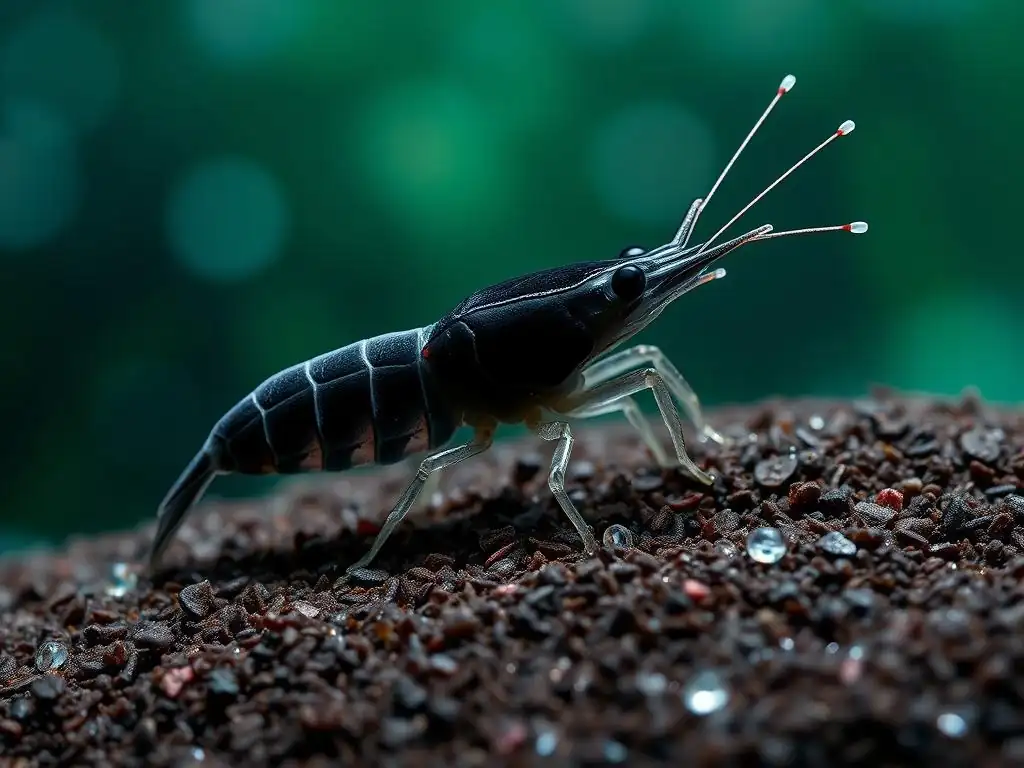
Black Rose Shrimp, another captivating variant of Neocaridina davidi, are highly prized for their deep, opaque, and velvety black coloration. These shrimp provide a striking contrast in a planted nano aquarium, especially when paired with vibrant green plants or light-colored substrates, creating an elegant and sophisticated aesthetic. Like their red and blue counterparts, Black Rose Shrimp are the product of selective breeding and inherit the same robust characteristics, making them a relatively hardy and adaptable choice for both novice and experienced aquarists looking to add a unique hue to their tank.
The intensity of their black color can vary, with premium specimens exhibiting a consistent, solid black from head to tail, often with a subtle sheen. Maintaining their deep coloration requires stable water parameters and a high-quality diet.
While they are as adaptable as other Neocaridina (thriving in pH 6.5-8.0, GH 4-8 dGH, and KH 3-10 dKH), consistent nano aquarium shrimp care helps prevent any fading or translucency in their color, which can occur under stressful conditions or poor nutrition. Their peaceful nature and constant foraging behavior make them an excellent, low-maintenance addition that adds a touch of understated elegance to any nano setup.
Black Rose Shrimp: Selecting Quality Specimens
To ensure your Black Rose Shrimp maintain their deep, opaque black, consider the following:
- Water Parameters: Identical to other Neocaridina (pH 6.5-8.0, GH 4-8 dGH, KH 3-10 dKH, TDS 150-250 ppm, Temp 68-78°F). Consistency is key to preventing stress-induced color fading.
- Diet: A high-quality, balanced shrimp food is essential. While specific color-enhancing foods for black shrimp are less common, ensure their diet is rich in essential minerals and proteins to support overall health and vibrant pigmentation.
- Substrate: A light-colored substrate (e.g., white or light sand) can make their black coloration appear more intense through contrast.
When selecting Black Rose Shrimp, look for individuals with:
- Opaque Coloration: Avoid shrimp with translucent patches, especially on their legs or body.
- Deep, Even Black: The color should be consistent across the entire body, without brown or grey undertones.
- Active Behavior: Choose active, foraging shrimp, as lethargy can indicate stress or illness.
Acclimating new shrimp slowly using the drip method is crucial for their well-being and color retention.
6. Yellow Goldenback Shrimp (Neocaridina davidi): A Sunny Delight
Yellow Goldenback Shrimp, a cheerful and bright variant of Neocaridina davidi, are celebrated for their vivid yellow bodies, often accentuated by a distinct lighter "golden back" stripe running along their dorsal side. This stripe, which can vary in prominence and intensity, adds an extra layer of visual interest to their already striking appearance.
Their sunny disposition and constant activity make them a delightful focal point in any nano aquarium, particularly when contrasted with dark substrates or green plants. Like other Neocaridina species, they are remarkably hardy and adaptable, making them an excellent choice for aquarists of all experience levels seeking a splash of vibrant color.
These shrimp are known for their prolific breeding, allowing a small starter colony to quickly grow into a thriving population of bright yellow inhabitants. The intensity of their yellow coloration can be influenced by genetics, diet, and water quality. By maintaining stable water parameters (pH 6.5-8.0, GH 4-8 dGH, KH 3-10 dKH, and temperatures between 68-78°F), aquarists can encourage stronger coloration and successful reproduction. Their ease of care combined with their captivating hue makes them a highly rewarding species for nano aquarium shrimp care, bringing a constant burst of sunshine to your aquatic display.
Yellow Goldenback Shrimp: Breeding for Vibrant Coloration
Breeding Yellow Goldenback Shrimp is straightforward, given their Neocaridina lineage. To encourage vibrant coloration and successful reproduction:
- Water Parameters: Maintain stable conditions identical to other Neocaridina (pH 6.5-8.0, GH 4-8 dGH, KH 3-10 dKH, TDS 150-250 ppm, Temp 68-78°F). Consistency reduces stress, which can impact color.
- Diet: Include carotene-rich foods to enhance their yellow pigmentation.
- Specialized shrimp foods containing natural color enhancers.
- Blanched carrots or sweet potato can be offered occasionally.
- Tank Setup:
- Provide ample hiding spots and grazing surfaces with live plants (e.g., Java Moss, Anubias) and driftwood.
- A slightly higher protein content in their diet can boost breeding rates.
When breeding, select individuals with the most intense yellow and prominent golden back stripe for optimal genetic propagation. Remove any wild-type or less vibrantly colored offspring if you wish to maintain a high-quality line. Regular water changes and avoiding overfeeding are crucial for healthy shrimplets and adults, ensuring successful nano aquarium shrimp care for this sunny species.
7. Snowball Shrimp (Neocaridina davidi): A Pure White Beauty
Snowball Shrimp, also known as White Pearl Shrimp, are a captivating variant of Neocaridina davidi celebrated for their pristine, opaque white bodies. Their pure white coloration makes them stand out beautifully against dark substrates or lush green plants, creating a serene and elegant aesthetic in a nano aquarium. This striking appearance, combined with their robust and adaptable nature, makes them an excellent choice for both beginners and experienced aquarists seeking a unique and calming presence in their tank. Unlike some other shrimp, their white color is quite stable and less prone to fading under typical aquarium conditions.
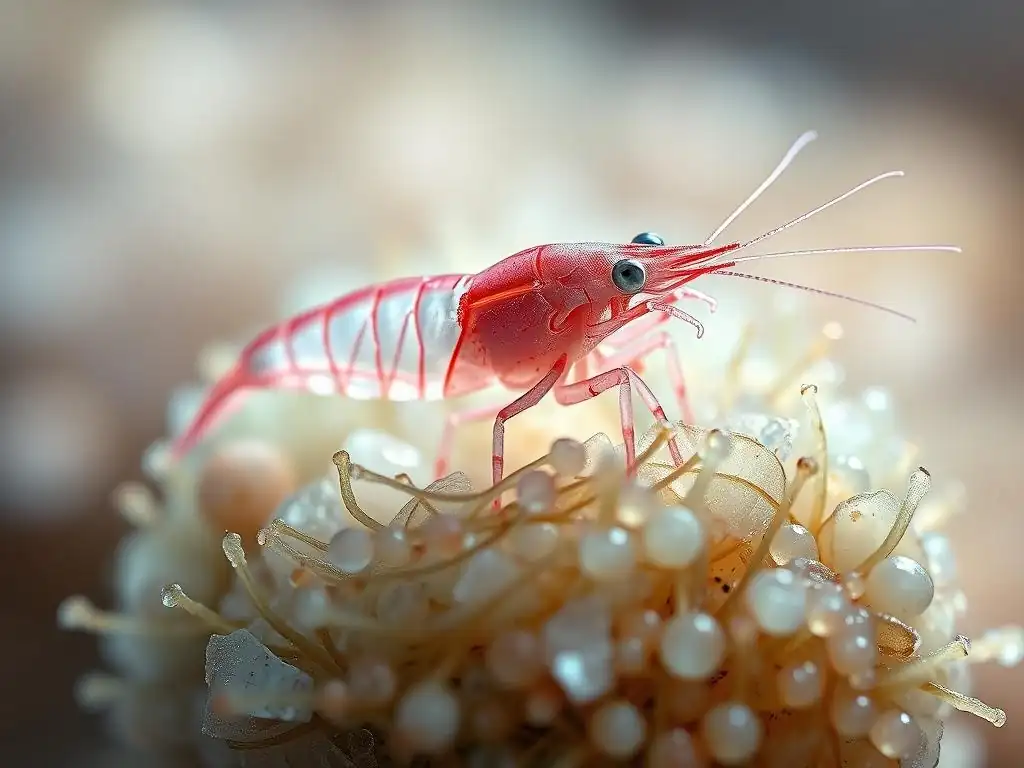
One of the unique characteristics of Snowball Shrimp is their distinctive "snowball" eggs, which are pure white and visible through the female's saddle before being carried under her swimmerets. This trait is a clear indicator of their name and adds to their charm.
Like other Neocaridina varieties, they are relatively easy to keep and breed, thriving in standard parameters (pH 6.5-8.0, GH 4-8 dGH, KH 3-10 dKH, and temperatures between 68-78°F). Consistent nano aquarium shrimp care, including stable water parameters and a balanced diet, will ensure their health, bright coloration, and prolific reproduction, allowing for a thriving colony of these pure white beauties.
Snowball Shrimp: Ideal Tank Conditions for Breeding
Snowball Shrimp are prolific breeders, and their unique white eggs make observing their reproductive cycle fascinating. To ensure ideal conditions for breeding:
- Water Parameters: Maintain stability within the typical Neocaridina range (pH 6.5-8.0, GH 4-8 dGH, KH 3-10 dKH, TDS 150-250 ppm, Temp 68-78°F). Consistency is more important than hitting exact numbers, as long as they are within this range.
- Diet: Provide a balanced diet with a slightly higher protein content to encourage breeding.
- High-quality shrimp pellets designed for breeding.
- Occasional protein-rich foods like spirulina or blanched bloodworms (in moderation).
- Tank Setup:
- Ample Hiding Spots: Dense live plants, especially mosses like Java Moss or Christmas Moss, provide crucial refuge for shrimplets and molting adults.
- Stable Environment: Avoid sudden large water changes or drastic temperature shifts, which can stress breeding females and cause them to drop eggs.
Ensure the tank is well-cycled and free of ammonia and nitrite. A mature tank with established biofilm is ideal, as shrimplets primarily feed on these microscopic organisms. Consistent nano aquarium shrimp care will lead to a thriving colony of these elegant white shrimp.
8. Orange Rili Shrimp (Neocaridina davidi): Unique Pattern Variations
Orange Rili Shrimp are a captivating variant of Neocaridina davidi, distinguished by their unique "rili" pattern. This pattern features clear or translucent midsections that contrast sharply with opaque orange heads and tails, creating a visually striking and dynamic appearance. Each individual shrimp can display variations in the distinctiveness of its pattern, from crisp, well-defined boundaries between the orange and clear sections to more faded or blended transitions.
This natural variability adds to their charm, making each Orange Rili Shrimp a small, living work of art in your nano aquarium. Like other Neocaridina species, they are relatively hardy and share the same care requirements, making them accessible to a wide range of aquarists.
The vibrant orange coloration and the unique rili pattern are influenced by both genetics and environmental factors. While selective breeding aims to enhance the clarity and definition of the rili pattern, maintaining stable water parameters (pH 6.5-8.0, GH 4-8 dGH, KH 3-10 dKH, and temperatures between 68-78°F) and providing a balanced diet are crucial for their overall health and to maximize their color expression.
These shrimp are active foragers, constantly grazing on biofilm and detritus, which contributes to the tank's cleanliness. Their peaceful nature and fascinating patterns make them an excellent choice for adding unique visual interest to any nano aquarium, central to effective nano aquarium shrimp care.
Orange Rili Shrimp: Enhancing Their Rili Pattern
To enhance the vibrant orange and distinct rili pattern of your Orange Rili Shrimp, focus on:
- Water Parameters: Maintain stable conditions consistent with other Neocaridina (pH 6.5-8.0, GH 4-8 dGH, KH 3-10 dKH, TDS 150-250 ppm, Temp 68-78°F). Stress from fluctuating parameters can dull colors and patterns.
- Diet: A high-quality shrimp food supplemented with natural color enhancers can help.
- Foods rich in carotenoids (e.g., astaxanthin, spirulina) can intensify orange pigmentation.
- Blanched carrots or sweet potato can be offered occasionally.
- Substrate and Lighting: While personal preference, a dark substrate can make the orange and clear areas of their pattern stand out more prominently. Moderate lighting is generally sufficient and avoids stressing the shrimp.
When breeding, selecting individuals with the most desirable and well-defined rili patterns for propagation will help maintain and improve the line's quality. Ensure ample hiding spots and grazing surfaces are available through live plants and decor. Consistent nano aquarium shrimp care, including regular small water changes and avoiding overfeeding, will contribute to their health and the vibrancy of their unique patterns.
9. Green Jade Shrimp (Caridina cf. babaulti): A Rare and Stunning Choice
Green Jade Shrimp, often classified as Caridina cf. babaulti or a selectively bred form of Neocaridina davidi depending on the specific lineage, are a less common but incredibly stunning choice for the dedicated aquarist.
Their deep, often iridescent green coloration is truly unique in the shrimp hobby, providing a striking and natural aesthetic in a planted nano aquarium. While some variants of Green Jade are Neocaridina and share their hardiness, the more sought-after, intensely colored Green Jade shrimp are often Caridina species, which makes them more sensitive to water parameters than their Neocaridina cousins, requiring slightly softer and more acidic water.
For the Caridina variant of Green Jade Shrimp, precise control over water chemistry is essential for their long-term health and to maintain their intense green hue. They typically thrive in a pH range of 6.0-7.0, a General Hardness (GH) of 4-7 dGH, and a Carbonate Hardness (KH) of 0-4 dKH, with temperatures between 70-76°F (21-24.5°C). This often necessitates the use of remineralized reverse osmosis (RO) water and active substrates to buffer the pH. While more challenging than keeping Neocaridina, successful nano aquarium shrimp care for Green Jade shrimp offers a deeply rewarding experience, showcasing their rare and captivating beauty.
Green Jade Shrimp: Advanced Shrimp Keeping Tips
For Caridina Green Jade Shrimp, advanced shrimp keeping tips are crucial:
-
Water Parameters: Precision and stability are key:
- Temperature: 70-76°F (21-24.5°C)
- pH: 6.0-7.0 (slightly acidic to neutral)
- GH: 4-7 dGH
- KH: 0-4 dKH
- TDS: 120-220 ppm
Use RO water remineralized with a Caridina-specific product (e.g., SaltyShrimp GH+).
-
Substrate: Active substrates like ADA Amazonia or Fluval Stratum are highly recommended as they help buffer the pH to the desired acidic range and provide humic acids beneficial to Caridina species.
-
Acclimation: Drip acclimation over several hours is absolutely crucial for new specimens due to their sensitivity to parameter changes. A minimum of 2-3 hours is often recommended.
Their diet should consist of high-quality Caridina shrimp food, supplemented with occasional blanched vegetables. Avoid overfeeding, as excess food can quickly foul the water. Due to their specific needs, they are best kept in a species-only nano tank or with other Caridina species with similar requirements.
10. Sulawesi Shrimp (Caridina dennerli): For the Experienced Aquarist
Sulawesi Shrimp, particularly species like Caridina dennerli (Cardinal Shrimp), represent the pinnacle of freshwater shrimp keeping, reserved for the most experienced and dedicated aquarists. These breathtaking shrimp originate from the ancient, mineral-rich lakes of Sulawesi Island, Indonesia, and demand extremely precise and stable water parameters that closely mimic their unique natural habitat.
Their striking colors – often vibrant reds adorned with white dots, or iridescent blues and purples – along with their unique patterns, make them highly sought after despite their challenging requirements. They are a testament to the beauty that can be achieved with specialized nano aquarium shrimp care.
The extreme precision required for Sulawesi Shrimp water parameters cannot be overstated. They thrive in very high pH (7.8-8.5), elevated temperatures (78-85°F / 25.5-29.5°C), and high mineral content (GH 7-10 dGH, KH 4-8 dKH, and high TDS typically 250-400 ppm). Any deviation from these narrow ranges can be rapidly fatal.
Successful nano aquarium shrimp care for Sulawesi species involves specialized equipment, such as inert substrates (e.g., crushed coral or specialized Sulawesi substrates), dedicated heaters, and consistent monitoring with high-quality test kits. Their demanding nature makes them entirely unsuitable for beginners, but for those who master their care, they offer an unparalleled display of aquatic beauty.
Sulawesi Shrimp: Replicating Their Natural Habitat
Replicating the unique natural habitat of Sulawesi Shrimp is paramount for their survival:
-
Water Parameters: These are the most critical aspect:
- Temperature: 78-85°F (25.5-29.5°C) – consistent warmth is vital.
- pH: 7.8-8.5 (highly alkaline)
- GH: 7-10 dGH
- KH: 4-8 dKH
- TDS: 250-400 ppm
Use RO water remineralized with a specific Sulawesi shrimp mineral mix (e.g., SaltyShrimp Sulawesi Mineral 8.5) to achieve these parameters.
-
Substrate: Use inert substrates like fine sand or crushed coral that will not alter pH, or specialized Sulawesi substrates. Avoid active substrates.
-
Filtration: Gentle filtration like sponge filters. Ensure excellent aeration, as warmer water holds less oxygen.
-
Diet: Sulawesi shrimp primarily graze on biofilm that grows on surfaces. Supplement with specialized Sulawesi shrimp food, often in powder form. Feed very sparingly.
-
Tank Setup: Provide plenty of smooth rocks and driftwood for grazing surfaces. A mature tank with established biofilm is critical before introducing these sensitive shrimp.
Acclimation must be extremely slow, often taking 4-6 hours or more using a drip method, to minimize stress. Due to their specific and demanding requirements, Sulawesi shrimp are best kept in species-only nano tanks.
Nano Aquarium Shrimp Care: Essential Tips for Success
Water Chemistry for Nano Shrimp: Maintaining Ideal Parameters
Maintaining precise and stable water chemistry is the single most critical aspect of successful nano aquarium shrimp care. Unlike fish, shrimp are highly sensitive to fluctuations in pH, General Hardness (GH), Carbonate Hardness (KH), and Total Dissolved Solids (TDS). For robust Neocaridina species, target parameters typically fall within pH 6.5-8.0, GH 4-8 dGH, KH 3-10 dKH, and TDS 150-250 ppm.
In contrast, sensitive Caridina species, such as Crystal Red Shrimp, demand softer, more acidic conditions: pH 6.0-6.8, GH 4-6 dGH, KH 0-1 dKH, and TDS 100-200 ppm. Consistency within these ranges is paramount, as sudden shifts can lead to molting issues, stress, and ultimately, fatalities.
To effectively manage water chemistry, regular testing is indispensable. Invest in a reliable liquid test kit (e.g., API Freshwater Master Test Kit) to monitor ammonia, nitrite, nitrate, pH, GH, and KH weekly, especially in new or unstable tanks.
Many aquarists find that using reverse osmosis (RO) or distilled water, then remineralizing it with products like SaltyShrimp GH/KH+ (for Neocaridina) or SaltyShrimp GH+ (for Caridina), provides the most control over water parameters, especially if tap water is unsuitable. When performing water changes, ensure the new water matches the tank's parameters as closely as possible, and always acclimate new shrimp slowly using a drip method over several hours to prevent osmotic shock.
Feeding Your Nano Shrimp: A Balanced Diet for Health and Color
While nano shrimp are excellent scavengers and biofilm grazers, a balanced supplemental diet is crucial for their health, vibrant coloration, and successful breeding. In a newly set up or very clean tank, natural food sources like algae and biofilm may be insufficient. High-quality, specialized shrimp foods are formulated to provide essential proteins, vitamins, and minerals, including calcium for healthy molting and astaxanthin for color enhancement.
Look for pellets or wafers that sink quickly and are designed not to foul the water excessively. For example, a good quality shrimp pellet might contain spirulina, kelp, and various plant proteins to mimic their natural diet.
Feeding frequency and quantity are critical to avoid overfeeding, which can quickly degrade water quality in a small nano aquarium. A general guideline is to feed small amounts, 2-3 times a week, only what your shrimp can consume within 2-4 hours. Any uneaten food should be removed promptly to prevent spoilage and ammonia spikes.
As occasional treats, blanched vegetables like spinach, zucchini slices, or kale can be offered, providing fiber and additional nutrients. Indian Almond Leaves or alder cones can also be added, as they release beneficial tannins and provide additional grazing surfaces. A varied diet contributes significantly to the overall well-being and longevity of your nano aquarium shrimp.
Nano Tank Mates for Shrimp: Choosing Compatible Species
Selecting compatible tank mates is a crucial aspect of nano aquarium shrimp care, as many common aquarium fish can view shrimp, especially vulnerable shrimplets, as a food source. The primary goal is to choose small, peaceful, and non-aggressive species that will not prey on your shrimp or outcompete them for food. For maximum shrimplet survival and colony growth, a species-only nano tank is often the safest and most recommended approach. However, if you desire a mixed-species setup, careful selection is key.
Suitable tank mates are typically very small fish with upturned mouths, indicating they feed on the surface, or those known to be exceptionally peaceful. Examples include:
- Otocinclus Catfish (Otos): Peaceful herbivores that help control algae.
- Small Rasboras: Species like Chili Rasboras ( Boraras brigittae) or Phoenix Rasboras ( Boraras merah) are tiny and generally too small to bother adult shrimp, though they might occasionally snack on newborn shrimplets.
- Ember Tetras (Hyphessobryda amandae): Another small, peaceful tetra that coexists well.
- Snails: Nerite Snails, Malaysian Trumpet Snails, and Ramshorn Snails are excellent, peaceful tank mates that help with cleanup and do not harm shrimp.
Avoid any fish with large mouths, aggressive tendencies, or those known to be fin nippers. Even seemingly peaceful fish can become opportunistic predators if underfed or if the tank lacks sufficient hiding spots for shrimp. Providing dense live plants (especially mosses), driftwood, and rock caves will significantly increase shrimplet survival rates in a community tank.
Breeding Freshwater Shrimp: Encouraging Reproduction in Your Nano Tank
Breeding freshwater shrimp, particularly Neocaridina species, can be one of the most rewarding aspects of nano aquarium shrimp care, as they readily reproduce in a well-maintained environment. The process typically begins when a female develops a "saddle," a yellowish or greenish patch behind her head, indicating unfertilized eggs. After molting, she releases pheromones that attract males, leading to fertilization. Shortly after, she becomes "berried," carrying fertilized eggs under her swimmerets, which she constantly fans to ensure oxygenation. A single healthy female Neocaridina can produce 20-50 shrimplets every 4-6 weeks, leading to a rapidly expanding colony.
To encourage consistent reproduction and high shrimplet survival rates, several factors are crucial. First, maintain stable water parameters within the ideal range for your specific shrimp species; sudden fluctuations can cause females to drop their eggs. Second, provide a consistent and varied diet, including protein-rich foods, which are essential for egg development.
Third, ensure your nano tank offers ample hiding spots for vulnerable shrimplets, such as dense mosses (e.g., Java Moss, Christmas Moss), cholla wood, or small rock crevices. Finally, the absence of predatory tank mates is paramount. In a dedicated shrimp-only tank, shrimplets have the highest chance of survival and growth, allowing your colony to flourish and provide continuous fascination.
Common Nano Shrimp Diseases and Treatments: Prevention and Cure
While generally hardy, nano shrimp can be susceptible to certain diseases and issues, often stemming from poor water quality or stress. The most common problems encountered in nano aquarium shrimp care include molting issues, bacterial infections, and fungal infections.
Molting issues, characterized by shrimp struggling to shed their old exoskeleton or dying during the process, are frequently linked to mineral deficiencies (especially calcium and magnesium, which relate to GH) or sudden changes in water parameters. Bacterial infections might appear as fuzzy white growths (e.g., Vorticella) or shell erosion, while fungal infections can manifest as a green, saddle-like growth under the female's belly.
Prevention is always the best cure for shrimp ailments. This involves consistently maintaining pristine water quality through regular small water changes, ensuring stable water parameters (pH, GH, KH, TDS) within the species' ideal range, and providing a balanced, nutritious diet. Always acclimate new shrimp slowly and carefully to minimize stress. If an issue arises, isolate affected shrimp if possible.
For molting issues, verify your GH levels and consider adding a mineral supplement. For bacterial or fungal infections, ensure water quality is impeccable; some broad-spectrum, shrimp-safe treatments are available, but always check for copper content, as copper is highly toxic to all shrimp. Natural remedies like Indian Almond Leaves, which release beneficial tannins, can also help boost shrimp immunity and provide anti-bacterial properties.
Setting Up Your Nano Aquarium for Shrimp: A Step-by-Step Guide
Choosing the Right Tank Size and Substrate
Selecting the appropriate tank size and substrate is foundational to successful nano aquarium shrimp care. While a 2.5-gallon tank can house a small colony of Neocaridina shrimp, a 5-10 gallon tank is generally recommended as it offers greater water volume, which translates to more stable water parameters and a larger buffer against potential imbalances. Larger tanks are also more forgiving for beginners.
For substrate, the ideal choice largely depends on the shrimp species you plan to keep. For Neocaridina shrimp, an inert, fine-grained substrate like sand or small-grain gravel is suitable, as it will not alter water chemistry. Avoid coarse gravel that can trap uneaten food, leading to anaerobic pockets and water quality issues.
For Caridina species, particularly those requiring soft, acidic water like Crystal Red Shrimp or Green Jade Shrimp, active substrates are highly beneficial. Products like ADA Amazonia or Fluval Stratum are designed to buffer the pH down to the desired acidic range (typically 6.0-6.8) and often release beneficial humic acids. These substrates provide an ideal environment for Caridina species, but it's important to note they need to be replaced periodically (every 1-2 years) as their buffering capacity diminishes. Regardless of the type, choose a substrate that is safe for shrimp and allows for easy grazing and foraging.
Filtration and Lighting for a Thriving Shrimp Habitat
Effective filtration is paramount for maintaining the pristine water quality essential for nano aquarium shrimp care. For nano shrimp tanks, sponge filters are overwhelmingly recommended due to their gentle flow, which prevents shrimplets from being sucked into the filter intake, and their large surface area for beneficial bacteria. They provide excellent biological and mechanical filtration.
Hang-on-back (HOB) filters can also be used, but it's crucial to cover the intake with a pre-filter sponge to protect shrimplets. Canister filters are generally overkill for nano tanks but can be used with appropriate pre-filters and flow reduction. The goal is consistent water movement and effective removal of waste without creating strong currents that might stress the shrimp.
Lighting requirements for a nano shrimp tank are primarily dictated by the needs of any live plants you include, as shrimp themselves do not have specific lighting demands. Moderate LED lighting is typically sufficient for most common aquarium plants suitable for shrimp tanks (e.g., Java Moss, Anubias). Aim for a photoperiod of 6-8 hours daily to support plant growth without promoting excessive algae blooms, which can indicate nutrient imbalances or too much light.
Overly intense lighting can also stress shrimp, causing them to hide more. A well-chosen lighting system contributes to a balanced ecosystem, enhancing both plant health and the overall well-being of your nano aquarium shrimp.
Plants for Nano Shrimp: Creating a Natural and Functional Environment
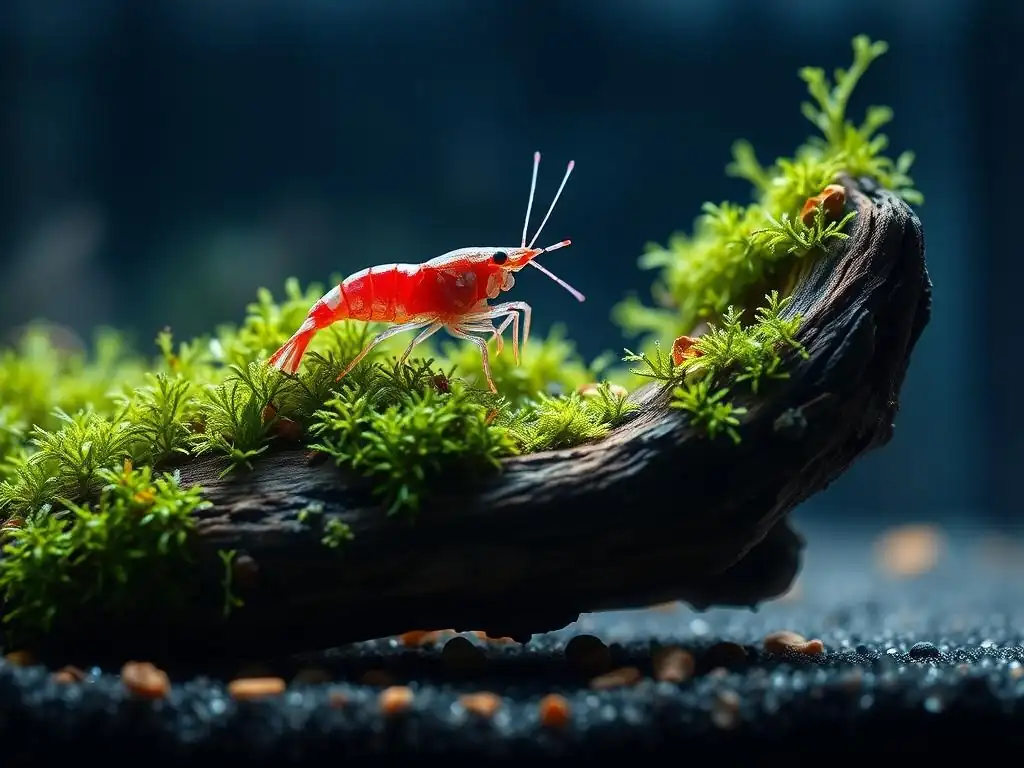
Live plants are an indispensable component of a thriving nano aquarium for shrimp, offering numerous benefits that contribute to their health and well-being. Plants provide essential hiding spots and refuge for molting shrimp, which are particularly vulnerable, and for delicate shrimplets, significantly increasing their survival rates against any potential predators. Beyond providing shelter, plant surfaces serve as natural grazing grounds for shrimp, accumulating biofilm and microalgae, which are primary food sources. Furthermore, live plants help to absorb harmful nitrates from the water, oxygenate the environment through photosynthesis, and contribute to overall water stability, reducing stress on the shrimp.
When selecting plants for your nano shrimp tank, opt for easy-to-care-for varieties that thrive in low to moderate light and do not require demanding fertilization regimens. Excellent choices include:
- Mosses: Java Moss ( Taxiphyllum barbieri), Christmas Moss ( Vesicularia montagnei), and Fissidens Fontanus are highly recommended. They provide dense cover and ample surface area for biofilm.
- Epiphytes: Anubias Nana ( Anubias barteri var. nana) and various Bucephalandra species can be attached to driftwood or rocks, offering sturdy resting and grazing spots.
- Marimo Moss Balls (Cladophora aegagropila): These unique algae balls are great for grazing and don't require planting.
- Floating Plants: Dwarf Water Lettuce or Frogbit can provide shade and help absorb excess nutrients.
A heavily planted tank not only creates a natural and aesthetically pleasing environment but also significantly enhances the overall success of your nano aquarium shrimp care efforts.
Conclusion: Enjoying Your Stunning and Lively Nano Shrimp Aquarium
The Joy of Observing Nano Shrimp Behavior
The journey of nano aquarium shrimp care culminates in the immense joy and fascination derived from observing these miniature wonders. Unlike fish, shrimp exhibit a unique array of behaviors that are endlessly captivating: their constant, methodical grazing on every surface, the delicate process of molting as they shed their old exoskeletons, the intricate fanning of eggs by berried females, and the almost imperceptible movements of tiny shrimplets emerging from the moss.
Each shrimp, with its distinct color and pattern, contributes to a dynamic, living tapestry in your home. The small scale of a nano tank allows for an intimate view into their world, revealing details and interactions that might be missed in larger setups, making them an unparalleled choice for close-up observation and a source of daily delight.
Ultimately, with dedicated nano aquarium shrimp care – encompassing stable water parameters, a balanced diet, and a thoughtfully designed habitat – these tiny creatures can transform a simple glass box into a vibrant, bustling ecosystem. The satisfaction of seeing a colony thrive, with new shrimplets constantly appearing, is incredibly rewarding.
Whether you are a seasoned aquarist seeking a new challenge or a beginner looking for a low-maintenance yet engaging aquatic pet, the world of nano shrimp offers an accessible entry point into the captivating realm of invertebrate keeping. Embrace the rewarding journey, and you will find that your stunning and lively nano shrimp aquarium quickly becomes a cherished centerpiece in your living space.
Frequently Asked Questions
How do I choose the right shrimp for my nano aquarium?
Consider the water parameters of your tank and the shrimp's needs. Also, assess their temperament to ensure they are compatible with other inhabitants.
What are the ideal water parameters for keeping shrimp in a nano tank?
Generally, shrimp thrive in stable water conditions. This includes a pH of 6.5-7.5, a temperature of 68-78°F, and low levels of ammonia and nitrite.
How often should I perform water changes in my nano shrimp aquarium?
Small, regular water changes are crucial. Aim for 10-20% water changes weekly to maintain optimal water quality and prevent toxin buildup.
What kind of filtration is best for a nano shrimp tank?
Sponge filters are often recommended. They provide gentle filtration, preventing small shrimp from being sucked in and offering a surface for biofilm growth, which shrimp feed on.
What should I feed my nano aquarium shrimp?
A varied diet is best. Offer specialized shrimp food, algae wafers, blanched vegetables, and allow them to graze on biofilm and algae within the tank.
Final Reflection: The Tiny Wonders of Our Aquatic Worlds
The allure of nano aquariums, and the vibrant shrimp that inhabit them, is more than just a fleeting trend; it represents a growing appreciation for miniature ecosystems and the delicate balance of nature. As urban spaces shrink and our connection to the natural world becomes increasingly vital, these tiny underwater landscapes offer a tangible and accessible way to cultivate beauty and tranquility within our homes. The popularity of nano aquarium shrimp care underscores a desire to understand and nurture these captivating creatures, fostering a deeper respect for biodiversity, even on a small scale.
The impact of these miniature worlds extends beyond mere aesthetics. Cultivating a nano aquarium is an exercise in patience, observation, and responsibility, fostering a deeper understanding of ecological principles. The delicate interplay of water chemistry, plant life, and animal behavior provides a microcosm of the larger world, teaching us valuable lessons about interdependence and sustainability. In nature, nothing exists alone.
- Rachel Carson. This quote perfectly encapsulates the essence of a thriving nano aquarium, where each element contributes to the overall health and vitality of the ecosystem.
Now, as you consider the possibilities of creating your own stunning and lively nano aquarium, I encourage you to embrace the journey with curiosity and care. Let the vibrant colors and fascinating behaviors of these freshwater shrimp inspire you to become a steward of these tiny ecosystems. Reflect on the lessons they teach us about balance, resilience, and the beauty that can be found in the smallest of spaces. Your dedication to nano aquarium shrimp care can contribute to a greater appreciation for the natural world and a more sustainable future for all.
Transform Your Nano Tank Today!
Thanks for diving into the world of freshwater shrimp with us! We hope this article has given you the inspiration and knowledge to create a vibrant and beautiful nano aquarium. Now, let's put that knowledge into action!
- Start Planning: Identify the perfect shrimp species for your nano tank based on your local water parameters and available plants. Don't be afraid to mix and match compatibility!
- Share the Shrimp Love: Post a photo of your current (or dream) nano aquarium setup on social media using #AquariumMasteryShrimp and tag us @AquariumMastery!
- Unleash Your Inner Artist: Sketch out a scape idea for your nano tank, focusing on creating shrimp-friendly hiding spots and grazing areas.
What unique element will you incorporate into your nano tank to make it a shrimp paradise?