
Are Snails Good or Bad for Shrimp Tanks? A Balanced and Informative View

Welcome to Aquarium Mastery!
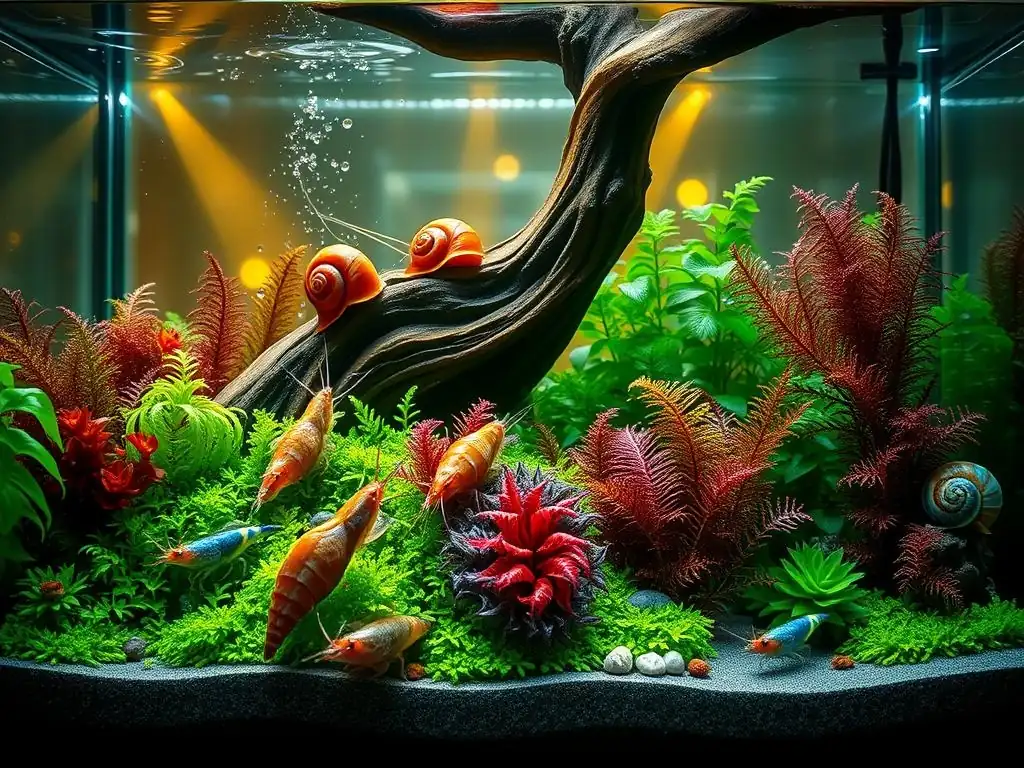
Ever wondered if those tiny hitchhikers in your shrimp tank are friends or foes? Dive into our comprehensive guide, "Are Snails Good or Bad for Shrimp Tanks? A Balanced and Informative View," where we unravel the shrimp tank snail benefits and risks. Discover how these often-overlooked creatures can impact your delicate ecosystem and learn how to strike the perfect balance. Curious to know if that snail is helping or hindering your shrimp's happiness? Keep reading to find out!
- Introduction: Snails in Shrimp Tanks – A Complex Relationship
- The Benefits of Snails in a Shrimp Tank Ecosystem
- Potential Risks of Snails in Shrimp Tanks
- Types of Snails Suitable for Shrimp Tanks: A Safe Snail Guide
- Identifying and Managing Problem Snails in Shrimp Tanks
- Maintaining a Balanced Snail Population in Your Shrimp Tank
- Shrimp and Snail Compatibility: Key Factors to Consider
- Conclusion: Making an Informed Decision About Snails in Your Shrimp Tank
-
Frequently Asked Questions
- Are snails always beneficial in a shrimp tank?
- What are the main benefits of having snails in a shrimp tank?
- Which types of snails are generally considered safe and beneficial for shrimp tanks?
- What are the potential risks associated with introducing snails to a shrimp tank?
- How can I control the snail population in my shrimp tank if it becomes too large?
- Final Reflection: The Tiny Ecosystem Within
- Unleash the Potential of Your Shrimp Tank!
Introduction: Snails in Shrimp Tanks – A Complex Relationship
The inclusion of snails in a freshwater shrimp tank is a topic often debated among aquarists. While some view them as unsightly pests, others recognize their valuable contributions to a balanced aquatic ecosystem. The relationship between snails and shrimp is complex, offering both distinct advantages and potential drawbacks.
Understanding the specific shrimp tank snail benefits risks is crucial for any aquarist aiming to create a thriving and stable environment for their delicate dwarf shrimp. This article will delve into the various aspects of cohabiting snails and shrimp, providing a comprehensive guide to help you make an informed decision for your aquarium.
The Benefits of Snails in a Shrimp Tank Ecosystem
Algae Control: Snails as Natural Algae Eaters in Shrimp Aquariums
Snails are renowned for their efficiency as natural algae consumers, making them a significant asset in maintaining the aesthetic and ecological balance of a shrimp aquarium. Species like Nerite snails are particularly effective, diligently grazing on various types of algae that commonly plague tanks, including diatoms (brown algae) and green spot algae. For instance, a single Nerite snail can effectively keep the glass and décor of a 10-gallon tank remarkably free of green film algae over several weeks, reducing the need for manual scraping.
Beyond just aesthetics, this constant grazing activity prevents excessive algae growth from consuming vital nutrients needed by aquatic plants and from potentially suffocating delicate plant leaves. By reducing the overall algae biomass, snails contribute to a cleaner, clearer water column and ensure that light penetrates efficiently, benefiting photosynthetic organisms and maintaining a healthy, vibrant environment for your shrimp. This is a primary shrimp tank snail benefit that many aquarists seek.
Detritus Removal: How Snails Help Keep Shrimp Tanks Clean
Another invaluable role snails play in a shrimp tank is their tireless work as detritivores. They actively scavenge and consume decaying organic matter, such as uneaten shrimp food, dead plant leaves, and even fish waste that settles on the substrate. This continuous cleaning action prevents the accumulation of large amounts of decomposing material, which can otherwise lead to the release of harmful ammonia and nitrites into the water column.
The efficient removal of detritus by snails directly contributes to improved water quality and a reduced bioload on the aquarium's filtration system. For example, a small colony of Ramshorn snails can process a surprising amount of organic debris daily, preventing the onset of anaerobic conditions in the substrate and mitigating the risk of ammonia spikes that are highly detrimental to sensitive shrimp. This natural sanitation service is a key aspect of the shrimp tank snail benefits risks equation.
Aeration and Substrate Health: Snail Activity and Its Impact
Certain snail species, notably Malaysian Trumpet Snails (MTS), are excellent burrowers, spending much of their time sifting through the substrate. This burrowing behavior serves a vital function in preventing the formation of anaerobic pockets within the aquarium bed. Anaerobic conditions, characterized by a lack of oxygen, can lead to the production of toxic gases like hydrogen sulfide, which are extremely harmful to all aquatic life, including shrimp.
The constant movement of MTS through the substrate naturally aerates it, allowing for better water circulation and nutrient exchange deep within the gravel or sand. A population of 20-30 MTS in a 20-gallon tank can significantly improve substrate health by turning over the top few inches of substrate daily, promoting the growth of beneficial bacteria and enhancing the overall stability of the tank ecosystem. This natural substrate agitation is a unique shrimp tank snail benefit often overlooked.
Biological Filtration Support: Snail Role in the Nitrogen Cycle
While not primary biological filters themselves, snails contribute to the overall efficiency of the nitrogen cycle in an aquarium. By consuming organic waste and detritus, they effectively break down larger particles into smaller, more manageable components. This pre-processing makes it easier for the beneficial nitrifying bacteria, which reside in the filter media and on tank surfaces, to convert harmful ammonia and nitrite into less toxic nitrates.
Moreover, snails add to the total biomass of the tank's microbial community, indirectly supporting a larger population of these essential bacteria. Their waste, while contributing to the bioload, is also processed by the same bacterial colonies that handle shrimp waste. In a well-balanced system, the presence of snails can actually help stabilize water parameters by facilitating the decomposition process, which is a subtle yet important shrimp tank snail benefit.
Potential Risks of Snails in Shrimp Tanks
Overpopulation: The Snail Explosion Problem and Shrimp
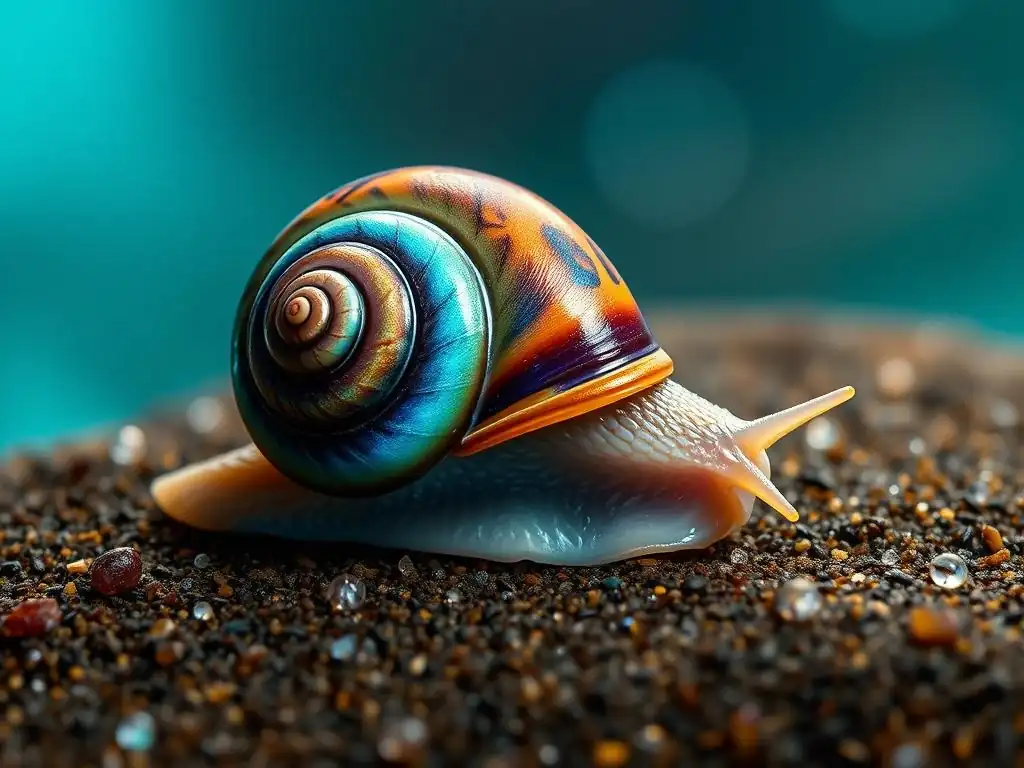
One of the most significant concerns for aquarists considering snails in shrimp tanks is the potential for rapid overpopulation. Species like Bladder snails and Ramshorn snails are notorious for their prolific breeding rates, especially when food is abundant. A single Bladder snail can lay hundreds of eggs in a few weeks, leading to an exponential increase in population that can quickly overwhelm a tank.
This "snail explosion" can become more than just an aesthetic issue; it significantly increases the tank's bioload, competing for oxygen and potentially leading to crashes in water quality. An overcrowded tank with hundreds of snails can stress delicate shrimp by consuming excess oxygen, particularly in smaller tanks. This rapid multiplication is a primary shrimp tank snail risk that requires careful management.
Competition for Resources: Snails vs. Shrimp for Food and Space
When snail populations spiral out of control, they begin to directly compete with shrimp for essential resources like food and space. Snails are often faster and more aggressive eaters than the more delicate and slower-moving dwarf shrimp. In a tank with a large snail population, juvenile shrimp or even adult shrimp may struggle to get enough food, leading to malnutrition, stunted growth, and reduced breeding success.
Beyond food, an excessive number of snails can reduce the available grazing surfaces and hiding spots for shrimp. While snails don't physically harm shrimp, an overcrowded environment can lead to increased stress levels in the shrimp colony, making them more susceptible to disease. This direct competition for sustenance and territory is a tangible shrimp tank snail risk.
Introduction of Parasites or Diseases: Snail-Borne Threats to Shrimp Health
Snails, especially those sourced from unknown origins or tanks with sick fish, can act as carriers for various parasites, bacteria, and diseases. While many of these pathogens may not harm the snails themselves, they can be highly detrimental or even fatal to sensitive shrimp. For example, some trematode parasites have complex life cycles that involve snails as intermediate hosts, and these can pose a threat to shrimp if they become definitive hosts.
Even seemingly healthy snails can harbor dormant pathogens that become active under stress or when introduced to a new environment. Instances of unexplained shrimp deaths after introducing new, unquarantined snails are not uncommon. This potential for disease transmission underscores the importance of strict quarantine procedures, as the introduction of pathogens is a serious shrimp tank snail risk.
Plant Damage: Snail Species That May Harm Aquarium Plants
While many common aquarium snails are primarily detritivores or algae eaters and generally safe for healthy plants, some species, or even typically safe species in specific conditions, can cause damage to live aquarium plants. Larger snails, such as certain varieties of Apple snails (though many are now restricted due to invasive species concerns), are known to consume tender aquatic vegetation, often leaving ragged holes or completely devouring leaves.
Even smaller, typically plant-safe snails like Ramshorns or Bladder snails might nibble on very delicate or already decaying plant leaves if algae and detritus are scarce. For instance, a hungry colony of Ramshorns might target soft-leaved plants like Limnophila sessiliflora or certain mosses if their primary food sources are depleted. This potential for plant destruction is a frustrating shrimp tank snail risk for aquascapers.
Types of Snails Suitable for Shrimp Tanks: A Safe Snail Guide
Nerite Snails: A Popular Choice for Algae Control in Shrimp Tanks
Nerite snails are arguably the most popular and safest choice for algae control in shrimp tanks. Species like the Zebra Nerite, Horned Nerite, and Olive Nerite are highly efficient grazers of various algae types, including tough green spot algae and diatoms. Their primary advantage is that they cannot reproduce in freshwater; their larvae require brackish water to develop, meaning you will never face an overpopulation issue in your shrimp tank.
These snails are generally small, typically reaching about 0.75 to 1 inch (1.9 to 2.5 cm) in size, and are completely harmless to shrimp and healthy plants. They are diligent workers, constantly scouring glass, rocks, and plant leaves for algae. While they do lay small, hard-to-remove white eggs (opercula) on surfaces, these are purely cosmetic and will not hatch, making them an excellent shrimp tank snail benefit provider without the common risks.
Ramshorn Snails: Managing Their Population in Shrimp Aquariums
Ramshorn snails (e.g., Pink, Blue, Red, Leopard varieties) are another common snail found in shrimp tanks. They are effective scavengers, consuming algae, detritus, and uneaten food. Their distinct coiled, ram's horn-shaped shells make them easily identifiable. While beneficial for tank cleaning, their main drawback is their prolific breeding rate. Their population directly correlates with the amount of available food.
To manage Ramshorn snail populations in a shrimp tank, strict control over feeding is essential. Feeding only what shrimp can consume within 1-2 hours will naturally keep their numbers in check. A small, controlled population (e.g., 5-10 individuals in a 10-gallon tank) can provide significant cleaning benefits without becoming a nuisance. They typically grow up to 1 inch (2.5 cm) and are generally plant-safe if well-fed.
Mystery Snails: Considerations for Keeping Them with Shrimp
Mystery snails (Pomacea diffusa, often confused with invasive Apple Snails) are larger, more active snails that can be kept with shrimp, though with some considerations. They are excellent scavengers, consuming significant amounts of detritus and algae. They can grow quite large, often reaching 2 inches (5 cm) or more in diameter, and come in various colors like yellow, blue, and ivory.
Due to their size, Mystery snails have a higher bioload compared to smaller snails, meaning they produce more waste. This necessitates a larger tank (e.g., a 10-gallon tank for a single Mystery snail to avoid overwhelming the bioload) and diligent water changes. While generally peaceful and plant-safe if adequately fed, their larger size means they can sometimes accidentally knock over small decorations or uproot delicate plants. They lay distinctive clutches of eggs above the waterline, which are easy to remove if population control is desired.
Assassin Snails: A Solution for Controlling Pest Snail Populations
Assassin snails (Clea helena) are unique in that they are carnivorous and primarily feed on other snails. This makes them an excellent natural solution for controlling outbreaks of unwanted pest snails like Bladder snails, Pond snails, and even smaller Ramshorns. They are relatively small, typically growing to about 0.75 inches (2 cm), and have attractive striped shells.
Introducing Assassin snails is a biological control method that eliminates the need for harsh chemicals that could harm shrimp. They are completely safe for shrimp and live plants. However, it's important to note that they will consume any snail, including beneficial ones, if their primary food source (pest snails) becomes scarce. A common recommendation is one Assassin snail per 5-10 gallons for effective pest snail control, offering a clear shrimp tank snail benefit in pest management.
Identifying and Managing Problem Snails in Shrimp Tanks
Common Pest Snails in Shrimp Tanks: Bladder Snails, Pond Snails, and Malaysian Trumpet Snails
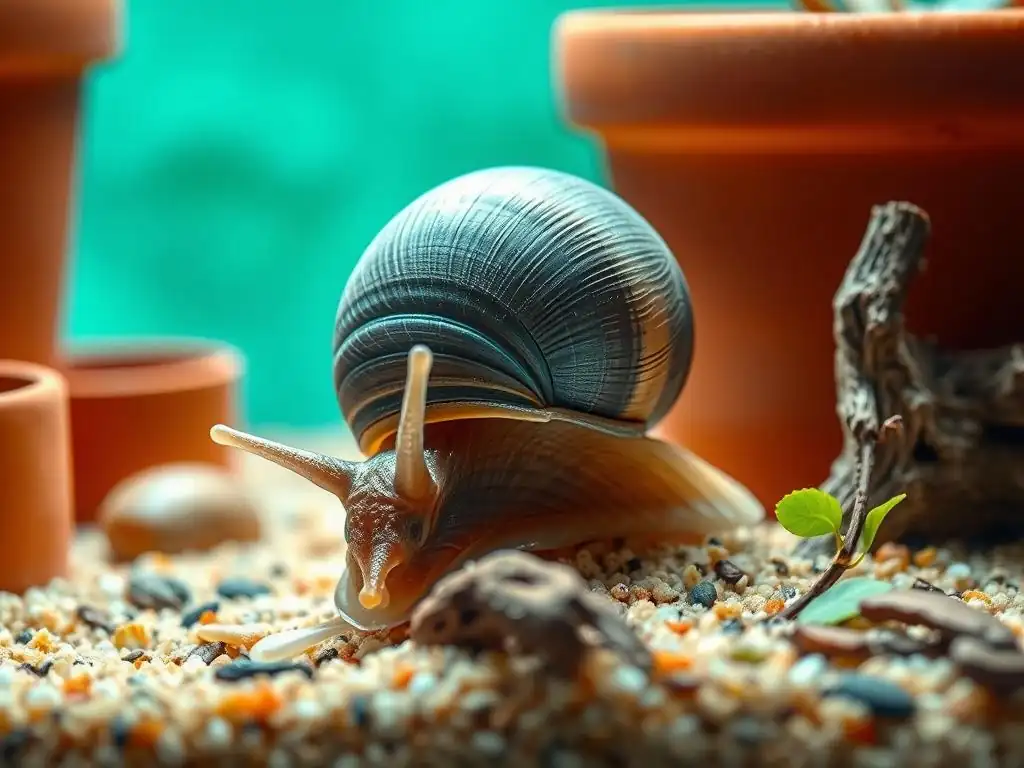
The term "pest snail" typically refers to small, fast-reproducing species that often hitchhike into aquariums on plants or décor. The most common culprits in shrimp tanks are Bladder snails (Physa acuta) and Pond snails (Lymnaea stagnalis). Bladder snails are characterized by their left-coiling, tear-drop shaped shells, usually growing up to 0.5 inches (1.2 cm). Pond snails have a similar appearance but coil to the right. Both reproduce rapidly and can quickly overwhelm a tank if food is abundant.
Malaysian Trumpet Snails (MTS, Melanoides tuberculata) are also often considered pest snails due to their rapid reproduction, though they offer the benefit of substrate aeration. They have long, conical shells and burrow into the substrate during the day, emerging at night. While beneficial in moderation, a population explosion of MTS can lead to hundreds, if not thousands, of snails in a tank, making them a significant shrimp tank snail risk if not managed.
Natural Methods for Snail Control: Manual Removal and Trapping
For managing unwanted snail populations without resorting to chemicals, natural methods are often the safest and most effective, especially in sensitive shrimp tanks. Manual removal involves physically picking snails out of the tank, which is practical for larger snails or smaller outbreaks. A more efficient method is baiting: place a blanched lettuce leaf, a piece of zucchini, or a cucumber slice in the tank overnight. Snails are attracted to the food, and you can remove the leaf with dozens of snails attached in the morning.
Commercial snail traps are also available, or you can create a DIY version using a small container with food inside. These methods are non-toxic and target the snails directly, ensuring the safety of your shrimp and the tank's beneficial bacteria. Consistency with these methods, performed daily or every other day, is key to significantly reducing snail numbers over time.
Chemical Treatments: Using Snail Remedies Safely in Shrimp Tanks
Chemical snail remedies are generally strongly discouraged in shrimp tanks due to the high risk they pose to invertebrates. Many common snail-killing products contain copper, which is highly toxic to shrimp, snails, and other invertebrates even at very low concentrations. Levels as low as 0.2 parts per million (ppm) of copper can be lethal to dwarf shrimp and cause long-term health issues for survivors.
If a chemical solution is absolutely deemed necessary (e.g., in a tank without shrimp, or as a last resort in an emergency), it is paramount to choose a product explicitly labeled as "shrimp-safe" or "invert-safe" and to follow the instructions precisely. Even then, caution is advised, and it may be safer to temporarily remove shrimp to a separate holding tank during treatment. The severe shrimp tank snail risk associated with most chemical treatments makes natural removal methods vastly superior for a shrimp-specific setup.
Maintaining a Balanced Snail Population in Your Shrimp Tank
Feeding Strategies: Preventing Overfeeding and Snail Overpopulation
The most effective and natural way to control snail populations in a shrimp tank is by meticulously managing feeding habits. Overfeeding is the primary catalyst for snail population explosions, as excess food provides an abundant and continuous food source for these prolific breeders. To prevent this, only feed your shrimp what they can consume within 1-2 hours. Any uneaten food should be promptly removed from the tank.
Consider feeding your shrimp less frequently, perhaps every other day, especially if you notice a gradual increase in snail numbers. For example, instead of daily feeding, switch to a schedule of feeding a specific shrimp pellet (e.g., 1-2 pellets per 10-15 shrimp) every 48 hours. This controlled feeding strategy limits the food available to snails, naturally curbing their reproduction and maintaining a manageable population. This is the cornerstone of mitigating shrimp tank snail risks related to overpopulation.
Regular Tank Maintenance: Controlling Algae and Detritus Buildup
Consistent and thorough tank maintenance plays a crucial role in preventing snail overpopulation by limiting their food sources. Regular gravel vacuuming (e.g., weekly or bi-weekly for a 10-gallon tank) effectively removes accumulating detritus, uneaten food, and snail eggs from the substrate. This directly reduces the organic matter that snails feed on and helps to physically remove developing snail populations.
Furthermore, controlling algae growth through proper lighting and nutrient management is vital. Reducing light duration (e.g., to 6-8 hours daily), ensuring appropriate fertilization for plants (which outcompete algae), and performing regular water changes (e.g., 20% weekly) help minimize algae buildup. A cleaner tank with less algae and detritus naturally translates to fewer snails, maintaining the desired balance and reducing potential shrimp tank snail risks.
Quarantine New Snails: Preventing the Introduction of Pests or Diseases
To prevent the introduction of unwanted pest snails or harmful pathogens into your established shrimp tank, it is absolutely essential to quarantine all new aquatic inhabitants, including snails, in a separate holding tank. A quarantine period of at least 2-4 weeks allows you to observe the new snails for any signs of disease, parasites (like Planaria or Hydras), or the presence of unwanted hitchhiking snails (like Bladder snails).
During quarantine, use clean, dechlorinated water, minimal substrate, and no décor to make observation easier. Perform regular water changes and monitor the snails closely. This proactive step is crucial for minimizing the shrimp tank snail risk of introducing external threats that could devastate a sensitive shrimp colony. Never add snails directly from a pet store bag into your main tank without proper quarantine.
Shrimp and Snail Compatibility: Key Factors to Consider
Shrimp Species and Snail Interactions: Understanding Potential Conflicts
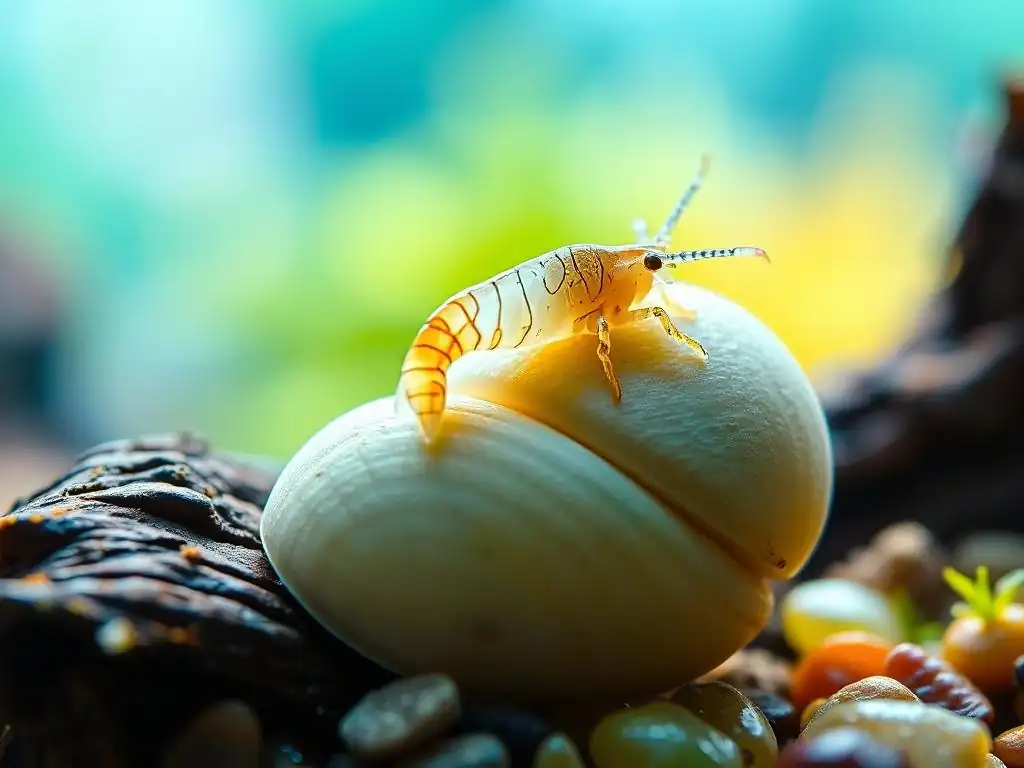
Most dwarf freshwater shrimp species, such as Neocaridina (e.g., Red Cherry Shrimp) and Caridina (e.g., Crystal Red Shrimp), are inherently peaceful and pose no threat to snails. Their interactions are generally negligible, with both species coexisting by largely ignoring each other. The primary 'conflict' arises indirectly from competition for food and space if snail populations become excessively large.
However, it's important to be aware that some larger, more aggressive snail species (though less common in typical shrimp setups) might pose a threat, for example, by preying on very small shrimp fry or shrimp eggs. For the vast majority of common aquarium snails, direct harm to shrimp is not a concern. The focus should remain on managing snail numbers to prevent resource scarcity for the shrimp.
Tank Size and Carrying Capacity: Ensuring Adequate Resources for Both
The overall size and carrying capacity of your aquarium are critical factors in determining the compatibility of shrimp and snails. A smaller tank, such as a 5-gallon nano tank, has a limited bioload capacity and can quickly become overcrowded if both shrimp and snail populations are not carefully managed. In contrast, a 20-gallon long tank offers significantly more space and surface area for grazing.
For a thriving shrimp colony, ample space is essential. If you plan to keep snails, especially those that reproduce readily, ensure your tank is large enough to comfortably accommodate the combined bioload and provide sufficient grazing areas for both. For example, a 10-gallon tank can comfortably house 20-30 Neocaridina shrimp and a few Nerite or Mystery snails, but adding hundreds of Ramshorns would quickly lead to overcrowding and stress, highlighting a significant shrimp tank snail risk.
Water Parameters: Maintaining Optimal Conditions for Snails and Shrimp
Fortunately, most common freshwater aquarium snails and dwarf shrimp species thrive in similar water parameters, making their cohabitation relatively straightforward. Both require stable water conditions with minimal fluctuations. For Neocaridina shrimp and many snail species, a pH range of 6.5-7.5, moderate hardness (GH 4-8, KH 2-6), and low nitrates are generally ideal. Caridina shrimp prefer slightly softer, more acidic water, which many snails can also tolerate.
A crucial shared requirement for both shrimp and snails is adequate calcium and magnesium levels, as these minerals are essential for healthy shell and exoskeleton development. Insufficient calcium (e.g., GH below 3) can lead to soft shells in snails and molting issues in shrimp. Regularly testing your water parameters and performing water changes with appropriately mineralized water (or using supplements like crushed coral if needed) ensures optimal conditions for both species, making this a positive aspect of the shrimp tank snail benefits risks balance.
Conclusion: Making an Informed Decision About Snails in Your Shrimp Tank
The question of whether snails are good or bad for shrimp tanks does not have a simple, universal answer. As explored, snails offer a range of significant benefits, from efficient algae and detritus removal to promoting substrate health and contributing to biological filtration. These shrimp tank snail benefits can greatly contribute to a cleaner, more stable, and healthier environment for your delicate shrimp.
However, the potential shrimp tank snail risks, particularly overpopulation, competition for resources, and the introduction of diseases, cannot be overlooked. The key to successful cohabitation lies in understanding these dynamics and implementing proactive management strategies.
By choosing appropriate snail species, controlling feeding habits, maintaining diligent tank hygiene, and practicing strict quarantine, aquarists can harness the advantages of snails while mitigating their drawbacks. Ultimately, the decision to include snails, and which species to choose, depends on your specific tank setup, maintenance routine, and willingness to manage their population to ensure a thriving, balanced ecosystem for both your snails and your cherished shrimp.
Frequently Asked Questions
Are snails always beneficial in a shrimp tank?
No, snails aren't always beneficial. While many snails contribute to algae control and detritus removal, some species can overpopulate and compete with shrimp for resources. Careful species selection is key.
What are the main benefits of having snails in a shrimp tank?
Snails primarily benefit shrimp tanks by consuming excess algae, uneaten food, and decaying plant matter, acting as natural cleaners. This helps maintain water quality and reduces the risk of ammonia spikes.
Which types of snails are generally considered safe and beneficial for shrimp tanks?
Generally, Nerite snails, Ramshorn snails (in moderation), and Mystery snails (with appropriate care) are considered safe. They are efficient at algae eating and don't typically harm shrimp. Population control is still important, though.
What are the potential risks associated with introducing snails to a shrimp tank?
Overpopulation is a major risk, leading to increased bioload and competition for food. Some snails may also damage delicate plants or carry parasites. It's crucial to quarantine new snails before adding them to your tank.
How can I control the snail population in my shrimp tank if it becomes too large?
Several methods can help, including manually removing snails, reducing feeding, and introducing snail-eating predators like Assassin snails (with caution, as they may also prey on small shrimp). Regular maintenance and proper feeding habits are essential for prevention.
Final Reflection: The Tiny Ecosystem Within
The debate surrounding snails in shrimp tanks, as we've explored, is far from black and white. Understanding the nuanced interplay between these creatures is crucial for maintaining a thriving aquatic environment. The benefits of algae control and waste management are undeniable, yet the risks of overpopulation and potential harm to delicate shrimp cannot be ignored. This balance reflects a broader truth about ecosystems: every element, no matter how small, plays a vital role.
This exploration has highlighted how seemingly insignificant creatures can profoundly impact the delicate balance of a shrimp tank. It's a microcosm of the larger world, reminding us that even our smallest actions have consequences. The first rule of sustainability is to align with natural forces, or at least not try to defy them.
- Paul Hawken. This quote resonates deeply when considering the introduction or removal of any species within a closed ecosystem. We must strive to understand the potential ripple effects of our choices.
Now, armed with this knowledge, I encourage you to reflect on your own approach to shrimp keeping and, indeed, to life itself. Are you considering the full scope of your actions? Are you striving for balance and understanding? Let the lessons learned from the humble snail guide you towards creating a more harmonious and sustainable world, one shrimp tank, one decision, at a time.
Unleash the Potential of Your Shrimp Tank!
Thank you for exploring the fascinating world of snails in shrimp tanks! We hope this article has provided you with a balanced perspective. Now, let's transform that knowledge into action!
Here are a few ways to get started:
- Actively observe your tank for a week, noting snail activity and their impact on algae levels and shrimp behavior.
- Consider introducing a small, manageable snail species like the Ramshorn snail to help with algae control (carefully monitor population! ).
- Share your own experiences and observations with snails in shrimp tanks in the comments below – help build our community knowledge!
What's the first change, big or small, you'll make to your shrimp tank ecosystem based on what you've learned today?