
Identifying Unhealthy Acans: Signs of Trouble & Swift Solutions

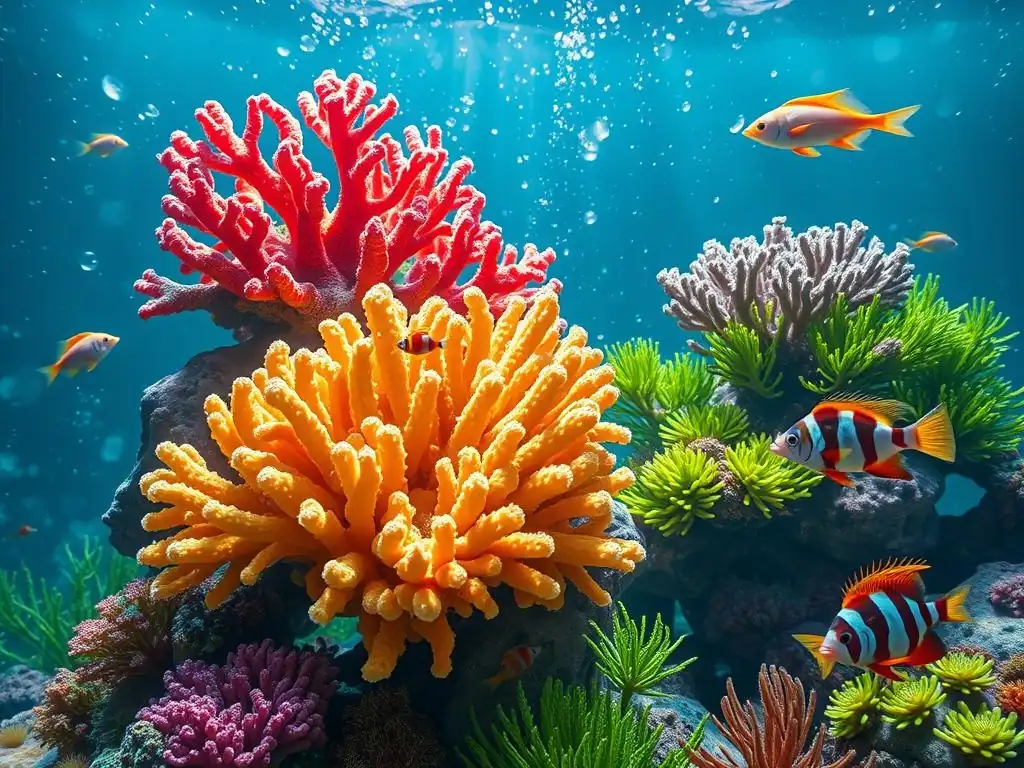
Welcome to Aquarium Mastery!
Ever wondered why your vibrant acan coral is starting to look a little… yellow? You're not alone! This guide, "Identifying Unhealthy Acans: Signs of Trouble & Swift Solutions," will help you unravel the mystery behind yellowing acan coral symptoms and equip you with the knowledge to revive your beloved LPS corals. Dive in to discover the telltale signs of stress and learn proven strategies to restore their brilliant color!
- Introduction: Recognizing Distress in Acan Corals
- Understanding Acan Coral Health: A Baseline
- Yellowing Acan Coral Symptoms: A Deep Dive
- Other Visual Signs of Unhealthy Acans
- Common Causes of Acan Coral Problems
- Swift Solutions for Unhealthy Acans: A Step-by-Step Guide
- Preventing Acan Coral Health Issues: Proactive Measures
- Conclusion: Ensuring the Long-Term Health and Vibrancy of Your Acans
-
Frequently Asked Questions
- What are some common causes of yellowing in Acan corals?
- How can I differentiate between bleaching and yellowing in my Acan coral?
- What water parameters should I check if my Acan coral is yellowing?
- What kind of lighting do Acan corals require, and how can insufficient light lead to yellowing?
- What immediate actions can I take to help a yellowing Acan coral?
- Final Reflection: Preserving the Vibrant Reef
- Rescue Your Acan: Revive Its Vibrance Now!
Introduction: Recognizing Distress in Acan Corals
Acanthastrea corals, often affectionately called Acan Lords, are highly prized by reef aquarists for their vibrant colors and captivating patterns. These Large Polyp Stony (LPS) corals, particularly species like Acanthastrea lordhowensis, add incredible aesthetic value to a home aquarium. However, like all living organisms, Acans can experience stress and decline in health if their environmental needs are not met. Recognizing the early signs of distress is crucial for their survival and the overall well-being of your reef tank.
Prompt identification of an unhealthy Acan coral can mean the difference between a minor setback and irreversible damage. Many symptoms, such as the alarming yellowing acan coral symptoms, are direct indicators of underlying issues within the aquarium's ecosystem. This guide will provide a comprehensive overview of how to assess the health of your Acans, pinpoint specific signs of trouble, and offer effective, swift solutions to help your cherished corals recover and thrive. Understanding these indicators is the first step in becoming a truly masterful aquarist.
Understanding Acan Coral Health: A Baseline
A healthy Acan coral is a joy to behold, characterized by robust growth, vibrant coloration, and full polyp extension. Establishing a baseline understanding of what a thriving Acan looks like is fundamental before you can accurately identify signs of decline. This baseline involves observing their normal appearance and behavior under optimal conditions, which include stable water parameters, appropriate lighting, and a consistent feeding regimen. Without this foundational knowledge, subtle changes that indicate stress might go unnoticed.
Furthermore, a healthy Acan colony will typically show continuous growth at its edges, with new polyps forming or existing ones increasing in size. Their tissue will appear plump and firm, adhering tightly to the coral's skeleton. Any deviation from this baseline, whether it's a change in color, reduced polyp extension, or visible tissue degradation, should prompt immediate investigation. Regular, attentive observation is the most powerful tool in an aquarist's arsenal for maintaining a flourishing reef.
The Vibrant Colors of Healthy Acan Lords
Healthy Acan Lords are renowned for their stunning and diverse color palettes, which can include brilliant reds, oranges, greens, blues, and purples, often in intricate concentric patterns. These colors are not static; they are a direct reflection of the coral's health and its symbiotic relationship with zooxanthellae algae, which reside within its tissues. A vibrant, deep coloration across the entire colony signifies a well-fed coral receiving optimal lighting and living in stable, clean water.
Conversely, any noticeable dulling, fading, or unusual discoloration, such as yellowing acan coral symptoms, can be an early warning sign of stress. For instance, a coral that was once a vivid red might begin to appear washed out or develop an uncharacteristic yellowish tint, indicating that its zooxanthellae are under stress or that nutrient levels are imbalanced. Maintaining stable parameters—specifically salinity at 1.025-1.026, alkalinity between 8-12 dKH, calcium at 400-450 ppm, and magnesium at 1300-1400 ppm—is crucial for sustaining these vibrant hues and preventing color degradation.
Polyp Extension: A Key Indicator of Acan Health
Polyp extension is one of the most immediate and reliable indicators of an Acan coral's well-being. Healthy Acans typically exhibit good polyp extension, especially during feeding times or when undisturbed by strong currents. Their fleshy polyps will be visibly inflated and extended, often revealing their intricate patterns and feeding tentacles. This active extension suggests the coral is comfortable, feeding efficiently, and its internal physiological processes are functioning optimally.
A significant reduction in polyp extension, where the polyps appear shrunken, retracted, or "balled up," is a strong signal of stress. If your Acans consistently fail to extend their polyps, even under favorable conditions, it warrants immediate investigation. This could be due to a myriad of issues, including unfavorable water parameters, insufficient flow, pest irritation, or even systemic disease. Observing this behavior over several hours or days, rather than a fleeting moment, provides a more accurate assessment of the coral's overall health status.
Yellowing Acan Coral Symptoms: A Deep Dive
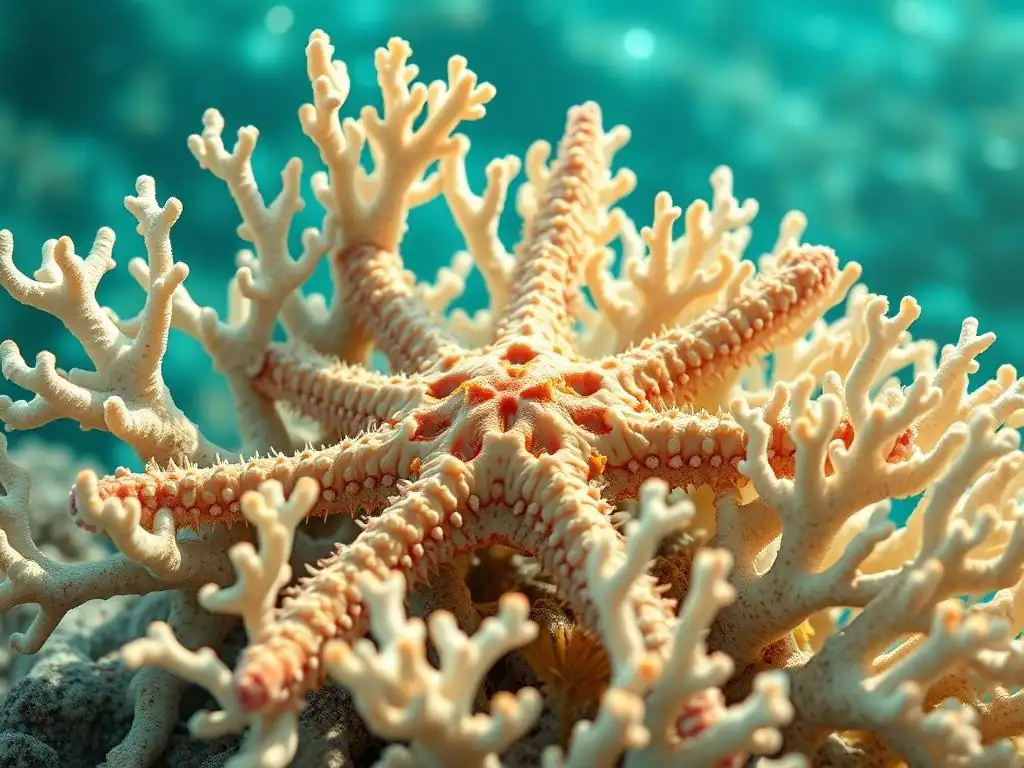
The appearance of unusual yellowing in a previously colorful Acan coral is a particularly concerning symptom for reef keepers. While some Acan species naturally display yellow hues as part of their healthy coloration, an Acan that suddenly develops a dull, sickly yellow tint where it was once a different color, or if its existing yellow brightens unnaturally, is often signaling distress. This change is frequently linked to a disruption in the coral's symbiotic relationship with its zooxanthellae, or an imbalance in the water chemistry.
Addressing yellowing acan coral symptoms requires a systematic approach to identify the root cause. It's not merely an aesthetic issue but a physiological one, indicating that the coral is struggling to maintain its internal balance. Ignoring these signs can lead to further degradation of the coral's health, ultimately resulting in tissue necrosis and potential loss of the colony. Therefore, understanding what triggers this specific discoloration and how to differentiate it from natural variations is paramount for effective intervention.
What Does Yellowing Acan Coral Indicate?
When an Acan coral begins to turn yellow, it often points to one of several underlying problems, primarily related to nutrient imbalances or lighting issues. One common cause is elevated nitrate and phosphate levels in the aquarium water. While Acans do benefit from some level of dissolved nutrients, excessively high levels (e.g., nitrates consistently above 10 ppm or phosphates above 0.03 ppm) can stress the coral, leading to a breakdown in the zooxanthellae's photosynthetic efficiency and subsequent loss of their vibrant pigments. This often manifests as a dull, yellowish-brownish hue replacing the coral's original bright colors.
Another significant factor contributing to yellowing acan coral symptoms is improper lighting. Both too little and too much light can cause this discoloration. If the light intensity is too low, the zooxanthellae may not be able to photosynthesize effectively, leading to a reduction in their population or a change in their pigment composition, resulting in a yellowed appearance.
Conversely, excessive light can lead to photoinhibition, where the coral's zooxanthellae are overwhelmed and expel their symbionts, a process that can start with a yellowish bleaching before progressing to full white bleaching. Observing the coral's position relative to light sources and measuring PAR levels (e.g., using a PAR meter to ensure Acans are receiving 50-150 PAR) can help diagnose this issue.
Distinguishing Yellowing from Natural Color Variations
It is crucial for aquarists to differentiate between an unhealthy yellowing and the natural color variations that healthy Acan corals can exhibit. Some Acanthastrea species and morphs naturally feature bright yellow, gold, or even chartreuse pigmentation as part of their inherent beauty. For example, a "Gold Acan" or a "Lemon Lime Acan" will display strong yellow tones as their healthy, intended coloration. In these cases, the yellow will be vibrant, consistent, and accompanied by full polyp extension and robust tissue.
The key distinction lies in the change from a previously established color and the overall health of the coral. If a coral that was predominantly red, blue, or green suddenly develops a dull, sickly, or patchy yellow tint, especially when accompanied by retracted polyps or tissue recession, then it is a symptom of distress.
A healthy yellow Acan will maintain its plumpness and vibrant glow, whereas an unhealthy one showing yellowing acan coral symptoms will often appear faded, dull, and potentially show signs of tissue stress around the affected areas. Observing the coral's historical appearance and comparing it to its current state is vital for accurate diagnosis.
Other Visual Signs of Unhealthy Acans
Beyond the specific concern of yellowing, Acan corals can exhibit several other visual cues that indicate poor health. These signs often point to different underlying problems, ranging from environmental stress to parasitic infestations. Recognizing these diverse symptoms is essential for a holistic approach to coral care, allowing aquarists to quickly identify and address issues before they escalate into more severe conditions. From shrinking polyps to excessive slime, each symptom offers a clue about the coral's internal state.
These visual indicators are not isolated events; they often occur in combination, providing a more comprehensive picture of the coral's distress. For example, tissue recession might be accompanied by a dulling of colors, or excessive mucus production could precede outright bleaching. Diligent observation, noting even subtle changes in appearance or behavior, is the aquarist's best defense against widespread coral decline.
Tissue Recession in Acan Corals: Causes and Concerns
Tissue recession in Acan corals is a severe sign of distress, characterized by the coral's living tissue pulling away from its skeleton, exposing the bare white calcium carbonate beneath. This process typically starts from the base of the coral or around the edges of individual polyps and can progress rapidly. It indicates that the coral is severely stressed and is literally "shrinking" due to an inability to maintain its cellular integrity and energy reserves.
The primary causes of tissue recession are often drastic fluctuations in water parameters, particularly sudden drops in alkalinity or pH, or sustained high levels of nitrates and phosphates. For instance, a sudden alkalinity swing from 10 dKH to 6 dKH within 24 hours can trigger rapid tissue loss. Furthermore, bacterial infections, parasitic infestations (like Acan-eating nudibranchs), or even prolonged physical damage can lead to this devastating symptom. Observing this symptom necessitates immediate action, as unchecked tissue recession can lead to the complete loss of the coral colony within days.
Excessive Mucus Production: Is Your Acan Stressed?
Acan corals, like many other corals, naturally produce a thin layer of mucus as a protective barrier against minor irritants and for shedding waste. However, an excessive amount of mucus, appearing as a thick, slimy coating or even stringy strands emanating from the coral, is a clear sign of severe stress or irritation. This overproduction of mucus is the coral's defense mechanism going into overdrive, attempting to slough off harmful substances or organisms.
Common triggers for excessive mucus production include sudden changes in water chemistry (e.g., a rapid temperature swing from 78°F to 85°F), exposure to toxins (like residual chemicals from tank cleaning or pest treatments), bacterial infections, or physical irritation from aggressive fish or invertebrates. For example, if a hermit crab continuously walks over an Acan, it might produce mucus in response. While a small amount of mucus is normal, a visibly thick or cloudy layer indicates significant distress and warrants immediate investigation into water parameters, tank inhabitants, and potential contaminants.
Bleaching Acans: Loss of Color and Zooxanthellae
Bleaching in Acan corals is perhaps the most visually dramatic and concerning sign of ill health, characterized by the coral losing its vibrant coloration and turning stark white or pale. This occurs when the coral expels the symbiotic zooxanthellae algae that live within its tissues. These algae are crucial for the coral's survival, providing up to 90% of its energy through photosynthesis. Without them, the coral's white skeleton becomes visible through its translucent tissue.
The most common causes of Acan coral bleaching are extreme or prolonged environmental stressors, particularly high water temperatures (e.g., sustained temperatures above 82°F / 27.8°C for several days), but also sudden drops in salinity, excessively high or low light intensity, or significant water quality issues. While yellowing acan coral symptoms might precede full bleaching, complete loss of color signifies a critical state. If the stressors are removed quickly, the coral may re-acquire its zooxanthellae and recover, but prolonged bleaching will lead to starvation and death.
Swollen or Inflated Acan Polyps: Potential Issues
While full polyp extension is a sign of health, excessively swollen or unusually inflated Acan polyps can sometimes indicate an underlying problem. This symptom is distinct from healthy, plump polyps and often appears as if the polyps are unnaturally bloated, sometimes with a translucent or 'watery' appearance. It suggests that the coral is retaining fluid or reacting to an internal or external irritant.
Possible causes for excessively swollen polyps include osmotic stress due to rapid changes in salinity (e.g., a sudden drop or rise by more than 0.002 specific gravity in a day), a bacterial infection, or even a reaction to certain types of pests. For instance, some aquarists report swelling when certain flatworms or other external parasites irritate the coral.
It is also sometimes observed in corals recovering from severe stress, where the polyps are attempting to re-inflate but are doing so with an unusual amount of fluid. Monitoring for other accompanying symptoms, such as lack of feeding response or color changes, is important when observing this behavior.
Common Causes of Acan Coral Problems
Understanding the symptoms of an unhealthy Acan is only half the battle; identifying the root cause is paramount for effective intervention. Most Acan coral problems stem from environmental stressors within the aquarium, though biological threats like pests also play a significant role. Addressing these underlying issues directly is the only way to ensure the long-term health and recovery of your prized colonies.
The stability of the reef tank environment is critical for Acans, which are less tolerant of fluctuations compared to some other coral species. Even minor deviations from optimal conditions can trigger stress responses, leading to the various symptoms discussed. A systematic approach to troubleshooting, starting with the most common culprits, is often the most efficient path to resolution.
Poor Water Quality: The Number One Culprit
Poor water quality is arguably the leading cause of stress and decline in Acan corals. Corals are highly sensitive to their aquatic environment, and imbalances in key parameters can quickly lead to physiological distress. Stable, clean water is the foundation of a thriving reef tank, and any deviation from optimal conditions can manifest as various health issues, including yellowing acan coral symptoms or tissue recession.
Regular testing and diligent maintenance are non-negotiable for Acan health. Overlooking water parameters, even for a short period, can have cumulative negative effects that become difficult to reverse. For example, a single skipped water change combined with overfeeding could lead to a rapid spike in nitrates and phosphates, stressing sensitive Acans.
Elevated Nitrate and Phosphate Levels
High levels of nitrates (NO3) and phosphates (PO4) are detrimental to Acan corals. While these compounds are essential nutrients for certain algae and bacteria, excessive concentrations can inhibit coral calcification, reduce growth rates, and contribute to the proliferation of nuisance algae that can smother corals. Ideally, nitrates should be kept below 10 ppm, and phosphates below 0.03 ppm (or even undetectable with sensitive test kits).
When nitrates consistently exceed 20 ppm or phosphates rise above 0.05 ppm, Acans can show signs of stress like browning out (due to an overpopulation of zooxanthellae trying to utilize the excess nutrients), dulling of colors, and in severe cases, the dreaded yellowing acan coral symptoms. These elevated nutrients can also promote bacterial growth that might lead to bacterial infections in weakened corals. Implementing effective nutrient export methods, such as regular water changes, protein skimming, and the use of GFO (granular ferric oxide) or biopellets, is crucial for maintaining low nutrient levels.
Unstable Alkalinity and pH
Alkalinity (dKH) and pH are two of the most critical and interconnected water parameters for Acan corals. Alkalinity represents the water's buffering capacity and the availability of carbonate ions, which corals use to build their skeletons. pH, on the other hand, measures the acidity or alkalinity of the water. Acans thrive in stable conditions, with alkalinity ideally maintained between 8-12 dKH and pH between 8.0-8.4.
Fluctuations outside these ranges, or rapid swings, can severely stress Acans. For instance, a sudden drop in alkalinity from 10 dKH to 7 dKH can lead to immediate tissue recession or a failure to extend polyps. Similarly, a pH crash below 7.8 can hinder calcification and cause metabolic stress. Inconsistent dosing of calcium and alkalinity supplements, infrequent water changes, or a lack of proper aeration can all contribute to instability. Consistent monitoring (daily or every other day) and precise dosing are essential to prevent these detrimental swings.
Inadequate Lighting for Acan Corals
Lighting is a fundamental energy source for Acan corals, which rely heavily on their symbiotic zooxanthellae for nutrition. However, too much or too little light can lead to significant stress and health problems. Acan corals are generally considered moderate-to-low light corals, meaning they do not require intensely bright illumination. Placing them under excessively strong lights can cause photoinhibition or even outright bleaching.
Conversely, insufficient light can also be detrimental. If an Acan is placed in a dimly lit area, its zooxanthellae may not be able to photosynthesize enough to provide the coral with adequate energy. This can lead to the coral slowly starving, resulting in dull coloration, lack of growth, and potentially yellowing acan coral symptoms as the zooxanthellae population declines or changes. Aquarists typically aim for PAR (Photosynthetically Active Radiation) levels between 50-150 for Acans, depending on the specific species and tank setup. Observing the coral's response to its current lighting and adjusting its placement accordingly is key.
Insufficient or Improper Feeding of Acans
While Acan corals derive a significant portion of their energy from photosynthesis, they are also active filter feeders and require supplemental feeding to truly thrive. Insufficient or improper feeding can lead to a gradual decline in health, even if water parameters are otherwise optimal. These corals possess relatively large polyps that can capture and consume various food particles.
A lack of regular target feeding can result in slow growth, dull colors, and reduced polyp extension over time. Acans benefit from being fed small, meaty foods such as mysis shrimp, brine shrimp, copepods, or specialized coral foods designed for LPS corals. Feeding too large a particle, or feeding too infrequently, can lead to nutritional deficiencies.
Conversely, overfeeding can contribute to poor water quality. A balanced approach, feeding small amounts a few times a week, is generally recommended to ensure your Acans receive the necessary nutrients for robust health and vibrant coloration, preventing symptoms like fading or yellowing acan coral symptoms that can be linked to nutritional stress.
Pests and Predators Affecting Acan Lords
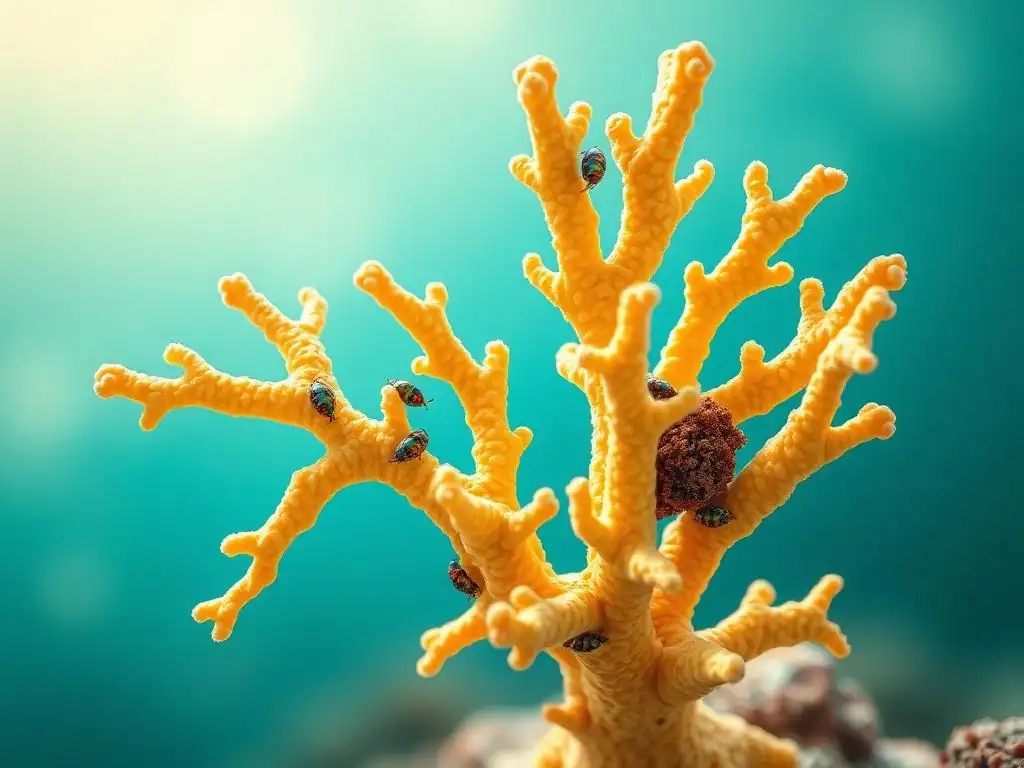
Even with perfect water parameters and feeding, Acan corals can fall victim to various pests and predators. These organisms can cause direct physical damage, stress the coral, or consume its tissue, leading to rapid decline if not identified and removed quickly. Vigilance and careful inspection are crucial to protect your Acan colonies from these biological threats.
Many of these pests are camouflaged or nocturnal, making them difficult to spot without diligent observation. A new coral addition, even if dipped, can inadvertently introduce these unwanted guests into your system. Understanding the common culprits and their tell-tale signs of damage is vital for timely intervention.
Acan Eating Nudibranchs
Acan eating nudibranchs, particularly species like Phestilla melanobrachia, are highly specialized predators that feed exclusively on Acan corals. These nudibranchs are notoriously difficult to spot because they are often camouflaged to match the color and texture of the Acan coral they are consuming. They are small, typically ranging from a few millimeters to about a centimeter in length.
The presence of these nudibranchs is usually indicated by localized tissue loss on the Acan, often appearing as small, irregular patches of exposed skeleton. Aquarists might also notice small, white, spiral-shaped egg clutches laid on the coral skeleton or nearby rockwork. If you suspect Acan eating nudibranchs, a freshwater dip or a species-specific coral dip can help dislodge them, allowing for manual removal. Regular inspection, especially at night with a red light, can aid in early detection and prevent widespread damage.
Montipora Eating Nudibranchs
While the name suggests they target Montipora corals, it's a common misconception that Montipora eating nudibranchs ( Phestilla sibogae) are exclusive to SPS corals. In reality, these nudibranchs can sometimes graze on the polyps of other corals, including LPS like Acans, especially if their preferred food source is scarce. While less common than dedicated Acan eaters, their presence should not be overlooked.
Montipora eating nudibranchs are typically white or translucent and can be challenging to see. Their damage on Acans might appear as small, circular lesions or general irritation where polyps are retracted. Similar to Acan eating nudibranchs, their egg masses are distinctive white spirals. If you have a mixed reef tank and notice unexplained irritation on your Acans, and you also have Montipora, it's worth considering these pests. Treatment typically involves coral dips and manual removal.
Physical Damage to Acan Colonies
Physical damage is a straightforward yet often overlooked cause of Acan coral problems. Acans, with their fleshy polyps, are susceptible to injury from various sources within the aquarium. Even seemingly minor damage can create entry points for bacterial infections or lead to localized tissue necrosis.
Common sources of physical damage include:
- Aggressive fish: Some fish, such as certain angelfish or butterflyfish, are known coral nippers.
- Invertebrates: Hermit crabs, snails, or even other corals in too close proximity can irritate or abrade Acan tissue. A hermit crab constantly crawling over an Acan, for example, can cause irritation and stress.
- Falling rockwork or equipment: Accidental displacement of tank decorations or equipment can crush or abrade corals.
- Strong, direct flow: While Acans need moderate flow, a direct, laminar jet can cause tissue stripping or constant irritation, leading to retraction and potential damage.
- Handling during fragging or moving: Improper handling can cause tears or bruising to the delicate coral tissue.
Any visible tear, abrasion, or bruise on the Acan's tissue should be monitored closely. If the damage is significant, it can lead to secondary infections, tissue recession, or even yellowing acan coral symptoms around the injured area as the coral attempts to heal or expel damaged cells.
Swift Solutions for Unhealthy Acans: A Step-by-Step Guide
Once you've identified that your Acan coral is unhealthy and have a hypothesis about the cause, implementing swift and targeted solutions is paramount. Procrastination can lead to irreversible damage. This section outlines a systematic approach to addressing common Acan health issues, from water parameter adjustments to pest removal, ensuring you have a clear action plan.
The key to successful intervention is to act methodically, changing one variable at a time where possible, and observing the coral's response. This allows you to pinpoint the exact cause and confirm the effectiveness of your solution. A rapid response, coupled with patience, often yields positive results.
Testing and Adjusting Water Parameters
The first and most crucial step when an Acan shows signs of distress, such as yellowing acan coral symptoms or tissue recession, is to thoroughly test your aquarium water parameters. This provides objective data to confirm or rule out water quality as the primary culprit. Use reliable, recently calibrated test kits for accuracy.
Focus on the following parameters:
- Salinity: Maintain a stable 1.025-1.026 specific gravity. Use a refractometer calibrated with 35 ppt solution.
- Temperature: Keep it stable between 76-79°F (24.4-26.1°C). Avoid fluctuations greater than 1-2°F within 24 hours.
- Alkalinity (dKH): Aim for 8-12 dKH. If low, dose a balanced buffer. If high, reduce dosing or perform water changes.
- Calcium (ppm): Target 400-450 ppm. Adjust dosing based on demand.
- Magnesium (ppm): Maintain 1300-1400 ppm. Magnesium helps stabilize alkalinity and calcium.
- Nitrates (ppm): Keep below 10 ppm, ideally closer to 0-5 ppm.
- Phosphates (ppm): Keep below 0.03 ppm, ideally undetectable.
- pH: Maintain 8.0-8.4. Ensure adequate gas exchange.
If any parameters are significantly off, make gradual adjustments over several days rather than drastic changes. Rapid swings can stress corals even more. For instance, if alkalinity is at 6 dKH, raise it by no more than 0.5-1 dKH per day until it's within the target range.
Regular Water Changes
Regular partial water changes are one of the most effective ways to maintain stable water parameters and export accumulated nutrients and toxins. For a reef tank with Acans, a weekly or bi-weekly water change of 10-20% of the tank volume is generally recommended. This practice helps replenish trace elements, dilute nitrates and phosphates, and refresh the water's buffering capacity.
When performing water changes for stressed Acans, ensure the new saltwater is precisely matched in temperature and salinity to the tank water to prevent osmotic shock. Use high-quality salt mix and RODI (Reverse Osmosis Deionized) water to avoid introducing impurities. For example, if your nitrates are consistently above 20 ppm, increasing your weekly water change to 25% for a few weeks might help bring them down more rapidly, along with other nutrient export methods.
Proper Filtration and Skimming
Effective mechanical, biological, and chemical filtration are essential for maintaining pristine water quality for Acans. A robust protein skimmer is highly recommended for removing organic waste before it breaks down into nitrates and phosphates. Ensure your skimmer is properly sized for your tank and cleaned regularly to maintain efficiency.
Beyond skimming, consider chemical filtration media such as GFO (granular ferric oxide) for phosphate removal, activated carbon for removing dissolved organic compounds and yellowing agents, and specialized resins for nitrate reduction. Mechanical filtration, like filter socks or sponges, should be cleaned or replaced frequently (e.g., every 2-3 days) to prevent them from becoming nitrate factories. A well-designed sump with dedicated sections for these filtration methods can significantly improve water quality and prevent issues like yellowing acan coral symptoms caused by nutrient accumulation.
Optimizing Lighting Conditions for Acans
If yellowing acan coral symptoms or bleaching are observed, especially if other water parameters are stable, re-evaluating your lighting setup is critical. Acans prefer moderate-to-low light. If they are placed too high in the tank or directly under very intense lights, they may be receiving too much PAR.
Steps to optimize lighting:
- Measure PAR: If possible, use a PAR meter to measure the Photosynthetically Active Radiation at the coral's location. Aim for 50-150 PAR for most Acans.
- Adjust Light Intensity: If PAR is too high, lower the light fixture, reduce the intensity setting on your LED lights, or increase the duration of dimming periods.
- Relocate the Coral: If dimming isn't an option, move the Acan to a lower, shadier spot in the aquarium. For example, relocate a yellowing Acan from the top third of the tank to the bottom third, especially under an overhang or partially shaded area.
- Increase Light (if too low): If the coral appears dull and is in a very dim area, it might need more light. Gradually move it to a slightly brighter spot or increase light intensity incrementally over several days to avoid shocking it.
Observe the coral's response over a few days. A positive change would be the return of vibrant colors and improved polyp extension.
Implementing a Consistent Feeding Schedule
If your Acan corals are showing signs of nutritional stress, such as slow growth, fading, or subtle yellowing acan coral symptoms, implementing a consistent and appropriate feeding schedule is vital. Acans are carnivorous and benefit significantly from target feeding.
Target Feeding Acan Polyps
Target feeding ensures that the food directly reaches the coral's polyps, maximizing nutrient uptake and minimizing waste in the water column.
- Turn off circulation pumps: Temporarily turn off powerheads and return pumps to prevent food from being immediately swept away.
- Prepare food: Thaw a small amount of meaty food (e.g., mysis shrimp, brine shrimp, copepods, or specialized LPS pellet/powder food) in a small cup with tank water.
- Use a pipette or turkey baster: Gently squirt the food directly onto the open polyps of the Acan. The polyps should visibly react by attempting to capture the food.
- Observe consumption: Allow 10-15 minutes for the coral to consume the food before turning circulation back on.
- Frequency: Feed 2-3 times per week, or more frequently for very small or newly acquired frags.
This direct approach ensures your Acans receive the specific nutrients they need to recover and maintain their vibrant health.
Selecting Appropriate Acan Coral Foods
Choosing the right type and size of food is crucial for effective feeding. Acan corals have relatively large mouths and can consume a variety of meaty foods.
- Mysis Shrimp: A staple for many LPS corals, mysis shrimp are highly nutritious and readily accepted.
- Brine Shrimp (enriched): While less nutritious than mysis, enriched brine shrimp can be a good option, especially for smaller polyps.
- Copepods and Rotifers: Excellent live food sources, particularly beneficial for newly acquired or stressed corals, providing natural prey.
- Specialized LPS Coral Foods: Many manufacturers offer powdered or pelletized foods specifically formulated for LPS corals, containing a blend of proteins, amino acids, and fatty acids. Ensure the particle size is appropriate for Acan polyps (typically 100-500 microns for powders, or small pellets).
Avoid feeding excessive amounts at once, as uneaten food will decompose and contribute to nutrient buildup. A small, consistent feeding regimen is more beneficial than large, infrequent meals.
Identifying and Removing Pests
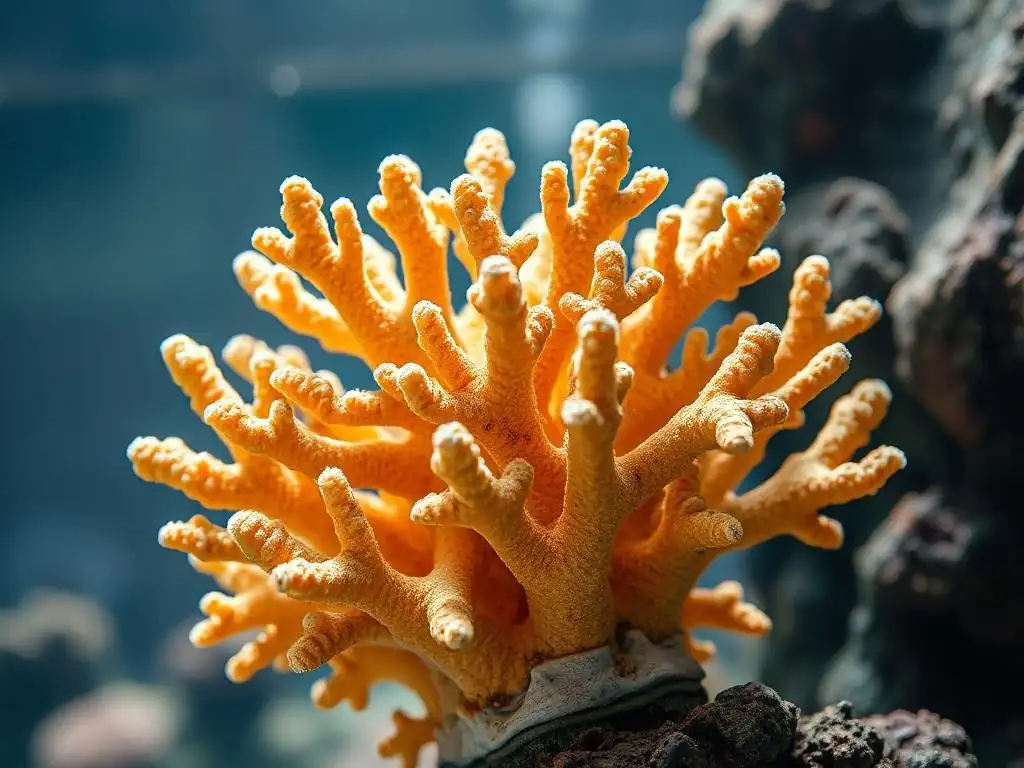
If water parameters and lighting are optimized, and your Acans are still declining, especially with localized tissue loss or unusual behavior, pests and predators become a prime suspect. Early detection and removal are critical to prevent widespread infestation.
Dips and Treatments for Acan Corals
Coral dips are a common first line of defense against external parasites like nudibranchs, flatworms, and various hitchhikers.
- Prepare the dip: Follow the manufacturer's instructions for a coral dip solution (e.g., hydrogen peroxide dip, iodine-based dip, or commercial coral dip products). Use a separate container with tank water and the correct dosage of the dip solution.
- Gentle agitation: Carefully place the affected Acan frag or colony into the dip solution. Gently agitate the coral (e.g., by gently swirling the container or using a small turkey baster to squirt water over it) for the recommended duration (usually 5-15 minutes). This helps dislodge pests.
- Inspection and removal: After the dip, carefully inspect the coral with a magnifying glass. Use tweezers or a soft brush to manually remove any visible pests, egg masses, or dead tissue.
- Rinse: Rinse the coral thoroughly in a separate container of clean tank water before returning it to the display tank.
- Repeat: For persistent infestations, repeat the dipping process every few days as recommended by the product instructions, especially to target newly hatched pests.
While dips are effective, they can stress the coral. Monitor the Acan closely after dipping for signs of recovery or continued stress.
Quarantine Procedures for Affected Corals
For severe infestations or when introducing new corals, a dedicated quarantine tank (QT) is invaluable. A QT allows you to observe, dip, and treat affected Acans without risking the rest of your display tank.
- Set up a basic QT: A simple 10-20 gallon tank with a heater, small powerhead for flow, and an air stone for aeration is sufficient. No substrate or elaborate rockwork is needed, making it easy to keep clean.
- Medication and observation: If a specific pest or bacterial infection is suspected, the QT allows for targeted medication without harming the main tank's inhabitants or beneficial bacteria.
- Isolate and monitor: Keep the affected Acan in the QT for several weeks (e.g., 4-6 weeks) to ensure all pests are eradicated and the coral shows signs of recovery before reintroducing it to the main display. This also helps prevent the spread of diseases.
This proactive measure can save your entire reef from a devastating pest outbreak.
Addressing Physical Damage and Preventing Further Harm
If physical damage is the cause of your Acan's distress, immediate action is needed to prevent further harm and promote healing.
- Identify the source: Determine what caused the damage. Is it an aggressive fish, an invertebrate, or unstable rockwork?
- Remove or mitigate the threat:
- Aggressive tank mates: If a fish is nipping, consider relocating the fish or providing more hiding spots to reduce aggression.
- Invertebrates: Move hermit crabs or snails that are constantly irritating the Acan. You might need to place the Acan on a frag plug higher up on the rockwork.
- Unstable rockwork: Secure any loose rockwork to prevent falls.
- Flow: Adjust powerhead placement to ensure moderate, indirect flow around the Acan, avoiding direct blasts.
- Promote healing: Maintain pristine water quality, provide consistent feeding, and ensure stable parameters to support the coral's natural healing process. If the damage is severe (e.g., a large tear or exposed skeleton), some aquarists apply a coral "glue" (cyanoacrylate gel) to seal the wound and prevent secondary bacterial infections, though this should be done with extreme care.
Regular observation can help catch minor physical irritations before they escalate into significant damage, preventing symptoms like yellowing acan coral symptoms or tissue necrosis that can stem from prolonged irritation.
Preventing Acan Coral Health Issues: Proactive Measures
The best approach to Acan coral care is prevention. By proactively maintaining optimal tank conditions, selecting healthy specimens, and adhering to strict acclimation protocols, you can significantly reduce the likelihood of encountering health issues. A stable, well-managed reef environment is the strongest defense against stress and disease.
Investing time in preventative measures not only saves you from the stress of troubleshooting unhealthy corals but also ensures your Acans continue to flourish with their captivating beauty for years to come. Consistency and attention to detail are the hallmarks of a successful reef aquarist.
Regular Observation and Monitoring
Consistent and thorough observation of your Acan corals is the cornerstone of proactive health management. Make it a routine to visually inspect each colony daily for any subtle changes in color, polyp extension, tissue integrity, or the presence of pests. Early detection of issues is often the key to successful intervention.
Pay attention to:
- Color changes: Is a vibrant red turning dull or showing yellowing acan coral symptoms?
- Polyp extension: Are polyps consistently retracted or unusually inflated?
- Tissue appearance: Is the tissue plump and healthy, or is it receding from the skeleton?
- Mucus production: Is there excessive slime on the coral?
- New growths or lesions: Are there any unusual spots, tears, or signs of pests?
Keeping a small log of your observations can help you track trends and identify problems before they become severe. For instance, noting a slight reduction in polyp extension for two consecutive days might prompt an early water test, preventing a full-blown issue.
Maintaining Optimal Tank Conditions
Maintaining stable and optimal water parameters is the single most important preventative measure for Acan corals. Fluctuations are far more stressful than consistently slightly off parameters. Aim for consistency across all key parameters:
- Salinity: 1.025-1.026 SG. Use an ATO (auto top-off) system to prevent salinity swings from evaporation.
- Temperature: 76-79°F (24.4-26.1°C). Use a reliable heater and thermometer, and consider a temperature controller for added safety.
- Alkalinity, Calcium, Magnesium: Maintain target ranges (8-12 dKH, 400-450 ppm Ca, 1300-1400 ppm Mg) with consistent dosing or regular water changes. Test these parameters at least weekly.
- Nitrates & Phosphates: Keep them low (nitrates <10 ppm, phosphates <0.03 ppm) through diligent feeding, proper filtration, and regular water changes.
- Flow: Provide moderate, indirect flow that gently sways the polyps without blasting them.
- Lighting: Ensure appropriate PAR levels (50-150 PAR) for your Acans, avoiding direct intense light.
A well-maintained tank with stable parameters drastically reduces stress on Acans, preventing issues such as yellowing acan coral symptoms and tissue necrosis.
Choosing Healthy Acan Frags or Colonies Initially
The health of your Acans begins at the point of purchase. Selecting robust, healthy frags or colonies from a reputable source can prevent many future problems. A healthy Acan will show:
- Full polyp extension: Polyps should be plump and extended, not retracted or shrunken.
- Vibrant, consistent coloration: Colors should be deep and uniform across the colony, without dull patches or signs of unnatural fading or yellowing.
- No exposed skeleton: All skeletal areas should be covered with healthy tissue.
- No visible pests: Carefully inspect the coral and its frag plug for any signs of nudibranchs, flatworms, or other unwanted hitchhikers.
- Clean base: The frag plug or base of the colony should be free of nuisance algae.
Avoid purchasing corals that are showing signs of stress like retracted polyps, bleached spots, tissue recession, or any uncharacteristic yellowing acan coral symptoms. A healthy start significantly increases the likelihood of long-term success.
Proper Acclimation Procedures for New Acans
Even the healthiest Acan can be severely stressed if not properly acclimated to its new environment. Acclimation gradually introduces the coral to your tank's specific water parameters, minimizing shock.
- Temperature Acclimation: Float the sealed bag containing the coral in your sump or display tank for 15-30 minutes to equalize temperature.
- Drip Acclimation (for salinity/pH): After temperature acclimation, open the bag and carefully pour the coral and its water into a clean container. Use airline tubing and a knot or valve to create a slow drip from your display tank into the container. Aim for a drip rate that doubles the volume of water in the container over 30-60 minutes. This slowly adjusts the coral to your tank's salinity and pH.
- Coral Dip: Before placing the coral in your display tank, perform a prophylactic coral dip (as described previously) to remove any potential pests that might have come with it.
- Placement: Place the newly acclimated Acan in a moderate-to-low flow and light area initially. Observe its response over the next few days before moving it to its final desired location.
Proper acclimation prevents immediate stress responses like polyp retraction, excessive mucus production, and helps avoid the onset of yellowing acan coral symptoms that can occur from rapid environmental changes.
Conclusion: Ensuring the Long-Term Health and Vibrancy of Your Acans
Acanthastrea corals are truly magnificent additions to any reef aquarium, renowned for their intricate patterns and dazzling array of colors. However, their beauty comes with a responsibility: understanding and addressing their specific needs. Recognizing the early signs of distress, from subtle changes in polyp extension to alarming yellowing acan coral symptoms and tissue recession, is paramount for their survival and long-term vibrancy.
By diligently monitoring water parameters, optimizing lighting and feeding, proactively managing pests, and implementing swift, targeted solutions, you can help your Acans overcome challenges and thrive. Prevention, through consistent tank maintenance, careful coral selection, and proper acclimation, remains the most effective strategy for ensuring a flourishing Acan colony. With attentive care and a deep understanding of their requirements, your Acan Lords will continue to be a captivating centerpiece, rewarding your efforts with their enduring beauty and robust health.
Frequently Asked Questions
What are some common causes of yellowing in Acan corals?
Yellowing can indicate several issues, including poor water quality, insufficient lighting, or a lack of essential nutrients. It's crucial to investigate these factors promptly.
How can I differentiate between bleaching and yellowing in my Acan coral?
Bleaching typically results in a completely white or pale appearance, whereas yellowing presents as a yellowish or brownish discoloration. Observe the color change carefully.
What water parameters should I check if my Acan coral is yellowing?
Focus on testing your alkalinity, calcium, and magnesium levels, as imbalances can stress corals. Also, check for elevated nitrates and phosphates.
What kind of lighting do Acan corals require, and how can insufficient light lead to yellowing?
Acan corals generally prefer moderate lighting. Insufficient light can hinder photosynthesis, causing the coral to rely on stored energy, leading to tissue degradation and yellowing.
What immediate actions can I take to help a yellowing Acan coral?
First, perform a partial water change to improve water quality. Then, carefully evaluate your lighting and consider adjusting it. You might also try targeted feeding with a coral-specific food.
Final Reflection: Preserving the Vibrant Reef
The health of our reef ecosystems, even in miniature within our aquariums, is inextricably linked to the well-being of the planet. Recognizing and addressing the subtle signs of distress in corals like Acans, especially the concerning yellowing that signals deeper problems, is not just about maintaining a beautiful display; it's about fostering a responsible and proactive approach to conservation. The knowledge shared here empowers aquarists to become vigilant stewards, capable of intervening before irreversible damage occurs.
The delicate balance within a reef tank mirrors the fragility of the natural world. My own journey into reef keeping has underscored the profound responsibility we bear when we bring a piece of the ocean into our homes. We are tied to the ocean. And when we go back to the sea, whether it is to sail or to watch it, we are going back from whence we came.
- John F. Kennedy. This quote encapsulates the deep connection we have with the ocean, a connection that demands respect and diligent care, especially when dealing with sensitive organisms like Acan corals.
Now, armed with the knowledge to identify and address the "Yellowing Acan Coral Symptoms," I urge you to become an active participant in the health of your reef. Observe closely, react swiftly, and share your experiences with others. Let's cultivate not only thriving Acans, but also a deeper understanding and appreciation for the intricate beauty and vulnerability of our marine ecosystems. Your dedication, no matter how small it may seem, contributes to a larger movement of conservation and respect for the ocean's wonders.
Rescue Your Acan: Revive Its Vibrance Now!
Thanks for diving into the world of Acan health! We hope this guide empowered you to spot the subtle signs and act quickly to restore your coral's brilliance. Now, let's put that knowledge to work.
Here are some immediate steps you can take:
- Prioritize Acan Recovery: Carefully examine your Acan colony now. If you see any warning signs, make sure to adjust water parameters slowly to bring them back to optimal levels, focusing on alkalinity, calcium, and magnesium.
- Share Your Success: Post a photo of your healthy Acan (or a "before & after" of a rescued one!) on social media with #AcanRecovery.
- Expand Your Knowledge: Research common Acan pests and diseases to recognize early stages of infections.
What specific water parameter are you going to test first to ensure your Acan thrives?