
Fertilizing Your Foreground: Targeted Nutrients for Carpeting Plants

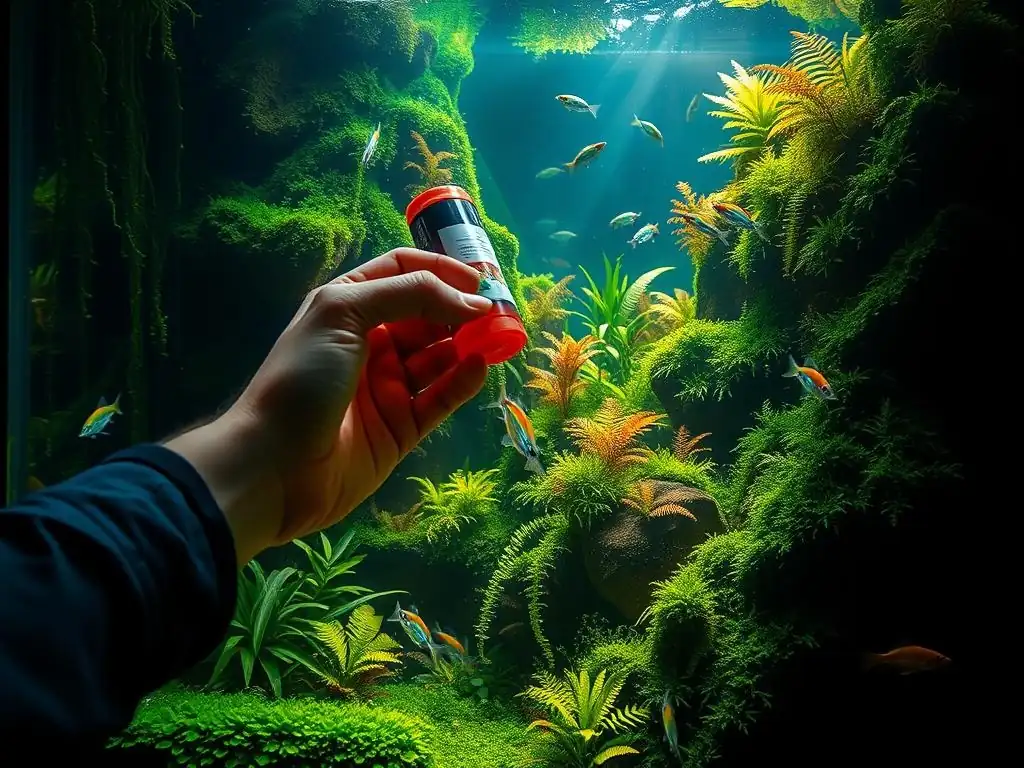
Welcome to Aquarium Mastery, your ultimate guide to a thriving underwater world! Ever dreamed of a lush, verdant carpet blanketing the bottom of your aquarium? Fertilizing your foreground is the key, but getting it right can be tricky. Dive in to discover the secrets to targeted nutrients for your carpeting plants and unlock the breathtaking beauty of a truly flourishing aquatic landscape. Ready to cultivate your dream aquascape?
- Understanding the Nutritional Needs of Carpeting Aquarium Plants
- Choosing the Right Fertilizers for Your Carpeting Plants
- Fertilization Strategies for Different Carpeting Plant Species
- Diagnosing Nutrient Deficiencies in Carpeting Plants
-
Step-by-Step Guide to Fertilizing Carpeting Plants
- Step 1: Assessing Your Tank's Current Nutrient Levels
- Step 2: Selecting the Appropriate Fertilizer Type
- Step 3: Calculating the Correct Fertilizer Dosage [Based on Tank Size and Plant Mass]
- Step 4: Applying Liquid Fertilizers Effectively
- Step 5: Inserting Root Tabs Properly
- Step 6: Monitoring Plant Health and Adjusting Fertilization
- Avoiding Common Fertilization Mistakes with Carpeting Plants
- Maintaining Long-Term Health of Your Carpeting Plant Aquarium
- Troubleshooting Common Carpeting Plant Problems Through Fertilization
-
Frequently Asked Questions
- What are carpeting plants in an aquarium and why are they challenging to grow?
- Why is fertilization so important for carpeting plants in aquariums?
- What kind of fertilizers are best suited for carpeting plants?
- How often should I fertilize my carpeting plants?
- Can I over-fertilize my carpeting plants, and what are the potential consequences?
- Final Reflection: Cultivating Underwater Gardens
- Nurture Your Substrate: Watch Your Carpet Thrive!
Understanding the Nutritional Needs of Carpeting Aquarium Plants
Why Carpeting Plants Need Specialized Fertilization
Carpeting plants, such as Dwarf Hairgrass (Eleocharis parvula) and Monte Carlo (Micranthemum 'Monte Carlo'), possess a unique growth habit characterized by dense, low-growing coverage across the aquarium substrate. This dense growth, while aesthetically pleasing, places a high demand on nutrient availability. Unlike taller stem plants or epiphytes, carpeting plants often have extensive root systems that draw heavily from the substrate, but also absorb nutrients directly from the water column through their leaves. Their rapid propagation and high surface area for photosynthesis necessitate a consistent and abundant supply of both macro and micronutrients.
Furthermore, the sheer density of a thriving carpet creates significant competition among individual plant stems for light and nutrients. If nutrients are not readily available in both the substrate and the water column, the carpet can quickly show signs of stress, including stunted growth, yellowing, or even melting. Therefore, effective carpeting plants aquarium fertilization requires a dual approach, addressing both root-feeding and water column absorption to ensure uniform, lush growth and prevent nutrient deficiencies from impacting the overall aesthetic and health of the foreground.
Essential Nutrients for Healthy Carpeting Plant Growth
Just like terrestrial plants, aquatic carpeting plants require a balanced diet of essential macro and micronutrients to thrive. These nutrients are the building blocks for cell growth, photosynthesis, and overall plant metabolism. Without adequate levels, even with optimal lighting and CO2 injection, plant growth will be severely limited, and visible signs of deficiency will quickly manifest, compromising the vibrant green appearance of your carpet.
While light and carbon dioxide (CO2) are crucial primary drivers for photosynthesis, they cannot compensate for nutrient deficiencies. A plant effectively uses light energy and CO2 to convert available nutrients into biomass. If any essential nutrient is lacking, the entire process slows down, leading to poor growth, susceptibility to algae, and a generally unhealthy-looking carpet. Thus, understanding and providing these vital elements is fundamental to successful carpeting plants aquarium fertilization.
Macronutrients: NPK for Lush Carpets
Macronutrients are required in larger quantities by plants and are typically referred to as NPK: Nitrogen (N), Phosphorus (P), and Potassium (K). Nitrogen is vital for leafy growth and the production of chlorophyll, which gives plants their green color. A deficiency often results in overall yellowing, particularly of older leaves. Phosphorus is crucial for energy transfer, root development, and flower/seed formation (though less relevant for vegetative aquatic plants). It plays a role in DNA and RNA synthesis.
Potassium is an essential nutrient for overall plant health, regulating water balance, enzyme activation, and nutrient transport within the plant. It contributes to stronger cell walls and increased disease resistance. For a robust carpet, typical target ranges in the water column might be 5-20 ppm for nitrates, 0.5-2 ppm for phosphates, and 10-30 ppm for potassium. Maintaining these levels through consistent carpeting plants aquarium fertilization ensures that your plants have the necessary building blocks for dense, vibrant growth.
Micronutrients: Trace Elements and Their Role
Micronutrients, also known as trace elements, are needed in much smaller quantities than macronutrients, but they are equally critical for plant health. These include Iron (Fe), Manganese (Mn), Zinc (Zn), Boron (B), Copper (Cu), and Molybdenum (Mo). They act as co-factors in various enzymatic reactions, play roles in chlorophyll formation, and are integral to overall metabolic processes within the plant.
Iron, in particular, is extremely important for aquatic plants, especially for preventing chlorosis (yellowing between leaf veins) and promoting vibrant green coloration. It is a key component of chlorophyll and various enzymes. While required in trace amounts (e.g., 0.05-0.1 ppm for chelated iron), iron deficiencies can quickly lead to pale new growth and stunted development. These trace elements are often rapidly depleted in a heavily planted aquarium, making their regular supplementation through carpeting plants aquarium fertilization essential for sustained, healthy growth.
Choosing the Right Fertilizers for Your Carpeting Plants
Liquid Fertilizers: Quick Absorption for Carpeting Plants
Liquid fertilizers are designed to deliver nutrients directly into the water column, making them immediately available for absorption by plants through their leaves. This method is particularly effective for carpeting plants like Monte Carlo, which can derive a significant portion of their nutrient intake from the water column, even if they also have a root system. Liquid fertilizers offer a quick boost to nutrient levels and are excellent for addressing immediate deficiencies or maintaining consistent nutrient availability.
These fertilizers come in various forms, including all-in-one solutions that contain a blend of macro and micronutrients, or specialized solutions focusing on specific elements (e.g., iron supplements, NPK solutions). Dosing frequency can range from daily to weekly, depending on the product and the tank's demands. Consistent daily or every-other-day micro-dosing is often preferred in high-tech setups to maintain stable nutrient levels, which is crucial for encouraging the dense, horizontal spread characteristic of successful carpeting plants aquarium fertilization.
Substrate Fertilizers: Slow-Release Nutrients for Rooted Growth
For carpeting plants that are heavy root feeders, such as Dwarf Hairgrass or Staurogyne Repens, nutrient-rich substrates or the targeted application of substrate fertilizers are paramount. These fertilizers provide a localized, long-term supply of nutrients directly to the root zone, where these plants can efficiently absorb them. This method is vital for establishing and maintaining a robust, deep-rooted carpet, providing a stable foundation for the plant's growth.
Substrate fertilizers are typically formulated for slow release, meaning they gradually release nutrients over several months. This slow release mechanism helps prevent sudden nutrient spikes in the water column, which can otherwise contribute to algae issues. By providing a steady supply of essential nutrients directly where the roots can access them, substrate fertilization ensures that even the most demanding carpeting plants receive the consistent nutrition they need without overwhelming the water column, optimizing the effectiveness of carpeting plants aquarium fertilization.
Root Tabs for Carpeting Plants: A Targeted Approach
Root tabs are a specific type of substrate fertilizer, consisting of concentrated nutrient pellets or capsules designed to be inserted directly into the substrate beneath the plants. They are an excellent targeted approach for providing nutrients to established carpeting plants, or for boosting growth in specific areas of the carpet. Root tabs typically contain a rich blend of essential nutrients, often including high levels of iron, potassium, and various trace elements, along with some nitrogen and phosphorus.
The application involves using tweezers to push the tabs deep into the substrate, directly under the roots of the carpeting plants, ensuring minimal disturbance to the tank's aesthetic. Depending on the brand and formulation, root tabs can last anywhere from 3 to 6 months before needing replacement. For a dense carpet, it's often recommended to space them out every 3-6 inches. Their slow-release nature makes them a highly effective and long-lasting component of a comprehensive carpeting plants aquarium fertilization strategy, especially for root-heavy species.
CO2 Injection: Enhancing Nutrient Uptake in Carpeting Plants
While not a fertilizer in the traditional sense, Carbon Dioxide (CO2) injection is a critical component for enhancing nutrient uptake and promoting vigorous growth in most carpeting plants. CO2 serves as the primary carbon source for photosynthesis, the process by which plants convert light energy into chemical energy for growth. Without adequate CO2 levels (typically 25-30 ppm in a high-tech planted tank), plants cannot efficiently utilize available light or nutrients, leading to stunted growth, even if all other nutrient levels are optimal.
Furthermore, CO2 injection subtly lowers the pH of the aquarium water, which can improve the bioavailability of certain nutrients, particularly iron, making them more accessible for plant absorption. In a high-light, high-CO2 environment, the metabolic rate of carpeting plants significantly increases, leading to a much higher demand for macro and micronutrients. Therefore, integrating CO2 injection with a robust carpeting plants aquarium fertilization regimen is essential for achieving the dense, vibrant carpet desired by most aquarists.
Fertilization Strategies for Different Carpeting Plant Species
Fertilizing Dwarf Hairgrass (Eleocharis parvula): A Specific Guide
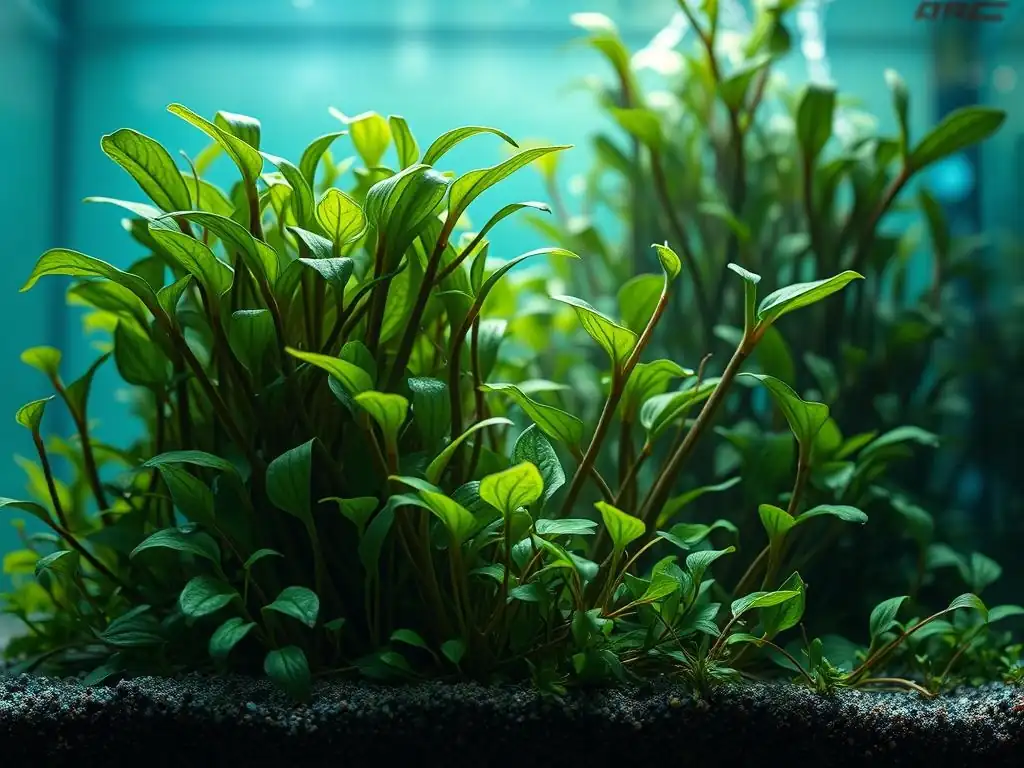
Dwarf Hairgrass (Eleocharis parvula) is a popular carpeting plant known for its fine, grass-like blades. To achieve a dense, lush carpet, it requires high light, consistent CO2, and a nutrient-rich substrate. While it does absorb some nutrients from the water column, its primary feeding mechanism is through its extensive root system. Therefore, a dual approach combining both substrate fertilization and water column dosing is most effective for Dwarf Hairgrass.
For initial planting and establishment, a nutrient-rich aquasoil or the immediate insertion of root tabs (e.g., one tab every 4-6 inches) directly beneath the clumps is highly recommended. Once established, consistent liquid dosing of macronutrients (Nitrogen, Phosphorus, Potassium) and trace elements, particularly iron, will encourage rapid spreading and prevent yellowing. Maintaining nitrates at 5-10 ppm and iron at 0.05-0.1 ppm will help ensure a vibrant green and fast-growing carpet, making targeted carpeting plants aquarium fertilization crucial for this species.
Optimizing Nutrient Levels for Monte Carlo (Micranthemum 'Monte Carlo')
Monte Carlo (Micranthemum 'Monte Carlo') is a highly sought-after carpeting plant due to its relatively easy growth and vibrant green color. While it can adapt to moderate light and CO2, optimal growth and carpeting are achieved with high light (e.g., 50-70 PAR at substrate level) and consistent CO2 injection. Monte Carlo is a strong water column feeder, absorbing a significant amount of its nutrients through its leaves, though it also benefits from a rich substrate.
For optimal growth, a consistent supply of all macronutrients (NPK) and a comprehensive range of trace elements is essential. Maintaining nitrates in the range of 10-20 ppm and phosphates at 1-2 ppm will encourage rapid horizontal growth and a lush, dense appearance. Regular liquid fertilization, perhaps daily or every other day, is highly effective. While root tabs can supplement, focus on water column dosing for this plant to ensure vibrant carpeting plants aquarium fertilization results.
Staurogyne Repens (S. Repens) Fertilization Best Practices
Staurogyne Repens (S. Repens) is technically a stem plant, but with proper high light and consistent trimming, it can be coaxed into forming a beautiful, compact carpet. It's a robust plant that develops a strong root system, making it a significant root feeder. However, it also readily absorbs nutrients from the water column, making a balanced fertilization approach beneficial.
For S. Repens to carpet effectively, it requires ample light and CO2, along with a rich nutrient supply. Root tabs inserted directly beneath the plant clumps (e.g., every 4 inches) are highly beneficial for supporting its robust root growth and preventing deficiencies. Additionally, consistent water column dosing of a comprehensive liquid fertilizer, ensuring adequate levels of NPK and trace elements, particularly potassium, will prevent common issues like yellowing leaves or pinholes. This combined approach ensures optimal carpeting plants aquarium fertilization for a dense S. Repens carpet.
Glossostigma elatinoides (Glosso) Nutrient Management for Dense Growth
Glossostigma elatinoides, commonly known as Glosso, is one of the most demanding carpeting plants, but when successfully grown, it creates an incredibly dense and vibrant green lawn. Achieving a successful Glosso carpet requires intense lighting (e.g., 70-100 PAR), high CO2 injection (30 ppm or more), and an extremely rich nutrient environment, as it is a heavy feeder from both the substrate and the water column.
For Glosso, consistent and often higher-than-average levels of all macronutrients (NPK) and trace elements are crucial. Iron is particularly critical for its vibrant green color and to prevent chlorosis. Without sufficient nutrients, especially nitrogen, Glosso is prone to growing vertically (legginess) rather than spreading horizontally, which defeats the purpose of a carpet. Frequent liquid dosing, potentially daily, combined with a nutrient-rich substrate or regular root tab replenishment, is essential for promoting the dense, horizontal growth characteristic of a perfect Glosso carpet through intensive carpeting plants aquarium fertilization.
Diagnosing Nutrient Deficiencies in Carpeting Plants
Identifying Common Deficiency Symptoms in Aquarium Carpets
Recognizing nutrient deficiencies early is paramount to maintaining a healthy and vibrant carpeting plant aquarium. Plants often display distinct visual cues when they are lacking specific nutrients, allowing aquarists to pinpoint the problem and adjust their fertilization regimen accordingly. These symptoms can range from changes in leaf color and shape to stunted growth or even tissue necrosis.
It's important to note that while symptoms can be indicative, they can sometimes overlap or be exacerbated by other factors like insufficient CO2, inadequate lighting, or fluctuating water parameters. However, consistent observation of your carpet's health, combined with an understanding of common deficiency signs, provides a strong starting point for effective troubleshooting and targeted carpeting plants aquarium fertilization.
Yellowing Leaves: Potential Nitrogen or Iron Deficiency
Yellowing leaves (chlorosis) are among the most common signs of nutrient deficiency in carpeting plants, frequently pointing to a lack of Nitrogen (N) or Iron (Fe). Nitrogen is a mobile nutrient, meaning plants can reallocate it from older tissues to new growth when deficient. Therefore, a nitrogen deficiency typically manifests as a general yellowing or paling of older leaves, followed by stunted overall growth and sometimes a reddish tint in some species.
Iron, on the other hand, is an immobile nutrient. When iron is deficient, the plant cannot move it from old growth to new. Consequently, iron deficiency symptoms primarily appear on new growth, which will be pale, yellow, or even white, while the veins may remain greener. Distinguishing between these two is crucial for accurate carpeting plants aquarium fertilization: if older leaves are yellow, consider nitrogen; if new growth is pale, look to iron.
Stunted Growth: Possible Potassium or Phosphate Issues
Stunted growth in carpeting plants can indicate a deficiency in several key nutrients, but Potassium (K) and Phosphate (P) are common culprits. Potassium deficiency often presents as yellowing edges on older leaves, followed by the development of small holes (pinholes) or necrotic (dead) spots on the leaf blade. The overall growth rate will slow significantly, and the plant may appear weak.
Phosphate deficiency, while sometimes controversial due to its link to algae, is equally important for plant health. Plants with insufficient phosphate may exhibit very dark green leaves, severely stunted growth, and in some cases, a purplish tint, particularly on the undersides of leaves. Phosphate is crucial for energy transfer within the plant and for healthy root development. Addressing these deficiencies through precise carpeting plants aquarium fertilization is vital for restoring robust growth.
Testing Your Aquarium Water: Understanding Nutrient Levels
While visual diagnosis is helpful, confirming nutrient deficiencies and optimizing your carpeting plants aquarium fertilization strategy relies heavily on regular water testing. Liquid test kits are available for key macronutrients such as Nitrates (NO3), Phosphates (PO4), and Potassium (K), as well as for Iron (Fe). These tests provide quantifiable data on the actual nutrient levels present in your water column, allowing you to make informed adjustments.
It is advisable to test your water parameters weekly or bi-weekly, especially after implementing changes to your fertilization routine. By tracking these levels over time, you can establish a baseline, identify trends in nutrient consumption, and correlate test results with observed plant symptoms. For example, if your Monte Carlo is yellowing and your nitrate test reads 0 ppm, it strongly suggests a nitrogen deficiency, guiding you to increase nitrate dosing. This data-driven approach is far more effective than guessing and helps prevent both deficiencies and over-fertilization.
Step-by-Step Guide to Fertilizing Carpeting Plants
Step 1: Assessing Your Tank's Current Nutrient Levels
Before beginning any carpeting plants aquarium fertilization regimen, the crucial first step is to understand your aquarium's current nutrient status. This involves using reliable liquid test kits to measure key parameters such as Nitrates (NO3), Phosphates (PO4), and Potassium (K). If possible, testing for Iron (Fe) can also provide valuable insight. Record these readings accurately, as they will serve as your baseline.
Simultaneously, conduct a thorough visual inspection of your carpeting plants. Look for any signs of deficiency as discussed previously: yellowing leaves, stunted growth, pinholes, or changes in color. Combine these visual cues with your test results. For instance, if your Dwarf Hairgrass is looking pale and your nitrate test is very low, it points directly to a nitrogen deficiency. This comprehensive assessment forms the foundation for a targeted and effective fertilization plan.
Step 2: Selecting the Appropriate Fertilizer Type
Based on your assessment from Step 1, you can now choose the most appropriate fertilizer types for your carpeting plants. If your test results indicate low water column nutrients (e.g., low nitrates, phosphates, or trace elements), liquid fertilizers will be your primary choice for quick and direct absorption by the leaves. For heavy root feeders like Dwarf Hairgrass or Staurogyne Repens, or if you have an inert substrate, root tabs are essential to provide long-term, localized nutrition directly to the root zone.
Many aquarists find that a combination of both liquid fertilizers and root tabs yields the best results for a lush carpet, ensuring that plants receive nutrients from both the water column and the substrate. Consider whether an all-in-one liquid fertilizer is suitable for general maintenance, or if you need separate macro and micro solutions to address specific deficiencies. The choice depends on your plant species, substrate type, and the precise needs identified during your initial assessment for effective carpeting plants aquarium fertilization.
Step 3: Calculating the Correct Fertilizer Dosage [Based on Tank Size and Plant Mass]
Calculating the correct fertilizer dosage is critical for effective carpeting plants aquarium fertilization and avoiding common problems like algae. Most commercial liquid fertilizers provide general dosing instructions based on tank volume (e.g., "1 pump per 10 gallons daily"). However, these are often generic recommendations and may not be sufficient for heavily planted tanks with high light and CO2, where nutrient consumption is significantly higher.
For a densely planted carpet, especially in a high-tech setup, you may need to increase the manufacturer's recommended dosage by 50% to 100% or even more, particularly if following methods like the Estimative Index (EI) which aims for nutrient abundance. A 20-gallon long tank with a dense Monte Carlo carpet under strong LED lighting and CO2 injection might require daily dosing of a comprehensive liquid fertilizer at rates that target 10-20 ppm nitrates, 1-2 ppm phosphates, and 10-20 ppm potassium. Always start cautiously and gradually increase dosage while monitoring plant health and water parameters.
Step 4: Applying Liquid Fertilizers Effectively
When applying liquid fertilizers, consistency is key for healthy carpeting plant growth. Dose the recommended amount directly into the water column, ideally near a filter outflow or powerhead to ensure rapid and even dispersion throughout the tank. This allows the nutrients to become immediately available to all plants, including those that primarily absorb through their leaves.
For optimal absorption and to minimize the risk of algae, it's generally best to dose liquid fertilizers after the aquarium lights have been on for a short period (e.g., 30 minutes to an hour) or at the beginning of the light cycle. This ensures that plants are actively photosynthesizing and ready to take up the nutrients. Many experienced aquarists prefer daily or every-other-day micro-dosing rather than large weekly doses, as this helps maintain more stable nutrient levels, which is highly beneficial for the consistent growth of a dense carpet and overall successful carpeting plants aquarium fertilization.
Step 5: Inserting Root Tabs Properly
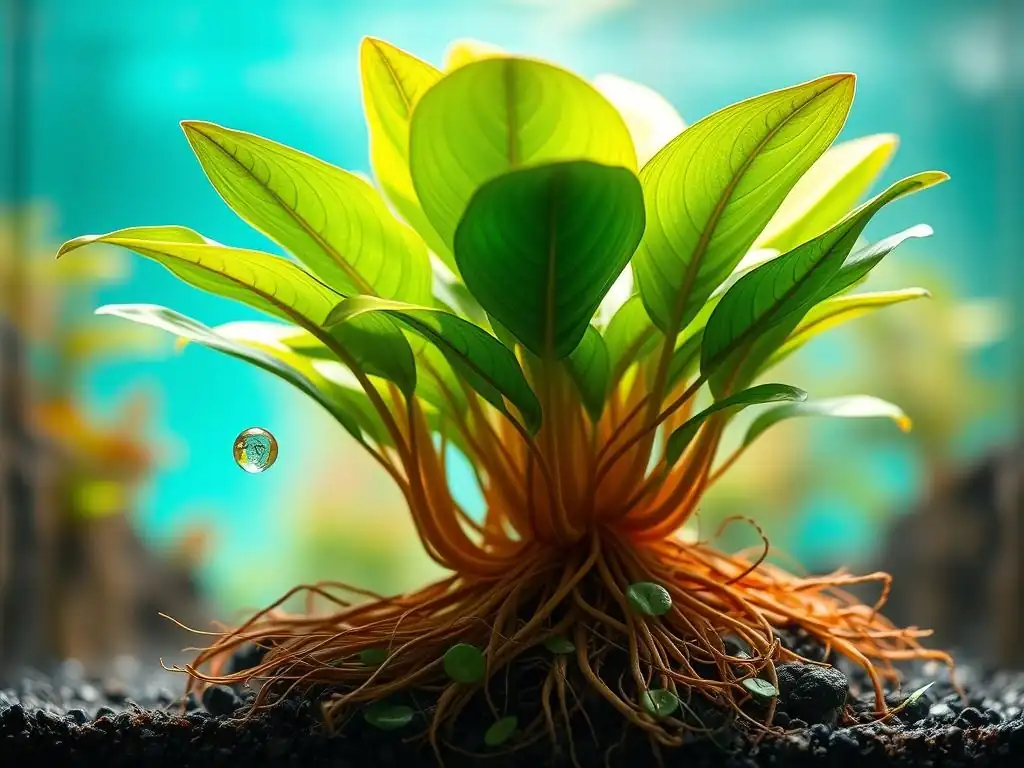
Proper insertion of root tabs is crucial for maximizing their effectiveness in carpeting plants aquarium fertilization. Using a pair of long-handled tweezers, carefully push each root tab deep into the substrate, directly beneath the root zone of your carpeting plants. Ensure the tab is fully buried and not exposed to the water column, as this can lead to nutrient spikes and potential algae issues.
For a uniform carpet, space the root tabs evenly, typically every 3 to 6 inches, depending on the product's recommendations and the density of your planting. For example, in a 10-gallon tank with Dwarf Hairgrass, you might use 4-6 tabs, evenly distributed. Replace root tabs every 3 to 6 months, or as indicated by the product instructions and the observed health of your plants. If your carpet starts showing signs of deficiency despite adequate liquid dosing, it might be time to replenish the root tabs.
Step 6: Monitoring Plant Health and Adjusting Fertilization
The final and ongoing step in successful carpeting plants aquarium fertilization is continuous monitoring and adjustment. Regularly observe your carpeting plants for signs of new, healthy growth, vibrant coloration, and consistent spreading. Look for any recurring deficiency symptoms or, conversely, any signs of algae blooms which might indicate over-fertilization or nutrient imbalance.
Periodically re-test your aquarium water for key nutrient levels (Nitrates, Phosphates, Potassium, Iron). Compare these readings to your target ranges and adjust your fertilizer dosage accordingly. If nutrient levels are consistently too low and plants show deficiencies, gradually increase dosing. If levels are too high or algae becomes problematic, reduce dosing or increase water change frequency. This iterative process of observation, testing, and adjustment is essential for fine-tuning your fertilization regimen and maintaining a thriving, lush carpet over the long term.
Avoiding Common Fertilization Mistakes with Carpeting Plants
Over-Fertilization: The Risks of Nutrient Imbalance
While proper carpeting plants aquarium fertilization is essential, over-fertilization can be just as detrimental as under-fertilization. The common misconception that "more is better" often leads to an excess of certain nutrients, which can create an imbalance in the water column. When one nutrient becomes overly abundant, it can paradoxically limit the uptake of other essential nutrients, leading to deficiencies even when those nutrients are present.
The primary risk of nutrient imbalance from over-fertilization is plant stress and susceptibility to disease. More visibly, it almost invariably leads to severe algae outbreaks. Excess nitrates and phosphates, while necessary for plants, can fuel aggressive algae growth when not fully utilized or when other limiting factors (like CO2 or light) are not met. Therefore, a balanced and measured approach to dosing is crucial to prevent these negative consequences and ensure a healthy, algae-free carpet.
Algae Blooms: Managing Excess Nutrients
Algae blooms are a common and frustrating consequence of improper carpeting plants aquarium fertilization and nutrient imbalance. While algae can be triggered by various factors, including excessive light or unstable CO2, an overabundance of nutrients, particularly nitrates and phosphates, or an imbalance where certain nutrients are in surplus while others are limiting, frequently contributes to their proliferation. Common types like hair algae, green spot algae, or black beard algae often indicate an underlying issue with nutrient management.
To prevent and manage algae, it's crucial to find a balance where plants are well-fed without leaving excessive nutrients freely available for algae. This involves consistent water changes to dilute accumulated nutrients, ensuring stable CO2 levels (e.g., 25-30 ppm) to maximize plant nutrient uptake, and avoiding massive nutrient spikes. Algae should be viewed as a symptom of an imbalance within the aquarium ecosystem, prompting a review of your fertilization, lighting, and CO2 regimen rather than just treating the algae directly.
Incompatible Fertilizers: Interactions to Avoid
When developing a carpeting plants aquarium fertilization strategy, it's important to be aware of potential incompatibilities between different types or brands of fertilizers. Some nutrient compounds can react negatively with each other when mixed, leading to precipitation, rendering them unavailable to plants, or even creating harmful byproducts. For example, very high phosphate levels can sometimes cause iron to precipitate out of solution, making it unavailable for plant uptake, even if both are present in the water.
To avoid such issues, it's generally best to stick to a comprehensive fertilization system from a single reputable brand, as these products are formulated to work synergistically. If you choose to mix different brands or individual nutrient salts, research their compatibility thoroughly. For instance, dosing iron on a separate day from phosphate can help prevent precipitation. Understanding the chemical composition and interactions of your fertilizers is key to ensuring that all essential nutrients remain bioavailable for your carpeting plants.
Maintaining Long-Term Health of Your Carpeting Plant Aquarium
Regular Water Changes: Diluting Excess Nutrients
Regular water changes are an indispensable practice for the long-term health and success of your carpeting plant aquarium, even with a meticulous carpeting plants aquarium fertilization regimen. While fertilizers provide essential nutrients, water changes serve multiple crucial functions. They dilute and remove accumulated organic waste products (such as fish waste, decaying plant matter, and uneaten food) that can contribute to nutrient overload and fuel algae growth.
Furthermore, water changes help reset and stabilize water parameters, and replenish trace elements that might not be consistently supplied by your primary fertilizer. A common recommendation for heavily planted tanks is to perform a 30-50% water change weekly. This consistent dilution prevents nutrient buildup, reduces the risk of algae outbreaks, and maintains a clean, stable environment that encourages robust growth and overall vitality of your carpeting plants.
Consistent Monitoring: Observing Plant Growth and Water Parameters
Maintaining a lush carpeting plant aquarium long-term hinges on consistent monitoring. This involves daily visual observation of your plants for any changes in color, growth rate, or the appearance of deficiency symptoms. Are new leaves vibrant and healthy? Is the carpet spreading as expected? Are there any signs of algae? These daily checks provide immediate feedback on the effectiveness of your carpeting plants aquarium fertilization and overall tank health.
In addition to visual checks, regular water testing (e.g., weekly or bi-weekly) for key parameters like nitrates, phosphates, potassium, and pH is crucial. Keeping a log of your fertilizer doses, water change schedules, and test results allows you to track trends and make informed, proactive adjustments. This systematic approach helps you identify and address potential issues before they escalate, ensuring your carpet remains healthy and vibrant.
Case Study: Achieving a Lush Carpet with EI Dosing
Consider a real-world application of advanced carpeting plants aquarium fertilization: a 20-gallon long aquarium aiming for a dense carpet of Monte Carlo and Dwarf Hairgrass. The aquarist employed the Estimative Index (EI) dosing method, characterized by providing an excess of nutrients to ensure no deficiencies, coupled with large weekly water changes to reset nutrient levels.
The setup included high-intensity LED lighting providing 60-80 PAR at the substrate level and a pressurized CO2 system maintaining 25-30 ppm. Dosing involved 1/4 teaspoon of Potassium Nitrate (KNO3), 1/16 teaspoon of Monopotassium Phosphate (KH2PO4), 1/2 teaspoon of Potassium Sulfate (K2SO4), and 1/8 teaspoon of a comprehensive trace mix (e.g., CSM+B), dosed three times a week. A 50% weekly water change was performed to prevent nutrient accumulation.
Within 8-12 weeks, the Monte Carlo and Dwarf Hairgrass formed a thick, vibrant carpet, requiring regular trimming every 2-3 weeks to maintain its low-growing form. This case demonstrates that with high light, consistent CO2, and abundant, balanced fertilization, even demanding carpeting plants can thrive and achieve spectacular results.
Troubleshooting Common Carpeting Plant Problems Through Fertilization
Addressing Melting or Die-Off in Carpeting Plants
Melting or die-off in carpeting plants can be a distressing issue for aquarists. While sometimes caused by drastic environmental changes, such as significant temperature fluctuations or improper acclimation to submerged conditions, nutrient imbalances or shock from fertilization can also be culprits. New plants might melt initially as they adapt to the aquarium environment, but persistent or widespread melting often indicates an underlying problem.
If melting occurs, first ensure CO2 levels are stable and adequate, as CO2 fluctuations are a major stressor. Review your carpeting plants aquarium fertilization regimen: are nutrients consistently available, or are there sudden spikes or drops? If plants are melting after a large dose, consider reducing the amount or switching to more frequent, smaller doses. Conversely, if melting is accompanied by signs of deficiency, a lack of essential nutrients might be the cause. Gradual adjustments to fertilization, combined with stable parameters and regular small water changes, can help plants recover and prevent further die-off.
Promoting Dense Growth and Preventing Leggy Carpets
A common frustration for aquarists attempting to grow carpeting plants is "legginess" – where the plants grow tall and sparse instead of spreading horizontally and densely. This is primarily a symptom of insufficient light intensity at the substrate level or inadequate CO2, as plants stretch to reach for more light or struggle to photosynthesize effectively without sufficient carbon. However, nutrient deficiencies, particularly a lack of balanced macro and micronutrients, can also contribute to this issue by limiting the plant's ability to develop robust, horizontal runners.
To promote dense growth and prevent legginess, ensure your lighting provides adequate PAR (Photosynthetically Active Radiation) for your chosen carpeting species (e.g., 50-80 PAR for high-demand carpets). Consistent CO2 injection (25-30 ppm) is equally critical, as it fuels the rapid growth needed for carpeting. Supplementing with a balanced carpeting plants aquarium fertilization regimen that provides ample nitrates, phosphates, potassium, and especially iron, will enable the plants to utilize the available light and CO2 efficiently, encouraging them to spread low and wide, forming the desired dense carpet.
Frequently Asked Questions
What are carpeting plants in an aquarium and why are they challenging to grow?
Carpeting plants are low-growing aquatic plants that spread horizontally, creating a dense, grass-like effect on the aquarium substrate. They're challenging because they require specific conditions, including intense lighting and consistent nutrient availability at the substrate level.
Why is fertilization so important for carpeting plants in aquariums?
Fertilization is crucial because carpeting plants often root directly into the substrate and draw nutrients from it. They need sufficient nutrients to spread and thrive, and without proper fertilization, they can suffer from nutrient deficiencies leading to stunted growth or even death.
What kind of fertilizers are best suited for carpeting plants?
Generally, root tabs are considered the best option because they deliver nutrients directly to the roots. Liquid fertilizers can also be used, but they are less effective. It's important to choose fertilizers containing iron, potassium, and other trace elements.
How often should I fertilize my carpeting plants?
The frequency depends on the specific plant, the lighting, and the overall tank conditions. Generally, root tabs should be replaced every 1-3 months, while liquid fertilizers may need to be dosed weekly or bi-weekly. Always follow the fertilizer manufacturer's instructions.
Can I over-fertilize my carpeting plants, and what are the potential consequences?
Yes, over-fertilization can lead to algae blooms and harm fish and invertebrates. It's crucial to monitor nutrient levels and adjust the fertilizer dosage accordingly. Look for signs of algae growth or stressed livestock as indicators of excess nutrients.
Final Reflection: Cultivating Underwater Gardens
The journey of cultivating a lush, vibrant carpet of aquatic plants is more than just adding nutrients; it's about understanding the delicate dance between life and environment. This understanding, now more than ever, is crucial as aquascaping gains popularity and hobbyists strive for increasingly complex and naturalistic aquarium ecosystems. The principles of targeted fertilization, as explored in this article, are not just techniques, but a pathway to creating thriving underwater landscapes that mirror the beauty and complexity of the natural world.
The impact of mastering aquarium fertilization extends beyond aesthetics. It fosters a deeper appreciation for the interconnectedness of life within a closed ecosystem, teaching us valuable lessons about balance and sustainability. The ability to nurture these miniature worlds reflects our capacity to care for larger, more complex environments. The best time to plant a tree was 20 years ago. The second best time is now.
This ancient proverb, often attributed to Chinese wisdom, resonates deeply with the art of aquascaping. The sooner we understand and apply the principles of targeted fertilization, the sooner we can witness the flourishing of our underwater gardens.
Now, consider the potential within your own aquarium. What unique ecosystem can you cultivate? What lessons can you learn from the delicate balance of nutrients and life? Embrace the challenge of understanding your carpeting plants' specific needs, experiment with targeted fertilization, and witness the transformation of your aquarium into a vibrant, thriving underwater paradise. Let the knowledge gained here inspire you to not only create beautiful aquascapes, but also to cultivate a deeper understanding and appreciation for the natural world around you.
Nurture Your Substrate: Watch Your Carpet Thrive!
Thanks for diving deep into the world of aquatic plant nutrition! Now that you understand the secrets to a lush foreground, it's time to take action and witness the vibrant transformation in your own aquarium.
Here's how you can start today:
- Precisely dose your substrate with root tabs, focusing on areas with carpeting plants like Glossostigma elatinoides or Monte Carlo. Observe their growth patterns closely over the next week.
- Share your newfound knowledge! Help fellow aquarists by posting photos and details of your fertilization techniques on social media using #AquariumMasteryFertilizer.
- For a less common tip, try burying Osmocote Plus fertilizer capsules near the roots of your carpeting plants for slow-release nutrients and enhanced growth.
Ready to share your fertilization success story and what carpeting plant is your favorite?