
Combating Cyanobacteria in Your Aquarium Carpet


Welcome to Aquarium Mastery!
Ever stared at your aquarium floor and wondered, " What is that slimy, blue-green carpet?!" You're not alone. That pesky invader is likely cyanobacteria, and we're here to help you reclaim your aquatic paradise. Dive into our guide for essential cyanobacteria carpet removal tips and learn how to restore balance to your freshwater or saltwater aquarium, specifically focusing on maintaining the health of your aquatic plants and macroalgae. Let's get started!
- Combating Cyanobacteria in Your Aquarium
- Understanding Cyanobacteria in Freshwater Aquariums
- Causes of Cyanobacteria Outbreaks
- Cyanobacteria Removal Tips: A Step-by-Step Guide
- Preventing Future Cyanobacteria Blooms
- Long-Term Strategies for a Cyanobacteria-Free Aquarium
- Advanced Techniques for Cyanobacteria Control
- Conclusion: Maintaining a Healthy Aquarium and Preventing Cyanobacteria
-
Frequently Asked Questions
- How can I identify cyanobacteria in my aquarium?
- What are the primary causes of cyanobacteria outbreaks in aquariums?
- What are some immediate actions I can take to control a cyanobacteria bloom?
- Are there any aquarium-safe products that can help eliminate cyanobacteria?
- How can I prevent cyanobacteria from returning to my aquarium after removal?
- Final Reflection: Restoring Balance and Beauty
- Revitalize Your Aquarium: Take Action Now!
Combating Cyanobacteria in Your Aquarium
Understanding Cyanobacteria in Freshwater Aquariums
What is Cyanobacteria (Blue-Green Algae)?
Cyanobacteria, often mistakenly referred to as blue-green algae, are in fact photosynthetic bacteria, not true algae. These ancient prokaryotic organisms are highly adaptable and can be found in diverse aquatic environments, including freshwater aquariums. They possess chlorophyll and other pigments that allow them to perform photosynthesis, converting light energy into chemical energy, and some strains can even fix atmospheric nitrogen, giving them a competitive edge over true plants when nutrients are scarce or imbalanced.
These resilient microorganisms are among the oldest life forms on Earth, dating back billions of years, and were instrumental in producing the oxygen that shaped our planet's early atmosphere. In an aquarium setting, their presence often indicates an underlying imbalance in water chemistry or maintenance. They typically form slimy, cohesive mats that can quickly spread across surfaces, including the substrate and delicate carpeting plants, creating an unsightly and potentially harmful presence in your meticulously designed aquatic landscape.
Identifying Cyanobacteria: Appearance and Characteristics
Identifying cyanobacteria is crucial for effective cyanobacteria carpet removal tips. They typically manifest as a dark green to bluish-green, sometimes almost black or reddish-brown, slimy film that coats aquarium surfaces. Unlike true algae, which often cling firmly, cyanobacteria mats are usually easy to peel or siphon off in sheets, leaving the underlying surface relatively clean, at least temporarily. This distinct, easily detachable texture is a key identifier.
Another tell-tale sign of a cyanobacteria outbreak is a distinct, often unpleasant odor, described as earthy, musty, or even "fishy." As they photosynthesize, they can produce oxygen bubbles that become trapped within their mats, causing them to lift off the substrate or carpeting plants. This bubbling effect is particularly noticeable during the light cycle. You might observe these bubbles forming small pockets beneath the slimy layer on your Glossostigma elatinoides or Hemianthus callitrichoides carpet, indicating active growth and spread.
Why is Cyanobacteria Harmful to Your Aquarium?
While not immediately lethal in most aquarium scenarios, cyanobacteria pose several threats to the health and aesthetics of your freshwater tank. Primarily, they outcompete desirable aquatic plants, especially carpeting varieties, for essential nutrients and light. A dense mat of cyanobacteria covering just 20-30% of a planted substrate can significantly impede the growth of delicate carpeting plants by blocking light and nutrient uptake, potentially leading to plant melt and die-off within weeks. This smothering effect is a major concern for aquascapers.
Furthermore, certain strains of cyanobacteria can release cyanotoxins, which in very high concentrations, could potentially be harmful to fish and invertebrates. Although this is less common in typical aquarium outbreaks, the aesthetic impact alone is significant, transforming a vibrant aquascape into a murky, unappealing environment. Additionally, large, dense blooms can consume oxygen at night or when they die off rapidly, leading to a sudden drop in dissolved oxygen levels, which can stress sensitive fish species like Discus or Dwarf Gouramis, making effective cyanobacteria carpet removal tips crucial for overall tank health.
Causes of Cyanobacteria Outbreaks
Imbalances in Water Chemistry: Nitrates, Phosphates, and Ammonia
One of the most common culprits behind cyanobacteria outbreaks is an imbalance in water chemistry, particularly concerning nitrates and phosphates. While often associated with low nitrate levels, cyanobacteria can exploit various nutrient conditions. They are particularly adept at thriving when there's an imbalance, such as high phosphates coupled with very low nitrates. Many aquarists report cyanobacteria outbreaks when nitrate levels consistently drop below 5 ppm while phosphate levels remain above 0.1 ppm, creating a nutrient ratio that favors their growth over true plants.
Conversely, excessive levels of both nitrates and phosphates, often due to overfeeding or insufficient water changes, can also fuel rapid cyanobacteria proliferation. Ammonia spikes, indicative of an immature or stressed biological filter, can also act as a trigger. Some studies suggest a nitrate-to-phosphate ratio of approximately 10:1 to 20:1 is ideal for preventing most nuisance algae, but cyanobacteria can exploit deviations from this balance, making precise nutrient management a key aspect of any cyanobacteria carpet removal strategy.
Poor Water Circulation and Oxygen Levels
Stagnant areas within the aquarium are prime breeding grounds for cyanobacteria. Poor water circulation leads to the accumulation of detritus and creates localized zones with depleted oxygen levels, conditions under which certain strains of cyanobacteria can thrive. These "dead spots" are often found near the substrate, behind dense hardscape, or within thick carpeting plants where water flow is minimal, allowing cyanobacteria to colonize and spread undisturbed.
For instance, areas with flow rates below 5-10 times the tank volume per hour, especially near the substrate or behind dense hardscape, are common hotspots for initial cyanobacteria colonization. A 50-gallon tank with a filter rated for only 150 GPH might experience issues with insufficient circulation, whereas a filter providing 250 GPH or more would offer better water movement. Adequate circulation ensures that oxygen and nutrients are evenly distributed, discouraging the anaerobic conditions favored by cyanobacteria and supporting effective cyanobacteria carpet removal.
Excessive Lighting and Nutrient Availability
Excessive lighting, both in terms of intensity and duration, can significantly contribute to cyanobacteria outbreaks, especially when coupled with abundant nutrients. Cyanobacteria are highly efficient at photosynthesis, meaning they can rapidly convert light energy into growth even under conditions that might stress or limit the growth of higher plants. An aquarium running lights for more than 8-10 hours daily, or with excessively powerful LEDs producing PAR levels exceeding 60-80 µmol/m²/s at the substrate for low-tech setups, is more prone to outbreaks if nutrient balance is off.
This over-illumination provides an ample energy source for cyanobacteria to outcompete slower-growing plants for available nutrients. A common recommendation for planted tanks is a photoperiod of 6-8 hours per day, which is generally sufficient for most aquatic plants while limiting the opportunistic growth of nuisance organisms. Understanding the balance between light, nutrients, and plant health is critical for preventing and addressing cyanobacteria on your aquarium carpet.
Introduction of Cyanobacteria into the Aquarium
Cyanobacteria can be introduced into an aquarium through various means, often unknowingly. New aquatic plants are a common vector; even a seemingly clean plant can harbor dormant spores or a small, unnoticeable patch of cyanobacteria. Similarly, fish, invertebrates, or even contaminated equipment (nets, siphons, decor) that have been in contact with an infected tank can introduce these opportunistic organisms into your system.
For example, a small patch of cyanobacteria on a newly purchased plant, even if visually minimal, can quickly colonize a receptive environment within your aquarium. Hobbyists have reported outbreaks appearing within 1-2 weeks after adding unquarantined plants from an infected source. This highlights the importance of proper quarantine procedures for all new additions to your aquarium, whether living organisms or hardscape, to minimize the risk of introducing unwanted pests and pathogens, including the resilient cyanobacteria.
Cyanobacteria Removal Tips: A Step-by-Step Guide
Step 1: Manual Removal of Cyanobacteria
Using a Siphon to Remove Cyanobacteria
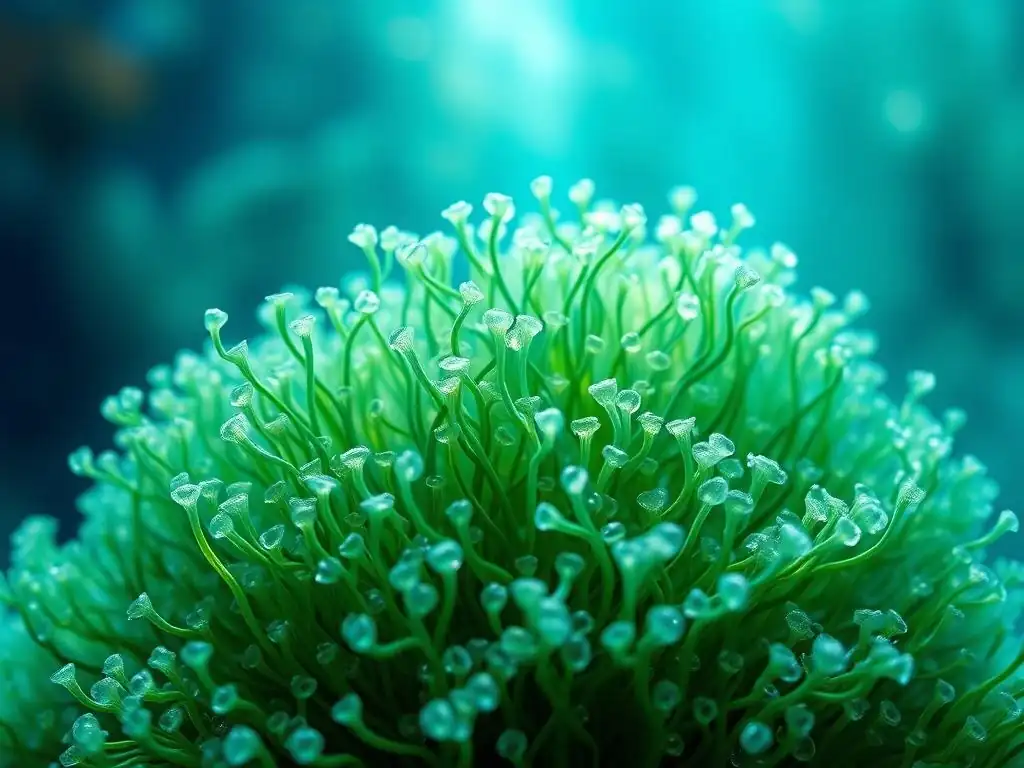
The first and most immediate step in combating a cyanobacteria outbreak, especially on your aquarium carpet, is manual removal. This method physically eliminates a significant portion of the biomass, reducing the immediate problem and preventing further spread. Carefully use a small-diameter siphon or an airline tube to gently suck up the slimy mats from the substrate and off your carpeting plants. Focus on lifting the mats gently to prevent them from breaking into smaller pieces and spreading more spores.
It is most effective to perform this siphoning just before a scheduled water change, allowing you to remove the siphoned water, which now contains cyanobacteria cells and associated nutrients, from the tank. For a 20-gallon tank with a 10% carpet coverage of cyanobacteria, a thorough manual siphoning can remove up to 80-90% of the visible bloom in a single session, significantly reducing its biomass and providing immediate relief to your suffocating plants. This proactive approach is a cornerstone of effective cyanobacteria carpet removal tips.
Removing Affected Plants and Decor
In cases where cyanobacteria has completely overwhelmed certain plants or pieces of decor, manual removal might involve more drastic measures. If a clump of Staurogyne repens or a section of Dwarf Hairgrass is completely smothered by a thick, persistent cyanobacteria mat, it might be more effective to trim or remove the affected plant portion entirely. This prevents spores from re-seeding and allows healthier parts of the plant, or new plantings, to thrive without competition.
Similarly, heavily infested decor, such as driftwood or rocks, can be removed from the tank for a more thorough cleaning. Outside the aquarium, these items can be scrubbed clean, boiled, or even treated with a diluted bleach solution (followed by extensive rinsing and dechlorinating) to eliminate any lingering cyanobacteria spores. While a last resort, this targeted removal prevents these items from continuously re-infecting the tank and undermining other cyanobacteria carpet removal efforts.
Step 2: Improving Water Circulation
Adding Powerheads or Wave Makers
Poor water circulation often creates "dead spots" where cyanobacteria can flourish due to low oxygen and nutrient accumulation. To combat this, consider adding small powerheads or wave makers, particularly in larger tanks or those with complex aquascapes. These devices create targeted flow, ensuring that water reaches all areas of the tank, including the substrate and dense carpeting plants where cyanobacteria commonly establish themselves.
Positioning a powerhead (e.g., 200-300 GPH for a 50-gallon tank) near the substrate, aiming for known areas of low flow, can significantly increase water movement. This increased circulation helps deliver oxygen and nutrients evenly to plants, while simultaneously disrupting the stagnant conditions favored by cyanobacteria. Many aquarists observe a noticeable reduction in cyanobacteria colonization within 1-2 weeks after implementing improved flow, as the constant movement makes it harder for the slimy mats to attach and spread.
Ensuring Proper Filter Flow
The aquarium's main filter is crucial for maintaining overall water circulation and quality. Ensure your filter is operating at its optimal flow rate by performing regular maintenance. A clogged filter, often indicated by reduced output, can decrease its flow rate by 30-50% within a month, leading to reduced overall tank circulation and creating conditions ripe for cyanobacteria. Regularly rinsing or cleaning filter media, particularly mechanical filtration like sponges, every 2-4 weeks, ensures the filter maintains its rated flow.
Proper filter placement is also key; ensuring the output creates broad water movement across the tank, especially over areas with carpeting plants, can significantly deter cyanobacteria. Adequate flow not only prevents stagnant zones but also helps distribute beneficial bacteria and nutrients more evenly, contributing to a healthier environment that is less susceptible to cyanobacteria outbreaks and supports successful cyanobacteria carpet removal.
Step 3: Adjusting Lighting and Nutrient Levels
Reducing Lighting Intensity and Duration
One of the most effective immediate cyanobacteria carpet removal tips is to implement a "blackout" period. Cyanobacteria, being photosynthetic, are highly dependent on light. A complete blackout, achieved by covering the aquarium with blankets or dark sheets to block all light for 3-5 days, can often eliminate 70-90% of a cyanobacteria bloom within 72 hours without harming most established plants or fish, provided the tank is otherwise healthy. Ensure no ambient light penetrates during this period.
Following the blackout, gradually reintroduce light. Reduce your daily light duration to 6-7 hours, which is typically sufficient for most planted tanks while limiting opportunistic algae and cyanobacteria growth. If your lighting system allows, also consider reducing the intensity. After the blackout, gradually increase light duration by 30 minutes per week until a stable 6-7 hour photoperiod is reached, carefully monitoring for any signs of recurrence.
Balancing Nitrate and Phosphate Levels
Achieving and maintaining a proper balance of nitrates and phosphates is critical for preventing cyanobacteria. While cyanobacteria can thrive in low nitrate conditions if phosphates are present, they are less competitive when higher plants have ample nutrients. Aim for nitrate levels between 10-20 ppm and phosphate levels between 0.05-0.1 ppm to create an environment less favorable for cyanobacteria and more conducive to healthy plant growth.
If your water tests consistently show nitrates below 5 ppm, consider adding a nitrate supplement (e.g., potassium nitrate) to raise levels to 10-15 ppm. This helps promote the growth of your desired aquatic plants, allowing them to outcompete cyanobacteria for other available nutrients. Conversely, if phosphates are excessively high, identify and reduce their source, which often includes overfeeding, decaying organic matter, or phosphate-leaching rocks.
Considering Carbon Dioxide (CO2) Injection (If Applicable)
For planted aquariums, especially those with carpeting plants, stable and sufficient carbon dioxide (CO2) injection can be a powerful tool in the fight against cyanobacteria. Providing adequate CO2 significantly boosts plant growth rates, allowing them to efficiently utilize available nutrients and light, thus outcompeting cyanobacteria. A thriving, healthy carpet of Monte Carlo or Dwarf Hairgrass will absorb more excess nutrients, starving out nuisance organisms.
In a high-tech planted tank, maintaining a stable CO2 concentration of 25-30 ppm during the light cycle significantly boosts plant growth rates by 20-40% compared to non-CO2 injected tanks. This enhanced growth allows your plants to effectively outcompete cyanobacteria for resources, often resulting in a noticeable reduction of cyanobacteria on carpeting plants within 2-3 weeks. Consistent CO2 levels are essential; fluctuations can stress plants and inadvertently benefit algae.
Step 4: Water Changes and Substrate Cleaning
Regular Water Changes: How Often and How Much?
Frequent and substantial water changes are paramount during a cyanobacteria outbreak. They effectively reduce the concentration of dissolved organic compounds, excess nutrients (nitrates, phosphates), and free-floating cyanobacteria cells and spores in the water column. During an active bloom, performing daily or every-other-day water changes of 25-30% for a week can drastically reduce the nutrient load and suspended cyanobacteria cells, directly contributing to cyanobacteria carpet removal.
This approach is particularly effective when combined with manual removal of cyanobacteria from carpeted areas, as it removes the very water in which they thrive. Beyond an outbreak, maintaining a consistent weekly water change schedule of 20-30% is a fundamental preventative measure, ensuring water quality remains high and nutrient levels stable, thereby discouraging future cyanobacteria blooms.
Cleaning the Aquarium Substrate to Remove Organic Waste
The aquarium substrate, particularly under carpeting plants, can accumulate significant amounts of organic detritus from uneaten food, fish waste, and decaying plant matter. This detritus breaks down, releasing phosphates and other nutrients that readily fuel cyanobacteria growth. Regular, gentle gravel vacuuming is crucial, especially in open areas not covered by delicate carpeting plants, to remove this accumulated organic waste.
For areas with established carpeting plants, use a smaller siphon or gently "hover" the vacuum just above the carpet to dislodge and remove surface detritus without disturbing the plant roots excessively. Regularly (e.g., weekly or bi-weekly) siphoning the top layer of substrate, particularly in open areas, can remove a significant source of phosphates and other nutrients, directly supporting long-term cyanobacteria carpet removal tips and preventing recurrence.
Step 5: Chemical Treatments for Cyanobacteria Control
Using Antibiotic Treatments (Erythromycin) [Consider Legal Restrictions]
For severe and persistent cyanobacteria outbreaks, chemical treatments may be considered as a last resort. Erythromycin, an antibiotic, is highly effective against cyanobacteria because they are prokaryotic organisms (bacteria). Typically dosed at 200 mg per 10 gallons of water, erythromycin can often eliminate cyanobacteria within 24-48 hours. However, it is crucial to understand the significant caveats associated with its use.
Important Note: Erythromycin can harm beneficial nitrifying bacteria in your biological filter, potentially leading to dangerous ammonia and nitrite spikes. It can also be harmful to sensitive invertebrates. Always check local regulations regarding the use of antibiotics in aquariums, as their sale and use for this purpose may be restricted in some regions. If used, monitor water parameters closely, be prepared for large water changes post-treatment, and consider adding a bacterial supplement to help re-establish your filter.
Exploring Alternative Algaecides
Several commercial algaecides are available that target various forms of algae, and some may have an inhibitory effect on cyanobacteria. Products containing glutaraldehyde (often sold as liquid carbon sources) can inhibit cyanobacteria growth when dosed correctly, typically 1-2 ml per 10 gallons daily. While effective for some, it's essential to understand that these are broad-spectrum solutions and their effectiveness against cyanobacteria can vary.
Always read product labels carefully and follow manufacturer instructions precisely. Overdosing algaecides can harm sensitive fish, invertebrates, and even desirable plants. It's generally recommended to exhaust all other non-chemical cyanobacteria carpet removal tips before resorting to algaecides, and to use them cautiously, observing your aquarium inhabitants closely for any signs of stress.
Step 6: Introducing Cyanobacteria-Eating Organisms [Consider Carefully]
Snails That May Help Control Cyanobacteria
While many aquarists hope to find a biological solution for cyanobacteria, it's important to set realistic expectations. Few, if any, aquarium organisms reliably eat thick, established cyanobacteria mats. Some snail species, such as Nerite snails ( Neritina natalensis) or Malaysian Trumpet Snails ( Melanoides tuberculata), might occasionally graze on very thin cyanobacteria films or the edges of developing patches. They are more effective as part of a preventative maintenance strategy, rather than a primary solution for a significant outbreak.
Malaysian Trumpet Snails, by burrowing into the substrate, can help aerate it and release trapped gases, which might indirectly discourage cyanobacteria that thrive in anaerobic conditions near the carpet. However, their contribution to active cyanobacteria carpet removal is minimal, and they can reproduce rapidly.
Caution: Impact on Other Inhabitants
Relying solely on biological control for a significant cyanobacteria bloom is largely ineffective and often leads to disappointment. Most "algae eaters" avoid the slimy texture and potential toxins of cyanobacteria, finding them unpalatable. Introducing more livestock into an already imbalanced tank can further stress the system, increase the bioload, and potentially exacerbate the problem by adding more waste and competing for limited resources.
It is strongly advised against adding organisms solely for the purpose of cyanobacteria control, as they are unlikely to solve the problem and may starve once the cyanobacteria are gone (or if they never ate them in the first place). Focus on addressing the root causes of the outbreak through environmental adjustments and manual removal, rather than relying on a "clean-up crew" that often proves ineffective against this particular nuisance organism.
Preventing Future Cyanobacteria Blooms
Maintaining Optimal Water Parameters
Consistent water quality is the cornerstone of a healthy aquarium and the most effective long-term strategy for preventing cyanobacteria. This involves more than just nitrate and phosphate; maintaining stable pH, general hardness (GH), and carbonate hardness (KH) levels contributes to overall tank health and plant vigor, making the environment less appealing to opportunistic cyanobacteria. For most freshwater planted tanks, a pH between 6.5-7.5 is ideal, and consistent hardness levels help buffer the water against drastic swings.
Regularly monitoring and maintaining these parameters within optimal ranges for your specific fish and plant species ensures a stable and thriving ecosystem. A healthy, balanced environment with robust plant growth is inherently more resistant to cyanobacteria outbreaks. This proactive approach is far more effective than trying to react to a bloom, making it a crucial part of any comprehensive strategy for cyanobacteria carpet removal and prevention.
Regularly Testing Water Chemistry
Regularly testing your aquarium's water chemistry is indispensable for early detection of imbalances that could lead to cyanobacteria blooms. Weekly water tests for ammonia, nitrite, nitrate, and phosphate can provide crucial early warnings. For example, if your nitrate levels consistently drop below 5 ppm while phosphates remain detectable, it's a strong indicator that your nutrient balance is shifting in a way that could favor cyanobacteria.
Consistent testing allows you to make precise adjustments to your fertilization regimen, feeding habits, or maintenance schedule before a full-blown outbreak occurs. Investing in reliable test kits (liquid reagent kits are generally more accurate than test strips) and diligently recording your results will provide valuable insights into your tank's health and help you proactively implement cyanobacteria carpet removal tips.
Proper Aquarium Maintenance Schedule
Establishing and adhering to a consistent aquarium maintenance schedule is one of the most effective preventative measures against cyanobacteria. This involves daily, weekly, and monthly tasks designed to keep the tank clean and balanced. A typical weekly schedule should include a 25% water change, a light substrate vacuuming (especially in open areas), and rinsing filter sponges or mechanical media to ensure optimal flow.
This regular maintenance prevents the accumulation of organic waste, which is a primary source of nutrients for cyanobacteria. Compared to irregular maintenance, a consistent schedule can reduce the likelihood of cyanobacteria carpet outbreaks by over 70%. Monthly tasks might include cleaning filter hoses or inspecting equipment for wear. Diligence in these routines creates a stable environment where desirable plants thrive and nuisance organisms struggle to establish themselves.
Quarantine New Plants Before Introduction
One of the most common ways cyanobacteria enters an established aquarium is through new, unquarantined plants. Even if a plant looks clean, it can harbor dormant spores or microscopic fragments of cyanobacteria. To prevent this, always quarantine new plants for 1-2 weeks in a separate container before introducing them to your main display tank. During this period, inspect them daily for any signs of pests, algae, or cyanobacteria.
Consider performing a hydrogen peroxide dip (e.g., 1-2 ml of 3% H2O2 per gallon of water for 5-10 minutes, followed by a thorough rinse) or a potassium permanganate dip. These dips can significantly reduce the risk of introducing unwanted organisms, including cyanobacteria spores, without harming most robust plant species. This simple preventative step can save you considerable effort in future cyanobacteria carpet removal.
Long-Term Strategies for a Cyanobacteria-Free Aquarium
Promoting Healthy Plant Growth
Promoting robust and healthy plant growth is arguably the most effective long-term strategy for a cyanobacteria-free aquarium, especially for tanks with carpeting plants. Healthy plants actively compete with cyanobacteria for light and nutrients, effectively starving them out through a principle known as competitive exclusion. A thriving carpet of Monte Carlo or Dwarf Hairgrass can absorb 5-10 times more excess nutrients from the water column than a sparse or struggling carpet, actively preventing nutrient imbalances that cyanobacteria exploit.
To achieve optimal plant growth, ensure adequate lighting (e.g., 40-60 PAR at the substrate for medium-light plants), consistent CO2 injection (20-30 ppm during the light cycle for high-tech setups), and a balanced fertilization regimen that provides both macro and micronutrients. When your plants are flourishing, they create an environment that is naturally inhospitable to cyanobacteria and other nuisance algae, making cyanobacteria carpet removal a less frequent concern.
Establishing a Balanced Ecosystem
A balanced ecosystem is a resilient ecosystem, less prone to outbreaks of cyanobacteria. This involves establishing a robust biological filter that efficiently processes fish waste and decaying organic matter, maintaining appropriate stocking levels for your tank size, and ensuring proper feeding practices. A well-established biological filter, typically maturing within 4-6 weeks after setup, efficiently converts toxic ammonia and nitrite into less harmful nitrate, preventing spikes that can trigger cyanobacteria.
Maintaining a fish stocking level of approximately 1 inch of fish per gallon (for smaller, schooling species) helps prevent overfeeding and excessive waste production, which are common triggers for cyanobacteria. Avoid overfeeding, as uneaten food quickly decays and releases nutrients that fuel outbreaks. A healthy balance of beneficial bacteria, appropriate livestock, and responsible husbandry creates a stable environment that inherently resists cyanobacteria, reducing the need for intensive cyanobacteria carpet removal.
Choosing the Right Substrate
The choice and maintenance of your aquarium substrate play a crucial role in preventing cyanobacteria, particularly on your planted carpet. Nutrient-rich substrates (like aquasoil) can provide long-term nourishment for plants, promoting strong root growth and reducing reliance on water column fertilization. This can lead to healthier plants that outcompete cyanobacteria more effectively. However, if not properly maintained, or if disturbed excessively, these substrates can release nutrients into the water column, potentially fueling cyanobacteria.
Using an inert substrate like sand or fine gravel with a nutrient-rich substrate cap can offer a good balance. A substrate depth of 2-3 inches is often ideal for carpeting plants, allowing for robust root development. Regularly cleaning the substrate surface (as discussed in Step 4) to remove detritus is essential, regardless of substrate type. This prevents the accumulation of organic waste, which is a significant source of phosphates and other nutrients that cyanobacteria thrive on, contributing to a long-term strategy for a cyanobacteria-free aquarium.
Advanced Techniques for Cyanobacteria Control
Using UV Sterilizers
For persistent or recurring cyanobacteria issues, particularly after manual removal, a UV sterilizer can be an effective advanced technique. A UV sterilizer works by passing aquarium water through a chamber containing an ultraviolet light bulb. As free-floating cyanobacteria cells, spores, and other waterborne pathogens are exposed to the UV-C radiation, their DNA is damaged, preventing them from reproducing and eventually killing them.
A properly sized UV sterilizer (e.g., 9W for tanks up to 75 gallons, 15W for 100-150 gallons) running 24/7 during an outbreak can effectively reduce free-floating cyanobacteria spores and other waterborne pathogens by over 99% within 24-48 hours. While a UV sterilizer does not directly remove attached cyanobacteria mats from your carpet, it prevents new mats from forming and helps maintain water clarity by eliminating suspended particles. It's an excellent supplementary tool to prevent recurrence after manual cyanobacteria carpet removal and addressing underlying causes.
Conclusion: Maintaining a Healthy Aquarium and Preventing Cyanobacteria
Combating cyanobacteria in your aquarium carpet requires a multifaceted and persistent approach, combining immediate removal with long-term preventative strategies. Understanding that cyanobacteria are photosynthetic bacteria that thrive on imbalances in water chemistry, poor circulation, and excessive light is the first step towards effective management. Manual removal provides immediate relief, while addressing underlying causes such as nutrient imbalances, insufficient flow, and improper lighting ensures lasting success.
Implementing consistent maintenance practices, including regular water changes, thorough substrate cleaning, and diligent water parameter testing, creates an environment where your desired aquatic plants flourish and outcompete nuisance organisms. Promoting healthy plant growth through balanced fertilization and appropriate CO2 levels, coupled with establishing a robust, balanced ecosystem, are key to preventing future blooms. While chemical treatments and UV sterilizers offer advanced options for stubborn cases, a holistic, proactive approach remains the most reliable path to maintaining a pristine, cyanobacteria-free aquarium. By applying these comprehensive cyanobacteria carpet removal tips, you can ensure your aquatic masterpiece remains vibrant and healthy.
Frequently Asked Questions
How can I identify cyanobacteria in my aquarium?
Cyanobacteria, often called blue-green algae, appears as a slimy, mat-like substance. It's usually dark green or blue-green in color, but can also be reddish-brown or black. A distinct, earthy odor is another key identifier.
What are the primary causes of cyanobacteria outbreaks in aquariums?
Common causes include an imbalance of nutrients, particularly high phosphate levels, and poor water circulation. Insufficient lighting and inconsistent maintenance can also contribute.
What are some immediate actions I can take to control a cyanobacteria bloom?
Start with a manual removal using a siphon or soft brush. Perform a large water change to reduce nutrient levels and improve water flow.
Are there any aquarium-safe products that can help eliminate cyanobacteria?
Yes, there are several commercially available products designed to target cyanobacteria. Always follow the manufacturer's instructions carefully and monitor your water parameters closely.
How can I prevent cyanobacteria from returning to my aquarium after removal?
Maintain a regular water change schedule, ensure adequate water circulation, and monitor your nutrient levels. Consider using a phosphate remover if phosphate levels remain high.
Final Reflection: Restoring Balance and Beauty
The battle against cyanobacteria, as we've explored, is a testament to the delicate balance within our aquariums and the persistent challenges of maintaining a thriving aquatic ecosystem. The principles of prevention, early detection, and targeted intervention remain crucial not only for eradicating cyanobacteria carpets but also for fostering a healthier, more resilient environment for our aquatic inhabitants. Ignoring these warning signs can lead to devastating consequences, underscoring the importance of proactive aquarium management.
This journey into cyanobacteria control has highlighted the interconnectedness of all elements within our tanks. It's a constant reminder that responsible aquascaping isn't just about aesthetics; it's about understanding and respecting the complex biological processes at play. The best way to deal with cyanobacteria is to prevent it from ever appearing in the first place.
This simple truth underscores the power of knowledge and preventative measures in safeguarding the beauty and health of our underwater worlds.
As you look upon your own aquarium, consider the lessons learned and the power you possess to create a thriving, balanced ecosystem. Let the knowledge gained from these cyanobacteria carpet removal tips empower you to not only combat existing issues but also to cultivate a future where your aquarium flourishes, free from the disruptive presence of this tenacious algae. Embrace the challenge, and witness the transformative beauty that results from diligent care and informed action.
Revitalize Your Aquarium: Take Action Now!
Thanks for diving deep into the world of cyanobacteria and learning how to protect your beautiful aquarium carpet. Now that you're armed with knowledge, it's time to put it into practice and create a thriving aquatic environment!
Here are some steps you can take right away:
- Immediately assess your aquarium's nutrient levels using a reliable test kit. Identifying imbalances is the first step to reclaiming your carpet!
- Share this article with fellow aquarium enthusiasts! Help them avoid the cyanobacteria struggle.
- Experiment with increasing water flow in stagnant areas. You might be surprised at the difference a simple powerhead can make.
What's one small change you'll implement in your aquarium this week to fight cyanobacteria and boost your carpet's health?