
Top 5 FastGrowing Stem Plants for Filling Your Tank Quickly

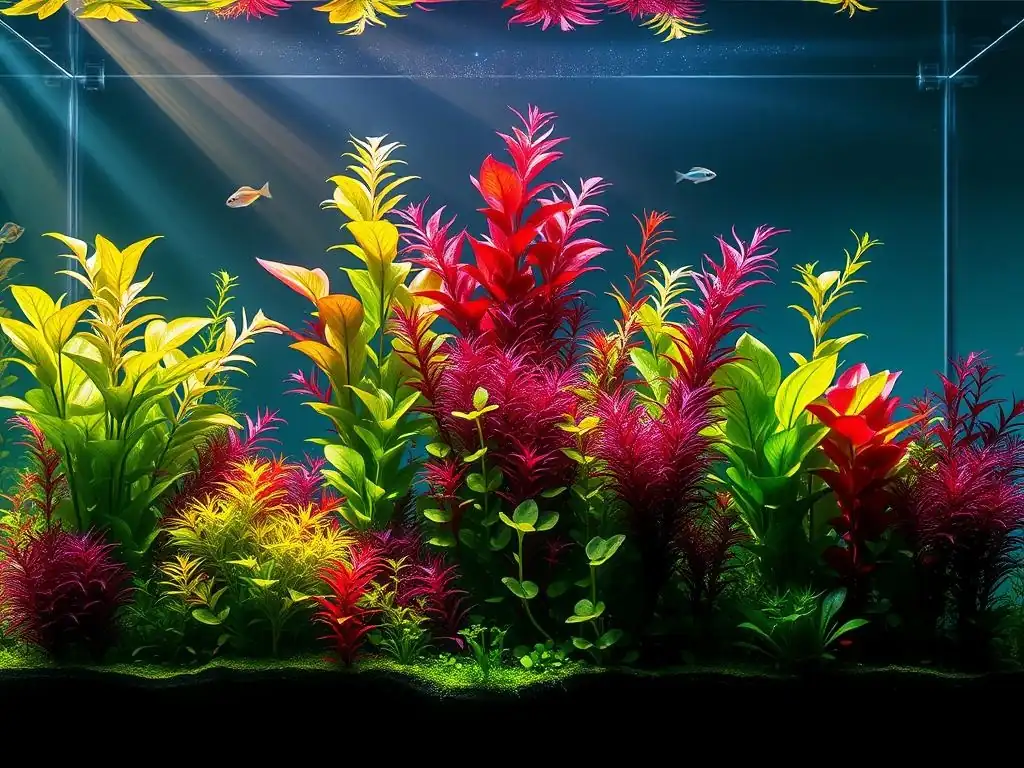
Welcome to Aquarium Mastery, your ultimate guide to a thriving underwater world!
Ever dreamt of a lush, vibrant aquarium teeming with life? Our article dives deep into the world of fast-growing aquarium stem plants, revealing the top 5 varieties that will transform your tank from sparse to spectacular in record time. Intrigued? Discover the secrets to a flourishing planted aquarium and watch your underwater paradise come alive!
- Introduction: Why Choose Fast-Growing Stem Plants for Your Aquarium?
- Understanding Stem Plants: A Quick Overview
- Top 5 Fast-Growing Aquarium Stem Plants: Species Profiles
- Planting and Propagation Techniques for Fast-Growing Stems
- Maintaining a Healthy and Thriving Stem Plant Aquarium
- Conclusion: Enjoying Your Lush, Fast-Growing Aquarium
-
Frequently Asked Questions
- What makes stem plants a good choice for aquariums?
- Which stem plant is the easiest to grow for beginners?
- Can fast-growing stem plants outcompete other plants in my aquarium?
- Do fast-growing stem plants require any special lighting or CO2 supplementation?
- How often should I prune fast-growing stem plants in my aquarium?
- Final Reflection: The Verdant Promise of Growth
- Ignite Your Aquarium's Growth: Ready to Create a Lush Underwater Paradise?
Introduction: Why Choose Fast-Growing Stem Plants for Your Aquarium?
Benefits of Rapid Growth in Aquarium Plants
The immediate impact of choosing fast-growing aquarium stem plants for your setup is the rapid establishment of a vibrant, lush environment. These speedy cultivators quickly fill out the tank, providing essential hiding spots and territories for fish and invertebrates, which significantly reduces stress and promotes natural behaviors. Beyond aesthetics, the swift growth contributes to substantial oxygenation of the water, a vital process that supports the overall health and well-being of all aquatic inhabitants.
Furthermore, a densely planted tank offers a sense of completion and natural beauty that is highly rewarding for any aquarist. The visual appeal of a thriving green landscape, or even one with splashes of red and orange from specific stem plants, transforms a simple glass box into a dynamic, living art piece. This quick establishment also means a faster path to a stable ecosystem, minimizing the initial challenges often faced in new aquarium setups.
Addressing Algae Blooms with Fast-Growing Plants
One of the most compelling reasons to incorporate fast-growing aquarium stem plants is their remarkable ability to combat unsightly algae blooms. Algae thrive on excess nutrients in the water, primarily nitrates and phosphates, which are byproducts of fish waste and uneaten food. Fast-growing plants act as direct competitors, absorbing these nutrients at an accelerated rate, effectively starving the algae. It's often observed that tanks with 70-80% plant coverage experience significantly fewer algae issues compared to sparsely planted tanks, sometimes reducing algae outbreaks by as much as 90% in well-maintained systems.
The mechanism is straightforward: as these fast growing aquarium stem plants photosynthesize and grow, they efficiently draw dissolved nutrients from the water column. This is particularly beneficial in newly established aquariums where the nitrogen cycle is still stabilizing, and nutrient spikes can be common. By establishing a robust plant mass early on, aquarists can proactively mitigate the conditions that lead to nuisance algae, leading to clearer water and a healthier environment for their aquatic life.
Creating a Lush, Natural Aquarium Environment
Utilizing fast growing aquarium stem plants allows aquarists to swiftly create an immersive, naturalistic environment that mimics the dense vegetation found in real aquatic habitats. Within weeks, these plants can transform a bare tank into a verdant underwater jungle, providing ample cover and a sense of security for fish that might otherwise feel exposed. This rapid transformation not only enhances the visual appeal but also contributes to the psychological well-being of the tank's inhabitants.
A dense canopy of stem plants encourages natural behaviors such as foraging, exploring, and even spawning. For instance, shy fish species like certain tetras or dwarf cichlids will display more vibrant colors and confident behavior when they have numerous places to retreat to. This rich, natural backdrop makes the aquarium a more engaging and stable ecosystem, reducing the need for constant human intervention and allowing the natural processes to flourish.
Understanding Stem Plants: A Quick Overview
What Defines a Stem Plant in Aquariums?
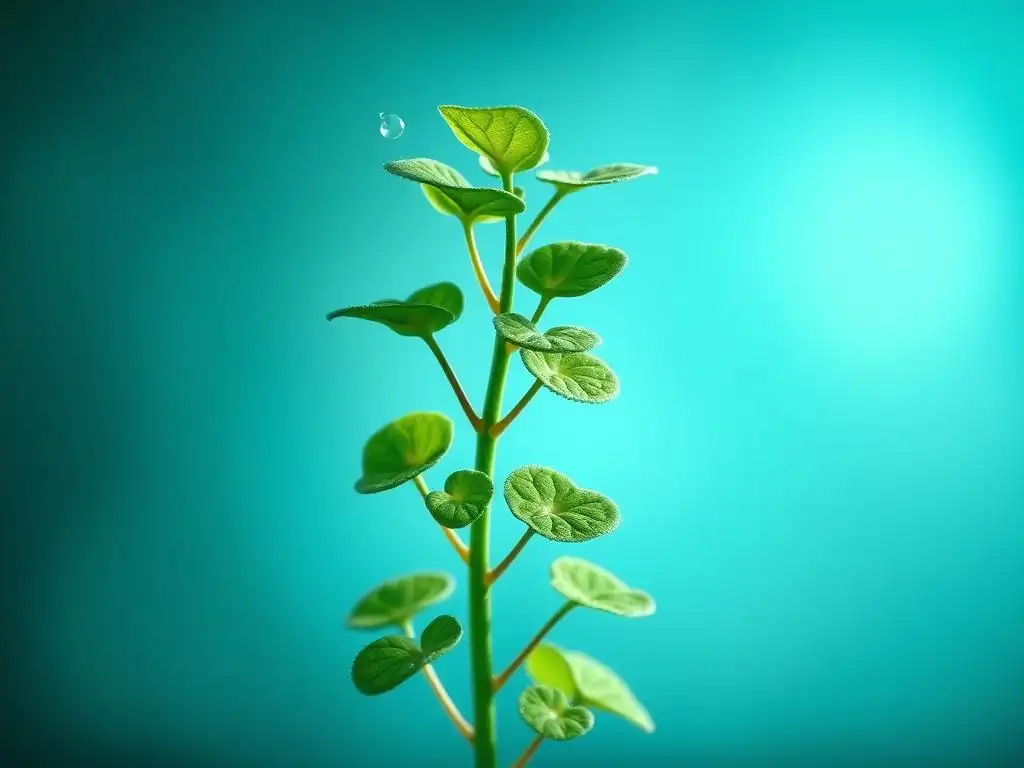
Stem plants, as their name suggests, are characterized by a central stem from which leaves grow along its length, typically in alternating or whorled patterns. Unlike rosette plants that grow from a central crown or carpeting plants that spread horizontally, stem plants generally grow upwards towards the light source, often reaching the water surface in taller aquariums. This growth habit makes them excellent choices for filling out the background and midground areas of an aquascape.
A defining feature of these fast growing aquarium stem plants is their method of propagation. New plants can be easily grown from cuttings taken from the main stem. This characteristic allows aquarists to quickly multiply their plant stock, rapidly filling an aquarium or propagating specific desirable forms. Many stem plants also develop adventitious roots along their stems, further aiding their ability to anchor and absorb nutrients.
The Role of Stem Plants in a Balanced Ecosystem
Stem plants play a pivotal role in maintaining a balanced and healthy aquarium ecosystem. Their primary contribution is their exceptional ability to absorb excess nutrients, such as nitrates and phosphates, directly from the water column. This absorption process is crucial for water purification, as it reduces the buildup of compounds that can be harmful to fish and invertebrates if left unchecked. A well-planted 20-gallon tank, for example, can process approximately 10-15 ppm of nitrates per week with a healthy mass of fast growing aquarium stem plants.
Beyond nutrient absorption, stem plants are significant producers of oxygen through photosynthesis during the day. This oxygen is vital for the respiration of fish and beneficial bacteria within the tank's filter and substrate. Furthermore, the physical structure provided by dense stem plant growth offers crucial hiding places, spawning sites, and foraging grounds for various aquatic species, contributing to a diverse and thriving microhabitat within the aquarium.
Light and Nutrient Requirements for Stem Plants
While fast growing aquarium stem plants are known for their adaptability, understanding their general requirements for light and nutrients is key to optimizing their growth. Most stem plants prefer moderate to high light levels, typically requiring a PAR (Photosynthetically Active Radiation) range of 20-40 µmol/m²/s for robust growth, though some can tolerate lower levels. Insufficient light can lead to leggy growth, pale coloration, and eventual melting of lower leaves.
In terms of nutrients, stem plants benefit significantly from a balanced profile of both macro and micronutrients. Macronutrients like Nitrogen (N), Phosphorus (P), and Potassium (K) are essential for overall growth, while micronutrients such as Iron (Fe), Manganese (Mn), and Boron (B) are vital for specific metabolic processes and vibrant coloration. While some stem plants can grow in tanks without supplemental CO2, providing CO2 injection can dramatically accelerate their growth rates, often increasing biomass production by 2-3 times, and leading to much denser and healthier foliage.
Top 5 Fast-Growing Aquarium Stem Plants: Species Profiles
1. Ludwigia Repens: The Red Wonder for Beginners
Ludwigia Repens Care Requirements: Light, CO2, and Nutrients
Ludwigia Repens is a highly popular and relatively undemanding fast growing aquarium stem plant, making it an excellent choice for beginners looking to add a splash of red or bronze to their tank. This plant thrives in moderate lighting conditions, typically around 25-35 PAR, where its leaves will primarily remain green with a reddish underside. However, to achieve the vibrant, rich red coloration that this species is known for, higher light intensities (40-50+ PAR) coupled with consistent iron supplementation are recommended. It prefers a temperature range of 68-82°F (20-28°C).
While Ludwigia Repens can grow without supplemental CO2, its growth rate and color intensity are significantly boosted with CO2 injection. Under optimal conditions, including a nutrient-rich substrate or regular liquid fertilization containing nitrates and especially iron, this plant can exhibit a growth rate of 1-2 inches per week. Maintaining appropriate levels of iron, typically around 0.05-0.1 ppm, is crucial for developing its characteristic red hues.
Propagating Ludwigia Repens for Dense Growth
Propagating Ludwigia Repens is incredibly straightforward, contributing to its status as a fast growing aquarium stem plant ideal for quickly filling a tank. The most common and effective method is through simple stem cuttings. To propagate, simply snip a healthy stem section that is approximately 4-6 inches long. It's advisable to remove the lower 1-2 inches of leaves from the cutting to prevent rot once planted.
These prepared cuttings can then be directly replanted into the substrate. New roots will typically begin to form from the nodes within 5-7 days, anchoring the plant firmly. With consistent trimming and replanting, Ludwigia Repens can quickly double its biomass in a month or two, allowing aquarists to rapidly create dense, colorful stands that add depth and vibrancy to the aquascape.
2. Hygrophila Polysperma: The Adaptable and Speedy Grower
Optimal Conditions for Hygrophila Polysperma Growth
Hygrophila Polysperma, often referred to as Indian Waterweed, is renowned for its exceptional adaptability and incredibly fast growth rate, making it one of the most reliable fast growing aquarium stem plants. It can tolerate a wide range of water parameters and light conditions, from low to moderate light (15-30 PAR) where it will grow green and somewhat leggy, to higher light levels which encourage denser, bushier growth. The ideal temperature range for this plant is 68-86°F (20-30°C).
Under good conditions, Hygrophila Polysperma can grow an impressive 2-3 inches per week, quickly reaching the water surface. While it benefits from a nutrient-rich substrate or comprehensive liquid fertilizers, it can surprisingly thrive even in lean conditions, making it suitable for low-tech setups. Although not strictly required, CO2 injection will dramatically accelerate its growth, leading to even more vigorous and robust plants.
Avoiding Common Issues with Hygrophila Polysperma
Despite its ease of care, the rapid growth of Hygrophila Polysperma can lead to certain issues if not managed properly. Its vigorous growth can quickly shade out slower-growing plants located beneath it, potentially stunting their development or causing their lower leaves to melt due to lack of light. Therefore, regular trimming, ideally every 1-2 weeks, is essential to keep its growth in check and ensure other plants receive adequate light.
Another common issue is nutrient deficiencies, which can manifest as pale leaves (indicating iron deficiency) or holes in the leaves (suggesting potassium deficiency). Although Hygrophila Polysperma is hardy, consistent dosing of a comprehensive liquid fertilizer that includes both macro and micronutrients will prevent these problems and ensure the plant maintains its lush, healthy appearance. Monitoring water parameters and adjusting fertilization accordingly will keep this fast growing aquarium stem plant thriving.
3. Rotala Rotundifolia: Adding Color and Density to Your Tank
Achieving Vibrant Colors in Rotala Rotundifolia
Rotala Rotundifolia is a highly popular fast growing aquarium stem plant cherished for its ability to add significant color and density to an aquascape. While it typically appears green in lower light conditions, achieving its vibrant pink, orange, or red tips and stems requires specific parameters. High light intensity, generally 40-60+ PAR, is crucial for promoting this striking coloration. The ideal temperature range for Rotala Rotundifolia is 72-82°F (22-28°C).
To truly unlock its full color potential and encourage dense, bushy growth, supplemental CO2 injection is highly recommended. Consistent fertilization with a complete liquid fertilizer containing trace elements, particularly iron, is also vital. When these conditions are met, Rotala Rotundifolia can grow at a rate of 1-2 inches per week, with its upper leaves developing intense, eye-catching hues that contrast beautifully with greener plants.
Trimming and Maintaining Rotala Rotundifolia
Maintaining Rotala Rotundifolia for optimal density and color involves regular trimming. When the stems reach the water surface or grow to a desired height, trimming the tops encourages the plant to produce side shoots from the nodes below the cut. This process transforms a few individual stems into a dense, bushy mass, perfect for filling out the midground or background of an aquarium.
The trimmed tops of Rotala Rotundifolia can be easily replanted directly into the substrate, where they will quickly root and continue to grow, further increasing the plant mass in the tank. This ease of propagation, combined with its rapid growth, makes it an excellent choice for aquascapers looking to quickly achieve a lush, colorful landscape. Consistent trimming, perhaps every 1-2 weeks depending on growth rate, is key to managing its form and preventing it from becoming leggy.
4. Egeria Densa (Anacharis): The Oxygenating Powerhouse
Egeria Densa as a Natural Water Filter
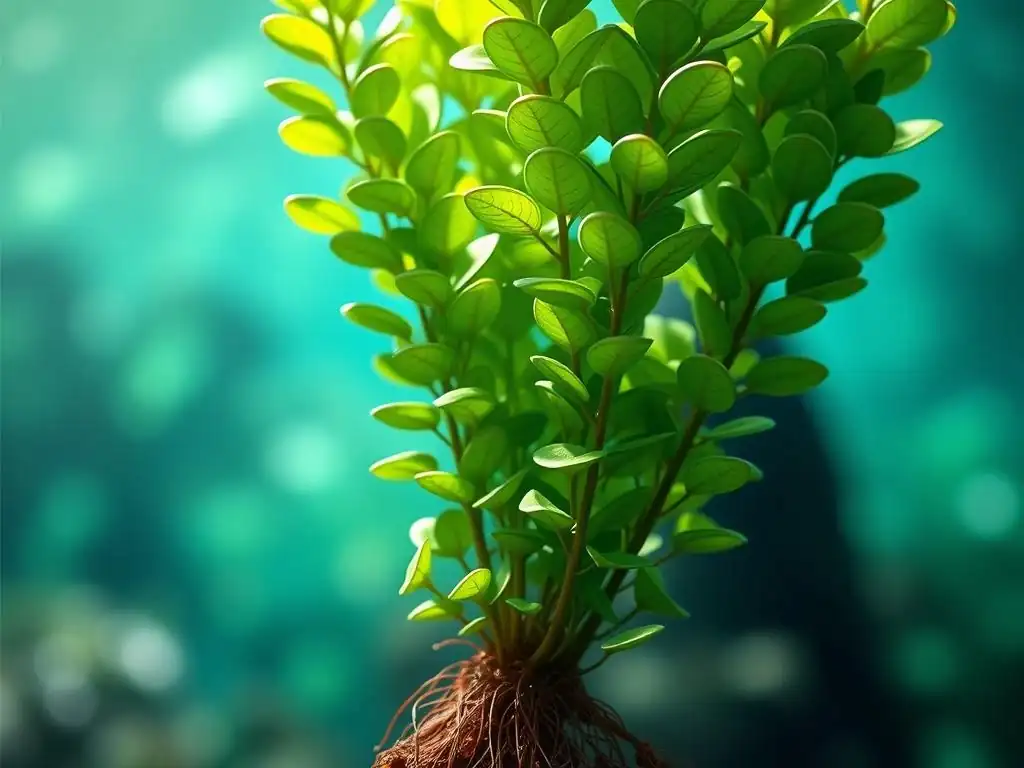
Egeria Densa, commonly known as Anacharis or Brazilian Waterweed, is an exceptionally robust and fast growing aquarium stem plant renowned for its powerful natural filtration capabilities. This plant is a highly efficient absorber of nitrates, phosphates, and other dissolved waste products from the water column, acting as a superb natural biofilter. In a densely planted tank, Egeria Densa can absorb up to 20-30 mg/L of nitrate per week, significantly reducing the chemical load and improving water clarity.
Beyond nutrient absorption, Egeria Densa is an outstanding oxygen producer. Under adequate lighting, you can often observe streams of tiny oxygen bubbles "pearling" from its leaves, indicating vigorous photosynthesis. This abundant oxygen supply is immensely beneficial for fish respiration and supports a healthy population of aerobic nitrifying bacteria, which are crucial for the nitrogen cycle. Its ability to absorb heavy metals and other pollutants also contributes to a healthier aquatic environment.
Controlling Egeria Densa Growth: Preventing Overgrowth
While its rapid growth is a major advantage for quickly filling a tank, the sheer speed of Egeria Densa can become a management challenge. It can grow several inches per week, quickly reaching the water surface and forming a dense mat that can shade out other plants below. If left unchecked, it can outcompete slower-growing species for light and nutrients, potentially dominating the aquascape.
Therefore, regular and aggressive trimming, typically on a weekly or bi-weekly basis, is essential to control its spread. Cuttings can be easily replanted to expand plant coverage or discarded. Egeria Densa is incredibly hardy, tolerating a wide temperature range from 50-80°F (10-27°C), making it suitable for both heated and unheated aquariums. Its ease of care and rapid growth make it an ideal choice for beginners seeking a low-maintenance, fast growing aquarium stem plant.
5. Bacopa Monnieri: A Hardy and Versatile Stem Plant
Bacopa Monnieri Care Tips for Optimal Growth
Bacopa Monnieri, also known as Moneywort, is a hardy and versatile fast growing aquarium stem plant that offers a classic green aesthetic with its sturdy, upright stems and oval leaves. It is highly adaptable and can thrive in a range of conditions, making it suitable for aquarists of all experience levels. Bacopa Monnieri prefers low to moderate light levels, typically around 15-30 PAR, and a wide temperature range of 68-82°F (20-28°C).
While it does not strictly require supplemental CO2, its growth will be noticeably slower without it. For optimal growth, it benefits significantly from a nutrient-rich substrate or the regular addition of root tabs, as it can be a relatively heavy root feeder, though it also absorbs nutrients from the water column. Under good conditions, Bacopa Monnieri exhibits a moderate to fast growth rate, typically around 0.5-1 inch per week, allowing it to contribute steadily to the tank's biomass.
Using Bacopa Monnieri in Aquascaping Designs
Bacopa Monnieri's distinct growth habit and leaf shape make it a versatile plant for various aquascaping designs. Its upright, relatively thick stems and round, succulent-like leaves provide a pleasing textural contrast to finer-leaved plants, making it an excellent choice for midground or background placement in an aquarium. It can be planted in groups to create a dense, green bush or used as individual stems to add vertical elements.
Due to its hardiness and adaptability, Bacopa Monnieri performs well in both high-tech setups with CO2 injection and low-tech tanks without. Its somewhat slower growth rate compared to some other fast growing aquarium stem plants means less frequent trimming is required, making it a lower-maintenance option for those who prefer less intensive gardening. Its ability to thrive in varied conditions makes it a reliable choice for creating a stable and aesthetically pleasing aquascape.
Planting and Propagation Techniques for Fast-Growing Stems
Step-by-Step Guide to Planting Stem Plants
Proper planting techniques are crucial for ensuring your fast growing aquarium stem plants establish quickly and thrive. First, gently remove the plants from their packaging, separating individual stems from any bundles. Inspect each stem for damaged or decaying leaves, and carefully remove them, especially those at the very bottom. Trim the very end of the stem (the bottom 1-2 inches) at an angle using sharp scissors, which helps prevent rot and encourages new root growth.
Next, using aquascaping tweezers, gently grasp the stem just above the trimmed end. Insert the stem approximately 0.5-1 inch deep into the substrate, ensuring it is firmly anchored but not crushed. For a lush, bushy appearance, plant individual stems about 0.5-1 inch apart to allow for adequate light penetration and water flow. Alternatively, for a quicker fill, you can plant 3-5 stems together in a small cluster, ensuring each stem has enough space to access nutrients and light.
Effective Propagation Methods: Cuttings and Replanting
The ease of propagation is a hallmark of fast growing aquarium stem plants, allowing aquarists to rapidly multiply their plant stock and achieve a dense aquascape. The most effective and common method is taking stem cuttings. When a stem plant reaches the water surface, or when it becomes too tall for your desired aquascape, simply trim the top 4-6 inches of the stem using sharp scissors. Ensure you cut just above a node (where leaves emerge) on the remaining portion of the plant to encourage new growth from that point.
Once you have your cuttings, remove the lower 1-2 inches of leaves to expose the stem. These prepared cuttings can then be directly replanted into the substrate, following the same steps as initial planting. New roots will develop quickly, usually within a week, allowing the cuttings to establish themselves as independent plants. This continuous cycle of trimming and replanting is an incredibly efficient way to quickly multiply your fast growing aquarium stem plants and achieve a full, vibrant tank in a matter of weeks.
Providing Essential Nutrients for Rapid Growth
For fast growing aquarium stem plants to truly flourish and exhibit their rapid growth potential, a consistent and balanced supply of essential nutrients is paramount. For plants that are heavy root feeders, such as Bacopa Monnieri, utilizing a nutrient-rich substrate or supplementing with root tabs provides a steady supply of nutrients directly to their root systems. However, most stem plants also absorb nutrients directly from the water column.
Therefore, regular dosing of a comprehensive liquid fertilizer containing both macro-nutrients (Nitrogen, Phosphorus, Potassium - NPK) and micro-nutrients (Iron, Manganese, Boron, Zinc, Copper, Molybdenum) is crucial. For a 50-gallon tank with a moderate to heavy plant load, a common dosing regimen might involve 5-10 ml of a complete liquid fertilizer 2-3 times per week, adjusted based on plant density and observed growth. If supplemental CO2 injection is used, the plants' nutrient uptake significantly increases, necessitating a corresponding increase in fertilizer dosing to prevent deficiencies and maintain continuous rapid growth.
Maintaining a Healthy and Thriving Stem Plant Aquarium
Regular Trimming and Pruning for Dense Growth
Regular trimming and pruning are absolutely essential for maintaining a healthy and aesthetically pleasing aquarium filled with fast growing aquarium stem plants. Due to their rapid growth, these plants can quickly reach the water surface, shading out lower leaves and other plants, leading to melting or stunted growth. Trimming encourages the plant to produce side shoots from the nodes below the cut, resulting in a bushier, denser appearance rather than tall, leggy stems. For very fast growers, trimming at least once every 1-2 weeks might be necessary.
When trimming, it's best to use sharp scissors to make clean cuts just above a leaf node. The trimmed tops can often be replanted, further contributing to the tank's biomass. It's generally advisable not to remove more than 50% of a plant's biomass at once to avoid shocking it. Consistent pruning not only maintains the desired shape and size of your fast growing aquarium stem plants but also ensures that light and nutrients can penetrate to all parts of the plant, promoting overall health and vigor.
Water Parameters and Nutrient Monitoring
Maintaining stable and appropriate water parameters is fundamental to the health of any aquatic plant, especially fast growing aquarium stem plants. While specific requirements vary slightly by species, a general guideline is to keep pH levels between 6.5-7.5, General Hardness (GH) between 4-8 dGH, and Carbonate Hardness (KH) between 3-6 dKH. Regular testing, perhaps weekly, for key parameters like nitrates, phosphates, and iron, is vital to understand your tank's nutrient consumption.
Based on these test results, you can fine-tune your fertilization regimen. For instance, aim for nitrate levels around 10-20 ppm, phosphate levels between 0.5-1.0 ppm, and iron levels around 0.05-0.1 ppm. Consistent monitoring allows you to proactively adjust liquid fertilizer dosing, add root tabs, or increase CO2 injection to prevent deficiencies or excesses. This precise management of water parameters and nutrient levels ensures your fast growing aquarium stem plants have everything they need for continuous, robust growth and vibrant coloration.
Preventing and Treating Common Plant Diseases
Preventing plant diseases and deficiencies in an aquarium primarily revolves around providing optimal growing conditions. Good water quality, a consistent and balanced nutrient supply, and adequate lighting are the best preventative measures. Additionally, quarantining new plants for 1-2 weeks in a separate container before introducing them to your main tank can help prevent the introduction of pests (like snails or planaria) or diseases that might harm your established flora.
Common issues observed in fast growing aquarium stem plants often stem from nutrient imbalances or inadequate conditions rather than true "diseases." For example, the presence of algae on plant leaves usually indicates an imbalance in nutrients or too much light. Melting leaves can point to a lack of CO2, a sudden change in water parameters, or a severe nutrient deficiency.
Stunted growth or pale leaves are often a sign of insufficient light or a lack of essential macro or micro-nutrients, particularly iron. Addressing the root cause, such as adjusting light duration, increasing CO2, or adding a specific liquid fertilizer, is key to resolving these issues and restoring your plants to health.
Conclusion: Enjoying Your Lush, Fast-Growing Aquarium
The Long-Term Benefits of Choosing Fast-Growing Plants
The decision to incorporate fast growing aquarium stem plants into your aquarium setup yields a multitude of long-term benefits that extend far beyond initial aesthetic appeal. These plants are instrumental in rapidly establishing a stable and healthy aquatic environment, acting as natural filters that efficiently consume excess nutrients, thereby significantly reducing the frequency and severity of algae blooms. This proactive approach to nutrient management leads to clearer water and a more balanced ecosystem, requiring less effort in routine maintenance.
Furthermore, a heavily planted tank provides a naturalistic and enriching habitat for your fish and invertebrates. The dense foliage offers essential hiding places, reduces stress, and encourages natural behaviors like foraging and spawning. Over time, this contributes to the overall health and longevity of your aquatic inhabitants. The dynamic nature of a thriving planted tank, with its continuous growth and subtle changes, offers immense satisfaction and a constantly evolving living display for the aquarist.
Further Resources for Aquatic Plant Enthusiasts at AquariumMastery.com
As you embark on your journey with fast growing aquarium stem plants and beyond, AquariumMastery.com remains your comprehensive resource for all things aquatic. To delve deeper into specific plant care, propagation techniques, or troubleshooting common issues, explore our extensive "Aquatic Plants & Macroalgae" category. Within this, you'll find detailed "Freshwater Aquatic Plant Profiles: Stem, Rosette, Carpeting" that offer in-depth insights into a wide array of species.
Aquarium Mastery is dedicated to providing detailed guidance on setting up and maintaining both freshwater and saltwater aquariums, covering everything from water chemistry and plant selection to troubleshooting common tank issues. Whether you are a beginner or an experienced aquarist, our content is organized to offer a complete resource, empowering you to achieve mastery in your aquatic endeavors and cultivate a thriving, beautiful aquarium.
Frequently Asked Questions
What makes stem plants a good choice for aquariums?
Stem plants are excellent choices because they are generally fast growing and readily absorb nutrients, helping to control algae growth and improve water quality. They also provide shelter for fish.
Which stem plant is the easiest to grow for beginners?
Anacharis (Egeria densa) is often recommended for beginners due to its hardiness and ability to thrive in a wide range of water conditions. It's a low-demanding plant.
Can fast-growing stem plants outcompete other plants in my aquarium?
Yes, if not properly managed, fast-growing stem plants can outcompete slower-growing species for nutrients and light. Regular pruning is essential for maintaining balance.
Do fast-growing stem plants require any special lighting or CO2 supplementation?
While many can tolerate lower light levels, optimal growth often requires moderate to high lighting and potentially CO2 supplementation, especially for demanding species.
How often should I prune fast-growing stem plants in my aquarium?
Pruning frequency depends on the plant species and growth rate, but generally, weekly or bi-weekly pruning is recommended to prevent overcrowding and maintain the desired aquascape.
Final Reflection: The Verdant Promise of Growth
The journey through the world of fast-growing aquarium stem plants reveals more than just a shortcut to a lush aquascape; it highlights the powerful synergy between nature and nurture within our own miniature ecosystems. Understanding the rapid growth and adaptability of these plants allows us to not only create visually stunning tanks, but also to appreciate the delicate balance required for aquatic life to thrive. This knowledge, readily accessible and easily implemented, empowers aquarists of all levels to cultivate vibrant underwater worlds.
This exploration into the realm of fast-growing stem plants has profoundly impacted my own understanding of aquascaping, transforming it from a mere hobby into a deeply engaging practice. Witnessing the rapid transformation of a barren tank into a thriving ecosystem is a constant reminder of nature's resilience and the potential for growth in even the smallest of spaces. The best time to plant a tree was 20 years ago. The second best time is now.
This ancient proverb resonates deeply with the aquascaping journey, urging us to embrace the present moment and cultivate the beauty that surrounds us.
Now, as you embark on your own aquascaping adventures, consider the lessons learned from these fast-growing wonders. Let their vibrant energy inspire you to cultivate not only a beautiful aquarium, but also a deeper appreciation for the natural world. Embrace the challenge, experiment with different species, and witness the transformative power of growth firsthand. Your aquarium, and indeed your life, will flourish as a result.
Ignite Your Aquarium's Growth: Ready to Create a Lush Underwater Paradise?
Thanks for diving into the world of fast-growing stem plants! We hope you’ve discovered some vibrant options to transform your aquarium. Now, it's time to bring that vision to life. Here are a few ways to get started:
- Immediately plan and begin planting! Prioritize which plants fit your current scape.
- Share your aquarium aspirations! Connect with fellow aquascapers by posting your planned setup on our community forum and getting feedback.
- Explore Aquarium Mastery's resources on optimizing plant growth, including lighting and fertilization.
What unique design will you create for your new aquarium plants?