
Caulerpa Unveiled: Benefits, Risks, and Responsible Care for This Prolific Macroalgae


Welcome to Aquarium Mastery!
Ever wondered if Caulerpa is a friend or foe in your reef tank? This vibrant macroalgae promises stunning visuals and nutrient control, but its rapid growth can quickly become a challenge. Dive into our comprehensive guide on Caulerpa care, growth, and problems to unlock the secrets to responsibly harnessing its benefits – and avoiding potential pitfalls. Ready to master this fascinating plant? Let's explore!
- Introduction to Caulerpa in Saltwater Aquariums
-
Frequently Asked Questions
- How does Caulerpa benefit a saltwater aquarium?
- What are the potential risks associated with Caulerpa growth in a reef tank?
- What are the most important factors to consider for successful Caulerpa care?
- How can I prevent Caulerpa from becoming a nuisance in my aquarium?
- What common problems might I encounter when growing Caulerpa, and how can I address them?
- Final Reflection: Navigating the Caulerpa Conundrum
- Dive Deeper: Shape Your Aquarium World!
Introduction to Caulerpa in Saltwater Aquariums
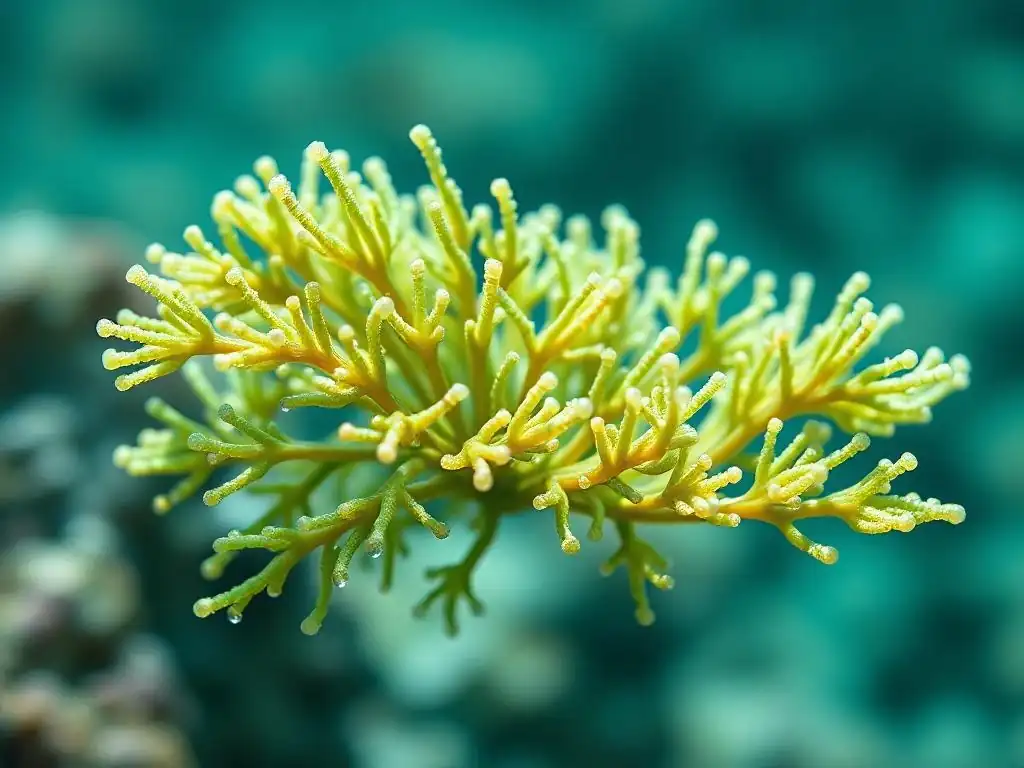
What is Caulerpa? Understanding the Basics of This Macroalgae
Caulerpa is a fascinating genus of green macroalgae that has become a staple in many saltwater aquarium systems. Unlike most plants and algae which are multicellular, Caulerpa species are unique in their coenocytic structure, meaning each individual plant is essentially a single, giant cell containing multiple nuclei and an extensive network of rhizoids (root-like structures), stolons (stem-like runners), and fronds (leaf-like structures).
This highly efficient cellular organization allows for incredibly rapid Caulerpa growth, enabling it to colonize substrates quickly and adapt to various environmental conditions. Naturally, these species are found predominantly in tropical and subtropical waters worldwide, thriving in diverse habitats from shallow lagoons to deeper reef slopes, showcasing their remarkable adaptability.
Understanding this fundamental biology is crucial for effective Caulerpa care within a controlled aquarium environment. Its rapid growth rate means that while it can be highly beneficial for nutrient export, it also requires diligent management to prevent it from becoming a nuisance. Aquarists often observe its distinctive morphology, with species varying from the delicate, grape-like clusters of Caulerpa racemosa to the feathery fronds of Caulerpa taxifolia. This diversity in form, coupled with its robust nature, makes Caulerpa a subject of both admiration and caution among marine hobbyists due to its impressive, yet sometimes challenging, proliferation.
Why Caulerpa is a Popular Choice for Saltwater Tanks
Caulerpa has gained immense popularity among saltwater aquarists primarily due to its exceptional capabilities in natural nutrient control and its aesthetic appeal. Many hobbyists introduce Caulerpa into their sumps or display tanks to act as a biological filter, effectively absorbing excess nitrates and phosphates that can otherwise fuel undesirable nuisance algae outbreaks.
This makes it an invaluable tool for maintaining pristine water quality and a stable ecosystem. For instance, in a well-managed refugium, a healthy mat of Caulerpa can significantly reduce nitrate levels from 20 ppm to less than 5 ppm over a week in a moderately stocked 75-gallon tank, demonstrating its potent nutrient export abilities.
Beyond its filtration prowess, the relatively straightforward initial Caulerpa care requirements and its diverse visual forms contribute to its widespread adoption. Species like Caulerpa prolifera offer graceful, blade-like foliage that can add a vibrant green backdrop to a reef tank, while others provide interesting textures.
This combination of robust Caulerpa growth, ease of establishment, and significant ecological benefits makes it an attractive option for aquarists seeking to enhance their tank's health and visual appeal. However, its very strengths, particularly its rapid growth, also lay the groundwork for potential Caulerpa problems if not managed diligently, a fact that responsible aquarists must always keep in mind.
Frequently Asked Questions
How does Caulerpa benefit a saltwater aquarium?
Caulerpa can be a beneficial addition as it effectively removes nitrates and phosphates, contributing to a healthier water quality. It also provides a natural food source and shelter for small invertebrates.
What are the potential risks associated with Caulerpa growth in a reef tank?
Caulerpa can grow rapidly and become invasive, outcompeting corals for resources like light and nutrients. It can also undergo sexual reproduction, releasing toxins into the water column.
What are the most important factors to consider for successful Caulerpa care?
Maintaining proper water parameters, including appropriate lighting and nutrient levels, is crucial. Regular pruning and removal of excess growth are also essential for control.
How can I prevent Caulerpa from becoming a nuisance in my aquarium?
Implement strategies like regular trimming, utilizing herbivores that consume Caulerpa, and employing a dedicated refugium to contain its growth. Avoiding nutrient spikes is also helpful.
What common problems might I encounter when growing Caulerpa, and how can I address them?
Common issues include die-off due to nutrient deficiencies or poor water quality. Combat this by testing water parameters and adjusting accordingly. Also, addressing any predation by certain fish is important.
The exploration of Caulerpa, as we've seen, reveals a complex tapestry of ecological benefits and potential risks. Understanding the nuances of Caulerpa care, growth, and the problems it can present is now more crucial than ever, as its presence continues to expand in both natural and artificial environments, demanding informed and responsible management.
This journey into the world of Caulerpa has highlighted its profound impact on aquatic ecosystems, both positive and negative. It's a stark reminder that even seemingly simple organisms can have far-reaching consequences, and that our actions, however small, can significantly influence the delicate balance of nature. We are tied to the ocean. And when we go back to the sea, whether it is to sail or to watch it, we are going back from whence we came.
- John F. Kennedy. This quote underscores our inherent connection to the marine world and the responsibility we bear to protect it.
Ultimately, the future of Caulerpa, and indeed the health of our aquatic ecosystems, rests in our hands. Let us not shy away from the challenges it presents, but instead embrace the opportunity to learn, adapt, and act responsibly. Consider how you can contribute to a more informed and sustainable approach to Caulerpa management, whether through responsible aquarium keeping, supporting research efforts, or simply spreading awareness. The time to act is now, ensuring a future where the benefits of Caulerpa are harnessed while mitigating its potential harms.
Dive Deeper: Shape Your Aquarium World!
Thank you for exploring the fascinating world of Caulerpa with us! We hope this article has shed light on its potential benefits and risks within your aquarium ecosystem. Now, let's turn that knowledge into action!
Here's how you can further engage with Caulerpa responsibly and enrich your aquarium experience:
- Implement a growth control strategy: If you choose to introduce Caulerpa, establish and strictly adhere to a trimming schedule. This proactive approach is crucial for maintaining balance and preventing it from overtaking other inhabitants.
- Explore alternative macroalgae: Research and consider other, less aggressive, macroalgae species that may be better suited for your specific aquarium setup and desired ecological balance. Document your findings to share your knowledge with others.
- Share your Caulerpa story: If you've worked with this macroalgae, share your experiences – successes, challenges, and lessons learned – in aquarium forums or with fellow hobbyists. Your insights could help others make informed decisions!
What innovative growth control method will you pioneer to keep Caulerpa in check in your tank?