
Favia Tissue Recession: Identifying Causes & Implementing Solutions

Welcome to Aquarium Mastery!
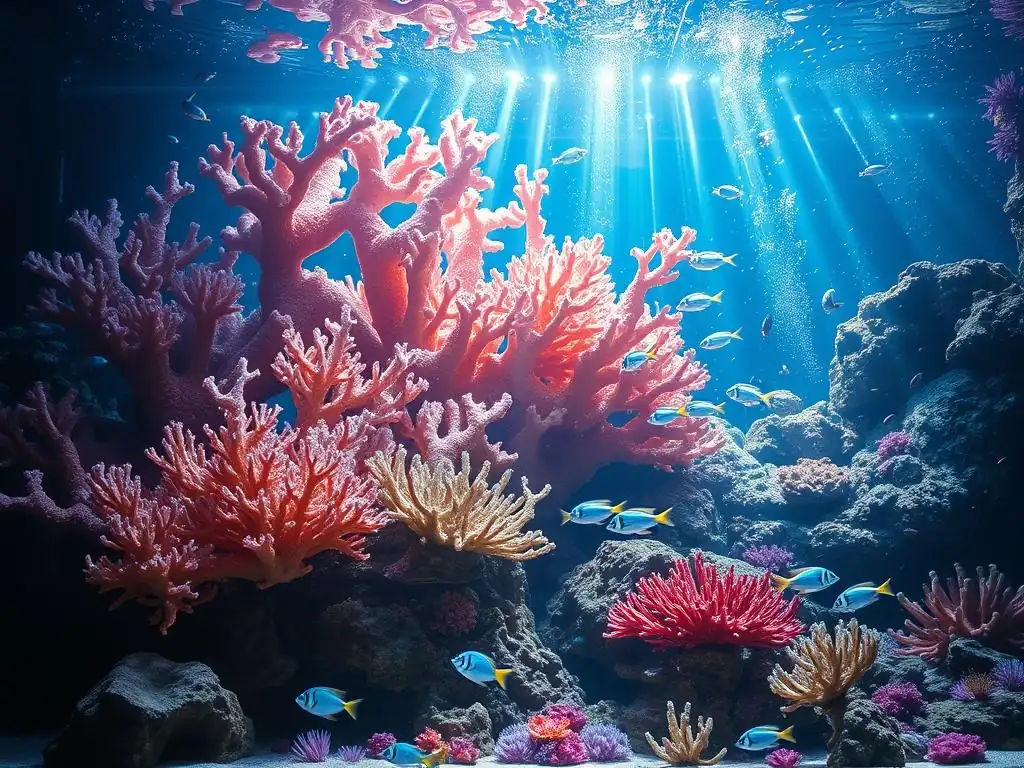
Ever wondered why your vibrant Favia coral is suddenly losing its color and receding? It's a common, yet concerning issue for reef tank enthusiasts. Dive in to discover the potential causes of Favia coral tissue recession and learn proven methods to diagnose the problem, implement effective solutions, and ultimately, save your beloved coral. Let's unravel this mystery together and get your Favia thriving again!
- Understanding Favia Coral and Tissue Recession
- Identifying the Causes of Favia Tissue Recession
- Diagnosing Favia Coral Tissue Recession: Signs and Symptoms
- Implementing Solutions to Combat Favia Tissue Recession
- Case Studies: Successful Favia Tissue Recession Recovery
- Advanced Techniques for Favia Coral Care and Prevention of Tissue Recession
-
Frequently Asked Questions
- What exactly is Favia coral tissue recession, and why is it a concern?
- What are the primary causes of tissue recession in Favia corals?
- How can I visually identify tissue recession in my Favia coral?
- What steps should I take immediately if I notice tissue recession in my Favia coral?
- What long-term strategies can help prevent tissue recession in Favia corals?
- Final Reflection: Preserving the Vibrant Tapestry of Our Reefs
- Restore Your Favia's Radiance!
Understanding Favia Coral and Tissue Recession
What is Favia Coral? A Brief Overview
Favia coral, commonly known as brain coral or pineapple coral, belongs to the Large Polyp Stony (LPS) coral family. Renowned for its vibrant colors, intricate patterns, and relatively robust nature, Favia is a popular choice among reef aquarists, from beginners to seasoned hobbyists. These corals typically form massive, encrusting, or hemispherical colonies, characterized by their distinct, fleshy polyps that retract into the skeleton during the day or when disturbed.
Like most stony corals, Favia corals host symbiotic dinoflagellates called zooxanthellae within their tissues. These microscopic algae perform photosynthesis, converting light energy into sugars that provide the coral with up to 90% of its nutritional requirements. This symbiotic relationship is crucial for Favia's health, growth, and vibrant coloration, making proper lighting and water quality paramount for its well-being.
Defining Favia Coral Tissue Recession (CTR)
Favia Coral Tissue Recession (CTR) refers to the progressive loss of living tissue from the coral's skeleton, exposing the underlying calcareous structure. This condition can manifest as a gradual thinning of the tissue or as a rapid "peeling" effect, revealing bare skeleton underneath. It often begins at the base or edges of the colony and can spread inwards, potentially consuming the entire Favia coral if left unaddressed.
CTR is a serious health issue for Favia corals and is a clear indicator of underlying stress or disease within the aquarium environment. Unlike coral bleaching, where the tissue remains but loses its color due to zooxanthellae expulsion, tissue recession signifies the actual death and disappearance of the coral's living cells.
Why is Favia Tissue Recession a Concern for Reef Aquarists?
Favia tissue recession is a significant concern for reef aquarists for multiple reasons. Firstly, it represents a direct threat to the individual Favia colony, often leading to its complete loss if the cause is not identified and rectified promptly. This results in both an aesthetic and financial loss, especially for larger or rarer specimens.
Secondly, the presence of Favia coral tissue recession often signals broader issues within the reef aquarium system, such as poor water quality, inadequate lighting, or the presence of pests. An ailing Favia can be an early warning sign that conditions are deteriorating, potentially affecting other corals and invertebrates in the tank. Untreated, the underlying issues causing Favia tissue recession can spread or worsen, impacting the entire ecosystem.
Identifying the Causes of Favia Tissue Recession
Poor Water Quality and Favia Health
Elevated Nitrate and Phosphate Levels
High levels of nitrates and phosphates are common culprits behind Favia coral tissue recession. Nitrates, typically above 10-20 ppm, and phosphates, often exceeding 0.03-0.05 ppm, act as stressors on corals. These elevated nutrients can directly inhibit calcification, weakening the coral's skeletal structure, and more importantly, they can compromise the coral's immune system, making it more susceptible to infections and disease.
These nutrient levels usually accumulate from overfeeding, insufficient water changes, or decaying organic matter within the aquarium. When present in excess, they also fuel the growth of nuisance algae, which can directly irritate and smother Favia polyps, further contributing to tissue loss and making recovery from Favia coral tissue recession more challenging.
Inconsistent Salinity and Alkalinity
Fluctuations in salinity and alkalinity are major stressors for Favia corals, often leading to Favia tissue recession. Salinity swings, such as drops below 1.023 or spikes above 1.027 specific gravity, cause osmotic stress, forcing the coral's cells to rapidly gain or lose water. This cellular damage can quickly manifest as tissue retraction and eventual Favia tissue recession.
Similarly, inconsistent alkalinity (dKH) levels, particularly rapid changes of 1-2 dKH within 24 hours, directly impact the coral's ability to calcify and maintain its skeleton. Alkalinity levels consistently outside the optimal range (e.g., below 7 dKH or above 12 dKH) hinder the coral's metabolic processes, making it energetically expensive to maintain tissue integrity and promote growth, thereby increasing susceptibility to Favia coral tissue recession.
The Impact of pH Instability on Favia Corals
pH instability is another critical water parameter that can contribute to Favia coral tissue recession. Favia corals thrive in a stable pH range, typically between 8.0 and 8.4. Daily pH variations exceeding 0.2-0.3 units, or sustained levels outside this optimal range, place significant stress on the coral polyps and interfere with their vital metabolic processes, including calcification.
Common causes of pH instability include poor gas exchange at the water surface, inadequate buffer capacity in the water, or elevated carbon dioxide (CO2) levels, especially at night due to respiration from tank inhabitants. Sustained low pH (e.g., below 7.8) can be particularly detrimental, inhibiting the coral's ability to deposit calcium carbonate for its skeleton, leading to chronic stress and increased vulnerability to Favia tissue recession.
Lighting Issues and Favia Tissue Loss
Insufficient Lighting for Favia Growth
Favia corals are photosynthetic and rely heavily on their symbiotic zooxanthellae for energy. Insufficient lighting, where PAR (Photosynthetically Active Radiation) levels consistently fall below the recommended range (e.g., below 50-75 PAR for Favia), can lead to a severe energy deficit. This lack of adequate light causes the zooxanthellae to become less efficient or even be expelled, resulting in the coral's vibrant coloration fading and the tissue becoming dull or shrunken.
Over time, this chronic energy starvation forces the Favia coral to draw upon its own tissue for energy reserves, leading to atrophy and eventual Favia tissue recession. This is commonly observed when Favia corals are placed in heavily shaded areas of the aquarium or under old, degraded lighting systems that no longer provide sufficient intensity or spectrum.
Excessive Lighting Causing Bleaching and Recession
Conversely, overly intense lighting can be just as detrimental, if not more so, to Favia corals, causing bleaching and subsequent Favia tissue recession. When Favia corals are exposed to PAR levels consistently above 200-250 PAR, especially without proper acclimation, they can experience photoinhibition and oxidative stress. This triggers the coral to expel its zooxanthellae as a protective mechanism, leading to a rapid loss of color, known as bleaching.
While bleaching itself is not tissue recession, severe or prolonged bleaching due to excessive light often precedes and contributes to Favia coral tissue recession. Without their primary energy producers, the coral becomes severely stressed and unable to sustain its tissue, leading to irreversible loss and exposed skeleton. This acute stress can progress rapidly from a pale, bleached appearance to definitive tissue loss in a matter of days.
Biological Threats: Pests and Predators Affecting Favia
Flatworms and Favia Tissue Damage
Certain species of flatworms can pose a direct threat to Favia corals, causing irritation and subsequent Favia tissue recession. While some flatworms are general detritivores, others, like certain acoel flatworms or even some Prostheceraeus species, can directly irritate or feed on coral polyps. These small, often camouflaged pests (typically brown or black and only a few millimeters in size) can proliferate rapidly if not detected early.
Their presence causes the Favia polyps to retract frequently, leading to chronic stress and an inability to fully extend for feeding or light absorption. Over time, this constant irritation and potential direct tissue damage can result in focal areas of Favia coral tissue recession, often starting as small, localized patches of exposed skeleton.
Nudibranchs Predating on Favia Corals
Nudibranchs, particularly specialized coral-eating species like Phestilla spp., are highly effective predators of LPS corals, including Favia. These mollusks directly consume the living tissue of the Favia coral, leaving behind clear patches of exposed skeleton. They are often masters of camouflage, mimicking the color and texture of their host coral, making them incredibly difficult to spot during routine observation.
Due to their cryptic nature and nocturnal habits, a nudibranch infestation can go unnoticed until significant Favia tissue recession has occurred. Even a small number of these pests can cause substantial damage to a Favia colony over a short period, with multiple individuals capable of consuming a considerable portion of a medium-sized Favia coral (e.g., 4-6 inches in diameter) within a few weeks.
Bacterial Infections Leading to Tissue Necrosis
Bacterial infections are a common and often devastating cause of Favia coral tissue recession, frequently manifesting as Rapid Tissue Necrosis (RTN) or Slow Tissue Necrosis (STN). Bacteria, often Vibrio species, can opportunistically attack corals that are already stressed by poor water quality, physical damage, or other environmental factors. The infection leads to the rapid death and sloughing off of living tissue.
In cases of RTN, the Favia tissue can literally peel away from the skeleton in a matter of hours, leaving behind a clean, white skeleton. STN is a slower progression, often taking days or weeks, but the outcome is the same: progressive Favia tissue recession. A visible white, slimy film often precedes the tissue loss, and these infections can be highly contagious, potentially spreading across an entire Favia colony or even to neighboring corals in the aquarium.
Physical Damage and Favia Tissue Degradation
Abrasions and Injuries from Tankmates
Physical damage is a direct and often immediate cause of Favia coral tissue recession. Aggressive or boisterous tankmates, such as certain angelfish, triggers, or even large tangs, can accidentally or intentionally brush against, nip at, or otherwise injure Favia tissue. Invertebrates like certain crabs (e.g., emerald crabs, large hermit crabs) or even other corals (e.g., Euphyllia species extending long sweeper tentacles) can also cause damage.
These abrasions or injuries create open wounds on the Favia coral, making the exposed tissue highly susceptible to secondary bacterial infections, which then accelerate the Favia tissue recession. A single significant injury, or repeated minor irritations over time, can initiate a localized tissue loss that then spreads across the colony if not addressed.
Improper Handling During Fragging or Placement
Improper handling during activities such as fragging, moving, or initial placement of Favia corals can directly lead to tissue degradation and Favia tissue recession. Dropping a colony, scraping it against rockwork, or applying excessive pressure with hands or tools can bruise, tear, or crush the delicate polyps and underlying tissue.
Any area where the Favia tissue is compromised becomes vulnerable. For instance, a fresh frag cut, if not properly cleaned or if handled roughly, can expose the skeleton to bacteria, leading to a localized Favia coral tissue recession that can expand. It is crucial to use appropriate fragging tools (e.g., bone cutters for larger pieces) and always handle corals with clean, wet hands or soft, non-abrasive gloves to minimize trauma.
Diagnosing Favia Coral Tissue Recession: Signs and Symptoms
Observing Early Signs of Tissue Recession in Favia
Changes in Color and Texture
Observing early signs is crucial for effective intervention against Favia tissue recession. One of the first indicators is often a subtle change in the Favia coral's vibrant coloration; it might appear duller, paler, or develop patchy areas that seem less saturated. The coral's texture may also become irregular, with polyps appearing deflated, shrunken, or failing to extend fully, even during periods of ideal water conditions.
Additionally, a thin, unusual slime coat might be observed on the Favia's surface, indicating stress or a preliminary bacterial presence before significant tissue loss. These subtle shifts in appearance, though not yet outright exposed skeleton, are critical early warning signs that the Favia coral is under stress and that Favia coral tissue recession may be imminent.
Visible Skeleton Exposure
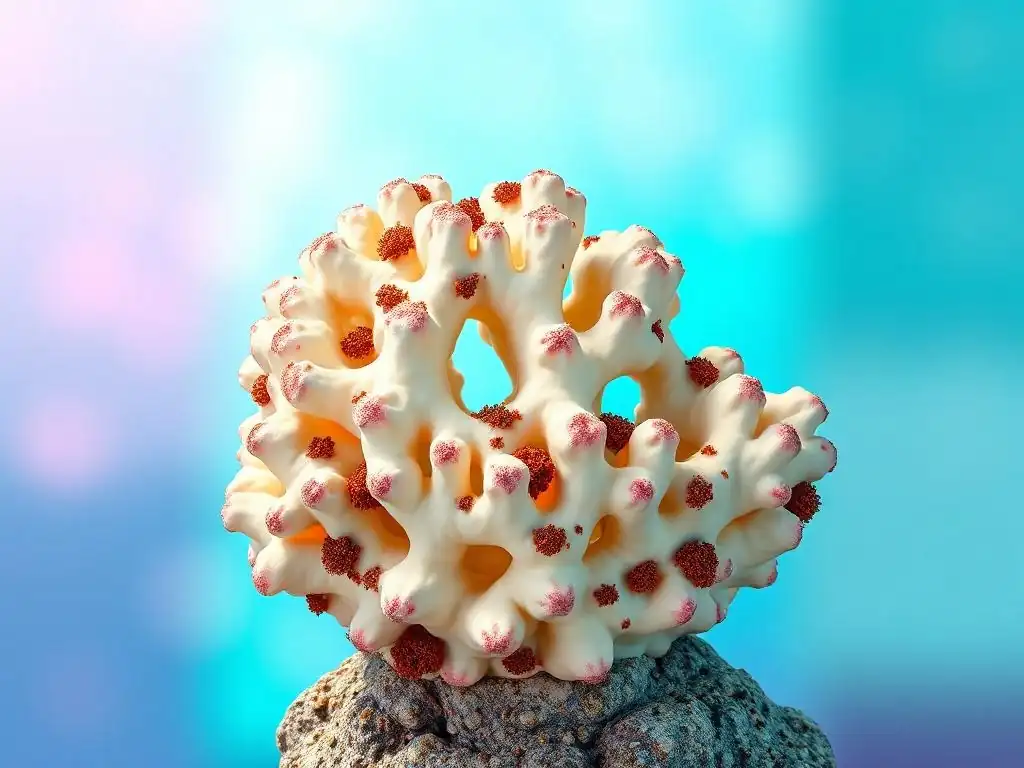
The definitive and most alarming sign of Favia tissue recession is the visible exposure of the underlying white or grey calcareous skeleton. This typically occurs as the living tissue recedes or sloughs off, often starting from the base of the colony, the edges, or around areas of physical damage. The exposed skeleton may be clean, but more commonly, it will quickly become covered in a thin film of detritus or nuisance algae, as the coral can no longer maintain its surface.
The rate of tissue loss can vary dramatically. In cases of Slow Tissue Necrosis (STN), the recession might progress gradually over days or weeks, with only a few millimeters of tissue lost daily. Conversely, Rapid Tissue Necrosis (RTN) can consume significant portions of a Favia colony, potentially an inch or more, within 24-48 hours, leaving large areas of bare skeleton almost overnight.
Distinguishing Favia Tissue Recession from Other Coral Ailments
Identifying the Pattern and Progression of Tissue Loss
Distinguishing Favia tissue recession from other coral ailments requires careful observation of the pattern and progression of tissue loss. Favia tissue recession typically presents as a clear, receding line of tissue, often starting from the bottom or edges of the colony and moving upwards or inwards. This exposes clean, or quickly fouled, bare skeleton. The speed of progression (slow vs. rapid) is a key diagnostic factor.
This differs from coral bleaching, where the entire coral becomes uniformly pale or white due to zooxanthellae expulsion, but the tissue itself remains intact and covers the skeleton. It also contrasts with specific infections like brown jelly disease, which is characterized by a distinct, gelatinous, brown, necrotic mass that rapidly spreads across and consumes the coral tissue.
Ruling Out Coral Bleaching and Brown Jelly Disease
To accurately diagnose Favia tissue recession, it's essential to rule out coral bleaching and brown jelly disease, as their treatments differ. Coral bleaching is the expulsion of zooxanthellae, leading to a white, but still physically present, coral tissue. While severe bleaching can be a precursor to Favia coral tissue recession if the coral starves, the initial state of bleaching does not involve tissue loss. If the coral is white but still has tissue covering its skeleton, it is bleaching, not recession.
Brown jelly disease (BJD) is an aggressive ciliate infection identifiable by a slimy, brown, gelatinous mass that rapidly engulfs and dissolves coral tissue. It often starts as a localized patch and spreads quickly, consuming the coral within hours to days. Unlike the relatively clean line of receding tissue seen in Favia tissue recession, BJD involves a distinct, often foul-smelling, brown necrotic "jelly" that visibly consumes the coral.
Implementing Solutions to Combat Favia Tissue Recession
Improving Water Quality for Favia Recovery
Performing Regular Water Changes
Regular water changes are arguably the most effective and fundamental solution for improving water quality and combating Favia tissue recession, especially when caused by elevated nutrients. Implementing weekly or bi-weekly water changes of 10-20% of the tank volume effectively dilutes accumulated pollutants like nitrates and phosphates while simultaneously replenishing essential trace elements vital for coral health.
When performing water changes, it is crucial to use high-quality RO/DI (Reverse Osmosis/Deionized) water, properly mixed with a reputable marine salt mix to the correct salinity (e.g., 1.025 SG) and temperature (e.g., 78°F) to match the aquarium. Consistent water changes reduce overall stress on the Favia coral, creating a more stable and healthy environment conducive to recovery from Favia coral tissue recession.
Utilizing Protein Skimmers and Filtration Systems
Utilizing efficient protein skimmers and other filtration systems is paramount for maintaining pristine water quality and preventing Favia tissue recession. A properly sized protein skimmer (e.g., rated for 1.5-2 times the actual tank volume) effectively removes dissolved organic waste before it can break down into problematic nitrates and phosphates, significantly reducing the organic load in the system.
Beyond skimmers, other filtration methods play a crucial role. Refugiums with macroalgae (like Chaetomorpha) can naturally absorb excess nutrients. Media reactors containing Granular Ferric Oxide (GFO) effectively bind phosphates, reducing their concentration to optimal levels (e.g., below 0.03 ppm). Activated carbon helps remove dissolved organics and yellowing compounds, improving water clarity and reducing stress on Favia corals suffering from Favia tissue recession.
Maintaining Optimal Water Parameters
Maintaining optimal and stable water parameters is critical for Favia recovery and long-term health. Key parameters to monitor and maintain include Salinity (1.024-1.026 SG), Alkalinity (8-10 dKH), Calcium (400-450 ppm), and Magnesium (1250-1350 ppm). pH should ideally remain stable between 8.0 and 8.4. During periods of Favia tissue recession, daily testing of these parameters is highly recommended.
Stability is often more important than hitting exact target numbers. For systems with significant coral growth, using dosing pumps for calcium, alkalinity, and magnesium or a calcium reactor can help maintain consistent levels by replenishing consumed elements automatically. Consistent water parameters reduce physiological stress on the Favia coral, allowing it to allocate energy towards healing and calcification rather than constantly adjusting to environmental shifts, thus reversing Favia coral tissue recession.
Adjusting Lighting to Promote Favia Health
Gradual Acclimation to New Lighting Systems
When introducing new, stronger lighting systems or relocating Favia corals to a brighter area of the tank, gradual acclimation is essential to prevent light shock and subsequent Favia tissue recession. Start with reduced light intensity (e.g., 30-50% of the final desired intensity for the first 1-2 weeks) and slowly increase it by 5-10% weekly. Many modern LED fixtures offer programmable ramp-up and ramp-down cycles, which are ideal for this purpose.
This slow acclimation period allows the symbiotic zooxanthellae within the Favia coral's tissue to adapt to the new light levels, preventing photoinhibition and the stress that leads to bleaching and Favia coral tissue recession. Observe the coral closely for any signs of stress, such as paling of color, excessive polyp retraction, or a deflated appearance, and adjust the ramp-up schedule accordingly.
Providing Appropriate Light Intensity and Spectrum
Providing appropriate light intensity and spectrum is crucial for Favia health and can help prevent or reverse Favia tissue recession. Favia corals generally thrive under moderate lighting conditions, with PAR levels typically ranging from 75 to 150 PAR, depending on the specific species and its placement within the tank. Using a PAR meter, if available, can help ensure accurate measurement and positioning.
The light spectrum is equally important. A balanced spectrum, often achieved with a color temperature between 14,000K and 20,000K, provides both aesthetic appeal and the necessary blue light wavelengths for efficient photosynthesis by the zooxanthellae. Ensure light fixtures are clean and that bulbs (for T5 or metal halide systems) are replaced according to manufacturer recommendations (e.g., T5 bulbs every 9-12 months) as their intensity and spectrum degrade over time, which can contribute to Favia coral tissue recession.
Controlling Pests and Predators Affecting Favia
Implementing Quarantine Procedures for New Additions
Implementing strict quarantine procedures for all new coral additions is the most effective preventative measure against introducing pests and diseases that cause Favia tissue recession. A separate quarantine tank (QT) should be set up and maintained for at least 4-6 weeks before any new coral is introduced into the main display tank. This allows ample time for observation and treatment of potential issues.
During the quarantine period, thoroughly inspect new Favia corals for any visible pests like flatworms or nudibranchs. Perform preventative coral dips (as discussed below) to dislodge and kill external parasites. This proactive approach significantly reduces the risk of an infestation spreading to established Favia colonies, thereby preventing widespread Favia coral tissue recession.
Utilizing Biological Control Methods
For certain pests, utilizing biological control methods can be a part of the solution to control infestations that cause Favia tissue recession. For example, some species of wrasses, such as the Six-Line Wrasse ( Pseudocheilinops hexataenia) or the Melanurus Wrasse ( Halichoeres melanurus), are known to prey on various flatworm species. Similarly, specialized predatory snails like Chelidonura varians can target Montipora-eating nudibranchs, although their effectiveness against Favia-specific nudibranchs may vary.
While biological controls can help manage pest populations, they are not always 100% effective and may not target all types of pests that cause Favia tissue recession. They should be considered as one component of an integrated pest management strategy, used in conjunction with manual removal and chemical dips, rather than a standalone solution.
Manual Removal of Pests
Manual removal is an immediate and effective method for reducing pest populations directly impacting Favia corals and causing Favia tissue recession. For visible pests like flatworms or nudibranchs, a small turkey baster or pipette can be used to siphon them directly off the Favia coral. This is particularly effective for larger, easily spotted individuals or clusters.
Careful, thorough inspection of the Favia colony, especially in crevices and under polyps where pests often hide, is essential for successful manual removal. For persistent or widespread infestations, it might be necessary to temporarily remove the affected Favia frag or colony from the display tank for a more targeted inspection and aggressive manual removal in a separate container, often combined with a coral dip.
Treating Bacterial Infections in Favia Corals
Identifying and Isolating Infected Corals
When Favia coral tissue recession is suspected to be caused by a bacterial infection, particularly Rapid Tissue Necrosis (RTN), immediate identification and isolation of the affected coral are critical. Bacterial infections often present as a rapidly progressing tissue loss, sometimes accompanied by a white or clear slime. The tissue may simply melt away, leaving bare skeleton.
As bacterial infections can be highly contagious, swiftly moving the infected Favia coral to a separate quarantine tank is paramount to prevent the spread of the infection to other corals in the main display. This isolation also allows for targeted treatment without risking the main tank's beneficial bacterial population or other sensitive inhabitants.
Utilizing Antibiotic Dips and Treatments
Once isolated, bacterial infections causing Favia tissue recession can often be treated with antibiotic dips. Broad-spectrum antibiotics like Ciprofloxacin or Erythromycin, or commercial coral dips specifically formulated with antibacterial agents (e.g., CoralRx, Reef Dip), can be effective. It is crucial to follow the product instructions precisely for dosage and duration (typically 10-30 minutes in a separate container of tank water).
Avoid using antibiotics directly in the main display tank, as they can decimate beneficial nitrifying bacteria and negatively impact other invertebrates. Repeat dips may be necessary depending on the severity of the Favia coral tissue recession and the type of infection. Ensuring good water flow around the Favia coral in the quarantine tank can also aid recovery by preventing stagnant water pockets.
Preventing Future Favia Tissue Recession
Implementing a Regular Maintenance Schedule
Implementing and adhering to a regular maintenance schedule is the cornerstone of preventing future Favia tissue recession. This includes daily observation of all corals for subtle changes, weekly testing of key water parameters (e.g., alkalinity, calcium, nitrates, phosphates), and consistent water changes (e.g., 10% bi-weekly or 20% monthly). Regular cleaning of filter media, protein skimmers, and powerheads also contributes significantly.
Proactive and consistent maintenance, rather than reactive problem-solving, ensures a stable and healthy environment for Favia corals. A stable environment minimizes stress, which is a primary contributor to Favia coral tissue recession, making the corals more resilient to minor fluctuations and less susceptible to opportunistic infections or pest infestations.
Careful Observation and Early Intervention
Careful and consistent observation of Favia corals is vital for preventing widespread Favia tissue recession. Aquarists should dedicate time daily to inspect their Favia colonies for any subtle changes in color, texture, polyp extension, or the appearance of any unusual growths or receding areas. Early detection of even a small patch of tissue loss can significantly improve the chances of successful recovery.
Swift action and early intervention are key. If any signs of Favia coral tissue recession are noticed, immediately begin troubleshooting by testing water parameters, inspecting for pests, and considering a preventative coral dip. Addressing the issue when it is small and localized is far easier and more likely to succeed than waiting until a significant portion of the Favia colony has been lost.
Case Studies: Successful Favia Tissue Recession Recovery
Case Study 1: Addressing High Phosphate Levels and Implementing Water Changes
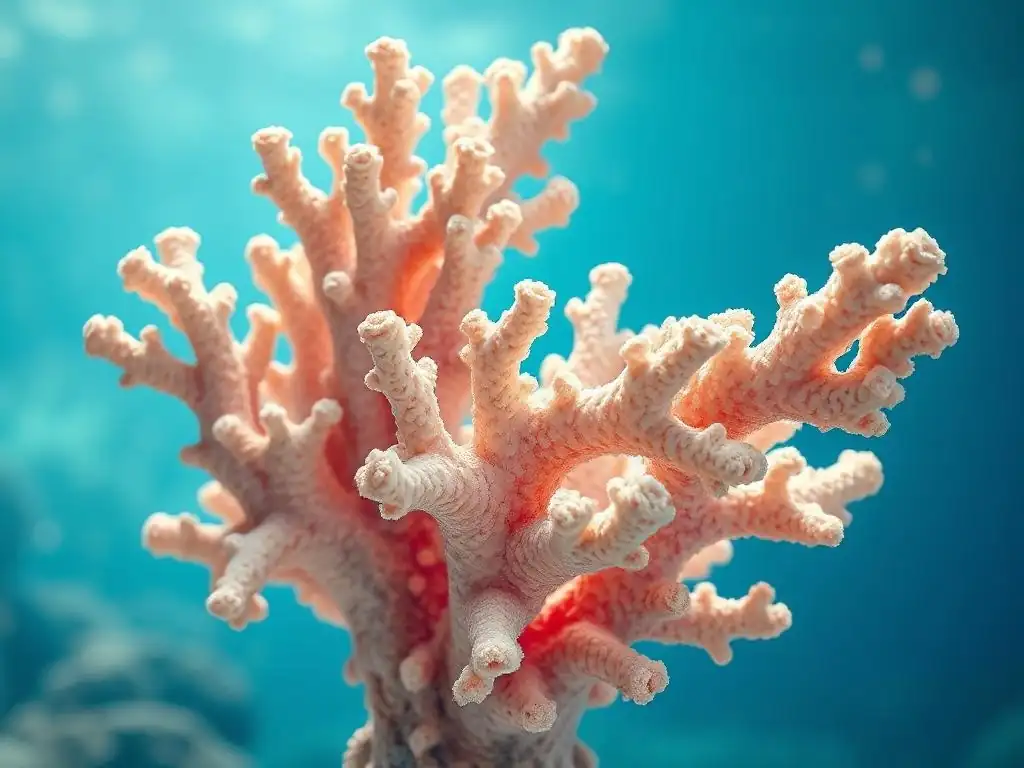
In a 75-gallon mixed reef aquarium, a vibrant Favia colony began showing signs of Favia tissue recession, with approximately 15% tissue loss over a two-week period, starting from its base. Water tests revealed elevated phosphate levels at 0.15 ppm and nitrates at 25 ppm, primarily attributed to heavy feeding of frozen foods and infrequent water changes (less than 10% monthly). The aquarist's other corals, mostly softies, were unaffected but the Favia was visibly stressed.
To combat the Favia coral tissue recession, the aquarist initiated a regimen of 20% weekly water changes using freshly mixed RO/DI water for four consecutive weeks. Simultaneously, daily feeding was reduced by 30%, and a media reactor containing granular ferric oxide (GFO) was installed to specifically target phosphates. Within three weeks, phosphate levels dropped to 0.03 ppm and nitrates to 5 ppm. The Favia tissue recession halted, and within two months, new tissue growth was visible, slowly recovering the previously exposed skeleton.
Case Study 2: Resolving Tissue Recession Caused by Aggressive Tankmates
A large Favia colony in a 120-gallon display tank developed Favia tissue recession on one side, specifically where it was positioned near a robust Yellow Tang. The tissue loss was localized and appeared as an abrasion, suggesting physical irritation. The aquarist observed the tang occasionally brushing against the Favia as it navigated the rockwork, likely causing constant mechanical stress.
The immediate intervention involved carefully relocating the Favia colony to a higher, more open area of the tank, away from the Yellow Tang's primary swimming paths and potential contact points. This simple change eliminated the physical irritation. Within approximately one month, the Favia tissue recession stopped progressing. Over the subsequent two months, the Favia coral showed clear signs of recovery, with new tissue slowly growing over the previously exposed skeletal areas, demonstrating the direct impact of addressing physical damage.
Advanced Techniques for Favia Coral Care and Prevention of Tissue Recession
Coral Dipping and its Role in Preventing Disease
Coral dipping is an advanced, yet fundamental, technique for preventing disease and pest infestations that can lead to Favia tissue recession. It involves briefly immersing new Favia corals, or established corals showing early signs of distress, in a solution designed to dislodge and kill external parasites and reduce bacterial loads. Common dip solutions include iodine-based (e.g., Lugol's solution), hydrogen peroxide-based, or specialized commercial coral dips (e.g., Revive, CoralRx).
To perform a dip, use a separate container filled with tank water. Follow the product's precise dosage and immersion time instructions, typically ranging from 5 to 15 minutes. Gently agitate the coral or use a small powerhead in the dip container to dislodge any pests. After the dip, thoroughly rinse the Favia coral with clean tank water before introducing it to the display. This proactive measure significantly minimizes the risk of introducing agents that cause Favia coral tissue recession.
Maintaining a Stable Reef Environment for Long-Term Favia Health
Maintaining a stable reef environment is the single most critical factor for the long-term health of Favia corals and the prevention of Favia tissue recession. Stability refers to consistent parameters such as temperature (ideally 76-79°F), salinity (1.025 SG), and major and minor trace element levels. Sudden and drastic fluctuations in any of these parameters are far more detrimental to Favia corals than slightly suboptimal but stable conditions.
Strategies to achieve this stability include using reliable heaters and chillers, implementing an auto top-off (ATO) system to compensate for evaporation and maintain consistent salinity, and utilizing automated dosing pumps for calcium, alkalinity, and magnesium to prevent daily swings. A consistently stable environment reduces chronic stress on Favia corals, bolstering their natural resilience against disease and making them far less susceptible to Favia coral tissue recession.
The Importance of Trace Elements for Favia Coral Growth and Coloration
While major parameters like calcium, alkalinity, and magnesium are essential, trace elements also play a vital, albeit often overlooked, role in Favia coral growth, coloration, and overall health. Elements such as iodine, strontium, potassium, iron, and a suite of others are micronutrients necessary for various metabolic processes, skeletal formation, and the vibrant pigmentation of Favia tissue. Deficiencies in these elements, even subtle ones, can lead to chronic stress, reduced growth rates, and increased susceptibility to Favia tissue recession.
Careful supplementation of trace elements should be considered, either through regular water changes with quality salt mix or via targeted dosing based on advanced water testing, such as ICP-OES (Inductively Coupled Plasma - Optical Emission Spectrometry) tests, which can reveal specific deficiencies. Overdosing can be harmful, so precise measurement and consistency are crucial to provide the Favia coral with the full spectrum of micronutrients it needs for robust health and resilience against Favia coral tissue recession.
Frequently Asked Questions
What exactly is Favia coral tissue recession, and why is it a concern?
Tissue recession refers to the gradual loss of tissue from a coral's skeleton. In Favia corals, it's a serious issue as it exposes the skeleton, making the coral vulnerable to algae and disease, potentially leading to its death.
What are the primary causes of tissue recession in Favia corals?
Several factors can trigger recession, including poor water quality, specifically elevated nitrates or phosphates. Other causes include physical damage, disease, and incompatible tank mates nipping at the coral.
How can I visually identify tissue recession in my Favia coral?
Look for a white, bare skeleton appearing at the edges or in patches on the coral. The tissue will appear to be pulling back, leaving the skeleton exposed. This is distinct from bleaching, which is a color loss throughout the coral tissue.
What steps should I take immediately if I notice tissue recession in my Favia coral?
First, test your water parameters immediately to rule out issues like high nitrates. Then, carefully inspect the coral for pests or physical damage and consider a quarantine tank for treatment.
What long-term strategies can help prevent tissue recession in Favia corals?
Maintaining stable and optimal water parameters is crucial, including regular water changes. Also, ensure proper flow and lighting, and avoid introducing aggressive fish or invertebrates that might harass the coral.
Final Reflection: Preserving the Vibrant Tapestry of Our Reefs
The insights shared in this article regarding Favia coral tissue recession are not merely academic observations; they are urgent calls to action in the face of a rapidly changing marine environment. Understanding the causes and implementing effective solutions for this specific coral species is crucial, not only for the health of individual aquariums, but also for the broader preservation of the intricate and vital ecosystems that coral reefs represent. The fate of Favia corals, and indeed all coral species, is inextricably linked to the health of our planet.
This exploration into Favia tissue recession has underscored the delicate balance within our aquatic ecosystems and the profound impact human actions can have. Witnessing the resilience of these organisms, even as they face immense challenges, inspires a deeper commitment to responsible reef keeping and environmental stewardship. We are tied to the ocean. And when we go back to the sea, whether it is to sail or to watch - we are going back from whence we came.
- John F. Kennedy. This quote reminds us of our inherent connection to the ocean and our responsibility to protect its inhabitants.
Now, armed with knowledge and a renewed sense of purpose, consider your role in safeguarding these underwater treasures. Reflect on the small changes you can make, whether it's optimizing your aquarium parameters, advocating for sustainable practices, or simply spreading awareness about the plight of coral reefs. Let us all strive to be conscientious stewards, ensuring that future generations can marvel at the vibrant tapestry of life that thrives beneath the waves.
Restore Your Favia's Radiance!
Thanks for diving deep into understanding Favia tissue recession! Hopefully, you've gained valuable insights to help your coral thrive. Now, it's time to take action and ensure your Favia remains vibrant and healthy.
Here are a few things you can do right now:
- Test your water parameters focusing on alkalinity, calcium, and magnesium. Small imbalances can have a big impact!
- Share this article with a fellow reef keeper who's struggling with coral health – spreading knowledge strengthens our community.
- Consider adding a Favia-specific coral dip to your routine for enhanced protection.
What's the first step you'll take to address potential tissue recession in your Favia colony?