
Montipora vs. Acropora: Key Care Differences & Synergies for a Mixed SPS Reef

Welcome to Aquarium Mastery!
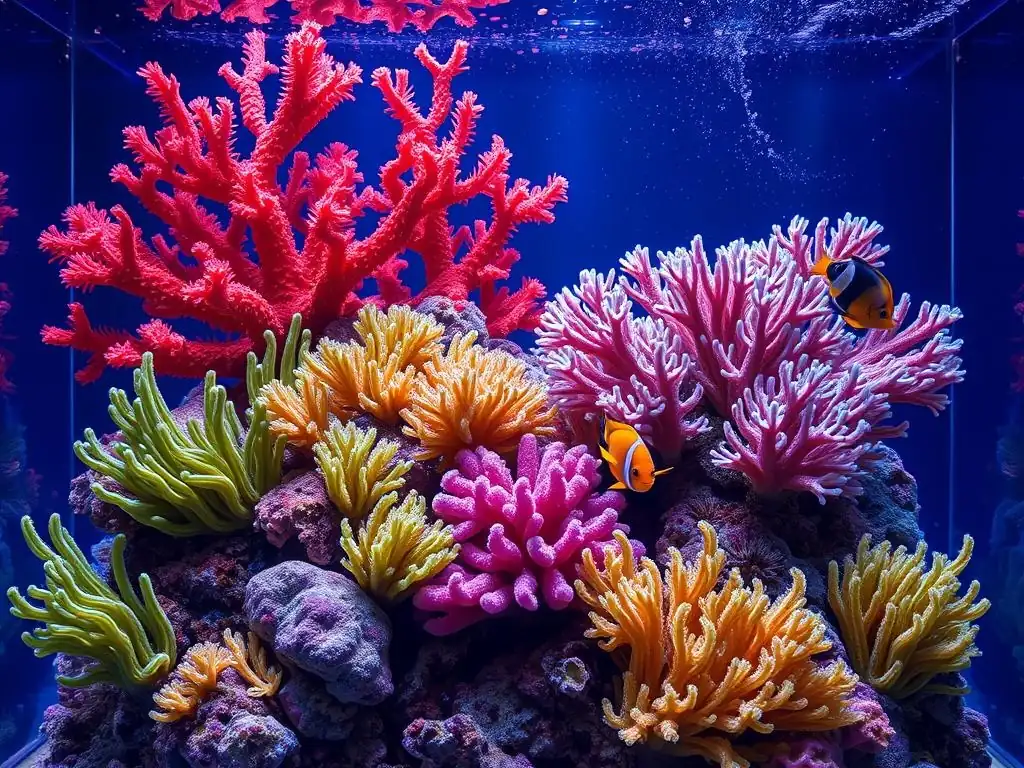
Curious about the delicate dance of maintaining a thriving SPS reef? Ever wondered what truly separates Montipora from Acropora in terms of care? Dive in and unlock the secrets to success in our comprehensive guide, "Montipora vs. Acropora: Key Care Differences & Synergies for a Mixed SPS Reef." Discover the nuances that will help you create a vibrant and healthy coral haven! Ready to master the art of SPS coral care? Let's get started!
- Acropora vs. Montipora: Key Care Differences & Synergies for a Mixed SPS Reef
- Introduction to SPS Coral Care: Acropora and Montipora
- Acropora Coral Care: Demands and Considerations
- Montipora Coral Care: A More Forgiving SPS Option
- Key SPS Coral Care Differences: Acropora vs. Montipora - A Detailed Comparison
- Synergies in a Mixed SPS Reef: Combining Acropora and Montipora Successfully
- Troubleshooting Common Issues: Acropora and Montipora Coral Problems
- Achieving Success with a Mixed SPS Reef: Tips and Best Practices
- Conclusion: Mastering SPS Coral Care for a Vibrant Reef Aquarium
-
Frequently Asked Questions
- What are the fundamental care differences between Montipora and Acropora corals?
- What are the ideal water parameters for keeping both Montipora and Acropora corals healthy?
- How does lighting specifically impact the growth and coloration of Montipora versus Acropora?
- What is the best flow rate for a mixed SPS reef containing both Montipora and Acropora?
- What are some common issues that arise when keeping Montipora and Acropora together, and how can they be resolved?
- Final Reflection: Navigating the Nuances of SPS Harmony
- Unleash the Vibrant Potential of Your Reef!
Acropora vs. Montipora: Key Care Differences & Synergies for a Mixed SPS Reef
Introduction to SPS Coral Care: Acropora and Montipora
Understanding the Popularity of Acropora and Montipora in Reef Aquariums
Acropora and Montipora are two of the most iconic and sought-after genera of Small Polyp Stony (SPS) corals in the reef aquarium hobby. Acropora, with its astounding diversity of growth forms—ranging from intricate branching structures to elegant tabling, plating, and encrusting varieties—captivates aquarists with its vibrant, often iridescent blues, greens, and purples. Its challenging nature makes it a hallmark of advanced reef keeping, rewarding dedicated hobbyists with breathtaking displays of natural beauty.
Montipora, while perhaps less demanding than Acropora, holds its own popularity dueishing to its generally faster growth rates and a remarkable array of forms, including plating M. capricornis, branching M. digitata, and various encrusting species. These corals are cherished for their ability to quickly cover rockwork with splashes of orange, green, red, and purple, contributing significantly to the dynamic and thriving aesthetic of a mature reef tank. Their prevalence underscores their integral role in creating a visually stunning and ecologically representative reef environment.
Importance of Knowing SPS Coral Care Differences for a Thriving Reef
While both Acropora and Montipora fall under the umbrella of SPS corals, their specific environmental requirements and sensitivities vary significantly. A common misconception among new reefers is that all SPS corals can be treated identically; however, ignoring these nuanced SPS coral care differences can lead to coral stress, bleaching, tissue loss, and ultimately, colony death. Understanding these distinctions is paramount for avoiding common pitfalls and ensuring the long-term vitality of your reef.
A truly successful mixed SPS reef aquarium thrives when the individual needs of each species are meticulously met. This detailed knowledge allows for optimal coral placement, precise calibration of lighting intensity and water flow, and careful maintenance of water chemistry parameters tailored to the most sensitive inhabitants. By appreciating and addressing these unique demands, aquarists can unlock the full potential of their corals, promoting robust growth, intense coloration, and overall resilience within a harmonious ecosystem.
Acropora Coral Care: Demands and Considerations
Lighting Requirements for Acropora: Achieving Optimal Growth
Acropora corals are renowned for their high light demands, thriving under intense Photosynthetically Active Radiation (PAR) levels. For optimal growth and vibrant coloration, Acropora typically requires PAR values ranging from 300 to 600 µmol/m²/s at the coral's surface. High-quality lighting fixtures such as metal halides, advanced T5 fluorescent lamps, or powerful LED systems with a strong blue spectrum (420-470nm) are essential to fuel the photosynthetic activity of their symbiotic zooxanthellae.
Proper acclimation to new lighting is crucial to prevent bleaching. When introducing new Acropora frags or colonies, it's advisable to place them in lower PAR areas initially, gradually moving them to higher intensity zones over several weeks or even months. For instance, a deep-water Acropora species might flourish around 250 PAR, whereas a shallow-water variant could demand over 500 PAR. Rapid changes in light intensity can severely stress these sensitive corals, leading to tissue loss even if other parameters are ideal.
Water Flow Needs for Acropora: Creating the Perfect Environment
Acropora corals demand very strong, turbulent, and highly random water flow to thrive. This vigorous circulation is critical for multiple physiological processes, including efficient nutrient delivery to the coral tissue, effective removal of metabolic waste products (such as mucus and detritus), and optimal gas exchange. Ideal flow rates for an Acropora-dominated tank often aim for 20 to 40 times the tank volume per hour, typically achieved through multiple strategically placed powerheads that generate chaotic, non-laminar patterns.
Insufficient or consistently laminar (one-directional) flow can be detrimental to Acropora. It leads to the accumulation of detritus on the coral's delicate polyps, which can cause localized tissue necrosis. Moreover, poor flow impedes gas exchange and nutrient uptake, stunting growth and diminishing vitality. The objective is to create a dynamic "washing machine" effect around the colonies, ensuring all parts of the intricate skeletal structure are constantly bathed in moving water. For a 100-gallon display, this might translate to a combined flow of 2,000-4,000 gallons per hour from multiple sources.
Maintaining Water Chemistry for Acropora: Stability is Key
Acropora corals are exceptionally sensitive to even minor fluctuations in water chemistry, making stability a non-negotiable aspect of their care. The most critical parameters for their calcification and overall health are alkalinity (dKH), calcium (Ca), and magnesium (Mg). The ideal ranges are typically dKH 7.5-8.5, Calcium 400-450 ppm, and Magnesium 1300-1400 ppm. Maintaining these parameters consistently, with minimal daily swings, is more important than hitting specific numbers.
To support the significant calcification rates of growing Acropora colonies, consistent replenishment of these elements is necessary. Larger tanks or those with numerous SPS corals often require automated dosing pumps for two-part solutions or a calcium reactor. Trace elements, such as strontium, iodine, and potassium, are also vital for skeletal integrity and vibrant coloration, though consumed in much smaller quantities.
Regular testing, ideally weekly or bi-weekly with high-quality test kits, is essential. For instance, a rapid drop of 1.0 dKH within 24 hours can be highly detrimental, whereas a steady daily consumption of 0.1 dKH is manageable with proper dosing.
Acropora Feeding Strategies: Supplementing for Enhanced Color and Growth
While Acropora corals derive the majority of their energy from photosynthesis via their symbiotic zooxanthellae, supplemental feeding significantly enhances their growth rates, tissue density, and color vibrancy. These corals are micro-plankton feeders, capable of capturing small particulate matter from the water column. Products such as high-quality phytoplankton, zooplankton, liquid amino acids, and specialized dry coral foods are beneficial additions to their diet.
Feeding typically occurs a few times per week, often during periods of reduced light or after the main lights have dimmed, when their polyps are fully extended for capturing prey. It's crucial to exercise judiciousness with feeding to prevent excessive nutrient spikes in the aquarium.
Overfeeding can rapidly elevate nitrate and phosphate levels, fostering nuisance algae growth which can compete with and smother sensitive SPS corals. Target feeding, using a small amount of a high-quality coral food like Reef Roids or a liquid amino acid blend 1-2 times weekly, can yield noticeable improvements in polyp extension and overall coral health within a matter of weeks.
Montipora Coral Care: A More Forgiving SPS Option
Lighting Requirements for Montipora: Adapting to a Broader Spectrum
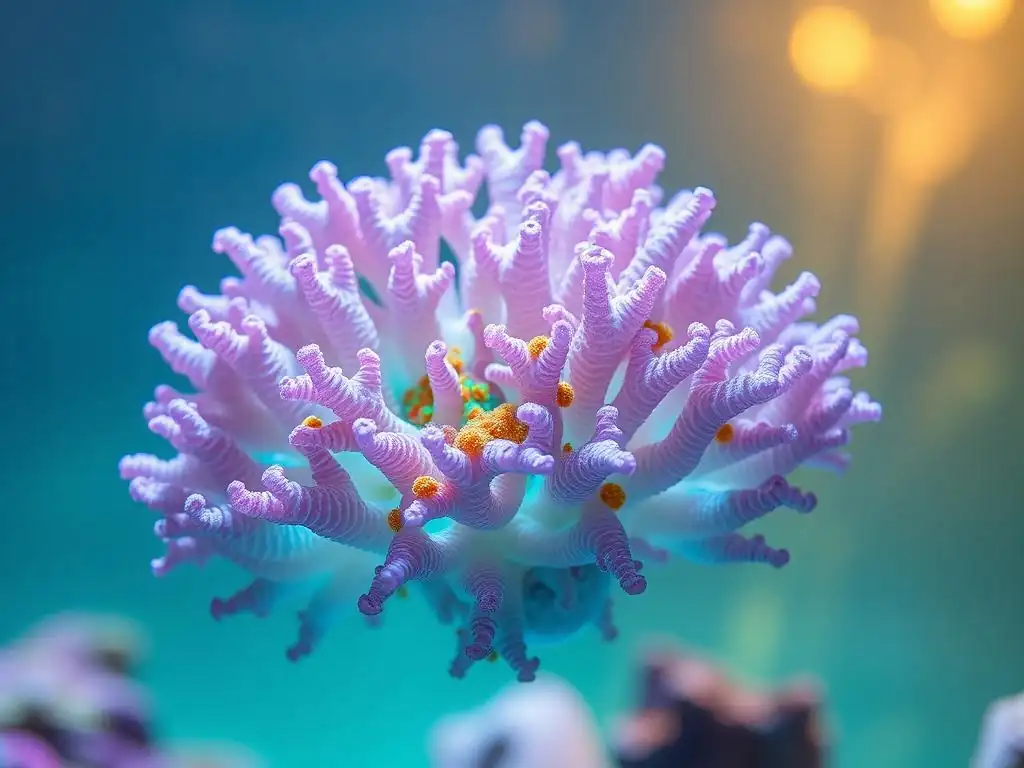
Montipora corals are generally more adaptable to a wider range of Photosynthetically Active Radiation (PAR) levels compared to their Acropora counterparts. While they still benefit from good illumination, they typically thrive in moderate to high light conditions, with optimal PAR values often ranging from 150 to 400 µmol/m²/s. This broader tolerance allows for more flexible placement within the aquarium, making them suitable for mid-to-lower tank sections where light intensity might be less extreme.
Similar to Acropora, Montipora species benefit from a light spectrum rich in blue wavelengths (around 450-470nm) to promote efficient photosynthesis and enhance their natural coloration. However, they are less prone to severe bleaching or browning out from slight variations in light intensity or rapid changes in light cycles. For example, a plating Montipora capricornis can exhibit excellent growth and vibrant orange coloration at 200 PAR, a level where many demanding Acropora species might appear dull or struggle.
Water Flow Needs for Montipora: Moderate Flow for Optimal Health
Montipora corals prefer moderate, yet still turbulent, water flow. While adequate circulation is essential to prevent detritus accumulation on their surfaces and facilitate efficient gas exchange, they do not require the extremely strong and chaotic flow rates that Acropora demand. Excessive direct or laminar flow can actually be detrimental to Montipora, potentially causing tissue recession or localized bleaching from constant stress.
The goal is to provide enough flow to gently sway their polyps and branches without causing physical damage or constant stress. A total tank turnover of 10 to 20 times the tank volume per hour, distributed dynamically, is often sufficient. Ensuring that water moves effectively around and through the entire colony, preventing any stagnant "dead spots," is key to their optimal health. For instance, a 100-gallon tank might achieve ideal flow for Montipora with 1,000-2,000 gallons per hour of total movement, which is considerably less intense than what Acropora typically requires.
Water Chemistry for Montipora: Tolerance Levels and Stability
Montipora corals are generally more tolerant of minor fluctuations in water parameters than Acropora, making them a slightly more forgiving SPS option for hobbyists. While consistent stability within ideal ranges is always paramount for optimal health and growth, Montipora can often recover from slight deviations in alkalinity (dKH 7.0-9.0), calcium (380-480 ppm), and magnesium (1250-1450 ppm). However, striving for the tighter ideal ranges (dKH 7.5-8.5, Ca 400-450 ppm, Mg 1300-1400 ppm) will consistently yield the best results.
Despite their comparative resilience, Montipora corals still consume these essential elements for skeletal growth, particularly as they are often fast growers. Therefore, regular dosing or the use of a calcium reactor is recommended for established colonies to maintain stability. The key SPS coral care difference lies in their slightly broader window of tolerance, which can be beneficial for aquarists who are still fine-tuning their dosing regimens or whose systems may experience minor, infrequent parameter swings. For example, a temporary dip to 6.8 dKH might cause visible stress in an Acropora, but a Montipora might show less immediate negative impact.
Montipora Feeding Strategies: Less Demanding, But Still Beneficial
Montipora corals, like Acropora, are primarily photosynthetic, relying heavily on their symbiotic zooxanthellae for energy. However, they also benefit from supplemental feeding, albeit often being less demanding in terms of frequency and quantity than many Acropora species. Montipora typically possess smaller polyps, indicating a preference for very fine particulate foods that can be easily captured from the water column.
Amino acids, very fine zooplankton, and high-quality phytoplankton are excellent supplements for Montipora. Offering these nutritional boosts 1-2 times per week can significantly enhance their growth rates and intensify their vibrant coloration. While they are generally less susceptible to adverse effects from nutrient spikes caused by feeding, moderation is still advised to maintain pristine water quality. For instance, a small amount of a liquid coral food or a targeted amino acid blend can encourage faster encrusting or branching growth in species like Montipora digitata or Montipora undata.
Key SPS Coral Care Differences: Acropora vs. Montipora - A Detailed Comparison
Lighting: Comparing Intensity and Spectrum Needs
The most pronounced SPS coral care difference between Acropora and Montipora regarding lighting is the required intensity. Acropora species are almost universally high-light demanding, typically thriving under PAR levels of 300-600 µmol/m²/s, necessitating placement in the upper regions of the tank directly beneath powerful light sources. Their reliance on intense light means they are highly susceptible to bleaching or browning out if PAR is insufficient or rapidly altered.
In contrast, Montipora are considerably more versatile, performing excellently across a wider PAR range, commonly from 150 to 400 µmol/m²/s. This adaptability allows them to flourish in mid-to-lower tank sections or in areas with slightly less direct light. While both genera benefit immensely from a spectrum rich in blue light (420-470nm) for optimal zooxanthellae photosynthesis, Montipora's broader tolerance provides a larger margin for error in lighting setups, making them more forgiving for diverse tank environments.
Water Flow: Understanding the Varied Preferences
A significant SPS coral care difference lies in their water flow preferences. Acropora corals require extremely strong, turbulent, and highly chaotic flow patterns, often demanding total tank turnovers of 20-40 times per hour. This intense movement is crucial for nutrient delivery, waste removal, and preventing detritus accumulation, as insufficient flow can rapidly lead to tissue necrosis.
Montipora, conversely, prefer moderate, yet still turbulent, water flow, typically thriving with 10-20 times the tank volume turnover per hour. While good circulation is necessary, excessive direct flow can stress Montipora colonies. These distinct flow requirements necessitate careful powerhead placement in a mixed reef, ensuring that Acropora receive the vigorous flow they need while Montipora are protected from overpowering currents, highlighting a critical aspect of SPS coral care differences in environmental design.
Water Chemistry: Stability vs. Tolerance in SPS Corals
In terms of water chemistry, Acropora are notably more sensitive and demanding, often serving as indicators of system stability. They require absolute consistency within narrow ideal ranges for alkalinity (dKH 7.5-8.5), calcium (400-450 ppm), and magnesium (1300-1400 ppm). Even minor daily fluctuations can induce significant stress, leading to loss of color, poor polyp extension, or tissue recession.
Montipora, while still benefiting from stable parameters, exhibit a slightly higher tolerance for minor deviations. They can often cope with alkalinity swings within dKH 7.0-9.0, calcium from 380-480 ppm, and magnesium from 1250-1450 ppm. This increased resilience makes them somewhat more forgiving for hobbyists who might experience occasional, small parameter shifts. However, for both genera, long-term success hinges on maintaining consistent, stable water parameters, underscoring this vital SPS coral care difference in their sensitivity levels.
Feeding: Nutritional Requirements and Supplementation Strategies
While both coral genera are primarily photosynthetic, their approach to supplemental feeding highlights another SPS coral care difference. Acropora generally respond more dramatically and show more pronounced improvements in growth and coloration from targeted feeding of micro-plankton, amino acids, and specialized coral foods. Their larger polyps are more adept at capturing and utilizing these larger food particles.
Montipora, with their typically smaller polyps, also benefit from supplemental nutrition, particularly from finer particulate foods and amino acids. However, they are often less demanding in terms of the frequency and quantity of supplemental feeding required to see noticeable improvements. This distinction allows for a feeding regimen that prioritizes Acropora's higher nutritional demands while still providing ample benefit to Montipora, optimizing resource allocation within a mixed reef.
Synergies in a Mixed SPS Reef: Combining Acropora and Montipora Successfully
Placement Strategies: Minimizing Competition and Maximizing Growth
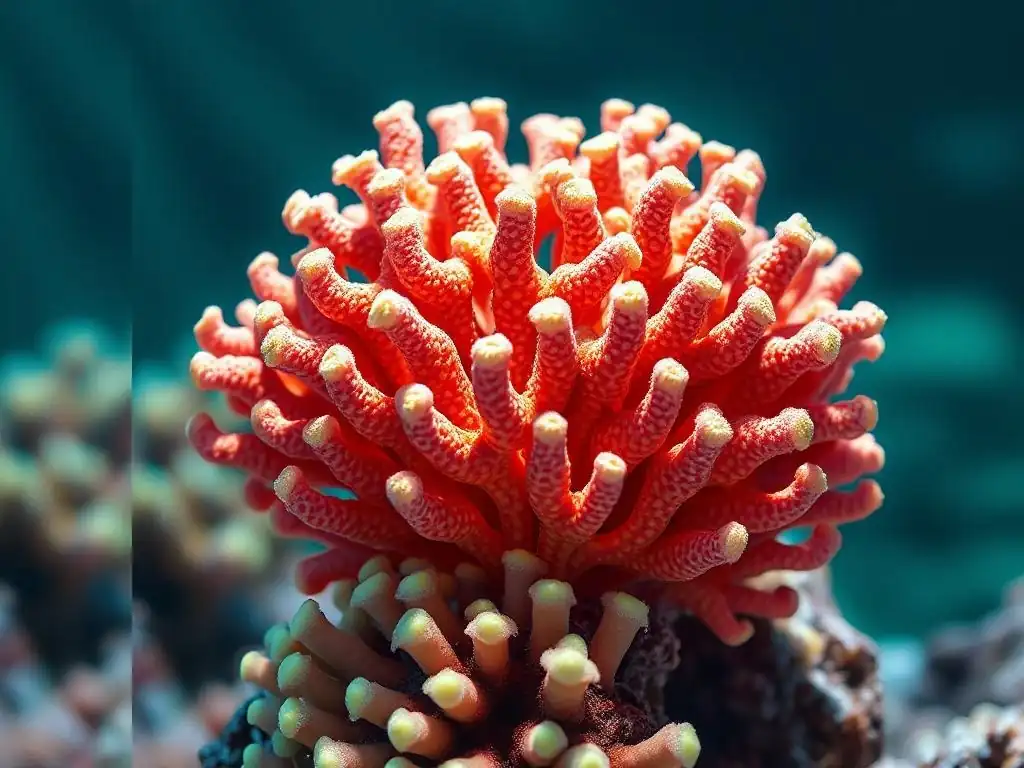
Strategic coral placement is paramount in a mixed SPS reef due to the distinct light and flow requirements of Acropora and Montipora. Acropora colonies should typically be positioned higher in the aquarium, directly under the most intense lighting and within zones of the strongest, most turbulent water flow. This ensures they receive the high PAR and vigorous circulation essential for their health and vibrant coloration.
Montipora, being more adaptable, can thrive in mid-to-lower tank sections or in areas with slightly less direct light and moderate flow. It is crucial to allow ample spacing between colonies as they grow. Fast-growing plating Montipora species, such as M. capricornis, can rapidly shade or even sting neighboring corals, including Acropora. A minimum clearance of 4-6 inches (10-15 cm) is often recommended, depending on the expected mature size of the colonies, to prevent physical contact, shading, and chemical competition.
Water Parameter Optimization: Finding a Balance for Both Species
Achieving a thriving mixed SPS reef hinges on optimizing water parameters to suit the needs of the most sensitive inhabitants, which are typically Acropora. This means diligently maintaining alkalinity between 7.5-8.5 dKH, calcium between 400-450 ppm, and magnesium between 1300-1400 ppm, with absolute minimal daily fluctuations. By consistently meeting Acropora's stringent demands for stability, Montipora will also flourish within their comparatively broader tolerance ranges.
Regular and precise water testing is non-negotiable. Utilizing a reliable calcium reactor or a robust two-part dosing system is essential to consistently replenish the elements consumed by these calcifying corals. For example, if your tank consistently consumes 0.5 dKH per day, your dosing system should be calibrated to precisely replace that amount daily to maintain unwavering stability. This proactive and precise approach to water chemistry effectively bridges the SPS coral care differences, creating an optimal environment for both Acropora and Montipora.
Preventing Allelopathy: Chemical Warfare in the Reef Tank
Corals, especially SPS varieties, are known to engage in chemical warfare through a process called allelopathy, where they release chemical compounds (e.g., terpenes, phenols) into the water to inhibit the growth or health of competing corals. While Acropora and Montipora are generally considered compatible, a high density of SPS corals, particularly during periods of rapid growth, can elevate the risk of chemical aggression between colonies.
To mitigate the effects of allelopathy, excellent water quality management is indispensable. This includes performing consistent, regular partial water changes, typically 10-20% of the tank volume bi-weekly. Additionally, employing high-quality activated carbon filtration is highly effective. Running activated carbon in a dedicated reactor and replacing it every 2-4 weeks helps to continuously absorb these undesirable chemical compounds, maintaining a cleaner water column and significantly reducing stress for all corals, thereby preventing this subtle form of SPS coral care challenge.
Troubleshooting Common Issues: Acropora and Montipora Coral Problems
Acropora Tissue Necrosis (RTN/STN): Identifying and Addressing the Issue
Rapid Tissue Necrosis (RTN) and Slow Tissue Necrosis (STN) are devastating conditions that can quickly decimate Acropora colonies, with tissue rapidly (RTN) or slowly (STN) peeling away from the skeleton. RTN, in particular, can consume an entire colony within hours. Common triggers include severe and sudden fluctuations in water parameters (e.g., an abrupt dKH drop of 2 or more points), extreme temperature swings (e.g., sustained temperatures above 82°F or below 74°F), insufficient or stagnant water flow, or aggressive bacterial infections.
Immediate intervention is critical. If a small frag is affected, it should be removed from the tank to prevent potential spread. For larger colonies, fragging healthy tissue from the affected colony can sometimes save portions. The primary course of action involves meticulously verifying and stabilizing all water parameters within their ideal ranges. Increasing water flow around the affected coral is also beneficial. While some hobbyists have reported success with iodine dips or specific antibiotic treatments for suspected bacterial causes, prevention through unwavering stability remains the most effective defense against this severe SPS coral care challenge.
Montipora Eating Nudibranchs: Prevention and Treatment
Montipora eating nudibranchs ( Phestilla melanobrachia) are highly specialized and camouflaged pests that exclusively prey on Montipora corals. These tiny (up to 1 cm) sea slugs are adept at blending into the coral's color, making them difficult to spot. Signs of an infestation include bare white spots on the coral skeleton where tissue has receded, diminished polyp extension, and the presence of distinctive white, spiral egg masses on the coral's surface.
Prevention is key and involves meticulous dipping and quarantine of all new Montipora colonies before introduction to the display tank. Treatment typically requires repeated dips of the infected coral in an appropriate coral cleaner solution, such as Coral Rx or Revive Coral Cleaner, followed by manual removal of any visible nudibranchs and their eggs. In severe infestations, introducing natural predators like certain wrasses (e.g., Six Line Wrasse) or predatory flatworm eaters can sometimes help, but physical removal and consistent dipping (e.g., weekly for 3-4 weeks) are usually necessary to break their life cycle and eradicate the population.
Algae Overgrowth: Maintaining a Clean Reef Environment
Nuisance algae, including hair algae, dinoflagellates, and cyanobacteria, pose a significant threat to SPS corals by smothering their tissue, blocking light, and potentially releasing toxins. High levels of dissolved nutrients, primarily nitrates (above 10-20 ppm) and phosphates (above 0.03-0.05 ppm), are the leading causes of algae outbreaks. Insufficient water flow and poor detritus removal also contribute significantly to their proliferation.
Addressing algae overgrowth requires identifying and eliminating the root causes of elevated nutrients. This involves avoiding overfeeding, ensuring thorough mechanical cleaning of detritus from the substrate and rockwork, and performing regular water changes. Robust nutrient export methods are also crucial, such as efficient protein skimming, the use of a refugium with macroalgae (e.g., Chaetomorpha), and chemical media like GFO (granular ferric oxide) or biopellet reactors. While a strong clean-up crew can assist, tackling the underlying nutrient imbalance is essential for the long-term health and vibrancy of sensitive SPS corals.
Addressing Acropora Red Bugs and Aiptasia Anemones
Acropora Red Bugs ( Tegastes acroporanus) are tiny (around 0.5 mm), reddish-brown copepods that specifically infest Acropora corals. These pests cause stress, inhibit polyp extension, and can lead to significant color loss and poor growth. They are notoriously difficult to spot without magnification. Aiptasia anemones, on the other hand, are prolific pest anemones that can quickly reproduce and sting and irritate nearby corals, causing tissue recession and even death.
For Acropora Red Bugs, chemical treatments containing milbemycin oxime (e.g., Interceptor) are highly effective, though they require careful dosing and often multiple treatments to eradicate. Quarantining all new Acropora colonies is the most effective preventative measure. Aiptasia can be managed through various methods, including chemical injection (e.g., Kalkwasser paste, Aiptasia-X), introducing natural predators like Berghia nudibranchs or Peppermint Shrimp ( Lysmata wurdemanni), or manual removal. Consistent, vigilant observation is key to detecting these pests early, preventing widespread damage to your sensitive SPS corals, and maintaining an overall healthy reef environment.
Achieving Success with a Mixed SPS Reef: Tips and Best Practices
Regular Water Testing: Monitoring Key Parameters
Consistent and accurate water testing is the absolute cornerstone of successful SPS coral husbandry. For a mixed SPS reef, key parameters such as alkalinity, calcium, magnesium, salinity, temperature, nitrates, and phosphates must be monitored diligently. Alkalinity, in particular, should be tested frequently—ideally daily or every other day in a demanding SPS-dominated tank—to ensure unwavering stability, which is critical for Acropora.
Utilize high-quality, reliable test kits from reputable brands (e.g., Salifert, Hanna Instruments, Red Sea). Maintain a detailed log of your test results to identify trends in parameter consumption and to proactively adjust your dosing regimens or maintenance schedules. For example, if your alkalinity consistently drops by 0.4 dKH per day, you can precisely increase your dosing rate to counteract this consumption, thereby preventing stress on both your Acropora and Montipora. This proactive approach is fundamental to navigating the subtle SPS coral care differences.
Consistent Water Changes: Maintaining Water Quality
Regular partial water changes are an indispensable practice for maintaining pristine water quality in a mixed SPS reef. They serve multiple vital functions: replenishing consumed trace elements, diluting and removing accumulated pollutants, and generally refreshing the aquarium's water chemistry. A typical recommendation is to perform 10-20% of the tank volume bi-weekly, or 5-10% weekly, always using high-quality salt mix prepared with purified RODI (Reverse Osmosis Deionized) water.
Water changes are effective at reducing nitrate and phosphate levels, which, even with other nutrient export methods, can slowly build up over time. They also introduce fresh trace elements that are vital for coral health and calcification but may not be adequately replenished through standard dosing. For instance, a 100-gallon display tank could benefit significantly from a 10-gallon water change every week, ensuring a consistently clean and stable environment that supports the demanding needs of sensitive SPS corals.
Adequate Filtration: Removing Waste and Maintaining Clarity
A robust and comprehensive filtration system is absolutely critical for the long-term success of a thriving SPS reef aquarium. This encompasses several layers: mechanical filtration (e.g., filter socks or pads, changed every few days to remove detritus), biological filtration (provided primarily by live rock and potentially bio-media), and chemical filtration (such as a high-performance protein skimmer, activated carbon, and GFO). A protein skimmer, ideally oversized for 1.5-2 times your tank volume, is non-negotiable for efficiently removing dissolved organic waste.
Chemical filtration media like activated carbon should be run continuously in a reactor and replaced regularly (e.g., every 2-4 weeks) to effectively absorb yellowing compounds and allelopathic chemicals released by corals. Granular Ferric Oxide (GFO) or similar phosphate-removing media can be used to keep phosphate levels extremely low, typically targeting 0.03 ppm or less. Proper and consistent filtration directly supports stable water parameters and significantly reduces the biological load on the corals, which is especially important given the specific SPS coral care differences and sensitivities of Acropora and Montipora.
Careful Observation: Identifying Problems Early
Daily, meticulous observation of your corals is one of the most powerful and often underestimated tools in preventing major issues in a mixed SPS reef. Take time each day to closely examine your colonies for any subtle changes in color, polyp extension, tissue recession, or the appearance of unusual growths or pests. A healthy Acropora will typically exhibit vibrant coloration and excellent polyp extension, while a thriving Montipora will show strong, consistent growth and good tissue integrity.
Early detection allows for prompt intervention before problems escalate and become irreversible. For example, noticing a slight paling or dullness in an Acropora colony might indicate a minor drop in PAR or alkalinity, enabling you to make adjustments before full bleaching occurs. Similarly, spotting just one Montipora nudibranch can prevent a full-blown infestation that could decimate your colonies. Consistent, attentive observation complements all other SPS coral care practices, allowing you to proactively address challenges and maintain a thriving reef.
Conclusion: Mastering SPS Coral Care for a Vibrant Reef Aquarium
Successful SPS coral husbandry, particularly in a mixed reef featuring both Acropora and Montipora, hinges on a deep understanding of their distinct care requirements. While both fall under the SPS umbrella, their specific needs regarding light intensity, water flow, and sensitivity to water chemistry fluctuations represent crucial SPS coral care differences that demand tailored attention. Acropora, with its more stringent demands, often dictates the baseline parameters for the entire system.
Mastering these nuances involves a commitment to unwavering stability in water parameters, diligent and regular monitoring through accurate testing, and proactive intervention at the first sign of stress or disease. By meticulously addressing these specific needs, providing optimal environmental conditions, and maintaining pristine water quality through robust filtration and consistent water changes, aquarists can mitigate the challenges associated with these beautiful corals. The reward for this dedication is a stunning, vibrant, and dynamic mixed SPS reef aquarium, a testament to the beauty and complexity of these magnificent organisms.
Frequently Asked Questions
What are the fundamental care differences between Montipora and Acropora corals?
Montipora are generally considered more forgiving than Acropora. This means they require slightly less pristine water parameters and are often more tolerant to fluctuations. Acropora, on the other hand, demands very stable and ideal conditions.
What are the ideal water parameters for keeping both Montipora and Acropora corals healthy?
Both coral types thrive in similar conditions, but Acropora need it more. Generally, aim for: Alkalinity between 8-11 dKH, Calcium 400-450 ppm, Magnesium 1250-1350 ppm, and stable temperatures around 76-78°F (24-26°C).
How does lighting specifically impact the growth and coloration of Montipora versus Acropora?
Both corals require strong lighting, but Acropora often benefits from higher intensity. Montipora can adapt to a broader range, while Acropora's coloration is highly sensitive to lighting spectrum and intensity, requiring precise adjustments for optimal hues.
What is the best flow rate for a mixed SPS reef containing both Montipora and Acropora?
High and turbulent flow is crucial for both, but Acropora particularly benefits from it. This flow helps to deliver nutrients, remove waste, and prevent detritus buildup on the coral's surface, which is essential for Acropora health.
What are some common issues that arise when keeping Montipora and Acropora together, and how can they be resolved?
Allelopathy (chemical warfare) can occur between different coral species. Addressing this involves ensuring proper filtration, using activated carbon, and maintaining sufficient water changes. Also, watch for pests that might target one species more than the other.
The intricacies of maintaining a thriving reef aquarium, especially one populated with Small Polyp Stony (SPS) corals, are more relevant than ever as reefing enthusiasts seek to create increasingly complex and sustainable ecosystems. Understanding the subtle yet significant differences in care requirements between Montipora and Acropora corals is not just about preventing coral bleaching; it's about fostering a balanced and resilient underwater world within our own homes.
This journey into the world of SPS coral care has highlighted the delicate dance between scientific understanding and practical application. My own experiences with these corals have underscored the importance of continuous learning and adaptation in this ever-evolving hobby. The success of a mixed SPS reef hinges on recognizing the unique needs of each species and striving for a harmonious balance. The sea, once it casts its spell, holds one in its net of wonder forever.
- Jacques Cousteau. This quote perfectly encapsulates the captivating allure of reef keeping and the responsibility we bear to understand and protect these fragile ecosystems, even in miniature.
As we conclude this exploration of Montipora and Acropora care, I invite you to reflect on your own approach to reef keeping. Consider how you can apply these insights to create a more stable and vibrant environment for your corals. Embrace the challenge of understanding the nuances of each species and strive to create a reef that not only survives but thrives, a testament to your dedication and a microcosm of the beauty and resilience of the natural world.
Unleash the Vibrant Potential of Your Reef!
Thank you for diving deep into the world of Montipora and Acropora! We hope you've gained valuable insights into nurturing these stunning corals. Now, let’s turn that knowledge into action and make your reef thrive!
Here are some steps you can take right now:
- Re-evaluate your lighting and flow regimes: Are they truly optimized for both Montipora and Acropora species, considering their individual needs? This is the cornerstone of success.
- Experiment with targeted feeding: Observe your corals closely and try introducing small amounts of coral-specific foods. See how they respond and adjust accordingly to boost growth and coloration.
- Share your experiences: Connect with fellow reef keepers on forums or social media. Discuss your successes (and challenges!) with Montipora and Acropora.
What specific adjustments will you make to your reef today based on what you've learned?