
Shrimp and Corydoras: Can They Coexist Peacefully?

Welcome to Aquarium Mastery!
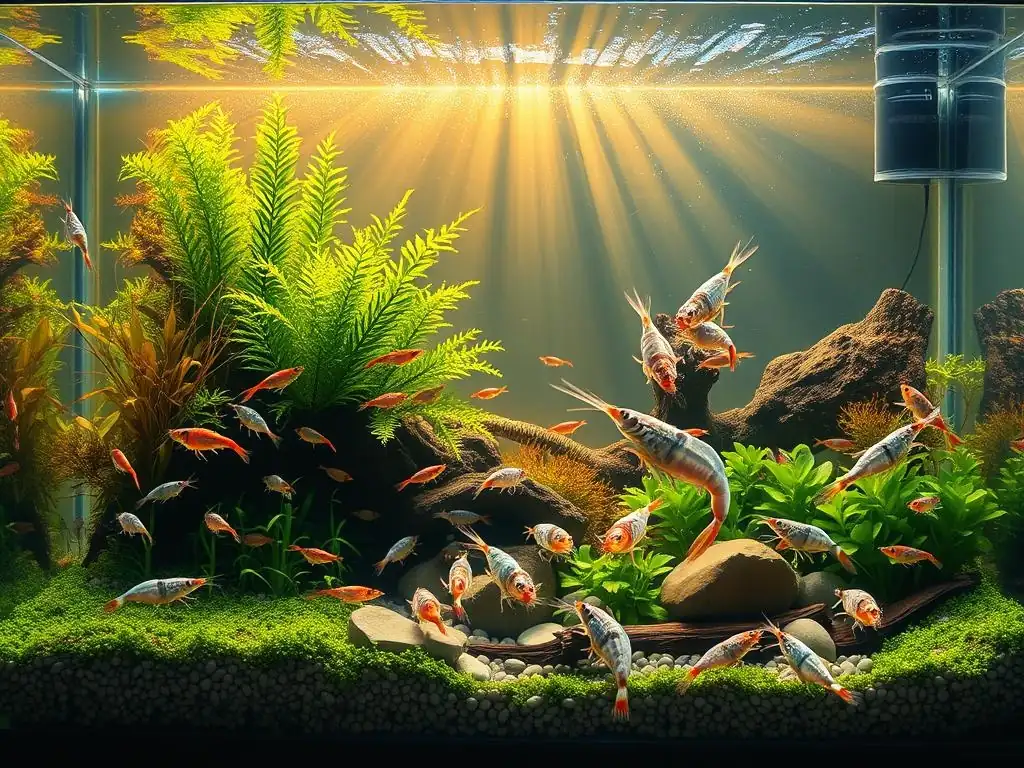
Ever wondered if those adorable Shrimp and playful Corydoras can truly share a tank in harmony? Dive into our comprehensive guide, " Shrimp and Corydoras: Can They Coexist Peacefully?," where we unravel the secrets to successful Shrimp Corydoras tank compatibility. Discover expert tips and tricks to create a thriving freshwater ecosystem where everyone gets along! Ready to build your perfect community tank? Let's explore!
- Shrimp and Corydoras: Can They Coexist Peacefully in Your Aquarium?
- Understanding Shrimp Corydoras Tank Compatibility: A Guide for Aquarists
- Corydoras and Shrimp: An Overview of Peaceful Coexistence
- Factors Affecting Shrimp and Corydoras Compatibility in Aquariums
- Choosing the Right Shrimp Species for a Corydoras Tank
- Selecting Compatible Corydoras Species for Shrimp Tanks
- Feeding Considerations for Shrimp and Corydoras
- Potential Problems and Solutions for Shrimp and Corydoras Tanks
- Setting Up a Shrimp and Corydoras Friendly Tank: A Step-by-Step Guide
- Maintaining a Healthy Shrimp and Corydoras Aquarium
- Breeding Shrimp in a Corydoras Tank: Challenges and Tips
- Conclusion: Achieving a Harmonious Shrimp and Corydoras Aquarium
-
Frequently Asked Questions
- Will Shrimp and Corydoras compete for food in a tank?
- Are Corydoras likely to eat Shrimp in a shared aquarium?
- What are the ideal water parameters for a tank housing both Shrimp and Corydoras?
- What type of tank setup is best suited for Shrimp and Corydoras?
- What should I do if I notice my Corydoras harassing my Shrimp?
- Final Reflection: Harmony in the Aquarium
- Dive Deeper: Create Your Thriving Shrimp & Cory Oasis!
Shrimp and Corydoras: Can They Coexist Peacefully in Your Aquarium?
Understanding Shrimp Corydoras Tank Compatibility: A Guide for Aquarists
The prospect of housing delicate aquatic shrimp alongside active, bottom-dwelling Corydoras fish is a common query among freshwater aquarists. Achieving successful Shrimp Corydoras tank compatibility hinges on understanding the specific needs and behaviors of both species. While generally considered compatible, careful planning regarding tank size, water parameters, substrate, and species selection is crucial to create a thriving, harmonious environment for both.
This guide delves into the nuances of keeping shrimp and Corydoras together, providing practical advice to ensure their peaceful coexistence. By addressing potential challenges and offering solutions, aquarists can confidently establish a balanced ecosystem where these fascinating creatures can flourish side by side, enriching the visual appeal and ecological balance of the home aquarium.
Corydoras and Shrimp: An Overview of Peaceful Coexistence
The foundation of successful Shrimp Corydoras tank compatibility lies in the inherently peaceful nature of both groups. Neither shrimp nor Corydoras are typically aggressive towards other tank inhabitants, making them excellent candidates for a community aquarium, provided their environmental needs are met.
Corydoras Temperament: Are Corydoras Peaceful Tank Mates?
Corydoras, often referred to as "Cory cats," are renowned for their docile and non-aggressive temperament, making them ideal peaceful tank mates. These small, armored catfish are primarily bottom-dwellers, spending their days sifting through the substrate with their sensitive barbels in search of food particles. Their mouths are small and downward-facing, designed for scavenging, not predation on other fish or adult shrimp. They typically grow to a size range of 1 to 3 inches, depending on the species, and are known for their schooling behavior.
To thrive, Corydoras require the company of at least six individuals of their own species. This schooling instinct reduces stress and encourages their natural behaviors, such as synchronized foraging and playful interactions. Their peaceful disposition means they generally ignore adult shrimp, viewing them as simply another part of the aquarium's ecosystem, which is a significant factor in promoting good Shrimp Corydoras tank compatibility.
Shrimp Temperament: Understanding Shrimp Behavior in a Community Tank
Aquarium shrimp, particularly popular dwarf species like Neocaridina (e.g., Red Cherry Shrimp) and Caridina (e.g., Amano Shrimp), are inherently peaceful and non-aggressive. Their primary activities revolve around grazing on biofilm, algae, and detritus that accumulate on surfaces within the tank. They are constantly foraging, using their delicate appendages to pick at food particles and microscopic organisms. These shrimp typically reach sizes between 1 to 2 inches, with Amano shrimp being on the larger end.
Despite their constant activity, shrimp are also quite vulnerable, especially during their molting process when their new exoskeleton is soft and they are temporarily immobile. They instinctively seek out hiding places to protect themselves from potential threats during this period. In a community tank, their calm demeanor means they will not initiate conflict with other inhabitants, but they do require a secure environment to feel safe and reproduce, which is vital for successful Shrimp Corydoras tank compatibility.
Factors Affecting Shrimp and Corydoras Compatibility in Aquariums
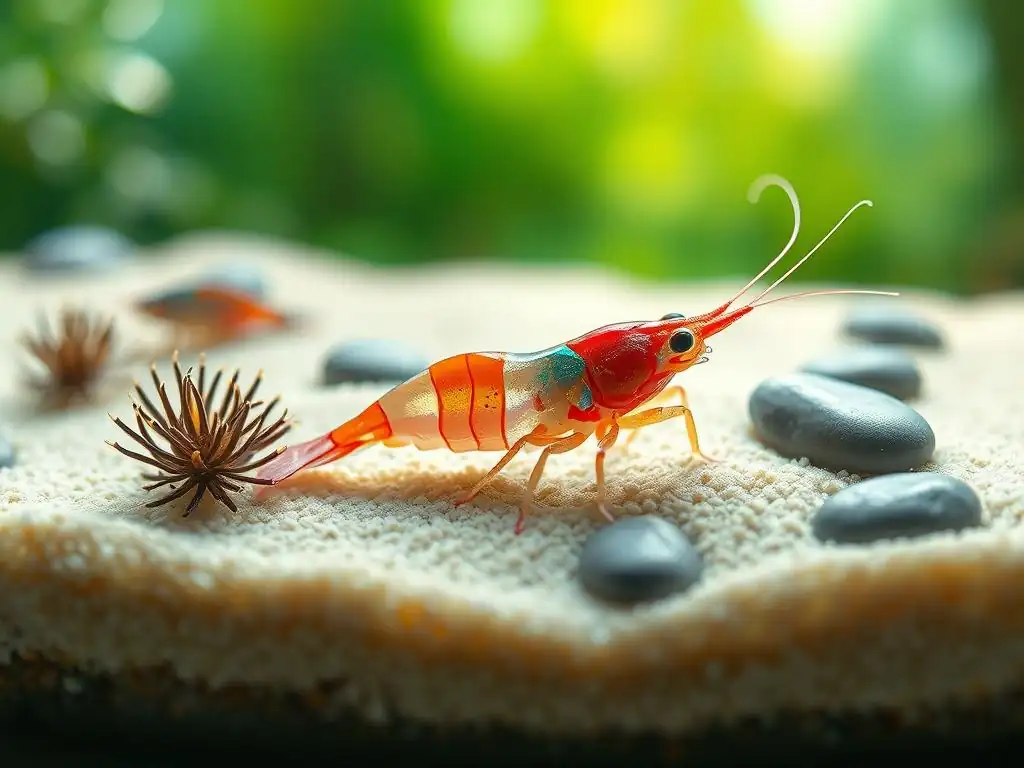
Achieving optimal Shrimp Corydoras tank compatibility requires careful consideration of several environmental factors. These elements directly influence the comfort, health, and peaceful coexistence of both species.
Tank Size: Ensuring Adequate Space for Shrimp and Corydoras
While both shrimp and Corydoras are relatively small, adequate tank size is paramount for their long-term health and peaceful coexistence. A minimum tank size of 10 gallons is often cited for a small group of dwarf shrimp and a few Pygmy Corydoras ( Corydoras pygmaeus). However, for most common Corydoras species, such as Bronze ( Corydoras aeneus) or Albino Corydoras, which grow larger (up to 2.5 inches) and require larger schools (6+ individuals), a 20-gallon long tank or larger is strongly recommended.
Larger tanks, such as 30-gallon or 40-gallon breeder tanks, offer significant advantages. They provide more stable water parameters due to a larger water volume, which dilutes waste products more effectively. Critically, greater surface area for foraging reduces competition for food and territory between the active Corydoras and the grazing shrimp. This increased space also allows for more diverse aquascaping, providing ample hiding spots for shrimp, thereby significantly enhancing overall Shrimp Corydoras tank compatibility.
Water Parameters: Maintaining Optimal Conditions for Both Species
Both shrimp and Corydoras thrive in stable, well-maintained freshwater conditions, and fortunately, their preferred water parameters largely overlap. For most popular dwarf shrimp (Neocaridina) and Corydoras species, an ideal temperature range is between 72-78°F (22-26°C). The pH level should be neutral to slightly acidic, typically ranging from 6.5 to 7.5. General Hardness (GH) is also important, with a range of 4-8 dGH often suitable for both, though specific shrimp species like Caridina (e.g., Crystal Red Shrimp) may prefer softer, more acidic water, requiring more precise matching.
Consistency in water parameters is more crucial than hitting exact numbers. Sudden fluctuations in temperature, pH, or hardness can cause significant stress, leading to weakened immune systems and increased susceptibility to disease for both species. Regular testing for ammonia and nitrite (which should always be 0 ppm) and nitrate (kept below 20 ppm) is vital. Pristine water quality reduces stress and ensures both shrimp and Corydoras remain healthy and active, fostering optimal Shrimp Corydoras tank compatibility.
Substrate and Decoration: Creating a Suitable Habitat
The choice of substrate is a critical factor for the well-being of Corydoras. These catfish possess delicate barbels around their mouths, which they use to sift through the substrate in search of food. Coarse or sharp gravel can damage these barbels, leading to infection or loss of their sensory organs. Therefore, a soft, fine sand substrate (e.g., pool filter sand, play sand, or specialized aquarium sand) is highly recommended. Fine, smooth gravel (less than 2mm) can also be acceptable if it lacks sharp edges.
For shrimp, ample hiding places are essential, especially during molting when they are most vulnerable. Live plants, such as Java Moss ( Taxiphyllum barbieri), Anubias species, and various types of Cryptocoryne, provide excellent cover and surfaces for biofilm and algae growth, which are primary food sources for shrimp. Additionally, driftwood, smooth rocks, and small ceramic caves offer further refuge. A well-decorated tank with plenty of cover helps reduce stress for both species and ensures that shrimp have safe havens from the active foraging of Corydoras, thereby enhancing Shrimp Corydoras tank compatibility.
Choosing the Right Shrimp Species for a Corydoras Tank
Selecting appropriate shrimp species is vital for ensuring peaceful and thriving Shrimp Corydoras tank compatibility. Some shrimp are inherently more suitable than others due to their size, temperament, and breeding habits.
Dwarf Shrimp (Neocaridina davidi): Popular and Hardy Options
Dwarf shrimp, primarily varieties of Neocaridina davidi such as Red Cherry, Blue Dream, Yellow, and Orange Sakura shrimp, are among the most popular and suitable choices for a Corydoras tank. These shrimp typically grow to about 1 to 1.5 inches in length, making them small enough to generally be ignored by most Corydoras species. Their hardiness and adaptability to a wide range of water parameters (though stability is always preferred) make them forgiving for beginner aquarists.
Neocaridina shrimp are also prolific breeders. In a healthy tank, they will reproduce regularly, producing numerous offspring. While some very small fry might occasionally be consumed by opportunistic Corydoras, the sheer volume of new shrimp typically ensures a robust population. The high breeding rate provides a natural buffer against any minor predation, allowing the shrimp colony to thrive alongside the Corydoras, establishing excellent Shrimp Corydoras tank compatibility.
Amano Shrimp (Caridina multidentata): Effective Algae Eaters
Amano shrimp are another excellent choice for a Corydoras tank, particularly valued for their exceptional algae-eating capabilities. These shrimp are larger than Neocaridina varieties, often reaching up to 2 inches in length. Their larger size makes them less vulnerable to any accidental predation by even larger Corydoras species, as they are simply too big to be considered food.
Unlike Neocaridina, Amano shrimp do not readily breed in freshwater aquariums, as their larvae require brackish water conditions to develop. This means you won't have to worry about fry survival. Their robust nature, peaceful temperament, and significant contribution to tank cleanliness by consuming various types of algae make them a highly beneficial and safe addition, contributing positively to overall Shrimp Corydoras tank compatibility.
Avoiding Aggressive Shrimp Species: Macrobrachium Shrimp
While most popular aquarium shrimp are peaceful, it is crucial to avoid certain species that can be aggressive or predatory, particularly those from the Macrobrachium genus. Some species of Ghost Shrimp (often misidentified or sold as Palaemonetes paludosus, but sometimes more aggressive Macrobrachium species) or true Malaysian Prawns ( Macrobrachium rosenbergii) can grow quite large and possess long, strong claws.
These aggressive shrimp can pose a significant threat to smaller fish, including the delicate barbels of Corydoras, and will actively prey on dwarf shrimp, especially juveniles and molting adults. Their predatory nature will quickly disrupt the peaceful balance desired in a community tank. Always research the specific shrimp species thoroughly before introducing them to ensure they are genuinely peaceful and compatible with both Corydoras and other shrimp, preventing any negative impact on Shrimp Corydoras tank compatibility.
Selecting Compatible Corydoras Species for Shrimp Tanks
Just as with shrimp, choosing the right Corydoras species is key to ensuring a harmonious environment. While most Corydoras are peaceful, their adult size and foraging habits can influence their suitability for a tank housing delicate shrimp.
Pygmy Corydoras (Corydoras pygmaeus): Small and Peaceful
Pygmy Corydoras ( Corydoras pygmaeus) are arguably the most ideal Corydoras species for a shrimp tank. Reaching a maximum size of just under 1 inch (approximately 0.8 to 1 inch), they are tiny and possess exceptionally small mouths, making them virtually no threat to even the most vulnerable shrimp fry. Unlike other Corydoras, Pygmies often swim in the mid-water column as well as on the bottom, adding dynamic movement to the tank.
These miniature catfish are highly social and thrive in large schools of at least 8-10 individuals. Their calm demeanor and minimal interaction with other tank inhabitants ensure that shrimp, including their delicate fry, can flourish without stress or fear of predation. The Pygmy Corydora's unobtrusive nature makes them a perfect fit, providing excellent Shrimp Corydoras tank compatibility.
Habrosus Corydoras (Corydoras habrosus): Another Gentle Option
The Habrosus Corydoras ( Corydoras habrosus), often known as the Salt and Pepper Cory, is another excellent choice for a shrimp-friendly aquarium. Slightly larger than the Pygmy Corydoras, they typically reach about 1.2 to 1.5 inches in length. Like their pygmy cousins, they are incredibly peaceful and primarily spend their time sifting through the substrate.
Habrosus Corydoras are social fish that benefit from being kept in groups of six or more. Their small size and gentle foraging habits mean they are unlikely to disturb or prey upon adult shrimp or even most shrimp fry, especially in a well-planted tank with plenty of hiding spots. Their calm nature contributes significantly to the overall tranquility of the aquarium, making them a highly compatible option for Shrimp Corydoras tank compatibility.
Sterbai Corydoras (Corydoras sterbai): Considerations for Larger Corydoras
Sterbai Corydoras ( Corydoras sterbai) are a popular and beautiful species, growing larger than Pygmies or Habrosus, reaching about 2.5 to 3 inches in length. While they are still considered peaceful, their larger size and more active foraging can introduce a minor consideration for shrimp compatibility, particularly regarding newly hatched shrimp fry. They are not active predators of shrimp, but accidental ingestion of microscopic fry during vigorous substrate sifting is a remote possibility.
To ensure high Shrimp Corydoras tank compatibility with larger species like Sterbai, it is crucial to provide a densely planted tank with abundant hiding places for shrimp fry, such as thick mosses (e.g., Java moss, Christmas moss) and fine-leaved plants. A larger tank volume also helps disperse the fish, reducing direct interactions. With adequate refuge, even larger Corydoras can coexist peacefully with shrimp, allowing both populations to thrive.
Feeding Considerations for Shrimp and Corydoras
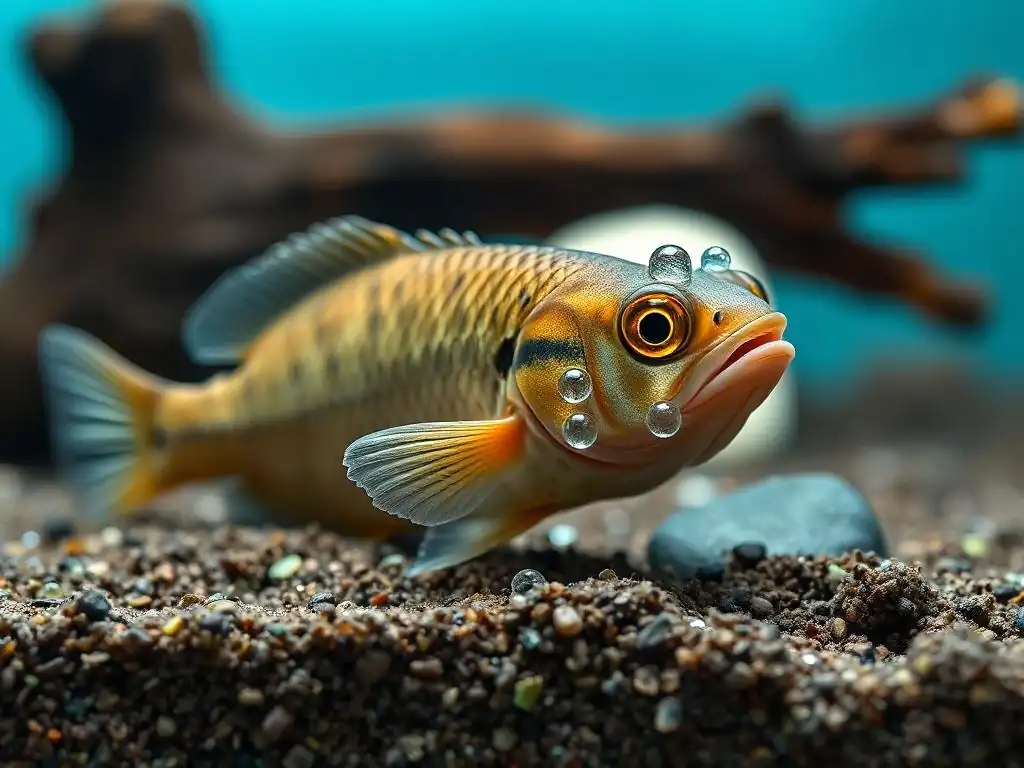
Proper feeding is crucial for the health of both shrimp and Corydoras and for preventing competition that could undermine Shrimp Corydoras tank compatibility. It's important to ensure each species receives adequate nutrition without overfeeding the entire tank.
Providing Adequate Food for Shrimp: Algae and Supplemental Feeding
Shrimp primarily graze on biofilm, algae, and detritus that naturally accumulate on tank surfaces. In a mature, well-established aquarium, a significant portion of their diet can come from these natural sources. However, supplemental feeding is typically necessary to ensure optimal health and breeding. Offer specialized shrimp pellets or wafers that sink quickly, blanched vegetables (such as zucchini slices, spinach, or kale), and occasional spirulina flakes.
It is vital to feed shrimp in small quantities, as they have a small bioload, and uneaten food can quickly degrade water quality. Feed only what they can consume within a few hours. Distribute the food in various locations to allow all shrimp access and prevent larger, faster tank mates from monopolizing it. Consistent, targeted feeding ensures shrimp are well-nourished and less likely to compete with Corydoras for food, promoting better Shrimp Corydoras tank compatibility.
Feeding Corydoras: Ensuring They Get Enough to Eat
Corydoras are bottom feeders that require food that sinks directly to the substrate. High-quality sinking pellets or wafers specifically formulated for catfish or bottom-dwellers are ideal. These can include spirulina wafers, algae wafers, or protein-rich sinking granules. Occasional treats of live or frozen foods like bloodworms, brine shrimp, or daphnia, which sink quickly, are also highly beneficial and enjoyed.
To ensure all Corydoras in a school receive adequate food, it's often best to scatter sinking food in multiple spots across the tank bottom, especially in a community setup where faster-moving fish might outcompete them. Feeding after the main tank lights have been turned off can also be effective, as Corydoras are often more active during twilight hours, and other fish are less likely to snatch their food. This strategic feeding prevents malnourishment and reduces competition, enhancing Shrimp Corydoras tank compatibility.
Preventing Overfeeding: Maintaining Water Quality
Overfeeding is one of the most common mistakes in aquarium keeping and can rapidly lead to deteriorating water quality, which is detrimental to both shrimp and Corydoras. Uneaten food decomposes, releasing ammonia, nitrite, and ultimately nitrate into the water. Ammonia and nitrite are highly toxic, even at low concentrations, while high nitrates cause chronic stress and health issues.
To prevent overfeeding, feed only what your fish and shrimp can consume within 5-10 minutes. For sinking foods, remove any uneaten portions after 15-20 minutes. Regular substrate vacuuming during water changes helps remove any trapped detritus and uneaten food particles. Maintaining a lean feeding schedule is crucial for stable water parameters, which in turn ensures the long-term health and vibrant activity of both your shrimp and Corydoras, solidifying their peaceful Shrimp Corydoras tank compatibility.
Potential Problems and Solutions for Shrimp and Corydoras Tanks
While Shrimp Corydoras tank compatibility is generally high, certain challenges can arise. Being aware of these potential issues and their solutions can help maintain a thriving and harmonious aquarium.
Predation Concerns: Do Corydoras Eat Shrimp Fry?
The most common concern regarding Shrimp Corydoras tank compatibility is the potential for Corydoras to prey on shrimp fry. While Corydoras are not active predators, their constant sifting through the substrate can lead to opportunistic consumption of newly hatched, microscopic shrimp fry. This is usually accidental, as the fry are tiny and can be mistaken for detritus. Larger Corydoras species (e.g., Sterbai Corydoras) may present a slightly higher, albeit still low, risk compared to pygmy species.
To mitigate this, provide ample dense plant cover, such as Java moss, Christmas moss, or other fine-leaved plants. These intricate structures offer excellent hiding places where shrimp fry can seek refuge and graze on micro-organisms without being easily disturbed. A larger tank also helps by dispersing the fish and reducing direct encounters. While it's unlikely to achieve 100% fry survival in a community tank, these measures significantly increase the chances of a healthy shrimp population persisting alongside Corydoras.
Competition for Food: Ensuring Fair Access for Both Species
Competition for food can occur if the tank is overstocked, or if food is not distributed effectively. Shrimp, being slower and more delicate, can easily be outcompeted by the more active and sometimes faster-moving Corydoras, especially for sinking pellets or wafers. This can lead to shrimp being malnourished, particularly if they rely heavily on supplemental feeding.
To ensure fair access, employ a multi-pronged feeding strategy. Drop some sinking wafers or pellets for the Corydoras in one area of the tank, perhaps after lights out when Corydoras are more active and other fish are less so. Simultaneously, provide specific shrimp food (e.g., powdered shrimp food, tiny shrimp pellets) in another area or on a feeding dish, allowing the shrimp to graze undisturbed.
Offering a variety of foods also helps, as shrimp will continue to graze on biofilm throughout the day, reducing their reliance on direct supplemental feeding. This approach ensures both species receive adequate nutrition, maintaining optimal Shrimp Corydoras tank compatibility.
Water Quality Issues: Monitoring Ammonia, Nitrite, and Nitrate
Both shrimp and Corydoras are highly sensitive to poor water quality. Ammonia and nitrite are extremely toxic, even at low concentrations (ideally 0 ppm), and can quickly lead to stress, disease, and death. High levels of nitrate (consistently above 20-40 ppm) can cause chronic stress, suppress immune systems, and lead to various health problems over time.
Regular and thorough water testing using reliable liquid test kits (not strips) is essential. Test for ammonia, nitrite, and nitrate weekly or bi-weekly. Perform partial water changes (e.g., 20-30% weekly) to dilute nitrates and replenish essential minerals. Ensure your filtration system is adequately sized and well-maintained. Avoid overstocking the tank, as this increases the bioload and makes it harder to maintain pristine water conditions. Consistent vigilance over water parameters is paramount for the long-term health and successful Shrimp Corydoras tank compatibility.
Setting Up a Shrimp and Corydoras Friendly Tank: A Step-by-Step Guide
Setting up an aquarium specifically designed for Shrimp Corydoras tank compatibility involves careful planning of substrate, plants, and decorations to create an optimal habitat.
Choosing the Right Substrate: Inert Gravel and Planted Substrates
The foundation of a shrimp and Corydoras friendly tank is the substrate. For Corydoras, a fine, soft substrate is paramount to protect their delicate barbels. Opt for aquarium-safe sand (e.g., play sand, pool filter sand, or specialized fine aquarium sand) that is smooth and non-abrasive. Avoid coarse, sharp gravel that can injure their sensory organs as they sift for food. The ideal grain size for sand is typically less than 1mm.
If you plan to include live plants that require nutrient-rich substrates, you can use a planted substrate capped with a layer of fine sand. This allows plants to root deeply while providing a safe foraging surface for Corydoras. Ensure the sand cap is thick enough (at least 1-2 inches) to prevent Corydoras from excessively digging into the richer layers, which could stir up nutrients and temporarily cloud the water. This thoughtful substrate choice is a cornerstone of Shrimp Corydoras tank compatibility.
Planting Live Plants: Providing Shelter and Hiding Places
Live plants are indispensable for a successful shrimp and Corydoras aquarium. They serve multiple functions: providing shelter, offering surfaces for biofilm growth (a primary food source for shrimp), and helping to maintain water quality by absorbing nitrates. Dense, fine-leaved plants are particularly beneficial for shrimp, offering excellent hiding spots for juveniles and molting adults.
Examples of highly recommended plants include:
- Java Moss (Taxiphyllum barbieri): Creates dense tangles perfect for fry to hide in.
- Christmas Moss (Vesicularia montagnei): Similar to Java Moss but grows in a more compact, Christmas tree-like pattern.
- Hornwort (Ceratophyllum demersum): A fast-growing plant that can float or be anchored, providing instant cover.
- Anubias species (Anubias barteri): Hardy, broad-leaved plants that offer shade and resting spots.
- Cryptocoryne species: Rooted plants that provide dense foliage at the bottom.
- Guppy Grass (Najas guadalupensis): Another excellent fast-growing, dense plant for fry.
Strategic planting ensures that shrimp have safe havens from the active foraging of Corydoras, significantly enhancing overall Shrimp Corydoras tank compatibility.
Adding Decorations: Creating a Natural Environment
Beyond plants, various decorations can contribute to a natural and functional environment for both shrimp and Corydoras. Driftwood and smooth rocks are excellent choices. Driftwood provides additional surfaces for biofilm and algae to grow, which shrimp will readily graze on. Its complex shapes also create numerous nooks and crannies for shrimp to hide. Smooth rocks, arranged to form small caves or crevices, offer further shelter.
Ensure all decorations are aquarium-safe, inert, and free of sharp edges that could injure either species. Ceramic caves or shrimp tubes are also readily available and provide dedicated hiding spots for shrimp. Arranging these elements thoughtfully creates a varied topography with open spaces for Corydoras to sift and sheltered areas for shrimp to feel secure, reducing stress and promoting natural behaviors. This attention to detail in aquascaping is key to fostering robust Shrimp Corydoras tank compatibility.
Maintaining a Healthy Shrimp and Corydoras Aquarium
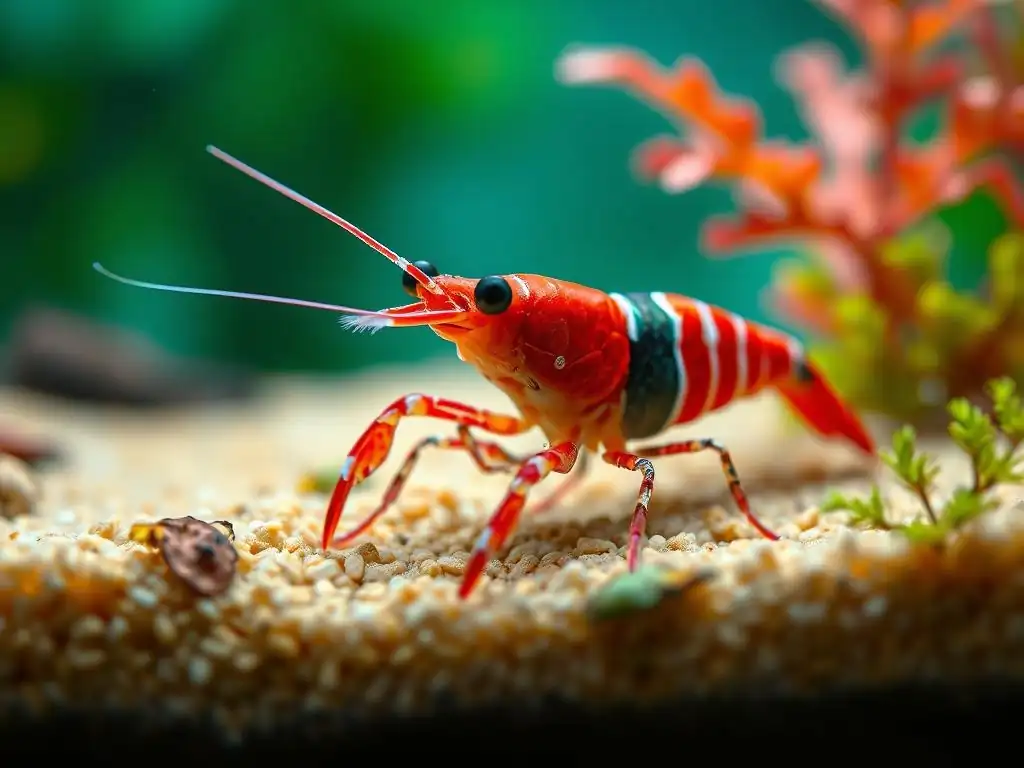
Consistent maintenance practices are crucial for the long-term health and stability of a tank shared by shrimp and Corydoras. Regular care routines minimize stress and prevent common issues.
Regular Water Changes: Maintaining Water Quality
Regular partial water changes are the single most important maintenance task for maintaining optimal water quality in a shrimp and Corydoras aquarium. It is recommended to perform a 20-30% water change weekly or bi-weekly, depending on your tank's bioload and filtration. This process dilutes accumulated nitrates, removes dissolved organic compounds, and replenishes essential minerals that are consumed by plants and livestock.
Always use a reliable water conditioner to neutralize chlorine, chloramines, and heavy metals in tap water, as these are highly toxic to both shrimp and fish. Ensure the temperature of the new water matches the tank water as closely as possible to prevent temperature shock, which can be particularly stressful for shrimp during molting. Consistent water changes are paramount for preventing water quality deterioration and ensuring the continued success of Shrimp Corydoras tank compatibility.
Monitoring Water Parameters: Using Test Kits
Regular monitoring of water parameters is essential for proactive aquarium management. Utilize a high-quality liquid test kit (more accurate than test strips) to check for ammonia, nitrite, and nitrate levels. Ammonia and nitrite should always read 0 ppm. Nitrates should be kept below 20 ppm, especially for sensitive species like shrimp, though some tanks can safely maintain up to 40 ppm with robust plant growth.
Beyond the nitrogen cycle parameters, it's beneficial to periodically check pH, General Hardness (GH), and Carbonate Hardness (KH). While both shrimp and Corydoras are adaptable within their preferred ranges, stability is key. Any sudden deviations can indicate a problem or stress factor. Consistent monitoring allows for early detection of issues, enabling prompt corrective action before problems escalate, thereby safeguarding the delicate balance of your Shrimp Corydoras tank.
Observing Behavior: Detecting Potential Problems Early
Daily observation of your shrimp and Corydoras is a simple yet powerful tool for detecting potential problems early. Healthy Corydoras are typically active, constantly sifting through the substrate, and moving in a synchronized school. Healthy shrimp are usually seen actively grazing on surfaces, displaying vibrant coloration, and moving with purpose.
Look for any changes in behavior:
- Lethargy or unusual stillness: Both species should be active.
- Loss of color: Can indicate stress or illness.
- Clamped fins or rapid breathing: Signs of stress or poor water quality in Corydoras.
- Shrimp flicking or darting erratically: Often a sign of poor water conditions or irritation.
- Lack of appetite: A general indicator of ill health.
- Frequent molting issues in shrimp: Can indicate mineral deficiencies or sudden parameter shifts.
Early detection allows for timely intervention, whether it's a water change, parameter adjustment, or disease treatment, preventing minor issues from escalating and ensuring the long-term health and harmony of your Shrimp Corydoras tank.
Breeding Shrimp in a Corydoras Tank: Challenges and Tips
While Shrimp Corydoras tank compatibility is generally good for adult shrimp, breeding shrimp successfully in a community tank with Corydoras presents unique challenges, primarily regarding fry survival.
Creating a Safe Haven for Shrimp Fry: Using Moss or Breeding Boxes
The primary challenge when breeding shrimp in a Corydoras tank is the vulnerability of the newly hatched shrimp fry. These tiny organisms are microscopic and can be accidentally ingested by Corydoras during their vigorous substrate sifting. While Corydoras are not active predators, opportunistic consumption can occur. To maximize fry survival, it is crucial to provide an abundance of safe havens.
Dense patches of fine-leaved plants are the most effective natural solution. Java moss ( Taxiphyllum barbieri), Christmas moss ( Vesicularia montagnei), and Guppy grass ( Najas guadalupensis) create intricate, impenetrable tangles where shrimp fry can hide from larger tank inhabitants.
The moss also provides ample surface area for biofilm and micro-organisms, which are the primary food source for baby shrimp. For higher survival rates, particularly with valuable shrimp strains, a separate breeding box or a dedicated small "fry tank" can be used to isolate pregnant females or newly hatched fry until they are large enough (around 1/4 inch) to safely integrate into the main Shrimp Corydoras tank.
Providing Adequate Food for Baby Shrimp: Powdered Shrimp Food
Newly hatched shrimp fry are incredibly small and require micro-foods that are readily available to them. While a mature, well-established tank will have some natural biofilm for them to graze on, supplemental feeding is often necessary to ensure optimal growth and survival rates. Standard adult shrimp pellets or flakes are too large for the fry to consume efficiently.
Specialized powdered shrimp food, spirulina powder, or finely crushed algae wafers are ideal. These foods are designed to disperse throughout the water column and settle on surfaces, making them accessible to the tiny fry. Sprinkle a very small amount of powdered food daily. Overfeeding, however, can quickly foul the water, which is extremely detrimental to delicate fry. Therefore, moderation is key. Consistent and appropriate feeding ensures that the baby shrimp receive the necessary nutrients to grow quickly, reducing their vulnerable period and enhancing the overall success of breeding in a Shrimp Corydoras tank.
Conclusion: Achieving a Harmonious Shrimp and Corydoras Aquarium
Successfully housing shrimp and Corydoras together is a rewarding endeavor that can bring a dynamic and peaceful ecosystem to your home aquarium. By understanding their individual needs and implementing thoughtful planning, aquarists can create a thriving environment where these two fascinating groups of bottom-dwellers not only coexist but flourish. The key lies in proactive management, attention to detail, and a commitment to maintaining optimal conditions.
Key Takeaways for Successful Shrimp and Corydoras Keeping
- Species Selection: Choose peaceful dwarf shrimp (Neocaridina, Amano) and smaller Corydoras species (Pygmy, Habrosus) for best Shrimp Corydoras tank compatibility. Avoid aggressive shrimp.
- Tank Size & Substrate: Provide adequate tank volume (20 gallons+ recommended for most) and always use a soft, fine sand substrate to protect Corydoras' barbels.
- Water Parameters: Maintain stable water parameters: temperature 72-78°F (22-26°C), pH 6.5-7.5, GH 4-8 dGH. Consistency is more important than exact numbers.
- Habitat Enrichment: Include dense live plants (especially mosses) and varied decorations (driftwood, smooth rocks) to provide ample hiding places and foraging surfaces for shrimp.
- Feeding Strategy: Implement a balanced feeding routine, ensuring both species receive appropriate sinking foods without overfeeding. Consider multiple feeding spots or feeding after lights out.
- Water Quality Monitoring: Regularly test water for ammonia, nitrite (0 ppm), and nitrate (below 20-40 ppm). Perform consistent partial water changes.
- Observation: Regularly observe the behavior of both species to detect any signs of stress or illness early, allowing for prompt intervention.
- Breeding Considerations: If breeding shrimp is a priority, enhance hiding spots with dense moss or consider a separate breeding container to maximize fry survival.
Frequently Asked Questions
Will Shrimp and Corydoras compete for food in a tank?
Generally, no. Corydoras are bottom feeders that scavenge for scraps, while shrimp are opportunistic eaters grazing on algae and biofilm. There is minimal competition for resources if the tank is properly maintained.
While Corydoras are peaceful, they might accidentally consume baby shrimp. Adult shrimp are generally too large for Corydoras to eat, making them safe tank mates.
What are the ideal water parameters for a tank housing both Shrimp and Corydoras?
Both species prefer stable water parameters. Aim for a pH between 6.5 and 7.5, a temperature of 72-78°F, and low ammonia and nitrite levels for optimal health.
What type of tank setup is best suited for Shrimp and Corydoras?
A well-established tank with plenty of hiding places is ideal. Live plants, driftwood, and caves provide shelter for shrimp and help maintain water quality.
What should I do if I notice my Corydoras harassing my Shrimp?
While rare, if you observe harassment, ensure there are enough hiding places for the shrimp. Also, consider increasing the Corydoras school size to diffuse their attention, and ensure they are well-fed.
Final Reflection: Harmony in the Aquarium
The exploration of shrimp and Corydoras tank compatibility isn't just about creating a visually appealing ecosystem; it's a microcosm of the delicate balance we strive for in all aspects of life. Understanding the specific needs and behaviors of these creatures, and how they interact within a confined space, mirrors the challenges and rewards of fostering harmonious relationships in a broader context.
This journey into the aquatic world has highlighted the importance of careful observation and thoughtful planning. It's a reminder that even seemingly simple ecosystems require a deep understanding of their inhabitants to thrive. The best way to observe a fish is to become a fish.
This sentiment underscores the need for empathy and a willingness to see the world from another's perspective, whether it's a tiny shrimp or a bustling Corydoras.
Now, as you consider the potential of your own shrimp and Corydoras tank, remember that the principles of compatibility extend far beyond the glass walls. Let the lessons learned about creating a balanced and thriving environment inspire you to cultivate understanding, respect, and harmony in all your interactions, creating a world where diverse beings can coexist peacefully and flourish together.
Dive Deeper: Create Your Thriving Shrimp & Cory Oasis!
Thanks for exploring the fascinating world of shrimp and corydoras compatibility! You've now gained valuable insights into creating a peaceful and vibrant aquarium ecosystem. Ready to put your knowledge into action?
Here’s how you can take the next step:
- Start planning your dream setup today! Research compatible shrimp and corydoras species to create a balanced and visually stunning aquarium. Consider factors like tank size, water parameters, and available hiding places.
- Share your newfound knowledge! Help other aquarists by sharing this article on your favorite aquarium forums or social media groups.
- Experiment with different substrates and plants to discover the ideal environment for both your shrimp and corydoras. You may be surprised at what works best!
What unique plant or hardscape element will you add to your aquarium to ensure both shrimp and corydoras thrive? Share your ideas in the comments below!