
CO2 for Nano Aquariums: Tailoring Injection for Smaller Planted Tanks

Welcome to Aquarium Mastery!
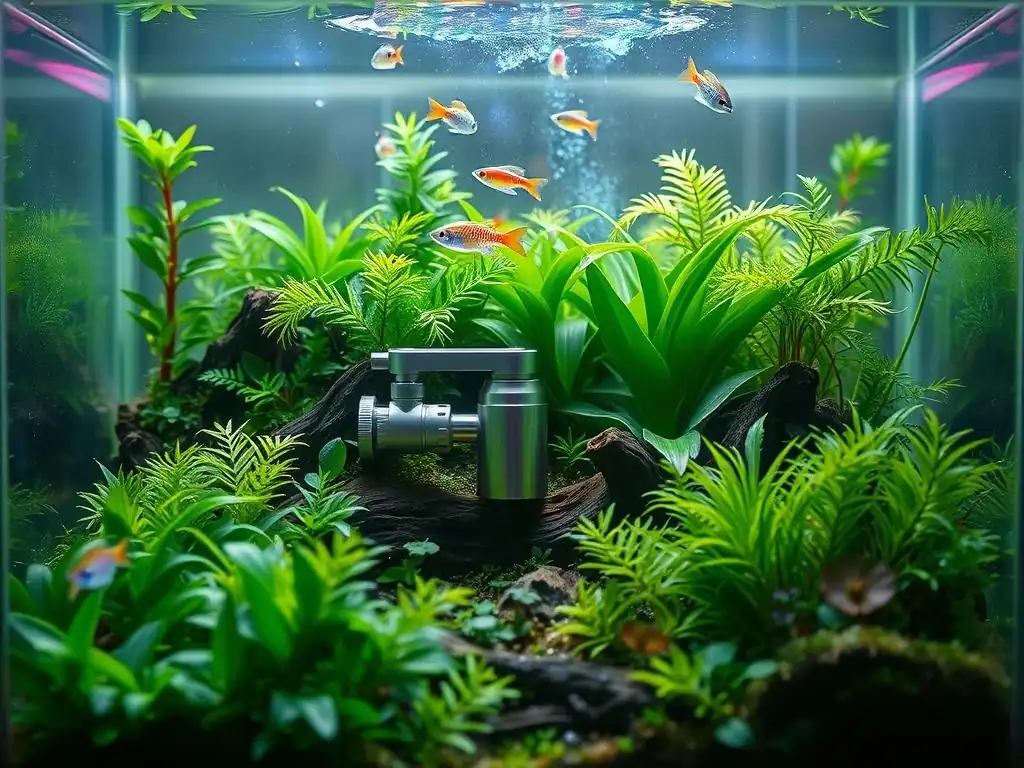
Curious about achieving lush, vibrant plant growth in your nano aquarium? You've come to the right place! In this guide, we'll dive deep into the world of nano aquarium CO2 injection, exploring the best techniques and equipment for optimizing plant health in these smaller aquatic ecosystems. Discover how to tailor your CO2 system for maximum impact and avoid common pitfalls. Ready to unlock the full potential of your planted nano tank? Let's get started!
- CO2 Injection for Nano Planted Aquariums: A Comprehensive Guide
- Understanding CO2's Role in Nano Planted Aquariums
- Selecting a CO2 System for Your Nano Aquarium
- Setting Up Your Nano Aquarium CO2 Injection System
- Fine-Tuning CO2 Injection for Plant Health and Stability
- Alternatives and Supplements for Low-Tech Nano Planted Tanks
- Maintaining Your Nano Aquarium CO2 System
-
Frequently Asked Questions
- What is the primary benefit of using CO2 injection in a nano aquarium?
- Why is precise control of CO2 levels crucial in nano aquariums?
- What type of CO2 system is generally recommended for nano aquariums?
- How often should I test the CO2 levels in my nano aquarium?
- What are some signs that I might be injecting too much CO2 into my nano aquarium?
- Final Reflection: Cultivating Miniature Ecosystems
- Ignite Your Nano Tank's Potential!
CO2 Injection for Nano Planted Aquariums: A Comprehensive Guide
Understanding CO2's Role in Nano Planted Aquariums
Benefits of CO2 Injection for Nano Planted Tanks
Carbon dioxide (CO2) is a fundamental nutrient for aquatic plants, akin to oxygen for fish. In a nano aquarium CO2 injection setup, providing supplemental CO2 significantly accelerates plant growth rates, often by two to three times compared to tanks without CO2. This leads to more robust, vibrant foliage and faster establishment of a lush aquascape. For instance, fast-growing stem plants like Rotala rotundifolia or Ludwigia repens can show noticeable new growth within days of consistent CO2 dosing, developing denser leaf structures and richer coloration.
Beyond rapid growth, healthy, CO2-fed plants are powerful allies in maintaining water quality and inhibiting algae. By growing vigorously, they efficiently outcompete nuisance algae for essential nutrients suchates, phosphates, and trace elements. This nutrient lockout creates an environment less favorable for algae proliferation, leading to a cleaner, more stable ecosystem within the confined space of a nano tank. A well-balanced nano aquarium CO2 injection system contributes directly to the overall aesthetic appeal and biological stability of the aquarium.
CO2's Impact on Photosynthesis and Nutrient Uptake in Small Aquariums
Photosynthesis, the process by which plants convert light energy into chemical energy, relies heavily on a consistent supply of carbon dioxide. The basic equation, CO2 + H2O + Light Energy → C6H12O6 (sugar) + O2, clearly shows CO2 as a primary reactant. In small aquariums, where the natural buffering capacity and CO2 production from fish respiration might be limited, supplementing CO2 ensures plants do not become carbon-starved, allowing them to photosynthesize at their optimal rate. This enhanced photosynthetic activity directly translates to increased biomass and healthier plant tissue.
Furthermore, robust plant growth fueled by ample CO2 availability leads to significantly higher uptake of various macro and micronutrients from the water column. For example, a thriving carpet of Glossostigma elatinoides or Monte Carlo in a 5-gallon nano tank, adequately supplied with CO2, will absorb nitrates more effectively than a struggling, CO2-deficient carpet. This active nutrient consumption helps to purify the water, reduce the need for frequent large water changes, and minimize the accumulation of waste products, creating a more pristine environment for both plants and any small inhabitants.
Specific Challenges of CO2 Injection in Nano Aquariums: Stability and Dissolution
One of the primary challenges in nano aquarium CO2 injection is maintaining stable CO2 levels. Due to their small water volume—often ranging from 2.5 to 10 gallons—nano tanks are highly susceptible to rapid fluctuations in CO2 concentration, which can lead to dramatic pH swings. A sudden drop in pH can be detrimental to sensitive fish and invertebrates, causing stress or even fatalities. Therefore, precise control and consistent dosing are paramount, making the "start low and go slow" approach even more critical than in larger setups.
Another significant hurdle is efficient CO2 dissolution within a limited water column. In a standard 5-gallon cube tank, the water depth might only be 8-10 inches. This short distance means CO2 bubbles have less time to dissolve before reaching the surface and escaping into the atmosphere. This necessitates highly efficient diffusers and excellent water circulation to ensure the CO2 is evenly distributed and adequately absorbed by the plants. Without proper dissolution and flow, CO2 can stratify, leading to areas of CO2 deficiency or, conversely, pockets of dangerously high concentration.
Selecting a CO2 System for Your Nano Aquarium
Citric Acid/Baking Soda DIY CO2 Systems: Cost-Effectiveness vs. Stability
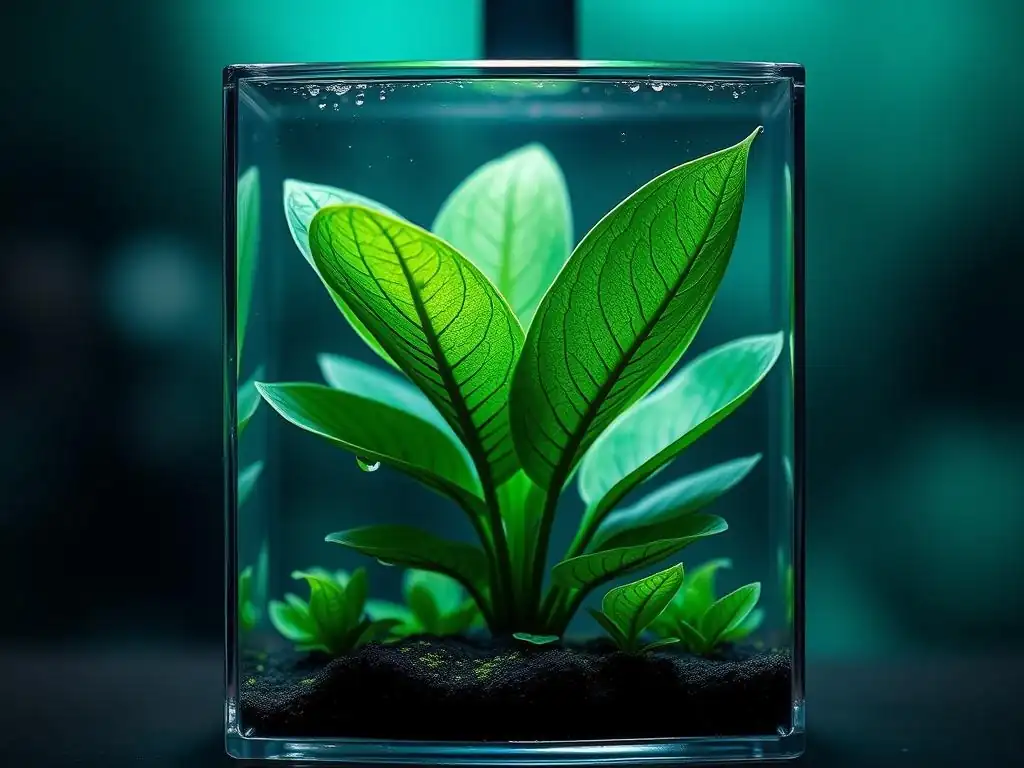
Citric acid/baking soda DIY CO2 systems offer an extremely cost-effective entry point into nano aquarium CO2 injection, with initial setup costs often under $30. These systems generate CO2 through a chemical reaction between citric acid and baking soda, typically in a pressure-resistant bottle. They are particularly popular for very small tanks, such as those under 10 gallons, or for aquarists who want to experiment with CO2 without a significant financial outlay. Their simplicity makes them accessible for beginners.
However, the primary drawback of these DIY systems is their inherent instability and inconsistency in CO2 output. The reaction rate can be difficult to control precisely, leading to fluctuating CO2 levels throughout the day. Additionally, the chemicals need to be refilled frequently, often every 2 to 4 weeks depending on the tank size and desired bubble rate. This constant maintenance and lack of fine-tuning can make achieving the stable CO2 levels crucial for a thriving planted nano tank a considerable challenge, potentially leading to algae issues or stress on livestock.
Pressurized CO2 Systems: Initial Investment and Long-Term Reliability
Pressurized CO2 systems represent the gold standard for nano aquarium CO2 injection, offering unparalleled stability, consistency, and precision. These systems utilize pre-filled CO2 cylinders (commonly 0.5 lb, 1 lb, or 2 lb sizes for nano tanks) connected to a high-quality regulator. While the initial investment is significantly higher, often ranging from $150 to $300+, the long-term benefits far outweigh the cost for serious aquascapers. Cylinders can last for several months before needing a refill, drastically reducing maintenance frequency compared to DIY options.
The key advantage of pressurized systems lies in their ability to deliver a constant and precisely adjustable flow of CO2. High-quality regulators for nano aquarium CO2 injection come equipped with accurate pressure gauges and fine-tune needle valves, allowing users to set a consistent bubble rate. Many also include a solenoid valve, which can be connected to a timer to automatically turn CO2 injection on and off with the lights, preventing dangerous CO2 accumulation during the night when plants are not photosynthesizing. This level of control is essential for maintaining a stable aquatic environment in a small volume.
Mini CO2 Regulators: Solenoids, Needle Valves, and Precision
Mini CO2 regulators are specifically designed to cater to the lower output demands and compact footprints of nano aquariums. These regulators are often smaller and lighter than their full-sized counterparts but retain critical features for precise nano aquarium CO2 injection. The needle valve is perhaps the most important component, allowing for micro-adjustments to the CO2 bubble rate, enabling users to dial in a flow as low as 1 bubble per 5-10 seconds, which is appropriate for tanks as small as 2.5 gallons. A high-quality needle valve ensures this rate remains consistent over time.
Many mini regulators also integrate a solenoid valve, which is an electrically operated switch that controls the CO2 flow. Connecting the solenoid to a simple aquarium light timer allows the CO2 to turn on an hour or two before the lights come on and turn off an hour before the lights go out.
This automation prevents CO2 from building up overnight, a period when plants respire (release CO2) rather than photosynthesize (absorb CO2), which could lead to dangerously low oxygen levels for fish and shrimp. The precision offered by these components is crucial for the delicate balance of a nano planted tank.
In-Tank and Inline Diffusers: Efficiency and Aesthetics
Diffusers are responsible for breaking down the CO2 gas into tiny bubbles, maximizing their surface area for efficient dissolution into the water. For nano aquarium CO2 injection, two main types are prevalent: in-tank ceramic diffusers and inline diffusers. In-tank ceramic diffusers are the most common and visually present option. They consist of a ceramic disc that produces a fine mist of CO2 bubbles when gas passes through it. These are relatively inexpensive, easy to clean, and come in compact sizes (e.g., 15-20mm diameter) that fit well within a small aquascape.
Inline diffusers, on the other hand, offer superior dissolution efficiency and a completely hidden aesthetic, making them ideal for minimalist nano setups. These devices are installed directly into the return line of an external canister filter or an all-in-one filter system, dissolving CO2 within the filter's tubing before the water re-enters the tank. This method can achieve near-100% CO2 dissolution, meaning virtually no bubbles escape to the surface. While they require a compatible filter and might be more challenging to install initially, they eliminate any visible equipment inside the tank, preserving the aquascape's clean lines.
Setting Up Your Nano Aquarium CO2 Injection System
Connecting Components: Tubing, Check Valves, and Bubble Counters
Setting up a nano aquarium CO2 injection system involves a sequence of connections to ensure safe and effective operation. First, securely attach the CO2 regulator to the CO2 cylinder, ensuring the threads align perfectly to prevent leaks. Next, connect the CO2-rated tubing from the regulator's output to a check valve. This small, one-way valve is critically important: it prevents aquarium water from siphoning back into the regulator or CO2 cylinder if the gas pressure drops, which could cause significant damage or safety hazards. Position the check valve close to the aquarium, ideally just before the bubble counter or diffuser.
Following the check valve, connect the tubing to a bubble counter. A bubble counter is a simple, clear chamber filled with water, allowing you to visually monitor the CO2 flow rate by counting individual bubbles. For a 5-gallon nano tank, an initial target might be 1 bubble every 5-7 seconds. Finally, connect the tubing from the bubble counter to your chosen diffuser. Ensure all connections are tight and secure, preferably using zip ties or hose clamps on barbed fittings to prevent accidental disconnections and leaks under pressure.
Optimal Diffuser Placement: Maximizing Dissolution and Circulation
Optimal diffuser placement is crucial for maximizing CO2 dissolution and ensuring even distribution throughout your nano aquarium. The goal is to give the CO2 bubbles as much contact time with the water as possible and to spread them efficiently to all plants. Position the diffuser in an area of high water flow, typically directly below or in the path of your filter's output or a small powerhead. This ensures that the fine CO2 mist is immediately caught by the current and dispersed throughout the entire tank rather than simply floating straight to the surface.
In a nano tank, where water volume is small and water column height is limited, excellent circulation is paramount for effective nano aquarium CO2 injection. Without good flow, CO2 can stratify, creating pockets of high concentration near the diffuser and areas of deficiency elsewhere, leading to inconsistent plant growth and potential algae issues. Consider directing your filter output to create a gentle, consistent flow that circulates water throughout the entire aquascape, ensuring that all plants, including those in dense carpets, receive an adequate and stable supply of dissolved CO2.
Initial Dosage: Start Low and Monitor Closely
When initiating nano aquarium CO2 injection, the cardinal rule is to "start low and go slow." Begin with a very conservative bubble rate, for instance, 1 bubble every 7-10 seconds for a 5-gallon tank, or 1 bubble every 4-6 seconds for a 10-gallon tank. Allow this rate to run for several hours, ideally with the lights on, and carefully observe your fish and shrimp for any signs of stress, such as gasping at the water surface or erratic swimming. These are indicators that CO2 levels may be too high and oxygen levels too low.
Simultaneously, use a CO2 drop checker or a reliable pH meter to monitor the dissolved CO2 levels in your tank water. A drop checker, containing a pH reagent, will change color to indicate CO2 concentration (blue for low, green for optimal, yellow for excessive).
Aim for a drop checker color that is a vibrant green, indicating approximately 30 parts per million (ppm) of dissolved CO2, or a pH drop of 0.6 to 1.0 units from your tank's baseline pH (without CO2). Adjust the bubble rate incrementally over several days, allowing ample time for the CO2 levels to stabilize and for your drop checker to reflect the true concentration before making further adjustments.
Fine-Tuning CO2 Injection for Plant Health and Stability
Drop Checkers: Interpreting Color Changes and CO2 Levels
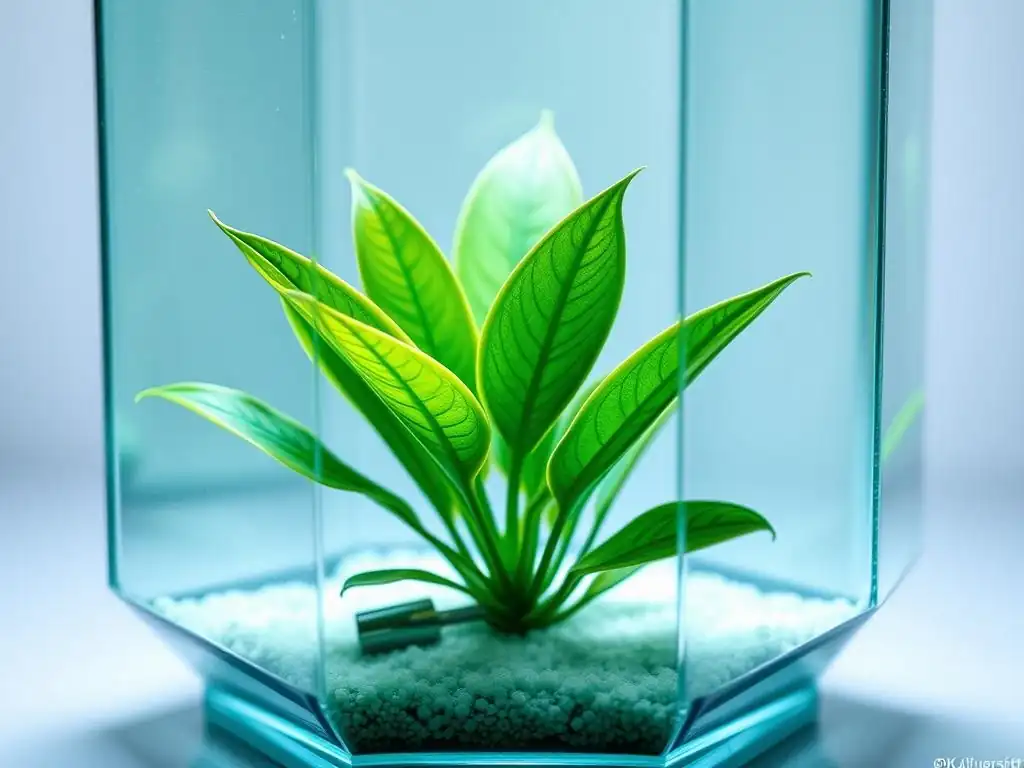
Drop checkers are indispensable tools for fine-tuning nano aquarium CO2 injection, providing a continuous visual indication of dissolved CO2 levels. These small glass devices contain a pH-sensitive reagent solution and an air pocket, which allows the CO2 in the aquarium water to equilibrate with the solution. The color of the solution directly correlates to the CO2 concentration: a blue color indicates insufficient CO2 (typically below 20 ppm), a vibrant green signifies optimal CO2 levels (around 30 ppm), and a yellow hue warns of excessive CO2 (above 35-40 ppm), which can be dangerous for livestock.
For accurate readings, place the drop checker on the side of the tank opposite the CO2 diffuser, ideally in an area with good water flow. This placement ensures it measures the overall dissolved CO2 concentration throughout the tank, rather than just localized high levels near the diffuser. It's important to note that a drop checker takes 2-3 hours to fully equilibrate and show the true CO2 level, so adjustments to the bubble rate should be made slowly and with patience, allowing sufficient time for the drop checker's color to stabilize before making further changes.
Adjusting Bubble Rate: Balancing Plant Needs and Livestock Safety
Once your initial nano aquarium CO2 injection setup is stable, fine-tuning the bubble rate is an ongoing process to achieve the perfect balance between robust plant growth and the safety of your aquatic inhabitants. Based on your drop checker's color, incrementally adjust the needle valve on your CO2 regulator. If the drop checker is blue, increase the bubble rate by half a bubble per second; if it's yellow, decrease it. Always allow several hours for the CO2 levels to stabilize and for the drop checker to reflect the change before making further adjustments.
Crucially, always prioritize the well-being of your fish and shrimp. If fish are consistently gasping at the surface, even if your drop checker is green, it indicates insufficient oxygen or excessive CO2. In such cases, immediately reduce the CO2 injection rate or perform a small water change. A healthy planted tank with optimal CO2 should see plants pearling (releasing visible oxygen bubbles) during the light cycle, without any signs of distress from the livestock. The ideal CO2 level for most planted nano tanks aims for a pH drop of 0.6-1.0 units from the tank's baseline pH without CO2.
Algae blooms are a common frustration in planted aquariums, and surprisingly, an imbalance or inconsistency in nano aquarium CO2 injection is a frequent underlying cause. When CO2 levels fluctuate or are insufficient, plants struggle to photosynthesize efficiently, leading to stunted growth and an inability to outcompete algae for available nutrients. For instance, inconsistent CO2 can lead to outbreaks of black beard algae (BBA), while persistently low CO2 often results in green spot algae (GSA) on glass and slow-growing plant leaves.
To combat algae related to CO2 issues, the primary focus must be on achieving and maintaining stable CO2 levels throughout the entire light cycle. Aim for a consistent 25-35 ppm of dissolved CO2, verified by a vibrant green drop checker. Ensure your CO2 system is turning on an hour or two before the lights and off an hour before the lights dim.
Beyond CO2, verify that lighting is appropriate (not too intense or too long for your tank size) and that plants are receiving a balanced array of macro and micronutrients. A healthy, CO2-rich plant mass is the best defense against algae in any nano aquarium.
Alternatives and Supplements for Low-Tech Nano Planted Tanks
Liquid Carbon: Glutaraldehyde and Plant Response
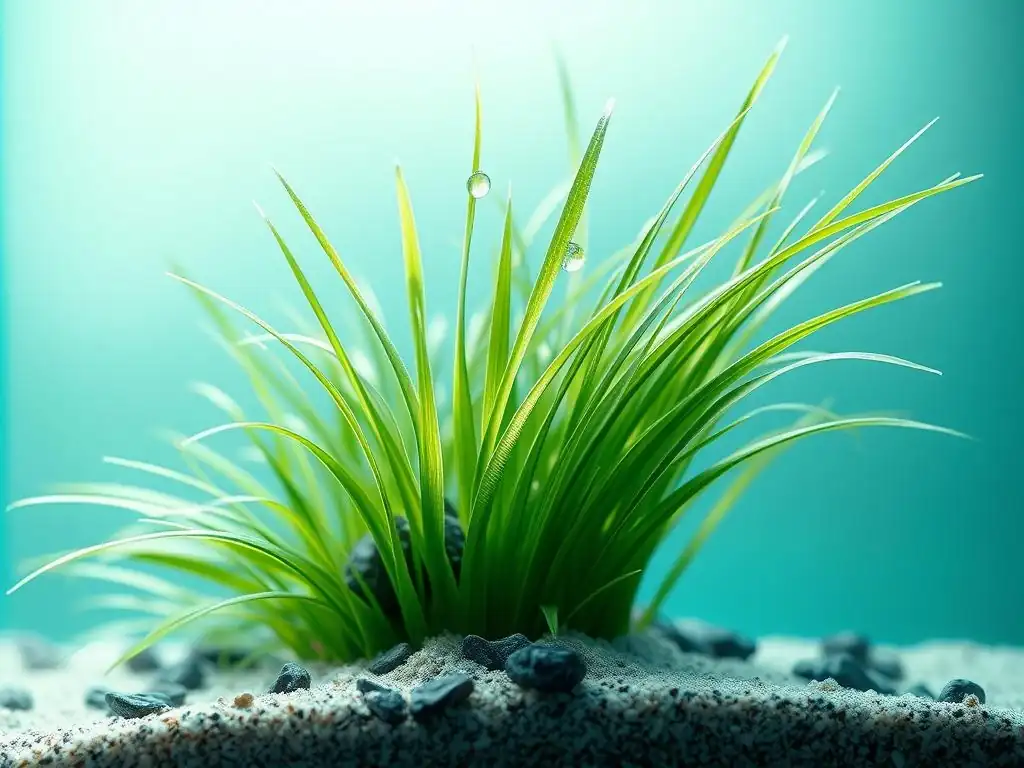
For aquarists running low-tech nano planted tanks without the complexity of a pressurized nano aquarium CO2 injection system, liquid carbon supplements offer a viable alternative. These products, often containing glutaraldehyde, provide a bio-available carbon source that plants can utilize for photosynthesis. While not a true substitute for gaseous CO2, liquid carbon can significantly boost the growth of many aquatic plants, particularly those with less demanding carbon requirements like Anubias, Cryptocoryne species, and Java Fern. Additionally, glutaraldehyde has algaecidal properties, which can help control certain types of algae.
However, it's important to understand the nuances of liquid carbon. Its effectiveness varies significantly among plant species; for example, while it benefits many stem plants, some delicate plants like Vallisneria and certain mosses can be sensitive and may melt or show signs of distress if overdosed. Typical dosing for a 5-gallon nano tank might be 0.5-1 mL daily.
Always follow the manufacturer's instructions carefully and start with a lower dose to observe your plants' and livestock's response. Liquid carbon is best viewed as a supplement to natural carbon production and a boost for low-tech setups, rather than a replacement for high-pressure CO2 for demanding plants.
Balancing CO2 Alternatives with Lighting and Fertilization
When opting for CO2 alternatives like liquid carbon in a low-tech nano aquarium CO2 injection setup, it's crucial to balance them with appropriate lighting and a comprehensive fertilization regimen. In a low-tech tank, light intensity should be moderate to low (e.g., 10-20 PAR), and the photoperiod typically 6-8 hours. Overly intense lighting without sufficient CO2 (even from liquid sources) and nutrients will only fuel algae growth, as plants struggle to utilize the light energy efficiently.
Alongside liquid carbon, consistent dosing of macro-nutrients (nitrates, phosphates, potassium) and micro-nutrients (iron, trace elements) is essential. Since plants will grow faster with the added carbon, their demand for other nutrients will also increase. Regular water changes (e.g., 20-30% weekly) help replenish some nutrients and remove waste. A holistic approach, where lighting, liquid carbon, and nutrient dosing are all in harmony, will yield the best results for plant health and stability in a low-tech nano planted tank, minimizing the chances of nutrient imbalances that lead to algae.
Maintaining Your Nano Aquarium CO2 System
Cleaning Regulators, Diffusers, and Tubing
Regular maintenance of your nano aquarium CO2 injection system is vital for its long-term reliability and consistent performance. The diffuser is the component most prone to clogging due to algae buildup or mineral deposits, which can reduce bubble size and efficiency. It's recommended to clean ceramic diffusers every 2-4 weeks by soaking them in a dilute bleach solution (e.g., 1 part bleach to 10 parts water) for 30 minutes to an hour, then rinsing thoroughly under running water and allowing them to air dry completely to eliminate any bleach residue before reinstallation.
Tubing should be inspected periodically for signs of brittleness, cracks, or algae growth inside. Over time, CO2-rated tubing can harden and become more susceptible to leaks; replacing it annually or biannually is a good preventative measure. While regulators generally require little maintenance, occasionally check the connections for dust or debris, and ensure gauges are reading correctly. Keeping all components clean ensures a consistent and efficient delivery of CO2 to your nano planted tank.
Identifying and Resolving Leaks and System Malfunctions
Leaks are the most common malfunction in a nano aquarium CO2 injection system and can lead to rapid depletion of your CO2 cylinder. To check for leaks, spray a soapy water solution (dish soap mixed with water) onto all connections: where the regulator meets the cylinder, tubing connections to the regulator, bubble counter, and diffuser. If bubbles appear, you've found a leak. Tighten the connection, replace the O-ring, or re-secure the tubing. Common leak points include worn cylinder O-rings or loose fittings.
Other malfunctions include inconsistent bubble rates (often due to low tank pressure, a faulty needle valve, or a clogged diffuser) or no bubbles at all (indicating an empty CO2 cylinder, a completely clogged diffuser, or a regulator issue). Always check the cylinder pressure gauge first. If it reads empty, it's time for a refill. If the gauge shows pressure, systematically check each component for blockages or loose connections. Timely identification and resolution of these issues ensure continuous and stable CO2 delivery, which is paramount for the health of your nano planted tank.
Ensuring Consistent CO2 Levels for Long-Term Plant Health
The cornerstone of successful nano aquarium CO2 injection for long-term plant health is consistency. Fluctuations in CO2 levels can stress plants, leading to stunted growth, nutrient deficiencies, and increased susceptibility to algae outbreaks. Daily monitoring of your CO2 drop checker is crucial; aim for a stable vibrant green color throughout the entire light cycle, indicating optimal CO2 levels (approximately 30 ppm). Regularly verify the bubble counter's rate to ensure it hasn't changed.
Establishing a routine for cylinder refills, diffuser cleaning, and system checks will prevent unexpected interruptions in CO2 supply. For example, if you notice your CO2 cylinder pressure dropping significantly, plan for a refill before it completely empties. This proactive approach ensures a continuous and stable supply of CO2, allowing your plants to thrive, pearl vigorously, and outcompete algae effectively. A consistently maintained nano aquarium CO2 injection system is the key to a vibrant, healthy, and low-maintenance planted nano ecosystem.
Frequently Asked Questions
What is the primary benefit of using CO2 injection in a nano aquarium?
CO2 injection significantly boosts plant growth in nano aquariums. It provides plants with the carbon they need for photosynthesis, leading to healthier and more vibrant plants. This is particularly important in smaller tanks where nutrient limitations are more pronounced.
Why is precise control of CO2 levels crucial in nano aquariums?
Due to the smaller water volume of nano aquariums, CO2 levels can fluctuate rapidly. Overdosing CO2 can quickly lead to toxic conditions for fish and invertebrates. Therefore, precise control is essential for a healthy ecosystem.
What type of CO2 system is generally recommended for nano aquariums?
Smaller, more manageable CO2 systems like DIY CO2 systems or nano-specific regulator systems are generally preferred. These systems allow for finer adjustments and prevent excessive CO2 injection, which is crucial in smaller tanks.
How often should I test the CO2 levels in my nano aquarium?
Regular testing is vital. Test daily initially after setting up your CO2 system to establish a baseline. Once stable, you can reduce testing to 2-3 times per week to monitor for any fluctuations.
What are some signs that I might be injecting too much CO2 into my nano aquarium?
Signs of CO2 overdose include fish gasping at the surface, lethargy, and a general lack of activity. Immediately reduce CO2 injection and increase surface agitation to help oxygenate the water.
Final Reflection: Cultivating Miniature Ecosystems
The principles of precision and balance, so crucial in larger planted aquariums, become absolutely paramount when we shrink the scale to the nano aquarium. Mastering CO2 injection in these miniature worlds is not just about plant growth; it's about fostering a thriving, self-sustaining ecosystem. The techniques discussed, from DIY solutions to sophisticated regulators, represent a commitment to creating a harmonious environment where aquatic life can flourish.
This journey into nano aquarium CO2 injection has underscored the delicate interplay between technology and nature. It's a reminder that even the smallest spaces can become vibrant reflections of our dedication to responsible aquascaping. The best aquarium is the one that most closely replicates the natural environment,
a sentiment that resonates deeply when considering the precision required for nano tanks. The ongoing evolution of CO2 injection methods allows us to continually refine our approach, pushing the boundaries of what's possible within these tiny aquatic realms.
As you contemplate the possibilities for your own nano aquarium, remember that patience, observation, and a willingness to learn are your greatest assets. Embrace the challenge of tailoring CO2 injection to your specific needs, and you'll be rewarded with a captivating underwater landscape that brings joy and tranquility to your life. Let the knowledge gained here inspire you to create not just an aquarium, but a miniature masterpiece.
Ignite Your Nano Tank's Potential!
Thanks for diving into the world of CO2 injection for nano aquariums! We hope you’ve gained a clearer understanding of how to optimize your planted tank's growth. Now, let's put that knowledge into action!
Here are a few things you can do right now:
- Immediately evaluate your current CO2 setup based on the diffusion methods we discussed. Is it optimized for your tank size and plant needs?
- Explore unconventional CO2 indicators like drop checkers with custom solutions or DIY methods for nano tanks, and share your experiences in the comments below!
- Spread the word! Share this article with fellow nano aquarium enthusiasts and help them unlock their tanks’ full potential.
Ready to transform your nano aquarium into a thriving underwater paradise? What innovative CO2 diffusion technique are you excited to try first?