
Liquid Carbon vs. CO2 Injection: Which is Right for Your Planted Aquarium?

Welcome to Aquarium Mastery!
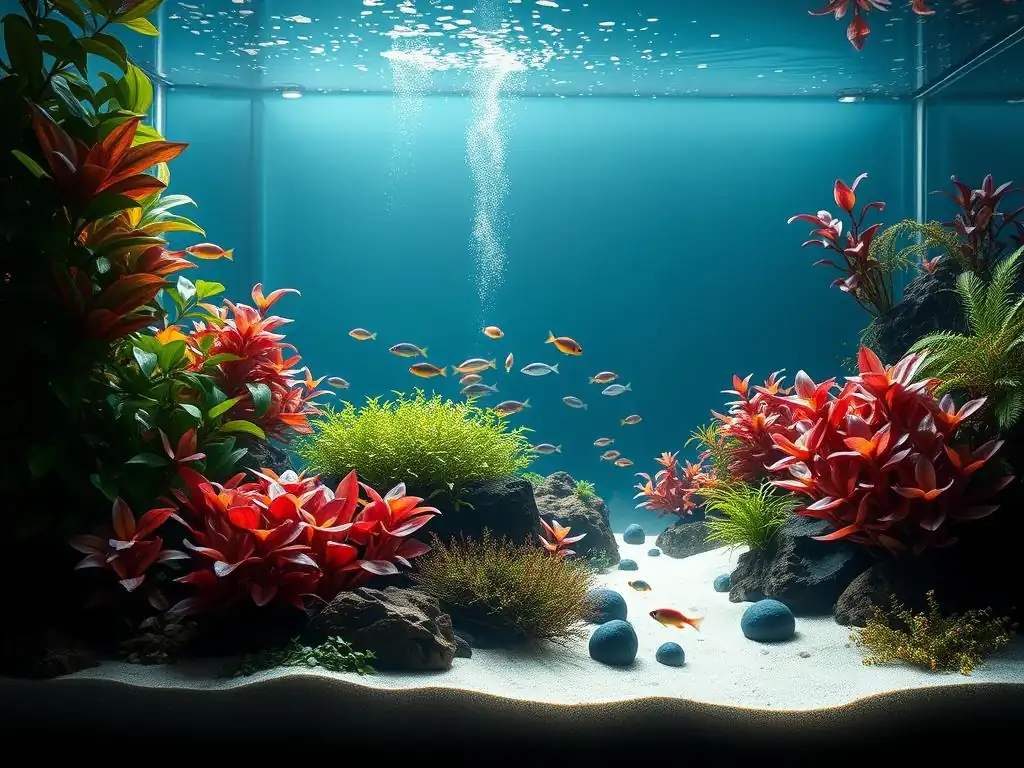
Ever wondered if you could achieve lush, vibrant plant growth in your aquarium without the complexities of CO2 injection? Delve into the captivating world of liquid carbon! We'll help you decide whether it's the perfect solution for your planted aquarium, or if traditional CO2 is the way to go. Get ready to unlock the secrets to a thriving underwater garden as we explore the pros and cons in our guide to Planted aquarium liquid carbon!
- Understanding CO2 for Planted Aquariums: A Foundation for Lush Growth
- Liquid Carbon Explained: A Convenient Alternative for Planted Tanks
- CO2 Injection Systems: The Gold Standard for Planted Aquarium CO2
-
Liquid Carbon vs. CO2 Injection: A Detailed Comparison
- Plant Growth Rate and Effectiveness: Which Method Wins?
- Cost Analysis: Initial Investment and Long-Term Expenses
- Ease of Use and Maintenance: Liquid Carbon vs. CO2 Regulators
- Impact on Fish and Invertebrates: Safety Considerations
- Algae Control: Comparing the Effects of Liquid Carbon and CO2 Injection
- Choosing the Right CO2 Method for Your Planted Aquarium
- Tips for Maximizing Plant Growth with Liquid Carbon
- Troubleshooting Common Issues with Liquid Carbon and CO2 Injection
- Advanced Techniques for Planted Aquarium CO2 Management
- Conclusion: Achieving a Thriving Planted Aquarium with the Right CO2 Strategy
-
Frequently Asked Questions
- What exactly is liquid carbon, and how does it differ from CO2 injection in a planted aquarium?
- Is liquid carbon a true replacement for CO2 injection in a heavily planted aquarium?
- What are the potential benefits of using liquid carbon over CO2 injection?
- Are there any risks or drawbacks associated with using liquid carbon in a planted aquarium?
- How do I determine if liquid carbon is the right choice for my planted aquarium?
- Final Reflection: Cultivating Life, One Bubble at a Time
- Ignite Your Aquarium's Potential: Start Thriving Today!
Understanding CO2 for Planted Aquariums: A Foundation for Lush Growth
The Importance of Carbon Dioxide in Aquatic Plant Photosynthesis
Carbon dioxide (CO2) is an indispensable nutrient for aquatic plants, playing a pivotal role in the process of photosynthesis. Just like terrestrial plants, submerged aquatic flora utilize CO2, alongside light energy and water, to synthesize sugars for growth and release oxygen. This fundamental biological process is the engine behind lush, vibrant plant growth in a planted aquarium. Without sufficient CO2, even with optimal lighting and nutrient levels, plants will struggle to thrive, leading to stunted growth and a less appealing aquascape.
In a well-lit and fertilized planted aquarium, carbon dioxide often becomes the limiting factor for plant growth. While fish respiration and organic decomposition release some CO2, these amounts are rarely enough to support the rapid growth desired in a high-tech setup. For instance, many demanding plant species, such as Rotala macrandra or Ludwigia repens, require dissolved CO2 levels between 15-30 parts per million (ppm) to exhibit their full potential in terms of coloration and robust development. Achieving and maintaining these levels consistently is crucial for a flourishing aquatic garden.
CO2 Deficiency in Planted Tanks: Signs and Solutions
Recognizing the signs of CO2 deficiency is vital for maintaining a healthy planted aquarium. Common indicators include stunted growth, where plants fail to reach their expected size or grow at an unusually slow pace. Leaves may appear pale or yellow, particularly new growth, as the plant lacks the necessary carbon building blocks for chlorophyll production. You might also observe plant melting, where leaves disintegrate, or the development of unsightly algae, such as black beard algae (BBA) or green spot algae, which thrive in environments where plants are struggling to outcompete them for nutrients.
The primary solution to CO2 deficiency is to increase the availability of carbon to your plants. For those using supplemental CO2, this means optimizing your injection system to achieve target levels of 20-30 ppm. If you're relying on a low-tech approach or considering a planted aquarium liquid carbon solution, assess whether your current carbon input is sufficient for your plant species. Additionally, ensuring proper water circulation is key, as it distributes available CO2 evenly throughout the tank, preventing localized deficiencies and ensuring all plants receive their share of this crucial nutrient.
Liquid Carbon Explained: A Convenient Alternative for Planted Tanks
What is Liquid Carbon and How Does it Work?
Liquid carbon, a popular alternative for planted aquariums, refers to various liquid products designed to provide a bioavailable carbon source for aquatic plants. Unlike gaseous CO2 injection, these products do not directly introduce CO2 into the water. Instead, they typically contain organic carbon compounds, most notably glutaraldehyde, which plants can absorb and utilize in their metabolic processes. This makes them particularly appealing for hobbyists seeking a simpler, less equipment-intensive method to boost plant growth.
The mechanism of action for liquid carbon is dual-faceted. Primarily, it offers a readily available form of carbon that plants can assimilate, effectively bypassing the need for gaseous CO2 conversion. Secondly, many of these solutions, particularly those containing glutaraldehyde, possess mild algaecidal properties.
This secondary effect can help suppress common nuisance algae like black beard algae, contributing to a cleaner and more aesthetically pleasing planted tank. While not a direct substitute for gaseous CO2 in high-tech setups, planted aquarium liquid carbon products offer a convenient way to enhance carbon availability and manage algae in smaller or less demanding planted aquariums.
Active Ingredients in Liquid Carbon Products: Glutaraldehyde and Alternatives
The most common active ingredient found in planted aquarium liquid carbon products is glutaraldehyde, typically in concentrations ranging from 1.5% to 2.5%. Brands like Seachem Flourish Excel are well-known examples that utilize this compound. Glutaraldehyde functions by breaking down into simpler carbon chains that plants can readily absorb and use for photosynthesis.
Its effectiveness as a carbon source, combined with its algaecidal properties, has made it a staple for many aquarists. For instance, glutaraldehyde has been shown in some studies to inhibit the growth of certain algae species at concentrations as low as 0.5-1.0 ppm, while remaining safe for most aquatic plants and fish at recommended doses.
While glutaraldehyde is dominant, some alternative liquid carbon products may contain other organic acids or compounds designed to provide a carbon source. However, these are less prevalent and generally not as well-researched or widely adopted as glutaraldehyde-based solutions.
It's important for hobbyists to review the specific ingredients of any planted aquarium liquid carbon product they choose, understanding that while they offer a convenient carbon source, they are not chemically equivalent to dissolved CO2 gas. Their primary benefit lies in providing an easily absorbable organic carbon form, which can significantly improve plant health and color, especially in tanks without pressurized CO2 injection.
Liquid Carbon Dosage for Planted Aquariums: Avoiding Overdosing
Proper dosage of planted aquarium liquid carbon is crucial to ensure plant benefit while avoiding harm to aquatic inhabitants. General guidelines often suggest starting with a dosage of approximately 1 ml per 10 gallons (about 38 liters) of aquarium water daily, though specific product instructions should always be followed.
For example, Seachem Flourish Excel recommends an initial dose of 5 ml per 40 gallons (about 150 liters) for the first few days, followed by a maintenance dose of 5 ml per 50 gallons (about 190 liters) daily or every other day. It is always advisable to start with a lower dose, especially if you have sensitive fish or invertebrates like shrimp or Otocinclus catfish, and gradually increase it while observing your tank's inhabitants.
Overdosing planted aquarium liquid carbon can have adverse effects. High concentrations of glutaraldehyde can stress or even be lethal to sensitive fish, shrimp, and snails, leading to signs of distress such as erratic swimming, gasping at the surface, or lethargy. For plants, an overdose might cause melting or stunted growth due to chemical stress.
It's important to monitor your tank closely after introducing liquid carbon and be prepared to perform a partial water change if any negative reactions are observed. Consistency in dosing at the recommended levels, rather than attempting to "catch up" with larger doses, is the safest and most effective approach for a thriving planted aquarium.
CO2 Injection Systems: The Gold Standard for Planted Aquarium CO2
Components of a CO2 Injection System: Regulator, Diffuser, and More
A complete CO2 injection system for a planted aquarium comprises several essential components, each playing a critical role in delivering precise and stable carbon dioxide levels. At the heart of the system is the CO2 cylinder, typically a high-pressure aluminum or steel tank, commonly sized at 5 lbs or 10 lbs, which holds the compressed gas.
Attached to the cylinder is the CO2 regulator, a complex device featuring pressure gauges to monitor tank pressure and output pressure, a needle valve for fine-tuning the CO2 flow rate, and often a solenoid valve that allows the CO2 to be turned on and off automatically via a timer or pH controller.
Further components include a bubble counter, a small device filled with water that allows visual monitoring of the CO2 flow rate (e.g., 1-3 bubbles per second for a typical 50-gallon tank). A check valve is essential to prevent water from siphoning back into the regulator when the CO2 is off, protecting the equipment. Finally, a diffuser or reactor is used to dissolve the CO2 gas into the aquarium water effectively.
Diffusers produce fine CO2 bubbles for dissolution, while inline reactors mix CO2 with the filter's outflow for highly efficient dissolution, often achieving 90-95% efficiency compared to the 40-70% of standard diffusers. High-quality CO2-resistant tubing connects these components, ensuring no gas leaks and consistent delivery.
Setting Up a CO2 Injection System: A Step-by-Step Guide
Setting up a CO2 injection system for your planted aquarium, while initially daunting, is a straightforward process when approached systematically. Begin by securely attaching the CO2 regulator to your CO2 cylinder, ensuring a tight seal with the provided washer. Next, connect the CO2-resistant tubing from the regulator's output to the bubble counter, then from the bubble counter to the check valve, and finally from the check valve to your chosen diffuser or reactor inside the aquarium. Position the diffuser near good water flow to ensure optimal CO2 distribution throughout the tank.
Once all connections are secure, slowly open the main valve on the CO2 cylinder. Then, gradually open the regulator's output valve and adjust the needle valve to achieve your desired bubble rate, typically starting around 1-2 bubbles per second for a 20-gallon tank and increasing proportionally for larger setups. It is crucial to perform a leak test by spraying soapy water on all connections; if bubbles appear, tighten the connection.
Finally, connect the solenoid valve to a timer that turns the CO2 on an hour or two before your lights come on and off an hour before they shut off, mimicking the natural photosynthesis cycle. This setup provides consistent CO2 levels, crucial for healthy plant growth and to prevent CO2 buildup overnight, which can harm fish.
Monitoring CO2 Levels in Planted Tanks: Drop Checkers and pH Controllers
Accurate monitoring of CO2 levels is paramount for a thriving planted aquarium and the safety of its inhabitants. The most common and accessible tool for this is the CO2 drop checker. This small glass device is filled with a pH indicator solution (typically bromothymol blue) and a small amount of tank water, separated from the main water column by an air pocket.
The solution's color indicates the dissolved CO2 level: blue signifies insufficient CO2 (below 20 ppm), green indicates optimal CO2 (around 20-30 ppm), and yellow signals excessive CO2 (above 35 ppm), which can be dangerous for fish. Drop checkers, while convenient, have a delayed reaction time, showing current CO2 levels from 1-2 hours prior.
For more precise and automated control, many advanced aquarists utilize pH controllers. These devices employ a pH probe submerged in the aquarium water to continuously measure pH. Since CO2 dissolves in water to form carbonic acid, there's a direct relationship between CO2 concentration and pH (given a stable kH, or carbonate hardness).
A pH controller can be set to a target pH (e.g., 6.8 for a tank with kH 4, which typically corresponds to 30 ppm CO2) and will automatically turn the CO2 solenoid valve on or off to maintain that pH. This ensures stable CO2 levels, preventing dangerous fluctuations and optimizing conditions for plants while safeguarding fish from dangerously high CO2 concentrations.
Liquid Carbon vs. CO2 Injection: A Detailed Comparison
Plant Growth Rate and Effectiveness: Which Method Wins?
When comparing plant growth rates and overall effectiveness, CO2 injection systems generally offer superior results, particularly for demanding aquatic plants. Pressurized CO2 systems can consistently deliver dissolved CO2 levels between 20-30 ppm, which is optimal for rapid, dense growth and vibrant coloration in a wide array of species, from delicate stem plants like Rotala macrandra to carpeting plants such as Hemianthus callitrichoides 'Cuba'. This high and stable carbon availability allows plants to perform photosynthesis at their peak, leading to accelerated growth and a truly lush aquascape.
In contrast, planted aquarium liquid carbon solutions provide a bioavailable carbon source, but they typically cannot achieve the same high concentrations of usable carbon as a pressurized system. While effective for low-tech setups or as a supplement, liquid carbon might only provide the equivalent of 5-10 ppm of CO2, depending on dosage and tank conditions.
Plants will certainly benefit from it, showing improved health and moderate growth, but they are unlikely to reach the explosive growth potential seen with optimal CO2 injection. For instance, a challenging red plant like Alternanthera reineckii 'Mini' will exhibit far more intense coloration and compact growth under a pressurized CO2 system than with liquid carbon alone.
Cost Analysis: Initial Investment and Long-Term Expenses
The financial commitment for CO2 injection versus planted aquarium liquid carbon differs significantly, primarily in the initial investment. A quality CO2 injection system, including a regulator with solenoid, cylinder, diffuser, and tubing, can range from $150 to $500 or more, depending on the brand and features. While this upfront cost is substantial, the recurring expenses are relatively low. Refilling a 5 lb CO2 cylinder, which can last a 50-gallon tank for 3-6 months, typically costs between $20-$40, resulting in an annual operating cost of approximately $40-$160 for CO2 refills.
Conversely, planted aquarium liquid carbon products have a much lower initial cost, with a bottle typically ranging from $10 to $30. However, the long-term expenses can accumulate. For a 50-gallon tank, daily dosing might require a 500ml bottle every 3-4 weeks, costing approximately $10-$20 per bottle. This translates to an annual expense of roughly $120-$240, potentially exceeding the long-term costs of CO2 injection for larger tanks. Therefore, while liquid carbon offers a more accessible entry point, CO2 injection can be more cost-effective over several years, especially for larger planted aquariums.
Ease of Use and Maintenance: Liquid Carbon vs. CO2 Regulators
Ease of use and maintenance is a significant differentiating factor between planted aquarium liquid carbon and CO2 injection systems. Liquid carbon solutions are remarkably simple to use: they require nothing more than daily or every-other-day dosing directly into the aquarium water, often with a simple measuring syringe or cap. There's no complex equipment to set up, monitor, or troubleshoot, making it an ideal choice for beginners, small tanks, or aquarists who prefer a hands-off approach to their planted aquarium maintenance. The simplicity of adding a few milliliters of liquid is undeniable.
CO2 injection systems, while offering superior results, demand a higher level of technical involvement and maintenance. The initial setup involves connecting a regulator, cylinder, bubble counter, and diffuser, which requires some mechanical aptitude. Ongoing maintenance includes monitoring bubble rates, refilling CO2 cylinders every few months, and potentially adjusting the needle valve or solenoid timer. While automated systems with pH controllers can simplify daily operation, they add complexity to the initial setup and troubleshooting. For example, checking for CO2 leaks or adjusting a sensitive needle valve requires more attention than simply adding a dose of planted aquarium liquid carbon.
Impact on Fish and Invertebrates: Safety Considerations
The impact on fish and invertebrates is a critical safety consideration when choosing between CO2 injection and planted aquarium liquid carbon. With CO2 injection, the primary risk lies in overdosing, which can rapidly deplete oxygen levels and cause CO2 narcosis in fish. If dissolved CO2 levels exceed 35 ppm, fish may exhibit signs of distress such as gasping at the surface, lethargy, or rapid gill movement.
In severe cases, this can lead to suffocation. Proper monitoring with a drop checker or pH controller, along with turning off CO2 at night, is essential to prevent such scenarios and ensure the safety of your aquatic livestock.
Planted aquarium liquid carbon, particularly glutaraldehyde-based products, is generally safe at recommended dosages. However, sensitive invertebrates such as shrimp (e.g., Cherry Shrimp, Amano Shrimp) and snails (e.g., Nerite Snails) can be more susceptible to its effects, especially if overdosed. Signs of distress might include erratic behavior, lethargy, or even death.
Certain fish species, like Otocinclus catfish, have also been reported to be sensitive. It's advisable to start with a reduced dose and gradually increase it while observing your tank's inhabitants. If any signs of distress are noted, a partial water change and the addition of activated carbon can help mitigate the effects.
Algae Control: Comparing the Effects of Liquid Carbon and CO2 Injection
Both liquid carbon and CO2 injection can play a role in algae control within a planted aquarium, though their mechanisms differ. CO2 injection primarily controls algae indirectly by promoting robust plant growth. When plants thrive due to optimal CO2 levels (along with adequate light and nutrients), they efficiently outcompete algae for available nutrients. A healthy, fast-growing plant mass leaves fewer resources for nuisance algae to proliferate, leading to a naturally cleaner tank. This method focuses on creating a balanced ecosystem where plants dominate.
Planted aquarium liquid carbon, particularly glutaraldehyde-based solutions, offers a more direct approach to algae control. Glutaraldehyde is known to have algaecidal properties and can be highly effective against common algae types such as black beard algae (BBA), green spot algae, and hair algae. Many aquarists use liquid carbon not only for its carbon-providing benefits but specifically for its ability to spot-treat or prevent algae outbreaks.
For instance, a direct application of a small amount of planted aquarium liquid carbon on a patch of BBA can often cause it to recede within days. This dual action makes liquid carbon a valuable tool for maintaining a pristine aquascape, particularly in tanks without pressurized CO2.
Choosing the Right CO2 Method for Your Planted Aquarium
Plant Species and CO2 Requirements: Matching the Method to the Plants
The types of plant species you intend to keep in your planted aquarium should heavily influence your choice between liquid carbon and CO2 injection. High-demand or "red" plants, such as Rotala macrandra, Blyxa japonica, or many Ludwigia varieties, require substantial and consistent CO2 levels (20-30 ppm) to exhibit their full growth potential and vibrant coloration. For these species, a pressurized CO2 injection system is almost always the superior choice, as it can reliably deliver the necessary carbon for their demanding metabolic rates.
Conversely, low-demand plants, often referred to as "easy" plants, like Anubias, Java Fern, Cryptocoryne, or Mosses, have much lower CO2 requirements. These plants can thrive perfectly well with ambient CO2 levels, or significantly benefit from the supplemental carbon provided by planted aquarium liquid carbon products. For a beginner's tank or a low-tech setup focusing on these hardy species, liquid carbon offers a simple and effective boost without the complexity of a full CO2 system. Mid-demand plants, such as some Echinodorus (Swords) or Hygrophila, can show improved growth with either method, but will certainly flourish more with pressurized CO2.
Tank Size and Plant Density: Factors Influencing CO2 Choice
The physical dimensions of your planted aquarium and the density of your plant population are crucial factors in determining the most effective CO2 delivery method. For smaller tanks, typically under 20 gallons (around 75 liters), or those with a sparse plant layout, planted aquarium liquid carbon is often a sufficient and much simpler solution. The relatively small water volume means less carbon is required, and liquid carbon can effectively provide the necessary boost without the need for bulky equipment. This also makes it ideal for nano tanks or desktop aquariums where space is a premium.
For larger tanks, especially those 40 gallons (approximately 150 liters) and above, or aquariums with a very dense planting scheme, CO2 injection becomes almost indispensable for achieving robust and consistent plant growth. The sheer volume of water and the high metabolic demand of numerous plants necessitate a powerful and reliable source of CO2 that liquid carbon simply cannot match. Distributing sufficient carbon evenly across a large, densely planted aquascape is far more achievable with a pressurized CO2 system, which can maintain stable CO2 levels throughout the entire tank.
Budget Considerations: Finding the Most Cost-Effective Solution
Budget plays a significant role in the decision-making process for CO2 supplementation in a planted aquarium. The initial outlay for a full pressurized CO2 injection system can be a barrier for many hobbyists, with quality setups typically costing between $150 and $500 or more. While the long-term operating costs (primarily CO2 cylinder refills) are relatively low, this initial investment can be substantial. For aquarists on a tight budget, the upfront cost of CO2 injection might be prohibitive, making liquid carbon a more accessible entry point into serious plant keeping.
In contrast, planted aquarium liquid carbon products offer a much lower initial cost, with bottles typically priced from $10 to $30. This makes it an attractive option for beginners or those experimenting with plant growth without a large financial commitment. However, it's important to consider the long-term recurring costs.
Daily dosing of liquid carbon can accumulate over time, potentially making it more expensive than CO2 injection in the long run for larger tanks. For example, a 50-gallon tank might consume $120-$240 of liquid carbon annually, whereas CO2 refills might only cost $40-$160. Therefore, while liquid carbon is cheaper to start, CO2 injection can be more cost-effective over several years of operation.
Long-Term Commitment and Maintenance Preferences: Which Method Suits Your Lifestyle?
Your long-term commitment to the hobby and your personal preferences for maintenance will heavily influence the choice between liquid carbon and CO2 injection for your planted aquarium. If you prefer a low-maintenance approach with minimal technical involvement, planted aquarium liquid carbon is an excellent fit. Its daily dosing routine is quick and straightforward, requiring no equipment setup, monitoring of gauges, or cylinder refills. This method is ideal for hobbyists who want healthy plants without dedicating significant time to equipment management, making it suitable for busy individuals or those new to advanced planted tanks.
Conversely, a CO2 injection system, while offering superior results, demands a higher level of engagement. It requires initial setup, ongoing monitoring of bubble counts and drop checker colors, and periodic CO2 cylinder refills. While solenoid valves and pH controllers can automate the daily on/off cycle, they add to the system's complexity and initial cost.
This method appeals more to aquarists who enjoy the technical aspects of the hobby, are committed to achieving a high-tech aquascape, and are willing to dedicate the time to learn and manage the system for optimal plant growth. Your comfort level with technical equipment and daily routines should guide your decision.
Tips for Maximizing Plant Growth with Liquid Carbon
Combining Liquid Carbon with Other Fertilizers
While planted aquarium liquid carbon provides a vital carbon source, it is not a complete fertilizer and should be combined with other nutrients to maximize plant growth. Plants require a balanced array of macro-nutrients (Nitrogen, Phosphorus, Potassium - NPK) and micro-nutrients (trace elements like Iron, Manganese, Boron, Zinc). Liquid carbon addresses only the carbon aspect, so relying solely on it will likely lead to deficiencies in other essential elements, resulting in stunted growth or nutrient-specific deficiencies (e.g., yellowing leaves from iron deficiency).
To achieve lush growth, integrate a comprehensive fertilization routine alongside your planted aquarium liquid carbon dosage. This could involve using an all-in-one liquid fertilizer that provides NPK and trace elements, or separate dosing of macro and micro fertilizers based on your tank's needs. For instance, many aquarists use a product like Seachem Flourish Excel for carbon, combined with Seachem Flourish (trace elements) and Seachem Nitrogen, Phosphorus, and Potassium supplements as needed. Regular water testing for nitrates and phosphates can help fine-tune your dosing schedule, ensuring plants receive all necessary nutrients for optimal health and vibrant coloration.
Proper Water Circulation for Effective Liquid Carbon Distribution
Effective water circulation is paramount for maximizing the benefits of planted aquarium liquid carbon. Unlike gaseous CO2, which can be diffused as fine bubbles, liquid carbon relies on the movement of water to distribute the dissolved organic carbon throughout the entire aquarium. Without adequate flow, liquid carbon can remain concentrated in certain areas, leading to uneven nutrient distribution and localized carbon deficiencies for plants in stagnant zones. This can result in some plants thriving while others, even within the same tank, exhibit signs of slow growth or stress.
To ensure proper distribution, position your filter outflow or any powerheads strategically to create a gentle, even current that reaches all areas of the tank. Aim for a flow pattern that circulates water from one end of the aquarium to the other, gently swaying plant leaves. For example, if you have a hang-on-back filter, consider adding a small powerhead on the opposite side of the tank. This ensures that every plant, regardless of its position, receives a consistent supply of planted aquarium liquid carbon, allowing for more uniform and robust growth across your entire aquascape.
Regular Water Changes and Substrate Maintenance
Regular water changes and diligent substrate maintenance are foundational practices that complement the use of planted aquarium liquid carbon, contributing significantly to overall plant health and growth. Water changes, typically 25-50% weekly, help to dilute accumulated organic waste, replenish essential trace elements that might be used up quickly by plants, and remove any excess nutrients that could contribute to algae growth. This consistent refreshment of the water column provides a stable and clean environment for plants to thrive, enhancing the effectiveness of the liquid carbon.
Substrate maintenance is equally crucial, especially in tanks with root-feeding plants. Over time, detritus and uneaten food can accumulate in the substrate, leading to anaerobic pockets or nutrient imbalances. Regular gravel vacuuming (lightly, to avoid disturbing plant roots) helps remove this organic buildup. Additionally, for heavy root feeders like Swords or Cryptocorynes, supplementing with root tabs ensures a steady supply of nutrients directly to their root systems. These practices, combined with the carbon provided by planted aquarium liquid carbon, create a holistic approach to plant nutrition, fostering a vibrant and healthy planted aquarium ecosystem.
Troubleshooting Common Issues with Liquid Carbon and CO2 Injection
Algae Blooms: Identifying the Cause and Finding Solutions
Algae blooms are a common frustration in planted aquariums, and their presence often signals an imbalance in the tank, which can be related to CO2 or carbon levels. In tanks with CO2 injection, algae, particularly green spot or hair algae, frequently indicates insufficient or unstable CO2. If CO2 levels are too low (e.g., below 15 ppm) or fluctuate wildly throughout the day, plants cannot efficiently utilize light and nutrients, leaving excess resources for algae to exploit. Solutions involve increasing CO2 to target levels (20-30 ppm), ensuring consistent delivery with timers, and verifying diffuser efficiency.
For planted aquarium liquid carbon users, while many products have algaecidal properties, algae can still emerge if other parameters are off. If carbon is limiting relative to light and other nutrients, plants will struggle, giving algae an advantage. Overdosing liquid carbon can also stress plants, making them more susceptible to algae. General solutions for both methods include balancing light intensity and duration, ensuring adequate macro and micro-nutrient levels, improving water circulation to prevent dead spots, and manual removal of existing algae. A balanced ecosystem is the best defense against persistent algae.
Plant stunting or melting are alarming signs that your planted aquarium may be experiencing significant issues, often linked to carbon availability. In CO2-injected tanks, the most common CO2-related cause is insufficient or fluctuating CO2 levels. If the CO2 supply is too low (e.g., below 15 ppm), plants cannot photosynthesize effectively, leading to stunted new growth, pale coloration, or even the melting of older leaves as the plant sacrifices them to conserve energy.
Inconsistent CO2 delivery due to faulty regulators or diffusers can also cause stress and melting. Troubleshooting involves checking bubble rates, ensuring proper diffusion, and verifying CO2 levels with a drop checker.
For planted aquarium liquid carbon users, stunting or melting might occur if the carbon provided is inadequate for the specific plant species' demands, especially in higher light setups. While liquid carbon boosts growth, it cannot replicate the high, consistent carbon levels of pressurized CO2. Overdosing liquid carbon can also directly cause plant stress and melting due to chemical toxicity. Beyond carbon, always consider other factors like nutrient deficiencies (e.g., potassium deficiency causing pinholes, iron deficiency causing yellowing), inadequate lighting, or sudden changes in water parameters, as these can also contribute to plant distress.
Fish or Invertebrate Sensitivity: Addressing Toxicity Concerns
The health and safety of fish and invertebrates are paramount, and both CO2 injection and planted aquarium liquid carbon can pose risks if not managed carefully. With CO2 injection, the primary concern is acute CO2 poisoning. If CO2 levels rise too high (typically above 35 ppm), fish will exhibit signs of distress such as rapid gill movement, gasping at the surface, lethargy, or loss of balance.
Invertebrates like shrimp are often even more sensitive. Immediate action is required: increase surface agitation (e.g., with an air stone), perform a large partial water change (50% or more), and ensure CO2 is turned off. Preventing this involves careful monitoring with a drop checker or pH controller and ensuring CO2 is off at night.
Planted aquarium liquid carbon, particularly glutaraldehyde-based products, can also cause toxicity, especially if overdosed or if sensitive species are present. Shrimp (e.g., Caridina and Neocaridina species), snails (e.g., Nerite, Ramshorn), and certain fish like Otocinclus catfish are known to be particularly susceptible. Symptoms might include erratic behavior, lethargy, or death. If you observe these signs after dosing liquid carbon, perform a significant water change and consider adding activated carbon to your filter to remove excess chemicals. Always start with a lower dose than recommended and gradually increase it while observing your tank's inhabitants to gauge their tolerance.
Advanced Techniques for Planted Aquarium CO2 Management
CO2 Reactors and Inline Diffusers for Enhanced CO2 Dissolution
For serious aquascapers seeking the utmost efficiency in CO2 dissolution within their planted aquarium, CO2 reactors and inline diffusers represent advanced techniques beyond traditional in-tank diffusers. CO2 reactors are external devices, often plumbed into the outflow line of a canister filter, where CO2 gas is mixed turbulent with the aquarium water. This extensive contact time ensures nearly 100% dissolution of the CO2 before it even enters the tank, eliminating the "mist" of fine bubbles seen with diffusers. This not only makes the system highly efficient (e.g., 90-99% dissolution) but also keeps the aquascape visually clear of equipment.
Inline diffusers, similarly, are designed to be integrated directly into the filter's return line, typically using a ceramic plate to produce fine CO2 bubbles that dissolve as they travel through the filter's outflow tubing. While perhaps not quite as efficient as a full reactor, they offer significant improvements over in-tank diffusers (often achieving 80-95% dissolution) and keep the equipment hidden from view inside the tank, contributing to a cleaner aesthetic.
Both reactors and inline diffusers are ideal for larger tanks or setups where maximizing CO2 uptake by plants is a priority, ensuring that every bubble of CO2 contributes to lush, healthy growth.
Integrating CO2 with Automated Systems
Integrating CO2 injection with automated systems elevates planted aquarium management to a new level of precision and convenience. The most common automation involves connecting the CO2 regulator's solenoid valve to a simple timer. This allows the CO2 to be turned on an hour or two before the lights come on and off an hour before they shut off, mimicking the natural photosynthetic cycle and preventing dangerous CO2 buildup during the night when plants are not photosynthesizing. This basic automation ensures consistent daily CO2 delivery without manual intervention.
For advanced automation, pH controllers are indispensable. These devices use a pH probe submerged in the aquarium to continuously monitor the water's pH. Since dissolved CO2 lowers pH, the controller can be set to a target pH (e.g., 6.8 for a tank with kH 4, aiming for 30 ppm CO2).
When the pH rises above the target, the controller automatically activates the solenoid to inject CO2 until the pH drops back to the desired level. This precise, real-time control ensures optimal and stable CO2 levels, minimizing fluctuations that can stress plants and fish, and providing unmatched stability for a thriving planted aquarium. Some high-end systems can even integrate with smart home platforms for remote monitoring and control.
The Walstad Method and Low-Tech Planted Tanks: Alternatives to CO2
While CO2 injection and planted aquarium liquid carbon are popular for boosting plant growth, it's important to acknowledge alternatives that thrive without supplemental carbon. The Walstad Method, pioneered by Diana Walstad, is a prominent example of a low-tech planted tank approach. This method relies on a nutrient-rich soil substrate capped with sand or gravel, heavy planting, and low light intensity. In a Walstad tank, plants derive their carbon primarily from the decomposition of organic matter in the substrate and from the respiration of fish and other aquatic inhabitants.
These low-tech planted tanks are characterized by slower plant growth rates compared to high-tech CO2-injected setups, but they can still achieve stunning, stable aquascapes with minimal equipment and maintenance. Species like Anubias, Java Fern, Cryptocoryne, and various mosses are excellent choices for such setups. The Walstad Method and similar low-tech approaches prove that a beautiful and healthy planted aquarium is entirely achievable without the complexity or cost of supplemental CO2, offering a viable alternative for hobbyists who prefer a more natural, self-sustaining ecosystem.
Conclusion: Achieving a Thriving Planted Aquarium with the Right CO2 Strategy
Key Takeaways: Liquid Carbon and CO2 Injection Summarized
Choosing the right CO2 strategy for your planted aquarium hinges on understanding your goals, budget, and commitment level. Pressurized CO2 injection systems represent the gold standard for achieving rapid, dense growth and vibrant coloration in demanding aquatic plants, consistently delivering high levels of dissolved CO2 (20-30 ppm). While requiring a higher initial investment (typically $150-$500+) and more technical setup, their long-term operating costs (e.g., $40-$160 annually for refills) are often lower than liquid carbon for larger tanks, and they offer unparalleled control and automation with tools like pH controllers.
Conversely, planted aquarium liquid carbon solutions provide a convenient, low-cost entry point into supplemental carbon. With minimal initial investment ($10-$30 per bottle) and simple daily dosing, they are ideal for smaller tanks, low-demand plants, or hobbyists seeking a low-maintenance approach. While they cannot match the growth rates of pressurized CO2 systems, they effectively boost plant health and offer direct algaecidal benefits.
Ultimately, the best method depends on your plant species' requirements, tank size, financial considerations, and your willingness to engage with the technical aspects of aquarium maintenance. Both methods, when properly implemented, can lead to a thriving and beautiful aquatic garden.
Further Resources for Planted Aquarium Success
Achieving a thriving planted aquarium involves more than just managing CO2; it requires a holistic understanding of various interconnected factors. To further enhance your aquatic garden, we encourage you to explore additional resources on Aquarium Mastery. Delve into our comprehensive guides on optimizing aquarium lighting, from understanding PAR values to choosing the right spectrum for plant growth. Learn about the crucial role of substrate selection, whether you opt for nutrient-rich aquasoils or inert gravels, and how to properly fertilize your plants with macro and micro-nutrients.
Our detailed articles on water chemistry, including pH, kH, and GH, will help you maintain ideal parameters for both plants and fish. Furthermore, troubleshoot common issues like nutrient deficiencies, algae outbreaks, and fish health concerns with our in-depth guides. By mastering these elements, you can cultivate a truly lush and vibrant planted aquascape.
Frequently Asked Questions
What exactly is liquid carbon, and how does it differ from CO2 injection in a planted aquarium?
Liquid carbon is a carbon source that plants can utilize, typically glutaraldehyde. CO2 injection is the process of dissolving gaseous CO2 directly into the water. They both aim to provide carbon, but through different methods.
Is liquid carbon a true replacement for CO2 injection in a heavily planted aquarium?
No, liquid carbon is generally not considered a full replacement for CO2 injection in high-demand planted tanks. CO2 injection provides more readily available carbon and in larger quantities.
What are the potential benefits of using liquid carbon over CO2 injection?
Liquid carbon is easier to use and requires less initial investment than a full CO2 setup. It can also act as an algaecide, helping to control algae growth.
Are there any risks or drawbacks associated with using liquid carbon in a planted aquarium?
Yes, overdosing liquid carbon can be toxic to fish and invertebrates. Some plants are also sensitive to it. Always follow dosage instructions carefully.
How do I determine if liquid carbon is the right choice for my planted aquarium?
Consider your plant needs and the size of your tank. Liquid carbon is suitable for low-tech tanks with moderate plant density, while CO2 injection is better for high-tech, heavily planted tanks.
Final Reflection: Cultivating Life, One Bubble at a Time
The journey to a thriving planted aquarium is a constant exploration of balance, and as we've seen, the choice between liquid carbon and CO2 injection is a pivotal decision. Understanding the nuances of each method is not merely about plant growth; it's about fostering a miniature ecosystem where life flourishes. The information presented here empowers aquarists to make informed choices, ensuring the health and beauty of their underwater worlds.
This exploration of carbon supplementation highlights a deeper truth: our choices, even in seemingly small ecosystems, have profound impacts. The dedication and care we invest in our planted aquariums reflect a broader appreciation for the natural world. The best time to plant a tree was 20 years ago. The second best time is now.
This ancient proverb reminds us that even small actions, taken consistently, can yield remarkable results, both in our aquariums and beyond.
Now, consider the lessons learned. How can you apply this understanding of balance and informed decision-making to other aspects of your life? Embrace the spirit of experimentation and observation. Just as you carefully monitor your aquarium's parameters, take the time to assess your own actions and their consequences. Cultivate your own personal ecosystem, nurturing growth and fostering a sustainable future, one thoughtful choice at a time.
Ignite Your Aquarium's Potential: Start Thriving Today!
Thank you for exploring the nuances of liquid carbon and CO2 injection with us! We hope you found valuable insights to help you optimize your planted aquarium. Now, let's translate that knowledge into action.
Here are some steps you can take right now to boost your aquarium's health:
- Calculate your aquarium's CO2 needs and determine if liquid carbon alone is sufficient or if a full CO2 injection system would be more effective.
- Share your aquarium's transformation! Post before-and-after photos on social media using #AquariumMastery and inspire other aquascapers.
- Try an unusual approach: Conduct a mini-experiment by testing the effect of halving your usual liquid carbon dose for a week and monitoring plant growth. Share your findings with us!
Ready to witness the vibrant transformation of your aquarium?