
From Riverbed to Reef Edge: Diverse Biotope Inspirations for Your Next Aquarium

Welcome to Aquarium Mastery!
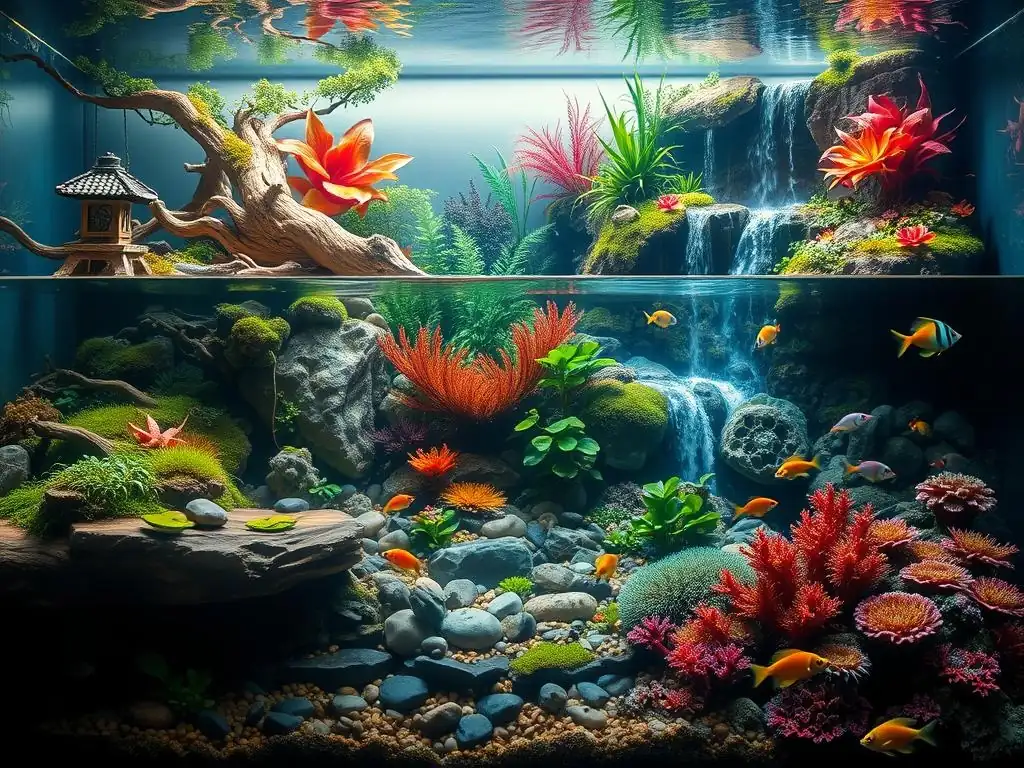
Ready to ditch the generic glass box and create a truly stunning underwater world? Dive into our article and unlock a treasure trove of biotope aquarium design inspiration. Explore authentic environments, from the murky depths of a South American riverbed to the vibrant, sun-drenched reef edge. Curious how to replicate these natural ecosystems in your own tank? Let's get started!
- Biotope Aquariums: Recreating Natural Aquatic Habitats
- Understanding Biotope Aquariums
- Freshwater Biotope Aquarium Ideas
- Saltwater Biotope Aquarium Ideas
- Equipment for Building a Biotope Aquarium
- Sourcing Biotope Components
- Maintaining Your Biotope Aquarium
- Advanced Biotope Aquarium Techniques
-
Frequently Asked Questions
- What exactly is a biotope aquarium and why should I consider building one?
- Where can I find inspiration for biotope aquarium designs beyond just riverbeds and reefs?
- How important is water chemistry when creating a biotope aquarium, and where can I find guidance on replicating the correct parameters?
- What are some common mistakes people make when setting up a biotope aquarium?
- How do I ensure the long-term health and stability of my biotope aquarium ecosystem?
- Final Reflection: Embracing Nature's Blueprint
- Dive Deeper: Recreate Your Dream Aquarium Today!
Biotope Aquariums: Recreating Natural Aquatic Habitats
Understanding Biotope Aquariums
What is a Biotope Aquarium?
A biotope aquarium is a specialized type of aquarium that aims to replicate a specific natural aquatic habitat, encompassing the water chemistry, substrate, flora, and fauna found in that exact geographical location. Unlike a general community tank, the primary goal is ecological accuracy, ensuring that all elements within the tank—from the type of sand to the specific fish species—are naturally co-occurring in the chosen environment. This meticulous approach provides a deeply immersive and educational experience, allowing aquarists to observe natural behaviors and interactions within a truly authentic setting, serving as a profound source of biotope aquarium design inspiration.
The recreation of a biotope goes beyond merely housing fish from the same continent; it involves precise attention to detail, mirroring the natural conditions as closely as possible. For instance, a biotope might focus on a specific stretch of the Amazon River during a particular season, or a small section of a coral reef in the Indo-Pacific.
This dedicated pursuit of authenticity means selecting not only the correct fish and plant species but also replicating the water parameters—such as pH, hardness, and temperature—and incorporating appropriate substrate, driftwood, and rocks that would naturally be present. The result is a living ecosystem that functions similarly to its wild counterpart, making it a unique form of biotope aquarium design.
Researching a Specific Biotope
Thorough research is the cornerstone of a successful biotope aquarium. Before even selecting a tank, an aquarist must identify a specific natural habitat they wish to replicate.
This involves delving into geographical location, typical water parameters (e.g., pH, general hardness (GH), carbonate hardness (KH), temperature ranges), the types of substrate present (sand, gravel, mud, leaf litter), and the indigenous plant and fish species. For example, researching the Rio Negro in Brazil would reveal very soft, acidic blackwater conditions with a pH often ranging from 4.5 to 6.5, while Lake Tanganyika in East Africa demands hard, alkaline water with a pH of 8.0 to 9.0.
Resources for this research are diverse and critical. Scientific papers, ecological studies, documentaries, and reputable field guides can provide invaluable data. Websites of institutions like the Smithsonian or National Geographic often feature detailed information on aquatic ecosystems. Engaging with specialized aquarium forums and communities dedicated to biotope setups can also offer practical insights and real-world experiences from fellow enthusiasts. This detailed investigative phase is crucial for gathering the necessary biotope aquarium design inspiration and ensuring the long-term success and authenticity of the aquatic environment.
Key Considerations for Biotope Setup
The selection of tank size is paramount and must be carefully considered based on the chosen biotope and its inhabitants. The tank must be large enough to accommodate the adult size of the fish species, their natural schooling or territorial behaviors, and provide ample space for the specific hardscape and plant elements. For instance, a small Rio Negro blackwater biotope for dwarf cichlids and tetras might thrive in a 30-gallon long tank, whereas a Lake Tanganyika cichlid biotope would ideally require a 75-gallon or larger tank to provide sufficient territory for rock-dwelling species.
Beyond tank dimensions, the selection of appropriate equipment is vital for maintaining the specific conditions of your biotope. This includes filtration systems tailored to the biotope's needs—such as gentle sponge filters for low-flow blackwater environments or robust canister filters and sumps for larger, higher-bioload setups. Lighting must be chosen to mimic natural light cycles and provide the correct intensity and spectrum for any plants or corals. Heaters are essential for maintaining stable temperatures, often within a narrow range like 75-80°F (24-27°C) for tropical freshwater biotopes. Each equipment choice directly impacts the success and authenticity of your biotope aquarium design.
Freshwater Biotope Aquarium Ideas
Rio Negro Biotope: South American Blackwater
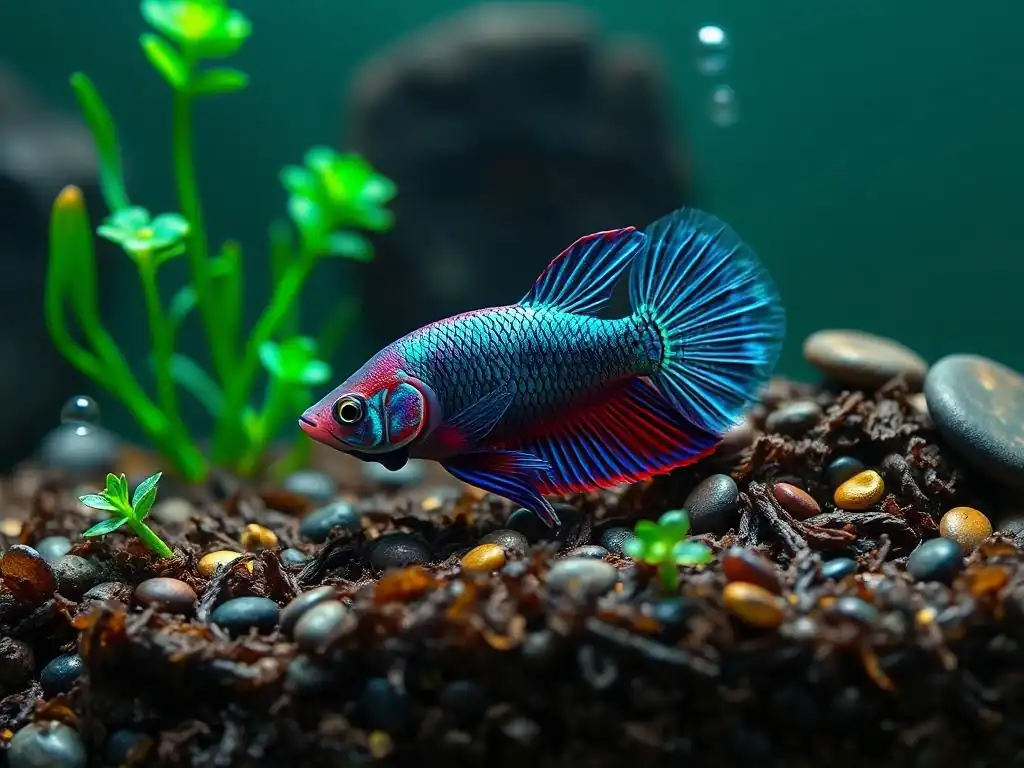
The Rio Negro, a major tributary of the Amazon River, is renowned for its distinctive "blackwater" conditions, characterized by water stained dark brown, resembling tea or coffee. This coloration results from humic acids and tannins leached from decaying organic matter, such as leaves and wood, accumulating on the riverbed.
The water is typically very soft, with a general hardness (GH) often below 3 dH, and highly acidic, with pH values commonly ranging from 4.5 to 6.5. The riverbed itself is often composed of fine, silty sand covered with a thick layer of leaf litter and submerged branches, creating a unique and challenging environment that offers compelling biotope aquarium design inspiration.
Recreating a Rio Negro biotope requires meticulous attention to these parameters. The low pH and softness are crucial for the health of many native fish species and inhibit the growth of most aquatic plants, leading to a largely open aquascape with submerged wood and leaf litter dominating the visual. Temperatures typically range from 78-84°F (25-29°C), reflecting the warm tropical climate of the Amazon basin. This specific environment is ideal for aquarists looking to explore the subtle beauty of a naturally tannin-stained aquarium, providing a distinct aesthetic and biological focus for their biotope aquarium design.
Fish for a Rio Negro Biotope
The Rio Negro is home to an incredible diversity of fish species, many of which are popular in the aquarium hobby. Iconic inhabitants include the Cardinal Tetra (Paracheirodon axelrodi), known for their vibrant red and blue stripes, which thrive in the soft, acidic blackwater. Other suitable species include Discus (Symphysodon spp. ), particularly wild-caught varieties that are accustomed to these conditions, and various Pencilfish (Nannostomus spp.) like the Coral Red Pencilfish. Dwarf Cichlids such as Apistogramma cacatuoides or Apistogramma agassizii also flourish, exhibiting fascinating breeding behaviors among the leaf litter.
When selecting fish for a Rio Negro biotope, it's crucial to consider their mature size, temperament, and specific water parameter requirements. For example, a school of 20 Cardinal Tetras can comfortably inhabit a 30-gallon aquarium, showcasing their natural shoaling behavior. Discus, on the other hand, require significantly larger tanks, typically 75 gallons or more for a small group, due to their size and need for pristine water quality. Providing adequate hiding places among driftwood and leaf litter is essential for all species, mimicking their natural refuge and reducing stress within your biotope aquarium design.
Plants and Substrate for a Rio Negro Biotope
Authentic Rio Negro biotopes are generally characterized by a sparse aquatic plant presence, as the extremely acidic and nutrient-poor blackwater conditions are not conducive to lush plant growth. Instead, the aquascape is dominated by fine, dark sand, often covered with a thick layer of natural leaf litter. Indian Almond leaves (Terminalia catappa), Guava leaves, and Oak leaves are commonly used to release tannins, creating the characteristic blackwater effect and providing a natural food source for microorganisms. Submerged driftwood, such as Malaysian or Manzanita wood, is also a prominent feature, offering hiding spots and further contributing to the tannin release.
While true aquatic plants are rare in the wild Rio Negro, some aquarists might choose to include very hardy species that can tolerate low light and acidic conditions, such as Anubias barteri or certain Cryptocoryne species (though not strictly native, they can visually blend). The primary focus, however, remains on replicating the dark, tannin-rich water, the fine sand substrate, and the abundance of leaf litter and driftwood. These elements are fundamental to creating an authentic and visually striking biotope aquarium design that truly reflects the Rio Negro environment.
Blackwater Conditions in a Rio Negro Tank
Achieving and maintaining the specific blackwater conditions of a Rio Negro biotope is critical for the health and well-being of its inhabitants. This typically involves using reverse osmosis (RO) or deionized (DI) water, which is then remineralized to achieve the desired very low general hardness (GH 0-3 dH) and carbonate hardness (KH 0-1 dH). The characteristic dark coloration and acidic pH (4.5-6.5) are primarily achieved through the decomposition of natural organic materials.
Regular additions of leaf litter, such as Indian Almond leaves, along with peat moss or commercial blackwater extracts, are essential to continuously release tannins and humic acids. These compounds not only stain the water but also provide natural anti-bacterial and anti-fungal properties, which benefit sensitive fish like Cardinal Tetras and Discus. Consistent monitoring of pH is vital, as blackwater tanks can experience rapid pH drops if not managed carefully. Aiming for a stable pH between 5.0-6.0 is generally recommended for optimal fish health and to accurately represent this unique biotope aquarium design.
Mekong River Biotope: Southeast Asian River
The Mekong River, one of the world's major rivers, flows through a diverse range of landscapes across Southeast Asia, from the Tibetan Plateau to the South China Sea. Its various sections exhibit a wide array of habitats, from fast-flowing rocky rapids to slow-moving floodplains and vegetated banks. Typically, Mekong River waters are neutral to slightly alkaline, with pH levels ranging from 6.5 to 7.5, and moderate hardness. The substrate can vary from fine sand to gravel or even muddy silt, depending on the specific location being replicated. This incredible diversity offers a rich source of biotope aquarium design inspiration.
A Mekong River biotope can capture the essence of its vibrant aquatic life and lush vegetation. Temperatures in the lower Mekong basin generally hover around 75-80°F (24-27°C). The presence of both submerged and emergent vegetation is common in many areas, providing ample hiding spots and foraging grounds for a wide variety of fish and invertebrates. Replicating the varied flow conditions—from gentle currents in calmer areas to stronger flow in riverine sections—is also an important aspect of creating an authentic Mekong River biotope, contributing to a dynamic biotope aquarium design.
Fish for a Mekong River Biotope
The Mekong River is home to an astonishing array of fish species, many of which are mainstays in the aquarium hobby. Popular choices for a Mekong biotope include various species of Rasboras, such as the Harlequin Rasbora (Trigonostigma heteromorpha), which are known for their schooling behavior and vibrant colors. Danios, like the popular Zebra Danio (Danio rerio), are also native to the region and thrive in moderate currents. Various Loaches, such as the Kuhli Loach (Pangio kuhlii), are excellent bottom-dwellers that appreciate fine sand substrates.
Other suitable species include the Siamese Algae Eater (Crossocheilus siamensis), known for its algae-eating prowess, and certain Gourami species like the Dwarf Gourami (Trichogaster lalius). When planning your Mekong biotope, ensure that the chosen fish species are compatible in terms of temperament and size. For example, a 40-gallon breeder tank could comfortably house a school of 15 Harlequin Rasboras, 5 Kuhli Loaches, and a pair of Dwarf Gouramis, creating a lively and authentic representation of a Mekong River environment within your biotope aquarium design.
Plants for a Mekong River Biotope
Many areas of the Mekong River basin are characterized by lush aquatic vegetation, making it an excellent choice for a planted biotope aquarium. A wide variety of Cryptocoryne species (e.g., Cryptocoryne wendtii, Cryptocoryne undulata, Cryptocoryne crispatula) are native to Southeast Asia and are perfect for recreating a Mekong River bank or floodplain. These plants thrive in moderate light and can tolerate a range of water parameters.
Other suitable plant choices include various Hygrophila species, such as Hygrophila corymbosa and Hygrophila difformis, which grow quickly and provide excellent cover. Rotala rotundifolia and Aponogeton crispus are also found in the region and can add texture and height to the aquascape. The substrate should be fine sand or small gravel, possibly mixed with a nutrient-rich layer beneath for optimal plant growth. Incorporating driftwood and smooth river stones further enhances the natural appearance, contributing significantly to the overall biotope aquarium design.
Simulating a Mekong River Environment
Replicating the dynamic environment of the Mekong River involves more than just selecting the right fish and plants; it also requires attention to water flow and substrate. Many Mekong species thrive in areas with moderate currents, so incorporating powerheads or ensuring strong outflow from your filter can create the necessary water movement. The substrate should primarily consist of fine sand or small, smooth gravel, mimicking the riverbed.
Water parameters should be maintained within a neutral to slightly alkaline range (pH 6.5-7.5) with moderate hardness. Temperatures should be kept stable between 75-80°F (24-27°C). Driftwood, smooth river rocks, and possibly some larger pebbles should be strategically placed to provide structure, hiding spots, and anchor points for plants. This careful attention to environmental details ensures that your biotope aquarium design accurately reflects the diverse and vibrant ecosystems of the Mekong River.
Lake Tanganyika Biotope: East African Rift Lake
Lake Tanganyika, located in East Africa, is the second deepest freshwater lake in the world and is renowned for its extraordinary biodiversity, particularly its endemic cichlid species. The lake's waters are characterized by their extreme hardness and alkalinity, with pH values consistently ranging from 8.0 to 9.0, and high mineral content. The shoreline is predominantly rocky, featuring vast expanses of boulders, rubble, and sandy stretches. This unique geological and chemical profile has led to the evolution of highly specialized fish species, making it a fascinating subject for biotope aquarium design inspiration.
Recreating a Lake Tanganyika biotope means prioritizing stable, hard, alkaline water conditions and an aquascape dominated by extensive rockwork. Temperatures in Lake Tanganyika are remarkably stable, typically ranging from 77-82°F (25-28°C). The absence of true aquatic plants in most of the lake's cichlid habitats simplifies the planting aspect, allowing the focus to remain on the intricate rock structures that provide crucial territories and hiding places for the cichlids. This specific environment demands meticulous attention to water chemistry to ensure the well-being of its specialized inhabitants, forming the core of an authentic biotope aquarium design.
Cichlids for a Lake Tanganyika Biotope
Lake Tanganyika is famous for its diverse array of cichlids, which have evolved into distinct ecological groups. For a biotope aquarium, popular choices include shell dwellers, such as Neolamprologus multifasciatus or Neolamprologus brevis, which utilize empty snail shells for shelter and breeding. Rock-dwelling cichlids like Tropheus moori or Julidochromis species are also excellent choices, known for their vibrant colors and territorial behavior among rocky structures. Sand-dwelling species, such as Xenotilapia flavipinnis, sift through the substrate for food.
When selecting Tanganyikan cichlids, it's crucial to research their specific territorial needs and compatibility. A 20-gallon long tank can successfully house a colony of shell dwellers, while a group of Tropheus cichlids would require a minimum of 75 gallons, and often larger, due to their active nature and need for ample swimming space and territories. Overstocking is a common issue with these aggressive fish, so careful planning is essential for a harmonious and authentic biotope aquarium design.
Rockwork and Substrate for a Lake Tanganyika Biotope
The aquascape of a Lake Tanganyika biotope is defined by its extensive rockwork, which mimics the natural rocky shorelines and underwater formations of the lake. Using inert rocks like limestone, lace rock, or lava rock is ideal, as they can help buffer the water to maintain the high pH and hardness. These rocks should be meticulously stacked to create numerous caves, crevices, and territories, providing essential hiding spots and breeding sites for the cichlids. Ensuring the rock structures are stable and safe is paramount, as cichlids are known to dig and rearrange substrate.
The substrate for a Lake Tanganyika biotope should consist of fine aragonite sand or crushed coral. These materials not only replicate the natural lakebed but also contribute to maintaining the desired high pH (8.0-9.0) and high alkalinity. A depth of 2-3 inches of substrate is generally sufficient to allow for digging behaviors without compromising tank stability. The combination of well-structured rockwork and appropriate substrate is fundamental to creating an authentic and functional biotope aquarium design for Tanganyikan cichlids.
Hard Water Parameters for Lake Tanganyika Cichlids
Maintaining the specific hard and alkaline water parameters of Lake Tanganyika is paramount for the health and longevity of its cichlid inhabitants. The pH should be consistently kept between 8.2 and 8.6, with a general hardness (GH) of 10-18 dH and a carbonate hardness (KH) of 16-20 dH. These high mineral levels are crucial for the osmoregulation of these specialized fish.
To achieve and maintain these conditions, aquarists often use reverse osmosis (RO) or deionized (DI) water remineralized with African Cichlid salts, or incorporate aragonite sand, crushed coral, or specialized buffer media directly into the filter. Regular water testing is indispensable to monitor pH, GH, KH, and other essential parameters, as fluctuations can be highly stressful and detrimental to Tanganyikan cichlids. Stable water chemistry is the cornerstone of a successful biotope aquarium design inspired by Lake Tanganyika.
Saltwater Biotope Aquarium Ideas
Florida Keys Reef Biotope: Shallow Caribbean Waters
The Florida Keys, a string of tropical islands off the southern coast of Florida, are fringed by the third-largest barrier reef system in the world. This shallow Caribbean water environment is characterized by its warm, clear, nutrient-poor waters, extensive coral reefs, and vibrant marine life. Temperatures typically range from 76-82°F (24-28°C), and salinity is consistently around 1.025-1.026 specific gravity. The aquascape is dominated by diverse hard and soft corals, providing complex habitats for numerous fish and invertebrate species. Recreating this ecosystem offers a rich source of biotope aquarium design inspiration for saltwater enthusiasts.
A Florida Keys reef biotope aims to capture the essence of this dynamic underwater landscape, focusing on species and rock formations native to the Western Atlantic. The high clarity of the water and the strong currents in certain areas are also important considerations. This biotope requires meticulous attention to water parameters, lighting, and filtration to support a thriving coral and fish community. The vibrant colors and intricate relationships found in this natural environment make it a highly rewarding and aesthetically pleasing biotope aquarium design.
Fish and Invertebrates for a Florida Keys Reef Biotope
A Florida Keys reef biotope can host a variety of captivating fish and invertebrate species native to the Caribbean. While the iconic Ocellaris Clownfish is Indo-Pacific, a suitable Caribbean counterpart like the Orange-back Basslet (Serranus annularis) or a Chalk Bass (Serranus tortugarum) could be considered for smaller biotope-specific tanks. The Royal Gramma (Gramma loreto) is a quintessential Caribbean fish, known for its striking purple and yellow coloration and reclusive nature. Other suitable fish include various gobies, blennies, and smaller wrasses found in the region.
Invertebrates are also crucial for a complete Florida Keys biotope. Caribbean Cleaner Shrimp (Lysmata wurdemanni) are excellent additions, providing both cleaning services and visual interest. Various types of hermit crabs, snails (e.g., Astrea snails, Nassarius snails), and sea cucumbers can serve as part of the clean-up crew and contribute to the natural ecosystem. A 90-gallon reef tank could comfortably house a pair of Royal Gramma, a few small gobies, and a diverse clean-up crew, creating a lively and authentic biotope aquarium design.
Live Rock and Corals for a Florida Keys Reef Ecosystem
Live rock forms the essential foundation for a Florida Keys reef biotope, providing both biological filtration and intricate habitat for fish and invertebrates. Aquacultured live rock is the preferred choice to minimize environmental impact. The rock should be arranged to create numerous caves, arches, and ledges, mimicking the natural reef structure and providing ample hiding places.
For corals, a diverse selection of species native to the Caribbean can be included. Soft corals like various Gorgonians (e.g., Plexaura flexuosa, Pseudoplexaura flagellosa) and Leather Corals (Sarcophyton spp. - though many are Indo-Pacific, some Caribbean species exist) can add movement and texture.
Large Polyp Stony (LPS) corals such as Favia, Brain Corals (Diploria labyrinthiformis), and various Euphyllia species (e.g., Torch, Hammer, Frogspawn) are also prevalent. While Small Polyp Stony (SPS) corals like Acropora are present, they are more demanding and often require advanced husbandry. The selection of corals should reflect the specific depth and light conditions of the chosen reef section, enhancing the authenticity of your biotope aquarium design.
Salinity and Water Parameters for Florida Keys Species
Maintaining precise and stable water parameters is critical for the success of a Florida Keys reef biotope. Salinity should be kept consistently at a specific gravity of 1.025-1.026, which is equivalent to natural seawater. Temperature should be maintained within the range of 76-82°F (24-28°C).
Beyond basic parameters, key chemical parameters for coral health include pH (8.1-8.4), Calcium (400-450 ppm), Alkalinity (8-12 dKH), and Magnesium (1200-1350 ppm). Regular testing and dosing are often required to keep these parameters stable, particularly in tanks with significant coral growth. Nutrient levels, specifically nitrates and phosphates, should be kept very low (nitrates <10 ppm, phosphates <0.03 ppm) to prevent algae outbreaks and promote healthy coral growth. These stringent requirements underpin a successful saltwater biotope aquarium design.
Raja Ampat Reef Biotope: Indonesian Biodiversity
Raja Ampat, located in West Papua, Indonesia, is widely recognized as the global epicenter of marine biodiversity, boasting an unparalleled concentration of coral and fish species. Its waters are pristine, warm, and clear, with temperatures typically ranging from 80-84°F (27-29°C) and a stable salinity of 1.025-1.026 specific gravity. The reefs are characterized by an astonishing density of both hard and soft corals, forming complex, three-dimensional structures that support an incredible array of marine life. Replicating this vibrant ecosystem offers the ultimate challenge and reward for biotope aquarium design inspiration.
A Raja Ampat reef biotope aims to showcase the sheer diversity and symbiotic relationships found in this region. The aquascape should reflect the dense coral coverage and intricate rock formations that provide habitat for countless species. Achieving the necessary water quality and lighting to support such a demanding environment requires advanced reef-keeping techniques. The visual spectacle and ecological richness of a successful Raja Ampat biotope make it one of the most ambitious and breathtaking forms of biotope aquarium design.
Fish for a Raja Ampat Reef Biotope
The fish diversity in Raja Ampat is astounding, offering a vast selection for a biotope aquarium. Many species of Anthias (e.g., Pseudanthias squamipinnis, Lyretail Anthias) are excellent choices, adding vibrant colors and active schooling behavior. Various Damselfish (e.g., Chromis viridis, Blue Green Chromis) are also common and contribute to the bustling reef activity. The iconic Clownfish (Amphiprion percula) is native to this region and can be paired with an appropriate host anemone.
More specialized fish like the Mandarinfish (Synchiropus splendidus), with its psychedelic patterns, can also be included, provided the tank has a mature copepod population to sustain its diet. Given the high biodiversity, careful selection is needed to ensure compatibility and avoid overcrowding. A 120-gallon or larger tank is often necessary to accommodate a diverse and thriving community of Raja Ampat fish, allowing for natural behaviors and showcasing the richness of this biotope aquarium design.
Corals and Invertebrates for a Raja Ampat Reef
The Raja Ampat region is globally renowned for its exceptional coral diversity, making it a prime location for an SPS-dominated (Small Polyp Stony) reef biotope, though LPS (Large Polyp Stony) and soft corals are also abundant. SPS corals such as Acropora, Montipora, and Stylophora are characteristic of the fast-growing, high-light areas. LPS corals like Euphyllia (Torch, Hammer, Frogspawn), Blastomussa, and Favia species add different textures and colors. Soft corals such as Sarcophyton (Leather Corals) and Lobophytum (Devil's Hand) also contribute to the dense coral coverage.
Beyond corals, a wide array of invertebrates are essential for a complete Raja Ampat biotope. Various species of cleaner shrimp (e.g., Lysmata amboinensis, Skunk Cleaner Shrimp), snails (e.g., Trochus, Turbo), and hermit crabs contribute to the clean-up crew. Feather dusters, sea stars, and various anemones (for clownfish symbiosis) further enhance the natural feel. The goal is to create a living tapestry of coral and invertebrate life that reflects the unparalleled richness of this specific biotope aquarium design.
Symbiotic Relationships in a Raja Ampat Biotope
A key aspect of recreating a Raja Ampat biotope is highlighting the numerous symbiotic relationships that are prevalent in this highly biodiverse region. The classic example is the mutualistic relationship between Clownfish (Amphiprion percula) and their host anemones, such as the Magnificent Sea Anemone (Heteractis magnifica) or Bubble Tip Anemone (Entacmaea quadricolor). This interaction provides both protection for the clownfish and cleaning for the anemone.
Another fascinating symbiosis involves various species of Gobies and Pistol Shrimp. For instance, the Watchman Goby (Cryptocentrus cinctus) often shares a burrow with a Tiger Pistol Shrimp (Alpheus bellulus), with the shrimp digging and maintaining the burrow while the goby acts as a lookout, warning of predators. Replicating these specific partnerships adds an incredible layer of authenticity and behavioral interest to your biotope aquarium design, showcasing the intricate web of life found in Raja Ampat.
Mangrove Biotope: Brackish Water Environment
A Mangrove biotope represents a unique and often overlooked aquatic environment: the transitional zone where freshwater meets saltwater, such as estuaries, coastal lagoons, and river deltas. These brackish water habitats are characterized by fluctuating salinity levels, which can range from nearly freshwater (specific gravity 1.005) to almost full marine (specific gravity 1.020), depending on tidal cycles and freshwater inflow. The substrate is typically muddy or silty, rich in organic matter.
The defining feature, however, is the presence of mangrove trees, particularly their distinctive aerial root systems, which provide shelter and act as a natural filtration system. This environment offers a truly distinct form of biotope aquarium design inspiration.
Recreating a mangrove biotope requires careful management of salinity fluctuations and the incorporation of live mangrove propagules. Temperatures generally range from 75-82°F (24-28°C). The aquascape often features exposed mangrove roots, providing complex hiding places and contributing to the unique aesthetic. This biotope is ideal for aquarists interested in the specialized adaptations of species that thrive in these dynamic, nutrient-rich intertidal zones, offering a challenging yet rewarding biotope aquarium design.
Fish and Invertebrates for a Mangrove Biotope
A Mangrove biotope is home to a fascinating array of fish and invertebrates uniquely adapted to brackish water conditions. Popular fish choices include Archerfish (Toxotes jaculatrix), known for their ability to shoot down insects from overhanging vegetation. Monos (Monodactylus argenteus), also known as Fingerfish, and Scats (Scatophagus argus) are schooling fish that thrive in brackish environments and add a shimmering presence. For aquarists willing to create a semi-aquatic setup, Mudskippers (Periophthalmus barbarus) offer an incredibly unique and engaging display, spending time both in and out of the water.
Invertebrates such as Fiddler Crabs (Uca species) are quintessential mangrove inhabitants, known for their distinctive large claw in males and their burrowing behavior. Various types of brackish water snails also contribute to the ecosystem. When selecting inhabitants, it's crucial to ensure they are true brackish species and compatible with the fluctuating salinity levels. A 50-gallon tank can comfortably house a small group of Archerfish, while larger tanks are needed for Monos or Scats as they grow. This careful selection ensures an authentic biotope aquarium design.
Mangroves and Brackish Water Habitat
The defining element of a Mangrove biotope is the inclusion of live mangrove trees, most commonly Red Mangrove (Rhizophora mangle) propagules. These propagules can be rooted in the substrate or suspended with their roots in the water column and their foliage above the waterline, mimicking their natural growth habit. The intricate root systems of mangroves provide extensive surface area for beneficial bacteria, acting as a natural biological filter, and offer crucial hiding places for fish and invertebrates.
The brackish water environment itself is a mix of freshwater and saltwater, and its salinity can vary significantly. For a stable aquarium environment, a specific gravity ranging from 1.005 to 1.020 is typically maintained, though some aquarists might replicate the natural tidal fluctuations if they have the expertise. The substrate should be fine sand or a mix of sand and mud, providing a soft bottom for burrowing species and a medium for the mangrove roots. This combination of live mangroves and carefully managed brackish water is central to an authentic biotope aquarium design.
Water Chemistry of a Mangrove Biotope
Maintaining the correct water chemistry in a Mangrove biotope primarily revolves around managing salinity and preventing extreme fluctuations. While wild mangrove habitats experience natural tidal swings, in an aquarium, a stable specific gravity within the brackish range (e.g., 1.010-1.015) is often preferred for ease of maintenance and fish health. Regular specific gravity measurements using a hydrometer or refractometer are essential.
The pH in mangrove environments is typically neutral to slightly alkaline, ranging from 7.0 to 8.0. Temperature should be kept stable between 75-82°F (24-28°C). The substrate, often a mix of fine sand and possibly some enriched mud, should be allowed to mature, as it plays a role in the ecosystem. Regular water changes with properly mixed brackish water are necessary to maintain water quality and replenish trace elements, ensuring a healthy and stable environment for your unique biotope aquarium design.
Equipment for Building a Biotope Aquarium
Filtration Systems for Biotope Aquariums
The choice of filtration system for a biotope aquarium is highly dependent on the specific environment being replicated and the bioload of the chosen inhabitants. For delicate blackwater biotopes, where strong currents are undesirable and a low bioload is common, a simple air-driven sponge filter may suffice, providing gentle mechanical and biological filtration without excessive water movement. In contrast, heavily planted freshwater biotopes often benefit from external canister filters, which provide robust mechanical, biological, and chemical filtration, ensuring clear water and stable parameters.
For saltwater reef biotopes, a more complex filtration setup is typically required. This often includes a sump, which houses a protein skimmer for efficient organic waste removal, various filter socks or media reactors for mechanical and chemical filtration, and refugiums for nutrient export. The goal is always to maintain pristine water quality and specific parameters that mirror the natural environment, which is a critical aspect of any successful biotope aquarium design.
Lighting for Different Biotope Types
Lighting is a crucial component in any biotope aquarium, as it influences plant growth, coral health, and the natural behavior of fish. For freshwater biotopes, the required lighting intensity and spectrum vary significantly.
A Rio Negro blackwater biotope, for example, would typically require very low light levels to mimic the dim, tannin-stained waters, perhaps just a simple LED strip with a color temperature around 6500K. Conversely, a lush Mekong River planted biotope would necessitate high-intensity, full-spectrum LED fixtures or T5HO lighting to support vigorous plant growth, often with a Photosynthetically Active Radiation (PAR) value of 50-100 μmol/m²/s at the substrate level.
Saltwater reef biotopes demand even more specialized lighting to support coral photosynthesis and coloration. High-power LED fixtures or combinations of T5HO and LED lights are common, designed to provide the specific wavelengths and intensity (often 200-400 PAR at coral level for SPS corals) required for vibrant coral health. The photoperiod, typically 8-12 hours, should also be consistent. Proper lighting selection is essential for the aesthetic and biological success of your biotope aquarium design.
Heating and Temperature Control
Maintaining a stable and appropriate temperature is vital for the health of any aquarium inhabitants, and particularly so for a biotope where specific environmental conditions are being replicated. Submersible heaters are the most common solution for tropical freshwater and saltwater biotopes, chosen based on tank volume (generally 5 watts per gallon for typical tropical setups). For instance, a 50-gallon tank might require a 200-250 watt heater.
In some larger or more demanding setups, or in warmer climates, chillers may be necessary to prevent overheating, especially for reef tanks with high-intensity lighting or for temperate biotopes not covered in this article. Consistent temperature monitoring with a reliable thermometer is essential. Fluctuations of more than a few degrees Fahrenheit can cause significant stress to fish and corals. Precise temperature control is a non-negotiable element of effective biotope aquarium design.
Sourcing Biotope Components
Reputable Suppliers
Sourcing components for a biotope aquarium, from fish and plants to live rock and substrate, requires careful consideration of the supplier's reputation and practices. Opting for reputable suppliers is crucial for obtaining healthy, disease-free specimens and ethically sourced materials. Look for vendors who prioritize sustainable collection practices, offer clear information about their livestock's origin (wild-caught vs. aquaculture), and maintain excellent husbandry standards.
Online retailers specializing in specific biotope components or local fish stores with knowledgeable staff and clean tanks are good starting points. For specialized items like specific types of driftwood, leaf litter, or rare plants, dedicated online forums or collector groups might also offer leads. Always prioritize suppliers who demonstrate transparency and a commitment to animal welfare and environmental responsibility, ensuring the integrity of your biotope aquarium design.
Avoiding Invasive Species
A critical responsibility for any aquarist, especially when creating a biotope, is to prevent the introduction of invasive species into local ecosystems. This means thoroughly researching any plant or animal before adding it to your tank to ensure it is not considered invasive in your region. For example, certain aquatic plants like hydrilla or animal species like plecos can cause significant environmental damage if released into natural waterways.
Never release aquarium inhabitants or dispose of aquarium water directly into natural bodies of water. If rehoming is necessary, contact local fish stores or rescue organizations. Proper disposal of plant trimmings and old tank water (e.g., down a household drain) is essential to prevent unintended ecological consequences. This ethical consideration is an important part of responsible biotope aquarium design.
Quarantine Procedures
Implementing strict quarantine procedures for all new aquatic inhabitants is a non-negotiable step in building and maintaining a healthy biotope aquarium. New fish, regardless of their source, should be housed in a separate quarantine tank for at least 4-6 weeks. This allows for observation for signs of disease, parasites, or stress, and provides an opportunity for prophylactic treatment if necessary, without risking the established ecosystem in your main biotope tank.
Similarly, new plants, corals, and invertebrates should undergo a quarantine or dipping process before introduction. Plant dips can help eliminate snails and other pests, while coral dips are essential for removing common reef pests like flatworms or nudibranchs. This rigorous isolation period minimizes the risk of introducing pathogens or unwanted organisms that could devastate your carefully crafted biotope aquarium, protecting your investment in biotope aquarium design inspiration.
Maintaining Your Biotope Aquarium
Water Changes and Parameter Monitoring
Regular water changes are fundamental to maintaining the health and stability of any biotope aquarium. The frequency and volume of water changes depend on the bioload, filtration efficiency, and specific biotope requirements, but a general guideline is 10-25% weekly or bi-weekly. For example, a heavily stocked reef biotope might require 10% weekly changes, while a sparsely populated blackwater tank might thrive with 25% bi-weekly changes.
Consistent monitoring of water parameters is equally crucial. For freshwater biotopes, this includes testing for pH, ammonia, nitrite, nitrate, general hardness (GH), carbonate hardness (KH), and temperature. Saltwater biotopes require testing for salinity (specific gravity), pH, alkalinity, calcium, magnesium, nitrate, and phosphate. Keeping detailed records of these parameters helps identify trends and allows for timely adjustments, ensuring the long-term success of your biotope aquarium design.
Feeding Strategies
Appropriate feeding strategies are essential for the health of your biotope's inhabitants and for maintaining water quality. Research the natural diet of each fish and invertebrate species to provide a varied and nutritious diet that mimics their wild food sources. This might include high-quality flakes and pellets, various frozen foods (e.g., bloodworms, brine shrimp, mysis shrimp), live foods (e.g., daphnia, artemia), or algae wafers.
Small, frequent feedings are generally preferable to large, infrequent ones, as they reduce the amount of uneaten food decaying in the tank, which can lead to nutrient spikes. For example, feeding small amounts 2-3 times a day is often better than one large feeding. Observe your fish during feeding to ensure all food is consumed within a few minutes. Overfeeding is a common cause of poor water quality and algae issues, undermining the stability of your biotope aquarium design.
Algae Control
Algae growth is a common challenge in aquariums, and while some algae are natural, excessive growth can detract from the aesthetic and health of a biotope. The primary causes of algae blooms are usually excess nutrients (nitrates and phosphates), too much light, or an imbalance in water parameters.
Effective algae control involves a multi-pronged approach. Manual removal of algae during routine maintenance is important. Addressing the root causes is key: implementing regular water changes, ensuring efficient nutrient export (e.g., protein skimmer in saltwater tanks, proper plant growth in freshwater tanks), and maintaining an appropriate lighting schedule (typically 8-10 hours per day). Incorporating algae-eating inhabitants, such as snails, Otocinclus catfish in freshwater, or various tangs and hermit crabs in saltwater, can also help. Balancing these factors is crucial for preserving the intended aesthetic of your biotope aquarium design.
Advanced Biotope Aquarium Techniques
Creating a Naturalistic Substrate
Creating a truly naturalistic substrate in a biotope aquarium goes beyond simply adding a layer of sand or gravel; it involves mimicking the complex stratification and texture found in natural environments. This can include layering different grain sizes, such as a base of larger gravel topped with finer sand, or incorporating nutrient-rich aquatic soil beneath a cap of inert substrate for planted biotopes. For blackwater or mangrove biotopes, adding a generous layer of natural leaf litter (e.g., Indian Almond leaves, oak leaves) or even specific types of mud can authentically replicate the natural bottom.
Contouring the substrate is another advanced technique that adds significant visual depth and realism. Creating gentle slopes, hills, and valleys, or even mimicking natural depressions where detritus might accumulate, can make the aquascape appear much more dynamic and natural. This careful attention to substrate composition and topography is a hallmark of advanced biotope aquarium design.
Simulating Seasonal Changes
For the truly dedicated biotope aquarist, simulating seasonal changes can add an extraordinary layer of authenticity and can even trigger natural breeding behaviors in certain species. This technique involves gradually altering environmental parameters to mimic the wet/dry seasons or temperature shifts found in the wild. For example, in some Amazonian biotopes, a gradual reduction in water level and a slight increase in temperature can simulate the dry season, followed by a gradual increase in water level and a slight temperature drop to mimic the wet season.
Light cycles can also be varied to simulate seasonal changes in photoperiod or intensity, using programmable LED lighting systems. While challenging to implement and requiring precise control, these subtle environmental shifts can significantly enhance the naturalness of the biotope and provide unique insights into the behavior of the inhabitants. This advanced technique elevates biotope aquarium design to a new level of realism.
Photography and Documentation
Photography and documentation are invaluable aspects of the advanced biotope aquarium hobby. Capturing high-quality images and videos allows aquarists to document the evolution of their biotope, showcase the beauty of their design, and observe subtle changes in their inhabitants over time. Detailed records of water parameters, feeding schedules, and any changes made to the setup provide a valuable reference for troubleshooting and future biotope projects.
Sharing these photographs and documentation with the wider aquarium community, particularly on forums dedicated to biotope aquariums, allows for knowledge exchange and inspires others. It also contributes to a growing body of visual and practical information on specific biotopes, helping to refine and advance the art of biotope aquarium design. This sharing fosters a sense of community and helps spread the passion for recreating natural aquatic habitats.
Frequently Asked Questions
What exactly is a biotope aquarium and why should I consider building one?
A biotope aquarium aims to replicate a specific natural aquatic habitat. Building one allows you to create a realistic and educational display, focusing on the interconnectedness of species within a particular environment.
Where can I find inspiration for biotope aquarium designs beyond just riverbeds and reefs?
AquariumMastery.com offers diverse inspiration! Explore our articles on various aquarium types, species profiles, and even our troubleshooting guides which often highlight specific habitats.
How important is water chemistry when creating a biotope aquarium, and where can I find guidance on replicating the correct parameters?
Water chemistry is crucial for biotope success. Matching the natural water conditions is vital for the health of your chosen species. Look for our articles on water chemistry and species profiles for specific guidance.
What are some common mistakes people make when setting up a biotope aquarium?
One common mistake is incompatible species. Another is failing to accurately replicate the water parameters of the chosen biotope. Finally, neglecting the natural behavior of the selected fish can also lead to problems.
How do I ensure the long-term health and stability of my biotope aquarium ecosystem?
Regular maintenance is key. Follow a strict maintenance schedule, monitor water parameters closely, and observe your fish for any signs of stress or illness. AquariumMastery.com provides detailed guides to help you.
Final Reflection: Embracing Nature's Blueprint
The journey from a simple glass box to a thriving, miniature ecosystem is a testament to the power of observation and the beauty of natural biotope design. Understanding the intricate relationships within a specific habitat, from the gentle currents of a riverbed to the vibrant chaos of a coral reef, allows us to recreate these environments with remarkable accuracy and respect. This pursuit is more than just aquascaping; it's a form of environmental appreciation, bringing the wonders of the underwater world into our homes.
The influence of biotope aquariums extends beyond the aesthetic. It fosters a deeper understanding of ecological balance and the interconnectedness of life, encouraging responsible aquarium keeping and a greater appreciation for conservation efforts. The dedication required to accurately replicate a specific biotope highlights the fragility and complexity of these natural environments. In nature, nothing is perfect and everything is perfect. Trees can be contorted, bent in weird ways, and they're still beautiful.
- Alice Walker. This quote perfectly encapsulates the beauty of natural biotopes, imperfections and all, and the inspiration they provide.
Now, consider the lessons learned from exploring these diverse biotope inspirations. How can you apply this newfound appreciation for natural ecosystems to your own life? Perhaps it's through more mindful consumption, supporting conservation initiatives, or simply taking the time to observe and appreciate the natural world around you. Let the principles of biotope design – careful observation, thoughtful planning, and a deep respect for the environment – guide you not only in your aquarium endeavors, but also in your journey towards a more sustainable and harmonious existence.
Dive Deeper: Recreate Your Dream Aquarium Today!
Thank you for exploring the amazing world of biotope aquariums with us! We hope this journey from riverbeds to reef edges has sparked your imagination and provided valuable insights into creating your own slice of aquatic paradise. Now, it's time to turn inspiration into reality!
Here are a few ideas to get you started:
- Start planning your own biotope aquarium! Choose a specific environment we discussed, like the Amazon river or a coral reef, and research the specific species and conditions.
- Share your favorite biotope aquarium inspiration from this article on social media! Let others in on the fun and tag us @AquariumMastery!
- Feeling creative? Experiment with aquascaping! Try re-creating the unique rock formations of Lake Tanganyika within a small aquarium.
Ready to create your own amazing biotope aquarium and share your progress?