
Tiny Worlds, Big Appeal: Crafting Stunning & Authentic Nano Biotope Aquariums

Welcome to Aquarium Mastery!
Ever dreamed of recreating a slice of the Amazon in a tiny glass box? Dive into the captivating world of nano biotope aquariums where miniature ecosystems thrive! This guide unlocks the secrets to setting up your own stunning and authentic nano biotope, transforming your aquarium into a mesmerizing underwater masterpiece. Curious how to choose the right plants and fish to perfectly mimic a specific natural habitat? Let's explore the possibilities and begin your journey into the art of miniature aquatic landscapes...
- Crafting Authentic Biotope Aquariums: A Focus on Specific Ecosystems
- Understanding Biotope Aquariums
- Planning Your Biotope Aquarium Setup: A Step-by-Step Guide
- Selecting Flora and Fauna
- Setting Up Your Biotope Aquarium: A Detailed Walkthrough
- Maintaining Your Biotope Aquarium: Ensuring Long-Term Success
- Biotope Aquarium Ideas: Inspiration for Your Next Project
- Troubleshooting Common Biotope Aquarium Issues
- Advanced Aquascaping Techniques
- Resources for Biotope Aquarium Enthusiasts
-
Frequently Asked Questions
- What exactly is a Nano Biotope Aquarium?
- Why choose a Nano Biotope Aquarium over a larger tank?
- What are the key considerations when setting up a Nano Biotope Aquarium?
- What types of fish and plants are suitable for a Nano Biotope Aquarium?
- What are some common challenges in maintaining a Nano Biotope Aquarium?
- Final Reflection: The Enduring Allure of Miniature Ecosystems
- Cultivate Your Own Miniature Aquatic Paradise!
Crafting Authentic Biotope Aquariums: A Focus on Specific Ecosystems
Understanding Biotope Aquariums
What is a Biotope Aquarium? Defining the Ecosystem
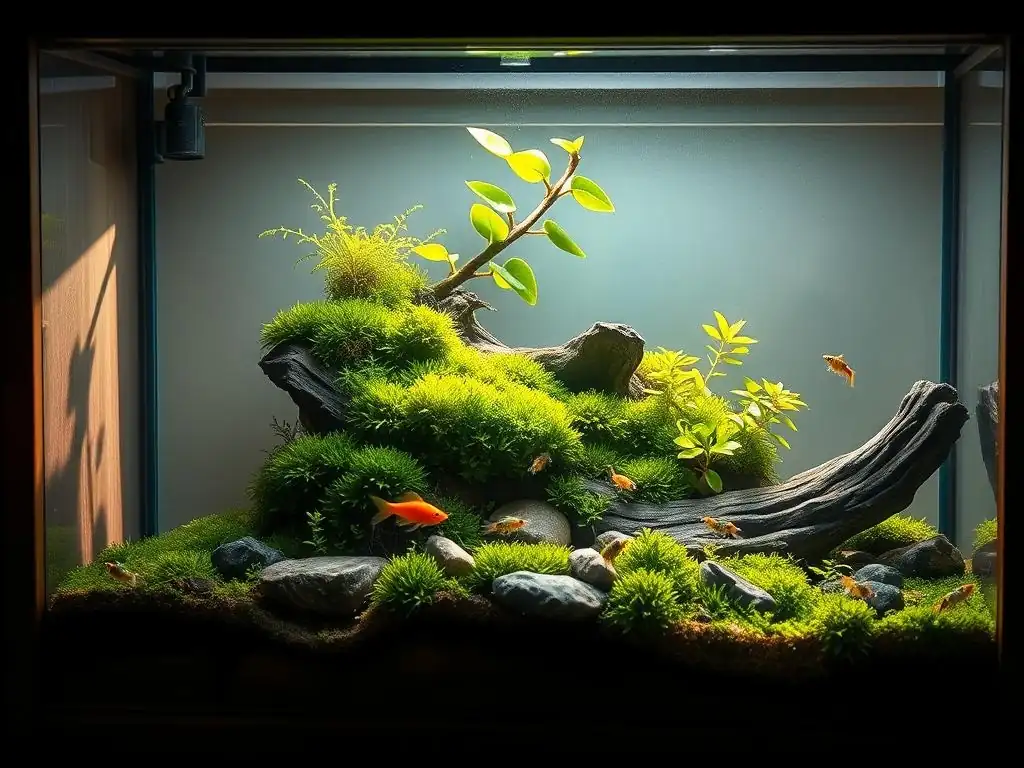
A biotope aquarium is a specialized aquatic setup designed to replicate a specific natural habitat, including its flora, fauna, and environmental conditions. Unlike a typical community tank that mixes species from various regions, a biotope focuses on authenticity, mirroring a precise geographical location down to its water parameters, substrate, and hardscape.
This dedication to ecological accuracy creates a living diorama, offering a unique window into a specific aquatic ecosystem. For a nano biotope aquarium setup, this means carefully selecting dwarf species and miniature hardscape elements to accurately represent a small slice of nature, such as a shallow stream edge or a tiny forest pool.
The essence of a biotope aquarium lies in its commitment to ecological integrity. For instance, a biotope replicating a section of the Amazon's Rio Negro would feature soft, acidic blackwater, a sandy substrate covered with leaf litter, and fish like cardinal tetras or dwarf cichlids that naturally inhabit such conditions.
The goal is not just aesthetic appeal, but also to provide an environment where the chosen species can thrive in conditions as close to their native habitat as possible, often exhibiting natural behaviors rarely seen in mixed-species tanks. This level of detail is particularly captivating in a nano biotope aquarium setup, where the confined space demands meticulous planning and selection.
The Benefits of Biotope Aquariums: Why Choose This Approach?
Choosing a biotope approach offers numerous benefits beyond simple aesthetics, primarily fostering a deeper appreciation for aquatic ecosystems. By replicating specific natural conditions, aquarists gain a profound understanding of the intricate relationships between organisms and their environment.
This method often results in healthier, less stressed fish that exhibit more natural behaviors, such as schooling, breeding, or territorial displays, because their physiological and behavioral needs are met by the tailored environment. For example, a group of Apistogramma cacatuoides in a properly designed Amazonian biotope will display more vibrant colors and engage in complex social interactions compared to those in a generic community tank.
Furthermore, biotope aquariums serve as powerful educational tools, illustrating the diversity and fragility of aquatic habitats around the world. They encourage research into specific geographical locations, promoting conservation awareness and a connection to the natural world.
A well-executed nano biotope aquarium setup, for instance, can showcase a miniature representation of a Southeast Asian rice paddy or an African cichlid lake, allowing for focused study of specific species and their unique adaptations. This specialized focus also simplifies species selection, as the parameters of the chosen biotope naturally narrow down the compatible flora and fauna, making the planning process more streamlined and purposeful.
Planning Your Biotope Aquarium Setup: A Step-by-Step Guide
1. Selecting the Right Tank: Size Considerations
The selection of your aquarium tank is the foundational step for any biotope, and for a nano biotope aquarium setup, size is paramount. Nano tanks typically range from 2.5 gallons to 10 gallons, with 5-gallon and 7-gallon tanks being popular choices due to their manageable footprint and sufficient volume for a few small inhabitants.
While larger tanks offer more stability and greater design flexibility, nano tanks challenge aquarists to create intricate, self-sustaining ecosystems within a confined space. Considerations for a nano setup include the specific dimensions (e.g., a long shallow tank for a riverbed biotope versus a cube for a small pond), the type of glass (standard float glass versus low-iron for clarity), and the overall aesthetic integration with your living space.
When planning your nano biotope aquarium setup, it's crucial to match the tank size to the specific biotope and its intended inhabitants. For example, a single Betta splendens biotope might comfortably fit in a 5-gallon tank, replicating a slow-moving, shallow pool with dense vegetation. However, attempting to house a pair of dwarf cichlids, which require more territory, might necessitate a 10-gallon tank to provide adequate space and prevent aggression. Always err on the side of slightly larger if possible, as it offers more stability for water parameters and greater comfort for the fish, even within the "nano" classification.
2. Choosing Your Biotope: Inspiration and Research
The heart of any biotope aquarium lies in the specific natural environment you choose to replicate. This decision should be driven by inspiration and followed by thorough research. Common biotope inspirations include the Amazonian blackwater rivers (e.g., Rio Negro), Southeast Asian rice paddies, African rift lakes (e.g., Lake Tanganyika or Malawi), or even a small North American temperate stream.
Each of these environments possesses unique characteristics in terms of water chemistry, substrate, hardscape, and the specific species that inhabit them. For a nano biotope aquarium setup, selecting a smaller, more contained natural microhabitat, such as a flooded forest floor puddle or a slow-moving stream eddy, often yields the most authentic and manageable results.
Once inspired, extensive research is critical to accurately replicate your chosen biotope. This involves delving into geographical data, scientific papers, and even documentaries that detail the specific water parameters (pH, GH, KH, temperature), typical substrate composition (sand, silt, gravel, leaf litter), common hardscape elements (driftwood, specific rock types), and the indigenous flora and fauna.
For instance, if you aim to create a nano biotope of a small tributary of the Rio Xingu, you would research the specific types of smooth, rounded rocks found there, the absence of plants in some areas, and the presence of specific dwarf catfish or small characins. This meticulous research ensures the authenticity and long-term success of your nano biotope aquarium setup.
3. Essential Equipment: Filtration, Lighting, and Heating
Setting up a successful biotope, especially a nano biotope aquarium setup, requires careful selection of essential equipment to maintain stable and healthy conditions. The core components include filtration, lighting, and heating, each playing a vital role in replicating the natural environment. Given the smaller water volume of nano tanks, the impact of each piece of equipment is magnified, making precise selection even more critical. Over-filtration or under-lighting can quickly throw a delicate nano ecosystem out of balance.
Aquarium Filters: Selecting the Right Type
Filtration is paramount for maintaining water quality in any aquarium, and for a nano biotope aquarium setup, the choice of filter needs to be both effective and minimally intrusive. Sponge filters are an excellent choice for nano biotopes, especially those housing delicate species or fry, as they provide gentle mechanical and biological filtration without strong currents.
Hang-on-back (HOB) filters with adjustable flow rates are another popular option, offering good mechanical and biological filtration with space for chemical media like activated carbon. Internal filters are also viable, but their footprint can be significant in very small tanks, potentially detracting from the biotope's aesthetic.
When selecting a filter, consider not only its capacity but also its flow rate. Many nano inhabitants, particularly those from slow-moving streams or stagnant pools, prefer calm water. A filter with a flow rate of approximately 5-10 times the tank volume per hour is generally suitable for a nano biotope setup, but this should be adjusted based on the specific biotope's natural water movement. For instance, a 5-gallon tank might use a filter rated for 25-50 GPH (gallons per hour). Ensuring the filter does not create excessive turbulence is key to maintaining a natural environment for the chosen species.
Lighting: Achieving the Natural Look
Lighting for a biotope aquarium serves multiple purposes: supporting plant growth, illuminating the tank for viewing, and replicating the natural light cycle of the chosen environment. For a nano biotope aquarium setup, compact LED fixtures are ideal due to their small size, energy efficiency, and ability to provide a wide spectrum of light. The intensity and duration of lighting should mimic the natural photoperiod of the biotope's origin. For example, a biotope replicating a heavily shaded jungle stream would require lower light intensity compared to one mimicking a sunlit shallow lake margin.
The spectrum of the light also plays a crucial role in plant health and the visual appeal of the biotope. Full-spectrum LEDs with a color temperature around 6500K are generally suitable for robust plant growth and provide a natural daylight appearance.
However, for specific biotopes, such as blackwater environments where light penetration is naturally limited, lower intensity or warmer spectrum lighting might be more appropriate to enhance the authentic feel. Always research the natural light conditions of your chosen biotope to select the most suitable lighting fixture and establish an appropriate daily photoperiod, typically ranging from 8 to 10 hours for most planted setups.
Heating Considerations
Maintaining a stable and appropriate temperature is critical for the health of aquatic inhabitants in a biotope aquarium. Most tropical fish species thrive within a temperature range of 72°F to 82°F (22°C to 28°C), though specific biotope inhabitants may have narrower or different requirements. For a nano biotope aquarium setup, selecting a compact and reliable heater is essential.
Submersible heaters ranging from 10 to 50 watts are commonly used for tanks under 10 gallons, with the wattage chosen based on the tank size and the ambient room temperature. A general rule of thumb is 5 watts per gallon for typical conditions.
It is crucial to use a heater with an accurate thermostat to prevent temperature fluctuations, which can stress fish and lead to disease. Placing the heater near the filter's outflow can help distribute the warmed water evenly throughout the small tank. Always use a separate thermometer to monitor the water temperature independently of the heater's setting, ensuring accuracy. For instance, a Discus biotope from the Amazon would require a stable temperature around 82°F (28°C), while a White Cloud Mountain Minnow biotope (a popular choice for cooler nano setups) might thrive at 68°F (20°C).
4. Substrate Selection: Mimicking the Natural Environment
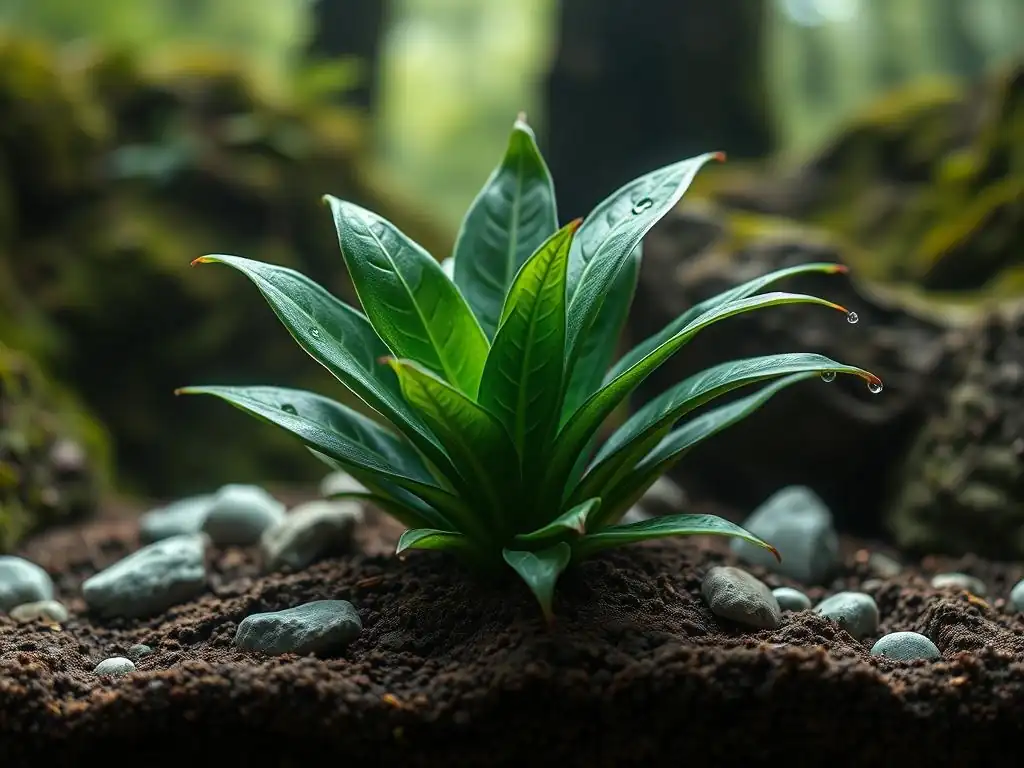
The substrate forms the foundation of your biotope aquarium, playing a critical role in mimicking the natural environment and supporting both plants and beneficial bacteria. Its composition, color, and texture should accurately reflect the specific biotope you are replicating. For a nano biotope aquarium setup, the substrate layer might be thinner than in larger tanks, but its authenticity remains paramount for the overall integrity of the ecosystem.
Choosing the Right Substrate
Selecting the right substrate involves considering the natural environment of your chosen biotope and the needs of your planned inhabitants. For example, an Amazonian blackwater biotope often features very fine, dark sand or silt, sometimes covered with a thick layer of leaf litter to replicate the forest floor. In contrast, a biotope of an African rift lake might require crushed coral or aragonite sand to maintain a high pH and hardness. Smooth, rounded river gravel is appropriate for stream biotopes, while nutrient-rich aqua soil is ideal for heavily planted Asian rice paddy or South American flood plain biotopes.
Beyond aesthetics, the substrate choice impacts water chemistry and the well-being of bottom-dwelling fish. Fish like Corydoras catfish, common in many South American river biotopes, require fine, soft sand to protect their delicate barbels as they forage. Sharp or coarse gravel can cause injury. For a nano biotope aquarium setup, a thin layer of fine sand (1-2 inches) can be sufficient for aesthetics and to support beneficial bacteria, particularly if the biotope naturally has a shallow substrate. Always rinse new substrate thoroughly before adding it to the tank to prevent cloudiness and potential contaminants.
5. Aquascaping: Hardscape and Layout
Aquascaping, the art of arranging hardscape elements like rocks and wood, is crucial for creating a visually compelling and ecologically accurate biotope. The layout should not only be aesthetically pleasing but also provide natural hiding spots, territorial boundaries, and breeding sites for your chosen fish species. For a nano biotope aquarium setup, every piece of hardscape must be carefully selected and positioned to maximize impact within the limited space, ensuring it contributes to the authenticity of the replicated environment.
Selecting Rocks and Wood
The selection of rocks and wood must align with the geological and botanical characteristics of your chosen biotope. For instance, a biotope replicating a rocky stream in Southeast Asia might feature smooth, water-worn river stones and small pieces of driftwood that mimic submerged branches. Conversely, an Amazonian biotope would heavily feature various types of driftwood (e.g., Manzanita, Malaysian, Spiderwood) to simulate fallen trees and roots, often accompanied by leaf litter. Avoid using rocks that alter water chemistry significantly unless it's intentional for the biotope (e.g., limestone for African cichlid biotopes).
Before adding any hardscape, ensure it is thoroughly cleaned and, for wood, properly leached to prevent excessive tannin release or floating. Boiling driftwood for several hours, with water changes, can help it sink and reduce tannins. For a nano biotope aquarium setup, scale is everything; choose smaller, intricately shaped pieces of wood and rocks that fit the tank's dimensions without overwhelming the space. Consider how these elements will provide cover for shy fish or create distinct territories, enhancing the natural behavior of your inhabitants.
Creating Depth and Perspective
Creating depth and perspective in a biotope aquarium, especially in a nano biotope aquarium setup, is essential to make the limited space appear larger and more natural. This is achieved through strategic placement of hardscape and plants, utilizing techniques such as the rule of thirds, golden ratio, and forced perspective. Placing larger elements in the foreground and progressively smaller elements towards the background can trick the eye into perceiving greater depth. Similarly, using a sloped substrate, rising from front to back, creates an illusion of a deeper landscape.
Furthermore, the strategic use of negative space is vital in nano tanks. Do not fill every available inch; instead, allow open areas for fish to swim and for the eye to rest, which also helps to highlight the carefully placed hardscape.
For example, a small clearing in a dense arrangement of wood and plants can represent a natural open patch in a forest floor biotope. The careful arrangement of different textures and colors, from smooth stones to gnarled wood and varied plant foliage, further enhances the visual complexity and realism of your nano biotope aquarium setup, drawing the viewer into its miniature world.
Selecting Flora and Fauna
Choosing Compatible Fish Species
Selecting compatible fish species is paramount for the health and authenticity of your biotope aquarium. The chosen fish must naturally inhabit the specific biotope you are replicating and share similar water parameter requirements (temperature, pH, hardness). For a nano biotope aquarium setup, this often means focusing on dwarf species that remain small throughout their lives and have minimal territorial needs. Examples include various species of Boraras (e.g., Chili Rasbora, Phoenix Rasbora), Otocinclus catfish, or small species of Dario (e.g., Scarlet Badis), all of which are suitable for tanks under 10 gallons.
Beyond size and water parameters, consider the fish's temperament and social structure. Some species are schooling fish and thrive in groups of six or more, while others are solitary or best kept in pairs.
For instance, a group of Ember Tetras (Hyphessobrycon amandae) would be an excellent choice for a small South American blackwater nano biotope, as they are peaceful, stay small (around 0.8 inches), and exhibit natural schooling behavior. Always research the specific needs and behaviors of each species to ensure they will not only survive but also flourish and display their natural behaviors within your nano biotope aquarium setup.
Stocking Levels: Avoiding Overcrowding
Overcrowding is one of the most common pitfalls in aquarium keeping, and it is particularly detrimental in a nano biotope aquarium setup due to the limited water volume. Overstocking leads to rapid accumulation of waste, poor water quality, increased stress for the fish, stunted growth, and heightened aggression. A general guideline, often cited as "one inch of fish per gallon," is a very rough approximation and should be used with extreme caution, especially for nano tanks, as it doesn't account for fish body shape, activity level, or waste production.
Instead, prioritize the biological load and the specific needs of your chosen species. For a 5-gallon nano biotope aquarium setup, a single Betta fish or a small group of 5-6 tiny Boraras species might be appropriate.
For a 10-gallon tank, a slightly larger group of small tetras or a pair of dwarf cichlids (like certain Apistogramma species, carefully researched for specific size and temperament) could work, provided ample filtration and regular maintenance. Always consider the adult size of the fish, not just their juvenile size, and remember that smaller volumes mean less dilution for waste products, necessitating strict adherence to low stocking levels.
Selecting Plants to Replicate Your Chosen Biotope
Plants are integral to creating an authentic biotope, providing not only visual realism but also essential ecological functions such as oxygenation, nutrient absorption, and shelter for fish. When selecting plants for your nano biotope aquarium setup, choose species that are naturally found in the specific environment you are replicating. This often means foregoing popular, readily available aquarium plants if they are not indigenous to your chosen biotope.
For example, an Amazonian biotope would feature plants like Amazon Sword (Echinodorus species), Cryptocoryne (though many are Asian, some are South American), or floating plants like Amazon Frogbit. A Southeast Asian biotope might incorporate Anubias (African, but many Asian biotopes feature similar low-light epiphytes), Cryptocoryne species (many are native to Asia), or Java Fern. For a nano biotope aquarium setup particularly, focus on smaller, slower-growing plant varieties that won't quickly outgrow the limited space or require constant trimming.
Low-Maintenance Plants
For many aquarists, especially those new to a nano biotope aquarium setup, selecting low-maintenance plants can significantly reduce the complexity of the setup. These plants generally have less demanding light and nutrient requirements and grow at a slower rate, making them ideal for small, stable environments. Examples include various species of Anubias (e.g., Anubias barteri nana), Java Fern (Microsorum pteropus), and Bucephalandra species, which are all epiphytic (attach to wood or rock) and do not require planting in the substrate.
Additionally, mosses like Java Moss (Taxiphyllum barbieri) or Christmas Moss (Vesicularia montagnei) are excellent for nano biotopes. They attach easily to hardscape, provide excellent hiding spots for fry and invertebrates, and are incredibly hardy. Floating plants such as Salvinia minima or Dwarf Water Lettuce can also be considered for specific biotopes, providing shade and absorbing nitrates, though they may require regular thinning to prevent them from completely blocking light to the plants below. These low-maintenance options help maintain the integrity of the biotope with less intervention, making the nano biotope aquarium setup more enjoyable and sustainable.
Setting Up Your Biotope Aquarium: A Detailed Walkthrough
Cycling Your Aquarium: Establishing a Healthy Ecosystem
Cycling your aquarium is the most critical step in establishing a healthy and stable biotope, particularly for a sensitive nano biotope aquarium setup. This process involves cultivating a colony of beneficial bacteria that convert toxic ammonia (from fish waste and decaying matter) into less harmful nitrates. Without a properly cycled tank, ammonia and nitrite levels will spike, causing severe stress and ultimately death for fish and invertebrates. The nitrogen cycle typically takes 4-6 weeks to complete, though it can vary based on temperature, pH, and the method used.
There are two primary methods for cycling: fishless cycling and fish-in cycling. Fishless cycling, which involves adding an ammonia source (e.g., pure ammonia solution, fish food) to feed the bacteria, is highly recommended for its safety and efficiency. This method avoids exposing fish to harmful ammonia and nitrite spikes.
During this period, regularly test your water parameters for ammonia, nitrite, and nitrate using a liquid test kit. Ammonia and nitrite levels should rise and then fall to zero, while nitrates will steadily increase, indicating a successful cycle. For a nano biotope aquarium setup, patience during this phase is paramount, as the smaller water volume means parameter swings can be more pronounced.
Adding Hardscape and Substrate: Creating the Foundation
Once your tank is clean and ready, the next step in your nano biotope aquarium setup is to add the chosen hardscape and substrate, forming the physical foundation of your biotope. Begin by placing larger pieces of driftwood or rocks first, as these will define the main structure and visual flow of your aquascape. Experiment with different arrangements until you achieve a natural and aesthetically pleasing layout that reflects your chosen biotope.
Consider how these elements will provide hiding spots or create distinct zones for your future inhabitants. For example, a large piece of spiderwood might simulate a fallen branch in an Amazonian biotope, while a cluster of smooth stones could mimic a riverbed.
After the hardscape is positioned, carefully add your chosen substrate. For a nano biotope aquarium setup, a typical substrate depth of 1-2 inches is often sufficient, though some specific biotopes (e.g., deep sand beds for certain burrowing species) may require more. When adding substrate, use a clean scoop or small cup to gently pour it into the tank, avoiding disturbing the hardscape.
If you are creating a sloped substrate for depth, build up the back layer gradually. Once the substrate is in place, you can carefully add any leaf litter or botanical elements that are part of your biotope's natural environment, ensuring they are evenly distributed or concentrated as they would be in nature.
Planting Your Aquarium: Techniques for Success
With the hardscape and substrate in place, the next crucial step in your nano biotope aquarium setup is planting. The technique for planting depends on the type of plants selected. Stem plants should be planted individually or in small groups, ensuring their roots are buried in the substrate. Use tweezers for precision, especially in smaller tanks.
Rhizome plants, such as Anubias and Java Fern, should not have their rhizomes buried, as this can cause them to rot. Instead, attach them to driftwood or rocks using fishing line, super glue gel (cyanoacrylate), or cotton thread. Over time, their roots will naturally cling to the hardscape.
For a biotope, the placement of plants should mimic their natural distribution. Some biotopes might have dense vegetation in specific areas, while others might be more sparsely planted with open areas. Consider the mature size of the plants and their light requirements when positioning them.
For example, taller plants should be placed towards the back or sides, while shorter, foreground plants should be at the front. Ensure that the planting does not obstruct filter flow or heater placement. After planting, a gentle misting of the plants can help keep them moist until the tank is filled, which should be done slowly to avoid disturbing the substrate and plants.
Introducing Fish and Invertebrates: Acclimation is Key
After your nano biotope aquarium setup has successfully completed its nitrogen cycle and water parameters are stable and appropriate for your chosen species, you can begin the process of introducing fish and invertebrates. Acclimation is a critical step that minimizes stress and shock to the new inhabitants by slowly equalizing the water temperature and chemistry between their transport bag and your aquarium. Rushing this process can lead to severe health issues or even death.
A common and effective acclimation method is drip acclimation, especially for sensitive species or invertebrates. This involves placing the fish/invertebrate (still in their bag water) into a clean bucket or container. Then, using airline tubing and a knot or small valve, create a slow drip of water from your aquarium into the bucket. The drip rate should be about 1-2 drops per second.
Allow the water volume in the bucket to double or triple over 30-60 minutes, slowly adjusting the new inhabitants to your tank's specific parameters. Once acclimated, gently net the fish/invertebrates and release them into your biotope, discarding the water from the bucket to avoid introducing any potentially harmful substances from the transport bag. Dimming the tank lights during introduction can further reduce stress.
Maintaining Your Biotope Aquarium: Ensuring Long-Term Success
Water Changes: Maintaining Water Quality
Regular water changes are the cornerstone of maintaining pristine water quality and ensuring the long-term success of your nano biotope aquarium setup. Even with efficient filtration, nitrates accumulate over time, and essential trace elements are depleted. The frequency and volume of water changes depend on your tank's stocking level, filtration, and specific biotope requirements, but a general guideline for nano tanks is a 20-30% water change weekly. For instance, in a 5-gallon tank, this would mean replacing 1-1.5 gallons of water.
When performing water changes, always use dechlorinated water that matches the temperature and parameters (pH, hardness) of your biotope as closely as possible. For specific biotopes, this might involve using RO/DI water remineralized to precise specifications, or using products that adjust pH and hardness to replicate natural conditions (e.g., blackwater extracts for Amazonian setups). Use a gravel vacuum to remove detritus from the substrate, but be careful not to disturb the biotope's intricate layout. Consistent water changes prevent the buildup of toxins, replenish vital minerals, and contribute significantly to the stability and health of your miniature ecosystem.
Filtration Maintenance: Keeping Your Filter Running Efficiently
Consistent filtration maintenance is crucial for the efficient operation of your filter and the overall health of your nano biotope aquarium setup. Over time, filter media can become clogged with detritus, reducing flow and compromising its ability to perform mechanical and biological filtration. The frequency of cleaning depends on the filter type and stocking level, but generally, mechanical media (e.g., sponges, filter floss) should be rinsed weekly or bi-weekly.
When cleaning filter media, always use old aquarium water drained during a water change. Never use tap water, as the chlorine or chloramines can kill the beneficial bacteria vital for the nitrogen cycle. Gently squeeze or rinse sponges until debris is removed but the beneficial bacteria colony remains largely intact.
Biological media (e.g., ceramic rings, bio-balls) should be rinsed less frequently, perhaps monthly or quarterly, and only if flow is significantly impeded. Replacing chemical media (e.g., activated carbon) should be done according to the manufacturer's recommendations, typically every 2-4 weeks. Proper filter maintenance ensures that your nano biotope aquarium setup maintains optimal water clarity and biological stability.
Algae Control: Preventing Overgrowth
Algae is a natural part of any aquatic ecosystem, but excessive growth can quickly detract from the aesthetic appeal of your nano biotope aquarium setup and indicate an imbalance in the system. Preventing overgrowth is key, as treating severe algae blooms can be challenging in small volumes. Common causes of algae include excessive light, high nutrient levels (nitrates and phosphates), and an imbalance in CO2 (if injected).
To control algae, first ensure your lighting photoperiod is appropriate (8-10 hours maximum) and that your light intensity isn't too high for your plants. Regular water changes help reduce nutrient buildup. Consider adding natural algae grazers compatible with your biotope, such as Otocinclus catfish (for South American biotopes) or Nerite snails, but ensure they are suitable for your tank size and biotope parameters.
Manual removal using an algae scraper or soft brush is also effective for glass and hardscape. Addressing the root cause—whether it's too much light, too many nutrients, or insufficient plant growth to outcompete the algae—is crucial for long-term algae control in your nano biotope aquarium setup.
Monitoring Water Parameters: Keeping Your Biotope Healthy
Regular monitoring of water parameters is indispensable for maintaining a healthy and stable nano biotope aquarium setup. Fluctuations in pH, temperature, ammonia, nitrite, and nitrate can quickly stress or harm your aquatic inhabitants, especially in smaller volumes where changes can occur rapidly. Weekly testing, particularly for ammonia, nitrite, and nitrate (even after the tank is cycled), is highly recommended, along with pH and temperature.
For specific biotopes, additional parameters might need monitoring. For instance, a Sulawesi Lake biotope would require regular checks of GH and KH to ensure high hardness and alkalinity. An Amazonian blackwater biotope would necessitate vigilant monitoring of pH and GH to maintain soft, acidic conditions. Keep a log of your readings to identify trends and catch potential issues before they become critical. Investing in reliable liquid test kits is essential, as they provide more accurate results than test strips. Consistent monitoring allows you to make timely adjustments, ensuring your nano biotope aquarium setup remains a thriving, authentic miniature ecosystem.
Biotope Aquarium Ideas: Inspiration for Your Next Project
The Rio Negro Biotope: Replicating Blackwater Conditions
The Rio Negro, a major tributary of the Amazon River, is famous for its "blackwater" conditions, characterized by extremely soft, acidic water stained dark brown by tannins released from decaying organic matter like leaves and wood. Replicating this biotope in a nano biotope aquarium setup offers a stunning and unique aesthetic.
The water typically has a pH ranging from 4.5 to 6.5, with very low general and carbonate hardness (GH/KH often near 0-1 dGH). The substrate consists of fine, dark sand, often covered with a thick layer of leaf litter (e.g., Indian Almond leaves, Oak leaves) and numerous pieces of driftwood.
Flora in a Rio Negro biotope is often sparse or consists of hardy, low-light plants like Cryptocoryne species (though many are Asian, some are adapted to similar conditions) or epiphytes attached to wood. The focus is more on the hardscape and water color. Suitable fish for a nano Rio Negro biotope include various dwarf characins like Cardinal Tetras (Paracheirodon axelrodi), Ember Tetras (Hyphessobrycon amandae), or Pygmy Corydoras (Corydoras pygmaeus).
A single male Betta imbellis (Peaceful Betta) could also be a captivating centerpiece. Maintaining the dark water and low pH often involves using RO/DI water, peat filtration, and regular additions of leaf litter, creating a truly authentic and tranquil nano biotope aquarium setup.
The Sulawesi Lake Biotope: A Unique and Alkaline Environment
Sulawesi, an island in Indonesia, is home to ancient lakes (e.g., Lake Matano, Lake Malili) that harbor unique and highly specialized aquatic life, including vibrant shrimp, snails, and fish found nowhere else on Earth. Unlike most tropical biotopes, these lakes are characterized by very hard, alkaline water with a high pH, typically ranging from 7.8 to 8.5, and temperatures around 80-86°F (27-30°C). Replicating this environment in a nano biotope aquarium setup provides a fascinating challenge and showcases truly distinctive species.
The hardscape for a Sulawesi biotope primarily consists of smooth, light-colored rocks, often volcanic in origin, mimicking the rocky lakebeds. Substrate is typically fine sand or crushed coral to help maintain the high pH and hardness. Flora is generally absent or very sparse, consisting of specialized algae or very hardy, slow-growing plants that can tolerate the extreme parameters.
Key inhabitants for a nano Sulawesi biotope include various species of Sulawesi shrimp (e.g., Caridina dennerli 'Cardinal Shrimp'), Tylomelania snails (Sulawesi Snails), and very small, peaceful fish like the Celebes Rainbowfish (Marosatherina ladigesi) or certain species of ricefish, if tank size permits a small group. Maintaining the precise high pH and hardness often requires specific mineral additives and careful water preparation for this demanding yet rewarding nano biotope aquarium setup.
The Southeast Asian Rice Paddy Biotope: Simulating a Seasonal Habitat
A Southeast Asian rice paddy biotope offers a dynamic and unique approach to a nano biotope aquarium setup, simulating the shallow, often seasonal, flooded environments where rice is cultivated. These biotopes are characterized by shallow water levels, fine muddy or sandy substrate, and a mix of submerged and emergent vegetation. Water parameters can vary seasonally but are generally neutral to slightly acidic (pH 6.5-7.5) and moderately soft to hard, with temperatures ranging from 75-82°F (24-28°C).
The aquascape would feature a relatively flat or gently sloped substrate of fine sand or aqua soil, with small pieces of driftwood or roots. Plant selection is key, including species like Cryptocoryne (numerous species are native to the region), Rotala, various stem plants, and perhaps some emergent grasses or marginal plants that can grow out of the water. For a nano setup, small species of Boraras (e.g., Chili Rasbora, Mosquito Rasbora) are ideal, as they are naturally found in such shallow, densely vegetated waters.
Other suitable inhabitants might include small species of Dario (e.g., Scarlet Badis) or even a single Betta splendens (Siamese Fighting Fish), which originates from similar habitats. This type of nano biotope aquarium setup allows for creative expression with lush planting and showcases the resilience and adaptability of species found in these human-altered but ecologically rich environments.
Troubleshooting Common Biotope Aquarium Issues
Algae Blooms: Identifying and Addressing the Cause
Algae blooms are a common frustration for aquarists, and in a nano biotope aquarium setup, they can quickly overwhelm the limited space and obscure the intricate details of your biotope. Identifying the underlying cause is crucial for effective treatment. The most frequent culprits are excess light, high nutrient levels (nitrates and phosphates), and an imbalance in the tank's ecosystem. For instance, diatoms (brown algae) often appear in new tanks due to silicates, while green spot algae indicates low phosphates or CO2, and green hair algae often signals high nutrients or too much light.
To address algae, first assess your lighting. Reduce the photoperiod to 6-8 hours daily, and if your light intensity is very high, consider dimming it or raising the fixture. Next, focus on nutrient control: perform more frequent and larger water changes (e.g., 30-40% twice a week for a period) to reduce nitrates and phosphates.
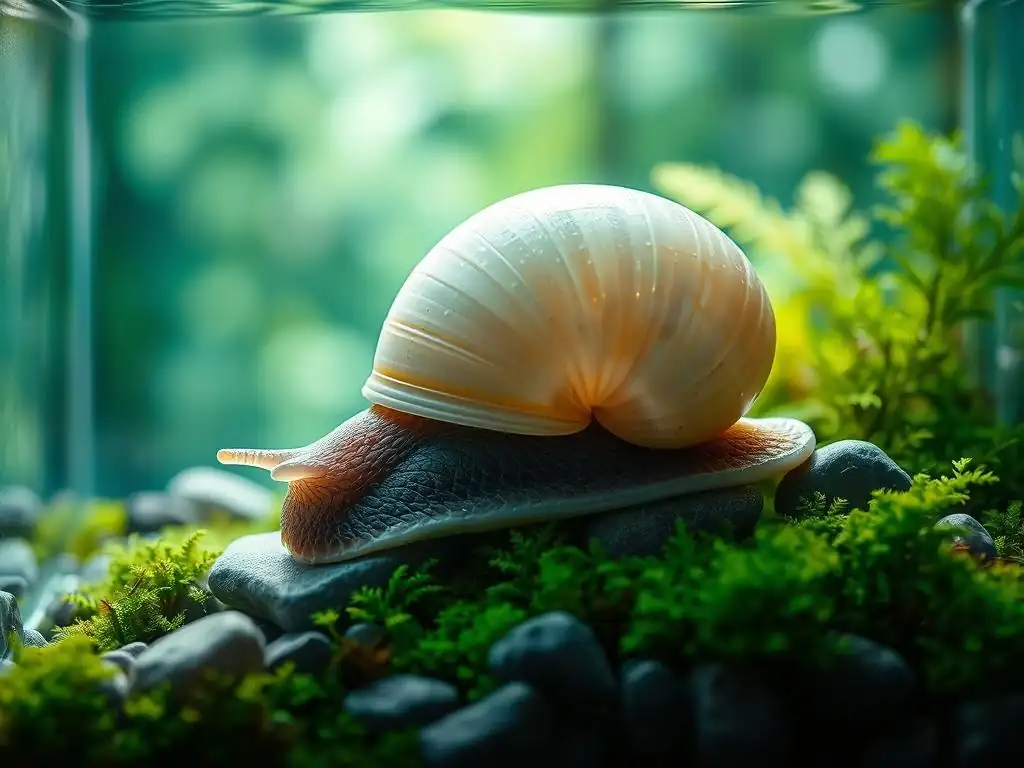
Ensure you are not overfeeding your fish, as uneaten food quickly breaks down into nutrients. If applicable, verify your CO2 injection is stable and sufficient for plant growth. Adding compatible algae-eating invertebrates like Nerite snails or specific Otocinclus catfish (if suitable for your biotope) can also help manage minor outbreaks, but they are not a substitute for addressing the root cause in your nano biotope aquarium setup.
Cloudy Water: Diagnosing and Resolving the Problem
Cloudy water can quickly diminish the visual appeal of your nano biotope aquarium setup and often signals an underlying issue with water quality or filtration. There are several common types of cloudiness, each with a distinct cause. A milky white or hazy cloudiness in a new tank often indicates a bacterial bloom, which occurs when beneficial bacteria rapidly reproduce in response to an ammonia spike during the cycling process. Green cloudy water is typically a single-celled algae bloom, caused by excess light and nutrients. Brown or grey cloudiness can result from disturbed substrate or fine particulate matter.
To resolve cloudy water, first, ensure your tank is fully cycled. For bacterial blooms in a new setup, patience is key; continue regular water testing and wait for the cycle to complete. Avoid large water changes during a bacterial bloom, as this can prolong the cycle. For green algae blooms, reduce light intensity and duration, and perform small, frequent water changes to lower nutrient levels.
If the cloudiness is particulate, check your filter media for clogging and clean or replace mechanical media. Ensure your filter is appropriately sized for your nano biotope aquarium setup and that water flow is adequate. In some cases, adding a fine filter floss to your filter can help polish the water, but always address the primary cause to prevent recurrence.
Fish Diseases: Prevention and Treatment
Fish diseases can be devastating in any aquarium, and in a nano biotope aquarium setup, the smaller water volume means diseases can spread rapidly and parameters can fluctuate quickly, making early detection and prevention paramount. Most fish diseases are stress-related, often triggered by poor water quality, incompatible tank mates, improper diet, or sudden environmental changes. Common diseases include Ich (white spot disease), fin rot, and fungal infections.
Prevention is always the best approach. Maintain pristine water quality through regular water changes and consistent filtration maintenance. Ensure your fish are not overcrowded and are fed a high-quality, varied diet appropriate for their species. When introducing new fish, always quarantine them in a separate tank for 2-4 weeks to observe for signs of illness and prevent the introduction of pathogens to your main biotope.
If a disease does occur, accurately diagnose it by observing symptoms (e.g., white spots for Ich, frayed fins for fin rot) and research appropriate treatments. Many common medications are available, but always choose one that is safe for your specific fish species and invertebrates. Removing carbon from your filter during treatment is often necessary, and be prepared for small, precise dosing in a nano biotope aquarium setup to avoid overdosing.
Advanced Aquascaping Techniques
CO2 Injection [Optional, if applicable]
CO2 injection is an advanced technique typically used in heavily planted aquariums to promote vigorous plant growth, which can be beneficial for specific biotope setups that naturally feature dense aquatic flora. While not always necessary for a nano biotope aquarium setup, especially those with low-light, slow-growing plants, it can significantly enhance the health and vibrancy of demanding plant species. CO2 provides a vital carbon source for photosynthesis, allowing plants to grow faster and outcompete algae for available nutrients.
For nano tanks, smaller, specialized CO2 systems are available, including DIY CO2 setups (using yeast and sugar) or mini pressurized CO2 kits. Pressurized systems offer more precise control over CO2 dosing. Dosage is typically measured in bubbles per second (BPS) and adjusted based on a drop checker (a device that indicates CO2 levels by changing color) and the tank's pH.
Aim for a CO2 level that causes a pH drop of approximately 0.5-1.0 from your tank's baseline (without CO2). Implementing CO2 requires careful monitoring of water parameters and fish behavior, as excessive CO2 can lower pH too drastically and harm fish. Proper CO2 injection can transform a lush biotope into a vibrant, thriving ecosystem, but it adds a layer of complexity to your nano biotope aquarium setup.
Fertilization Strategies [Optional, if applicable]
Fertilization strategies are essential for maintaining healthy plant growth in planted biotopes, particularly when using CO2 injection or in setups with nutrient-demanding plant species. Plants require macro-nutrients (Nitrogen, Phosphorus, Potassium - NPK) and micro-nutrients (iron, manganese, boron, etc.) for optimal growth. The specific fertilization strategy depends on your plant load, substrate type, and whether you are injecting CO2. For a nano biotope aquarium setup, careful dosing is critical due to the small water volume.
Common fertilization methods include liquid fertilizers, root tabs, and nutrient-rich substrates. Liquid fertilizers provide nutrients directly to the water column and are dosed regularly (daily or weekly). Root tabs are solid fertilizers inserted into the substrate, providing slow-release nutrients for root-feeding plants.
Nutrient-rich substrates (e.g., aqua soil) provide a substantial nutrient base for plants for an extended period, often reducing the need for heavy liquid fertilization initially. For a high-tech nano biotope aquarium setup with CO2, a comprehensive liquid fertilizer regimen (e.g., EI dosing or a lean dosing approach) may be employed to ensure all plant nutrient requirements are met, preventing deficiencies and promoting robust growth that mirrors a natural, flourishing aquatic environment.
Resources for Biotope Aquarium Enthusiasts
Online Forums and Communities
Online forums and communities are invaluable resources for nano biotope aquarium setup enthusiasts, providing a platform for sharing knowledge, troubleshooting issues, and finding inspiration. Websites like "Aquatic Plant Central," "Fishlore," and "The Planted Tank Forum" have dedicated sections for biotopes and nano tanks, where experienced aquarists offer advice on everything from species selection to advanced aquascaping techniques. These communities are often global, offering diverse perspectives and experiences from aquarists worldwide.
Participating in these forums allows you to ask specific questions about your biotope project, learn from others' successes and failures, and discover new ideas for replicating unique ecosystems. Many forums also host "biotope contests" or "tank journals" where members document their builds, providing step-by-step guides and detailed insights into their processes. This collective knowledge base is particularly useful for niche areas like nano biotope aquarium setup, where specific challenges and solutions are often discussed in detail by a passionate community.
Recommended Reading and Guides
For a deeper dive into the world of biotope aquariums and nano biotope aquarium setup, numerous books and online guides offer comprehensive information. Classic texts like "Ecology of the Planted Aquarium" by Diana Walstad provide foundational knowledge on natural planted tank principles, which are highly relevant to biotopes. Books focusing on specific fish families or geographical regions (e.g., "The Cichlid Fishes of Lake Tanganyika" or "South American Dwarf Cichlids") offer detailed insights into the natural habitats and care requirements of biotope-specific species.
Online, websites like "Seriously Fish" and "Practical Fishkeeping" offer extensive articles and species profiles that can aid in biotope research. The "Biotope Aquarium Project" website is a dedicated resource with detailed information on various biotopes worldwide, often including water parameters, flora, and fauna lists. These resources provide the scientific and practical knowledge necessary to accurately plan, set up, and maintain an authentic nano biotope aquarium setup, ensuring it is both beautiful and biologically sound.
Local Fish Stores
Local Fish Stores (LFS) can be an excellent resource for nano biotope aquarium setup enthusiasts, offering not just livestock and equipment but also valuable expertise. Many independently owned LFS have knowledgeable staff who are passionate aquarists themselves and can provide personalized advice on choosing compatible species, selecting appropriate equipment for nano tanks, and troubleshooting common issues. They can often special order specific fish or plants that are harder to find, ensuring authenticity for your chosen biotope.
Beyond products, a good LFS often carries a diverse selection of hardscape materials like driftwood and rocks, allowing you to hand-pick pieces that fit the scale and aesthetic of your nano biotope. Some stores even have display tanks, including nano setups, that can serve as direct inspiration. Building a relationship with your local fish store can provide ongoing support and access to specialized knowledge that is crucial for the success and enjoyment of your nano biotope aquarium setup.
Frequently Asked Questions
What exactly is a Nano Biotope Aquarium?
A Nano Biotope Aquarium is a small-scale aquarium designed to replicate a specific natural habitat using appropriate flora and fauna. The focus is on creating a miniature ecosystem that accurately reflects a particular region or environment.
Why choose a Nano Biotope Aquarium over a larger tank?
Nano tanks offer several advantages, including lower initial cost, easier maintenance, and space-saving design. They are ideal for beginners or those with limited space but still desire a captivating aquarium experience.
What are the key considerations when setting up a Nano Biotope Aquarium?
Careful planning is crucial. Research the specific biotope you want to emulate, paying attention to water parameters, substrate, lighting, and the compatibility of chosen inhabitants. Accurate replication is key.
What types of fish and plants are suitable for a Nano Biotope Aquarium?
Choose species that are naturally found in the biotope you are recreating and are appropriately sized for a nano tank. Research their specific needs and behaviors to ensure their well-being.
What are some common challenges in maintaining a Nano Biotope Aquarium?
Due to their small size, nano tanks are more susceptible to fluctuations in water parameters. Regular water changes, careful feeding, and diligent monitoring are essential to maintain a stable and healthy environment.
Final Reflection: The Enduring Allure of Miniature Ecosystems
The journey into crafting nano biotope aquariums reveals more than just a hobby; it reflects a growing desire to connect with nature on a deeply personal scale. In a world increasingly dominated by the digital and the vast, the appeal of these tiny, self-contained ecosystems lies in their ability to bring the beauty and complexity of the natural world into our homes, offering a tangible reminder of the delicate balance that sustains life.
The creation of a nano biotope aquarium is not merely about aesthetics; it's about understanding and respecting the intricate relationships within a specific environment. This mindful approach to aquascaping fosters a deeper appreciation for biodiversity and the importance of conservation. In nature, nothing exists alone.
- Rachel Carson. This quote perfectly encapsulates the essence of a biotope aquarium, where every element plays a crucial role in the overall health and harmony of the miniature world.
Now, as you consider the possibilities of your own nano biotope aquarium setup, I encourage you to embrace the challenge and the opportunity it presents. Let the principles of authenticity and ecological awareness guide your choices, and allow the creation process to be a journey of discovery and connection. May your tiny world inspire a greater appreciation for the beauty and fragility of our planet, and may it serve as a constant reminder of the power of small actions to create a more sustainable future.
Cultivate Your Own Miniature Aquatic Paradise!
Thank you for diving into the world of nano biotopes! We hope you've found inspiration and practical knowledge to bring these tiny ecosystems to life. Now, let's turn that inspiration into action!
Here are a few things you can do to continue your nano biotope journey:
- Start planning your dream nano biotope! Consider the specific species, plants, and hardscape that resonate with you most.
- Share your favorite nano biotope photos or ideas on social media, using the hashtag #AquariumMasteryNano.
- Explore local aquatic clubs or online forums to connect with fellow enthusiasts and learn from their experiences.
What unique twist are you planning to add to your nano biotope design?