
Nature's Muse: Drawing Inspiration from Natural Landscapes for Your Next Aquascape Design

Welcome to Aquarium Mastery!
Ever dreamt of transforming your aquarium into a mesmerizing underwater paradise? Dive into a world where nature's artistry meets aquatic life. This week, we're exploring Aquascape design inspiration landscapes – uncovering how to capture the breathtaking beauty of natural vistas within the confines of your glass tank. Ready to discover the secrets to crafting an aquascape that's both stunning and sustainable? Let's get started!
- Aquascape Design Inspiration: Finding Your Muse in Nature
- Decoding Landscapes: Key Elements for Aquascape Design
- Landscape Styles and Their Aquascape Counterparts
- Practical Tips for Implementing Landscape-Inspired Aquascapes
- Examples of Stunning Landscape-Inspired Aquascapes
- Maintaining Your Landscape-Inspired Aquascape: Long-Term Care
- Conclusion: Embrace Nature's Beauty in Your Aquascape Design
-
Frequently Asked Questions
- What exactly is aquascape design inspiration landscapes and how does it relate to natural environments?
- Where can I find aquascape design inspiration landscapes ideas for my aquarium?
- How important is aquascape design inspiration landscapes to the overall health of my aquarium ecosystem?
- What are some common mistakes people make when using aquascape design inspiration landscapes?
- Does aquascape design inspiration landscapes work for both freshwater and saltwater aquariums?
- Final Reflection: Embracing Nature's Blueprint
- Unleash Your Inner Aquascaping Artist!
Aquascape Design Inspiration: Finding Your Muse in Nature
Why Look to Natural Landscapes for Aquascaping Inspiration?
Natural landscapes offer an unparalleled blueprint for creating harmonious and visually stunning underwater environments. The inherent balance, complexity, and aesthetic appeal found in nature provide endless aquascape design inspiration landscapes, guiding aquarists toward setups that are not only beautiful but often more stable and biologically accurate. Observing how elements like water, rock, wood, and plant life interact in the wild can unlock a deeper understanding of composition and ecological function within the aquarium.
Furthermore, drawing inspiration directly from natural scenes often leads to a more robust and self-sustaining aquatic ecosystem. For instance, a well-designed biotope, meticulously replicating a specific natural habitat, frequently experiences fewer issues with algae or fish stress because the inhabitants and plant life are optimally suited to their environment. This adherence to natural principles, a core tenet of aquascape design inspiration landscapes, fosters a healthier and more resilient tank.
The Power of Biotope Aquariums: Recreating Natural Ecosystems
Biotope aquariums are a powerful manifestation of aquascape design inspiration landscapes, focusing on the meticulous replication of a specific natural habitat's environmental conditions, flora, and fauna. The core principle is to create an authentic underwater snapshot of a particular river, lake, or stream section, providing inhabitants with an environment that closely mirrors their wild origins. This approach goes beyond aesthetics, prioritizing the well-being and natural behaviors of the aquatic life.
The benefits of biotope aquariums extend to both the aquarist and the inhabitants. For the fish and invertebrates, it means reduced stress, enhanced breeding behaviors, and a thriving existence in conditions they are naturally adapted to.
For the aquarist, it offers a profound educational experience, deepening their understanding of ecological principles and the intricate relationships within a specific ecosystem. For example, a biotope tank mimicking a section of the Rio Negro in Brazil would feature soft, acidic water (pH 4.5-6.0), dark substrate, and an abundance of driftwood and leaf litter, providing an ideal, stress-free home for a school of 50 or more Cardinal Tetras, which thrive in such tannin-rich, low-pH conditions.
Decoding Landscapes: Key Elements for Aquascape Design
Understanding Landscape Composition: Applying Principles to Aquascaping
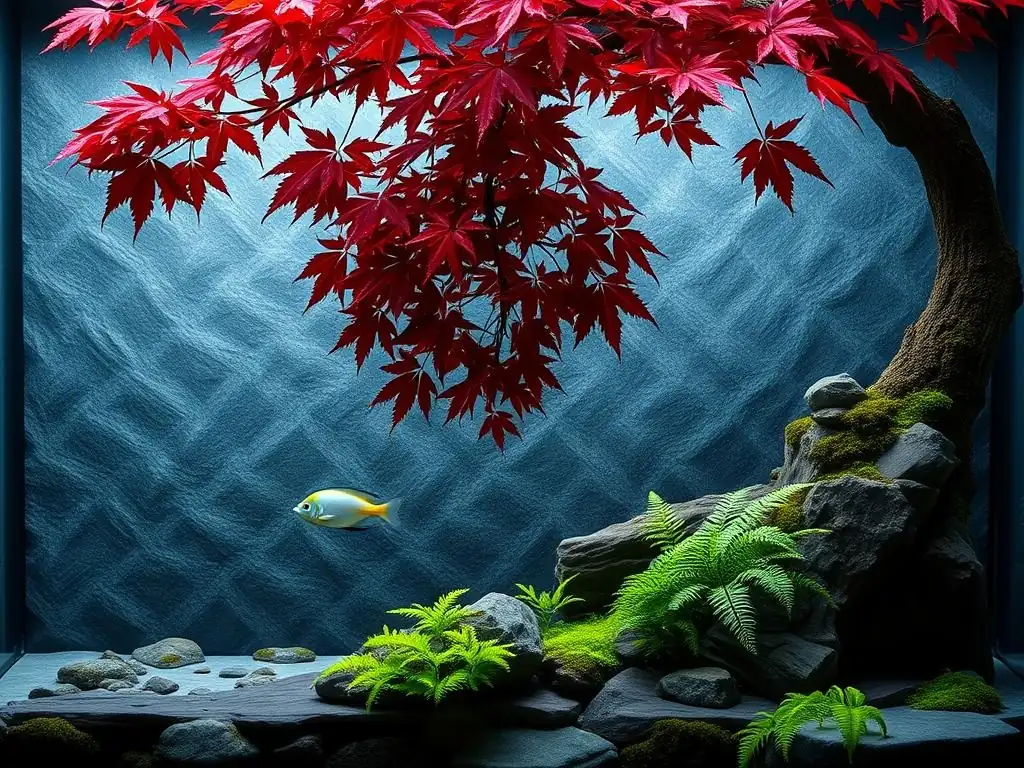
Understanding the fundamental principles of art and design, as they naturally occur in landscapes, is crucial for effective aquascape design inspiration landscapes. Concepts such as the rule of thirds, the golden ratio, leading lines, and the strategic placement of focal points are not arbitrary artistic rules; they are often unconsciously present in aesthetically pleasing natural scenes. A winding river, for instance, naturally forms a leading line that guides the eye, while a prominent rock formation might serve as a compelling focal point.
By consciously observing how these principles manifest in natural environments, aquarists can intentionally apply them to their aquascape designs. This means arranging hardscape elements like rocks and wood in ways that create visual flow, establish clear focal points, and achieve a sense of balance. For example, placing a dominant piece of driftwood slightly off-center, according to the rule of thirds, can create a more dynamic and visually engaging composition than placing it dead center, directly translating outdoor aquascape design inspiration landscapes into the aquarium.
Hardscape Inspiration: Rocks, Wood, and Substrate in Nature
Analyzing Rock Formations: From Mountain Ranges to Riverbeds
Observing natural rock formations provides invaluable aquascape design inspiration landscapes, offering insights into how different rock types are shaped and arranged by environmental forces. From the sharp, angular strata of a towering mountain range to the smooth, rounded pebbles of a fast-flowing riverbed, each natural setting dictates a specific aesthetic and form for its rocks. For a dramatic mountain aquascape, angular stones like Seiryu Stone or Frodo Stone, with their defined edges and natural crevices, can be stacked and layered to simulate peaks and valleys.
Conversely, for a riverbed or stream aquascape, the focus shifts to smoother, water-worn stones such as Dragon Stone (though often angular, some pieces are rounded) or various types of river pebbles. The arrangement should mimic natural erosion and deposition, perhaps with larger stones partially buried and smaller, varied-sized pebbles scattered around them. This attention to natural detail, gleaned from diverse aquascape design inspiration landscapes, ensures authenticity and visual harmony within the tank.
Wood Placement: Mimicking Root Systems and Fallen Branches
Wood in nature takes on myriad forms, from the intricate, submerged root systems of mangrove trees to the gnarled, weathered branches of fallen trees in a forest stream. Each of these natural occurrences offers rich aquascape design inspiration landscapes for creating depth, shelter, and naturalistic visual interest within an aquarium. The way wood is positioned in nature—whether anchored firmly, partially buried, or floating—can directly inform its placement in an aquascape.
For instance, slender, branching pieces of wood like Spider Wood or Manzanita can be arranged vertically to simulate the appearance of intricate root systems, ideal for a dense forest or biotope setup. Larger, more robust pieces of driftwood can be positioned horizontally or diagonally to mimic fallen logs, providing anchor points for epiphytic plants and crucial hiding spots for fish, much like their natural counterparts. The texture and color of the wood, from dark, tannin-rich Mopani to lighter, gnarled Redmoor, further enhance the realism derived from aquascape design inspiration landscapes.
Substrate Selection: Matching Natural Soil and Sediment
The substrate is a foundational element in any aquascape, and its selection should be deeply rooted in matching natural soil and sediment compositions observed in target landscapes. From the fine, silty bottoms of slow-moving rivers to the coarse, rocky beds of mountain streams, the substrate choice is paramount not only for an authentic aquascape design inspiration landscapes but also for the health of plants and inhabitants.
For example, a blackwater biotope mimicking the Amazon basin would typically feature a very fine, dark sand or silt substrate, often layered with leaf litter, to replicate the nutrient-rich, decaying organic matter found there.
In contrast, a rocky stream biotope might utilize a mix of varied-sized gravels and pebbles, perhaps with pockets of finer sand to simulate areas of deposition. For planted aquascapes drawing from lush forest floor inspiration, nutrient-rich aqua soil is often preferred, as it mimics the organic content of natural soils and provides essential nutrients for plant growth. The color, texture, and particle size of the substrate significantly contribute to the overall realism and aesthetic appeal of a landscape-inspired aquascape.
Plant Life as Inspiration: Observing Aquatic and Terrestrial Flora
Identifying Native Aquatic Plants: Local Ecosystem Aquascapes
For the most accurate and biologically sound aquascape design inspiration landscapes, studying the specific aquatic plants native to a chosen natural environment is indispensable. This direct approach ensures that the plant species selected are not only aesthetically appropriate but also ecologically compatible with the biotope or style being recreated. For instance, an aquascape aiming to replicate a specific section of a Southeast Asian river would focus on species like various Cryptocoryne varieties, Blyxa japonica, and perhaps some Anubias species, which are commonly found in such habitats.
Conversely, an Amazonian biotope would lean heavily on species from the Echinodorus genus (commonly known as Amazon swords), various Cabomba species, and floating plants like Phyllanthus fluitans. By understanding the natural distribution and growth patterns of these native aquatic plants, aquarists can create a truly authentic and thriving underwater ecosystem. This meticulous research into local flora provides invaluable aquascape design inspiration landscapes that lead to successful and long-lasting setups.
Translating Terrestrial Plants: Adapting Land Flora to Underwater Designs
While most terrestrial plants cannot survive submerged, their forms, growth patterns, and overall arrangements offer a wealth of aquascape design inspiration landscapes. The goal is not to use the exact species, but to capture the essence or visual characteristics of a land-based scene and translate them using suitable aquatic plants. For example, the dense, multi-layered canopy of a tropical rainforest can inspire a heavily planted background in an aquascape, using tall stem plants like Rotala or Myriophyllum to create a lush, green wall.
Similarly, the sparse, resilient vegetation clinging to rocks on a windswept mountain peak can be translated into epiphytic plants like various Bucephalandra or Anubias nana 'petite' strategically placed on hardscape. The way terrestrial ground cover spreads can inspire a carpet of Hemianthus callitrichoides (Dwarf Baby Tears) or Glossostigma elatinoides across the substrate. This creative adaptation of aquascape design inspiration landscapes allows for a wider range of stylistic interpretations within the aquarium.
Landscape Styles and Their Aquascape Counterparts
Mountainscapes: Creating Dramatic Underwater Peaks and Valleys
Mountainscapes in aquascaping aim to replicate the grandeur and drama of terrestrial mountain ranges, often employing large, angular rocks to form imposing peaks, ridges, and deep valleys. This style draws heavily from the raw, majestic beauty found in alpine regions, serving as a powerful source of aquascape design inspiration landscapes. The composition typically features a dominant central peak or a series of peaks that create a sense of scale and elevation, contrasting with lower-lying areas or "valleys."
Key characteristics of a successful mountainscape include significant height differences in hardscape, which can rise close to the water surface, and often a sparse, strategic planting scheme that mimics the hardy vegetation found in high altitudes. The negative space around the "mountains" is as important as the hardscape itself, contributing to the illusion of vastness and depth. This focus on verticality and rugged textures is central to capturing the essence of mountain aquascape design inspiration landscapes.
Achieving Depth and Scale: Perspective Techniques in Mountain Aquascapes
Achieving a convincing sense of depth and scale is paramount in mountain aquascapes, and forced perspective techniques are crucial for this illusion. By using larger, more detailed rocks in the foreground and progressively smaller, less defined rocks towards the background, aquarists can create the optical illusion of vast distance within a relatively confined space. This mimics how objects appear smaller and less distinct when viewed from afar in natural aquascape design inspiration landscapes.
Further enhancing this effect, planting smaller, fine-leaved aquatic plants (like Eleocharis parvula or Utricularia graminifolia) in the background and larger, broader-leaved plants (such as Anubias barteri or Cryptocoryne wendtii) in the foreground can amplify the sense of receding space. Some aquascapers even use a lighter-colored substrate that gradually lightens towards the back of the tank to simulate atmospheric haze, adding another layer of realism to their mountain-inspired aquascape design inspiration landscapes.
Forestscapes: Replicating Dense Underwater Forests
Forestscapes are an aquascaping style dedicated to mimicking the appearance of a submerged forest, characterized by dense planting and intricate wood structures that resemble tree trunks and root systems. This style is a direct and evocative translation of aquascape design inspiration landscapes from terrestrial forests, aiming to create a lush, immersive, and often somewhat mysterious environment within the aquarium. The emphasis is on creating a sense of enclosure and depth, much like walking through a dense woodland.
Common elements of a forestscape include numerous vertical or angled pieces of driftwood that act as "tree trunks," often adorned with moss or epiphytic plants to simulate bark and foliage. A dense "canopy" is typically formed by tall, background stem plants, while foreground plants create a lush "forest floor." The interplay of light filtering through the dense plant cover further enhances the illusion of being deep within an underwater woodland, a testament to effective aquascape design inspiration landscapes.
Choosing the Right Wood and Plants for a Forest Aquascape
Choosing the right wood and plants is critical for creating a convincing forest aquascape that truly embodies aquascape design inspiration landscapes. For "tree trunks," tall, slender pieces of driftwood such as Manzanita, Spiderwood, or Redmoor Root are ideal, offering natural branching patterns. Smaller, more intricate branches can be used to create detailed "root systems" or fallen log effects. The wood should be arranged to create a sense of depth and natural flow, much like trees in a real forest.
Plant selection focuses on species that can form a dense, layered canopy and a lush undergrowth. For the background "canopy," fast-growing stem plants like various Rotala species ( Rotala rotundifolia, Rotala H'ra), Myriophyllum, or Ludwigia are excellent. Midground and foreground areas benefit from carpeting plants such as Hemianthus callitrichoides (Dwarf Baby Tears) or Glossostigma elatinoides for the "forest floor." Mosses, particularly Java Moss or Christmas Moss, are essential for covering wood, adding age and texture, completing the natural aquascape design inspiration landscapes.
Riverbed Aquascapes: Capturing the Flow and Dynamics of Rivers
Riverbed aquascapes are designed to replicate the dynamic, often turbulent environment of a natural river or stream. This style emphasizes movement, the effects of natural erosion, and the interplay of water and sediment, providing unique aquascape design inspiration landscapes. The focus is on creating a sense of natural flow and the visual elements one would encounter on a river bottom, from smooth stones to scattered debris.
Key characteristics of a riverbed aquascape typically include a substrate composed of smooth, rounded stones of various sizes, often mixed with sand or fine gravel to simulate sediment deposition. Wood, if incorporated, is usually streamlined or partially buried, suggesting it has been shaped and moved by strong currents. Plant life is generally sparse and hardy, consisting of species that can withstand significant water flow, further reinforcing the authenticity derived from aquascape design inspiration landscapes.
Emulating Current and Sediment Deposition in Riverbed Designs
To truly emulate the look and feel of a natural riverbed, aquascapers must pay close attention to current and sediment deposition patterns, drawing directly from aquascape design inspiration landscapes. Varying the substrate particle sizes, from fine sand in slower-moving areas to larger pebbles and small boulders in sections meant to represent faster currents, effectively simulates how water sorts and deposits material. Strategically placed powerheads can even create visible flow, enhancing the realism.
The arrangement of hardscape elements should also suggest the influence of water movement. Stones and wood can be positioned to look "strewn" or partially buried, as if shaped by a current over time. Incorporating small, scattered leaves or twigs can further enhance the realism, mimicking natural debris carried and deposited by a river. The overall layout often features a subtle diagonal flow, guiding the eye and reinforcing the sense of dynamic movement inherent in a riverbed design.
Lakeside Aquascapes: Showcasing the Tranquility of Still Waters
Lakeside aquascapes focus on recreating the calm, often shallow environments found along lake shores or in slow-moving backwaters. This style emphasizes tranquility, open spaces, and frequently incorporates elements of marginal or emergent plant growth, drawing from serene aquascape design inspiration landscapes. The aim is to evoke the peaceful, reflective quality of still waters, providing a stark contrast to the dynamic nature of riverbed designs.
Typical elements of a lakeside aquascape include a substrate composed of a mix of fine sand and fine gravel, perhaps with some larger, rounded stones subtly placed to mimic shoreline rocks. The design often features broad-leaved plants that might grow along a natural lake's edge, creating a sense of lushness without being overly dense. The overall impression is one of peace and quiet, with ample open water space that reflects the sky, much like a real lake.
Plant Selection for Lakeside Aquascapes: Replicating Marginal Vegetation
For lakeside aquascapes, plant selection is crucial for replicating the look of marginal vegetation and achieving the desired tranquil aesthetic, directly channeling aquascape design inspiration landscapes. Species like various Anubias (e.g., Anubias barteri, Anubias coffeefolia), different Cryptocoryne varieties ( Cryptocoryne wendtii, Cryptocoryne undulata), and even Nymphaea (water lilies) are excellent choices. These plants often feature broader leaves and a more robust appearance, aligning well with the types of flora found along natural lake edges.
If the aquarium setup allows for it, incorporating emergent plants—species whose leaves break the water surface—can significantly enhance the lakeside feel, blurring the line between the aquatic and terrestrial. Floating plants like Frogbit ( Limnobium laevigatum) or Dwarf Water Lettuce ( Pistia stratiotes) can also contribute to the calm, shaded surface, mirroring the natural conditions of still waters and completing the authentic aquascape design inspiration landscapes.
Practical Tips for Implementing Landscape-Inspired Aquascapes
Photography as a Reference Tool: Capturing Landscape Details
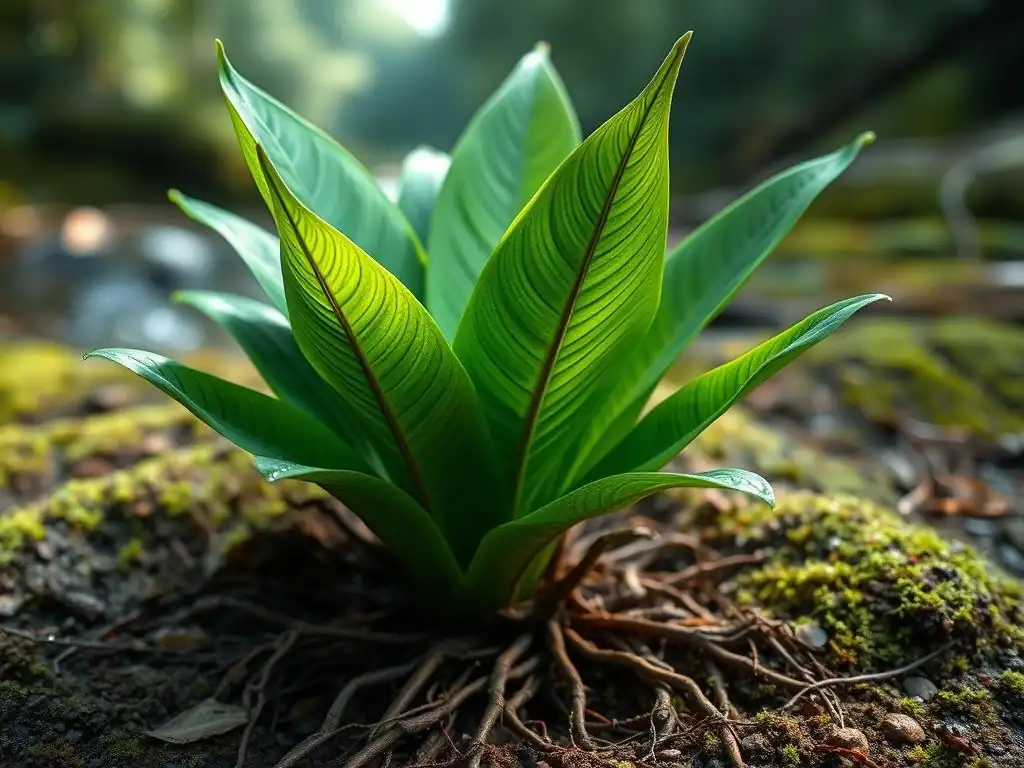
Photography serves as an invaluable reference tool for aquascapers seeking aquascape design inspiration landscapes. Taking detailed photos of natural landscapes, focusing on textures, lighting, shadows, and overall composition, builds an indispensable visual library. These images can capture subtle nuances—like how moss clings to a rock face, the pattern of pebbles in a stream, or the way light filters through a forest canopy—that might be overlooked during a casual observation but are crucial for replicating authenticity in an aquascape.
When photographing, focus on capturing different scales: wide shots for overall composition, and close-ups for intricate details of hardscape and plant arrangements. Consider various lighting conditions, as light plays a significant role in defining depth and mood. Reviewing these photographs later allows aquarists to deconstruct the natural scene, identifying key elements and principles that can be directly translated into their aquarium design, making it a cornerstone of aquascape design inspiration landscapes.
Sketching and Planning Your Aquascape Design: From Concept to Reality
Before placing a single piece of hardscape or planting a single stem, sketching and planning your aquascape design is a critical step in translating aquascape design inspiration landscapes into a tangible reality. This allows aquarists to visualize the layout, experiment with different arrangements, and identify potential challenges or improvements without the physical effort of moving heavy materials. It's an opportunity to refine the composition and ensure it aligns with the initial natural inspiration.
Start with broad outlines, sketching the general shape and flow of the desired landscape. Then, gradually add details: map out the placement of major hardscape elements like rocks and wood, considering their scale and how they interact. Finally, plan the planting scheme, designating areas for foreground, midground, and background plants. Many successful aquascapers spend weeks, even months, meticulously planning their designs on paper or digitally, trying various iterations before committing to the final execution, ensuring a cohesive and well-thought-out aquascape design inspiration landscapes.
Sourcing Materials Responsibly: Ethical Considerations for Aquascaping
Sourcing materials responsibly is an essential ethical consideration for any aquascaper, particularly when drawing aquascape design inspiration landscapes from nature. While it might be tempting to collect hardscape materials directly from natural environments, it's crucial to ensure such collection is legal, environmentally sound, and does not cause harm to local ecosystems. Many natural areas are protected, and removing materials can disrupt habitats or contribute to erosion.
Prioritizing materials purchased from reputable suppliers is generally the most responsible approach. These suppliers often source their rocks and wood sustainably, or provide commercially produced alternatives that are safe for aquarium use. If collecting from private land with permission, always adhere to the "leave no trace" principle, taking only what is needed and minimizing disturbance. For instance, removing large amounts of driftwood from a sensitive wetland could deplete vital shelter for native wildlife, making responsible sourcing a key part of ethical aquascape design inspiration landscapes.
Examples of Stunning Landscape-Inspired Aquascapes
Case Study: Recreating the Amazon River in an Aquarium
A compelling example of aquascape design inspiration landscapes is the recreation of a section of the Amazon River within an aquarium. Consider a 180-gallon tank dedicated to a blackwater biotope. The substrate would consist of a very fine, dark sand, meticulously layered with a generous amount of dried leaf litter (e.g., Indian Almond leaves, Guava leaves) to mimic the detritus found on the riverbed. Numerous large pieces of "Manzanita" or "Mopani" wood would be artfully arranged to simulate submerged roots and fallen branches, dominating the hardscape.
The water parameters would be carefully maintained to replicate the Amazon's soft (GH 2-4 dGH) and acidic (pH 5.5-6.5) conditions, with a distinct tannin tint from the wood and leaves. Plant life would include species native to the region, such as various Echinodorus (Amazon swords), Cabomba furcata, and floating Phyllanthus fluitans. The tank would house a large, cohesive school of 50-70 Cardinal Tetras ( Paracheirodon axelrodi), a group of 8-10 Corydoras Catfish ( Corydoras aeneus), and a pair of Dwarf Cichlids ( Apistogramma cacatuoides), all thriving in their meticulously recreated environment, a living testament to aquascape design inspiration landscapes.
Showcase: A Mountain Aquascape Inspired by the Swiss Alps
Another breathtaking example of aquascape design inspiration landscapes is a mountain aquascape drawing inspiration from the dramatic peaks of the Swiss Alps. Imagine a 120-gallon aquarium featuring a dominant central peak constructed from meticulously layered Seiryu Stone, rising almost to the water surface. Smaller, angular stones are strategically arranged around the base, creating a sense of scree and gradual slopes. The substrate is a mix of light-colored sand and fine gravel, accentuating the rugged, rocky terrain.
Plant life in this mountainscape would be sparse but highly effective, mimicking alpine vegetation. Patches of Riccardia chamedryfolia (Mini Pellia) or Fissidens fontanus (Phoenix Moss) would be carefully attached to the rocks to simulate mosses clinging to cliffs. Small clusters of Eleocharis parvula (Dwarf Hairgrass) or Utricularia graminifolia would form miniature "alpine meadows" in the valleys. The overall effect is one of stark beauty, immense scale, and serene grandeur, showcasing the power of effective aquascape design inspiration landscapes.
Gallery: Diverse Aquascapes Inspired by Global Landscapes
Beyond specific biotope or mountain styles, a gallery of diverse aquascapes showcases the breadth of aquascape design inspiration landscapes from around the globe. Consider a desert canyon aquascape: a 90-gallon tank featuring tall, reddish-brown Dragon Stone formations arranged to mimic eroded sandstone cliffs, with sparse Bucephalandra plants clinging to the rock surfaces and a light, sandy substrate. The open layout and rugged hardscape evoke the stark, arid beauty of a desert landscape.
Alternatively, a coastal tide pool aquascape could be created in a shallow, 60-gallon tank. This design would feature smooth, rounded beach rocks, a coarse sand and shell grit substrate, and low-growing, hardy plants like Anubias nana petite and various Cryptocorynes nestled between the stones. Small, gnarled pieces of driftwood might represent washed-up debris. The design captures the unique resilience and beauty of intertidal zones, reflecting the diverse aquascape design inspiration landscapes available worldwide.
Maintaining Your Landscape-Inspired Aquascape: Long-Term Care
Water Chemistry Considerations: Replicating Natural Water Parameters
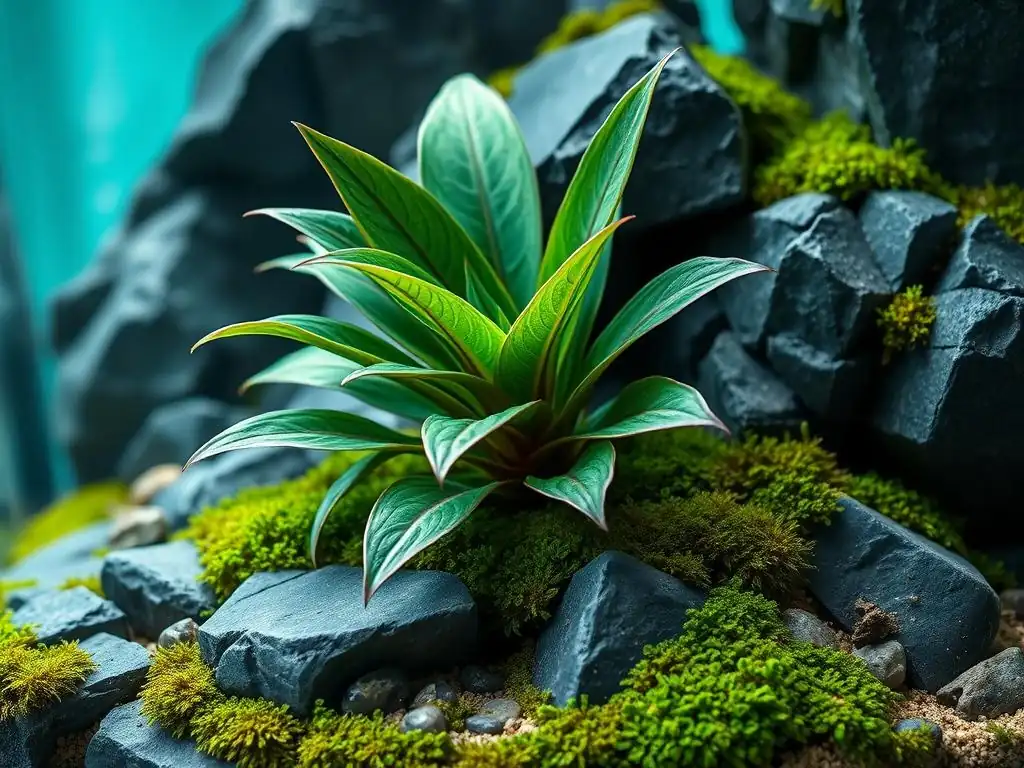
Maintaining a landscape-inspired aquascape extends beyond initial setup to the ongoing replication of natural water parameters, a crucial aspect of long-term care for aquascape design inspiration landscapes. Researching the specific pH, general hardness (GH), carbonate hardness (KH), and temperature of the natural habitat being mimicked is paramount for the health and longevity of both the aquatic plants and fish. For instance, an aquascape inspired by a clear mountain stream might require cool, highly oxygenated water with a neutral to slightly alkaline pH (e.g., pH 7.0-7.8, GH 5-8 dGH).
Conversely, a tank replicating an Amazonian flood plain would demand soft, acidic water (e.g., pH 5.5-6.5, GH 2-4 dGH), possibly achieved through the use of reverse osmosis (RO) water remineralized to target parameters and peat filtration. Regular testing, perhaps weekly or bi-weekly depending on tank stability, is essential to monitor these parameters and make necessary adjustments. Consistent water changes, typically 25-30% weekly, help maintain stability and replenish trace elements, ensuring the integrity of the aquascape design inspiration landscapes.
Plant Care and Pruning: Maintaining a Healthy Ecosystem
Regular plant care and pruning are indispensable for maintaining the aesthetic and ecological balance of a landscape-inspired aquascape. Just as natural landscapes evolve, an aquascape requires ongoing management to preserve its intended shape, prevent overgrowth, and ensure adequate light penetration to all plants. Overgrown plants can shade out lower growth, leading to die-off and potential algae issues, detracting from the original aquascape design inspiration landscapes.
Pruning techniques vary by plant type: stem plants are typically trimmed from the top to encourage bushier growth, while carpeting plants are "mown" to maintain a low, dense carpet. Decaying leaves should be removed promptly to prevent nutrient spikes. Establishing a consistent pruning schedule, perhaps every 1-2 weeks for fast-growing plants, is vital. This proactive approach ensures that the plant mass remains healthy and visually harmonious, reflecting the sustained beauty of the aquascape design inspiration landscapes.
Algae Control: Preventing Imbalances in Your Aquascape
Algae is a common challenge in any aquarium, and its excessive growth in a landscape-inspired aquascape often signals an underlying imbalance in nutrients, light, or CO2. While a small amount of green algae is natural, rampant growth can quickly obscure the carefully crafted hardscape and beautiful plant arrangements, diminishing the impact of your aquascape design inspiration landscapes. Effective algae control is paramount for preserving the intended aesthetic and health of the ecosystem.
Strategies for algae control include maintaining a consistent lighting schedule (e.g., 8-10 hours per day), ensuring appropriate fertilization levels without over-dosing, and providing adequate CO2 for planted tanks. Regular water changes (e.g., 25-30% weekly) help dilute excess nutrients. The introduction of algae-eating inhabitants, such as Otocinclus catfish, Amano shrimp, or Nerite snails, can also be highly effective. Identifying and addressing the root cause of algae—whether it's too much light, too many nutrients, or insufficient CO2—is key to long-term control and maintaining the clarity of your aquascape design inspiration landscapes.
Conclusion: Embrace Nature's Beauty in Your Aquascape Design
Frequently Asked Questions
What exactly is aquascape design inspiration landscapes and how does it relate to natural environments?
Aquascape design inspiration landscapes focuses on mimicking natural ecosystems within an aquarium. It involves observing and translating the composition, textures, and colors found in natural landscapes into an underwater environment.
Where can I find aquascape design inspiration landscapes ideas for my aquarium?
Look to nature! Explore photographs of various landscapes like forests, mountains, and riverbeds. Websites like AquariumMastery.com offer resources and examples based on these natural settings.
How important is aquascape design inspiration landscapes to the overall health of my aquarium ecosystem?
While aesthetics are key, understanding the ecological principles behind a landscape is crucial. Choosing appropriate plants and hardscape materials will contribute to a balanced and thriving aquarium.
What are some common mistakes people make when using aquascape design inspiration landscapes?
A common mistake is overcrowding the tank with too many elements. It's also important to consider the specific needs of the fish and plants you choose, matching them to the simulated environment.
Does aquascape design inspiration landscapes work for both freshwater and saltwater aquariums?
Yes! The principles of drawing inspiration from nature apply to both. You can create stunning freshwater riverbed scapes or replicate saltwater reef environments using appropriate corals and rock formations.
Final Reflection: Embracing Nature's Blueprint
The principles of aquascaping, as we've explored, are deeply intertwined with the artistry of natural landscapes. Understanding and mimicking these environments is not merely about aesthetics; it's about creating thriving, balanced ecosystems within our own homes. The beauty of a well-designed aquascape lies in its ability to transport us, to offer a glimpse of the wild, untamed beauty that exists beyond our urban landscapes.
This connection to nature is more vital than ever. In a world increasingly dominated by technology and artificial environments, the need to reconnect with the natural world is paramount. Aquascaping offers a tangible way to bring that connection into our daily lives, fostering a sense of peace and tranquility. Look deep into nature, and then you will understand everything better.
- Albert Einstein. This quote encapsulates the essence of drawing inspiration from landscapes; it's about understanding the underlying principles that govern these environments and applying them to our own creative endeavors.
As you embark on your aquascaping journey, remember that nature is the ultimate teacher. Let the landscapes you admire – the cascading waterfalls, the serene forests, the vibrant coral reefs – guide your design choices. Allow yourself to be inspired by their beauty, their complexity, and their inherent harmony. Embrace the challenge of recreating these miniature ecosystems, and you'll not only create a stunning aquascape, but also cultivate a deeper appreciation for the natural world around you.
Unleash Your Inner Aquascaping Artist!
Thank you for diving into the world of natural aquascapes with us! We hope you've discovered fresh inspiration for creating your own underwater paradise. Now, let's turn that inspiration into action.
Here are a few ways to bring the beauty of nature into your next aquascape:
- Plan Your "Inspiration Tank": Sketch out an aquascape design directly inspired by a real landscape you love. Consider the specific elements (rocks, plants, wood) and how you can translate them into an underwater setting.
- Expand Your Knowledge: Explore different biotope aquascapes and the natural habitats they represent. Research the specific flora and fauna that thrive in those environments.
- Share your vision! Post a sketch or mood board of your planned aquascape on social media using #AquariumMasteryNature. Let's inspire each other!
What specific landscape feature (e.g., a mountain range, a forest floor, a rocky coastline) are you most excited to recreate in your next aquascape?