
Capture Your Creation: Pro Photography Tips for Showcasing Your Aquascape's True Splendor

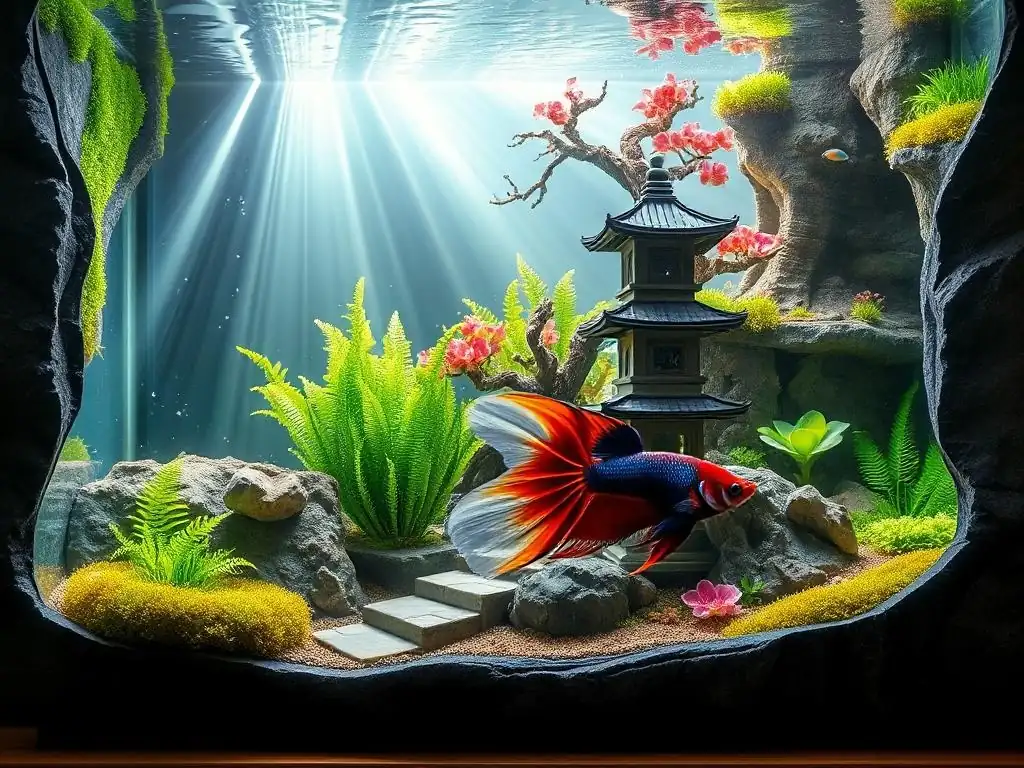
Welcome to Aquarium Mastery!
Ever wished you could capture the breathtaking beauty of your aquascape in stunning photographs? You've meticulously crafted an underwater paradise, but translating that visual magic into a photo can be tricky. Unlock the secrets to capturing professional-quality images with our in-depth guide, " Capture Your Creation: Pro Photography Tips for Showcasing Your Aquascape's True Splendor." Dive in and discover the aquascape photography tips that will transform your photos from snapshots to masterpieces!
- Understanding Light for Stunning Aquascape Photos
-
Frequently Asked Questions
- How do I prevent reflections in my aquascape photos?
- What are the best camera settings for aquascape photography?
- How important is lighting when photographing my aquascape?
- How can I improve the sharpness and clarity of my aquascape photos?
- What are some tips for composing a compelling aquascape photograph?
- Final Reflection: Capturing Aquatic Beauty
- Reveal the Underwater Masterpiece You've Crafted!
Understanding Light for Stunning Aquascape Photos
Light is arguably the most critical element in aquascape photography, dictating everything from color rendition to the perception of depth and detail. It can transform an ordinary shot into a breathtaking display of your aquatic art. Understanding how different light sources behave and how to manipulate them is fundamental for any aquarist aiming for Aquascape photography tips best shots. Proper illumination highlights the vibrant colors of plants and fish, reveals the intricate textures of hardscape, and minimizes distracting shadows, ensuring your aquascape’s true beauty is captured.
Natural Light vs. Artificial Lighting for Aquascapes
Natural light, while aesthetically pleasing in many photographic contexts, presents significant challenges for aquascape photography. Its primary benefit lies in its ability to provide a soft, diffused quality that can beautifully illuminate an aquascape, often rendering colors with a very natural appearance. However, natural light is inherently uncontrollable; its intensity, direction, and color temperature fluctuate constantly with the time of day, weather conditions, and even passing clouds. For instance, direct sunlight can cause severe glare on the tank glass, overexpose sections of the aquascape, and even promote excessive algae growth in the long term, making consistent Aquascape photography tips best shots nearly impossible without extensive wait times for ideal conditions.
In contrast, artificial lighting offers unparalleled control, making it the preferred choice for professional aquascape photographers seeking Aquascape photography tips best shots. Modern aquarium lighting, such as LED fixtures, T5 fluorescent lamps, and metal halide lamps, provides consistent intensity and color temperature. This allows photographers to precisely sculpt the light, highlighting specific elements of the aquascape while minimizing unwanted shadows or reflections. The ability to control light direction and spread enables techniques like backlighting or side-lighting, which can dramatically enhance depth and texture. For example, a high-quality LED fixture might offer dimming capabilities and adjustable color channels, allowing a photographer to fine-tune the spectrum to make red plants pop or bring out the iridescent scales of fish, ensuring repeatable and high-quality results.
Mastering Aquarium Lighting for Photography
Mastering your existing aquarium lighting is paramount for capturing Aquascape photography tips best shots. Many modern aquarium light fixtures, particularly high-end LED units, offer sophisticated control over intensity and color temperature. For photography, it is often beneficial to adjust the light's brightness to prevent overexposure, especially in tanks with very powerful lighting. Experimenting with color temperature, measured in Kelvin (K), can dramatically alter the mood and accuracy of your photo. For instance, a setting around 6500K typically provides a neutral white balance that closely mimics natural daylight, rendering colors accurately. However, pushing towards higher Kelvin values (e.g., 8000K-10000K) can enhance blues and greens, while slightly lower values might bring out warmer tones in certain plant species, allowing for artistic expression and specific plant color enhancement.
Beyond intensity and color, the positioning and diffusion of light play a crucial role in shaping the final image. Overhead lighting, while standard for plant growth, can sometimes flatten an aquascape in a photograph, reducing perceived depth. Introducing side lighting, perhaps with an external light source or by repositioning existing fixtures if possible, can create dramatic shadows and highlights that emphasize the contours of hardscape and the texture of plants. Furthermore, diffusing light can significantly improve image quality by softening harsh shadows and reducing hotspots on reflective surfaces. Simple diffusers like tracing paper or a thin white cloth placed strategically between the light source and the tank can transform harsh, direct light into a soft, even glow, leading to more professional and visually appealing Aquascape photography tips best shots.
Polarizing Filters: Eliminating Reflections and Glare in Aquascape Photography
A polarizing filter, specifically a circular polarizer (CPL), is an indispensable tool for any serious aquascape photographer aiming for Aquascape photography tips best shots. This filter works by blocking light waves that are vibrating in a particular plane, effectively reducing or eliminating reflections and glare from non-metallic surfaces like glass and water. When shooting an aquarium, the tank's glass acts like a mirror, reflecting ambient room lights, windows, camera flashes, and even the photographer's own reflection. These reflections can obscure vital details within the aquascape, making the image look washed out or cluttered. A CPL filter, attached to the front of your camera lens, allows you to "look through" these reflections and capture the true, vibrant details beneath.
To use a CPL filter effectively, you simply attach it to your lens and rotate the outer ring while looking through your camera's viewfinder or live view display. As you rotate it, you will notice the reflections fading away or intensifying. Your goal is to find the sweet spot where reflections are minimized, revealing the clear view of your aquascape. For example, a CPL filter can reduce reflections from a brightly lit window behind the camera by as much as 90% in optimal conditions, allowing the intricate details of a delicate stem plant or the vibrant scales of a fish to become perfectly visible. This ability to cut through glare is transformative, ensuring that your Aquascape photography tips best shots truly showcase the depth, clarity, and color accuracy of your meticulously crafted underwater world, free from distracting external elements.
Frequently Asked Questions
How do I prevent reflections in my aquascape photos?
Reflections are a common problem. Try shooting at an angle to the glass, use a polarizing filter on your lens, or dim the room lights during your photoshoot.
What are the best camera settings for aquascape photography?
Optimal settings depend on your equipment, but start with a low ISO for minimal noise, a narrow aperture (f/8 or higher) for depth of field, and adjust shutter speed accordingly.
How important is lighting when photographing my aquascape?
Lighting is crucial. Use natural light if possible, or supplement with aquarium-safe LED lights to highlight your plants and fish. Avoid harsh shadows.
How can I improve the sharpness and clarity of my aquascape photos?
Ensure your glass is clean inside and out, use a tripod to stabilize your camera, and consider post-processing software to enhance sharpness and clarity.
What are some tips for composing a compelling aquascape photograph?
Focus on creating depth by layering elements, use the rule of thirds to arrange your focal points, and consider the overall balance of your aquascape.
Final Reflection: Capturing Aquatic Beauty
The journey of aquascaping, meticulously crafting underwater landscapes, culminates in a desire to share its beauty. But a poorly captured image can diminish the splendor of even the most breathtaking aquascape. That's why mastering aquascape photography is so crucial; it allows us to truly showcase the artistry and dedication poured into these living works of art, ensuring their impact resonates beyond our own tanks.
This pursuit isn't merely about taking pictures; it's about preserving a moment, a feeling, a slice of the underwater world we've painstakingly created. The ability to translate the vibrant colors, intricate details, and dynamic life of an aquascape into a compelling photograph is a skill that deepens our appreciation for the art form itself. As the renowned photographer Ansel Adams once said, You don't take a photograph, you make it.
This sentiment perfectly encapsulates the deliberate and thoughtful process required to capture the true essence of an aquascape.
Now, armed with these aquascape photography tips, I encourage you to look at your own creations with fresh eyes. Experiment with angles, lighting, and composition. Embrace the challenge of capturing the fleeting moments of beauty within your tank. Let your photographs not only document your aquascapes but also inspire others to discover the magic and tranquility of this captivating art form. Go forth and capture the splendor!
Reveal the Underwater Masterpiece You've Crafted!
Thank you for diving into the world of aquascape photography! We hope these tips have empowered you to capture the beauty you've created. Now, let's transform your stunning aquascape into breathtaking images.
- Dedicate this weekend to mastering one new photography technique from the article, like understanding the golden ratio for composition, and then reshoot your favorite aquascape.
- Share your before-and-after photos on social media using #AquariumMastery, showcasing your progress and inspiring other aquascapers.
- Dive deeper by joining our exclusive Aquarium Mastery community forum to discuss photography tips, share your best shots, and receive personalized feedback from fellow aquascaping enthusiasts.
What's the first stunning photo you'll be sharing with the world, and what specific element of your aquascape will it highlight?