
The Aquascaper's Blueprint: Applying Core Design Principles for Visually Stunning Tanks

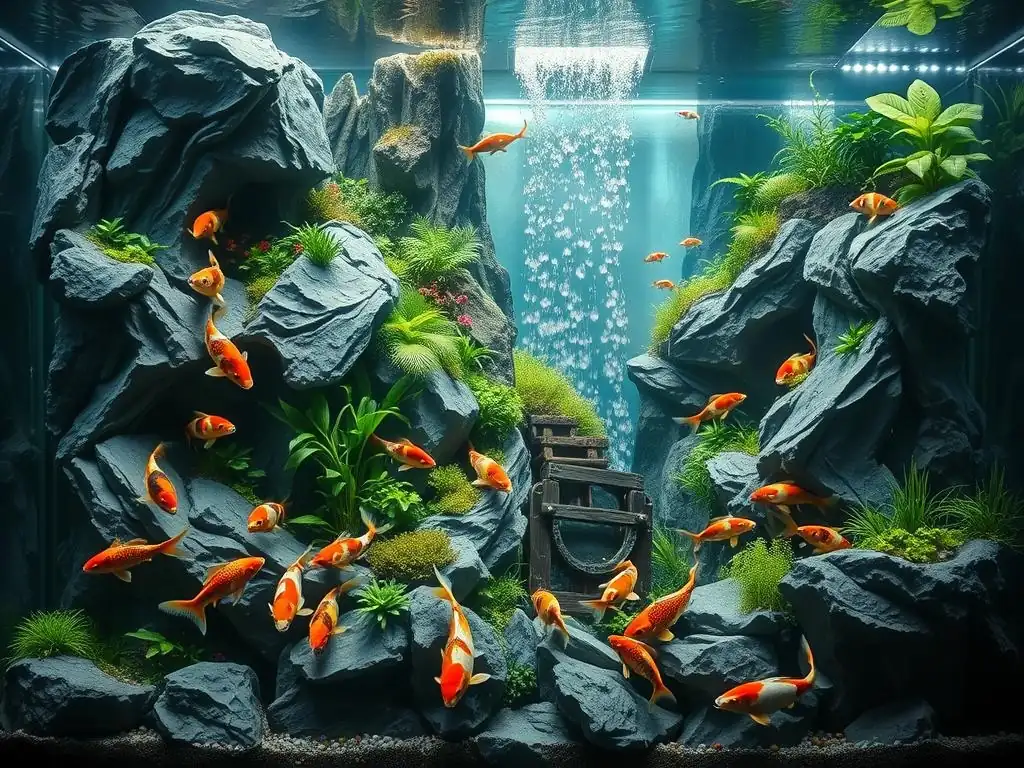
Welcome to Aquarium Mastery!
Ever wonder how some aquariums become mesmerizing underwater masterpieces, while others... well, don't? Dive in and unlock the secrets! This guide reveals the Aquarium Design Principles Blueprint – a key to creating visually stunning tanks. Are you ready to transform your aquarium from ordinary to extraordinary? Let's explore!
- Understanding the Foundation: Core Aquarium Design Principles Blueprint
-
Frequently Asked Questions
- How do aquarium design principles contribute to a visually stunning tank?
- What are some essential aquascaping materials recommended on AquariumMastery.com?
- What are some of the most common aquarium design mistakes beginners make, and how can they be avoided?
- How does water chemistry impact the overall health and aesthetic of a planted aquarium?
- Where can I find more detailed information on specific aquascaping styles or techniques on AquariumMastery.com?
- Final Reflection: Cultivating Underwater Harmony
- Design Your Dreamscape: Unleash Your Inner Aquascaper!
Understanding the Foundation: Core Aquarium Design Principles Blueprint
What is the Aquarium Design Principles Blueprint and Why is it Essential?
The aquarium design principles blueprint refers to a set of fundamental guidelines and aesthetic rules that aquascapers follow to create visually appealing, balanced, and harmonious underwater landscapes. It's not a rigid formula but rather a framework derived from traditional art and design concepts, adapted specifically for the unique challenges and opportunities of an aquatic environment. Understanding this blueprint is crucial for anyone aiming to move beyond simply arranging plants and rocks, enabling them to craft a truly stunning and impactful aquascape that captivates viewers and provides a thriving habitat for aquatic life.
Adhering to an effective aquascaping blueprint ensures that elements like hardscape, plants, and fish are integrated seamlessly, preventing a chaotic or unbalanced appearance. It helps aquarists consciously apply principles such as focal points, balance, contrast, and rhythm, leading to designs that are not only beautiful but also sustainable and functional. Without a guiding design blueprint for aquariums, tanks often end up looking cluttered or lack a clear artistic direction, which can detract from the overall enjoyment and even stress tank inhabitants due to poor spatial planning.
The Golden Ratio in Aquascaping: Achieving Visual Harmony
The Golden Ratio, often represented by the Greek letter phi (Φ ≈ 1.618), is a mathematical concept found throughout nature and art, believed to create inherently pleasing and balanced compositions. In aquascaping, applying this principle involves positioning key elements—such as the primary focal point, the dominant hardscape piece, or the division between major plant masses—at points that align with this ratio.
For instance, in a 90cm (approximately 35-inch) long aquarium, a primary focal point placed around 55.6cm (approximately 21.9 inches) from one end, or a major hardscape division at this point, can lead to a naturally harmonious arrangement that feels visually stable and appealing.
Utilizing the Golden Ratio as part of your aquarium design principles blueprint helps create a sense of natural proportion and flow, guiding the viewer's eye through the layout without abrupt stops. This principle can be applied to the placement of the main "Iwagumi" stone in a stone-based layout, the intersection of driftwood branches, or even the overall height distribution of plants. While not an exact science in aquascaping, approximating these proportions significantly enhances the aesthetic quality, making the layout feel more organic and less contrived.
Rule of Thirds for Aquarium Layout: Creating Dynamic Compositions
The Rule of Thirds is another foundational design principle, particularly effective for creating dynamic and engaging compositions in aquascapes. It involves mentally dividing the tank into nine equal sections by two equally spaced horizontal lines and two equally spaced vertical lines, much like a tic-tac-toe grid. Instead of placing the main subject or focal point directly in the center, the Rule of Thirds suggests positioning it along these lines or, even more powerfully, at one of the four intersections where the lines cross.
Applying this aspect of the aquarium design principles blueprint allows for a more visually interesting layout compared to a symmetrically centered design. For example, in a 60cm (approximately 24-inch) tank, placing a dominant piece of driftwood or a vibrant plant cluster roughly 20cm (8 inches) or 40cm (16 inches) from an end, rather than at the 30cm mark, can create a stronger, more balanced, and less static composition. This off-center placement encourages the eye to explore the entire aquascape, leading to a more engaging visual experience and making the overall layout feel more professional and thoughtfully designed.
Negative Space in Aquascaping: The Art of Emptiness
Negative space, in the context of an aquascape, refers to the unoccupied areas within the tank—the open water columns, clear substrate areas, or sections where plant density is intentionally low. Far from being empty or wasted space, negative space is a crucial element of the aquarium design principles blueprint that contributes significantly to the overall balance, clarity, and visual impact of a design. It provides visual resting points for the eye, prevents the aquascape from appearing cluttered, and emphasizes the positive elements (hardscape, plants, fish) by creating contrast.
Effective use of negative space allows the positive elements to "breathe" and stand out, enhancing their individual beauty and the overall composition. For instance, dedicating a significant portion of a 180-liter (approximately 48-gallon) tank's foreground to clear substrate or creating open swimming channels for fish can dramatically improve the sense of depth and scale. Neglecting negative space often leads to over-filled tanks where every element competes for attention, resulting in a chaotic and overwhelming visual experience that lacks a clear focal point or narrative.
Frequently Asked Questions
How do aquarium design principles contribute to a visually stunning tank?
Applying principles like the golden ratio and rule of thirds helps create a more balanced and aesthetically pleasing layout. This, in turn, makes your aquarium more visually appealing and engaging for the viewer. These principles create a sense of harmony.
What are some essential aquascaping materials recommended on AquariumMastery.com?
AquariumMastery.com often recommends using natural materials like driftwood, rocks, and aquatic plants for a more authentic look. The specific materials depend on the desired style, but safe and inert options are crucial.
What are some of the most common aquarium design mistakes beginners make, and how can they be avoided?
Overcrowding the tank with too many decorations or fish is a common mistake. Avoid this by planning your layout beforehand and researching the mature size of fish and plants. Also ensure adequate water parameters are maintained.
How does water chemistry impact the overall health and aesthetic of a planted aquarium?
Proper water chemistry is crucial for plant growth and the overall health of the aquarium ecosystem. Imbalances can lead to algae blooms, stunted plant growth, and harmful conditions for fish. AquariumMastery.com offers detailed guides on water testing and adjustment.
Where can I find more detailed information on specific aquascaping styles or techniques on AquariumMastery.com?
AquariumMastery.com organizes content by aquarium type, species profiles, and maintenance schedules. Look for articles related to your desired style (e.g., Iwagumi, Dutch) and troubleshooting guides for common issues.
Okay, here's a final reflection designed to close your article, "The Aquascaper's Blueprint: Applying Core Design Principles for Visually Stunning Tanks," optimized for the keyword "Aquarium design principles blueprint," and following the structure you outlined:
Final Reflection: Cultivating Underwater Harmony
The journey through the aquascaper's blueprint reveals that creating a visually stunning tank is far more than just arranging plants and rocks; it's about understanding and applying fundamental design principles. This understanding transforms a simple aquarium into a living work of art, a microcosm reflecting the beauty and balance of the natural world. The principles we've explored – from the golden ratio to the rule of thirds – are not mere guidelines, but powerful tools for crafting captivating underwater landscapes that resonate with viewers on a profound level.
The art of aquascaping, guided by these principles, has profoundly influenced how we perceive and interact with aquatic environments. It's a constant reminder that even within the confines of a glass box, we can create spaces that inspire awe and tranquility. The ability to mimic nature's artistry is a testament to human creativity and our innate desire to connect with the natural world. The best and most beautiful things in the world cannot be seen or even touched - they must be felt with the heart.
- Helen Keller, a sentiment perfectly embodied by a thoughtfully designed aquascape.
Now, armed with this aquascaper's blueprint, I invite you to look beyond the surface of your own aquarium. Consider how you can apply these design principles not just to your tank, but to other aspects of your life. Embrace the challenge of creating balance, harmony, and visual appeal in your surroundings. Let the principles of aquascaping inspire you to cultivate beauty and tranquility in every corner of your world, transforming the ordinary into the extraordinary, one carefully placed element at a time.
Design Your Dreamscape: Unleash Your Inner Aquascaper!
Thank you for diving into the world of aquascaping with us! We hope you've gained valuable insights into how design principles can transform your aquarium into a breathtaking underwater landscape. Now, it's time to put that knowledge into action and create your masterpiece.
Here are a few ways to get started:
- Sketch your Aquascape Masterpiece: Use the principles you’ve learned to create a detailed sketch of your ideal aquascape. Focus on creating depth, balance, and a focal point.
- Explore unconventional materials: Step beyond traditional driftwood and rocks! Experiment with using slate, tree roots, or even carefully selected ceramic pieces to add a unique touch to your scape.
- Share your inspiration: Found an aquascape that truly inspires you? Share it with the Aquarium Mastery community and tell us what design elements you love most!
What's the single most daring design choice you're considering for your next aquascape, and how do you plan to execute it?